Low porosity natural hair is unique. It stands out because it resists water and moisture, making it both strong and challenging to care for. Many people with low porosity hair want defined, bouncy curls. The Curly Girl Method (CGM) is a popular routine for getting beautiful curls without harsh chemicals or heat. But the standard CGM does not always work for low porosity hair. In fact, following the classic steps can sometimes leave hair feeling heavy, greasy, or dry at the ends.
If you have low porosity hair and the CGM is not giving you the results you expect, you are not alone. This article explains how to adjust the method, why certain changes are needed, and what really works for low porosity curls.
With clear steps, practical tips, and real examples, you will learn how to create a routine that finally delivers soft, shiny, healthy curls.
Let’s explore the science behind low porosity hair, common CGM mistakes, and the best modifications for real results.
Understanding Low Porosity Natural Hair
Low porosity hair has a cuticle layer that lies flat and tight. This makes it hard for moisture, oils, and styling products to get in or out. Water beads on the surface instead of soaking in quickly. The hair often dries slowly and can feel product-heavy with regular routines.
Key Characteristics
- Water-resistant: Takes a long time to get fully wet.
- Slow to dry: Air-drying can take several hours.
- Build-up prone: Products tend to sit on top of the hair rather than absorb.
- Shiny appearance: The smooth cuticle reflects light.
- Hard to moisturize: Hydration does not easily penetrate.
Why Porosity Matters In Hair Care
Your hair’s porosity affects everything: how you wash, condition, moisturize, and style. Using routines for high porosity or even “normal” hair can leave low porosity curls limp, greasy, or dull.
Non-obvious insight: Many people with low porosity hair think their hair is dry. In reality, the problem is that moisture sits on the surface, not inside the hair shaft. This leads to frizz and buildup. The solution is not heavier creams but smarter product choices and techniques.
The Standard Curly Girl Method (cgm): What Works And What Fails
The Curly Girl Method, developed by Lorraine Massey, is famous for helping people embrace their natural curls. The core ideas: avoid sulfates, silicones, and heat, and use conditioner to “wash” and define curls. But CGM was not designed with low porosity hair in mind.
Common Cgm Steps
- Co-washing: Washing with conditioner, not shampoo
- No sulfates or silicones: To avoid dryness and buildup
- Leave-in conditioner
- Gel or curl cream for definition
- Plopping and air-drying
Why Standard Cgm Can Backfire
- Too much moisture: Co-washing and heavy conditioners can suffocate low porosity hair.
- Product buildup: Without clarifying, residue accumulates and curls look dull.
- Slow drying: Plopping and air-drying can leave hair damp for hours, increasing frizz and odor risk.
- No protein balance: Many CGM products are moisture-rich but lack enough protein for strength.
Non-obvious insight: People with low porosity hair often see less curl definition and more frizz after a few weeks on CGM. This is usually from over-conditioning and not clarifying, not from a “transition” period.
Essential Cgm Modifications For Low Porosity Hair
With the right tweaks, the CGM can work for low porosity curls. The focus should be on light moisture, regular clarifying, and smart styling.
1. Clarifying More Often
Low porosity hair needs regular deep cleansing. Clarifying removes product buildup, minerals, and oils that block moisture from entering the hair shaft.
- Use a gentle clarifying shampoo every 1-2 weeks. Look for formulas without harsh sulfates but with chelating agents if you have hard water.
- Signs you need to clarify: Curls look dull, feel coated, or products stop working.
Pro tip: If your favorite curl cream suddenly stops working, clarify your hair before blaming the product.
2. Lightweight, Water-based Products
Heavy creams and butters often sit on low porosity hair and create buildup. Switch to lightweight, water-based leave-ins and gels.
- Choose products with water or aloe as the first ingredient.
- Avoid heavy oils (castor, coconut) and thick butters.
- Look for “weightless” or “volumizing” labels.
3. Rinse-out Conditioner Instead Of Leave-in
Unlike high porosity hair, low porosity curls rarely need leave-in conditioner. Rinse-out conditioners work better and prevent coating.
- Apply conditioner in the shower, detangle, then rinse thoroughly.
- If you need extra moisture, use a pea-sized amount as a leave-in—no more.
4. Use Protein Wisely
Low porosity hair can be protein-sensitive, but it still needs protein for strength and elasticity. The key is balance and product choice.
- Use light protein treatments (hydrolyzed wheat, silk, or rice protein) every 2-4 weeks.
- Avoid “strong” protein masks unless your curls feel mushy or limp.
- Alternate protein and moisture.
5. Warm Water And Heat For Deep Conditioning
To help moisture penetrate, use warm water and gentle heat. This “lifts” the cuticle so conditioner can get inside.
- Rinse hair with warm (not hot) water.
- Deep condition with a hooded dryer, heat cap, or a warm towel for 10-20 minutes.
- Always rinse with cool water to close the cuticle.
6. Apply Products To Soaking Wet Hair
Many curly guides say to apply products to damp hair. For low porosity, soaking wet application helps distribute product evenly and keeps curls clumpier.
- Work in small sections.
- Rake or smooth products through with your fingers.
- Scrunch upward for definition.
7. Gel Over Creams
Gels are lighter than creams and less likely to cause buildup. They also define curls without weighing them down.
- Use a lightweight gel with minimal oils.
- Scrunch in for hold and definition.
- Avoid layering heavy cream under gel.
8. Less Is More
Low porosity hair needs less product than you think. Start with a small amount and add more only if needed.
- Pea to dime-sized dollops per section.
- Build up slowly.
- If your hair looks greasy or coated, use less next time.
9. Faster Drying Techniques
Air-drying can leave low porosity hair damp for hours, raising the risk of mildew and odor. Speed up drying with these methods:
- Microfiber towel or cotton T-shirt to blot excess water.
- Diffuser on low heat and speed.
- Clip roots for volume and airflow.
10. Refresh Curls With Water, Not More Product
On non-wash days, mist hair with water to reactivate curl pattern, not more leave-in. Too much product builds up fast.
- Use a spray bottle with water or a water/aloe mix.
- Scrunch curls to revive shape.
- Avoid layering more gel or cream unless absolutely needed.
Cgm Routine Example For Low Porosity Hair
To see how these modifications work together, here’s a sample routine:
- Clarify: Once every 1-2 weeks with a gentle clarifying shampoo.
- Condition: Use a lightweight, silicone-free conditioner. Rinse out fully.
- Deep Condition: Every 2-4 weeks with a light protein or moisture mask, using gentle heat.
- Style: On soaking wet hair, apply a small amount of lightweight gel, scrunch, and diffuse or air-dry.
- Refresh: Mist with water and scrunch as needed between washes.
This routine avoids buildup, keeps curls bouncy, and minimizes frizz.
Product Choices For Low Porosity Cgm Modifications
Choosing the right products is key for low porosity success. Here are some recommended types and examples.
Clarifying Shampoos
Look for gentle formulas that remove buildup without stripping hair.
- Kinky Curly Come Clean
- Ouidad Water Works
- SheaMoisture African Black Soap Shampoo
Lightweight Conditioners
Opt for “hydrating” or “volumizing” conditioners.
- Giovanni 50: 50 Balanced Hydrating-Calming Conditioner
- Tresemme Botanique Nourish & Replenish Conditioner
Light Gels
Choose gels with minimal oils and no heavy butters.
- Uncle Funky’s Daughter Curly Magic
- Eco Styler Krystal Gel
Protein Treatments
Pick hydrolyzed protein formulas for strength.
- ApHogee Keratin & Green Tea Restructurizer
- SheaMoisture Manuka Honey & Yogurt Protein Treatment
Expert tip: Always check ingredients and start with a patch test if your hair is protein-sensitive.
How Low Porosity Differs From High Porosity In Cgm
Understanding the differences helps avoid copying routines that do not fit your hair type.
Here’s a comparison:
| Feature | Low Porosity | High Porosity |
|---|---|---|
| Water Absorption | Slow | Fast |
| Product Tolerance | Low (builds up easily) | High (absorbs more) |
| Moisture Loss | Slow | Quick |
| Best Products | Lightweight, water-based | Heavier creams, oils |
| Clarifying Need | Often | Occasionally |
Key takeaway: Low porosity hair thrives on light, frequent cleansing and minimal, targeted moisture.
The Science Of Product Buildup
Product buildup is a silent enemy for low porosity hair. It happens when conditioners, creams, and oils sit on the surface, blocking water from entering.
Signs Of Buildup
- Hair feels waxy, sticky, or coated.
- Curls lose shape and definition.
- Scalp feels itchy or flaky.
- Water beads on hair even when “clean.”
Common mistake: Using clarifying shampoo too rarely. Even “CGM approved” products can build up on low porosity hair.
How To Prevent And Fix Buildup
- Clarify every 1-2 weeks.
- Use less product each time.
- Avoid layering leave-in, cream, and oil.
- Rinse thoroughly after every wash.
Deep Conditioning For Low Porosity Hair
Deep conditioning is important, but the method must be right. Too much moisture can lead to mushy, limp curls. Too much protein can make hair brittle.
Best Deep Conditioning Practices
- Use heat to open the cuticle—try a warm towel or heat cap.
- Alternate between moisture and protein masks.
- Keep sessions short (10-20 minutes).
- Rinse with cool water to seal the cuticle.
Quick tip: If your hair feels heavy or loses curl definition after deep conditioning, cut back to once a month.

Credit: www.reddit.com
How To Tell If Your Routine Is Working
Track your hair’s progress. Here’s how to know your CGM modifications are on the right track:
| Sign | What It Means |
|---|---|
| Defined curls, no frizz | Balanced moisture/protein and no buildup |
| Shiny, lightweight hair | Products absorbed well, not coating |
| Hair dries within 2-3 hours | Good water/product balance |
| Scalp feels clean | Regular clarifying is working |
If you notice the opposite (dullness, limp curls, sticky feel), adjust your routine—usually by clarifying and using less product.
Addressing Common Low Porosity Cgm Problems
My Hair Feels Dry, But Looks Greasy
This is usually buildup. Product sits on top, blocking water from entering. Solution: Clarify and use lighter products.
My Curls Have No Definition
Try using less conditioner and more gel. Apply products to soaking wet hair and use a diffuser to set the curl pattern.
My Hair Takes Forever To Dry
Use a microfiber towel to blot, then diffuse on low heat. Use less product and avoid heavy creams or oils.
My Scalp Is Itchy
This is a sign of buildup or not rinsing thoroughly. Clarify more often and rinse well after each wash.
Real-world example: Maria, a CGM user with low porosity 3B curls, found her hair limp and greasy after one month. She switched to clarifying every 10 days and using only a lightweight gel. Her curls became bouncy and defined within three washes.
Credit: www.redken.com
Advanced Tips For Low Porosity Natural Hair
1. Try A Rice Water Rinse (cautiously)
Rice water is rich in amino acids and gentle protein. Use every 4-6 weeks for strength, but do not overdo it—too much protein causes stiffness.
2. Scalp Care Matters
Low porosity hair can trap oils on the scalp. Use a gentle scalp brush or fingertips to massage when shampooing.
3. Avoid Heavy Oils For Sealing
Oils like castor and coconut are too heavy for most low porosity hair. Opt for light oils such as argan or grapeseed, and use only on ends if needed.
4. Rotate Products Seasonally
Humidity and temperature affect low porosity hair. In summer, use even lighter products. In winter, occasional light cream may help.
5. Night Care
Pineapple your hair (loose ponytail on top of head) and use a satin or silk scarf or pillowcase to reduce friction and retain moisture.
6. Test Water Quality
Hard water makes buildup worse. If you have hard water, use a chelating shampoo monthly or rinse with distilled water.
How To Build Your Own Low Porosity Cgm Routine
Building a routine is about understanding your hair’s needs, not copying someone else’s step by step.
Steps For Customizing Your Routine
- Assess Your Hair: Is it dry, limp, frizzy, or coated? Start simple and add steps only as needed.
- Clarify First: Always start with a clean slate.
- Pick the Right Conditioner: Use lightweight, silicone-free formulas.
- Deep Condition With Heat: Only once or twice a month.
- Apply Products to Soaking Wet Hair: Use minimal amounts.
- Choose Gel Over Cream: For definition without buildup.
- Diffuse or Air-Dry: But blot excess water first.
- Refresh With Water: Not more product.
Remember: Less is more. Start simple, then adjust based on results.
Credit: curlycurvypassion.com
Mistakes To Avoid With Low Porosity Cgm
- Using heavy butters and oils—leads to buildup.
- Skipping clarifying—results in coated hair and dull curls.
- Over-conditioning—makes curls limp and mushy.
- Not rinsing thoroughly—leaves residue and causes scalp issues.
- Using too much product—hair looks greasy and takes too long to dry.
- Applying products to dry hair—reduces definition and causes frizz.
- Not using heat for deep conditioning—prevents moisture from entering the cuticle.
Expert tip: Always keep a “reset day” in your routine, where you clarify and use minimal product, to prevent problems from building up.
Real-life Results: Success Stories
Many people with low porosity hair have found their best curls by adjusting the CGM. Here are two real-life examples:
- Jasmine (type 4A, low porosity): After switching to a clarifying shampoo every 10 days and using only a water-based gel, her hair became soft, defined, and dried in two hours instead of all day.
- Elijah (type 3C, low porosity): Stopped using leave-in conditioner and deep conditioned once a month with heat. His curls became more defined and scalp itch disappeared.
These stories show that with the right tweaks, the CGM can deliver excellent results for low porosity hair.
When To Seek Professional Help
Sometimes, hair issues are not just about products or technique. If you experience:
- Severe scalp irritation
- Unusual hair loss
- No improvement after several months of proper CGM modifications
Consult a trichologist or dermatologist. There may be underlying health or scalp issues.
Additional Resources
For further reading and community support, visit the NaturallyCurly website. You’ll find guides, product reviews, and forums for every curl type.
Frequently Asked Questions
What Is Low Porosity Hair, And How Do I Know If I Have It?
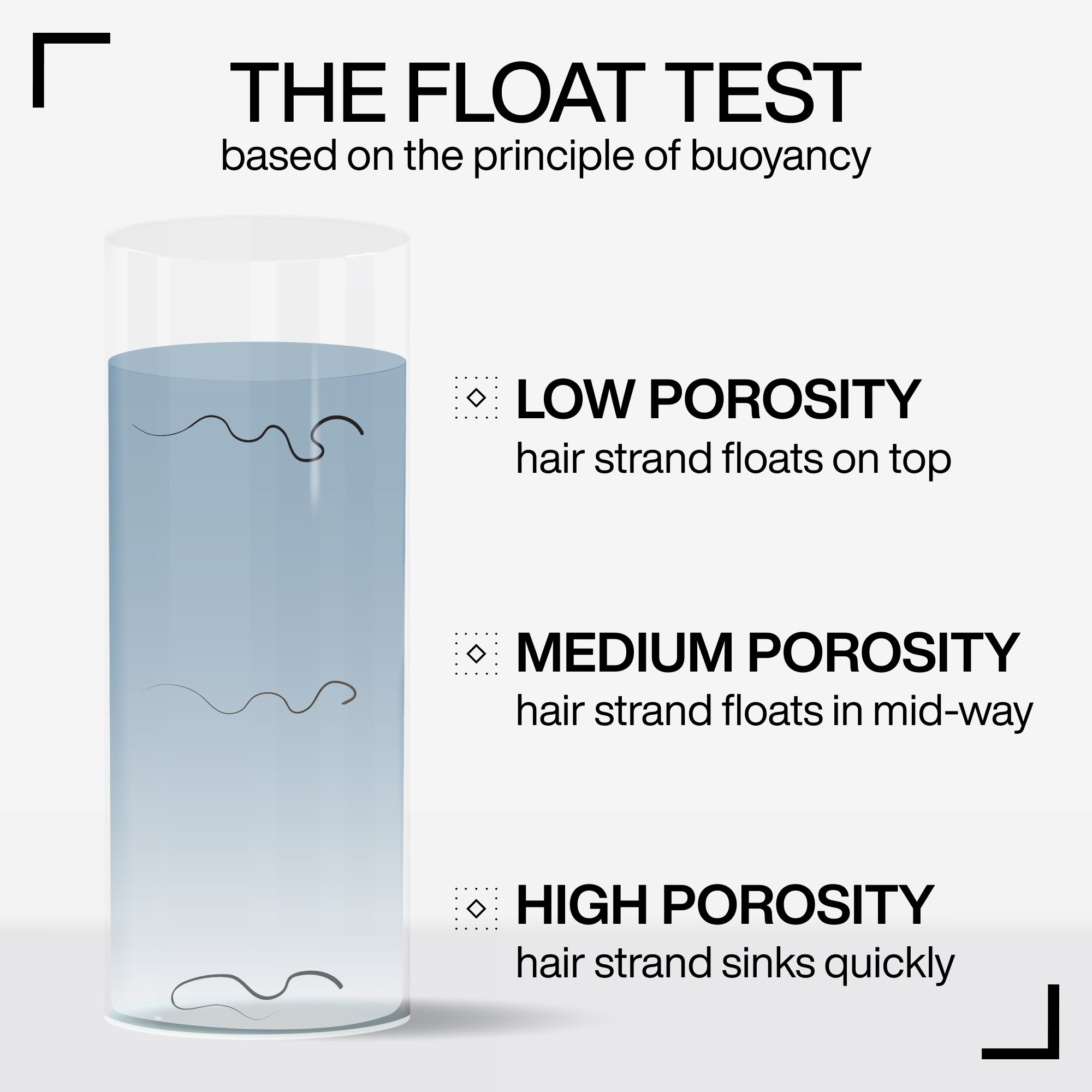
Low porosity hair has a cuticle layer that lies flat, making it hard for moisture and products to enter. Signs include water beading on the surface, slow drying, and easy buildup. A simple test: place a clean hair strand in a glass of water—if it floats for several minutes, your hair is likely low porosity.
Can I Use Oils On Low Porosity Hair?
It’s best to use only light oils, like argan or grapeseed, and only in small amounts on the ends of your hair. Heavy oils tend to sit on the surface, causing buildup and dullness.
How Often Should I Clarify My Low Porosity Hair?
Clarify every 1-2 weeks, or whenever your hair feels coated, heavy, or loses curl definition. Regular clarifying keeps your hair free of buildup and helps moisture enter the hair shaft.
Do I Need To Deep Condition Every Week?
No. For low porosity hair, deep conditioning every 2-4 weeks is usually enough. Always use heat for better penetration, and alternate between moisture and protein treatments for balance.
Can I Follow The Cgm Exactly As Written For Low Porosity Hair?
You can use the main ideas, but you must modify the routine. Use lighter products, clarify more often, use less conditioner, and avoid heavy creams and oils. Apply products to soaking wet hair and focus on regular scalp cleansing.
Low porosity hair can thrive with the right tweaks to the Curly Girl Method. By understanding your hair’s unique needs and adjusting your routine, you can enjoy defined, bouncy curls without the frustration of buildup or limpness. With patience, observation, and these proven modifications, your natural hair journey will become easier and more rewarding every wash day.