Regrowing Your Hairline After Postpartum Hair Loss: Proven Methods
Welcoming a new baby brings joy, but for many women, it also brings unexpected changes to their hair. You might notice more strands on your pillow, in your brush, and even a thinning hairline. Postpartum hair loss is common, but the good news is your hair can recover. The key is understanding what causes these changes and knowing which methods actually work. In this guide, you’ll discover science-backed solutions, practical tips, and real expectations for regrowing your hairline after postpartum hair loss. You’re not alone in this journey, and with the right approach, you can restore your confidence—and your hairline.
Understanding Postpartum Hair Loss
First, let’s look at why hair loss happens after pregnancy. During pregnancy, high levels of estrogen keep hair in the growing phase. You may notice thicker, shinier hair. But after giving birth, hormone levels drop quickly. This sudden change causes more hairs to enter the shedding phase, called telogen effluvium.
Most women lose around 50–100 hairs a day. After delivery, it can jump to 300 hairs a day or more. The loss is often most visible along the temples and hairline.
Many new mothers notice their hair feels and looks different. Some find their hair texture changes, becoming wavier or straighter. Others see new baby hairs growing in, which can stick up and feel unruly. It’s important to know these changes are normal and usually temporary.
Typical Timeline
- 2–4 months postpartum: Hair loss usually starts. The timing can depend on individual hormone levels, breastfeeding, and genetics. You might first notice more hair in the shower or your brush.
- 4–6 months postpartum: Shedding often peaks. The hairline may look uneven, with short, wispy hairs appearing near the temples. This can feel alarming, but it’s a sign your follicles are entering a new cycle.
- 6–12 months postpartum: Hair gradually returns to normal. Regrowth becomes visible, and the overall volume improves. However, the regrowth may feel slow, especially for women with longer hair.
Some women, however, find that the hairline remains thin or uneven even after a year. That’s when targeted regrowth methods become important. For a small number of women, hair loss may persist beyond this timeline, often due to other factors.
Is Regrowth Possible?
Many women worry that their hairline will never return. The truth: most postpartum hair loss is temporary. Hair follicles are not damaged—they just need time and the right support to re-enter the growth phase.
However, a few factors can slow regrowth:
- Nutritional deficiencies: Iron, vitamin D, and zinc are essential for hair health. Even mild deficiencies can affect regrowth. For example, many women develop low iron after childbirth, especially if they had heavy bleeding.
- High stress: Stress hormones can prolong the shedding phase. Lack of sleep and emotional stress are common after childbirth.
- Underlying medical conditions: Thyroid disorders, PCOS, and autoimmune diseases can increase or prolong hair loss. Sometimes, postpartum hair loss reveals an underlying condition.
- Genetic hair thinning: If you have a family history of female pattern hair loss, postpartum shedding can trigger it earlier or make it more noticeable.
The earlier you address these, the better your results. Let’s now explore the proven methods to regrow your hairline after postpartum hair loss.
Proven Methods To Regrow Your Hairline
1. Optimize Nutrition
Your body needs the right nutrients to grow healthy hair. After pregnancy, iron and other nutrient stores can be low, especially if you lost blood during delivery.
Key nutrients for hair regrowth:
- Iron: Needed to carry oxygen to hair follicles. Low iron is a common cause of slow regrowth.
- Biotin (vitamin B7): Supports keratin production, which strengthens hair.
- Zinc: Essential for cell growth and repair.
- Vitamin D: Helps activate hair follicles. Many women have low vitamin D after pregnancy.
- Protein: Hair is made mostly of protein. Not eating enough can slow growth.
- Omega-3 fatty acids: Help reduce inflammation and support scalp health.
Eat a balanced diet with plenty of leafy greens, eggs, lean meats, nuts, seeds, and fish. If you’re breastfeeding, you may need extra calories and nutrients. A simple blood test can check for deficiencies. Your doctor may recommend a postnatal multivitamin or specific supplements.
Non-obvious insight: Even small deficiencies (especially iron and vitamin D) can slow hair regrowth. Many women are low in these nutrients without symptoms. For example, fatigue, pale skin, or brittle nails often signal low iron, but some women feel normal. Checking your levels is wise if regrowth is slow.
Extra tip: Hydration matters. Drink enough water daily—dehydration can weaken hair and slow regrowth.
2. Gentle Hair Care Routine
Switch to a gentle hair care routine to avoid unnecessary breakage. Hair is more fragile during the shedding phase.
- Use a soft-bristle brush and avoid harsh pulling. Brushes with flexible bristles are less likely to break hair.
- Pat hair dry instead of rubbing. Rubbing can cause friction and breakage, especially at the hairline.
- Use a wide-tooth comb on wet hair. Wet hair stretches and breaks easily, so start at the ends and work up.
- Avoid tight ponytails, braids, or buns. These styles pull on fragile hairs at the hairline and may cause “traction alopecia”—hair loss from tension.
- Choose mild, sulfate-free shampoos. Sulfates strip natural oils, making hair drier and more prone to breakage.
Pro tip: Switch to silk or satin pillowcases. They reduce friction and breakage, especially around the hairline. Cotton pillowcases can tug at hair and increase shedding overnight.
Extra example: Instead of daily shampooing, try washing every 2–3 days. Over-washing can dry the scalp and weaken new hairs. Use dry shampoo sparingly if needed.
3. Scalp Massage
Scalp massage is a simple, relaxing way to boost blood flow to the hair follicles.
- Use your fingertips to gently massage your scalp in circular motions for 5 minutes daily. Start at the front hairline and work toward the crown.
- You can add light oils like argan or jojoba oil for extra nourishment. These oils are non-greasy and safe for most skin types.
Studies show scalp massage can increase hair thickness and support regrowth by improving circulation. One Japanese study found that daily massage increased hair thickness by nearly 30% over six months.
Extra tip: Try using a silicone scalp massager brush for more even pressure. Some women find it easier than using fingers, and it can help distribute oil more evenly.
Non-obvious insight: Massaging your scalp also relaxes tension in facial muscles, which can help reduce stress—a factor in hair loss.
4. Topical Treatments
Some topical products can help speed up regrowth, especially when used consistently.
Minoxidil
Minoxidil is the only FDA-approved topical medication for hair regrowth. It’s safe for most women (but check with your doctor, especially if you are breastfeeding).
- Apply 2% minoxidil solution to the hairline once daily. Use a dropper or your fingertips to focus on thinning areas.
- It can take 3–6 months to see results. Progress is gradual, and continued use is needed for best results.
- Side effects are rare but can include mild irritation, dryness, or itching.
Extra example: Some women use minoxidil only on the hairline, while others apply it more broadly if they notice thinning across the scalp. Always follow your doctor’s advice.
Natural Oils
Certain plant-based oils may also support hair health:
- Rosemary oil: Some studies show it works as well as minoxidil for mild hair loss. It may help stimulate circulation and encourage new growth.
- Peppermint oil: Shown to increase follicle depth and growth in animal studies. It creates a cooling sensation, which may help soothe the scalp.
- Always dilute essential oils in a carrier oil (like coconut or jojoba) before applying. Essential oils are potent and can irritate skin if used undiluted.
Extra tip: Try mixing 2–3 drops of rosemary oil into a tablespoon of jojoba oil, then massage into the hairline. Leave it for 30 minutes before washing out.
Non-obvious insight: Minoxidil can cause increased shedding at first. This means old hairs are making way for new growth—it’s usually temporary and not a sign of failure. Many women stop using minoxidil when they see initial shedding, but sticking with it is important for long-term results.
5. Laser Therapy Devices
Low-level laser therapy (LLLT) is a newer, science-backed option. It uses gentle red light to stimulate hair follicles and increase growth.
- Home devices include combs, caps, or helmets. Choose devices that are FDA-cleared for safety and effectiveness.
- Use 2–3 times per week for at least 4–6 months. Each session takes about 10–20 minutes.
- Studies show LLLT can increase hair density, especially at the hairline.
Tip: Buy FDA-cleared devices from reputable brands. Cheap versions may not deliver the right wavelength or intensity.
Extra insight: Laser therapy is painless and has minimal side effects. Some women notice scalp warmth during use, but this fades quickly.
Practical example: One mother tried a laser cap for 6 months and saw her hairline fill in, but only after consistent use. Skipping sessions reduced her progress.
6. Manage Stress
High stress can worsen postpartum hair loss and slow regrowth. New motherhood is stressful, so try simple ways to relax:
- Short walks outside. Fresh air and sunlight boost mood and vitamin D.
- Deep breathing exercises. Try breathing in for four counts, holding for four, and breathing out for four.
- Listening to music or guided meditations. Calming sounds can lower stress hormones.
Extra tip: Even five minutes of stretching or quiet time can help. If you feel overwhelmed, talk to your partner, friends, or a counselor. Chronic stress can keep hair in the shedding phase longer.
Non-obvious insight: Stress can also affect digestion and nutrient absorption, making it harder for your body to use the vitamins and minerals you eat.
7. Medical Treatments
If hair loss is severe or not improving after a year, see a dermatologist. They can check for underlying conditions like thyroid disease or androgenetic alopecia (female pattern baldness), which can start after childbirth.
Treatment options may include:
- Prescription topical or oral medications. These can target hormonal or autoimmune causes.
- Platelet-rich plasma (PRP) therapy. Involves injecting your own platelets into the scalp to stimulate growth.
- Microneedling. Uses tiny needles to boost blood flow and trigger regrowth.
- Hormonal evaluation and treatment. May include thyroid or estrogen testing.
Early intervention leads to better results. Doctors can tailor treatments to your needs and rule out other causes.
Extra example: If thyroid levels are low, correcting them often stops hair loss and speeds regrowth. Many women don’t realize how common thyroid changes are after pregnancy.
8. Camouflage And Styling Tricks
While waiting for regrowth, smart styling can help hide a thinning hairline.
- Use hair fibers or powders to fill in sparse areas. These products cling to existing hair and make the hairline look fuller.
- Try hairstyles with more volume at the front. Soft bangs or layered cuts add fullness.
- Part your hair on the opposite side for better coverage. Changing your part can disguise thinning spots.
- Use a soft headband or scarves. These accessories can cover the hairline and add style.
Extra tip: If you use hair fibers, choose a color close to your natural hair. Practice applying them for the most natural look.
Example: One mother wore her hair in loose waves, which made her hairline less noticeable. She avoided tight ponytails until regrowth improved.
Remember, these are temporary solutions but can boost confidence during recovery.
9. Avoid Unproven Or Risky Methods
You may see ads for miracle products or supplements. Many are unproven or unsafe for new mothers. Avoid:
- Over-the-counter “hair vitamins” with megadoses. Too much biotin or zinc can cause side effects.
- Unregulated herbal remedies. Some herbs can interfere with breastfeeding or cause allergic reactions.
- Harsh chemical treatments. Bleaching or strong dyes can damage fragile hair.
- Essential oils without proper dilution. Undiluted oils can burn or irritate the scalp.
Always check with your doctor before starting any new supplement or topical treatment.
Extra insight: Some hair loss scams promise quick results but have no scientific backing. Focus on proven methods and be cautious about new products.
Comparing Popular Hair Regrowth Methods
It’s helpful to see how different methods compare in terms of effectiveness, safety, and time to results.
| Method | Effectiveness | Safety | Time to See Results |
|---|---|---|---|
| Nutrition | High (if deficient) | Very Safe | 1–3 months |
| Gentle Hair Care | Moderate | Very Safe | Immediate protection |
| Minoxidil | High | Safe (doctor advised) | 3–6 months |
| Natural Oils | Low–Moderate | Safe (if diluted) | 3–6 months |
| Laser Therapy | Moderate–High | Safe (FDA-cleared) | 4–6 months |
| Medical Treatments | High | Doctor-supervised | 3–12 months |
Extra tip: Combining methods can boost results. For example, improving nutrition while starting gentle scalp massage and using minoxidil can speed recovery.
How To Set Realistic Expectations
You want your hairline back quickly, but patience is important. Hair grows about 1–1.5 cm per month on average. Regrowth is a gradual process, and every woman’s timeline is unique.
- Most see visible improvement after 3–6 months of consistent care.
- Full recovery may take 12–18 months, especially if hair loss was severe.
- Some women may not recover their exact pre-pregnancy hairline, especially if there is a genetic component.
Extra insight: Regrowth often starts as short, fine “baby hairs.” These hairs may be lighter or softer at first. Over time, they thicken and blend in with longer hair.
Focus on steady progress, not instant results. Comparing your journey to others can lead to frustration. Take monthly photos to track changes you might not notice day-to-day.
Practical tip: Record your progress in a journal. Note changes in hairline thickness, texture, and any new habits. This can help you stay motivated and spot subtle improvements.
Key Habits For Faster Hairline Recovery
Building a few daily habits makes a big difference:
- Eat a nutrient-rich breakfast—include protein and iron. Eggs, beans, or Greek yogurt are good options.
- Take your postnatal vitamin every day, as advised by your doctor. Don’t skip doses.
- Massage your scalp for 5 minutes before bed. Consistency is key.
- Switch to a silk pillowcase for less breakage.
- Limit heat styling tools like flat irons or blow dryers. Air-dry your hair when possible.
- Protect hair from harsh weather—cover with a hat or scarf. Sun and wind can dry and weaken hair.
Extra tip: Avoid brushing wet hair vigorously. Let it air dry until slightly damp before gently detangling.
Consistency is more important than trying every new product.
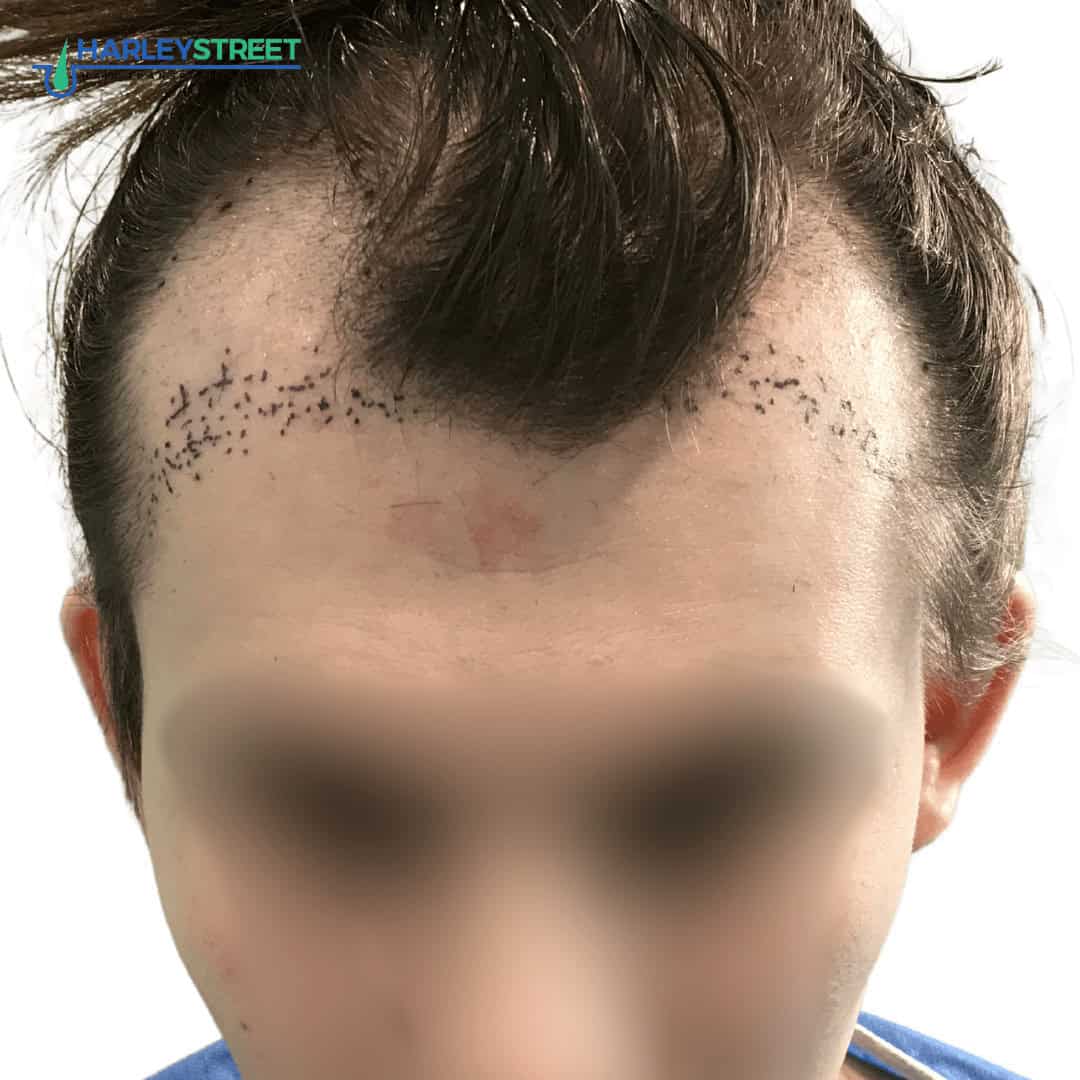
Credit: www.harleystreethairtransplant.co.uk
When To Seek Professional Help
If you notice any of these, see a doctor or dermatologist:
- Hair loss is not improving after 12 months
- You see bald patches or rapid thinning
- Hair comes out in large clumps
- You have new symptoms (fatigue, weight changes, irregular periods)
These could signal thyroid issues, autoimmune conditions, or other treatable causes.
Extra insight: Early medical advice can help rule out serious conditions and guide you to effective treatments. Don’t wait if you feel concerned.
Emotional Impact And Support
Losing hair after childbirth can feel upsetting. Many women worry about their appearance or feel less confident. It’s important to know these feelings are normal.
- Talk to your partner or trusted friends. Sharing your worries can help ease stress.
- Join online forums or support groups for new moms. Hearing others’ stories helps you realize you’re not alone.
- Remember: Hair loss is usually temporary, and you are not alone.
Extra tip: Try gentle affirmations. Remind yourself that recovery takes time and your worth isn’t tied to your hair.
If sadness or anxiety is affecting your daily life, reach out to a healthcare provider. Postpartum depression is common and treatable, and hair loss can add to emotional stress.
Non-obvious insight: Emotional support is as important as physical treatment. Stress can slow regrowth, so caring for your mental health helps your hair recover faster.
:max_bytes(150000):strip_icc():focal(745x284:747x286)/Life-Changing-Hair-Transplant-030725-tout-30be3e3716f447e3b4411fc2029fe03b.jpg)
Credit: people.com
Myths About Postpartum Hair Loss
It’s easy to find misinformation online. Let’s clear up a few common myths:
- Myth: “Cutting hair short will make it grow faster.”
Fact: Hair grows from the follicle, not the ends. Cutting can make hair look healthier, but doesn’t speed regrowth.
- Myth: “Breastfeeding causes hair loss.”
Fact: Breastfeeding does not cause hair loss. The timing of hormone changes is the main reason.
- Myth: “You can prevent hair loss with the right shampoo.”
Fact: No shampoo can stop postpartum shedding. Gentle products help protect new growth.
- Myth: “Only women with poor health lose hair after birth.”
Fact: Most women experience some hair loss, even with perfect health.
Extra tip: If you read claims online, check if they are backed by scientific studies or professional advice.
The Role Of Hormones
Hormones play the biggest role in postpartum hair loss. Pregnancy hormones keep hair in a prolonged growth phase, so shedding is less obvious. When hormones drop, hair enters the resting phase all at once.
If you have hormonal imbalances (like thyroid disease or PCOS), postpartum hair loss may be worse or last longer. Checking your hormone levels can help rule out underlying problems.
Extra insight: Hormonal changes can also affect skin, nails, and mood. If you notice multiple changes, talk to your doctor about hormone testing.
Postpartum Hairline Regrowth Timeline Example
Here’s a sample timeline for a woman addressing hairline regrowth after childbirth:
| Time After Birth | What Happens | What to Do |
|---|---|---|
| 0–3 months | Normal hair; minimal shedding | Continue healthy eating, gentle hair care |
| 3–6 months | Shedding peaks; receding hairline more visible | Start scalp massage, review nutrition, avoid harsh styling |
| 6–9 months | Shedding slows; new baby hairs at hairline | Add topical treatments if needed, track progress |
| 9–12 months | Regrowth continues; hairline filling in | Consider medical advice if little improvement |
| 12+ months | Most hair restored (for most women) | Maintain good habits, adjust treatment if necessary |
Extra tip: Take photos every 3 months to see progress and stay motivated.
Common Mistakes To Avoid
- Switching products too often: Stick with one routine for at least 3–6 months before judging results.
- Ignoring nutrition: Skipping meals or not eating enough protein slows hair growth.
- Overusing heat or chemicals: These can damage fragile, new growth.
- Believing quick fixes: Most “overnight” solutions are not backed by science.
- Not seeking help: Waiting too long to see a doctor can delay effective treatment.
Extra insight: Many women quit treatments too early. Give each method time to work—results are gradual, not instant.
Personal Stories And Real Expectations
Many women share similar experiences. For example, Sarah, a mother of two, noticed her hairline thinned after her second child. She focused on eating well, used minoxidil with her doctor’s approval, and massaged her scalp each night. After 8 months, her hairline filled in, though she noticed some baby hairs grew in a different texture. Her advice: “Be patient, take progress photos, and don’t stress about every strand.”
Another mom, Priya, tried laser therapy and natural oils. She saw slow but steady progress over a year. She shared, “What helped most was sticking to my routine and not comparing myself to others. Every woman’s hair grows differently. ”
Hearing from others can help you feel less alone and give you realistic hope.
What Science Says About Postpartum Hair Loss Recovery
Research shows that up to 50% of women experience noticeable postpartum hair loss. Most recover within 12 months, especially with good nutrition and gentle hair care. Medical reviews confirm that minoxidil, low-level laser therapy, and iron supplementation (when deficient) are effective tools for regrowth.
For more on scientific evidence, see this research article.
Extra insight: Studies show that combining methods—such as nutrition, scalp massage, and topical treatments—often works better than using one alone.
Simple Checklist For Daily Hairline Recovery
- Eat a protein-rich breakfast
- Take your postnatal vitamins
- Gently massage your scalp
- Use sulfate-free shampoo and conditioner
- Avoid tight hairstyles
- Use a silk pillowcase
- Limit heat styling
- Track your progress monthly
Consistency builds results.
Frequently Asked Questions
How Long Does Postpartum Hair Loss Usually Last?
Most women experience increased shedding for 3–6 months after birth. Hair growth typically returns to normal within 6–12 months. If you still see significant thinning after a year, consult a doctor.
Is It Safe To Use Minoxidil While Breastfeeding?
You should always ask your doctor. Some experts say topical minoxidil is generally low risk, but small amounts could be absorbed. If you are breastfeeding, discuss the risks and benefits with your healthcare provider before starting any treatment.
Can Diet Alone Regrow My Hairline?
Diet is essential, especially if you have deficiencies. Correcting low iron, vitamin D, or protein can help hair regrow. However, sometimes diet alone is not enough, and you may need additional treatments like topical minoxidil or laser therapy for best results.
Are There Any Hairstyles That Help Hide A Thinning Hairline?
Yes. Consider side parts, soft bangs, or styles with more volume at the front. Hair fibers or powders can also fill in sparse areas. Avoid tight ponytails or slicked-back styles, which can make thinning more obvious.
When Should I Worry About Postpartum Hair Loss?
Postpartum shedding is normal, but see a doctor if you notice:
- Large bald patches
- Hair comes out in handfuls
- Other symptoms like fatigue or weight changes
- Hair loss lasting more than 12 months
These may signal underlying health problems that need attention.
Regrowing your hairline after postpartum hair loss is possible with patience and the right methods. Stay consistent, focus on your health, and don’t hesitate to seek support when needed. Your hair—and your confidence—can come back stronger than before.
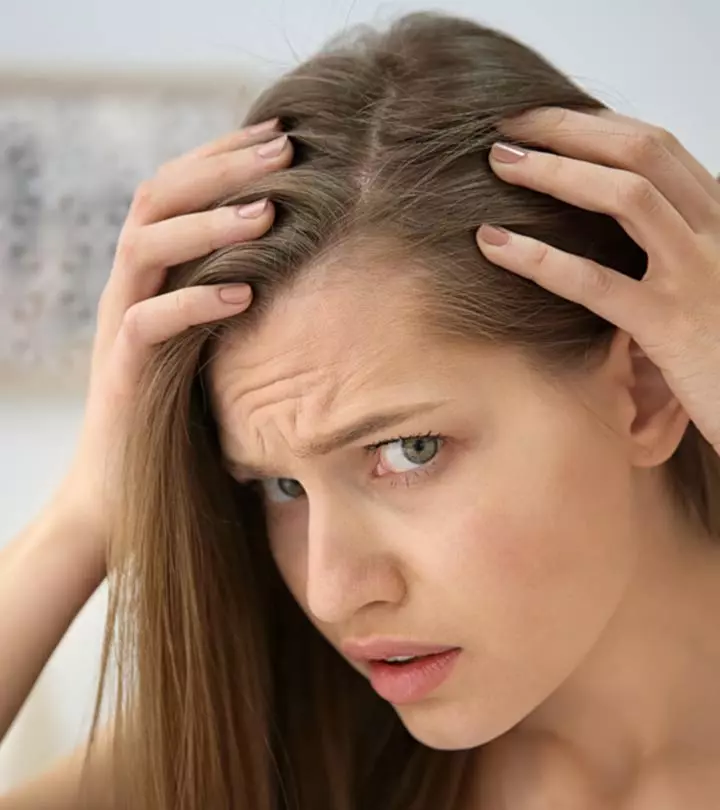
Credit: www.stylecraze.com