Regrowing Your Hairline After Postpartum Hair Loss: Proven Methods
Bringing a new life into the world is an extraordinary experience, but the months after childbirth can bring unexpected changes. One surprise for many new mothers is postpartum hair loss, especially around the hairline. You might notice more hair on your pillow, clumps in the shower drain, and a thinner, uneven hairline staring back from the mirror. While this can be alarming, it’s important to know you’re not alone. Nearly half of all women experience noticeable hair shedding after giving birth.
The good news is that postpartum hair loss is usually temporary, and there are effective ways to support your scalp and encourage your hairline to regrow. This article will walk you through the science behind postpartum shedding, proven methods to boost regrowth, and practical tips you can use every day. You’ll also learn what to expect, what really works (and what doesn’t), and how to spot when your hair loss might need a doctor’s help.
Let’s explore how to reclaim your hairline with confidence and patience.
Understanding Postpartum Hair Loss
To truly tackle regrowing your hairline, you first need to understand why postpartum hair loss happens. During pregnancy, your body’s hormone levels shift dramatically. High levels of estrogen keep hair in the growth phase longer, so your hair feels thicker and fuller. After childbirth, estrogen drops suddenly, causing many hairs to enter the shedding phase (telogen) at once. This is known as telogen effluvium.
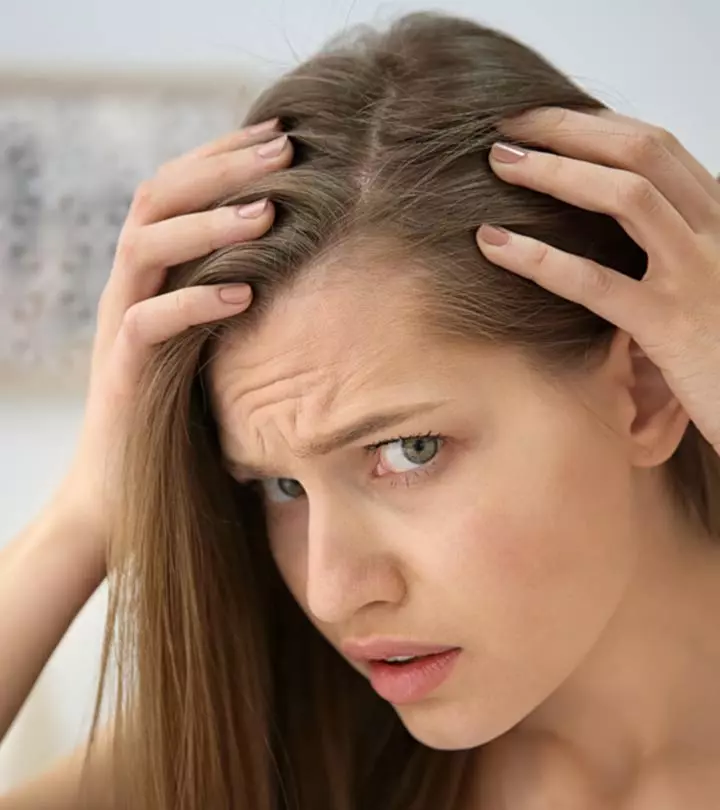
Most women notice hair loss 2 to 4 months after delivery. The shedding often seems concentrated around the hairline, temples, and part line, creating a “frizz halo” or baby bangs as new hair grows in. This can be especially frustrating if you loved the fullness of your hair during pregnancy, only to see it thin so quickly after birth. The visual change can sometimes affect self-confidence, making it important to understand what’s really happening beneath the surface.
Key facts:
- About 40-50% of women experience noticeable hair loss after childbirth.
- On average, women lose 80-100 hairs daily, but postpartum shedding can increase this to 300-400 hairs per day.
- The shedding usually peaks around 4 months postpartum and then slows down.
- Most women experience more thinning near the temples, hairline, and sometimes even behind the ears.
Not all hair will fall out at once. You might see strands coming out in the shower, on your pillow, or when you run your fingers through your hair. The pattern can be different for everyone, and some women may only notice a slight decrease in volume, while others see dramatic changes.
If you wore your hair in tight styles during pregnancy, you might notice thinning exactly where the hair was pulled most.
Non-obvious insight: Not every woman’s hair loss follows the same timeline. For some, it starts earlier or lasts longer, depending on genetics, stress, nutrition, and overall health. For example, women who had a difficult delivery or a lot of blood loss may notice more severe shedding. If you have underlying conditions like thyroid problems or anemia, this can also affect how much hair you lose and how fast it grows back.
Some women find that the texture of new regrowth is different from their original hair. It might appear softer, curlier, or even stick out at odd angles. This is normal and usually becomes less noticeable as the hair grows longer.
How Long Does It Take For The Hairline To Regrow?
Regrowth speed varies. For most women, hairline recovery begins about 6 months after delivery. By the baby’s first birthday, hair often looks much fuller, though complete regrowth can take 12–18 months.
It’s important to set realistic expectations. Hair regrows in cycles, and the visible results may feel slow, especially when you are checking your progress daily. Early signs of regrowth often appear as short, fine, or wispy hairs along the hairline—these are sometimes called “baby bangs” or “peach fuzz.
” This means your follicles are waking up and starting to produce new strands.
What matters most:
- Genetics: If your family members had longer or shorter recovery, you may follow a similar pattern. Some women naturally grow hair faster or slower than others. If your mother or sisters experienced a long recovery, you might too.
- Overall health: Stress, poor sleep, or nutritional gaps can slow down regrowth. New mothers often experience disrupted sleep, skipped meals, or iron deficiency, which can all affect hair growth.
- Hair care routine: Gentle treatment, scalp care, and the right products can speed up visible results. Avoiding harsh styling or chemical treatments is especially important during this recovery phase.
Sometimes, it’s easy to mistake new regrowth for breakage, especially if the new hairs are much shorter or have a different texture. But these short, fuzzy hairs are actually a good sign—they show that your hairline is coming back. Taking photos every 1–2 months can help you see progress that’s hard to notice day by day.
Non-obvious insight: Hair grows about half an inch (1.25 cm) per month on average. New regrowth at the hairline may look short or “fuzzy” at first; this is a healthy sign, not breakage. If you see short, fine hairs along the front, be patient—these will thicken over time.
Proven Methods To Regrow Your Hairline After Postpartum Hair Loss
Let’s dive into the most effective ways to help your hairline recover. These methods are backed by science and real-life results.
1. Gentle Hair Care Routine
Your hair is more delicate during postpartum shedding. How you treat it matters more than you think.
- Use a wide-tooth comb instead of a brush to prevent pulling. This minimizes breakage, especially when hair is wet and more fragile.
- Avoid tight hairstyles like ponytails or braids that stress the hairline. Pulling on already weak roots can lead to further thinning or even traction alopecia (hair loss from tension).
- Pat hair dry with a towel; don’t rub. Rubbing creates friction and can snap off new regrowth.
- Use soft scrunchies instead of elastic bands. Hard elastics can cut into fragile hair shafts.
Even small changes make a big difference in reducing breakage and supporting regrowth. For example, consider sleeping on a silk or satin pillowcase, which causes less friction than cotton. This simple swap can help keep new baby hairs from breaking overnight.
Extra tip: Detangle hair gently, starting from the ends and working up to the roots. Never yank or pull at tangles—use a leave-in conditioner to help.
2. Nourishing Your Scalp And Hair
Healthy hair starts from within and at the roots.
- Choose a sulfate-free, gentle shampoo that won’t strip natural oils. Sulfates create lots of foam but can dry out your scalp and hair, making it harder for new strands to grow.
- Use a lightweight conditioner, focusing on the ends. Heavy conditioners can weigh down fine regrowth at the hairline.
- Once a week, try a scalp massage with coconut, argan, or jojoba oil. This increases blood flow and supports follicles. Warm a small amount of oil between your hands and gently work it into your scalp for several minutes.
- Avoid heavy styling products that clog pores. Gels, mousses, and sprays with lots of chemicals can build up and suffocate new growth.
Tip: If your scalp feels itchy or flaky, use a mild, fragrance-free shampoo to avoid irritation. Consider washing your hair less frequently—every 2–3 days instead of daily can help maintain scalp balance.
Practical example: If you don’t want to oil your whole head, just massage a drop or two into the hairline before bedtime and wash out in the morning. This targets the area that needs it most without making your roots greasy.
3. Nutrition For Hair Regrowth
Postpartum bodies need extra nutrients for recovery and hair health. Some key nutrients include:
- Protein: Hair is made of keratin, a protein. Add eggs, fish, chicken, beans, or tofu to your meals. Try adding a boiled egg or a handful of nuts as a snack.
- Iron: Low iron can slow regrowth. Eat spinach, lentils, or lean red meat. If you’re vegetarian or vegan, pair iron-rich foods with vitamin C (like citrus fruit) to boost absorption.
- Biotin: Found in eggs, nuts, and sweet potatoes. Supports healthy hair and nails. Most prenatal vitamins contain some biotin, but you can add more through food.
- Vitamin D: Sunlight, fortified milk, or a supplement if your doctor recommends. Vitamin D deficiency is common in new mothers, especially if you spend most of your time indoors.
- Zinc: Important for cell growth; found in seeds, nuts, and seafood.
If you’re breastfeeding, continue your prenatal vitamins, but always check with your doctor before starting any new supplement.
Practical example: Many women notice better regrowth when they snack on nuts and seeds daily. These provide both protein and healthy fats. Try adding chia or flax seeds to oatmeal, or sunflower seeds to a salad.
Non-obvious insight: Crash diets or extreme calorie restriction can make hair loss worse. Your body will prioritize vital organs over hair, so eating enough (even if you want to lose baby weight) is essential for regrowth.
4. Minimize Heat And Chemical Treatments
Blow-drying, straightening, or coloring can make postpartum hair more fragile.
- Air dry when possible. If you must use a dryer, use a cool setting.
- If you must use heat, keep the temperature low and always use a heat protectant spray. Heat damage can cause split ends and breakage, especially near the hairline.
- Wait at least 6 months after delivery before chemical treatments like coloring, perming, or relaxing. New growth is especially sensitive, and chemicals can cause irritation or even allergic reactions postpartum.
Extra guidance: If you really want to color your hair, ask your stylist for gentle, ammonia-free dyes, and avoid bleaching the hairline. Consider highlights or balayage that don’t touch the scalp.
5. Scalp Massage And Stimulation
Regular scalp massage can boost blood flow, which encourages hair regrowth at the hairline.
- Use your fingertips in small, circular motions for 5 minutes daily. This can be done while shampooing or while watching TV.
- Try a silicone scalp massager in the shower for extra stimulation. These tools are inexpensive and can make the process more enjoyable.
Non-obvious insight: Massaging the scalp also helps relieve stress, which can help balance hormones and support overall regrowth. Consider adding a calming scent like lavender oil (mixed with a carrier oil) to your massage routine for relaxation.
Example: Some women set a reminder on their phone to massage their hairline each night before bed. Making it a habit increases the chance of seeing results.
6. Topical Treatments And Oils
Several topical products may support hairline recovery. The most common include:
- Minoxidil (2% solution): While not officially tested for postpartum use, some dermatologists recommend it for stubborn cases. Always consult your doctor before using if you’re breastfeeding. Minoxidil can speed up regrowth but sometimes causes initial extra shedding, which is temporary.
- Rosemary oil: Some studies show it works as well as minoxidil for mild hair thinning. It’s a natural option, but must be diluted with a carrier oil to avoid scalp irritation.
- Castor oil: Known for its thick texture and nourishing properties, but scientific evidence is limited. It’s popular for its moisturizing effects and is often used overnight.
How to use: Apply a few drops to the thinning area, massage gently, and leave for at least 30 minutes before washing out. Some women leave oil overnight, but always wash thoroughly to avoid buildup.
Non-obvious insight: Consistency is key. Topical treatments need to be used regularly—2–3 times a week for several months—to see visible results.
7. Stress Management
High stress raises levels of cortisol, which can slow hair regrowth and trigger more shedding.
Ways to manage stress:
- Light exercise like walking, yoga, or stretching. Even 10 minutes a day helps.
- Deep breathing or meditation. Try apps or guided videos designed for busy parents.
- Asking for help from family and friends. Sharing tasks can give you more time for self-care.
Non-obvious insight: Chronic sleep deprivation (common for new parents) increases stress hormones. Even short naps can help your body recover. If possible, rest when your baby naps rather than using that time for chores.
Practical example: Some mothers find it helpful to keep a gratitude journal or practice mindfulness. Focusing on positives, even briefly, can reduce anxiety and support hormonal balance.
8. Hairstyles That Protect Your Hairline
Some hairstyles can help hide thinning areas and reduce stress on new growth.
- Try a side part to cover sparse spots. Switch the part every few weeks to avoid stressing the same area.
- Gentle headbands or scarves can camouflage the hairline and protect from sun. Choose soft fabrics to prevent friction.
- Use soft clips instead of metal barrettes. Metal can snag and break hair.
Avoid: Tight buns, slicked-back styles, or extensions that pull on the hairline. These can worsen shedding and delay regrowth.
Extra tip: If you need to wear your hair up, try a loose, low ponytail or a braid that doesn’t pull tightly at the temples.
9. Medical Treatments And When To See A Doctor
For most women, postpartum hair loss is temporary. But sometimes, shedding is severe or lasts longer than expected.
See a doctor if:
- Shedding continues beyond 12 months.
- You notice bald spots or round patches (could be alopecia areata).
- Your hairline does not show any regrowth after 6 months.
- You have other symptoms: Fatigue, weight changes, or irregular periods (possible thyroid issues).
A dermatologist can recommend treatments, test for underlying conditions, or prescribe medications if necessary. Sometimes, blood tests for thyroid function, iron levels, or other hormones are needed to rule out other causes.
Non-obvious insight: If you had a C-section or significant blood loss during delivery, ask your doctor to check your iron and ferritin levels—low stores can slow hair regrowth.
10. Supportive Supplements
Some supplements may help, but they are not magic cures. Always talk to your doctor before starting new vitamins, especially if breastfeeding.
Popular options:
- Biotin
- Iron (if you’re low)
- Vitamin D
- Collagen peptides
Non-obvious insight: More is not always better. Over-supplementing can cause side effects or interact with other medications. For example, too much vitamin A can actually trigger hair loss.
Practical guidance: If you’re already taking a prenatal vitamin, you may not need extra supplements unless blood tests show a deficiency.
Comparing The Most Effective Treatments
The table below compares common methods for regrowing your hairline after postpartum hair loss:
| Method | Effectiveness | Safety (Breastfeeding) | Time to See Results | Notes |
|---|---|---|---|---|
| Gentle Hair Care | High | Safe | 4-8 weeks | Reduces breakage, easy to do at home |
| Nutrition & Supplements | High | Check with doctor | 2-3 months | Improves overall health |
| Minoxidil | Medium-High | Consult doctor | 3-6 months | Not for use while breastfeeding without approval |
| Scalp Massage | Medium | Safe | 1-2 months | May relieve stress too |
| Rosemary Oil | Medium | Safe in moderation | 3-6 months | Some scientific support |
Extra comparison: While topical treatments can help, they are most effective when combined with nutrition and gentle hair care. Skipping one step (like nutrition) can slow your progress, even if you use every serum on the market.
:max_bytes(150000):strip_icc():focal(745x284:747x286)/Life-Changing-Hair-Transplant-030725-tout-30be3e3716f447e3b4411fc2029fe03b.jpg)
Credit: people.com
Common Mistakes That Slow Hairline Recovery
Many women unintentionally slow their progress by making these mistakes:
- Over-washing hair: Strips natural oils and dries out the scalp. Try washing every other day or less if your scalp isn’t oily.
- Using harsh chemicals: Sulfates, parabens, and alcohol-based products can irritate and weaken hair. Always read ingredient labels and choose gentle, simple formulas.
- Ignoring nutrition: Skipping meals or relying on fast food can limit key nutrients for regrowth. Even busy days need quick, healthy snacks.
- Brushing wet hair: Wet strands are weaker and break easily. If you must detangle wet hair, use conditioner and a wide-tooth comb.
- Waiting too long to seek help: If you notice bald patches or no regrowth, see a dermatologist sooner.
Non-obvious insight: Over-styling with dry shampoo or hairspray can clog follicles and slow new growth. Give your scalp a break from heavy products whenever possible.
Tip: A consistent, gentle routine is more effective than chasing quick fixes. Don’t get discouraged if you don’t see immediate results—hair regrowth is a marathon, not a sprint.
Realistic Timeline For Hairline Regrowth
It’s important to set realistic expectations. Here’s a typical postpartum hair regrowth timeline:
| Months Postpartum | What Happens | What to Do |
|---|---|---|
| 0–3 months | Little to no shedding, hair looks full | Begin gentle care, eat well |
| 3–6 months | Shedding peaks, hairline thins | Continue healthy habits, avoid harsh treatments |
| 6–9 months | Shedding slows, fuzzy regrowth appears | Support new growth, consider topical treatments |
| 9–12 months | Hairline fills in, thickness improves | Stay patient, adjust routines if needed |
| 12+ months | Most regrowth complete | See a doctor if shedding continues |
Non-obvious insight: New growth at the hairline can feel different (softer, curlier, or “stick up”) compared to your usual hair. This is normal and often evens out with time. Don’t cut or pluck these short hairs—they will blend in as they grow longer.
When To Be Concerned: Signs Of Other Hair Loss Conditions
While postpartum shedding is normal, other conditions can look similar. Watch for these signs:
- Patchy bald spots: May signal alopecia areata or another autoimmune condition. These often appear as small, smooth patches without any hair.
- Shedding with other symptoms: Fatigue, weight gain, dry skin, or mood changes may point to a thyroid problem. Thyroid disorders are common after pregnancy.
- No regrowth for over a year: Could be a sign of permanent loss or scarring. Early intervention can often help prevent permanent thinning.
If you notice any of these, make an appointment with a dermatologist. Early treatment can make a big difference. Bring photos or a hair diary to help your doctor see the pattern and timeline.
Non-obvious insight: Some medications, such as birth control or antidepressants, can also trigger hair loss. Tell your doctor about any new prescriptions since delivery.
Styling Tips To Boost Confidence During Regrowth
Regrowing your hairline takes time, but you don’t have to wait to feel your best.
- Use volumizing powders or sprays to add lift at the roots. These create the illusion of thicker hair without heavy residue.
- Try hairstyles with a side part or loose waves to cover thin areas. A zig-zag part can also camouflage sparse spots.
- Microfiber towels reduce frizz and breakage. They’re gentler than terry cloth and help your hair dry faster.
- Hair fibers or powders (temporary, wash out easily) can fill in sparse spots for special occasions.
- Light makeup (eyebrow pencil or powder) can gently camouflage the hairline. Choose a shade close to your hair color.
Extra tip: Experiment with hats, wraps, or hair accessories if you feel self-conscious. Find what makes you feel confident, whether that’s a fun scarf, a bold lipstick, or a new pair of earrings.
Tip: Focus on what makes you feel confident, not just what covers up hair loss. Celebrate the progress you see, even if it’s small.
Credit: www.stylecraze.com
Comparing Natural Oils For Hairline Regrowth
Some women prefer natural oils to support regrowth. Here’s a quick comparison:
| Oil | Main Benefit | How to Use | Suitability |
|---|---|---|---|
| Coconut Oil | Moisturizes, reduces breakage | Massage, leave on 30 min, wash out | All hair types |
| Rosemary Oil | May stimulate growth | Mix with carrier oil, apply to scalp | Normal/oily hair |
| Castor Oil | Thick texture, nourishes roots | Use sparingly, wash thoroughly | Dry/coarse hair |
| Jojoba Oil | Balances scalp oil, gentle | Massage into scalp, rinse | Sensitive scalps |
Extra tip: Test any new oil on a small area first to check for allergies. If you have a history of eczema or scalp irritation, consult a dermatologist before starting regular oil treatments.
Support And Community
Regrowing your hairline after childbirth can feel lonely. But remember, millions of women are on the same journey. Online forums, support groups, and social media communities can offer encouragement, tips, and real-life stories. Even talking with friends or family members who have gone through the same thing can make the process less stressful.
Local mom groups, lactation consultants, or postpartum doulas may also have resources and advice. Sharing experiences can help you feel less isolated and more empowered to try new solutions.
For more in-depth medical information, the American Academy of Dermatology offers practical guidance on postpartum hair loss: American Academy of Dermatology.
Credit: www.harleystreethairtransplant.co.uk
Frequently Asked Questions
What Causes Postpartum Hair Loss?
Postpartum hair loss happens because hormone levels (mainly estrogen) drop quickly after childbirth. This triggers more hairs to enter the shedding phase at the same time, especially around the hairline and temples.
How Long Does Postpartum Hair Loss Last?
Shedding usually starts 2–4 months after giving birth, peaks around 4–5 months, and slows down by 6–12 months. Most women see full regrowth by their baby’s first birthday.
Can I Use Minoxidil While Breastfeeding?
It’s best to ask your doctor. Minoxidil is not well studied in breastfeeding women. Some doctors allow topical use for stubborn cases, but others advise against it.
Are There Foods That Help Regrow My Hairline Faster?
Yes, a diet rich in protein, iron, biotin, vitamin D, and zinc supports hair growth. Eggs, fish, leafy greens, nuts, and seeds are especially helpful.
When Should I See A Doctor About Postpartum Hair Loss?
See a dermatologist if hair loss continues beyond 12 months, you notice bald patches, or you have other symptoms like fatigue or weight changes. These could signal a different health problem.
Regrowing your hairline after postpartum hair loss takes time, gentle care, and patience. By understanding the process and using proven methods, you can support your body’s natural recovery and feel confident every step of the way. Remember, your journey is unique, and progress—even if slow—is something to celebrate.