Every year, as the seasons shift, your skin faces new challenges. In summer, the sun’s rays can dry and age your skin. In winter, cold winds and indoor heat steal moisture, leaving it rough and sensitive. For many people, these changes cause visible damage to the skin barrier—the thin outer layer that protects you from the outside world. If you’ve ever wondered why your skin feels tight, red, itchy, or flaky as the weather changes, you’re not alone. Understanding how sun and cold affect your skin—and what you can do to prevent and repair this damage—can make a dramatic difference in how your skin looks and feels all year.
This guide is designed for everyone who wants healthier, more resilient skin, regardless of age or skin type. You’ll learn what the skin barrier does, how seasonal factors break it down, and which habits, products, and treatments can protect your skin from sun and cold.
You’ll also discover common mistakes to avoid, surprising tips that most beginners miss, and clear answers to the questions people ask most.
Understanding The Skin Barrier
The skin barrier is your body’s first line of defense. It’s made of tightly packed skin cells, held together by natural fats and oils (lipids). Think of it as a brick wall: the cells are bricks, and the lipids are the mortar. This layer keeps moisture in and blocks out irritants, germs, and pollutants.
When your skin barrier is healthy, your skin feels soft, smooth, and comfortable. But when it’s damaged—even slightly—your skin can quickly become dry, sensitive, or inflamed. Tiny cracks let water escape and allow harmful substances to get in.
Many people don’t realize how easily the skin barrier can be disrupted by environmental changes. Both sun and cold are powerful stressors, but they harm your skin in different ways.
Why The Skin Barrier Matters
- Keeps moisture in, preventing dehydration
- Blocks bacteria, viruses, and allergens
- Reduces inflammation and redness
- Speeds up healing from minor cuts or irritation
A weak barrier means problems: more breakouts, eczema flare-ups, redness, and even faster aging.
How Sun Damages The Skin Barrier
Sunlight helps us make vitamin D, but too much exposure—especially to ultraviolet (UV) rays—damages the skin barrier. Here’s how:
- Lipid Breakdown: UV rays break down the lipids that hold your skin cells together. Less “mortar” means more cracks and water loss.
- Inflammation: Sun exposure triggers inflammation, making your skin red, hot, and sensitive. This weakens the barrier further.
- DNA Damage: UV rays cause tiny breaks in your skin cell DNA, which can slow repair and increase the risk of skin cancer over time.
- Collagen Loss: Sunlight destroys collagen and elastin, the proteins that keep your skin firm and elastic.
Even a few hours of unprotected sun exposure can dry and weaken your skin barrier. Over time, this leads to roughness, dark spots, fine lines, and a higher risk of infection.
Sun Damage Signs
- Dry or rough patches
- Redness or swelling
- New wrinkles or fine lines
- Peeling or flaking
- Dark spots or uneven skin tone
Example: A Day At The Beach
Imagine you spend a sunny afternoon at the beach without sunscreen. Your skin feels tight and looks red in the evening. This is not just a “tan”—it’s a sign your skin barrier is inflamed and dehydrated. Over time, repeated sun exposure without protection can cause permanent changes.
How Cold Weather Damages The Skin Barrier
Winter brings its own set of challenges. Cold air holds less moisture, so it pulls water from your skin. Indoor heating makes the problem worse by drying the air even more. Here’s what happens:
- Moisture Loss: Cold, dry air strips away moisture, causing your skin cells to shrink and crack.
- Lipid Reduction: Your skin produces fewer natural oils in cold weather, making the barrier thinner and weaker.
- Wind Burn: Strong winds can physically damage the barrier, leading to redness, stinging, and peeling.
- Temperature Swings: Going from cold air outside to hot, dry air indoors stresses your skin, making it harder to adapt and repair.
Cold Damage Signs
- Flaky or scaly skin
- Itchiness, especially on hands and face
- Increased sensitivity or stinging
- Cracked lips or hands
- Red, irritated patches
Example: Winter Walk
After a 20-minute walk in freezing weather, your cheeks feel raw and tight. You notice red patches and tiny flakes the next day. This is a classic sign of cold-induced barrier damage—it can happen in less than an hour if your skin is unprotected.
Comparing Sun Vs. Cold Skin Damage
While both sun and cold harm the skin barrier, their effects are different. This comparison makes it clear:
| Factor | Sun Exposure | Cold Weather |
|---|---|---|
| Main Issue | Inflammation, DNA damage | Dehydration, lipid loss |
| Symptoms | Redness, burns, dark spots | Flaking, itching, cracking |
| Long-term Risk | Skin cancer, aging | Chronic dryness, eczema |
| Prevention | Sunscreen, antioxidants | Moisturizers, occlusives |
Knowing the difference helps you choose the right strategy for each season.

Credit: beautybybie.com
The Science Of Skin Barrier Repair
Your skin is always working to repair itself, but it needs the right support. Here’s what science says:
- Ceramides, cholesterol, and fatty acids are the key lipids your skin needs. Many moisturizers now contain these to help rebuild the barrier.
- Humectants like glycerin and hyaluronic acid pull water into the skin. But if the barrier is broken, this water can escape—so you need occlusives (like petrolatum) to lock it in.
- Antioxidants (vitamin C, E, niacinamide) help repair UV damage and reduce inflammation.
- Skin pH should be slightly acidic (around 5.5). Harsh cleansers can upset this balance, slowing barrier repair.
Research shows it can take up to 2 weeks for your skin to fully recover after a bad sunburn or windburn, even if you care for it well.
Prevention Strategies For Sun-induced Barrier Damage
Protecting your skin from the sun is not just about avoiding a sunburn. It’s about keeping your barrier strong year-round. Here’s what works:
1. Daily Sunscreen Use
The most effective defense is a broad-spectrum sunscreen with SPF 30 or higher. Apply it every morning—even on cloudy days or indoors near windows. Reapply every two hours if you’re outside or sweating.
- Use about a nickel-sized amount for the face and a shot-glass amount for the body.
- Don’t forget your ears, neck, hands, and lips.
2. Wear Protective Clothing
Clothing is a physical barrier. Choose:
- Wide-brimmed hats for your face and scalp
- UV-blocking sunglasses to protect your eyes and eyelids
- Long-sleeved shirts and pants made of tightly woven fabric
Some brands offer UPF-rated clothing for extra protection.
3. Seek Shade
Limit time in direct sun, especially between 10 a. m. and 4 p. m. when UV rays are strongest. Use umbrellas, trees, or canopies when outdoors.
4. Use Antioxidant Serums
Topical vitamin C, niacinamide, and green tea extract can reduce the effects of sun damage by neutralizing free radicals.
5. Avoid Tanning And Sunbeds
Artificial UV light is just as damaging as natural sunlight. Tanning beds increase your risk of skin cancer and barrier damage.
6. Hydrate From Within
Drink plenty of water, especially in hot weather. Well-hydrated skin is less likely to crack or peel.
7. After-sun Care
If you do get too much sun, cool your skin with aloe vera gel or a cold compress. Use a barrier-repair moisturizer with ceramides and avoid harsh exfoliants until your skin heals.
8. Regular Skin Checks
Look for new moles, spots, or changes in your skin. Early detection of sun damage (or skin cancer) is key to prevention.
Non-obvious insight: Many people skip sunscreen on cloudy days or during winter, but up to 80% of UV rays penetrate clouds and reflect off snow. Always protect your skin, no matter the season.
Credit: www.puremedicalspa.us
Prevention Strategies For Cold-induced Barrier Damage
Winter skin needs a different approach. The focus is on moisture retention and protecting skin from wind and extreme temperatures.
1. Use A Humidifier
Indoor heating dries out the air. A humidifier adds moisture back, helping your skin stay hydrated. Aim for 40–60% humidity at home.
2. Switch To A Richer Moisturizer
Light lotions may not be enough in winter. Look for creams or balms with:
- Ceramides
- Shea butter
- Squalane
- Petrolatum
Apply immediately after bathing to trap water in your skin.
3. Gentle Cleansing
Avoid harsh soaps or foaming cleansers. Use a gentle, fragrance-free cleanser, and wash with lukewarm (not hot) water.
4. Limit Bathing Time
Long, hot showers strip away natural oils. Keep showers under 10 minutes and use warm—not hot—water.
5. Wear Protective Gear
Gloves, scarves, and hats shield your skin from wind and cold. Look for soft, non-irritating fabrics like cotton or cashmere.
6. Avoid Over-exfoliation
Exfoliating removes dead skin cells, but too much can destroy the barrier. Limit physical or chemical exfoliation to once a week or less in winter.
7. Layer Skincare
Apply a hydrating serum (like hyaluronic acid), followed by a creamy moisturizer, and finish with an occlusive layer (like petroleum jelly) on very dry areas.
8. Protect Your Lips
Lips have almost no oil glands, so they crack easily. Use a thick balm with petrolatum or lanolin, and reapply often.
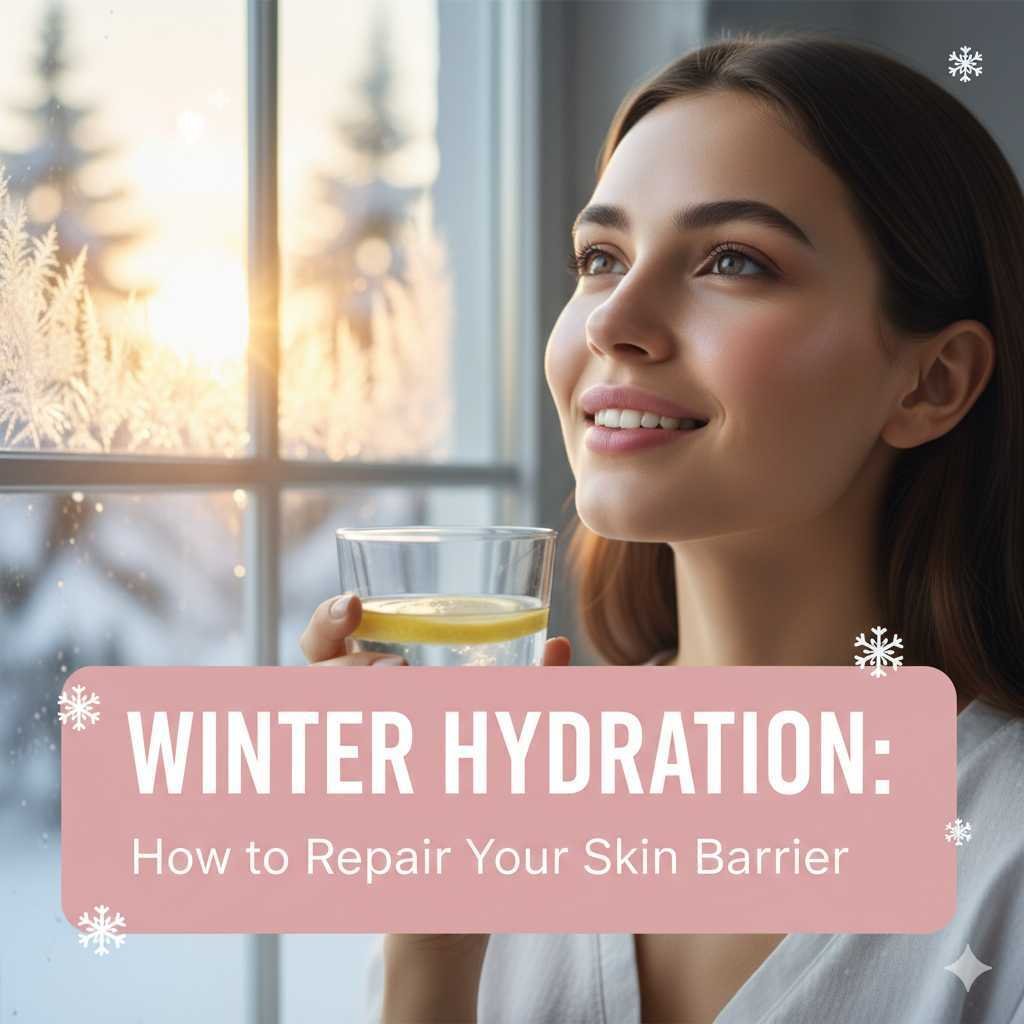
9. Stay Hydrated
Cold weather makes you less thirsty, but your skin still needs water. Drink regularly, and eat water-rich foods like oranges, cucumber, and melon.
Non-obvious insight: Many people turn up the heat indoors during winter, but this makes the air—and your skin—drier. Lowering your thermostat by just a few degrees can help keep your barrier healthy.
Key Skincare Ingredients For Year-round Barrier Support
Not all skincare products are equal. Some ingredients help rebuild and protect the skin barrier, while others can make things worse.
| Ingredient | Benefit | When to Use |
|---|---|---|
| Ceramides | Rebuilds barrier lipids | Year-round |
| Hyaluronic Acid | Attracts water to skin | All seasons, under moisturizer |
| Petrolatum | Seals in moisture | Winter, very dry areas |
| Niacinamide | Reduces redness, repairs barrier | Year-round, all skin types |
| Vitamin C | Protects from sun damage | Morning, before sunscreen |
| Shea Butter | Softens, locks in moisture | Winter, dry skin |
| Squalane | Restores natural oils | All seasons |
Common mistake: Using harsh scrubs, alcohol-based toners, or strong acids can make barrier damage worse. Always read labels and patch test new products.
Building A Seasonal Skincare Routine
Your daily routine should change with the weather to keep your skin barrier strong. Here’s how to adjust for sun and cold:
Spring And Summer Routine (sun Protection Focus)
Morning:
- Gentle cleanser
- Antioxidant serum (vitamin C)
- Lightweight moisturizer with ceramides or hyaluronic acid
- Broad-spectrum sunscreen SPF 30+
Evening:
- Gentle cleanser
- Hydrating serum (optional)
- Moisturizer with ceramides
Tips:
- Reapply sunscreen if outdoors
- Use non-comedogenic (non-pore-clogging) products if you sweat more
Fall And Winter Routine (moisture & Barrier Focus)
Morning:
- Gentle, creamy cleanser
- Hydrating serum (hyaluronic acid or glycerin)
- Rich moisturizer with ceramides, shea butter, or squalane
- Sunscreen (yes, even in winter)
Evening:
- Gentle cleanser
- Hydrating serum
- Heavy cream or balm
Extras:
- Add a humidifier in your bedroom
- Use a lip balm and hand cream multiple times daily
Adapt as needed: If your skin feels tight, add more moisture. If you notice breakouts, switch to lighter textures.
Myths And Misconceptions About Seasonal Skin Damage
Many people have false beliefs about sun and cold effects. Here are the most common:
- “You don’t need sunscreen on cloudy days.” False—UV rays penetrate clouds and windows.
- “Only people with fair skin get sun damage.” Wrong—everyone, regardless of skin color, can get barrier damage and skin cancer.
- “Oily skin doesn’t need moisturizer.” Untrue—oily skin can still have a weak barrier and lose water.
- “Hot showers are good for dry skin.” Actually, hot water strips oils and worsens dryness.
- “You can’t get sunburn in winter.” Not true—snow reflects UV rays, increasing your risk.
Understanding these myths helps you make smarter choices and avoid common traps.
Special Considerations For Different Skin Types
Everyone’s skin is unique. Here’s how to adjust your prevention plan:
Sensitive Skin
- Use fragrance-free, hypoallergenic products
- Avoid alcohol, menthol, and essential oils
- Patch test all new products
Oily Or Acne-prone Skin
- Choose oil-free, non-comedogenic moisturizers
- Avoid heavy occlusive layers on the face
- Use gel-based sunscreens
Dry Or Mature Skin
- Layer hydrating products (serum + cream + balm)
- Use richer textures in winter
- Add nourishing oils (like squalane or rosehip)
Children And Babies
- Use mild, pediatrician-approved products
- Dress in layers and use hats, gloves, and sunscreen
- Avoid long baths and scented products
Darker Skin Tones
- Sun damage can cause dark spots (hyperpigmentation)
- Use sunscreen daily and gentle exfoliation (lactic acid) to even tone
- Avoid lightening creams with harsh ingredients
Tip: If you have a skin condition (eczema, rosacea, psoriasis), talk to your dermatologist before making big changes.
Nutrition And Lifestyle For A Strong Skin Barrier
Skincare isn’t just what you put on your skin. Your diet, sleep, and habits matter, too.
Eat For Skin Health
- Healthy fats: Avocado, nuts, seeds, and oily fish provide essential fatty acids.
- Antioxidant-rich foods: Berries, leafy greens, and tomatoes fight sun damage.
- Vitamin C and E: Citrus, kiwi, almonds, and sunflower seeds support repair.
Drink Water
Aim for at least 8 cups (2 liters) per day. Herbal teas and water-rich fruits/veggies count.
Sleep Well
Poor sleep slows skin repair. Aim for 7–9 hours per night.
Manage Stress
Chronic stress raises inflammation and weakens your barrier. Practice deep breathing, meditation, or gentle exercise.
Don’t Smoke
Smoking damages collagen and blood flow, slowing barrier repair and aging your skin.
Surprising fact: Even one week of sleep deprivation can make your skin barrier 25% less effective at retaining moisture.

Credit: www.healthline.com
How To Recover After Barrier Damage
Sometimes, despite your best efforts, your skin barrier gets damaged. Here’s how to help it recover:
1. Stop Harsh Products
Immediately stop using scrubs, retinoids, acids, or alcohol-based toners until your skin heals.
2. Simplify Your Routine
Stick to a gentle cleanser, a rich moisturizer, and sunscreen. Avoid trying new products during recovery.
3. Moisturize Often
Apply a cream or ointment with ceramides or petrolatum at least twice daily.
4. Soothe Inflammation
Use products with colloidal oatmeal, panthenol, or aloe vera to calm redness and itching.
5. Avoid Triggers
Stay out of strong sun, wind, or extreme cold until your skin feels normal.
6. Be Patient
Barrier repair takes time—usually 1–2 weeks for mild damage, longer for severe cases.
Tip: If your skin is not improving, or you see signs of infection (pain, pus, spreading redness), see a dermatologist.
Comparing Popular Barrier Repair Products
With so many products on the market, it’s hard to know which ones actually work. Here’s a comparison of popular types:
| Product Type | Main Ingredients | Best For | Common Pitfalls |
|---|---|---|---|
| Barrier Creams | Ceramides, fatty acids, cholesterol | All skin types, year-round | Can be heavy for oily skin |
| Ointments | Petrolatum, lanolin | Very dry or cracked skin, winter | May clog pores if overused |
| Serums | Niacinamide, hyaluronic acid, squalane | Layering under moisturizer | Not enough alone for severe dryness |
| Balms | Shea butter, beeswax | Lips, hands, rough patches | Can feel sticky or thick |
Practical advice: For most people, a combination of serum (for hydration) and cream (for barrier repair) works best. Use ointments or balms for spot treatment on lips, hands, or very dry areas.
When To See A Professional
Sometimes home care isn’t enough. See a dermatologist if:
- Your skin is red, swollen, or painful for more than a week
- You have open sores or oozing
- You suspect an allergy or infection
- Over-the-counter products aren’t helping
- You have a chronic skin condition (eczema, psoriasis)
A professional can prescribe stronger creams, test for allergies, or suggest treatments like light therapy.
Real-world Example: Seasonal Routine Adjustment
Sara, a 34-year-old teacher, noticed her skin was oily and broke out in summer, but became dry and flaky in winter. She used the same cleanser and lotion year-round, but her skin never felt right.
After learning about seasonal barrier needs, she made some changes:
- In summer: Switched to a gel cleanser, added antioxidant serum, and used a lightweight sunscreen daily.
- In winter: Changed to a creamy cleanser, layered hyaluronic acid serum under a thick ceramide cream, used a humidifier, and wore gloves outside.
Within two weeks, her skin felt comfortable, and the cycle of breakouts and dryness stopped.
Lesson: Adjusting your routine with the seasons can make a big difference, even with just a few product swaps.
Frequently Asked Questions
What Is The Skin Barrier And Why Does It Matter?
The skin barrier is the outermost layer of your skin that keeps moisture in and blocks harmful things out. It’s important because a strong barrier means smooth, healthy skin, while a weak barrier leads to dryness, redness, and irritation.
How Can I Tell If My Skin Barrier Is Damaged?
Common signs include dryness, flaking, redness, stinging, and increased sensitivity. If your skin feels tight after washing, or products suddenly sting, your barrier may be compromised.
Should I Use Sunscreen In Winter?
Yes! Up to 80% of UV rays can reach your skin, even on cloudy days or when reflected by snow. Daily sunscreen use prevents barrier damage and premature aging.
How Long Does It Take To Repair The Skin Barrier?
Mild damage can heal in about 1–2 weeks with the right care: gentle cleansing, rich moisturizers, and avoiding harsh products. Severe damage may need professional help.
Are Expensive Products Better For The Skin Barrier?
Not always. Look for key ingredients like ceramides, niacinamide, and squalane—even affordable products can be effective. What matters most is a simple, consistent routine that matches your skin’s needs.
For more on the science of the skin barrier, see this American Academy of Dermatology page.
—
Your skin is your lifelong companion, and its needs change with the weather. By understanding how sun and cold damage the skin barrier, and by adjusting your habits and products, you can protect your skin every season. Stay consistent, listen to your skin, and don’t be afraid to seek help if you need it. Healthier, more resilient skin is within reach—with knowledge and care, you’ll feel and look your best all year round.