

A healthy body is more than just feeling good on the inside. The scalp, skin, and the entire body are protected by a barrier that keeps out dirt, bacteria, and other harmful things. When this barrier is weak, you can face problems like itchy scalp, dry patches, breakouts, or even infections. Many people focus on one part, like face skin or hair, and miss the bigger picture. A holistic barrier health protocol treats everything together—scalp, skin, and body—because these parts work as a team. Over 12 weeks, you can build stronger, healthier barriers and see real change in how you look and feel.
This protocol is for anyone who wants lasting results, not just quick fixes. You will learn how to support your body in a balanced way, using both science and practical daily habits. This plan does not push expensive products or complicated routines.
Instead, you’ll discover simple steps and clear explanations, so you can understand why each part matters. Even if you’ve tried other routines and didn’t see results, this guide gives new insights that beginners and experienced readers often miss.
Let’s start your journey toward better scalp, skin, and body barrier health. You’ll find clear steps, practical tips, and the knowledge to make changes that last.
Why Barrier Health Matters
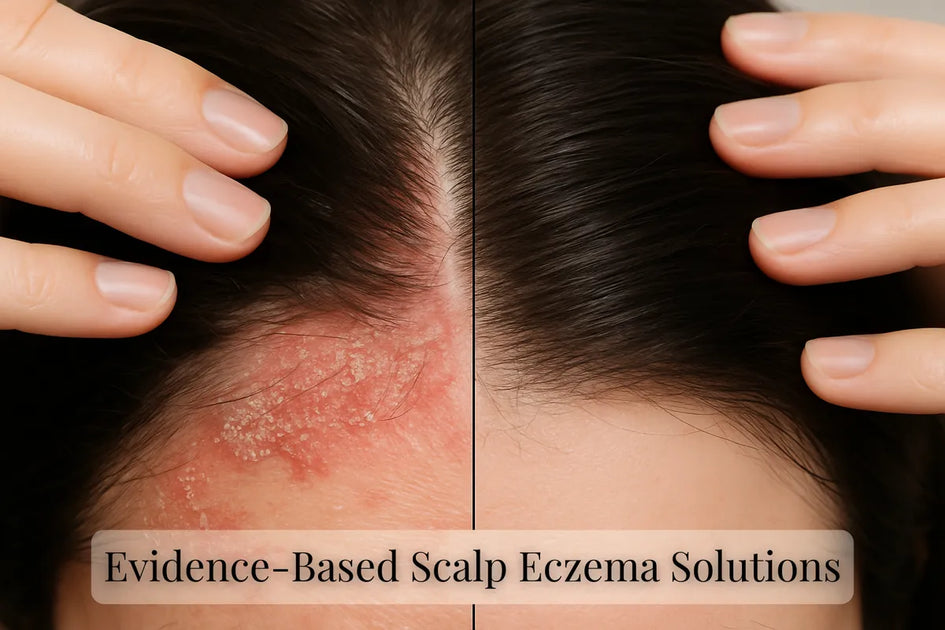
The skin barrier is your body’s first line of defense. It keeps moisture inside and blocks out germs, pollutants, and irritants. The scalp barrier works the same way, protecting hair roots and skin from dryness, dandruff, and inflammation. When your barrier is healthy, your skin looks brighter, heals faster, and feels comfortable. But if your barrier gets weak, you might notice:
- Redness and irritation
- Flaky or dry scalp
- Sensitive, itchy skin
- More breakouts or infections
A strong barrier helps prevent these problems. It also makes other products work better, because your skin and scalp can absorb what they need. Many people don’t realize that diet, stress, and even sleep affect their barrier health. This protocol covers all these areas in a complete way.
Overview Of The 12-week Holistic Protocol
This protocol is divided into four phases, each lasting three weeks. Each phase has specific goals and actions for your scalp, skin, and body. You will build habits week by week, so the changes feel easy and natural.
| Phase | Duration | Main Focus |
|---|---|---|
| 1. Reset | Weeks 1-3 | Repair barriers, remove irritants |
| 2. Nourish | Weeks 4-6 | Add nutrients, support healing |
| 3. Strengthen | Weeks 7-9 | Boost resilience, balance lifestyle |
| 4. Sustain | Weeks 10-12 | Maintain gains, prevent relapse |
Each phase contains steps for daily care, nutrition, lifestyle, and mindset. You’ll find advice for both beginners and experienced readers.
Phase 1: Reset (weeks 1-3)
The first three weeks are about repair and removing irritants. Many people make mistakes here, like using too many harsh products or skipping basic steps. Instead, the goal is to let your body recover and prepare for deeper care.
Scalp
- Use gentle shampoos: Avoid sulfates and strong fragrances. Wash hair 2-3 times a week only.
- Stop scratching or picking: Even small scratches can break the scalp barrier.
- Limit styling products: Gels, sprays, and dry shampoos can block pores and irritate skin.
Skin
- Cleanse with mild cleansers: No alcohol or strong acids. Cleanse twice daily.
- Moisturize with ceramides or squalane: These ingredients rebuild the skin barrier.
- Avoid exfoliation: No scrubs or peels during these weeks.
Body
- Shower with lukewarm water: Hot water strips natural oils.
- Pat dry, do not rub: Rubbing can damage the barrier.
- Apply plain body lotion: No fragrances or dyes.
Nutrition
- Drink more water: Aim for at least 8 glasses a day.
- Eat omega-3 rich foods: Salmon, chia seeds, walnuts.
- Cut back on sugar and processed foods: These can trigger inflammation.
Lifestyle
- Sleep at least 7 hours: Sleep is when your body repairs.
- Reduce stress: Try breathing exercises or short walks.
- Wear loose, breathable clothing: Tight fabrics can irritate skin.
Insights:
- Barrier repair is slower than you think. Skin needs about 28 days to renew; the scalp can take even longer.
- Less is more. Many people add too many products, thinking it helps. In reality, fewer, well-chosen steps work better at first.
Phase 2: Nourish (weeks 4-6)
Now that your barriers are recovering, it’s time to add nutrients and support healing. This phase focuses on feeding your body what it needs to build stronger defenses.
Scalp
- Add scalp serums: Look for niacinamide or panthenol.
- Massage gently: 2-3 minutes a day boosts blood flow and nutrient delivery.
- Use a silk or satin pillowcase: Reduces friction and moisture loss.
Skin
- Introduce antioxidants: Serums with vitamin C or E help skin recover from damage.
- Use richer moisturizers at night: Skin repairs itself while you sleep.
- Sunscreen every morning: Even on cloudy days, UV rays weaken your skin barrier.
Body
- Exfoliate gently (once a week): Use a soft washcloth, not harsh scrubs.
- Apply body oils: Look for jojoba or almond oil after showers.
- Spot treat dry areas: Elbows, knees, and heels often need extra care.
Nutrition
- Eat more colorful vegetables: Carrots, spinach, sweet potatoes give your body vitamins A and C.
- Add probiotics: Yogurt or kefir helps balance gut bacteria, which affects skin health.
- Include zinc-rich foods: Beans, seeds, and lentils support skin healing.
Lifestyle
- Stay active: Gentle exercise (walking, yoga) improves circulation to the skin and scalp.
- Limit alcohol and caffeine: Both dehydrate your body and skin.
- Practice gratitude or relaxation: Reduces stress hormones that harm the barrier.
Insights:
- Gut health links to skin health. Studies show imbalanced gut bacteria can trigger eczema and acne.
- Night is prime time for repair. Your skin absorbs and uses nutrients better while you sleep.
Phase 3: Strengthen (weeks 7-9)
With your barriers healing, you can now focus on boosting resilience. This means making your scalp, skin, and body better able to handle stress and changes.
Scalp
- Try pre-shampoo oils: Coconut or argan oil protects hair and scalp during washing.
- Increase scalp massages: Up to 5 minutes, 3-4 times a week.
- Rotate mild shampoos: Prevents buildup and keeps scalp balanced.
Skin
- Add a barrier repair cream: Products with peptides or cholesterol reinforce the skin.
- Layer hydration: Use a toner or essence before moisturizer.
- Spot treat problem areas: Use a gentle treatment for breakouts or redness.
Body
- Dry brush before showering: Boosts circulation and gently exfoliates.
- Alternate between lotion and oil: Keeps skin flexible and hydrated.
- Protect skin in cold weather: Use thicker creams and wear gloves/scarves.
Nutrition
- Increase protein intake: Lean meats, tofu, or legumes help build new cells.
- Eat seeds and nuts: Almonds, pumpkin seeds for vitamin E and healthy fats.
- Continue hydration focus: Add herbal teas or infused water.
Lifestyle
- Protect from environmental stress: Wear hats and sunscreen outdoors.
- Manage screen time: Blue light can harm skin with long exposure.
- Stay consistent: Small daily habits matter more than big, occasional changes.
Insights:
- Weather changes affect the barrier. Wind, sun, and cold can all weaken your skin if you’re not prepared.
- Consistency beats intensity. Sticking to daily care—even if it’s simple—makes a bigger difference than trying “miracle” products.
Phase 4: Sustain (weeks 10-12)
The last phase is about maintaining gains and making sure you don’t lose progress. Many people stop after a few weeks, but real results come from long-term habits.
Scalp
- Keep a simple routine: Stick to gentle washes, serums, and regular massages.
- Trim hair regularly: Healthy ends prevent scalp stress.
- Watch for signs of irritation: Redness or itchiness means adjust your products.
Skin
- Maintain sunscreen habit: Sun damage can undo months of work.
- Switch products seasonally: Lighter in warm months, richer in cold.
- Check for allergies: Sometimes, new reactions show up after months.
Body
- Moisturize after every shower: Locks in moisture and prevents dryness.
- Check skin monthly: Look for changes, rashes, or spots that don’t heal.
- Keep nails and feet healthy: Trim and clean regularly, use antifungal powder if needed.
Nutrition
- Stick to balanced meals: Vegetables, proteins, and healthy fats.
- Limit processed snacks: They can still trigger breakouts or inflammation.
- Review your supplements: Only continue if they help—sometimes less is more.
Lifestyle
- Review your sleep: If you’re tired, your skin and scalp will show it.
- Revisit stress management: Meditation, hobbies, or nature walks.
- Set reminders: Small notes or phone alerts help keep you on track.
Insights:
- Your needs can change. Hormones, weather, and even age affect barrier health—adjust as needed.
- Prevention is easier than repair. Staying consistent stops problems before they start.

Credit: chosenstore.in
Common Mistakes In Barrier Health
Even with the best plan, some habits can set you back. Understanding these will help you stay on track:
- Over-cleansing: Washing too often or with harsh soaps strips away protective oils.
- Ignoring the scalp: Many focus on face skin, but the scalp is just as important.
- Using too many products: Layering lots of serums and creams can confuse your skin and clog pores.
- Skipping sunscreen: Sun is the number one barrier enemy, even on cloudy days.
- Not adjusting for seasons: Skin and scalp need different care in winter vs. summer.
- Neglecting nutrition: No cream can fix what’s missing in your diet.
- Sleeping on dirty pillowcases: Bacteria and oils build up quickly and irritate both scalp and skin.
- Stress overload: High stress shows up as breakouts, redness, and hair shedding.
- Ignoring warning signs: Itchiness, redness, or flakes mean something’s wrong.
- Stopping too soon: Barriers need weeks, not days, to heal.
Building Your 12-week Routine
To help you plan, here’s how a typical week might look during the protocol:
| Day | Scalp | Skin | Body | Nutrition/Lifestyle |
|---|---|---|---|---|
| Monday | Gentle wash, serum | Mild cleanse, moisturize | Shower, lotion | Protein breakfast, short walk |
| Tuesday | Massage, no wash | Antioxidant serum, sunscreen | Body oil after shower | Vegetable-rich lunch, 7+ hrs sleep |
| Wednesday | Pre-shampoo oil, gentle wash | Hydrating toner, moisturizer | Exfoliate gently | Probiotic snack, gratitude journal |
| Thursday | Massage, serum | Barrier cream at night | Thick cream on dry areas | Hydrate, avoid sugary drinks |
| Friday | Gentle wash, scalp check | Sunscreen, moisturizer | Body oil after shower | Lean protein, manage screen time |
| Saturday | Massage, no wash | Rich moisturizer at night | Dry brush, lotion | Nature walk, prep healthy meals |
| Sunday | Scalp check, trim hair if needed | Sunscreen, gentle cleanse | Moisturize after shower | Review progress, relax |
This sample week is flexible. You can swap days or steps to fit your schedule, but keep the main habits in place.
Product Choices: What Really Matters
You don’t need expensive or trendy products. What matters most are the key ingredients and how you use them.
For Scalp
- Gentle shampoo (no sulfates)
- Scalp serum with niacinamide or panthenol
- Natural oils (coconut, argan) for pre-shampoo treatments
For Skin
- Ceramide moisturizer
- Antioxidant serum (vitamin C, E)
- Sunscreen (broad spectrum, SPF 30+)
- Barrier repair cream (with peptides or cholesterol)
For Body
- Fragrance-free lotion
- Jojoba or almond oil
- Mild exfoliating washcloth
What To Avoid
- Alcohol-based products: Dry out skin and scalp
- Strong acids or scrubs: Damage the barrier
- Heavy fragrances: Can trigger allergies and irritation
Non-obvious tip: Test new products on a small patch of skin for 2-3 days before using fully. Some reactions develop slowly, not right away.
Nutrition And Supplements For Barrier Health
What you eat has a big impact on your skin and scalp. The right nutrients support healing and prevent future damage.
Key Nutrients
- Omega-3 fatty acids: Reduce inflammation and keep barriers flexible
- Vitamin A: Speeds up skin cell turnover
- Vitamin C: Needed for collagen and barrier repair
- Vitamin E: Protects against free radical damage
- Zinc: Helps heal wounds and supports immunity
- Probiotics: Balance gut bacteria, lower inflammation
Foods To Focus On
- Fatty fish (salmon, sardines)
- Leafy greens (spinach, kale)
- Colorful vegetables (carrots, sweet potatoes, bell peppers)
- Nuts and seeds (walnuts, chia, pumpkin seeds)
- Legumes (beans, lentils)
- Fermented foods (yogurt, kimchi, kefir)
Supplements
If your diet is missing these, you can consider:
- Fish oil (for omega-3)
- Zinc tablets (if low in your diet)
- Probiotic capsules
But always check with a doctor before adding new supplements.
Beginner insight: Many people see quick results from diet changes because their skin and scalp were missing basic nutrients, not because of fancy products.
Lifestyle Habits That Support Barrier Health
Changing your lifestyle is just as important as products or food. Here’s what makes a difference:
- Quality sleep: At least 7 hours a night. Growth hormone and repair processes peak during deep sleep.
- Stress management: Chronic stress raises cortisol, which weakens your barriers.
- Physical activity: Improves blood flow, delivering more nutrients to skin and scalp.
- Clean environment: Wash pillowcases and towels twice a week.
- Hydration: Water helps flush toxins and keeps cells healthy.
- Sun protection: Not just sunscreen—hats and shade matter too.
Expert tip: Don’t try to change everything in one day. Pick one or two habits each week and build slowly. This is how you make changes stick for life.
When To See A Professional
Most people can improve their barrier health with these steps. But sometimes, you need help from a dermatologist or doctor:
- If you have severe or painful rashes
- If hair falls out in patches
- If you see swelling, pus, or infections
- If nothing improves after 12 weeks
Doctors can diagnose deeper issues, test for allergies, or prescribe special treatments. Don’t wait if something feels wrong.
Credit: harlanmd.com
Tracking Your Progress
Keeping track helps you see what works and what doesn’t. Here’s how to do it:
- Take weekly photos: Scalp, face, and body areas you want to improve.
- Keep a journal: Note changes in dryness, redness, or itch.
- Record what you eat and products you use: Sometimes reactions take days to show up.
You may not see big changes every week, but over 12 weeks, small improvements add up.
Realistic Results: What To Expect
It’s important to have the right expectations. Here’s what most people notice:
- Weeks 1-3: Less irritation, reduced flakes, skin feels calmer
- Weeks 4-6: Brighter, more even skin tone, scalp less itchy, hair looks healthier
- Weeks 7-9: Fewer breakouts, softer skin, more balanced oil production
- Weeks 10-12: Lasting comfort, strong barriers, easier maintenance
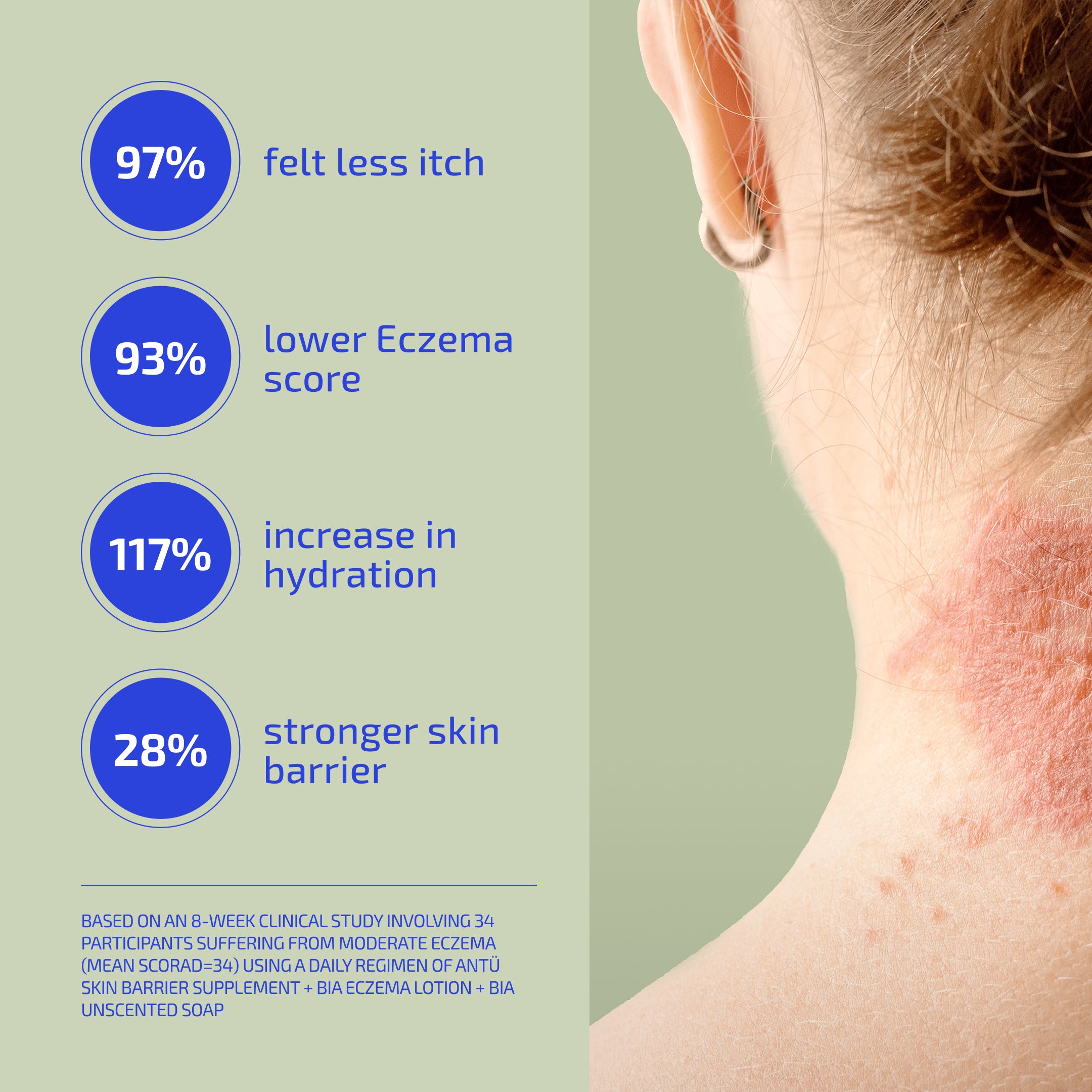
Remember, results depend on your starting point, health, and how consistent you are. Real change is gradual, not instant.
Credit: www.codexlabscorp.com
Frequently Asked Questions
What Is The Skin Barrier And Why Is It Important?
The skin barrier is the outermost layer of your skin. It acts like a shield, keeping moisture in and blocking out germs, pollutants, and irritants. A healthy barrier means softer, smoother, and healthier skin and scalp.
How Can I Tell If My Scalp Barrier Is Damaged?
Common signs are itching, redness, flakes, or feeling sore after washing. If hair falls out more than usual or you have patches of irritation, your barrier may need support.
Can I Do This Protocol With Sensitive Skin?
Yes. The protocol is designed for all skin types, especially sensitive ones. It uses gentle steps, avoids harsh products, and focuses on healing.
How Long Before I See Results?
Most people see changes in 2-4 weeks—less redness, fewer flakes, and more comfort. Big changes often take 8-12 weeks. Keep going, even if results are slow.
Do I Need Expensive Products For Barrier Health?
No. The most important thing is choosing gentle, effective ingredients and using them consistently. Many drugstore products are as good as expensive ones.
For more scientific details about skin and barrier function, you can visit the American Academy of Dermatology.
A healthy barrier is your best defense. This 12-week holistic approach helps you support your scalp, skin, and body in a way that fits real life. With patience and the right habits, you can enjoy comfort, confidence, and lasting results.