

Living with a chronic skin condition is much more than a physical challenge. For millions of people around the world, it’s a daily emotional journey. Whether you have eczema, psoriasis, acne, vitiligo, or another long-term skin problem, the effects reach far beyond your skin.
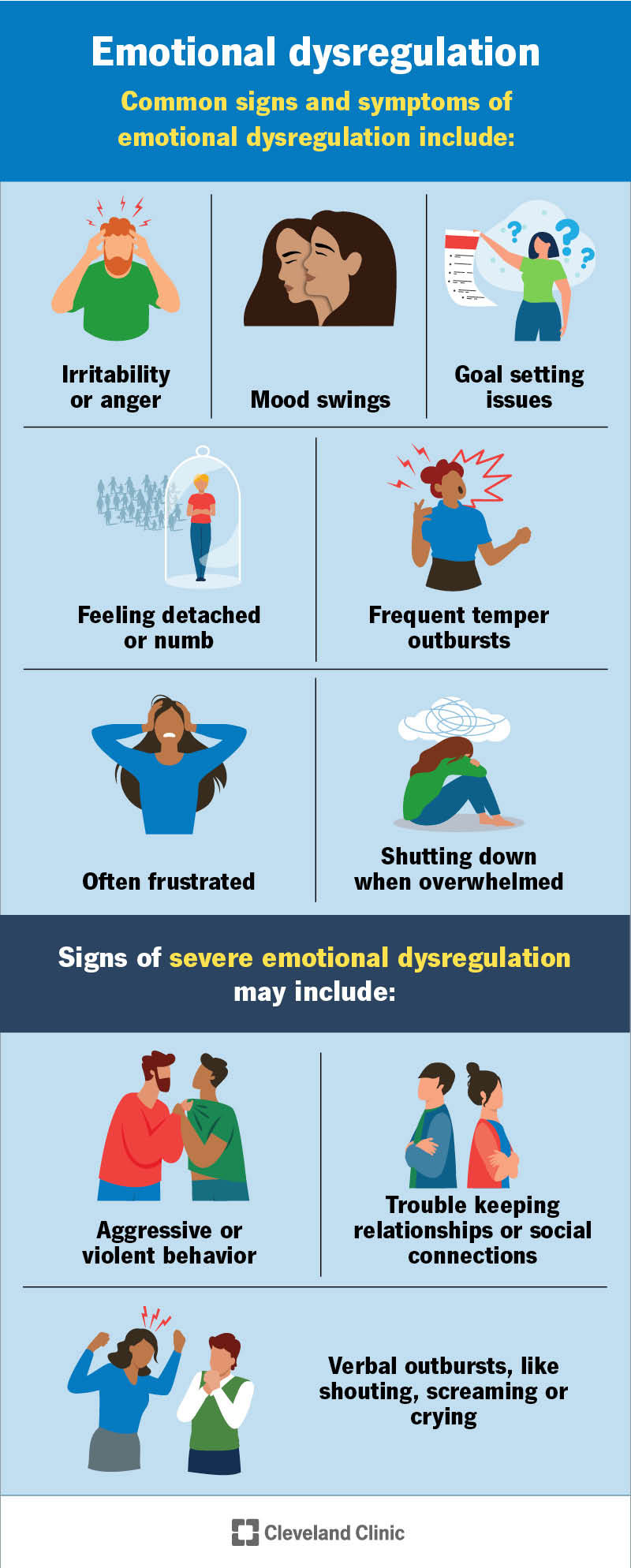
These conditions can impact your self-esteem, relationships, career, and even your sense of identity. Many people struggle with anxiety, depression, or embarrassment, often feeling isolated or misunderstood.
What makes this experience unique is that skin is visible. Unlike other health issues, you can’t always hide flare-ups or scars. Strangers may stare, ask personal questions, or make comments. Friends and family might not fully understand what you’re going through.
Even doctors sometimes focus only on the physical symptoms and forget the emotional pain.
But you’re not alone, and you’re not powerless. Understanding the emotional toll of chronic skin conditions is the first step. Learning practical coping strategies can help you manage both the physical and mental sides of your condition. In this article, you’ll discover why skin problems affect your emotions so deeply, what science says about the mind-skin connection, and, most importantly, how to build strength and confidence no matter what your skin looks like today.
The Emotional Impact Of Chronic Skin Conditions
Chronic skin conditions are more than an inconvenience. They can shape how you feel about yourself and how you live your daily life. Let’s look at the emotional effects people often face.
Self-esteem And Body Image
When your skin changes, your self-image can suffer. Many people with visible skin problems feel self-conscious, especially in social situations. You may worry about how others see you or fear being judged. This can lead to avoiding activities like swimming, dating, or even going to work. Research shows that body image issues are common among people with skin conditions, sometimes leading to low confidence and sadness.
Anxiety And Social Withdrawal
It’s natural to feel anxious if you think people are staring or talking about you. Over time, this anxiety can turn into social withdrawal. You might skip events, cancel plans, or avoid meeting new people. For some, these habits become a pattern that’s hard to break, leading to loneliness and even more stress.
Depression And Mood Changes
Living with constant pain, itchiness, or discomfort can drain your energy and mood. Studies have found that people with chronic skin problems are at a higher risk for depression. The World Health Organization notes that up to 30% of people with psoriasis experience symptoms of depression. Mood swings and frustration are common, especially during flare-ups.
The Burden Of Stigma
Many skin conditions are misunderstood. Some people wrongly believe they are contagious or caused by poor hygiene. This stigma can add to your emotional pain. You might feel ashamed or try to hide your skin, even from people you trust. Children and teens are especially vulnerable to bullying and teasing, which can have long-lasting effects.
Everyday Stress
Managing treatments, doctor visits, and changes in symptoms can be exhausting. There’s often uncertainty: Will it get worse? Will this treatment work? This constant stress can make it harder to sleep, concentrate, or enjoy life.
Impact On Relationships
Chronic skin conditions can affect your relationships with family, friends, and partners. You may feel embarrassed about intimacy or worry that loved ones won’t understand. Sometimes, partners and family members feel helpless or frustrated, which can create tension.
The Mind-skin Connection: What Science Says
Your skin and your mind are closely linked. Modern research explains why emotional stress often makes skin symptoms worse, and why skin problems can lead to emotional distress.
How Stress Affects The Skin
When you’re stressed, your body releases hormones like cortisol. These hormones can increase inflammation and make skin conditions flare up. For example:
- Eczema flare-ups often appear after stressful events.
- Psoriasis can worsen during times of anxiety.
- Acne outbreaks are common before big events or exams.
This is called the psychodermatology connection: the way your emotions and skin health interact.
How Skin Problems Affect The Mind
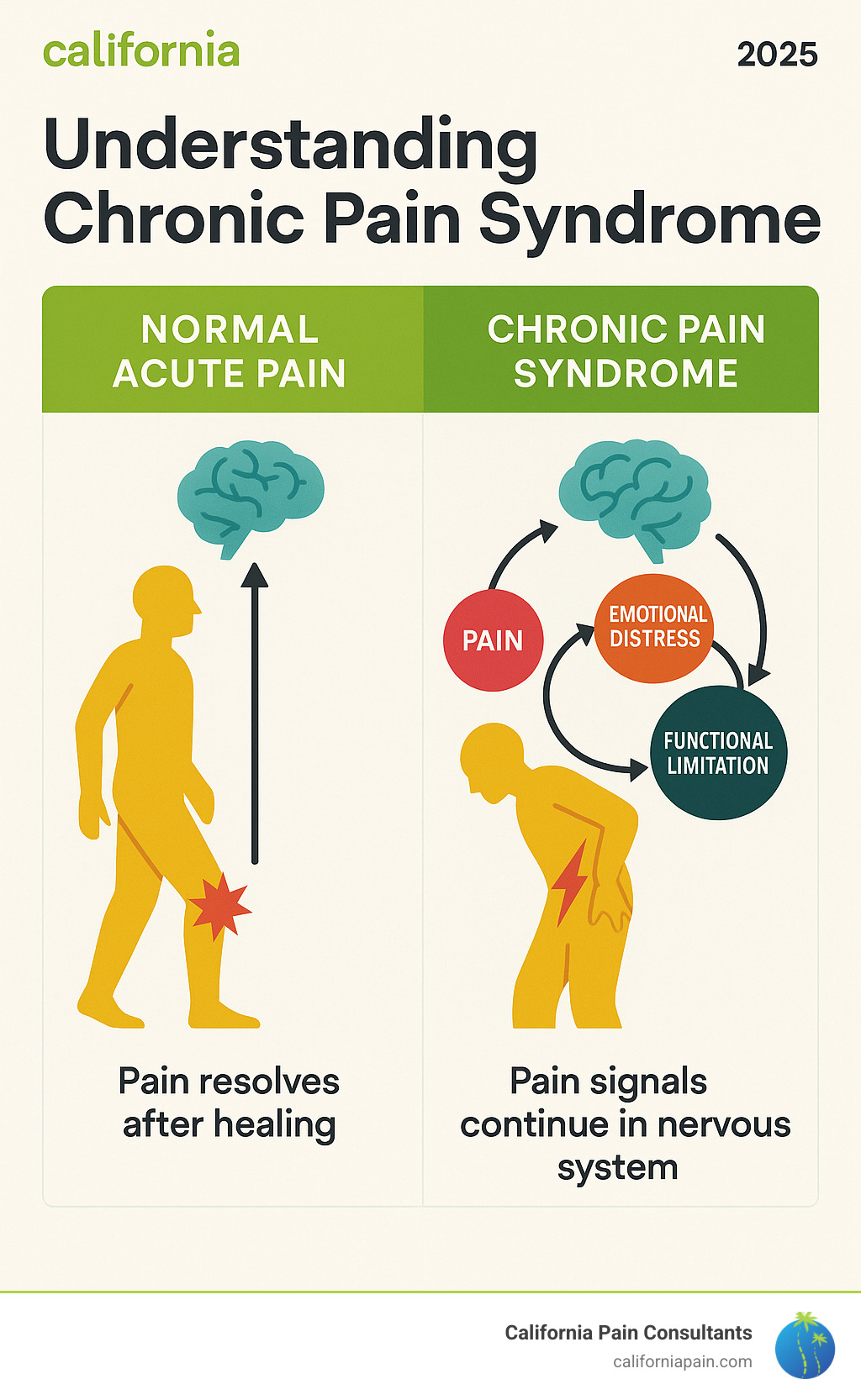
On the flip side, living with a visible skin condition can trigger stress, creating a cycle that’s hard to break. You may feel embarrassed, anxious, or sad, which increases stress hormones and makes your skin worse. This cycle can continue unless you find ways to manage both the emotional and physical sides.
Real-life Example
In one study, people with psoriasis who joined support groups and learned relaxation techniques reported fewer flare-ups and less emotional distress. This shows that treating the mind can help the skin, and vice versa.
Data Snapshot: Skin Conditions And Mental Health
Here’s a look at the link between chronic skin problems and mental health:
| Skin Condition | Risk of Depression (%) | Risk of Anxiety (%) | Notes |
|---|---|---|---|
| Psoriasis | 30 | 20 | Higher rates in severe cases |
| Eczema | 25 | 25 | Linked with sleep problems |
| Acne | 20 | 15 | Teenagers most affected |
| Vitiligo | 23 | 18 | Visible areas cause more distress |
*Source: British Journal of Dermatology, 2021*
Why Coping Strategies Matter
Managing the emotional side of a chronic skin condition is just as important as treating the physical symptoms. Coping strategies help you:
- Reduce stress and prevent flare-ups
- Build self-confidence
- Maintain healthy relationships
- Improve quality of life
Ignoring the emotional impact can lead to worse symptoms, more stress, and a lower sense of well-being. Learning to cope is an active process—you don’t have to do it alone, and there are many tools to help.
Coping Strategies For Living With Chronic Skin Conditions
There’s no single “right way” to cope. Each person’s journey is different. However, many people find relief and strength using a mix of the following strategies.
1. Educate Yourself About Your Condition
Knowledge is power. Understanding your skin condition helps you feel more in control and less anxious. Learn about:
- What causes your condition
- Common triggers
- Treatment options
- Myths and facts
Ask your doctor for trustworthy resources. Avoid relying on random internet forums or social media for medical advice.
Non-obvious Insight
Many people skip this step because they feel overwhelmed. But even learning a little each week can reduce fear and help you make better choices.
2. Build A Support Network
You don’t have to face this alone. A support network can include:
- Family and friends
- Patient support groups (in person or online)
- Therapists or counselors
- Healthcare professionals
Sharing your feelings with others who understand can ease loneliness and provide new ideas for coping.
Practical Example
Joining an online support group for eczema or psoriasis can connect you to people worldwide. You’ll realize that many others face similar struggles and can share tips that worked for them.
3. Practice Stress Management Techniques
Stress is a known trigger for many skin conditions. Regular stress management can break the mind-skin cycle. Techniques include:
- Deep breathing exercises
- Mindfulness meditation
- Progressive muscle relaxation
- Yoga or gentle stretching
- Listening to calming music
Try different methods and see what helps you most. Even five minutes a day can make a difference.
4. Develop A Skincare Routine
A gentle, consistent skincare routine helps you feel in control. Choose products suited for sensitive skin. Avoid harsh soaps, fragrances, or scrubs. Stick to:
- Mild cleansers
- Moisturizers (fragrance-free)
- Sunscreen (as recommended by your doctor)
Write down what works and what doesn’t. This way, you can spot patterns and avoid triggers.
5. Set Realistic Expectations
There is no “perfect skin. ” Even with the best care, flare-ups can happen. Set goals that focus on improvement, not perfection. Celebrate small wins, like fewer flare-ups or better sleep.
6. Seek Professional Help When Needed
If you feel overwhelmed, sad, or anxious most days, reach out to a mental health professional. Many therapists specialize in chronic illness or body image issues. Therapy can help you:
- Process your feelings
- Learn new coping skills
- Challenge negative self-talk
Don’t wait until you’re in crisis. Early support can prevent bigger problems later.
7. Communicate Openly With Loved Ones
It’s natural to want to hide your struggles, but honest communication can strengthen relationships. Share how your skin condition affects you. Let others know how they can support you, whether it’s listening, helping with chores, or joining you at appointments.
Non-obvious Insight
Sometimes, loved ones want to help but don’t know how. Being specific—such as asking for a listening ear or help applying creams—can make their support more effective.
8. Challenge Negative Thoughts
Chronic skin conditions can lead to negative thinking patterns, such as believing you’re unattractive or unworthy. Catch these thoughts and challenge them:
- Ask yourself: Is this thought true?
- What would I say to a friend in my situation?
- Can I find one positive thing about myself today?
Writing down your thoughts in a journal helps you spot and change unhelpful patterns.
9. Focus On What You Can Control
You may not control your skin, but you can control how you respond. Focus on your actions, routines, and self-care. This shift in mindset can give you a sense of purpose and reduce frustration.
10. Practice Self-compassion
Be kind to yourself. Chronic conditions are not your fault. Treat yourself with the same care you’d offer a friend. When you have a rough day, remind yourself that it’s okay to struggle. Rest, recharge, and try again tomorrow.
11. Use Creative Outlets
Art, music, writing, or crafts can be powerful ways to express emotions. Creative activities help you process feelings and distract from worry. You don’t have to be “good” at art—just let yourself explore.
12. Educate Others
Sometimes, people make rude comments because they don’t understand. If you feel comfortable, explain your condition briefly. Most people are willing to learn and will be more sensitive in the future.
Example
If someone asks about your skin, you can say, “It’s a chronic condition, but it’s not contagious. Thanks for understanding. ” This sets boundaries and educates at the same time.
13. Protect Your Sleep
Skin conditions often disrupt sleep, which increases stress and symptoms. Protect your sleep by:
- Keeping a regular bedtime
- Avoiding screens before bed
- Using soft, clean bedding
- Practicing relaxation before sleep
If itch or pain keeps you up, talk to your doctor about solutions.
14. Stay Active
Exercise releases endorphins, which improve mood and reduce stress. Choose activities you enjoy—walking, swimming, yoga, or cycling. If you’re self-conscious, try home workouts or small classes.
15. Celebrate Non-skin Successes
It’s easy to focus only on your skin. Make a list of things you’re proud of that have nothing to do with your condition—skills, kindness, achievements. Remind yourself that you are more than your skin.
16. Limit Social Media Comparison
Social media is full of images of “perfect” skin. Remember, most photos are edited or filtered. Limit your time on these platforms if they make you feel worse, and follow accounts that promote real, diverse beauty.
17. Prepare For Flare-ups
Flare-ups are part of living with a chronic condition. Prepare a “flare-up kit” with creams, loose clothing, and comfort items. Have a plan for managing pain or itch. Knowing you’re ready can reduce anxiety.
18. Find A Good Healthcare Team
A supportive healthcare team can make a big difference. Look for doctors who listen, explain things clearly, and treat you with respect. Don’t be afraid to ask questions or seek second opinions.
19. Practice Gratitude
Taking time each day to notice good things—no matter how small—can shift your mindset. Write down three things you’re grateful for each night. This simple habit can improve mood over time.
20. Get Involved In Advocacy
Many people find meaning in helping others. Join advocacy groups or events that raise awareness about your condition. Sharing your story can inspire others and help change public attitudes.
Credit: californiapain.com
Comparing Coping Strategies: Which Work Best?
Not every strategy works for every person. Here’s a quick comparison to help you choose what to try first:
| Strategy | Best For | Time Needed (per week) | Extra Benefits |
|---|---|---|---|
| Support Groups | Feeling isolated | 1-2 hours | Connects you with others |
| Mindfulness | Managing stress | 1-3 hours | Improves focus |
| Skincare Routine | Managing symptoms | 3-5 hours | Builds confidence |
| Therapy | Severe anxiety/depression | 1 hour | Professional guidance |
Try different options and combine what works best for you.
Children And Teens: Special Considerations
Young people with chronic skin conditions face unique challenges. School, friendships, and body image issues can be especially tough. Parents and caregivers can help by:
- Listening without judgment
- Advocating at school for understanding and accommodations
- Teaching children how to answer questions about their skin
- Encouraging positive activities and friendships
Peer Support For Young People
Connecting with other kids or teens who have similar conditions can be a big relief. Look for local or online support groups for young people.
Bullying And Stigma
Children with visible skin conditions are at risk for bullying. If you notice signs of bullying, talk to teachers and counselors right away. Encourage your child to speak up and remind them they are not alone.
Adults: Balancing Work And Relationships
For adults, chronic skin conditions can affect work performance and social life. Here are some ways to cope:
- Talk to your employer if you need adjustments (like flexible dress codes or time off for treatment)
- Be open with close friends and partners about your needs
- Don’t let fear of judgment stop you from pursuing career or relationship goals
Dating And Intimacy
Dating with a visible skin condition can be daunting. Honest communication is key. Many people find that sharing their story builds trust and brings them closer to their partner. Remember, your condition does not define your worth.
The Role Of Dermatologists And Mental Health Professionals
A good dermatologist will treat more than just your skin. They should ask about your emotional health and suggest resources for coping. If they don’t, bring it up yourself. Mental health professionals, like therapists or counselors, can help with body image, anxiety, and depression.
Collaborative Care
Some clinics offer psychodermatology services—teams that include both skin and mental health specialists. These programs address both sides of the problem, leading to better outcomes.
When To Seek Help
If you experience any of the following, consider seeking professional support:
- Ongoing sadness or hopelessness
- Loss of interest in activities
- Thoughts of self-harm
- Extreme anxiety or panic attacks
- Difficulty functioning at work or home
Help is available, and you deserve support.
Myths And Misconceptions About Chronic Skin Conditions
Understanding and challenging common myths can reduce stigma and help you cope more confidently.
Common Myths
- “It’s contagious.” Most chronic skin conditions are not contagious.
- “It’s caused by poor hygiene.” Conditions like psoriasis, eczema, and vitiligo are not related to cleanliness.
- “It’s just a cosmetic issue.” These conditions can cause real pain, fatigue, and emotional distress.
- “You just need to relax.” While stress can trigger symptoms, many other factors are involved.
How To Respond
Politely correct people when you feel comfortable. Share accurate information to help others understand.
Data: Chronic Skin Conditions Worldwide
Chronic skin problems are incredibly common. Here’s a snapshot of global prevalence:
| Condition | Estimated Global Cases | Most Affected Age Group | Geographic Hotspots |
|---|---|---|---|
| Psoriasis | 125 million | 30-50 years | Europe, North America |
| Eczema | 230 million | Children | Worldwide |
| Acne | 650 million | Teens, young adults | Worldwide |
| Vitiligo | 70 million | All ages | India, Middle East |
*Source: World Health Organization, 2022*
Credit: my.clevelandclinic.org
Building Resilience: The Path Forward
Resilience means bouncing back from challenges. It’s a skill you can develop over time. Here are some ways to build resilience while living with a chronic skin condition:
- Accept that ups and downs are normal
- Focus on growth, not perfection
- Seek out role models who have thrived with similar conditions
- Stay open to new strategies and treatments
Even on tough days, remember that your worth is not defined by your skin. You have strengths, talents, and qualities that go far beyond appearance.
Looking Ahead: Hope And Progress
Medical research is advancing. New treatments, support programs, and public awareness campaigns are making life easier for people with chronic skin problems. For example, organizations like the National Psoriasis Foundation and the American Academy of Dermatology offer resources and advocacy.
If you feel alone or hopeless, reach out for help. You are part of a large, strong community. Small steps—like talking to a friend, joining a support group, or practicing self-care—can change your outlook.
For more information on skin health and coping with chronic conditions, you might find resources from the American Academy of Dermatology helpful.

Credit: www.cdc.gov
Frequently Asked Questions
What Are The Most Common Emotional Effects Of Chronic Skin Conditions?
People with chronic skin conditions often experience low self-esteem, anxiety, depression, and social withdrawal. These feelings are common because skin problems are visible and can lead to stigma or misunderstanding.
Can Stress Really Make My Skin Condition Worse?
Yes, stress can trigger or worsen many skin conditions, such as eczema, psoriasis, and acne. Stress hormones like cortisol increase inflammation and may lead to more flare-ups. Learning stress management techniques can help break this cycle.
How Can I Explain My Skin Condition To Others Without Feeling Embarrassed?
Keep your explanation simple and direct. For example, you might say, “I have a chronic skin condition. It’s not contagious, but it does flare up sometimes. ” Most people will appreciate your honesty and respond with understanding.
When Should I Seek Professional Help For Emotional Distress?
Seek help if you feel sad, anxious, or hopeless most days, or if these feelings interfere with your daily life. Mental health professionals can help you develop coping skills and improve your quality of life.
Are There Any Support Groups For People With Chronic Skin Conditions?
Yes, many organizations offer support groups both online and in person. These groups connect you with others facing similar challenges, provide education, and offer emotional support. Ask your doctor or search for local and national groups.
Living with a chronic skin condition is hard, but you can find ways to cope, connect, and thrive. Your skin is just one part of who you are. With the right support and strategies, you can build a full and meaningful life—no matter what challenges you face.