

If you look at the ingredient list on your favorite skincare products, you’ll almost always see some form of alcohol. But not all alcohols are created equal—some can dry your skin, while others help it feel softer and smoother. The world of skincare ingredients is confusing, especially for non-native English speakers. Understanding which alcohols to avoid and which ones to embrace can make a huge difference in your skincare results. Let’s break down the different types of alcohol found in skincare, how they affect your skin, and how to make smart choices for your routine.
Why Is Alcohol Used In Skincare?
Alcohol is a common ingredient in many lotions, creams, toners, cleansers, and even sunscreens. You might wonder why brands add alcohol at all. The main reasons are:
- Preservation: Alcohol can kill bacteria and prevent products from spoiling. This keeps your creams and lotions safe to use for longer periods, even after opening.
- Texture: It helps products feel light and non-greasy. Alcohol can turn a heavy cream into a fast-absorbing gel, which many people find more comfortable—especially in hot or humid climates.
- Absorption: Alcohol can make active ingredients penetrate the skin better. For example, vitamin C serums sometimes include alcohol to boost delivery into deeper skin layers.
- Solvent: Some ingredients dissolve better in alcohol than in water. This is important for getting all the good stuff (like plant extracts or vitamins) to blend smoothly into a formula.
- Astringency: Certain alcohols can tighten the skin and minimize oil, which is why they’re used in toners for oily or acne-prone skin.
However, the presence of alcohol is not always a sign of quality or effectiveness. The impact depends on which type is used and in what amount. Some forms of alcohol have a well-earned reputation for causing irritation, but others can actually help your skin look and feel its best.
The Main Types Of Alcohol In Skincare
Most skincare products use one or more types of alcohol. These fall into three main categories:
- Simple (Drying) Alcohols
- Fatty (Moisturizing) Alcohols
- Aromatic Alcohols
Let’s take a closer look at each type and how they interact with your skin.
Simple Alcohols: The Drying Alcohols
Simple alcohols are the most controversial group. They are small molecules that evaporate quickly. The most common simple alcohols in skincare are:
- Alcohol Denat. (Denatured Alcohol)
- Ethanol
- Isopropyl Alcohol
- Methanol
- SD Alcohol 40
These alcohols are often added to toners, acne treatments, and some lightweight lotions. They make products feel light, help them dry quickly, and give a clean, refreshing sensation.
How Simple Alcohols Affect The Skin
Simple alcohols can be harsh on the skin, especially in high concentrations. They work by breaking down oils and rapidly evaporating, which can feel nice for oily skin but comes at a cost.
Key effects:
- Stripping natural oils: They remove the protective lipids from your skin’s surface. If you have oily skin, this might sound like a good thing, but removing too much oil can actually cause more problems.
- Disrupting skin barrier: Over time, this can weaken the skin’s barrier, making it prone to irritation, redness, and sensitivity. A weak barrier is less able to hold onto moisture and protect against pollution or bacteria.
- Temporary tightness: You might feel a quick “tight” or “matte” effect, but this is often a sign of dehydration. The skin may appear smoother for a short time, but this is not true improvement—just a surface change.
- Increased dryness: Dry skin gets drier, and oily skin often produces even more oil to compensate. This rebound effect can lead to more breakouts and shininess in the long run.
- More visible fine lines: Dehydrated skin can show lines and wrinkles more clearly, making the skin look older than it is.
Example: If you use a toner with Alcohol Denat. every day, you might notice your skin feels “squeaky clean” at first. After a few weeks, though, dry patches, redness, or even flaky areas can appear—these are signs your skin barrier is stressed.
Who Should Avoid Simple Alcohols?
- Dry skin types: These alcohols will make dryness worse, sometimes leading to itchiness or rough texture.
- Sensitive or eczema-prone skin: Barrier disruption can trigger flare-ups, making existing conditions like eczema or dermatitis harder to manage.
- Mature skin: As we age, skin loses moisture and is less able to recover from damage. Alcohol speeds up water loss, which can accentuate wrinkles and thinness.
- Post-procedure skin: If you have had chemical peels, microdermabrasion, or laser treatments, simple alcohols can delay healing and cause more discomfort.
When Can Simple Alcohols Be Useful?
- Very oily or acne-prone skin: In small amounts, they can help reduce excess oil and provide a fast “mattifying” effect, especially before applying makeup.
- Spot treatments: They can help dry out individual pimples. For example, a product designed for “on-the-spot” use may contain isopropyl alcohol to shrink a blemish overnight.
- Short-term use: Occasional use is less likely to cause long-term problems, but daily use is not recommended. If your skin feels tight or looks red, cut back.
- Scalp products: Some dandruff or anti-itch treatments include alcohol for a cooling effect. On thick scalp skin, temporary dryness may not cause lasting harm.
Non-obvious Insight 1
Many people think all alcohols in skincare are equally bad. But the concentration matters a lot. Products with less than 5% simple alcohol are usually less drying, especially if combined with moisturizing ingredients. For example, a serum containing 3% ethanol plus lots of hyaluronic acid may be gentle enough for many users, while a toner with 20% alcohol denat. can cause problems even if you have oily skin.
Also, the overall formula matters: a product with alcohol, but also packed with soothing or hydrating ingredients (like panthenol, aloe, or glycerin), is often less irritating than one with alcohol alone.
Fatty Alcohols: The Moisturizing Alcohols
Fatty alcohols are very different from simple alcohols. They are made from natural fats and oils, usually from coconut or palm oil. Common fatty alcohols include:
- Cetyl Alcohol
- Stearyl Alcohol
- Cetearyl Alcohol
- Behenyl Alcohol
- Myristyl Alcohol
These alcohols are used as emollients and thickeners. They help keep products creamy and stable, and they actually soften and protect the skin.
How Fatty Alcohols Affect The Skin
Fatty alcohols are larger molecules that don’t evaporate quickly. Instead, they stay on the skin’s surface, providing a smooth, soft feel.
Key effects:
- Moisturizing: They lock in water and prevent dehydration. This is important for anyone living in dry climates or spending time in air-conditioned rooms.
- Soothing: Often used in products for sensitive skin. They calm irritation and reduce the feeling of “tightness.”
- Barrier repair: Help repair and strengthen the skin’s natural barrier. When your barrier is healthy, skin looks plumper and feels less sensitive.
- Creamy texture: Give lotions and creams a rich, pleasant feel. This makes them easier to spread and more enjoyable to use.
- Improve spreadability: Fatty alcohols help creams glide over the skin, which can reduce tugging and irritation, especially on delicate areas.
Example: A thick moisturizer for eczema-prone skin almost always includes cetearyl or cetyl alcohol. These ingredients help hold in moisture and prevent flare-ups.
Who Should Use Fatty Alcohols?
- Dry and sensitive skin: Fatty alcohols help reduce flakiness and redness. If you often feel itchy after washing your face, products with these alcohols can provide relief.
- All skin types: They are well-tolerated and don’t clog pores. Even acne-prone skin can benefit, since keeping the skin barrier healthy helps prevent breakouts.
- People with eczema or rosacea: These alcohols are unlikely to trigger irritation. In fact, many dermatologist-recommended creams for these conditions use fatty alcohols as a base.
- Children and babies: Many baby lotions and creams include fatty alcohols for extra gentleness.
Non-obvious Insight 2
Some people avoid products with fatty alcohols because they see the word “alcohol” and assume it’s drying. In reality, fatty alcohols are very different and can even help with skin hydration. It’s worth noting that if you have a rare allergy to coconut or palm oil, you might want to patch-test, but for most people, these alcohols are a safe, skin-friendly choice.
Also, because fatty alcohols are often combined with other occlusives (like petrolatum or shea butter), they provide a double layer of protection, making them ideal for repairing dry or damaged skin.
Aromatic Alcohols: Fragrance-related Alcohols
Aromatic alcohols are less common but still found in some skincare. They are often used as solvents or to add fragrance. Examples include:
- Benzyl Alcohol
- Phenethyl Alcohol
- Benzyl Benzoate
These alcohols are usually present in low concentrations. They can sometimes cause irritation, especially for sensitive skin, but they are not as drying as simple alcohols.
How Aromatic Alcohols Affect The Skin
- Mild preservative effect: Help prevent spoilage. Benzyl alcohol, for example, is often used in “natural” or “organic” products as a preservative because it’s considered less harsh than some synthetic options.
- Adds scent: Gives a floral or sweet smell to products. This can make a cream more pleasant to use, but for people sensitive to fragrance, it can cause problems.
- May cause allergy: Some people are sensitive to these ingredients. Reactions can include redness, stinging, or rashes—especially if you already react to perfumes.
- Solvent: Helps other fragrance or plant-based ingredients dissolve and mix evenly.
Example: If you see “benzyl alcohol” in a product labeled “fragrance-free,” it’s likely there as a preservative, not for scent. In scented products, it’s often part of the fragrance blend.
Comparing Alcohol Types: Effect On Skin
To help you quickly see the differences, here’s a side-by-side comparison:
| Alcohol Type | Common Examples | Main Use | Effect on Skin | Who Should Avoid |
|---|---|---|---|---|
| Simple Alcohols | Alcohol Denat., Ethanol, Isopropyl | Preservative, Astringent | Can dry and irritate | Dry, sensitive, mature skin |
| Fatty Alcohols | Cetyl, Stearyl, Cetearyl | Emollient, Thickener | Moisturizing, softening | Rarely problematic |
| Aromatic Alcohols | Benzyl, Phenethyl | Fragrance, Solvent | Mild irritation possible | Very sensitive skin |
The Science Behind Alcohols And Skin Health
Understanding the science can help you make better choices. The skin has a natural barrier made of oils, water, and proteins. This barrier protects against germs, pollutants, and moisture loss.
Simple alcohols dissolve oils and break down this barrier if used often or in high amounts. This increases water loss and can make skin more vulnerable to damage. When your skin loses too much water, it can become rough, flaky, and more likely to develop redness or bumps. Over time, this weak barrier can also let in irritants from the environment, making your skin react to things that never bothered it before.
Fatty alcohols, on the other hand, reinforce the barrier. They fill the gaps between skin cells, helping trap moisture and keep the skin smooth. Think of them as the “mortar” between bricks in a wall, sealing in hydration and blocking out irritants.
Aromatic alcohols are less studied but can sometimes act as irritants, especially for those with allergies or sensitivity to fragrance. If you have a history of reacting to perfumes or scented products, you should be extra cautious with these.
Non-obvious insight: The skin’s barrier is not just about how your skin feels today—it’s your long-term defense against aging and environmental damage. Protecting it with the right kind of alcohols (or avoiding the wrong ones) is an important part of healthy, youthful skin.
Credit: www.amazon.com
Reading Skincare Ingredient Labels: What To Look For
Navigating ingredient lists can be tricky. Here’s how to spot the different types of alcohol and understand what they mean for your skin.
1. Spotting Simple (drying) Alcohols
Look for these names near the top of the ingredient list:
- Alcohol Denat.
- Ethanol
- Isopropyl Alcohol
- SD Alcohol 40
- Methanol
If these are in the first five ingredients, the product likely contains a high concentration. This is especially common in toners, astringents, and some “matte finish” moisturizers.
Example: If you pick up a toner for acne-prone skin and see “Alcohol Denat.” listed second, it’s a sign that the product is designed to strip oil quickly—which may not be good for long-term use.
2. Spotting Fatty (moisturizing) Alcohols
Look for:
- Cetyl Alcohol
- Stearyl Alcohol
- Cetearyl Alcohol
- Behenyl Alcohol
- Myristyl Alcohol
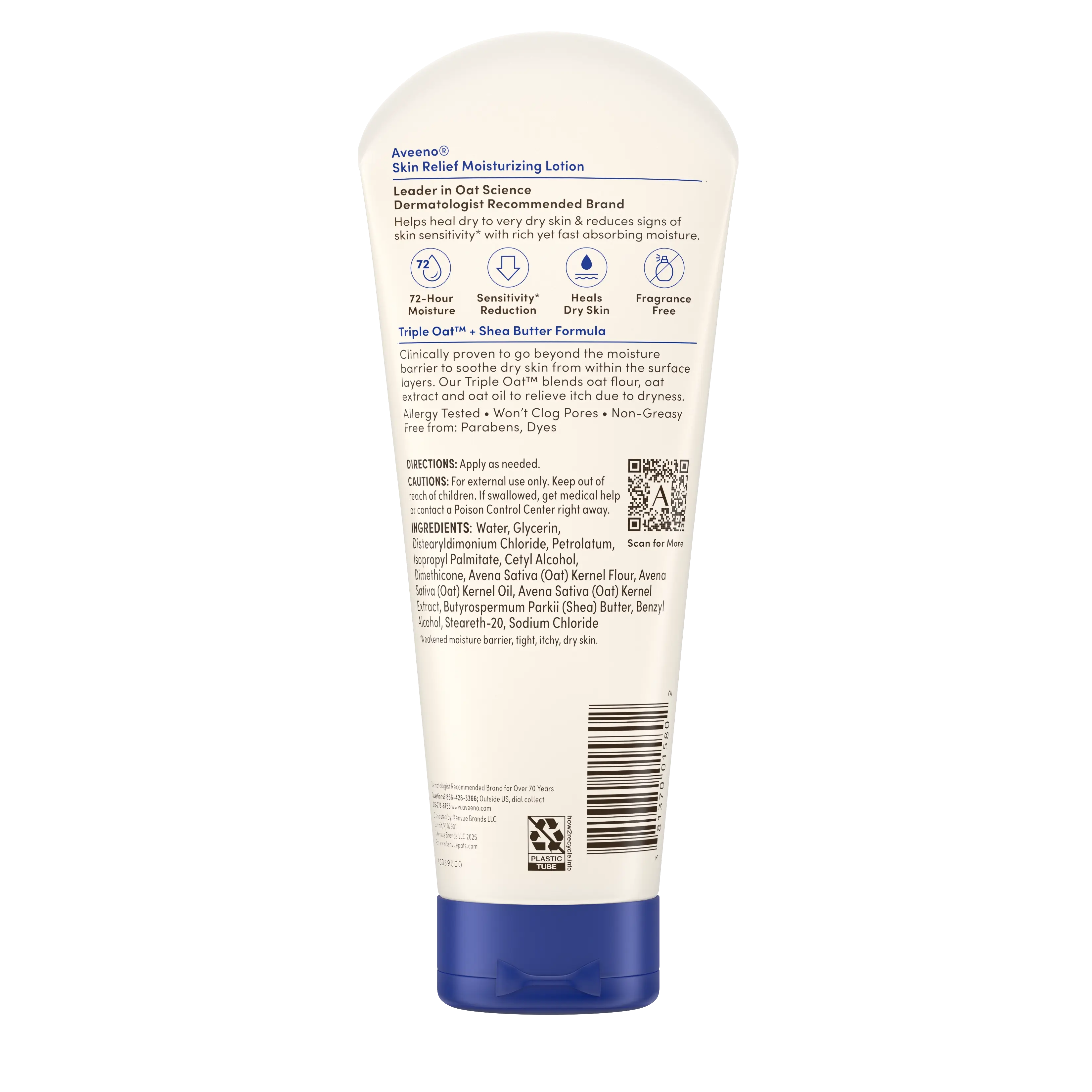
These are safe for most skin types and often appear in creams, lotions, and moisturizers. Don’t be alarmed if you see them in the middle or lower part of the list—this is common.
Example: Many “rich” or “nourishing” creams include cetearyl alcohol to create a thick, spreadable texture that feels luxurious on the skin.
3. Spotting Aromatic Alcohols
Watch for:
- Benzyl Alcohol
- Phenethyl Alcohol
- Benzyl Benzoate
These are usually found at the end of the ingredient list, meaning they are present in low amounts. If you have allergies or sensitive skin, it’s best to patch-test products containing these.
Ingredient Order Matters
Ingredients are listed in order of concentration. The higher up alcohol appears, the more of it the product contains.
Example: If “Alcohol Denat.” is the second ingredient, the product is likely drying. If “Cetyl Alcohol” is listed near the middle or end, it’s used for texture and moisture.
Extra tip: For serums and actives, alcohol is sometimes used as a carrier to boost absorption, but ideally, it should not be a main ingredient.
Alcohol-free Skincare: Is It Always Better?
Some brands proudly claim their products are alcohol-free. But what does this actually mean? In most cases, it means the product does not contain simple alcohols like Alcohol Denat. or Ethanol. However, it might still contain fatty or aromatic alcohols.
Pros Of Alcohol-free Skincare
- Less risk of dryness and irritation
- Better for sensitive, dry, or mature skin
- Supports a healthy skin barrier
- Reduces the risk of allergic reactions from aromatic alcohols
Cons Of Alcohol-free Skincare
- Sometimes less effective at controlling oil
- May not have the same refreshing “feel”
- Can be more prone to spoilage (without alcohol as a preservative)
- Some actives might not penetrate as deeply without alcohol as a carrier
Non-obvious insight: Some “alcohol-free” products use plant-based preservatives or acids (like sorbic acid or potassium sorbate) to protect against bacteria, but these can also cause irritation in very sensitive skin. Always patch test if you have a history of reactions.
How To Choose Products For Your Skin Type
Different skin types have different needs. Here’s how to make smart choices:
For Oily Or Acne-prone Skin
- Products with small amounts of simple alcohol can help control oil, but don’t overdo it. Excessive use can backfire, making your skin oilier in the long run.
- Look for gels or lightweight lotions with balancing ingredients like niacinamide or salicylic acid. These support oil control without harsh drying.
- Avoid toners with alcohol as the main ingredient.
- Consider clay masks or oil-free moisturizers that use fatty alcohols for hydration without greasiness.
Example: A gel moisturizer with cetearyl alcohol and hyaluronic acid can hydrate without causing breakouts.
For Dry Or Sensitive Skin
- Choose creams and lotions with fatty alcohols.
- Avoid simple alcohols, especially in the first five ingredients.
- Look for added moisturizers like glycerin, hyaluronic acid, or ceramides. These ingredients help draw water into the skin and keep it there.
- Consider using an occlusive (like petrolatum or shea butter) on top of your moisturizer at night for extra protection.
Example: If your skin feels tight after washing, switch to an alcohol-free toner and a rich cream with cetearyl and stearyl alcohol.
For Combination Skin
- Use lightweight moisturizers with fatty alcohols. Gel-cream textures often work well.
- Spot-treat oily areas with products containing a low amount of simple alcohol if needed.
- Balance hydration and oil control. Consider using two different moisturizers—one for your T-zone and one for drier cheeks.
- Layering is helpful: Use a hydrating serum all over, then add an oil-control lotion only where you get shiny.
For Mature Skin
- Avoid simple alcohols, which can make fine lines worse by dehydrating the skin.
- Look for rich, nourishing creams with fatty alcohols and anti-aging ingredients like peptides, antioxidants, and niacinamide.
- Moisturizers with ceramides and fatty alcohols help rebuild the skin’s natural barrier, which becomes weaker with age.
Example: Mature skin often benefits from layering: use a hydrating serum (alcohol-free), then apply a fatty alcohol-based cream, and finish with sunscreen.
For Those With Allergies Or Fragrance Sensitivity
- Avoid aromatic alcohols and check for “fragrance” on the label.
- Consider products labeled “fragrance-free” or “for sensitive skin”. These are less likely to cause reactions.
- Always do a patch test before using a new product, even if it claims to be hypoallergenic.
Alcohols In Popular Skincare Products: Examples
Let’s look at some real-world examples to see how alcohol types appear in products you might find at the store.
| Product | Alcohol Type | Role in Formula | Skin Type Suitability |
|---|---|---|---|
| La Roche-Posay Effaclar Toner | Alcohol Denat. | Astringent, oil control | Oily, acne-prone |
| Cetaphil Moisturizing Cream | Cetyl, Stearyl Alcohol | Moisturizing, thickening | Dry, sensitive |
| Kiehl’s Ultra Facial Cream | Cetearyl Alcohol | Texture, hydration | All skin types |
| The Ordinary Glycolic Acid Toning Solution | Alcohol Denat. | Exfoliation, penetration | Oily, not sensitive |
| Neutrogena Hydro Boost Water Gel | None (alcohol-free) | Hydration | All skin types |
Extra detail: When comparing these products, notice how those made for dry or sensitive skin almost always use fatty alcohols, while those targeted at oily or acne-prone skin are more likely to include simple alcohols for their fast-drying, oil-removing properties.
The Truth About Alcohol And Acne
Many people with acne-prone skin reach for “alcohol-based” products, thinking they will dry up pimples fast. While it’s true that simple alcohols can give a quick matte effect, they can also make things worse in the long run.
Why Simple Alcohols May Worsen Acne
- Over-drying: Skin produces more oil to compensate. This can clog pores, leading to new breakouts.
- Barrier damage: Bacteria and irritants can penetrate more easily. A weak barrier means your skin has less defense against acne-causing bacteria.
- Increased inflammation: Redness and irritation can make acne more noticeable.
- Delayed healing: Damaged skin takes longer to recover from pimples or scarring.
Example: If you use a strong alcohol-based toner every day, your acne may improve for a week, but then flare up again as your skin tries to “fight back” by producing more oil.
Better Approaches For Acne-prone Skin
- Use products with gentle exfoliants (like salicylic acid). These clean pores without damaging the skin barrier.
- Look for light, non-comedogenic moisturizers with fatty alcohols. Keeping your skin hydrated helps it heal and reduces oil overproduction.
- Spot-treat pimples with targeted products, not the entire face. This limits the drying effect to just where you need it.
- Consider adding a niacinamide serum, which helps control oil and inflammation without causing dryness.
Alcohols And Sun Protection
Sunscreens sometimes use simple alcohols to make the formula feel less greasy and help it absorb quickly. This is common in spray or gel sunscreens.
Pros
- Lightweight feel, which is especially helpful if you dislike sticky or heavy creams.
- Fast absorption, so you can apply makeup or go outside sooner.
- May help other sunscreen ingredients spread more evenly on the skin.
Cons
- Can dry out sensitive or dry skin, especially if used daily.
- Not ideal for everyday use on dry or mature skin. Over time, repeated exposure to simple alcohols can weaken the skin barrier, making sun damage worse.
- Some people may experience stinging, particularly if their skin is already irritated or recently exfoliated.
If you prefer a sunscreen for sensitive skin, look for alcohol-free or fatty alcohol-based formulas. Mineral sunscreens (with zinc oxide or titanium dioxide) are often alcohol-free and suitable for all skin types.
Practical tip: If you need to use a fast-absorbing sunscreen (for sports or swimming), apply a moisturizer with fatty alcohols underneath to reduce dryness.
Credit: www.aveeno.com
Alcohols In Natural And Organic Skincare
Natural and organic brands often highlight “no alcohol” on their labels. However, some use plant-derived alcohols (usually simple alcohols from grains or sugarcane) as preservatives.
Key Points
- “Natural” does not always mean “gentle.” Even alcohol made from organic sources can dry out your skin if it’s a simple alcohol like ethanol.
- Even plant-based simple alcohols can be drying. The origin of the alcohol matters less than its type.
- Check for fatty alcohols from coconut or palm oil for a moisturizing effect.
- Some “organic” creams include benzyl alcohol as a preservative, which is allowed under many organic standards but can still cause irritation in sensitive users.
Example: A “natural” toner with organic ethanol is still likely to be drying, while a cream with cetearyl alcohol from coconut oil is usually safe and soothing.
How Much Alcohol Is Too Much?
There’s no strict rule, but most experts agree:
- Low concentration (<5%):Usually safe, especially if balanced with moisturizers.
- High concentration (top 3 ingredients): Likely to cause dryness and irritation with regular use.
If you see simple alcohols in the top three ingredients, think carefully about your skin type before using the product.
Extra tip: Check for other hydrating ingredients—if the formula includes glycerin, panthenol, or squalane, the risk of dryness is lower.
Spotting Alcohols That Help: Ingredient Highlights
If you want the benefits of alcohols without the risk of dryness, look for these on the label:
- Cetearyl Alcohol: A blend of cetyl and stearyl alcohols, excellent for hydration.
- Behenyl Alcohol: Softens and conditions the skin, often found in high-end moisturizers.
- Stearyl Alcohol: Adds thickness to creams and helps lock in moisture.
These ingredients are found in many high-quality moisturizers for dry and sensitive skin. If you’ve ever used a cream that felt rich but not greasy, fatty alcohols are probably the reason why.
Alcohol Alternatives In Skincare
If you want to avoid simple alcohols, look for these alternative ingredients that offer similar benefits without the risk of dryness:
- Glycerin: Hydrates and softens. It attracts water to the skin and keeps it there.
- Propylene Glycol: Helps ingredients penetrate. Common in serums and lightweight lotions.
- Butylene Glycol: Moisturizes and improves texture. Often found in “gel” formulas.
- Witch Hazel (alcohol-free): A natural astringent. Controls oil and tightens pores without harshness.
Extra detail: Witch hazel can be found both with and without alcohol. For gentle care, choose a version labeled “alcohol-free.”
Common Myths About Alcohol In Skincare
Let’s clear up some common misunderstandings.
Myth 1: All Alcohols Are Bad For Your Skin
Not true. Fatty alcohols are actually beneficial for most skin types, helping to moisturize and protect.
Myth 2: Alcohol-free Means No Alcohol At All
Usually, this means no simple alcohols, but fatty and aromatic alcohols may still be present. Always check the full ingredient list.
Myth 3: Alcohol Is Needed For Penetration
While alcohol helps active ingredients absorb, other solvents (like propylene glycol) can do the same job with less risk of dryness.
Myth 4: Alcohol Kills Acne Bacteria
Alcohol has some antibacterial effect, but it’s not a long-term solution for acne. Overuse can damage skin and worsen breakouts.
Myth 5: The “sting” Means It’s Working
Some people believe that a tingling or stinging feeling after using an alcohol-based product means it’s effective. In truth, this is a sign of irritation, not proof that the product is helping your skin.
Sensitive Skin: Practical Tips For Avoiding Drying Alcohols
If you have sensitive skin, follow these steps:
- Read ingredient lists carefully.
- Avoid products with simple alcohols in the top five ingredients.
- Choose products labeled “alcohol-free” or “for sensitive skin”.
- Do a patch test on your arm before using new products on your face.
- Choose moisturizers with fatty alcohols for extra protection.
- Avoid highly fragranced products, which often include aromatic alcohols.
Extra tip: If you accidentally use a product that causes burning or redness, rinse your skin with cool water and apply a gentle fatty alcohol-based moisturizer immediately.
Alcohols And Skin Of Color
People with darker skin tones often experience more visible dryness and irritation from simple alcohols. It’s especially important to avoid drying alcohols if you have melanin-rich skin, as irritation can lead to hyperpigmentation.
Non-obvious insight: Post-inflammatory hyperpigmentation (dark spots after irritation or acne) is more common in skin of color. Preserving the skin barrier by avoiding harsh alcohols helps prevent these marks.
Regulatory Guidelines And Safety
Skincare alcohols are generally safe when used as intended. Regulatory agencies like the FDA and European Commission set limits on the amount and types of alcohols allowed in cosmetics.
- Simple alcohols: Safe in low concentrations but not for long-term, daily use on dry or sensitive skin.
- Fatty alcohols: Considered safe and non-irritating.
- Aromatic alcohols: Monitored for allergenic potential.
For more details, see the Environmental Working Group’s database.
Extra detail: Some countries require warning labels on products with high concentrations of simple alcohols, especially for products marketed to children or people with sensitive skin.
Alcohols And Children’s Skincare
Children’s skin is more sensitive than adult skin. Avoid products with simple alcohols for babies and young children. Choose gentle, fragrance-free, and alcohol-free products designed for sensitive skin.
Example: Baby lotions and diaper creams typically use fatty alcohols, which are safe and soothing for delicate skin.
Alcohols In Men’s Skincare
Many men’s aftershaves, toners, and gels contain high levels of simple alcohols. While this can give a cooling, refreshing effect, it often leads to dryness, irritation, and even “shaving bumps. ” Men with sensitive or dry skin should choose alcohol-free or fatty alcohol-based moisturizers.
Practical tip: To avoid razor burn, look for post-shave balms with cetearyl or stearyl alcohol instead of products with “alcohol denat.” at the top of the ingredient list.
How To Repair Skin Damaged By Drying Alcohols
If you’ve used harsh alcohol-based products and now have dry, irritated skin, take these steps:
- Stop using the product immediately.
- Switch to a gentle, alcohol-free cleanser.
- Apply a moisturizer with fatty alcohols and ceramides.
- Avoid exfoliating or using acids for at least a week.
- Use sunscreen daily to protect your skin as it heals.
- Consider adding a soothing barrier cream (like those with colloidal oatmeal or panthenol) to help repair faster.
- Drink plenty of water to help hydrate your skin from within.
Extra tip: Recovery can take several days to a week. Be patient, and avoid trying new active ingredients until your skin feels normal again.
Real-world Example: Alcohols In A Skincare Routine
Let’s look at a sample routine and see where alcohols might appear:
- Cleanser: Often alcohol-free, but some gels use fatty alcohols for texture. Cream cleansers for dry skin almost always use fatty alcohols.
- Toner: Watch for simple alcohols; choose alcohol-free or witch hazel-based options. Hydrating toners use glycerin or hyaluronic acid instead.
- Serum: Usually alcohol-free, but check for preservatives.
- Moisturizer: Fatty alcohols help with hydration. Rich creams for night use often rely on cetearyl or stearyl alcohol.
- Sunscreen: Check for alcohol denat., especially in sprays and gels. If you feel stinging when applying sunscreen, alcohol could be the cause.
Practical scenario: If you notice your skin gets tight after using your toner, check the ingredient list. Switching to an alcohol-free or fatty alcohol-based product could improve your skin’s comfort and appearance within days.
Summary Table: Alcohols And Their Effects
Here’s a quick-reference summary:
| Alcohol Name | Type | Effect on Skin | Safe For Sensitive Skin? |
|---|---|---|---|
| Alcohol Denat. | Simple | Drying, irritating | No |
| Cetyl Alcohol | Fatty | Moisturizing | Yes |
| Stearyl Alcohol | Fatty | Softening | Yes |
| Benzyl Alcohol | Aromatic | Potentially irritating | Sometimes |
| Isopropyl Alcohol | Simple | Drying | No |
| Cetearyl Alcohol | Fatty | Hydrating | Yes |
Making Smart Choices: Final Tips
- Don’t panic when you see “alcohol” on an ingredient list—check the type. The difference between “cetyl alcohol” and “alcohol denat.” is huge.
- Avoid simple alcohols if you have dry, sensitive, or mature skin.
- Embrace fatty alcohols for softness and moisture.
- For oily skin, use products with low levels of simple alcohols only if necessary, and monitor your skin’s response.
- Always patch test new products, especially if you have sensitive skin or allergies.
- Consider the overall formula: Alcohols are less risky when combined with moisturizing and soothing ingredients like panthenol, allantoin, or glycerin.
- If your skin feels tight, looks red, or develops flaky patches, review your products for hidden simple alcohols—they could be the cause.
- Remember that “fragrance-free” does not always mean “alcohol-free.” Double-check for aromatic alcohols if you have sensitivities.
Alcohols in skincare can be confusing, but you now have the knowledge to choose the best products for your skin’s needs. Remember, the goal is to support your skin’s barrier and keep it healthy, not just to chase a quick “matte” effect.

Credit: www.amazon.com
Frequently Asked Questions
What Is The Main Difference Between Simple And Fatty Alcohols In Skincare?
Simple alcohols (like alcohol denat. And ethanol) are small molecules that evaporate quickly and can dry out the skin. Fatty alcohols (like cetyl and stearyl alcohol) are larger, made from natural oils, and actually help moisturize and soften the skin.
Are All Alcohol-free Skincare Products Better For Sensitive Skin?
Not always. “Alcohol-free” usually means no simple alcohols, but products can still contain other potential irritants. Always check the full ingredient list and choose products labeled for sensitive skin.
Can Fatty Alcohols Clog Pores Or Cause Acne?
Fatty alcohols are generally non-comedogenic, meaning they don’t clog pores. They are safe for acne-prone skin and can help keep the skin soft and hydrated.
Why Do Some Sunscreens Contain Alcohol?
Some sunscreens use simple alcohols to create a lightweight texture and help the product absorb quickly. However, these formulas may not be suitable for dry or sensitive skin.
How Can I Tell If A Product Contains Drying Alcohols?
Check the ingredient list for names like “alcohol denat. ,” “ethanol,” or “isopropyl alcohol” near the top. If these are among the first five ingredients, the product may be drying.
Is It Possible To Be Allergic To Fatty Alcohols?
Allergies to fatty alcohols are extremely rare, but possible—especially if you have a coconut allergy. If you notice itching, rash, or swelling after using a new product, stop using it and consult a doctor.
Should Men And Women Choose Different Alcohol Types In Skincare?
The same alcohol principles apply to all genders, but men’s products often contain more simple alcohols for a “cooling” effect. Both men and women with sensitive or dry skin should avoid simple alcohols and look for fatty alcohols instead.
Armed with these facts, you can now read skincare labels with confidence and make choices that truly benefit your skin. For more in-depth ingredient science, visit the Paula’s Choice Expert Advice page. Your skin will thank you for the extra care.