

Women today often search for effective solutions to improve their hair health. Thinning hair, excessive shedding, and slow growth can be frustrating and impact self-confidence. Two of the most popular hair supplements are Nutrafol and Viviscal. Both promise to support healthier, fuller hair—but how do they really compare? If you’re considering one of these, it’s important to understand the differences, benefits, ingredients, side effects, and real-life results. This article explores Nutrafol vs Viviscal in detail, so you can make the best decision for your hair.
What Are Nutrafol And Viviscal?
Nutrafol and Viviscal are both oral supplements designed for women’s hair growth. They contain vitamins, minerals, and plant extracts believed to support hair health from within. But the way they work, their ingredients, and even their clinical evidence are not identical.
Nutrafol is often marketed as a “nutraceutical”—a combination of nutrients and botanical ingredients designed to target multiple root causes of hair thinning, such as stress, hormones, and aging. Viviscal, on the other hand, is known for its marine complex (AminoMar™), which the company claims is clinically proven to nourish thinning hair and promote existing hair growth.
Many women wonder if one is more effective, safer, or better suited for their needs. To find out, let’s explore each product in depth.
Nutrafol and Viviscal are not just regular multivitamins. They are formulated specifically for hair concerns, and each brand has spent years refining its formula. Nutrafol focuses on holistic health, viewing hair as a reflection of the body’s internal balance. Viviscal looks at hair as a structure needing protein and nutrients to thrive.
This difference in philosophy is important. For example, Nutrafol’s formula changes as new research emerges, showing a commitment to science and innovation, while Viviscal sticks to its original marine complex, relying on decades of results.
It’s also worth noting that both are widely recommended by dermatologists, but not for the same reasons. Nutrafol is often suggested for women struggling with stress-related hair loss or hormone fluctuations, while Viviscal is a go-to for those experiencing slow, gradual thinning due to genetics or aging.
Understanding these distinctions can help you set realistic expectations and avoid disappointment.
Ingredient Breakdown
Nutrafol’s Key Ingredients
Nutrafol’s formula is complex, with over 20 active ingredients. The company claims these target six root causes of hair thinning: stress, hormones, environment, metabolism, nutrition, and aging. The main ingredients include:
- Saw Palmetto: Believed to help lower DHT, a hormone linked to hair loss.
- Ashwagandha: An adaptogen that may help balance stress hormones.
- Curcumin: An antioxidant from turmeric, thought to support the immune system and lower inflammation.
- Marine Collagen: Provides amino acids for hair structure.
- Hyaluronic Acid: Helps retain scalp moisture.
- Vitamin E, Biotin, Zinc, Selenium: Essential nutrients for hair and scalp health.
Nutrafol also contains black pepper fruit extract to improve absorption.
Nutrafol’s blend is more than just vitamins; it includes herbs and extracts used in traditional medicine. For example, ashwagandha is popular in Ayurveda for balancing stress and energy. Saw palmetto is often used in men’s hair loss formulas, but Nutrafol adapts it for women by combining it with antioxidants and collagen.
The marine collagen is sourced from fish but processed to remove allergens, giving amino acids needed for strong hair strands. Hyaluronic acid is a trendy ingredient in skin care, but here it helps keep the scalp hydrated, which is vital for healthy hair follicles.
Viviscal’s Key Ingredients
Viviscal is simpler, focusing on a few star ingredients:
- AminoMar™ Marine Complex: A blend of shark cartilage and mollusk powder, exclusive to Viviscal.
- Biotin: Supports keratin production.
- Vitamin C: Helps with collagen formation.
- Iron, Zinc, Niacin: Important for scalp circulation and cell renewal.
- Horsetail Extract: Natural source of silica for stronger hair.
Viviscal does not include hormones, drugs, or adaptogens.
AminoMar™ is a patented ingredient developed after studying diets of Scandinavian fishermen. The marine proteins are believed to mimic nutrients found in their fish-rich diets, which were linked to strong, healthy hair. Biotin and vitamin C are common in hair supplements, but Viviscal’s formula pairs them with iron and zinc, which are crucial for preventing hair loss linked to nutritional deficiencies.
Horsetail extract is a natural source of silica, helping hair resist breakage.
Side-by-side Ingredient Comparison
Here’s how the main ingredients compare:
| Nutrafol | Viviscal |
|---|---|
| Saw Palmetto, Ashwagandha, Curcumin, Marine Collagen, Hyaluronic Acid, Biotin, Zinc, Vitamin E, Selenium | AminoMar™ Marine Complex, Biotin, Vitamin C, Iron, Zinc, Horsetail Extract, Niacin |
| Focuses on stress, hormones, inflammation | Focuses on marine proteins, scalp nutrition |
Nutrafol’s ingredients are mostly plant-based with some marine collagen, while Viviscal’s are focused on marine origin. Nutrafol adds adaptogens and antioxidants for whole-body support, while Viviscal keeps the formula simple, relying on the marine complex.
Non-obvious Insight
One detail many people miss: Nutrafol is free from animal-derived marine ingredients, making it a better option for people with shellfish allergies or those avoiding marine sources. Viviscal’s main ingredient comes from fish and mollusks, which is important for anyone with seafood allergies.
Another overlooked aspect is absorption. Nutrafol uses black pepper extract (piperine) to enhance bioavailability, helping your body absorb nutrients more effectively. Viviscal’s marine complex is processed to preserve protein integrity, but it can trigger allergies if you are sensitive to fish.
How Do Nutrafol And Viviscal Work?
Both supplements claim to support hair health, but their approach is different.
Nutrafol’s Mechanism
Nutrafol believes hair thinning is often caused by internal imbalances—especially stress, hormones, and inflammation. Its ingredients are selected to rebalance the body and provide nutrients that support the hair growth cycle. For example:
- Saw palmetto blocks DHT, a hormone that shrinks hair follicles.
- Ashwagandha lowers cortisol, the body’s main stress hormone.
- Curcumin and tocotrienol (a form of vitamin E) offer antioxidant support.
Nutrafol’s formula aims to address not just hair nutrition, but also the environment inside the body that can affect hair.
Nutrafol’s adaptogenic approach is unique. While most hair supplements simply provide nutrients, Nutrafol tries to calm the body’s stress response. High cortisol levels can cause hair follicles to enter the “resting” phase, leading to shedding. By lowering stress hormones, Nutrafol aims to keep hair in the “growth” phase longer.
Curcumin and other antioxidants help fight inflammation, which can damage follicles. Marine collagen and hyaluronic acid support the scalp’s structure and moisture, creating a healthy base for hair to grow.
Viviscal’s Mechanism
Viviscal focuses on delivering marine proteins and nutrients directly to the hair follicles. The company claims that AminoMar™ nourishes thinning hair and extends the growth phase. Viviscal’s clinical studies suggest that the marine complex, combined with biotin and zinc, helps to:
- Strengthen existing hair
- Promote new hair growth
- Improve overall hair thickness
Viviscal does not try to target hormones or stress; instead, it focuses on providing building blocks for hair.
The marine complex in Viviscal is believed to deliver amino acids needed for keratin production. Keratin is the main protein in hair. By boosting keratin and adding biotin and silica, Viviscal aims to make hair strands stronger and less prone to breakage.
Iron and zinc support blood flow to the scalp, helping follicles get more oxygen and nutrients. The formula is simple but effective for those whose hair thinning is linked to nutritional gaps or aging.
Non-obvious Insight
Viviscal’s formula has not changed much in decades, while Nutrafol updates its blend as new research comes out. This can be a plus or minus: Viviscal is time-tested, but Nutrafol is more adaptable to new science.
Some users find Nutrafol’s ingredients (like ashwagandha) can affect mood and energy, which may be either a benefit or a drawback depending on your sensitivity to adaptogens.
Clinical Evidence And Effectiveness
Both brands claim clinical proof, but the strength and quality of evidence differ.
Nutrafol Clinical Studies
Nutrafol has published several studies in peer-reviewed journals. One of the largest, published in 2018, involved 40 women with self-perceived thinning. After 6 months:
- 80% saw improved hair growth
- 73% noticed better hair thickness
- 76% reported less shedding
These results were measured using standardized photographs and expert grading.
Nutrafol’s research also looks at the impact on stress and wellness—some users report better sleep and less anxiety, but these are secondary benefits.
Nutrafol’s studies often use advanced methods, such as hair counts from microscopic images, scalp biopsies, and questionnaires about overall wellness. While the sample sizes are small, the results are promising and suggest Nutrafol’s multi-targeted formula can help with more than just hair.
Viviscal Clinical Studies
Viviscal also has several published trials, including a study of 60 women with thinning hair. Over 6 months, those taking Viviscal:
- Had a 32% increase in hair count
- Saw 39% less hair shedding
- Reported higher satisfaction with hair quality
Viviscal’s studies tend to focus on measurable hair count and thickness.
Viviscal’s research is more focused on quantitative outcomes—number of hairs, thickness, and reduction in shedding. Some studies use hair pull tests, counting the number of hairs lost during brushing. The results are often visible, with many users showing thicker ponytails and less hair in the shower.
Comparing Study Results
Both brands show statistically significant improvements. Viviscal’s research is somewhat older but often includes larger sample sizes. Nutrafol’s research is newer and sometimes broader (looking at wellness, not just hair counts).
It’s important to mention that neither supplement is a miracle cure. Results depend on your age, underlying health, and the cause of your thinning. For example, women with autoimmune hair loss or severe hormonal imbalances may need medical treatment alongside supplements.
Limitations
- Most studies are funded by the companies themselves, which can introduce bias.
- Few studies compare Nutrafol and Viviscal directly.
- Most participants are healthy women with mild to moderate hair thinning, not severe hair loss.
One thing many beginners miss is that clinical results are often based on ideal conditions—consistent use, healthy lifestyle, and no underlying medical issues. Real-world results can vary.
Who Are These Supplements For?
Choosing between Nutrafol and Viviscal depends on your unique hair concerns and lifestyle.
Nutrafol May Be Better For:
- Women experiencing hair thinning due to stress or hormonal changes (e.g., postpartum, perimenopause).
- Those who want a supplement with adaptogens and antioxidants.
- Women with seafood allergies or sensitivities.
Nutrafol’s formula is especially helpful for women who notice hair loss after stressful events, changes in hormones, or rapid lifestyle shifts. If your hair loss started with a stressful period, Nutrafol’s adaptogens may help rebalance your system.
Viviscal May Be Better For:
- Women looking for marine-based protein support.
- Those with genetic or age-related thinning, not linked to stress or hormones.
- People who prefer a simpler, time-tested formula.
Viviscal is a good choice if your hair is thinning gradually, especially if you have a family history of hair loss. It’s also ideal if you want a supplement without herbs or adaptogens.
Some women choose Viviscal because they want a formula without plant extracts or complicated blends. It’s straightforward and less likely to interact with other supplements.
How To Use Nutrafol And Viviscal
Nutrafol Directions
- Take 4 capsules daily with food, ideally with healthy fat for absorption.
- Consistency is key—results take 3-6 months.
- Can be used long-term.
Nutrafol’s capsules are larger than most multivitamins. Taking them with a meal helps reduce stomach upset and improves absorption, especially for fat-soluble vitamins like E. Some users split the dose (2 capsules in the morning, 2 at night) if they have trouble swallowing all at once.
Viviscal Directions
- Take 2 tablets daily (morning and evening), with water after food.
- Recommended for a minimum of 3-6 months.
- Safe for extended use.
Viviscal’s tablets are smaller and easier to swallow. The morning/evening schedule helps you remember, and taking them after food reduces the chance of stomach upset.
Dosage Comparison
| Nutrafol | Viviscal |
|---|---|
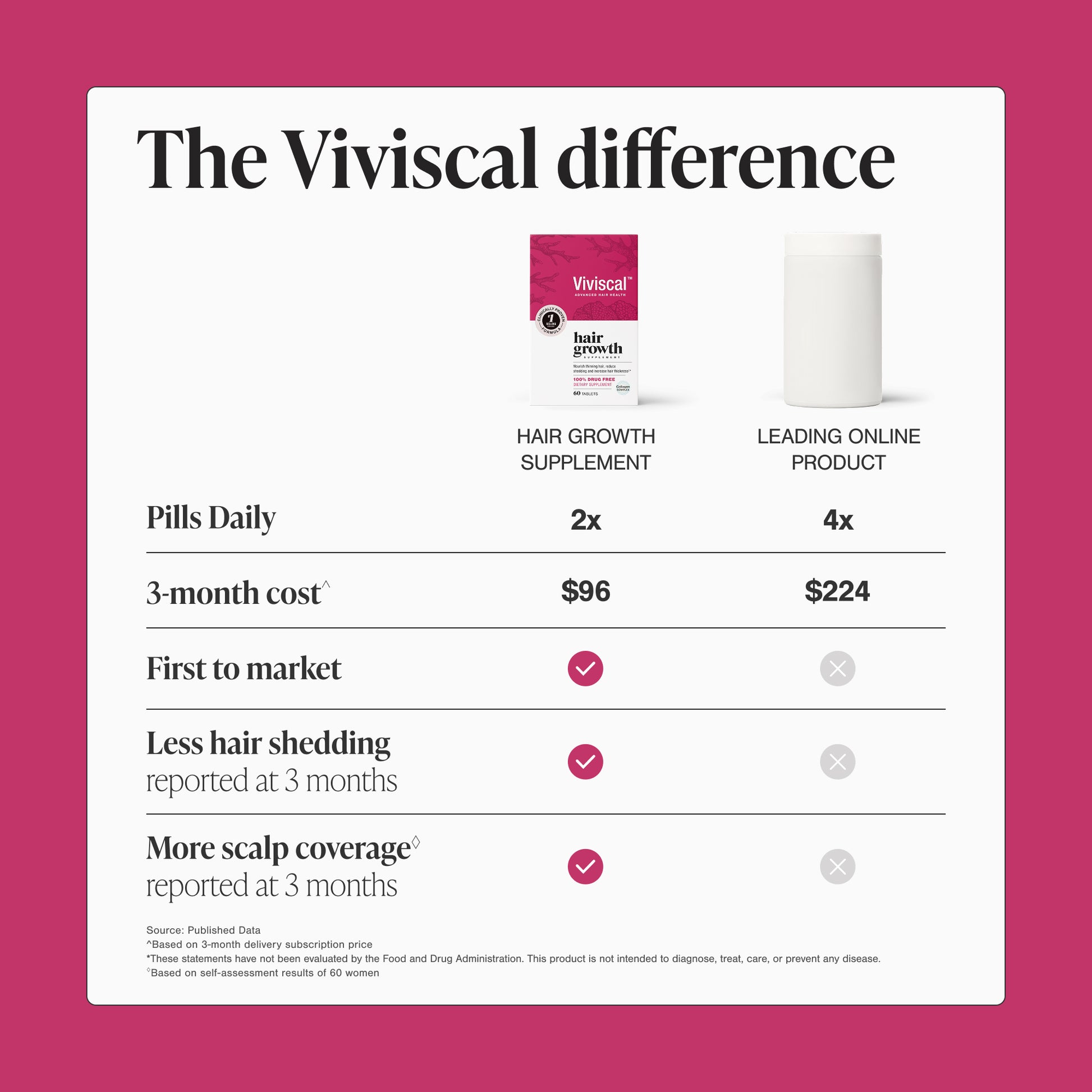
| 4 capsules per day | 2 tablets per day |
| Take with food | Take after food |
| Can be taken anytime | Morning & evening recommended |
Practical Tip
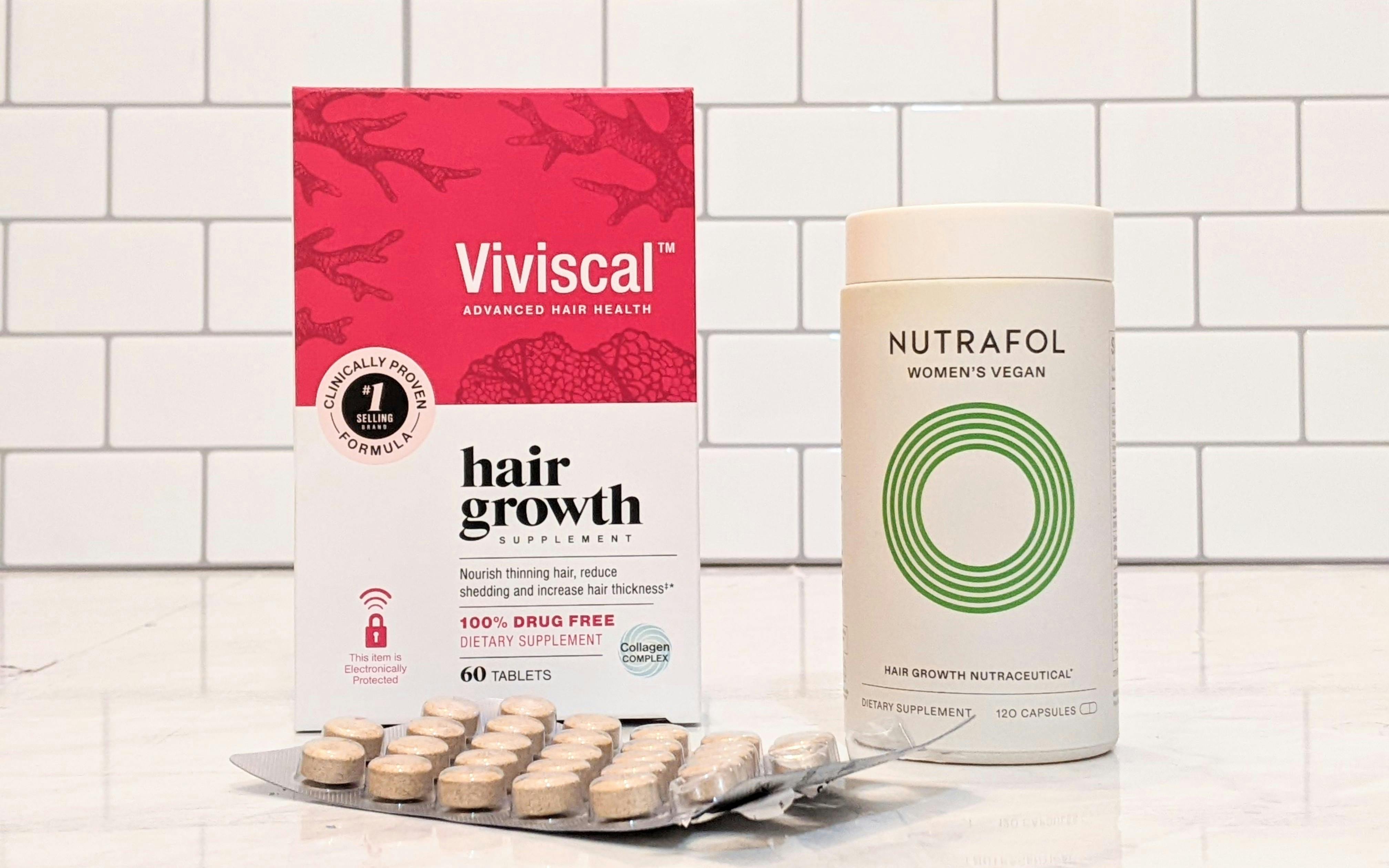
If you struggle to swallow multiple capsules, Viviscal may be easier—only 2 tablets per day vs 4 large Nutrafol capsules.
Another tip: Set a daily reminder or keep your supplement near your toothbrush. Consistent use is the most important factor for seeing results.
Credit: www.innerbody.com
Side Effects And Safety
Both supplements are considered safe for most women but have important differences.
Nutrafol Possible Side Effects
- Mild stomach upset, especially if taken without food
- Allergic reactions (rare)
- May interact with medications for blood pressure, hormones, or depression
- Not advised for pregnant or breastfeeding women
Some Nutrafol users report feeling more energetic or relaxed, thanks to adaptogens like ashwagandha. However, a small number experience headaches or mild digestive discomfort. If you take medications for mood or hormones, check with your doctor—some herbs can interact with prescriptions.
Viviscal Possible Side Effects
- May cause stomach upset or fishy aftertaste
- Not suitable for people with fish or shellfish allergies
- Contains traces of iodine—caution if you have thyroid issues
- Not recommended during pregnancy or breastfeeding
Viviscal’s main risk is for those with seafood allergies. Even small amounts of marine protein can trigger reactions. Some users report a mild fishy aftertaste, which can be reduced by taking the tablet with flavored water or juice.
Real-world Reports
Most women tolerate both products well. Side effects are more likely if you have sensitivities to certain ingredients. Always read the label and talk to your doctor if you have a medical condition or take medication.
Non-obvious Insight
Some women find that Nutrafol’s adaptogens (like ashwagandha) affect their mood or energy levels, especially if taken with other supplements. Viviscal’s main risk is for those with seafood allergies—one missed detail can cause a reaction.
Another hidden risk: Viviscal contains iodine, which can affect thyroid function if taken in large amounts. If you have thyroid disease, monitor your levels and consult your doctor.
Cost And Availability
The price of hair supplements can add up. Here’s how Nutrafol and Viviscal compare.
Nutrafol
- One-month supply (120 capsules): $88 (subscription discounts available)
- Available on Nutrafol’s official site, Amazon, and some salons/dermatologists
Nutrafol’s higher price reflects its complex formula and premium ingredients. Subscription plans can reduce the cost, and some dermatologists offer sample packs.
Viviscal
- One-month supply (60 tablets): $40–$50 (often less on sale)
- Sold at drugstores, online retailers, and Viviscal’s website
Viviscal is easier to find in stores and often discounted. Buying in bulk or during sales can lower the price.
Cost Per Day
| Nutrafol | Viviscal |
|---|---|
| $2.90 per day | $1.50–$1.70 per day |
| Subscription options reduce price | Coupons and sales are common |
Practical Tip
Viviscal is usually more affordable, especially for long-term use. Nutrafol is a bigger investment but includes more complex ingredients.
If you are on a tight budget, Viviscal offers a solid option without compromising quality. For those who value adaptogens and a broader formula, Nutrafol may justify the higher cost.
Results: What Do Users Say?
No supplement works for everyone, but both Nutrafol and Viviscal have many positive reviews and before-and-after photos.
Nutrafol User Experiences
Many women report:
- Less shedding in 2–3 months
- New hair growth and baby hairs after 4–6 months
- Improved thickness and less breakage
- Some mention better skin and nails as a bonus
A few users don’t see much change, especially if their hair loss is due to medical causes (like autoimmune disease).
Nutrafol users often share photos showing new “baby hairs” at the hairline and temples. Some notice stronger nails and clearer skin, thanks to the antioxidants and biotin. The most common feedback is a reduction in daily shedding and easier styling.
Viviscal User Experiences
Common feedback includes:
- Fuller ponytail and less hair in the shower
- New growth along the hairline after 3–4 months
- Softer, shinier hair
- Some users with severe thinning see slow or limited results
A small group stops due to mild side effects or no visible change.
Viviscal users often notice their ponytail feels thicker and their hair is easier to manage. Results are gradual, but many report seeing fewer hairs lost during brushing. Those with severe thinning may need to combine Viviscal with medical treatments.
What Beginners Miss
- Results take time—often 3–6 months or longer. Stopping early is a common mistake.
- Supplements work best when combined with a healthy diet, gentle hair care, and addressing any underlying health issues.
- No supplement regrows hair in bald areas or replaces medical treatment for severe hair loss.
Another common oversight is expecting dramatic results in a few weeks. Hair growth cycles are slow, and visible improvement often takes months. Keeping a photo diary can help you see subtle changes.
Ingredient Sourcing, Allergens, And Quality Standards
Nutrafol
- Made in the USA, GMP certified
- Gluten-free, dairy-free, no artificial additives
- Suitable for most with dietary restrictions
Nutrafol’s manufacturing follows strict standards. The formula avoids common allergens and uses high-quality, traceable ingredients. This makes it safer for those with food sensitivities or ethical concerns.
Viviscal
- Made in Ireland, widely sold worldwide
- Contains fish, mollusk, and small amounts of iodine
- Not vegan or vegetarian
Viviscal’s marine sourcing is unique. The company works with sustainable suppliers, but the formula is not suitable for vegans or vegetarians. The tablets contain a small amount of iodine—important for thyroid health, but risky for those with thyroid disorders.
If you’re vegan, allergic to shellfish, or have strong dietary preferences, Nutrafol is more flexible.
Pros And Cons
Nutrafol Pros
- Targets multiple causes of hair loss (stress, hormones, inflammation)
- Adaptogenic herbs may support overall wellness
- Free from animal marine ingredients
- Clinically tested for women’s hair health
Nutrafol’s holistic approach helps women address hair loss linked to lifestyle and health, not just nutrition.
Nutrafol Cons
- More expensive than most supplements
- 4 capsules per day can be hard to remember
- Not safe during pregnancy/breastfeeding
- Potential for mild side effects
Nutrafol’s higher cost and pill count may be a barrier for some.
Viviscal Pros
- Simple formula with marine proteins and biotin
- Backed by decades of use and research
- More affordable, easier to find in stores
- Only 2 tablets daily
Viviscal’s simplicity and price make it accessible.
Viviscal Cons
- Not suitable for seafood allergies
- Not vegan or vegetarian
- May cause mild stomach upset
- Formula is less customizable
Viviscal’s formula cannot be adjusted for dietary needs.
Which Is Better For You? Key Factors To Consider
Choosing between Nutrafol and Viviscal is personal. Here’s what matters most:
- Cause of thinning: If stress or hormones are involved, Nutrafol may be better. For general thinning, Viviscal is solid.
- Dietary needs: Nutrafol is safer for vegans and those with allergies.
- Budget: Viviscal is much cheaper for long-term use.
- Pill size and dosage: Viviscal is easier if you dislike large capsules.
Common Mistake
Some people try both at once, hoping for faster results. This is not recommended. The combined ingredients can be too much for your body and may increase side effects.
It’s also important not to rely solely on supplements. Combining them with healthy habits—like gentle hair care and balanced eating—gives the best chance for improvement.
Alternatives To Nutrafol And Viviscal
If neither Nutrafol nor Viviscal feels right, there are other hair supplements for women, such as:
- SugarBearHair: Popular but contains mostly vitamins and biotin.
- OUAI Thick & Full: Uses ashwagandha and biotin, but in lower doses than Nutrafol.
- Priorin: Plant-based, widely used in Europe.
Always check ingredient labels for allergens and compare reviews before switching.
Some women prefer topical treatments or focus on diet changes—like increasing protein and iron—to boost hair naturally.
Can You Use Nutrafol Or Viviscal With Other Hair Treatments?
Yes, both supplements can be used alongside topical treatments like minoxidil or gentle hair serums. However, always check with a dermatologist, especially if you use medications for hair loss (like finasteride or spironolactone).
Supplements work best as part of a holistic approach—think gentle hair care, scalp massage, and a balanced diet.
A common beginner mistake is skipping regular scalp care. Massaging your scalp for a few minutes daily can help stimulate blood flow and support supplement results.
Credit: www.viviscal.com
Practical Tips For Best Results
- Take your supplement with the largest meal of the day to reduce stomach upset.
- Set a phone reminder so you never miss a dose.
- Track your progress with monthly selfies—hair changes are slow and easy to miss.
- Address stress, sleep, and nutrition for the best hair results.
Also, avoid harsh shampoos and minimize heat styling, which can worsen shedding.
Scientific Evidence: How Do Nutrafol And Viviscal Compare To Medical Treatments?
Supplements can help with mild to moderate thinning, but they are not as strong as medical treatments like minoxidil or prescription drugs. For genetic or severe hair loss, a dermatologist may recommend medications or procedures for faster, more dramatic results.
Still, for many women with stress-related or age-related shedding, Nutrafol and Viviscal offer a gentle, side-effect-free option.
For more on the science of hair growth and supplements, see this National Institutes of Health review.
Supplements are best viewed as part of a comprehensive plan. If you have sudden or severe hair loss, always seek medical advice first.
Real User Examples
Sarah, age 38, tried Nutrafol after postpartum shedding. She noticed less hair on her pillow after 2 months and baby hairs at her temples after 5 months. “I love that it helped with my stress too,” she says.
Jenna, age 45, chose Viviscal due to a family history of thinning hair. “It’s simple, and I see less hair in my brush. My hairdresser noticed new growth at my crown. ”
No supplement works for every cause or every woman, but these stories show what’s possible with realistic expectations.
Another example: Maria, age 52, started Nutrafol after menopause-related thinning. She noticed improved thickness but had to take a break due to mild digestive upset. After adjusting her dose and taking capsules with yogurt, the side effects faded.
Frequently Asked Questions
How Long Does It Take To See Results With Nutrafol Or Viviscal?
Most women see changes in 3 to 6 months. Hair grows slowly, so patience is key. Early signs include less shedding and new baby hairs.
It can take longer if your hair thinning is linked to medical conditions or severe stress.
Can I Take Nutrafol Or Viviscal If I Am Pregnant Or Breastfeeding?
Both brands advise against use during pregnancy or breastfeeding due to lack of safety research. Always consult your doctor first.
Are Nutrafol And Viviscal Safe For Vegans Or Those With Allergies?
Nutrafol is suitable for vegans and those with seafood allergies. Viviscal contains marine proteins and is not safe for people with fish or shellfish allergies.
Can I Combine Nutrafol Or Viviscal With Other Hair Supplements?
It’s best not to combine multiple hair supplements, as the ingredients can overlap and cause side effects. Stick with one formula at a time for at least 6 months.
Which Supplement Is Better For Stress-related Hair Loss?
Nutrafol targets stress and hormonal causes more directly, thanks to adaptogens like ashwagandha. Viviscal is best for general hair support.
Credit: www.clinicadvisor.com
Final Thoughts
Nutrafol and Viviscal are both respected hair supplements for women, but they have important differences. Nutrafol offers a complex, plant-based approach aimed at multiple hair loss triggers, while Viviscal relies on a proven marine complex for direct follicle support. Your choice should reflect your unique health, hair needs, dietary preferences, and budget.
Remember, real hair growth is slow—consistency, patience, and a holistic approach matter most. Whether you choose Nutrafol, Viviscal, or another path, empower yourself with knowledge and realistic expectations. For many women, the journey to stronger, fuller hair starts from within.