

Hair loss can be a stressful, confusing experience. For many people, the first sign is more hair in the shower drain or on a pillow. But after that first shock, what comes next? One of the most powerful steps you can take is to track your hair shedding patterns over time. This is where keeping a hair loss journal becomes valuable. By recording what you see, feel, and do, you gain control over your journey, spot real changes (not just emotional ups and downs), and have better conversations with doctors or stylists.
You don’t need to be a scientist. Anyone can start a hair loss journal, and it can help you separate normal shedding from real problems, catch triggers like stress or diet changes, and even see which treatments make a difference.
This guide explains why and how to monitor your hair shedding patterns, what to include, common mistakes, and how to use this data to make smarter decisions about your hair health.
Why Monitor Hair Shedding Patterns?
Hair loss is not always a straight line. Some days you see more shedding, some less. But how do you know if it’s normal or getting worse? For most adults, 50 to 100 hairs a day is normal, but that number can change with the seasons, age, or health. Keeping a regular journal gives you a true picture, not just a feeling.
More importantly, tracking helps you catch patterns. For example, if you see a sudden spike in shedding after starting a new shampoo or experiencing high stress, you have a clue about possible triggers. If you start a new treatment, your journal helps you see if it actually works for you—not just based on hope or fear.
Doctors also rely on your history. A detailed journal shows trends, helps them diagnose (is it androgenetic alopecia, telogen effluvium, or something else?), and guides treatment. Without real data, even the best doctor is guessing.
Finally, journaling helps your mental health. Losing hair is emotional, and it’s easy to imagine things are getting worse. Writing down the facts can give peace of mind, reduce anxiety, and remind you that ups and downs are normal.
What Should A Hair Loss Journal Track?
A good hair loss journal is more than just a daily hair count. It should capture everything that affects your hair health and gives clues about what’s going on. Here’s what to include:
1. Daily Hair Shedding Amount
Write down an estimate of how many hairs you lose each day. You don’t need to count every strand, but tracking trends is helpful. Many people collect shed hairs from the shower, sink, or brush and count them. Others use visual estimates (e.
g. , “more than usual,” “less than yesterday”).
2. Shedding Type
Describe what the shed hairs look like:
- Long or short?
- With white bulbs on one end?
- Broken or whole strands?
This can hint at the cause: for example, broken hairs suggest damage, while full-length hairs with bulbs may mean telogen effluvium.
3. Areas Affected
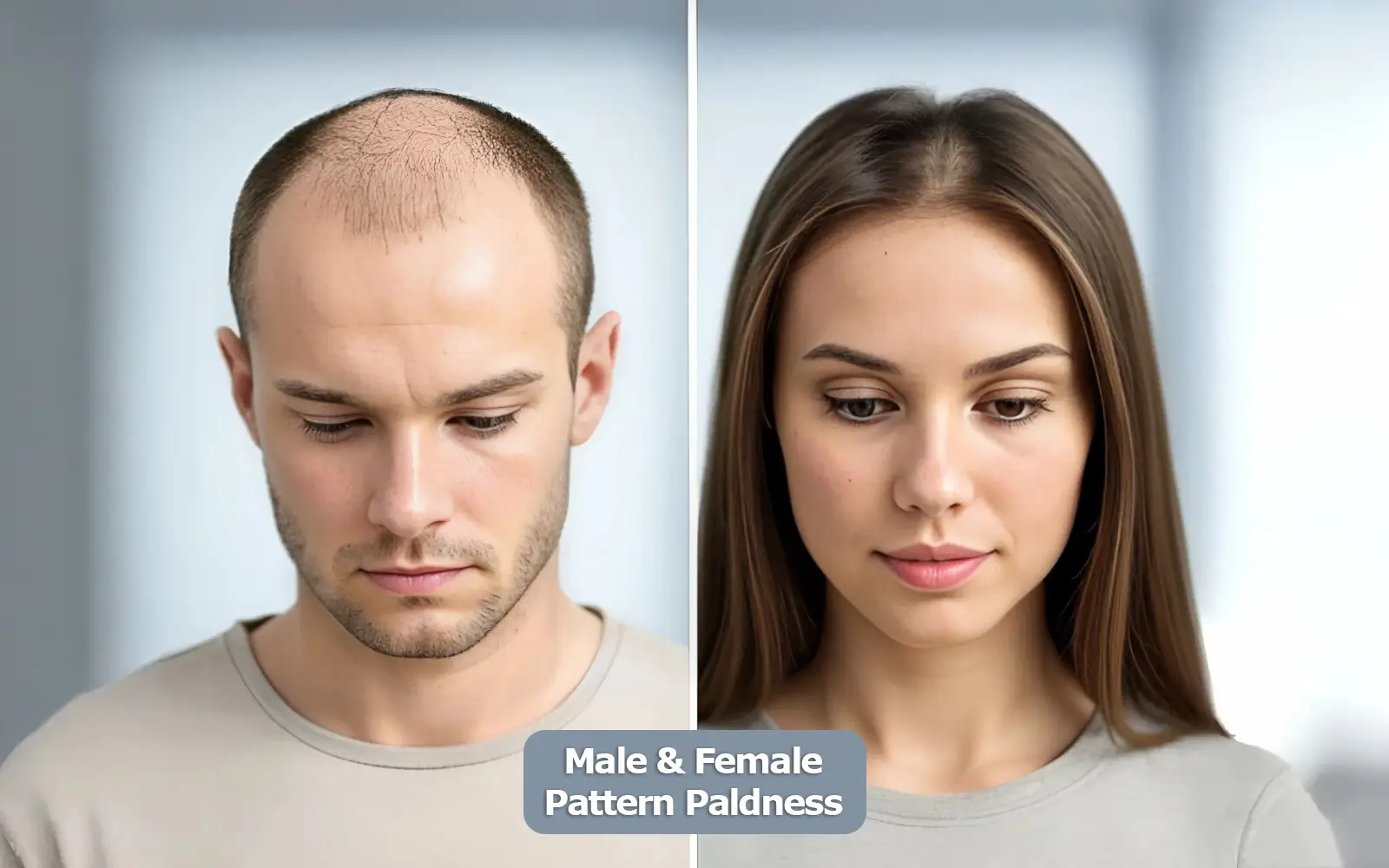
Where do you see thinning? Top, temples, crown, or all over? Some types of hair loss have specific patterns, such as male or female pattern baldness.
4. Scalp Condition
Is your scalp itchy, red, oily, or flaky? Scalp health can affect shedding. Sudden changes may signal infection, dandruff, or allergic reactions.
5. Products Used
List any new shampoos, conditioners, styling products, or treatments. Sometimes, a product change triggers shedding.
6. Major Life Events
Note stress, illness, travel, or big changes in your life. These can cause a shedding spike weeks or months later.
7. Diet And Medication
Record changes in your diet, supplements, or medicines. Many nutrients and drugs affect hair growth.
8. Treatments Tried
Did you start or stop any hair loss treatment? Record the dose, frequency, and your feelings about its effect.
9. Photos
Take weekly or monthly photos of your scalp under similar lighting and angle. Pictures are more objective than memory.
10. Emotional State
How do you feel about your hair today? Anxiety and stress can worsen hair loss. Recording your mood helps you separate emotions from real changes.
How To Start A Hair Loss Journal
Getting started is simple. You don’t need fancy tools—a notebook, spreadsheet, or even your phone’s notes app works. The key is consistency and honesty. Here’s a step-by-step way to begin:
Step 1: Choose Your Format
Pick what feels easiest for you. Some people like paper journals, others prefer digital apps or spreadsheets. There are even apps made for hair loss tracking.
Step 2: Set A Routine
Decide when to write in your journal. Many people do it at night, after showering or brushing. Consistency matters more than perfection.
Step 3: Collect Baseline Data
Before you start any new treatment or change your routine, record your current state for at least a week. This gives you a reference point.
Step 4: Record Details
Each day, jot down your observations. If you miss a day, don’t worry—just start again. Over time, patterns emerge.
Step 5: Take Regular Photos
Pick a spot with good, even light. Use the same angle, distance, and background. Some people use a mirror or ask a friend for help. Label each photo with the date.
Step 6: Review Weekly And Monthly
Look back at your notes and photos. Are there trends or changes? Did a new product or stressful event line up with more shedding?
Step 7: Bring Your Journal To Appointments
Show your records to your doctor or dermatologist. It helps them make better decisions and gives you more control over your care.
Common Patterns In Hair Shedding
Understanding what’s “normal” helps reduce anxiety. Hair grows in cycles, and some shedding is expected. Here are common patterns people see:
Normal Daily Shedding
Most adults lose 50–100 hairs a day. On hair washing days, you might see more because loose hairs come out at once.
Seasonal Shedding
Many people notice more shedding in the fall and spring. Studies suggest this is due to hair growth cycles, not illness or products.
Stress-related Shedding
Emotional or physical stress can push hairs into the shedding phase (telogen effluvium). The increase often happens 2–3 months after the stressful event.
Postpartum Hair Loss
After giving birth, many women see a big increase in shedding for a few months. This is normal and usually temporary.
Medication-induced Shedding
Some drugs—like blood thinners, some antidepressants, and acne meds—cause shedding. Stopping or changing the dose may reverse the problem.
Pattern Hair Loss
Androgenetic alopecia (male/female pattern baldness) shows slow, steady thinning, usually at the temples, crown, or part line.
Patchy Shedding
Sudden, round bald spots may signal alopecia areata, an autoimmune condition. This pattern is different from diffuse thinning.
Example Hair Loss Journal Entry
Here’s an example of what a daily entry might look like:
- Date: March 5, 2024
- Hairs shed (counted from shower and brush): 78
- Shedding type: Mostly long, some with white bulbs
- Areas affected: More thinning at crown
- Scalp: Slight itchiness, no redness
- Products: Started new volumizing shampoo
- Events: Work stress increased
- Diet: No changes
- Medication: Multivitamin
- Treatments: Applying minoxidil nightly
- Photo: Taken, saved in phone
- Mood: Worried, but not panicked
This level of detail may feel time-consuming at first, but it quickly becomes routine and extremely useful.
Tools And Apps For Tracking Hair Loss
While a notebook works, some people prefer digital tools. Technology can make tracking easier, provide reminders, and even analyze trends for you. Here are some options:
Hair Loss Tracking Apps
Many apps are designed to help you record hair health. They often include photo comparisons, reminders, and charts. Examples include:
- Hair Journal (iOS/Android): Lets you log daily shedding, products, and mood.
- Miiskin: Focuses on skin and scalp photography, easy to compare progress.
- Hair Loss Diary: Offers detailed notes and photo storage.
Spreadsheet Templates
Creating a simple spreadsheet (Excel, Google Sheets) allows easy data entry and charting. You can make columns for each factor you want to track.
Digital Notebooks
Apps like Evernote or OneNote let you combine text, photos, and even voice notes in one place.
Comparison Table: Paper Vs. Digital Tracking
Here’s a look at some pros and cons:
| Method | Pros | Cons |
|---|---|---|
| Paper Journal | Simple, no tech required, portable | Hard to search, no charts, easy to lose |
| Spreadsheet | Charts, easy to compare months, shareable | Needs computer, learning curve |
| App | Reminders, built-in analysis, photo storage | Privacy issues, may cost money |
Credit: www.hermestclinic.com
How To Count Shed Hairs (and Should You?)
Counting every hair sounds stressful, but for some, it brings clarity. Others find it makes anxiety worse. Here’s how to do it, if you want:
- After brushing or showering, collect loose hairs from the drain, brush, or towel.
- Place them on a white paper for easy counting.
- Count and record. You don’t need to be exact—an estimate is fine.
But remember: hair naturally sheds more on wash days, and not every hair loss day is the same. Focus on weekly averages rather than single days. If counting makes you obsess or feel worse, switch to descriptive notes (“less than usual,” “more than last week”).
How To Take Effective Progress Photos
Photos are one of the best ways to track real changes. Our memory is unreliable, and lighting can make hair look thicker or thinner. Here’s how to get photos you can trust:
- Use the same spot, background, and lighting each time—ideally daylight, not harsh overhead lights.
- Take pictures from the same angle (front, top, sides, and back if possible).
- Keep your hair clean and dry—wet hair looks thinner.
- Use a parting comb to show the scalp if needed.
- Take photos at regular intervals (weekly or monthly).
Over time, compare new photos with older ones, not with your memory. You’ll see real progress, stability, or changes.
Interpreting Your Hair Loss Journal
Writing in your journal is just the first step. The real value comes from reviewing your data and looking for patterns.
Recognize Cycles
If you see a regular shedding increase every spring, it’s likely a normal seasonal cycle.
Connect Triggers And Changes
Did a spike in shedding follow a stressful week, illness, or a new medication? Did it return to normal after the event passed?
Track Treatment Results
If you start a new product, look for changes after a few weeks or months—not just days. Hair growth is slow. Your journal helps you spot real results.
Spot Hidden Clues
Sometimes, small changes in scalp health, diet, or emotional state line up with hair changes. Reviewing your notes can reveal connections you didn’t notice at the time.
When To Worry: Red Flags In Your Journal
Not all hair shedding is harmless. Your journal helps you catch warning signs early. See a doctor if you notice:
- Sudden, patchy bald spots
- Red, swollen, or painful scalp
- Rapid, dramatic hair loss all over
- Other symptoms like weight loss, fever, or fatigue
- Hair loss in eyebrows, eyelashes, or body hair
These may signal medical problems like autoimmune disease, infection, or severe deficiency.
Making The Most Of Your Journal With Your Doctor
Doctors appreciate patients who come prepared. Bring your journal (and photos) to your appointment. It helps your doctor:
- Understand how long you’ve had symptoms
- See patterns or triggers
- Rule out common causes
- Decide if you need tests or referrals
- Track response to treatment
Be honest: if you missed days or forgot details, that’s okay. Your effort shows you care about your health.
Real-life Examples: How Journaling Changed Outcomes
Example 1: Identifying A Trigger
A 35-year-old woman noticed her hair started shedding more after switching to a new shampoo. Her journal showed the timing lined up perfectly. She stopped using it, and shedding returned to normal within two weeks. Without a journal, she might have blamed stress or diet.
Example 2: Tracking Recovery
A man in his 40s experienced a sudden increase in hair loss after a high fever and illness. By journaling, he saw that his shedding returned to normal three months later. This matched classic telogen effluvium recovery, and he avoided unnecessary treatments.
Example 3: Proving Progress
A woman using minoxidil for six months felt discouraged, thinking her hair looked the same. Reviewing her monthly photos, she saw clear regrowth and less visible scalp. Her confidence grew, and she continued the treatment.
.png)
Credit: www.happyhead.com
Key Factors That Impact Shedding Patterns
Many people focus only on products or genetics, but other factors play big roles. Here are some that often surprise beginners:
Hormones
Changes in hormones—like thyroid issues, menopause, or birth control—can affect hair cycles. Your journal helps spot patterns around these events.
Diet And Deficiency
Low iron, vitamin D, or protein can trigger shedding. Even crash diets or sudden weight loss can make hair fall out. Tracking diet helps you connect the dots.
Hair Care Habits
Frequent heat styling, tight ponytails, or harsh chemicals can cause breakage and loss. Journaling your routine helps identify if your habits are harming your hair.
Sleep And Stress
Poor sleep and chronic stress disrupt hair growth cycles. Noting sleep quality and stress levels in your journal may reveal important links.
Illness And Infection
Some infections (like scalp ringworm) or chronic diseases (like lupus) cause hair loss. Documenting other symptoms helps your doctor find the cause.
Example Data Table: Common Triggers And Shedding Response
Here’s how different triggers can impact shedding patterns and what to look for:
| Trigger | Typical Shedding Response | Time to See Effect |
|---|---|---|
| High fever/illness | Increased shedding (telogen effluvium) | 6-12 weeks after event |
| New medication | Diffuse shedding or pattern loss | 2-3 months |
| Severe stress | Temporary increase in hair fall | 2-3 months |
| Dietary deficiency | Gradual thinning, poor regrowth | Months |
| Product allergy | Itchy, red scalp, sudden shedding | Days to weeks |
Two Key Insights Beginners Often Miss
- Not all shedding is bad: Some increase in hair loss is normal and temporary. For example, after starting a treatment like minoxidil, you may see a “shedding phase” as old hairs fall out. This is often a sign that new, stronger hairs are growing in.
- Photos are more reliable than memory: Our minds exaggerate changes, especially when we’re anxious. Regular, well-lit photos provide the clearest proof of progress (or problems).
How Long Should You Track Shedding Patterns?
Consistency is more important than duration, but most experts suggest tracking for at least three to six months. This allows you to see real trends, not just temporary changes. If you start a new treatment, keep tracking for the length of the treatment plan.
Some people continue journaling for years, especially if they have chronic conditions. Others stop once they understand their pattern or see improvement.
Can A Hair Loss Journal Prevent Hair Loss?
A journal does not stop hair from falling out, but it can help you catch problems earlier, avoid triggers, and make better choices. For example, if you spot a pattern between stress and shedding, you may focus on stress management.
If a treatment isn’t working after months, you’ll see it clearly and avoid wasting time and money.
Journaling also helps you communicate better with professionals. Clear records lead to faster, more accurate diagnoses and can prevent unnecessary tests.
Tips For Staying Motivated
Keeping a journal takes effort. Here’s how to stick with it:
- Keep it simple: Use short notes, checklists, or even voice memos if you’re busy.
- Set reminders: Use your phone or calendar to prompt you.
- Celebrate progress: Look back at your first entries or photos to see how far you’ve come.
- Involve a friend: Share your journey with a supportive person.
If you miss days or weeks, don’t give up. Start again. The goal is to see patterns, not to be perfect.
When To Seek Professional Help
If your journal shows worsening hair loss, new symptoms, or if you feel overwhelmed, seek medical advice. Dermatologists can run tests, recommend treatments, or refer you to specialists. Bring your journal; it speeds up the process.
If you notice sudden, patchy bald spots, severe scalp symptoms, or hair loss in other areas (eyebrows, eyelashes), don’t wait—these may be signs of serious illness.
Using Your Journal To Make Lifestyle Changes
Your records can help you improve your health, not just your hair. For example:
- If you notice shedding increases after poor sleep, focus on better sleep habits.
- If a certain food or supplement seems to help, discuss it with your doctor.
- If stress is a trigger, try meditation or stress management techniques.
Your journal can be a tool for whole-body wellness.

Credit: en.wikipedia.org
Reliable Resources For Hair Loss Information
There is a lot of misinformation online about hair loss. For accurate information, use trusted sources like the American Academy of Dermatology, NHS, or scientific articles. For research-backed information, visit National Center for Biotechnology Information.
Frequently Asked Questions
How Many Hairs Is It Normal To Lose Per Day?
Most people lose 50 to 100 hairs a day. This can vary with age, season, and hair type. If you see a big increase or patchy bald spots, it may be time to see a doctor.
Can Washing Or Brushing Too Much Cause Hair Loss?
Washing and brushing remove loose hairs that are already shed. They don’t cause permanent hair loss, but rough handling, heat, and harsh chemicals can damage hair and cause breakage.
How Long Does It Take To See Improvement After Starting A New Treatment?
Hair grows slowly. Most treatments take three to six months to show results. Some, like minoxidil, may cause increased shedding at first—this is normal. Keep tracking to see real progress.
Is Counting Hairs The Best Way To Monitor Hair Loss?
Counting can help, but it’s not necessary for everyone. Weekly averages and regular photos are often more useful and less stressful. Focus on overall trends, not daily numbers.
When Should I See A Doctor About Hair Loss?
See a doctor if you notice sudden, severe, or patchy hair loss, or if your scalp is red, swollen, or painful. Also seek help if you have other symptoms like fever, weight loss, or hair loss on other parts of your body.
Taking control of your hair loss journey with a journal puts you in the driver’s seat. By tracking your shedding patterns, you gain insight, reduce anxiety, and give yourself the best chance of protecting your hair health. Remember: it’s not about perfection, but about seeing the real story your hair is telling you.