

Every new mother hopes for a smooth transition after childbirth, but many are surprised by one common change: hair loss. As clumps of hair fill your brush or shower drain, it’s natural to look for solutions. One supplement you’ll hear about often is biotin. But does it actually help with postpartum hair recovery? And if so, how much biotin do you really need to see results, without risking side effects? Let’s break down the science, practical advice, and what most people miss about biotin dosage for postpartum hair recovery.
Why Postpartum Hair Loss Happens
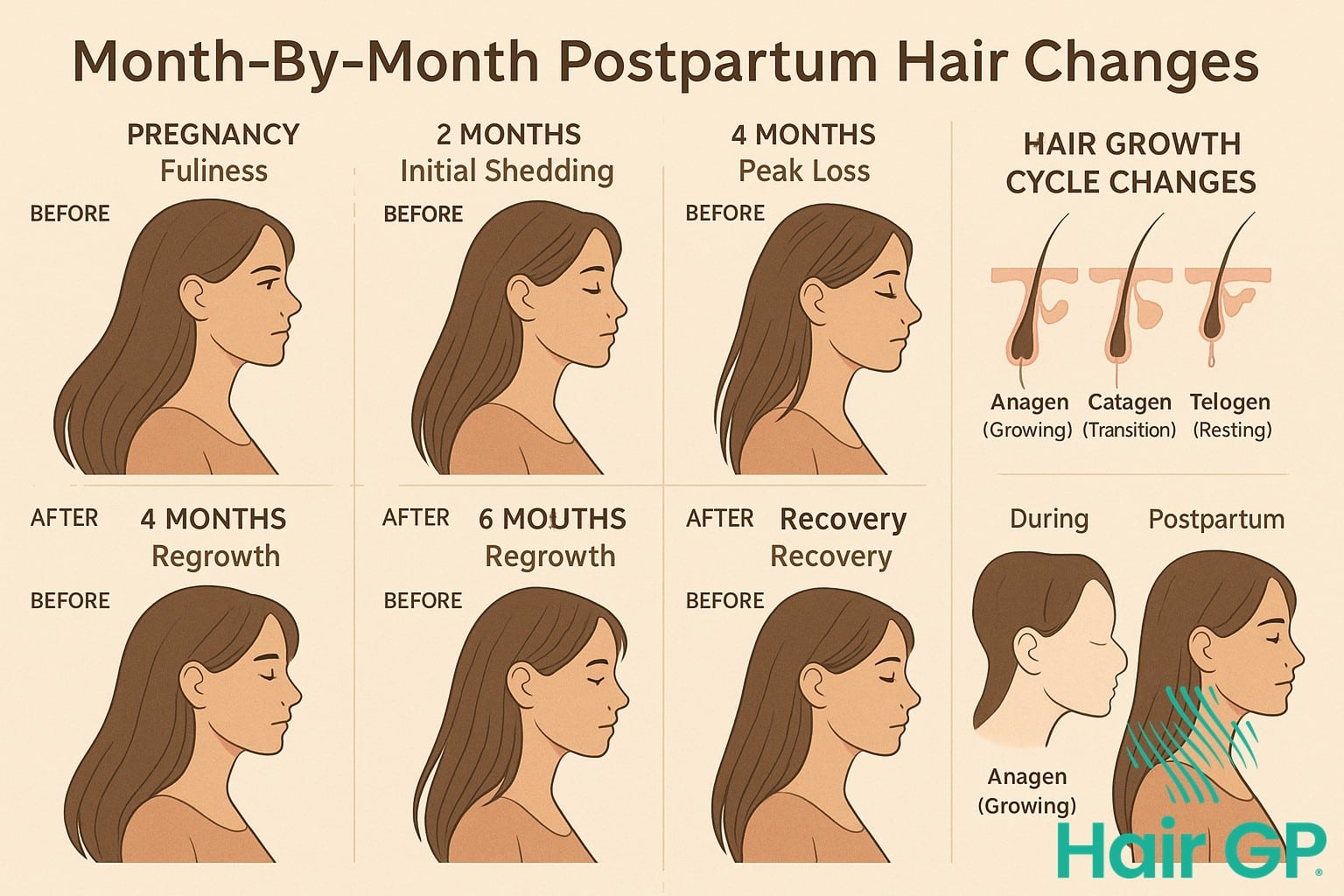
During pregnancy, high levels of estrogen keep your hair in the growth phase. This means less daily shedding and often thicker hair. But after childbirth, hormone levels drop quickly. Hair that was “paused” in the growth stage suddenly enters the shedding phase (telogen effluvium). For many, this starts two to four months after delivery and can be dramatic.
While this process is normal and usually temporary, it can be distressing. For women who already have thin hair or a family history of hair loss, it may feel even more severe.
It’s also important to understand that postpartum hair loss doesn’t happen the same way for everyone. Some women notice large clumps of hair falling out at once, while others see steady shedding over several months. This variation depends on your unique hair cycle, genetics, and even how you cared for your hair during pregnancy.
A non-obvious insight: Hair that was growing during pregnancy did not actually become more numerous; rather, your normal daily shedding slowed down. After birth, the “backlog” of hair that didn’t shed all falls out within a short period, making the loss appear worse than it is. This can be shocking, but it’s simply your body returning to its normal rhythm.
In addition, stress, lack of sleep, and poor nutrition after childbirth can make hair loss seem more severe. If you had a difficult delivery or are recovering from surgery (like a C-section), your body may prioritize healing over hair growth, which can further slow recovery.
Another detail many new mothers miss: the scalp itself may feel more sensitive or itchy during this time. This is not usually a sign of infection or disease but simply part of the body’s natural adjustment after the hormonal shift.
What Is Biotin And Why Is It Linked To Hair Health?
Biotin, also known as vitamin B7, is a water-soluble B-vitamin. It helps your body convert food into energy and supports the health of your skin, nerves, digestive tract, and especially hair and nails.
Biotin is a key part of keratin production. Keratin is the main protein in hair. Without enough biotin, hair can become brittle or thin.
Many shampoos, supplements, and hair products advertise biotin as a solution for hair loss. But is the connection that simple?
To understand why biotin is linked to hair, think of keratin as the “building blocks” of each strand. Biotin acts like a helper, making sure your body can use nutrients to build strong, healthy hair. However, just adding more helpers doesn’t mean you can build more than what your body is already programmed to do—this is why more biotin doesn’t always mean more hair.
For example, if you already have enough construction workers (biotin) and the right materials (protein, iron, etc. ), adding more workers won’t speed up the process. But if you are missing workers, the building (your hair) will be weaker or unfinished.
Most people don’t realize that biotin is also involved in the health of your skin and nerves. If you are low in biotin, you may notice skin problems around your eyes or mouth, or even tingling in your hands and feet.
These are less common, but they show how biotin works in many systems, not just hair.
A second non-obvious insight: The body stores only very small amounts of biotin, so you need a steady supply from your food. Unlike some vitamins that can be stored for months, biotin levels can drop quickly if your diet is poor or if you have digestive issues.
Does Biotin Really Help Postpartum Hair Recovery?
The truth is more complex than most marketing suggests. Biotin deficiency is rare, especially in healthy adults. Most people get enough from their diet—foods like eggs, nuts, seeds, salmon, and sweet potatoes are good sources.
However, if you are biotin deficient, you may notice hair thinning, brittle nails, and skin rashes. In these cases, supplementing with biotin can help restore normal hair growth.
For women without a deficiency, the evidence for extra biotin improving postpartum hair loss is weak. Research shows that unless you are lacking in biotin, taking more may not speed up hair regrowth.
Still, many people take biotin “just in case,” hoping for a boost. Let’s look closer at how much is safe, and what really matters for postpartum hair recovery.
It’s worth pointing out that many studies on biotin and hair growth focus on people with clear deficiencies or with specific medical conditions that impact absorption. For the average new mother, these conditions are rare. When researchers tested biotin in healthy adults, they usually found no extra benefit from doses above the recommended amount.
One key example: Some women with unexplained hair loss were tested and found to have normal biotin levels. After taking large biotin supplements, their hair did not grow back faster than those who took a standard multivitamin. This shows that biotin is not a “magic pill” for everyone.
What many supplement ads do not tell you is that hair loss after childbirth is mostly due to hormonal changes—not nutrient shortages. Supporting your body with balanced nutrition and stress management is often more effective than focusing only on one supplement.
How Much Biotin Do You Actually Need After Childbirth?
The recommended dietary allowance (RDA) for biotin in adults is 30 micrograms (mcg) per day. For breastfeeding women, it’s slightly higher, about 35 mcg per day.
Most over-the-counter biotin supplements provide 1,000 to 10,000 mcg (1–10 mg) per pill—much more than you need. This is partly because biotin is water-soluble. The body excretes extra biotin through urine, so toxicity is rare.
But, more is not always better. High doses can interfere with lab tests, causing incorrect results. Some people may experience side effects like skin rashes, digestive upset, or acne at very high doses.
Here is a comparison of typical biotin dosages:
| Population | Recommended Daily Intake | Common Supplement Dose |
|---|---|---|
| General Adults | 30 mcg | 1,000–10,000 mcg |
| Breastfeeding Women | 35 mcg | 1,000–10,000 mcg |
| Biotin Deficiency | Up to 5,000 mcg (under medical advice) | 5,000–10,000 mcg |
In summary: most people only need 30–35 mcg daily, even after childbirth. If you suspect a deficiency, speak with your doctor before taking high doses.
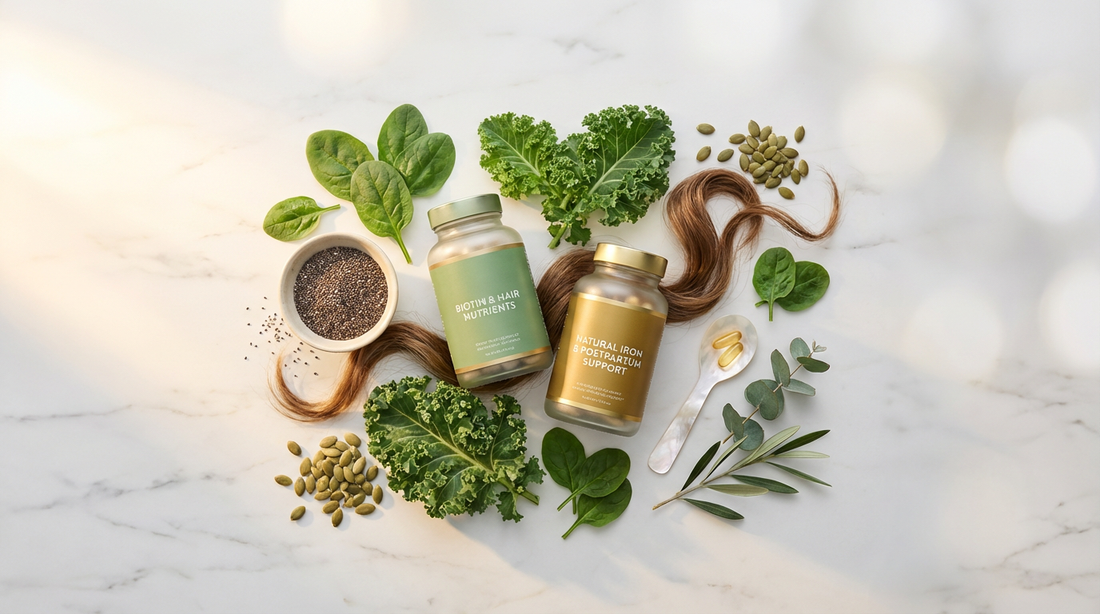
Another detail to remember: Some prenatal vitamins already contain biotin. If you continue taking these after birth, you may already be meeting your needs. Check your supplement labels to avoid unnecessary overlap, which can increase your total intake without you realizing it.
If you’re considering higher doses because you’ve heard stories of dramatic results, remember that those stories are usually from people who had an actual deficiency or other underlying problems. For the average mother, more is not better, and can actually cause problems.
Credit: qnwellness.com
How To Know If You’re Biotin Deficient
It’s rare for healthy adults to be low in biotin, but some situations increase risk:
- Long-term use of antibiotics (kills gut bacteria that make biotin)
- Eating lots of raw egg whites (contain avidin, which binds biotin)
- Certain genetic disorders
- Poor diet with very little variety
Common signs of deficiency:
- Thinning hair or noticeable hair loss
- Brittle nails
- Red, scaly rash around eyes, nose, or mouth
- Fatigue or mood changes
If you have these symptoms, ask your doctor for a blood test before starting supplements.
Biotin deficiency can also be seen in some people with digestive disorders, like Crohn’s disease or celiac disease, because their bodies cannot absorb vitamins well. If you have a history of gut problems, mention this to your doctor.
It’s important to note that true biotin deficiency is very uncommon outside of these risk groups. Many new mothers worry they are deficient simply because of hair loss, but most of the time, their blood tests come back normal.
One practical tip: If you are not sure about your diet, keep a food diary for one week. This will help you and your doctor spot any gaps in your nutrition.
The Role Of Diet In Postpartum Hair Recovery
Supplements are convenient, but food should be your main source of nutrients. A balanced diet not only provides biotin, but also other vitamins and minerals important for hair growth—like iron, zinc, vitamin D, and protein.
Here’s a list of biotin-rich foods that are easy to add to your daily meals:
- Egg yolks (cooked)
- Nuts and seeds (almonds, peanuts, sunflower seeds)
- Salmon
- Sweet potatoes
- Spinach
- Broccoli
- Bananas
- Whole grains
Eating a mix of these foods helps cover your nutritional bases and supports overall recovery.
For example, you could start your day with scrambled eggs and spinach, snack on a handful of almonds, have salmon and broccoli for lunch, and enjoy a sweet potato with dinner. This kind of variety provides not just biotin but the protein, iron, and other nutrients your hair needs.
Here’s something beginners often miss: Diets that are too restrictive (such as very low-calorie or low-carb diets) can slow hair recovery, because your body may not get enough of the building blocks needed for new hair. Even if you want to lose pregnancy weight, focus on healthy, gradual changes and don’t cut out whole food groups.
Meal planning can help. Preparing simple, balanced meals ahead of time reduces stress and makes it easier to get the right nutrients, even on busy days with a newborn.
How Biotin Compares To Other Hair Growth Nutrients
Biotin is only one piece of the puzzle. Other nutrients play a big role in postpartum hair health. Sometimes, hair loss is due to multiple deficiencies, not just biotin.
This table shows how biotin stacks up against other important hair nutrients:
| Nutrient | Main Benefit for Hair | Deficiency Signs | Common Sources |
|---|---|---|---|
| Biotin | Keratin production | Hair thinning, brittle nails, rash | Eggs, nuts, sweet potatoes |
| Iron | Oxygen delivery to hair follicles | Excessive hair loss, fatigue, pale skin | Red meat, beans, spinach |
| Zinc | Hair tissue repair | Hair shedding, poor wound healing | Shellfish, seeds, lentils |
| Vitamin D | Hair follicle cycling | Hair thinning, bone pain | Sunlight, fatty fish, fortified milk |
| Protein | Builds hair structure | Weak, brittle hair | Meat, dairy, legumes |
If you are low in any of these, biotin alone may not solve the problem. It’s wise to get a complete check-up and not just focus on one vitamin.
For example, iron deficiency is common after childbirth, especially if you lost a lot of blood during delivery. Low iron can cause ongoing hair loss, even if your biotin intake is perfect. Similarly, if you don’t get enough protein because you’re too busy to eat regular meals, your hair won’t have the materials it needs to grow.
A practical tip: When you see a doctor for hair loss, ask for a full panel of nutrient tests, not just biotin. This way, you catch any other problems early.
How Long Before You See Results From Biotin?
Even if you start taking biotin, hair growth is slow. Hair typically grows about 1 cm (0.4 inches) per month. If your hair loss is due to a biotin deficiency, it may take 3–6 months of regular supplementation to see improvement.
If you do not have a deficiency, you may not notice any change. Many people give up too soon or expect overnight results. Patience is key—hair regrowth after childbirth takes time, with or without supplements.
A detail beginners miss is that hair regrowth starts below the scalp, and it may take weeks before you notice any new baby hairs growing in. For the first few months, you may feel like nothing is happening. Tracking progress with monthly photos can help you see subtle improvements.
Also, hair shedding often stops before new growth is visible. If you notice less hair in the drain or on your brush, this is a good sign that your body is recovering, even if your hairline doesn’t look fuller yet.

Credit: www.amazon.com
Signs You May Be Taking Too Much Biotin
While biotin is considered safe, taking too much (especially more than 10,000 mcg daily) can create problems:
- Lab test interference: High biotin levels can alter the results of common blood tests, especially thyroid function and heart enzyme tests. This can lead to misdiagnosis.
- Skin issues: Some people develop acne or skin rashes at high doses.
- Digestive problems: Nausea, cramps, or diarrhea can occur.
Always tell your doctor if you are taking biotin, especially before blood tests.
If you notice new skin problems, stomach upset, or other symptoms after starting biotin, try lowering your dose or stopping for a few days to see if symptoms improve. If the problems persist, see your doctor.
A real-world example: One woman developed a red, itchy rash on her cheeks and chin after starting a high-dose biotin supplement. When she reduced her dose to the recommended 35 mcg, the rash disappeared within a week.
How To Choose The Right Biotin Supplement
If you decide to take a biotin supplement, keep these points in mind:
- Check the dose: Look for supplements with 30–100 mcg per serving. Higher doses are not usually needed.
- Third-party tested: Choose brands that are tested for quality and purity.
- Avoid unnecessary extras: Some products add fillers or other vitamins you may not need.
- Easy to swallow: Postpartum recovery is tiring—choose a form (tablet, capsule, gummy) that works for you.
Here’s a quick comparison of popular biotin supplement forms:
| Form | Pros | Cons |
|---|---|---|
| Tablet | Long shelf life, easy dosing | Can be hard to swallow |
| Capsule | Easy to digest | Can be more expensive |
| Gummy | Taste good, easy for those with nausea | Extra sugar, lower biotin dose |
| Powder | Mix into drinks, flexible dosing | Measuring can be tricky |
Some mothers prefer gummies during postpartum because they are easy to take, especially if you are dealing with nausea or trouble swallowing pills. If you are concerned about added sugar, look for sugar-free options.
Another tip: If you have allergies or food sensitivities, check the ingredient list for common allergens like soy, gluten, or artificial colors.
Practical Steps For Postpartum Hair Recovery
Supplements are only one part of the solution. Here are practical steps to improve your hair recovery after childbirth:
- Eat a balanced diet: Focus on whole foods and healthy fats.
- Avoid harsh styling: Minimize heat, tight hairstyles, and chemical treatments.
- Gentle hair care: Use a wide-tooth comb and mild shampoo.
- Manage stress: Rest when you can, ask for help, and consider gentle exercise.
- Check your blood work: If hair loss is severe or does not improve, get checked for anemia, thyroid problems, and nutritional deficiencies.
- Be patient: Most postpartum hair loss resolves within 6–12 months.
Non-obvious Tips Most New Moms Miss
- Scalp massage: Increases blood flow and may support regrowth. Use gentle pressure with fingertips or a soft brush.
- Track your recovery: Take monthly photos, not daily, to notice progress. Hair changes are gradual and easy to miss day-to-day.
A few more advanced tips: Avoid using very hot water on your scalp, as it can make hair more fragile. When drying, blot with a soft towel instead of rubbing. If you use a hair dryer, use the cool setting.
If you have long hair, consider gentle braids or loose ponytails instead of tight buns. This reduces pulling on the roots.
Remember, it’s normal for hair texture and volume to change during the months after childbirth. These changes often reverse as your hormones stabilize.
Common Myths About Biotin For Hair Loss
Many myths circulate about biotin and hair recovery. Let’s clear up a few:
- “More biotin = more hair.” Not true. If you have enough biotin, extra won’t help.
- “Everyone needs supplements after pregnancy.” Most get enough from food.
- “Biotin works instantly.” It takes months to see effects, and only if you are deficient.
- “Only women lose hair postpartum.” Men can experience hair thinning after stressful events or due to other deficiencies, though postpartum hair loss is unique to women.
Another common myth: Biotin can change your hair texture, color, or make it grow “faster than normal.” In reality, biotin can help restore normal hair growth if you’re deficient, but it won’t turn thin hair into thick hair overnight.
Some people also believe that biotin can cure all types of hair loss, including genetic or autoimmune causes. Unfortunately, these types of hair loss need different treatments.
When To See A Doctor
If your hair loss is severe, patchy, or comes with other symptoms like fatigue or weight changes, see your doctor. Sometimes, conditions like thyroid disorders, iron deficiency, or even postpartum depression can cause or worsen hair loss. Blood tests can help find the real cause.
A practical example: If you are losing hair in round patches, this may be a sign of alopecia areata, an autoimmune condition. Or, if you feel extremely tired, cold, or have constipation, it could be an underactive thyroid. These require medical treatment, not just supplements.
Don’t wait too long to ask for help. Early treatment can prevent long-term problems.
Biotin And Breastfeeding: Is It Safe?
For most women, biotin is safe during breastfeeding at normal doses (30–35 mcg daily). There is no evidence it harms the baby. Very high doses have not been tested, so stick with the recommended amount unless advised by your doctor.
If you are taking other supplements, check with your pediatrician to make sure your overall vitamin intake is not too high. Some nutrients, like vitamin A, can be harmful in excess, but biotin has not been linked to problems at normal doses.
If you notice any changes in your baby’s skin or digestion after starting a new supplement, mention it to your doctor or lactation consultant.
Credit: hairgp.co.uk
Other Natural Remedies Worth Trying
If you’re looking for a gentle, holistic approach, consider these:
- Rosemary oil scalp massage: Some studies suggest it may promote circulation and regrowth.
- Silk pillowcases: Reduce friction and breakage compared to cotton.
- Stay hydrated: Dehydration can impact hair health.
- Rest and reduce stress: Stress hormones can slow hair growth.
Other options include gentle yoga, meditation, or simply taking a walk outside. These activities lower stress hormones, which can help hair growth return to normal.
You might also try adding flaxseed or chia seeds to your diet for extra omega-3 fats, which help support scalp health.
Remember, not all natural remedies work for everyone, and some oils can cause irritation. Always do a patch test before applying anything new to your scalp.
The Emotional Side Of Postpartum Hair Loss
Hair loss after childbirth can hurt your confidence. Remember, this phase is temporary. You are not alone—over 90% of women experience some degree of postpartum hair shedding. Support groups, talking to friends, or speaking with a professional can help if you feel overwhelmed.
Some women feel embarrassed or avoid social situations because of hair loss. It can help to talk openly with your partner or close friends about how you feel. Sharing your experience can reduce stress and remind you that many mothers go through this.
If you find yourself worrying constantly about your hair or avoiding mirrors, consider speaking to a therapist. Emotional support is just as important as physical recovery.
What The Science Says: Key Studies On Biotin And Hair Recovery
Research into biotin and hair growth is ongoing. Most studies show that biotin helps only if you are deficient. One review from the Skin Appendage Disorders journal found that out of 18 reported cases, all people who benefited from biotin had an underlying deficiency. For the general population, the benefit is unproven.
For more details on biotin’s role in hair health, see the National Institutes of Health’s biotin fact sheet.
Another important study looked at postpartum women with hair loss and found that those who improved their diet and managed stress saw the best recovery, even without supplements. This highlights the importance of a holistic approach.
Keep in mind that supplement companies often fund studies, so read results with a critical eye. Look for reviews and guidelines from independent organizations like the NIH for the most reliable advice.
Frequently Asked Questions
Is Biotin Safe To Take While Breastfeeding?
Yes, biotin is safe at recommended doses (30–35 mcg daily) while breastfeeding. Avoid taking very high doses unless your doctor advises.
How Quickly Does Biotin Work For Postpartum Hair Loss?
If your hair loss is due to biotin deficiency, it may take 3–6 months of daily use to see improvement. If you are not deficient, you may not notice any difference.
Can I Get Enough Biotin From Food Alone?
Most people can get all the biotin they need from a balanced diet with foods like eggs, nuts, salmon, and sweet potatoes. Supplements are not usually necessary unless you have a deficiency.
What Are The Signs Of Taking Too Much Biotin?
High doses can interfere with lab tests, cause skin rashes, digestive upset, or acne. Always tell your doctor if you take biotin before having blood tests.
Does Biotin Help With All Types Of Hair Loss?
Biotin only helps with hair loss caused by a biotin deficiency. Other causes—like hormone changes, iron deficiency, or thyroid issues—need different treatments.
Postpartum hair recovery is a journey. While biotin has its place, it’s not a magic fix. Eat well, care for yourself, and give your body time. If you’re ever unsure, talk to your healthcare provider—they can help you find the right path forward.