

Many people struggle with hair that feels rough, dull, or lifeless, and often, the problem is not what you might think. Regular shampoos, conditioners, or even expensive treatments sometimes don’t help. The real issue may be mineral buildup—tiny particles from water, hair products, or even sweat that cling to your hair and scalp over time. Understanding how mineral buildup hair damage happens, learning to identify it, and knowing how to remove it can transform your hair’s health and appearance. If you’ve tried everything and still wonder why your hair won’t cooperate, this guide will help you find answers and solutions that actually work.
What Is Mineral Buildup In Hair?
Mineral buildup refers to the accumulation of minerals like calcium, magnesium, iron, and sometimes copper on the hair shaft and scalp. These minerals are most commonly found in hard water—water with a high mineral content. When you wash your hair, these particles don’t always rinse away. Instead, they stick to the hair and scalp, layering over time.
This buildup can also come from swimming pools (chlorine and copper), sweat, and some hair products. The result is hair that looks dull, feels rough, and is difficult to manage. Many people mistake this for dryness, damage, or even poor hair care, but the real cause is often hidden minerals.
How Mineral Buildup Damages Hair
At first, mineral buildup may not seem like a big problem. However, over time, it creates several issues:
- Weighs Hair Down: Minerals coat the hair, making it heavy and flat.
- Blocks Moisture: The buildup acts like a barrier, stopping water and nutrients from entering the hair shaft.
- Increases Breakage: Dry, coated hair is more likely to snap or split.
- Causes Scalp Issues: Buildup can block hair follicles, leading to itchiness or even dandruff-like flakes.
- Fades Color: For those who dye their hair, minerals can strip or change the color.
Even if you use quality products, they may not work if minerals are blocking them from reaching your hair.
Common Sources Of Mineral Buildup
Understanding where mineral buildup comes from can help you prevent it. Here are the most common sources:
- Hard water: Most cities and towns have hard water to some degree. If you notice chalky spots on your shower or faucet, you likely have hard water.
- Swimming pools: Chlorine and copper from pools cling to hair, especially lighter shades.
- Well water: Rural homes often have even higher mineral content.
- Hair products: Some styling products and sprays contain minerals or ingredients that bind to hair.
- Sweat: After heavy exercise, sweat leaves salts and minerals behind.
Signs And Symptoms: How To Identify Mineral Buildup Hair Damage
Many people confuse mineral buildup with other hair problems. Here’s how to spot the difference:
Physical Signs
- Dullness: Hair lacks shine, no matter how much conditioner you use.
- Rough texture: Hair feels gritty, straw-like, or sticky.
- Tangles easily: Hair knots up more than usual, even after conditioning.
- Sticky feeling: Even when dry, hair feels coated or unclean.
Scalp Symptoms
- Itchiness: A dry, irritated scalp that won’t improve with normal shampoos.
- Flaking: White or yellow flakes that aren’t dandruff.
- Redness: The scalp may look red or inflamed.
Color And Performance
- Fading hair dye: Color-treated hair loses color quickly or turns brassy.
- Product ineffectiveness: Shampoos, conditioners, and treatments seem to “stop working.”
Non-obvious Insights
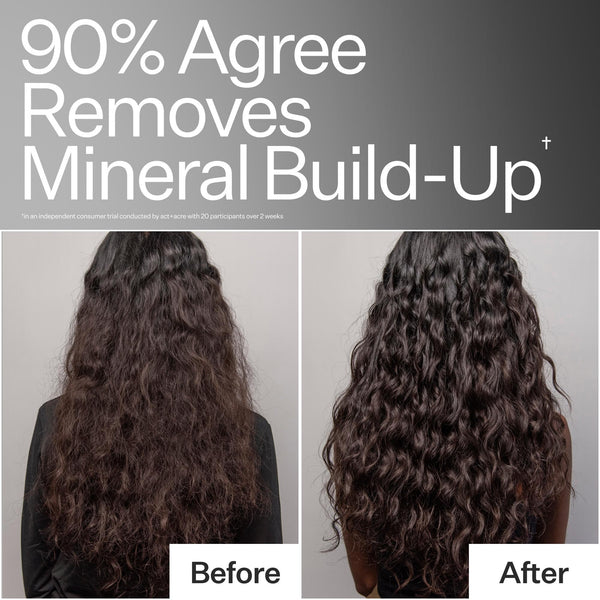
- Curl pattern changes: If you have wavy or curly hair, buildup can make curls lose definition and bounce.
- Slower drying: Hair takes longer to air dry, as the mineral layer traps water.
If you notice two or more of these signs, there’s a good chance you’re dealing with mineral buildup.
How To Test For Mineral Buildup
Not sure if minerals are the problem? Try these simple tests:
- Strand Test: Take a clean strand of hair and rub it between your fingers. If it feels rough, squeaky, or coated, that’s a sign of buildup.
- Spray Test: Spray a section of hair with distilled water. If the water beads up and rolls off instead of soaking in, minerals may be blocking absorption.
- Vinegar Rinse: Apply diluted apple cider vinegar to a small section. If the texture instantly improves and the hair feels softer, you likely have mineral buildup.
If you want a more scientific approach, water test kits are available to measure mineral content in your shower water. You can also ask your salon to check for buildup under a microscope.
Effects On Different Hair Types
Mineral buildup affects all hair types, but the impact varies:
- Fine hair: Gets weighed down easily, looks flat and oily.
- Curly hair: Loses shape, becomes frizzy and undefined.
- Color-treated hair: Fades faster, may turn brassy or greenish.
- Textured/coarse hair: Feels extra dry, difficult to style.
Here’s a quick comparison:
| Hair Type | Common Effects of Mineral Buildup |
|---|---|
| Fine/Straight | Flatness, oily appearance |
| Curly/Wavy | Frizz, loss of curl pattern |
| Color-Treated | Faded color, brassiness |
| Coarse/Textured | Dryness, rough texture |
Short-term And Long-term Damage
Short-term effects: Hair feels dirty, looks dull, and is harder to style.
Long-term effects: If not removed, minerals can weaken the hair shaft, making it prone to breakage, thinning, and even hair loss in severe cases. The scalp can become unhealthy, leading to persistent itchiness or scalp inflammation.
Why Regular Shampoo Doesn’t Work
Most regular shampoos are not designed to remove mineral buildup. They focus on removing oils and surface dirt, not minerals or metals. Mineral particles are much smaller and can bond tightly to the hair shaft.
Clarifying shampoos are a bit better but often contain strong detergents that strip natural oils, which can make hair feel even drier. Special products and methods are needed to remove mineral deposits effectively.
Methods To Remove Mineral Buildup
You don’t have to live with mineral buildup forever. There are proven ways to remove it, from simple home remedies to professional treatments. Here’s how to get your hair back to its healthiest state.
1. Chelating Shampoos
Chelating shampoos are specially formulated to bind with minerals and remove them from hair. They contain ingredients like EDTA (ethylene diamine tetraacetic acid) or phytic acid.
- Use once every 1–2 weeks.
- Follow with a deep conditioner, as chelators can be drying.
- Avoid daily use.
Chelating shampoos are a must for swimmers or people living in hard water areas.
2. Apple Cider Vinegar (acv) Rinses
Apple cider vinegar is a popular home remedy for removing mineral buildup. It’s acidic, which helps dissolve mineral deposits.
- Mix 1 part ACV with 2 parts water.
- Pour over hair after shampooing.
- Leave for 2–5 minutes, then rinse well.
Do not overuse—once a week is enough. People with very dry or sensitive scalps should patch-test first.
3. Lemon Juice Rinses
Lemon juice is another natural acid that helps break down minerals.
- Squeeze the juice from 1–2 lemons.
- Mix with a cup of water.
- Pour over hair, let sit for a few minutes, then rinse.
Lemon can lighten hair slightly, so be cautious if you have color-treated hair.
4. Baking Soda Treatments
Baking soda is mildly abrasive and can help scrub away buildup.
- Mix 1 tablespoon baking soda with shampoo or water to form a paste.
- Massage gently into hair and scalp.
- Rinse thoroughly.
Limit use to once a month, as it can dry out hair if used too often.
5. Professional Salon Treatments
Salons offer demineralizing treatments using stronger chelators or specialized products.
- These treatments are fast and highly effective.
- Best for those with severe buildup or color-treated hair.
- Ask your stylist about options.
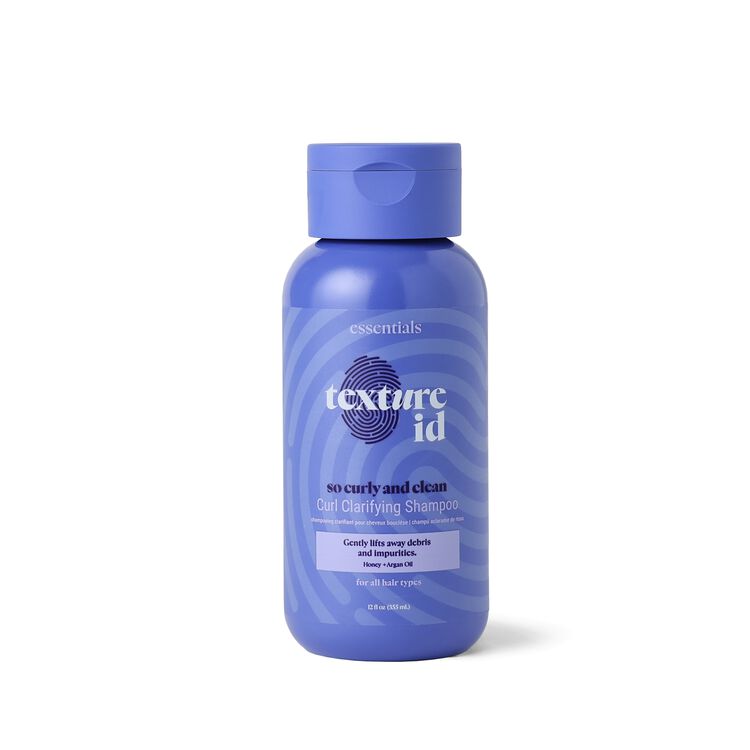
6. Clarifying Shampoos
While not as strong as chelating shampoos, clarifying shampoos help remove surface-level residue and some minerals.
- Use 1–2 times a month.
- Always follow with a moisturizing conditioner.
7. Vitamin C Treatments
Vitamin C (ascorbic acid) can break down mineral bonds.
- Crush 5–6 vitamin C tablets, mix with water to make a paste.
- Apply to damp hair, cover with a shower cap, and leave for 20–30 minutes.
- Shampoo and condition as normal.
Great for swimmers who deal with chlorine and copper.
8. Clay Masks
Certain clays, like bentonite clay, can pull minerals from the hair.
- Mix clay with water or apple cider vinegar to make a paste.
- Apply to hair, let sit for 10–20 minutes, then rinse.
This method is gentle and works for most hair types.
9. Filtered Showerheads
The best way to prevent future buildup is by removing minerals at the source.
- Install a filtered showerhead designed to reduce calcium, magnesium, and other minerals.
- Replace filters regularly.
This can make a dramatic difference, especially in hard water areas.
10. Distilled Water Rinse
After washing your hair, do a final rinse with distilled water to remove any remaining minerals.
- Distilled water is free from minerals and impurities.
- This step is especially useful after swimming or traveling.
11. Pre-swim Hair Protection
Before swimming, wet your hair with clean tap water and apply a leave-in conditioner or swim cap.
- This reduces the amount of pool water your hair absorbs.
- Rinse immediately after swimming.
12. Regular Scalp Exfoliation
Gently exfoliating the scalp helps remove mineral deposits and improves scalp health.
- Use a soft brush or a scalp scrub once a week.
- Avoid harsh scrubbing, which can irritate the skin.
13. Avoid Heavy Product Use
Using too many styling products can attract more minerals and make buildup worse.
- Choose lightweight, water-based products.
- Wash hair thoroughly after heavy product use.
14. Use Of Sulfate-free Shampoos (between Treatments)
After removing minerals, switch to sulfate-free shampoos for daily use to avoid stripping natural oils while keeping hair clean.
15. Deep Conditioning
After any removal method, always deep condition to restore moisture and shine.
- Use masks rich in keratin, argan oil, or coconut oil.
- Leave in for 10–30 minutes, depending on the product.
Comparison: Home Remedies Vs. Professional Treatments
Here’s how popular removal methods stack up:
| Method | Effectiveness | Cost | Best For |
|---|---|---|---|
| Chelating Shampoo | High | Medium | All hair types, swimmers |
| ACV Rinse | Moderate | Low | Natural remedy users |
| Lemon Juice | Moderate | Low | Oily hair, natural method |
| Salon Treatment | Very High | High | Severe buildup, color-treated |
Step-by-step: How To Remove Mineral Buildup At Home
Here’s a practical guide for a safe at-home removal routine:
- Wet hair thoroughly with warm water to open the cuticle.
- Apply chosen treatment (e.g., ACV rinse, chelating shampoo, or clay mask).
- Massage gently into scalp and hair, focusing on problem areas.
- Let the treatment sit (follow instructions—usually 3–20 minutes).
- Rinse well with lukewarm water.
- Shampoo and condition as usual (choose moisturizing formulas).
- Finish with a cool rinse to close the hair cuticle and add shine.
- Style as desired—avoid heavy products that can attract minerals.
Repeat this process once a week, or as needed based on your hair’s response.
Preventing Future Mineral Buildup
It’s easier to prevent buildup than to fix it later. Here’s how to keep your hair clean and healthy:
- Install a shower filter: This is the most effective long-term solution for hard water.
- Rinse with distilled water: Especially after swimming or traveling.
- Limit product use: Fewer products mean fewer places for minerals to stick.
- Regular clarifying: Add a chelating or clarifying shampoo to your routine once or twice a month.
- Protect hair in the pool: Use swim caps or pre-swim conditioners.
- Maintain scalp health: Regular scalp exfoliation prevents buildup at the roots.
Common Mistakes To Avoid
Even with the right products, mistakes can keep you stuck in a cycle of mineral buildup. Here are pitfalls to watch for:
- Overusing strong treatments: Too much chelating or clarifying can dry hair and scalp.
- Ignoring scalp health: Focusing only on the hair shaft leaves scalp buildup behind.
- Using hard water for rinsing: Always finish with filtered or distilled water if possible.
- Not conditioning enough: Removing minerals can strip moisture—always follow up with deep conditioning.
- Relying only on shampoo: Regular shampoos are not enough for mineral removal.

Credit: www.amazon.com
When To See A Professional
If home methods aren’t working, or if your hair is severely damaged, see a hair care professional. Salon treatments use stronger, safer chemicals and can customize care for your hair type. Professionals can also diagnose if your problem is truly mineral buildup or something else, like medical scalp conditions.
Non-obvious Insights And Advanced Tips
- Water temperature matters: Very hot water opens the hair cuticle more, letting in extra minerals. Use lukewarm water instead.
- Check your hair brush: Buildup can collect on brushes and combs, re-depositing minerals every time you use them. Clean tools weekly.
- Dietary minerals: If you take supplements high in iron or calcium, sweat can carry these minerals to your scalp—rinse after workouts.
Credit: actandacre.com
The Science Behind Chelating Agents
Chelating agents like EDTA and phytic acid work by binding to metal ions (minerals) so they can be rinsed away. This is different from regular cleansers, which only remove oils and surface dirt. For a deep explanation of chelation, check out the chemistry section of the Wikipedia page on chelation.
Hair Product Choices: What To Look For
When shopping for shampoos and conditioners, read labels for these ingredients:
- EDTA: Strong chelator, found in many clarifying shampoos.
- Citric acid: Breaks down mineral bonds.
- Sulfate-free formulas: Gentle on hair, especially after chelation.
- Natural acids: ACV, lemon, or other fruit extracts.
Avoid products with heavy waxes or silicones, as these can attract more minerals.
Credit: www.sallybeauty.com
Cost And Time Commitment
Removing mineral buildup doesn’t have to be expensive or time-consuming. Home treatments cost a few dollars and take 10–30 minutes. Salon treatments are faster but can cost $20–$100 or more per visit. Installing a shower filter is a one-time cost of $20–$60, with filters replaced every few months.
The Role Of Local Water Quality
The mineral content of your tap water depends on your location. Hard water is common in cities and rural areas. Many water companies publish water quality reports online, so you can check your area’s mineral levels.
Here’s a sample of how water hardness varies by region:
| Region | Water Hardness (mg/L CaCO3) | Common Issues |
|---|---|---|
| New York City | 50–100 (soft–moderate) | Few problems |
| Los Angeles | 200–400 (hard) | Buildup likely |
| London | 250–350 (hard) | Buildup common |
| Rural well water | Varies, often very high | Severe buildup |
Knowing your region’s water hardness can help you choose the right prevention and treatment methods.
Case Study: From Buildup To Healthy Hair
Sarah, a 35-year-old from Los Angeles, struggled with dry, lifeless hair for years. She tried different shampoos and oils, but nothing worked. After reading about mineral buildup, she installed a shower filter and started using a chelating shampoo twice a month.
Within six weeks, her hair regained its shine, and her scalp itch disappeared. Her story shows that the right diagnosis and simple changes can make a big difference.
Frequently Asked Questions
What Causes Mineral Buildup In Hair?
Mineral buildup is mainly caused by hard water, which contains high levels of calcium, magnesium, and other minerals. Swimming pools, well water, hair products, and even sweat can also contribute to buildup.
How Can I Tell If I Have Mineral Buildup Or Just Dry Hair?
Mineral buildup causes hair to feel rough, look dull, and resist moisture. Dry hair feels brittle but usually absorbs conditioner well. If your hair stays rough even after deep conditioning, minerals are likely the problem.
Can Mineral Buildup Cause Hair Loss?
Severe, long-term buildup can block hair follicles and weaken the hair shaft, leading to breakage or even thinning. However, it rarely causes permanent hair loss unless combined with other scalp issues.
How Often Should I Remove Mineral Buildup?
For most people, once or twice a month is enough. Swimmers or people in hard water areas may need weekly treatments. Always follow up with a deep conditioner to avoid dryness.
Do Filtered Showerheads Really Help Prevent Mineral Buildup?
Yes. Filtered showerheads remove many minerals before they reach your hair, reducing buildup and improving hair health. Replace filters regularly for best results.
Keeping your hair healthy and vibrant means understanding what’s really happening on your scalp. By identifying and removing mineral buildup, you unlock the true potential of your hair—soft, shiny, and manageable every day. With the right tools and habits, you can say goodbye to hidden damage and enjoy the hair you deserve.