

Vitamin D Deficiency And Postpartum Hair Loss Recovery
Having a child is a life-changing moment, but it can also bring unexpected challenges. One common issue that mothers face after giving birth is postpartum hair loss. Many women notice their hair thinning or falling out in the months after delivery. While hormones play a big part, there is another factor that often gets overlooked: vitamin D deficiency. This vitamin is important for many body functions, including healthy hair growth. Understanding the link between vitamin D and postpartum hair loss can help mothers recover faster and feel more confident.
Postpartum hair loss can affect anyone, even those who never had hair problems before. The experience can be worrying because it often happens suddenly and in larger amounts than normal daily shedding. For some women, the hair loss is mild, while for others, it can be dramatic, with hair coming out in handfuls after brushing or washing.
This sudden change may cause emotional stress, especially when combined with the physical and emotional demands of caring for a newborn.
A lot of new mothers are surprised to learn that hair loss can be connected to more than just hormones. Vitamin D is essential for healthy hair growth, but it often gets ignored during postpartum recovery. By learning about this connection and making small changes, mothers can support their hair and overall well-being during this special but demanding time.
Why Postpartum Hair Loss Happens
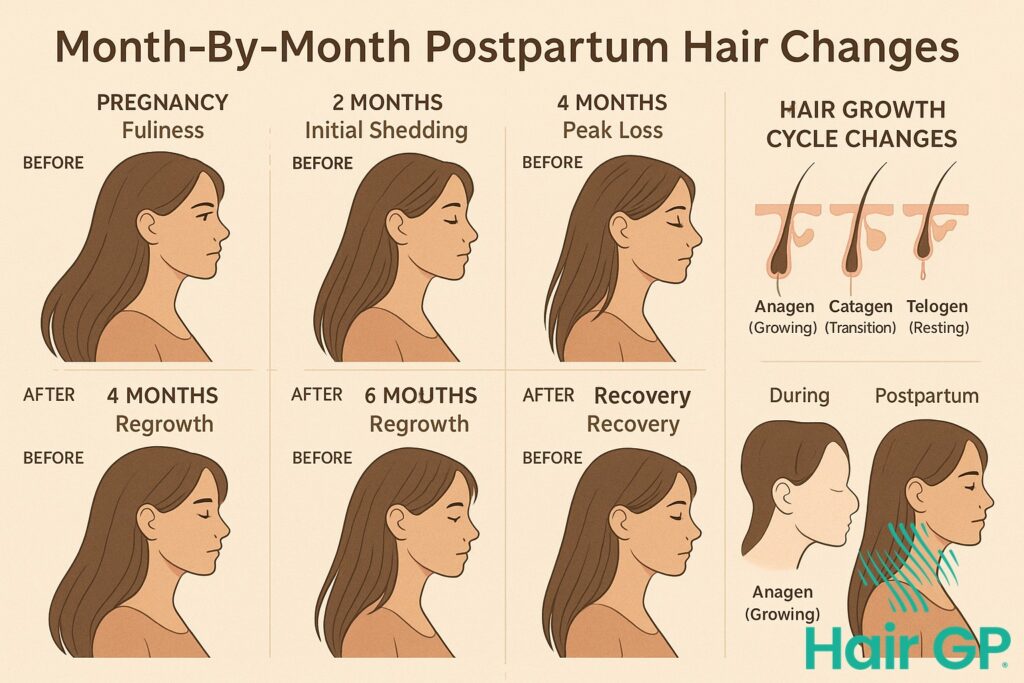
After childbirth, many women experience a phase called telogen effluvium. This is when hair follicles enter a resting phase and shed more than usual. Normally, about 85-90% of hair is growing, and 10-15% is resting. But after pregnancy, hormonal changes cause more hair to shift into the resting phase. This leads to noticeable hair loss, often peaking around three to six months postpartum.
During pregnancy, high levels of estrogen keep more hair in the growing (anagen) phase. This is why many women notice thicker, fuller hair during those nine months. After delivery, estrogen levels drop sharply, and hair that was held in the growing phase quickly enters the resting (telogen) phase.
This process is natural, but the amount of hair lost can feel alarming, especially because it happens all at once.
It’s important to remember that postpartum hair loss is temporary. Most women see their hair return to normal within six to twelve months. However, when recovery is slow or hair loss seems excessive, it may be a sign of other issues, such as vitamin D deficiency.
Some women may notice that their hairline changes shape, especially around the temples or forehead. Hair may also feel thinner at the crown or part line. In rare cases, postpartum hair loss can last longer than a year or cause visible patches of thinning.
If this happens, it’s important to check for nutritional deficiencies or underlying health problems.
The Role Of Vitamin D In Hair Health
Vitamin D is known as the “sunshine vitamin” because our bodies produce it when skin is exposed to sunlight. It helps regulate calcium and phosphorus, which are important for bone health. But vitamin D also affects hair follicles. Research shows that vitamin D helps create new hair follicles and supports the growth cycle of existing ones. Low levels of vitamin D have been linked to hair thinning and even conditions like alopecia.
Vitamin D acts like a messenger in the body. It binds to special receptors in hair follicle cells, telling them when to start new hair growth and how long to keep growing before resting. Without enough vitamin D, these signals can become weak or confused, causing hair to shed before new growth is ready.
During pregnancy and breastfeeding, mothers often spend less time outdoors and may not get enough vitamin D. This increases the risk of deficiency, which can worsen postpartum hair loss.
Another non-obvious point is that vitamin D not only helps with hair growth but may also play a role in scalp health. A healthy scalp is less likely to have irritation, inflammation, or blocked follicles, all of which can slow down hair regrowth.
Vitamin D also has an effect on the immune system, which is important because some hair loss conditions, like alopecia areata, are linked to immune problems.
How Common Is Vitamin D Deficiency After Birth?
Vitamin D deficiency is widespread, especially among new mothers. Studies report that up to 80% of pregnant women have low vitamin D levels. After delivery, demands on the body increase, and many women struggle to restore their vitamin D balance. Factors that contribute to deficiency include:
- Limited sun exposure
- Wearing sunscreen or covering skin
- Darker skin tone (less vitamin D produced)
- Poor diet
- Living in northern regions
A study in the Journal of Clinical Endocrinology found that postpartum women with vitamin D deficiency were more likely to report hair loss and fatigue.
In many countries, vitamin D deficiency is considered a silent epidemic. This is because the symptoms are often mild or mistaken for other conditions. For example, feeling tired, achy, or moody might be blamed on lack of sleep or stress, but in reality, vitamin D levels could be too low.
It’s worth noting that in certain populations, such as those who follow strict vegetarian or vegan diets, vitamin D intake from food sources is often limited. People who cover most of their skin for cultural or religious reasons are also at higher risk.
New mothers may spend more time indoors caring for their babies, which further reduces sun exposure.
Symptoms Of Vitamin D Deficiency
Vitamin D deficiency can affect many parts of the body. Here are some signs to look out for:
- Hair thinning or loss
- Fatigue and low energy
- Muscle weakness
- Bone pain or aches
- Mood changes, such as depression
- Slow wound healing
- Frequent infections
Some of these symptoms may overlap with normal postpartum recovery, so it can be hard to identify. Blood tests are the best way to check vitamin D levels.
It’s important to understand that vitamin D deficiency often shows up in small, subtle ways. For example, some women may notice that their nails become weak, or that their skin feels dry and dull. Others may find they get sick more often, as vitamin D also helps regulate the immune system.
Feeling unusually tired or having muscle aches that don’t improve with rest are also warning signs. Since new mothers are often exhausted, it’s easy to overlook these symptoms or think they’re just part of parenthood. However, if hair loss is combined with these other signs, it’s a good idea to ask your doctor for a blood test.
Understanding The Connection: Vitamin D And Hair Follicles
Hair follicles are tiny structures in the skin where hair grows. Vitamin D plays a role in the hair growth cycle by:
- Activating new hair follicles
- Supporting the anagen phase (growth phase)
- Preventing premature hair follicle death
When vitamin D is low, hair follicles may not work well. This leads to more hair entering the resting phase and shedding. In postpartum women, the drop in hormones combined with low vitamin D creates a “double hit” that increases hair loss.
Recent research suggests that vitamin D may also help reduce inflammation around the hair follicle. Inflammation can cause hair to fall out more quickly and make it harder for new hair to grow. By keeping the scalp healthy and calm, vitamin D makes the environment better for hair regrowth.
Another key detail is that vitamin D is involved in “waking up” dormant hair follicles. Some follicles stop producing hair for a while, but with enough vitamin D, they can start growing again. This is especially helpful for mothers whose hair seems slow to recover after the initial shedding phase.
How To Diagnose Vitamin D Deficiency
If you’re worried about postpartum hair loss and suspect vitamin D deficiency, the first step is to get tested. Doctors recommend a 25-hydroxy vitamin D blood test. Here’s what the results mean:
| Vitamin D Level (ng/mL) | Status |
|---|---|
| <20 | Deficient |
| 20-30 | Insufficient |
| 30-50 | Normal |
| >50 | Optimal |
Doctors usually recommend keeping levels above 30 ng/mL for optimal health, especially for breastfeeding mothers.
If your results show deficiency or insufficiency, your doctor may recommend a specific supplement dose. Sometimes, they may also check your calcium or parathyroid hormone levels to make sure there are no other issues affecting your vitamin D.
It’s important to know that vitamin D levels can change with the seasons. Many people have lower levels during winter or if they live in places with little sunlight. Some doctors may suggest checking your levels more than once to be sure your supplement plan is working.
Recovery Strategies: Postpartum Hair Loss & Vitamin D
Recovering from postpartum hair loss requires a multi-step approach. Vitamin D is a big piece of the puzzle, but it’s not the only one. Here’s how mothers can support hair recovery:
Vitamin D Supplementation
Choosing The Right Vitamin D
There are two main types: vitamin D2 (ergocalciferol) and vitamin D3 (cholecalciferol). Vitamin D3 is more effective at raising blood levels and is usually recommended.
When buying supplements, look for vitamin D3 from a trusted brand. Some products combine vitamin D3 with calcium or magnesium, which can make absorption even better. Liquid drops, capsules, and softgels are all effective—choose what’s easiest to take regularly.
Dosage Guidelines
The recommended daily dose varies. For postpartum women, most experts suggest:
- 600-1000 IU per day (standard)
- Up to 2000 IU per day for deficiency
Some doctors may advise higher doses for severe deficiency, but always follow medical advice.
If you are breastfeeding, your body needs even more vitamin D. Some studies show that 2000 IU per day may be safe and helpful for nursing mothers, but always check with your healthcare provider before increasing your dose.
How To Take Vitamin D
Vitamin D is fat-soluble, so it’s best taken with food containing healthy fats. Common sources include eggs, avocado, and nuts.
Taking your supplement with the largest meal of the day or with a source of oil (like olive oil in a salad) can improve absorption. Some people find they tolerate vitamin D better in the morning, while others prefer taking it at night.
If you miss a dose, just take it the next day—consistency is more important than timing.
Monitoring Progress
After starting supplements, it can take 8-12 weeks to see improvement in blood levels. Retesting is important to avoid overdosing.
You may notice your energy improves before you see changes in your hair. Hair grows slowly, so it may take a few months for new growth to be visible. If you’re still losing hair or feeling tired after 3-4 months, talk to your doctor.
They may check for other deficiencies or adjust your dose.
Food Sources Of Vitamin D
Diet can help increase vitamin D, but it’s hard to get enough from food alone. Here are some rich sources:
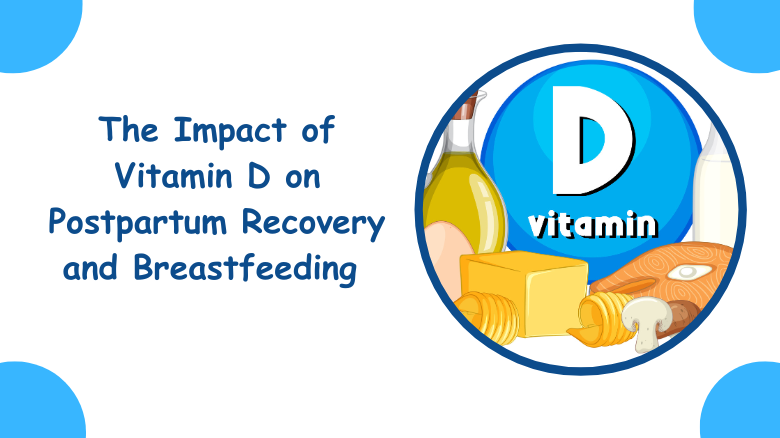
- Fatty fish (salmon, mackerel, sardines)
- Egg yolks
- Fortified milk and cereals
- Mushrooms exposed to sunlight
Here’s a comparison of vitamin D content in common foods:
| Food | Vitamin D per serving (IU) |
|---|---|
| Salmon (3 oz) | 450 |
| Egg yolk (1) | 40 |
| Fortified milk (1 cup) | 120 |
| Mushrooms (½ cup) | 200 |
Some practical tips for adding vitamin D foods to your diet:
- Make an omelette with eggs and vitamin D-rich mushrooms for breakfast.
- Add canned salmon to salads or sandwiches.
- Choose fortified plant-based milks (like soy or almond) if you avoid dairy.
- Snack on sardines or add them to pasta.
Remember, most diets don’t provide enough vitamin D, so use food as a helpful addition, not a replacement for supplements if you are deficient.
Sunlight Exposure
The easiest way to get vitamin D is from sunlight. Spending 10-30 minutes outside several times a week can help. For mothers, even short walks with the baby can boost levels. It’s important to balance sun exposure and skin protection.
Tips For Safe Sun Exposure
- Expose arms and legs (not just face)
- Avoid midday sun to reduce skin damage
- Use sunscreen after 20 minutes
People with darker skin may need more time outdoors to make enough vitamin D.
If you live in a place with long winters, try to get outside on sunny days, even if it’s cold. Standing near a bright window or using a sun lamp can help, but natural sunlight is best. If you can’t get enough sun, supplements become even more important.
Other Key Nutrients For Hair Recovery
While vitamin D is crucial, other nutrients also affect hair health:
- Iron: Low iron can cause hair loss. Check levels and eat iron-rich foods (red meat, beans).
- Protein: Hair is made of protein. Include lean meats, dairy, and legumes.
- Zinc: Supports scalp health. Found in nuts and whole grains.
- Biotin: Helps hair growth. Eggs, nuts, and seeds are good sources.
Balanced nutrition speeds up hair recovery and improves overall well-being.
One common mistake is focusing only on vitamin D, when low iron or protein can also stall hair regrowth. For example, many women lose iron during childbirth and don’t realize their levels are still low months later. Eating a mix of colorful vegetables, whole grains, and lean proteins helps fill nutrient gaps.
It’s also helpful to drink enough water and avoid crash diets. Sudden calorie restrictions can shock the body and slow down hair recovery.
Hormonal Changes And Hair Recovery
After birth, estrogen levels drop quickly. Estrogen protects hair during pregnancy, so its decline is a main cause of postpartum shedding. Vitamin D can help balance hormones, but it doesn’t replace estrogen. Understanding this helps set realistic expectations.
Sometimes, thyroid problems can develop after pregnancy and cause extra hair loss. If your hair is falling out in large amounts or you notice changes in weight, mood, or energy, ask your doctor to check your thyroid along with your vitamin D.
Some women also experience changes in hair texture—hair may become curlier, straighter, or more brittle. These changes are usually temporary and improve as hormones stabilize and vitamin levels return to normal.
Practical Hair Care Tips
While working on internal recovery, mothers can protect their hair with gentle care:
- Use a soft brush to avoid breakage
- Avoid tight hairstyles and harsh treatments
- Wash hair with mild shampoo and conditioner
- Let hair air dry when possible
Some women find that regular scalp massages improve blood flow and encourage growth.
It’s best to avoid frequent heat styling (like blow dryers or straighteners), as this can make hair more fragile. If you must use heat, apply a protective spray and use the lowest setting.
Consider switching to a silk or satin pillowcase. These cause less friction and can reduce breakage. Be patient—hair regrowth is slow, but gentle care can prevent further loss while you recover.

Credit: harshahospitals.co.in
Emotional Impact Of Postpartum Hair Loss
Hair loss can affect self-esteem, especially after pregnancy when emotions are already high. Many mothers feel embarrassed or worry about permanent damage. Talking with friends, family, or a healthcare provider can help.
It’s normal to feel sad or frustrated about hair changes. Remember, you are not alone—millions of mothers experience this. Sharing your story can help others and make you feel less isolated.
Support Groups And Counseling
Support groups for mothers offer a safe space to share concerns. Online forums and local groups can connect women facing similar challenges. Counseling is helpful if hair loss causes anxiety or depression.
Some women find comfort in styling their hair differently, wearing headbands, or trying new haircuts that make thinning less noticeable. If hair loss is causing major stress, professional counseling can provide strategies to cope and build confidence during recovery.
When To See A Doctor
While most postpartum hair loss is normal, some cases need medical attention. Seek advice if:
- Hair loss lasts more than one year
- Hair falls out in patches (possible alopecia areata)
- Other symptoms appear (fatigue, bone pain)
- Family history of hair disorders
A doctor can check for vitamin D deficiency and other causes.
It’s also wise to see a doctor if you notice scalp redness, itching, or sores, as these can signal skin conditions that need treatment.
Credit: hairgp.co.uk
Myths About Postpartum Hair Loss And Vitamin D
Many myths can make recovery harder. Here are some common ones:
- “Hair loss means you’re sick.” Most postpartum shedding is normal and temporary.
- “Supplements work instantly.” It takes weeks to months to see results.
- “Only diet matters.” Sunlight is a major source of vitamin D.
- “Breastfeeding causes hair loss.” Hormones, not breastfeeding, are the main reason.
Another myth is that cutting your hair will stop it from falling out. This isn’t true—shorter hair may make shedding less noticeable, but it doesn’t affect the root cause.
Understanding the facts helps mothers make better decisions.
Real-life Examples: Recovery Stories
Hearing from other mothers can be encouraging. Here are two examples:
Sarah’s Story
Sarah noticed large clumps of hair falling out three months after giving birth. Blood tests showed low vitamin D. After starting supplements and spending more time outdoors, her hair improved in four months. She also ate more fish and eggs.
Sarah said it was hard to stay patient, but taking photos every month helped her see progress. She also joined a local mothers’ group, which provided emotional support and practical tips.
Priya’s Experience
Priya had postpartum hair loss and fatigue. Her doctor recommended a vitamin D3 supplement and iron-rich foods. She also joined a support group, which helped her feel less alone. Her hair started growing back after six months.
Priya learned that stress made her hair loss worse. Meditation and talking to friends helped her stay calm. She realized that recovery takes time, but small steps add up.
Long-term Hair Health After Recovery
Once hair returns to normal, it’s important to keep vitamin D levels healthy. Mothers should continue:
- Taking supplements if needed
- Eating vitamin D-rich foods
- Getting regular sun exposure
- Monitoring hair changes
Even after recovery, low vitamin D can cause hair problems.
If you notice your hair thinning again in the future, check your vitamin D and iron levels. Staying aware of your body’s needs can help prevent new problems before they start.
Comparing Vitamin D Recovery With Other Treatments
Many products claim to help postpartum hair loss. Here’s how vitamin D compares:
| Treatment | Effectiveness | Time to See Results | Side Effects |
|---|---|---|---|
| Vitamin D Supplement | High (if deficient) | 2-4 months | Rare (when taken as advised) |
| Biotin Supplement | Moderate | 2-6 months | Rare |
| Topical Oils | Low to Moderate | 1-3 months | Possible skin irritation |
| Prescription Medication | Varies | 2-6 months | Possible side effects |
Vitamin D is safe and effective for those who are deficient. Other treatments may help, but results are less predictable.
It’s important to remember that no single treatment works for everyone. Combining a healthy diet, good hair care, and medical advice gives the best chance of recovery.
Non-obvious Insights About Vitamin D And Hair Recovery
Most mothers don’t realize two key points:
- Vitamin D works best when combined with other nutrients. For example, iron deficiency can block hair recovery even if vitamin D improves.
- Genetics play a role. Some women are more sensitive to vitamin D levels. If hair loss is severe, family history may be involved.
It’s also important to know that vitamin D can affect mood and sleep, which indirectly helps hair recovery by reducing stress.
Another useful tip: vitamin D is not only important for mothers. Babies also need enough vitamin D for healthy bones and immune systems. If you are breastfeeding, your doctor may suggest giving your baby a vitamin D supplement.
Preventing Vitamin D Deficiency In Future Pregnancies
Women who plan more children can avoid future problems by:
- Checking vitamin D levels before pregnancy
- Taking prenatal vitamins with vitamin D
- Eating a balanced diet
- Spending regular time outdoors
These steps reduce the risk of postpartum hair loss and support overall health.
Preparing early also means you’ll have more energy and feel better during your next pregnancy. It’s easier to keep vitamin D levels healthy than to catch up after deficiency has started.
Credit: harshahospitals.co.in
Frequently Asked Questions
What Is The Best Way To Check Vitamin D Levels?
The most reliable method is a 25-hydroxy vitamin D blood test. Your doctor will interpret the results and suggest the right treatment. Home testing kits are available, but lab tests are more accurate.
Can Vitamin D Supplements Cause Side Effects?
When taken as advised, vitamin D is safe. Side effects are rare but can include nausea, constipation, or high calcium levels if you take too much. Always follow your doctor’s instructions.
How Long Does It Take For Hair To Recover After Correcting Vitamin D Deficiency?
Most women see improvement in 2-4 months. Full recovery may take up to a year. Results depend on how low your vitamin D was and if other factors (like iron deficiency) are also present.
Are There Natural Ways To Boost Vitamin D Without Supplements?
Yes. Spending time in sunlight, eating vitamin D-rich foods, and staying active can help. In northern regions or during winter, supplements may be necessary.
Is Postpartum Hair Loss Always Linked To Vitamin D Deficiency?
No. Hormonal changes are the main cause. Vitamin D deficiency can make it worse, but not all cases are linked. Checking your vitamin D level is important if hair loss is prolonged or severe.
Postpartum hair loss can be stressful, but understanding the role of vitamin D gives mothers new tools for recovery. By combining supplements, healthy eating, and gentle hair care, women can regain their confidence and enjoy their journey into motherhood. For more details on vitamin D and its effects, visit NIH Office of Dietary Supplements. Remember, every mother’s experience is unique. With the right knowledge and support, hair recovery is possible.