

If you have low porosity hair, you know the struggle: products sit on your strands, water beads off, and moisture never seems to get in. Your hair may look shiny but feels dry and stiff. Many people try popular hair masks, but they often don’t work for low porosity hair because the ingredients can’t penetrate the tight cuticles. The result? Wasted effort and frustration.
But there’s good news. With the right DIY hair masks, you can help your hair absorb moisture, improve softness, and boost shine—all from the comfort of your home. This guide is for anyone who wants to learn how to care for low porosity hair with homemade masks that actually work. You’ll find recipes, science-backed tips, practical advice, and real-life examples. Whether you’re new to hair care or have tried everything, you’ll discover new strategies that make a difference.
Understanding Low Porosity Hair
Low porosity hair has tightly closed cuticles. Imagine shingles on a roof that are pressed down, making it hard for water and products to slip in. This hair type is common in people with straight or wavy textures but can appear in all races and ages.
Low porosity is not always genetic—sometimes, it develops from using the wrong products or heat. People with this hair type often find it difficult to keep their strands moisturized, which can be confusing since the hair looks healthy and shiny from the outside.
Signs Of Low Porosity Hair
- Water sits on the hair instead of soaking in
- Products build up easily, making hair feel greasy
- Hair takes a long time to dry
- Hair feels stiff or straw-like despite being shiny
- Protein treatments make hair brittle
Sometimes, you may also notice that your hair doesn’t respond well to deep conditioners or creams that work for others. You might try layering products, but instead of softness, your hair feels weighed down. If you’ve ever noticed tiny white beads of water rolling down your hair in the shower, that’s a classic low porosity sign.
Why Porosity Matters
Porosity affects how your hair absorbs and retains moisture. If your cuticles are tightly shut, most oils and creams will sit on top and rinse away. That’s why understanding porosity is key to choosing the best hair masks and treatments.
For example, a heavy butter that works for someone with high porosity hair can leave your hair greasy and dull. Knowing your porosity saves you money and time, letting you focus on what works.
Another reason porosity matters: it influences how your hair responds to weather, color, and styling. Low porosity hair tends to resist chemical treatments, and it can also frizz easily in humid weather because moisture can’t get in or out quickly.
The Science Behind Penetration
For a mask to work, its ingredients must be small enough to get inside the hair shaft. Some oils, like coconut oil, can penetrate, but others, like castor oil, stay on the surface. Heat can also help open cuticles slightly, making it easier for masks to work.
This is why you might notice that a mask feels great when you first put it on, but after rinsing, your hair is dry again. Without penetration, the benefits are only temporary. Using warm water or gentle heat isn’t just a myth—it’s a science-backed way to help active ingredients slip past your hair’s natural barrier.
Ingredients That Penetrate Low Porosity Hair
Choosing the right ingredients is half the battle. Here are some proven options:
- Aloe vera gel – Moisturizes and is lightweight.
- Honey – Natural humectant; draws moisture in.
- Coconut oil – Small molecular size; penetrates well.
- Jojoba oil – Closest to natural scalp oils.
- Apple cider vinegar – Balances pH, removes buildup.
- Glycerin – Attracts water, keeps hair hydrated.
- Avocado – Rich in vitamins, helps soften cuticle.
- Green tea – Antioxidants, boosts shine.
- Yogurt – Adds moisture without protein overload.
- Banana – Softens, adds slip.
Each ingredient brings unique benefits. For example, aloe vera is light and soothing, while glycerin grabs water from the air and brings it to your hair. Avocado is packed with nutrients like vitamin E and B vitamins, which help repair and soften.
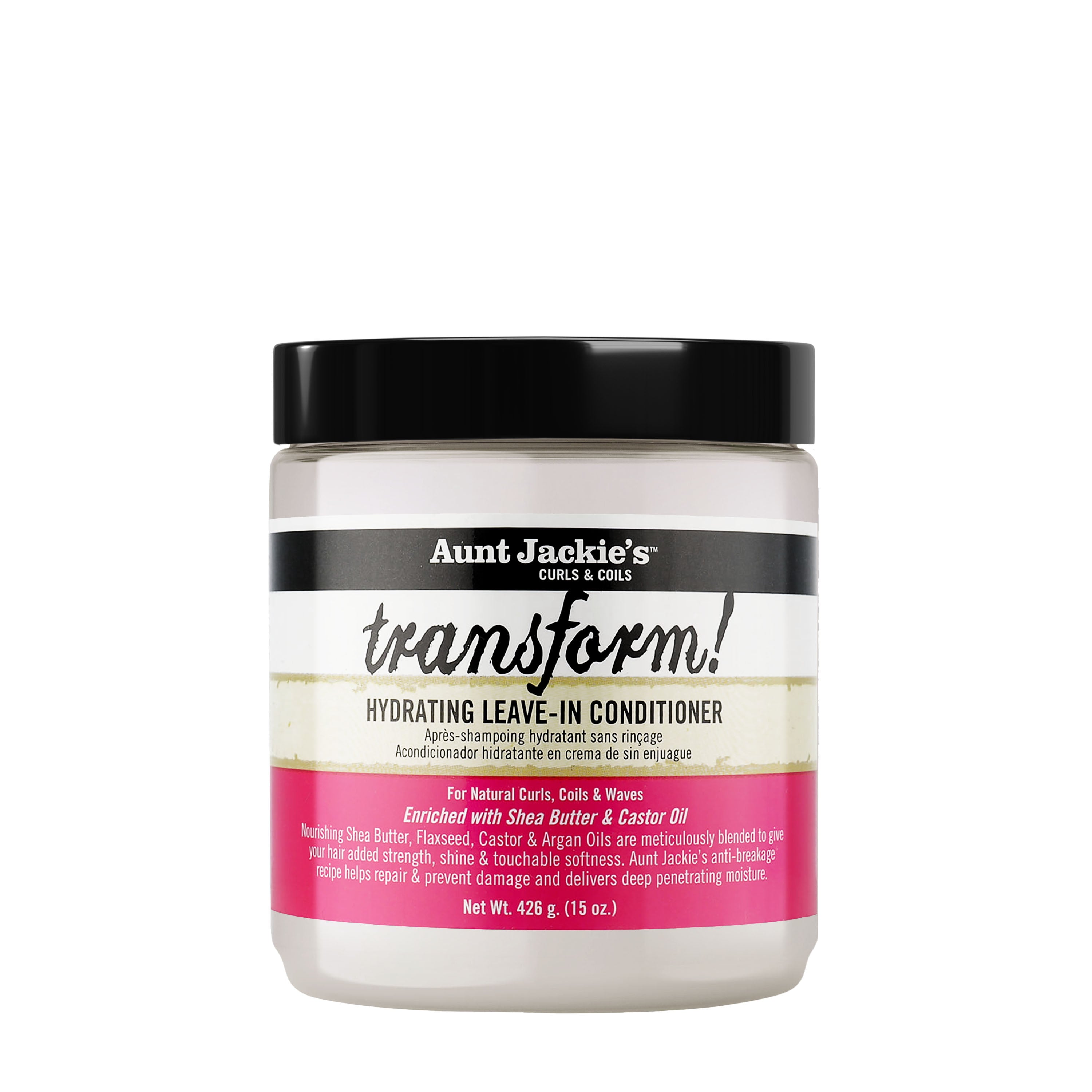
Avoid heavy butters and thick oils (like shea butter or castor oil), as these can weigh down low porosity hair and worsen buildup. Even if you see these ingredients in popular masks online, remember your hair’s needs are different. Shea butter, for instance, forms a thick coating that can block out moisture instead of helping it enter.
How To Prep Hair For Maximum Absorption
Before applying a mask, prepping your hair can make a big difference. Here’s how:
- Clarify: Use a gentle clarifying shampoo to remove product buildup. This helps the mask reach your hair, not just sit on residue.
- Many people skip this step, but it’s essential. Even natural oils from your scalp can block mask absorption. Clarifying once a month (or before a mask) gives your hair a fresh start.
- Warm Water Rinse: Rinse hair with warm water to help open the cuticles slightly.
- Warm water is simple, but it can make a big difference. Cold water closes cuticles, while warm water relaxes them just enough to let ingredients in.
- Towel Dry: Apply masks to damp—not soaking wet—hair. Damp hair absorbs better.
- Waterlogged hair dilutes the mask, but dry hair won’t let anything in. Aim for hair that’s towel-dried but still moist.
- Heat: For extra penetration, use a shower cap or wrap your head in a warm towel after applying the mask. Heat is your friend!
- A warm towel or hooded dryer is easy to use at home and boosts results. Even standing in a steamy bathroom can help.
Bonus Tip: Section your hair before applying the mask. Small sections ensure every strand is coated, which is especially important for thick or long hair.
Diy Hair Masks For Low Porosity Hair
Now, let’s dive into recipes that truly work. Each mask focuses on lightweight, penetrating ingredients, and includes tips for use. These masks are easy to make, use fresh ingredients, and avoid harsh chemicals.
1. Aloe Vera & Honey Hydration Mask
Ingredients:
- 2 tablespoons pure aloe vera gel
- 1 tablespoon raw honey
- 1 tablespoon coconut oil
Instructions:
- Mix all ingredients in a bowl until smooth.
- Apply to damp hair, focusing on the ends.
- Cover with a shower cap and let sit for 30–40 minutes.
- Rinse with warm water and a mild shampoo.
Benefits: Aloe vera and honey are light, so they won’t weigh down hair. Coconut oil penetrates deeply, giving lasting hydration.
Tip: For extra absorption, use a hooded dryer or wrap your hair in a warm towel.
Extra Insight: If your hair is very dry, add a teaspoon of glycerin for a humidity boost. For sensitive scalps, use manuka honey, which is soothing.
2. Avocado & Jojoba Oil Softening Mask
Ingredients:
- 1 ripe avocado
- 2 teaspoons jojoba oil
- 1 teaspoon glycerin
Instructions:
- Mash avocado until smooth.
- Mix in jojoba oil and glycerin.
- Apply evenly to damp hair.
- Leave on for 30 minutes under a shower cap.
- Rinse thoroughly.
Benefits: Avocado’s vitamins soften the cuticle. Jojoba and glycerin help lock in moisture.
Tip: If you have a blender, use it for a smoother texture—avoids bits stuck in hair.
Extra Insight: For extra slip, add a teaspoon of aloe gel. This makes it easier to detangle while the mask is on.
3. Apple Cider Vinegar Shine Mask
Ingredients:
- 2 tablespoons apple cider vinegar
- 3 tablespoons water
- 1 tablespoon honey
Instructions:
- Mix vinegar, water, and honey.
- Pour mixture over damp hair, massage in.
- Leave for 15 minutes.
- Rinse with cool water.
Benefits: ACV removes buildup, closes cuticles for shine. Honey adds softness.
Tip: Don’t overdo the vinegar—too much can dry hair.
Extra Insight: If your hair feels dry after this mask, follow with a light aloe or glycerin spray for extra moisture.
4. Yogurt & Banana Moisture Mask
Ingredients:
- 1/2 cup plain yogurt
- 1 ripe banana
- 1 tablespoon coconut oil
Instructions:
- Blend banana and yogurt until creamy.
- Mix in coconut oil.
- Apply to damp hair, avoid roots if oily.
- Cover for 30 minutes.
- Rinse well.
Benefits: Yogurt hydrates without protein overload. Banana adds slip, making detangling easier.
Tip: Use ripe bananas for easier blending and better results.
Extra Insight: If you have fine hair, use less coconut oil to prevent greasiness.
5. Green Tea & Glycerin Strengthening Mask
Ingredients:
- 1 cup brewed green tea (cooled)
- 2 teaspoons glycerin
- 1 teaspoon jojoba oil
Instructions:
- Mix all ingredients.
- Pour over damp hair, gently massage.
- Leave for 20–30 minutes.
- Rinse with cool water.
Benefits: Green tea boosts shine and antioxidants. Glycerin keeps hair hydrated.
Tip: This mask is perfect for summer—it’s lightweight and refreshing.
Extra Insight: For scalp health, add a few drops of tea tree oil (optional), but always patch test.
6. Lightweight Oil Blend Penetrating Mask
Ingredients:
- 1 tablespoon coconut oil
- 1 tablespoon jojoba oil
- 1 teaspoon olive oil
Instructions:
- Mix oils in a bowl.
- Warm gently (microwave for 10–15 seconds).
- Apply to damp hair, focusing on ends.
- Wrap with a warm towel for 30 minutes.
- Shampoo out.
Benefits: The blend is light, penetrates well, and avoids buildup.
Tip: Always warm oils slightly before use to help cuticle absorption.
Extra Insight: Use less oil if your hair is fine or gets oily quickly.
7. Honey & Aloe Detangling Mask
Ingredients:
- 2 tablespoons aloe vera gel
- 1 tablespoon honey
- 1 teaspoon glycerin
Instructions:
- Mix all ingredients until smooth.
- Apply to damp hair.
- Leave for 25 minutes, then rinse.
Benefits: Makes hair slippery for easy detangling. Honey hydrates without heaviness.
Tip: Use a wide-tooth comb for gentle detangling after rinsing.
Extra Insight: Add a drop of lavender oil for a calming scent and extra scalp care.
8. Rice Water & Green Tea Growth Mask
Ingredients:
- 1/2 cup rice water
- 1/2 cup green tea (cooled)
- 1 teaspoon jojoba oil
Instructions:
- Mix rice water and green tea.
- Add jojoba oil, stir well.
- Pour over damp hair, massage in.
- Let sit for 20–30 minutes.
- Rinse out.
Benefits: Rice water adds shine and strength. Green tea supports scalp health.
Tip: Don’t use too often—rice water can overload protein-sensitive hair.
Extra Insight: Use this mask no more than once every two weeks to avoid stiffness.
9. Avocado & Coconut Cream Mask
Ingredients:
- 1 ripe avocado
- 2 tablespoons coconut cream
- 1 teaspoon olive oil
Instructions:
- Blend avocado and coconut cream until smooth.
- Stir in olive oil.
- Apply to hair, leave for 30–40 minutes.
- Rinse well.
Benefits: Deep moisture, softens cuticles, boosts shine.
Tip: Great for weekly use if hair feels rough.
Extra Insight: If your hair is thick, divide into sections for even application.
10. Aloe Vera & Apple Cider Clarifying Mask
Ingredients:
- 3 tablespoons aloe vera gel
- 1 tablespoon apple cider vinegar
- 2 tablespoons water
Instructions:
- Mix ingredients.
- Apply to scalp and hair.
- Leave for 15–20 minutes.
- Rinse thoroughly.
Benefits: Removes buildup, refreshes scalp, keeps hair soft.
Tip: Use monthly to avoid over-clarifying.
Extra Insight: For extra shine, finish with a cool rinse.
How Often Should You Use Hair Masks?
Low porosity hair needs balance. Over-masking can cause buildup; under-masking leads to dryness. Most experts recommend:
- Once a week for deep hydration masks.
- Every two weeks for clarifying masks with vinegar or yogurt.
- Adjust frequency based on how your hair feels.
If hair starts to feel sticky or heavy, reduce mask use or clarify more often.
Extra Insight: Seasonal changes matter. In winter, you may need more hydration. In summer, less frequent masking can be enough if your hair gets oily.
Common Mistakes With Low Porosity Hair Masks
Many people make mistakes that reduce the effectiveness of DIY masks. Avoid these traps:
- Using heavy oils or butters: These will coat the hair and block moisture.
- Skipping heat: Heat helps masks penetrate; don’t skip this step.
- Applying to dry hair: Damp hair absorbs better.
- Not clarifying regularly: Buildup prevents mask absorption.
- Leaving masks on too long: Longer isn’t always better; over-conditioning can lead to limp hair.
Extra Insight: Rinsing with very cold water right after a mask can lock in moisture, but make sure the mask is fully washed out first.
Credit: www.auntjackiescurlsandcoils.com
Comparing Penetrating Ingredients: Data Table
The right ingredients matter for low porosity hair. Here’s a comparison of common oils and their penetration ability:
| Ingredient | Penetration Ability | Recommended For Low Porosity? |
|---|---|---|
| Coconut Oil | High | Yes |
| Jojoba Oil | Medium | Yes |
| Olive Oil | Medium | Yes |
| Castor Oil | Low | No |
| Shea Butter | Low | No |
Extra Insight: Many people try castor oil for growth, but on low porosity hair, it can cause more harm than good by blocking moisture. Lightweight oils let you use less product with better results.
How Diy Masks Compare To Store-bought Options
Many store-bought masks are made for high porosity hair. They contain heavier ingredients and proteins that can overload low porosity strands. Here’s a side-by-side look:
| Type | Main Ingredients | Effectiveness for Low Porosity | Cost |
|---|---|---|---|
| DIY Mask | Light oils, aloe, honey | High | Low |
| Store-Bought Mask | Heavy butters, proteins | Low to Medium | Medium to High |
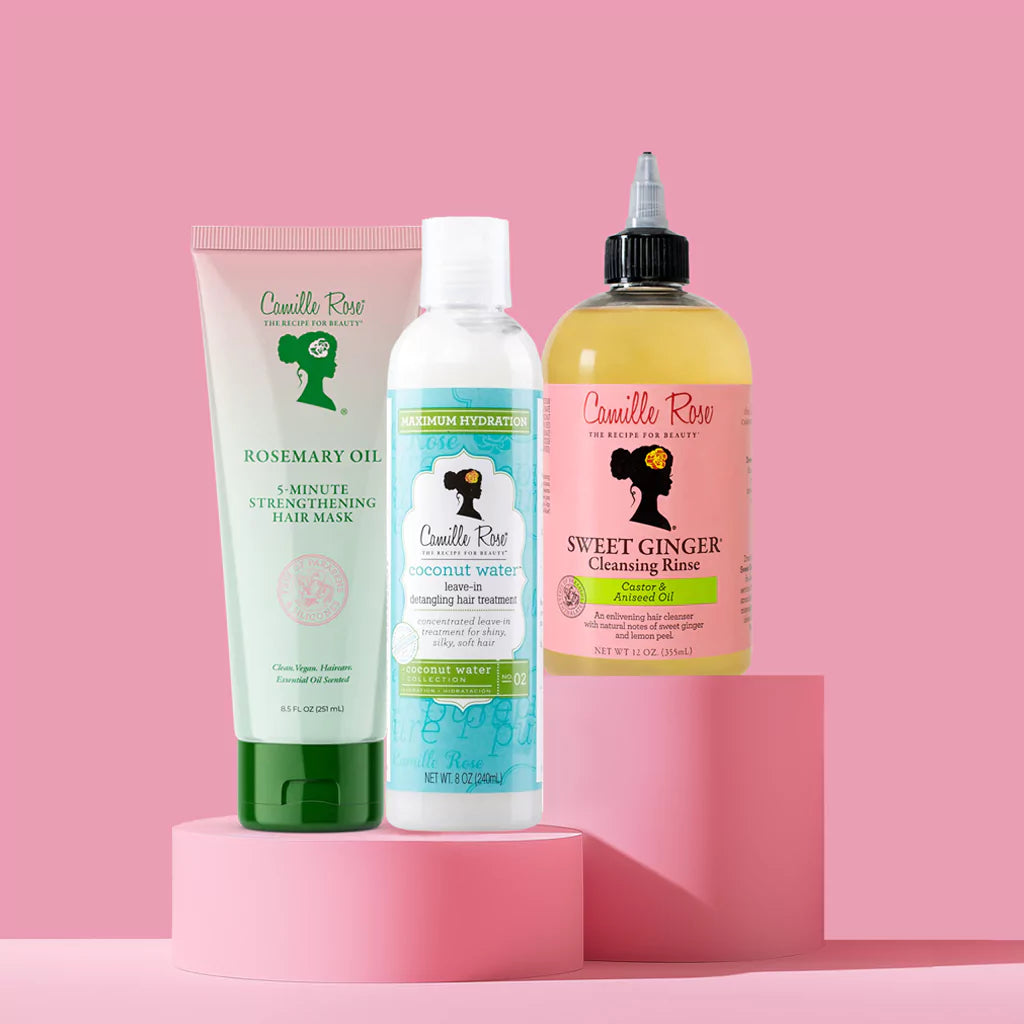
Extra Insight: DIY masks let you avoid common allergens and adjust recipes instantly. If you prefer buying, choose products labeled “lightweight” and “protein-free.”
Step-by-step Guide To Applying Masks For Best Results
How you apply a mask is as important as what’s in it. Follow these steps for maximum benefits:
- Clarify Hair: Use a sulfate-free clarifying shampoo to remove old products.
- Rinse with Warm Water: This opens the cuticle, prepping your hair.
- Apply Mask: Use fingers or a brush to distribute evenly, focusing on ends and mid-lengths.
- Cover Hair: Use a shower cap or plastic wrap.
- Add Heat: Use a hooded dryer, heating cap, or wrap a warm towel around your head.
- Wait: Leave mask on for 20–40 minutes depending on the recipe.
- Rinse Thoroughly: Use cool water to close cuticles and lock in moisture.
- Dry Gently: Air dry or use a microfiber towel to avoid friction.
Extra Insight: For long or thick hair, detangle with your fingers before applying the mask. This ensures even coverage and less breakage during rinsing.
Real-life Examples: Results You Can Expect
When used correctly, DIY masks can transform low porosity hair. Here are some real results from people who switched to lightweight, penetrating masks:
- Sofia (age 24): Her hair felt dry and brittle despite using expensive products. After three weeks of weekly aloe and honey masks, her hair became softer, detangled easily, and looked shinier.
- Ravi (age 31): He had constant buildup and dull hair. Using apple cider vinegar masks monthly, his hair started to feel lighter and less greasy. He noticed a 30% reduction in drying time.
- Maya (age 26): She struggled with breakage. Adding avocado and jojoba oil masks once a week, her hair became stronger, and breakage reduced after two months.
Extra Insight: Many people expect instant results, but real change happens with consistent use. Track your progress with photos or a hair diary.
Credit: toneop.care
Practical Tips For Success
Here are some expert strategies that beginners often miss:
- Test for allergies: Always do a patch test before using a new ingredient, especially if you have sensitive skin.
- Mix small batches: DIY masks don’t contain preservatives. Make enough for one use to avoid spoilage.
- Adjust recipes: If hair feels greasy, reduce oil. If hair feels dry, add more honey or aloe.
- Focus on ends: Ends are driest and need the most attention.
- Don’t rush rinsing: Take extra time to rinse masks out fully, especially those with avocado or banana.
Extra Insight: Use a satin pillowcase or bonnet at night to help retain the benefits of your mask and avoid dryness.
Ingredient Safety: What You Should Know
All the ingredients listed are generally safe, but there are a few things to watch out for:
- Apple cider vinegar: Can irritate sensitive skin or eyes; dilute well.
- Honey: Rarely, some people have allergies.
- Glycerin: Use only in humid weather; can dry hair in low humidity.
- Coconut oil: May cause breakouts if it touches skin; keep away from face.
Extra Insight: If you experience itching or redness, rinse immediately and avoid the ingredient in the future.
Storing Diy Hair Masks
DIY masks are freshest when used immediately. If you must store, follow these rules:
- Use airtight containers.
- Keep in the refrigerator.
- Use within 48 hours.
- Discard if smell or texture changes.
Extra Insight: Masks with fresh fruit or dairy spoil fastest—when in doubt, make it fresh.
How Porosity Changes Over Time
Hair porosity can change with age, health, or damage. For example, using heat tools or coloring hair can raise porosity. If your hair starts to absorb masks too quickly or feels mushy, you may need to adjust recipes or try new ones.
Extra Insight: After a big life change (like pregnancy or illness), check your hair’s response to masks. You might need to switch your routine.
Credit: www.camillerose.com
The Role Of Humidity
Humidity affects how masks work. In dry weather, use more humectants like honey and glycerin. In humid weather, reduce glycerin to avoid sticky hair.
Extra Insight: If your area is very dry, you can mist your hair with distilled water before masking for extra moisture.
Data Table: Mask Frequency Vs. Results
How often you use masks affects your results. Here’s a look at frequency and expected outcomes:
| Mask Frequency | Expected Results | Risks |
|---|---|---|
| Weekly | Improved moisture, softness | Buildup if not clarified |
| Bi-weekly | Balanced hydration | Minimal risks |
| Monthly | Basic maintenance | Dryness, slow improvement |
Extra Insight: If you use styling products daily, clarify more often to prevent buildup.
How To Identify If Your Mask Is Working
After using a mask, check these signs:
- Hair feels softer and less stiff
- Easier to detangle
- Looks shinier and less dull
- Dries faster after washing (means less buildup)
- No sticky or greasy feeling
If you don’t see improvement after 3–4 uses, change ingredients or clarify hair more often.
Extra Insight: Hair health can change with the seasons—what works in winter may need adjusting in summer.
When To Seek Professional Help
If your hair continues to resist moisture or breaks easily, a professional can help analyze your hair and suggest treatments. Sometimes, underlying health issues or incorrect hair routines are the cause.
Extra Insight: A trichologist (hair specialist) can do a porosity test and recommend targeted treatments.
Expert Insight: Why Diy Masks Are Effective
According to trichologists, DIY masks work well for low porosity hair because you control the ingredients. You can avoid heavy butters and proteins, tailor recipes, and ensure freshness. Studies show coconut oil penetrates hair shafts better than most commercial products (NIH Research).
Extra Insight: DIY masks avoid fillers, silicones, and preservatives that sometimes block moisture in commercial masks.
Frequently Asked Questions
What Is Low Porosity Hair?
Low porosity hair has tightly closed cuticles, making it hard for moisture and products to penetrate. It often looks shiny but feels dry and stiff.
How Do I Know If A Mask Is Right For My Hair?
If your hair feels softer, detangles easily, and looks shinier after using a mask, it’s a good fit. Avoid masks that leave hair greasy or sticky.
Can I Use Protein Masks On Low Porosity Hair?
Protein masks can make low porosity hair brittle. Use them sparingly and focus on hydration masks instead.
How Long Should I Leave A Diy Mask On?
Most masks work best in 20–40 minutes. Leaving them longer can cause buildup and limp hair.
Are Diy Masks Safe For Colored Or Treated Hair?
Yes, but always patch test and avoid harsh ingredients. DIY masks are often gentler than store-bought options.
Low porosity hair doesn’t have to be a mystery. With the right DIY hair masks, you can unlock shine, softness, and manageability. Remember to use lightweight, penetrating ingredients, prep your hair, and apply masks with heat. Avoid heavy oils and clarify regularly. Start with the recipes above and adjust as your hair changes. In a few weeks, you’ll notice real improvements—softer strands, easier styling, and healthier hair. If you need more guidance, check out resources like NaturallyCurly for expert advice. Your journey to beautiful, low porosity hair starts now.