

Stopping Birth Control Hair Loss: The Hormonal Rebound Effect
Many people worry when their hair starts falling out after stopping birth control pills. It feels strange—maybe you never had hair problems before, but now you notice extra strands in your brush or on your pillow. Is it normal? Will it stop?
What can you do about it? These questions are common, and the answers are not always simple.
Birth control pills affect your hormones. When you stop, your body changes again. This sudden shift sometimes causes more hair to fall out—a process called the hormonal rebound effect. This article explains why this happens, how long it lasts, and what you can do to protect your hair during this time. You’ll learn what’s normal, what is not, and how to feel in control again.
Understanding Hair Growth And Hair Loss
Hair goes through a natural cycle. Knowing this cycle helps you see why some hair loss is normal and when it becomes a problem. If you understand how hair grows, you can spot changes more easily and avoid panic.
The Three Phases Of Hair Growth
- Anagen (Growth phase): Most hair on your head is in this phase. It lasts 2 to 6 years. Hair grows about half an inch (1.25 cm) per month. This is the phase where your hair gets longer and healthier. If you notice your hair stops growing, it may be stuck in a different phase.
- Catagen (Transition phase): This short phase (about 2 weeks) is when hair stops growing and prepares to shed. Only a small percentage of hair is in this stage at any time.
- Telogen (Resting phase): Hair rests for about 2-3 months, then falls out and new hair begins to grow. After this, the cycle starts again.
At any time, about 85%-90% of your hair is in the anagen phase, and the rest is in catagen or telogen. Sometimes, a big change like stopping birth control can push more hairs into the telogen phase at once, leading to noticeable shedding.
Example: Why Some Hair Loss Is Normal
Every day, you might see hair in your brush or shower. This is usually just telogen hairs shedding. If you see more than usual, especially after a life change, it could be telogen effluvium.
Normal Vs. Excessive Hair Loss
Most people lose 50–100 hairs per day. Losing more than this—especially in clumps, or seeing bald patches—can mean something else is going on.
After a big change, like stopping birth control, some people experience telogen effluvium. This is a temporary increase in hair shedding. It can be scary, but it usually gets better with time.
Non-obvious Insight: Pay Attention To The Pattern Of Hair Loss. If Hair Falls Out Evenly Over Your Scalp, It’s Usually Temporary. If Patches Appear, It Could Be Something Else, Like Alopecia Areata.
Common Mistake: Sometimes People Panic At Normal Shedding And Use Harsh Treatments, Which Can Make Things Worse.
How Birth Control Pills Affect Your Hair
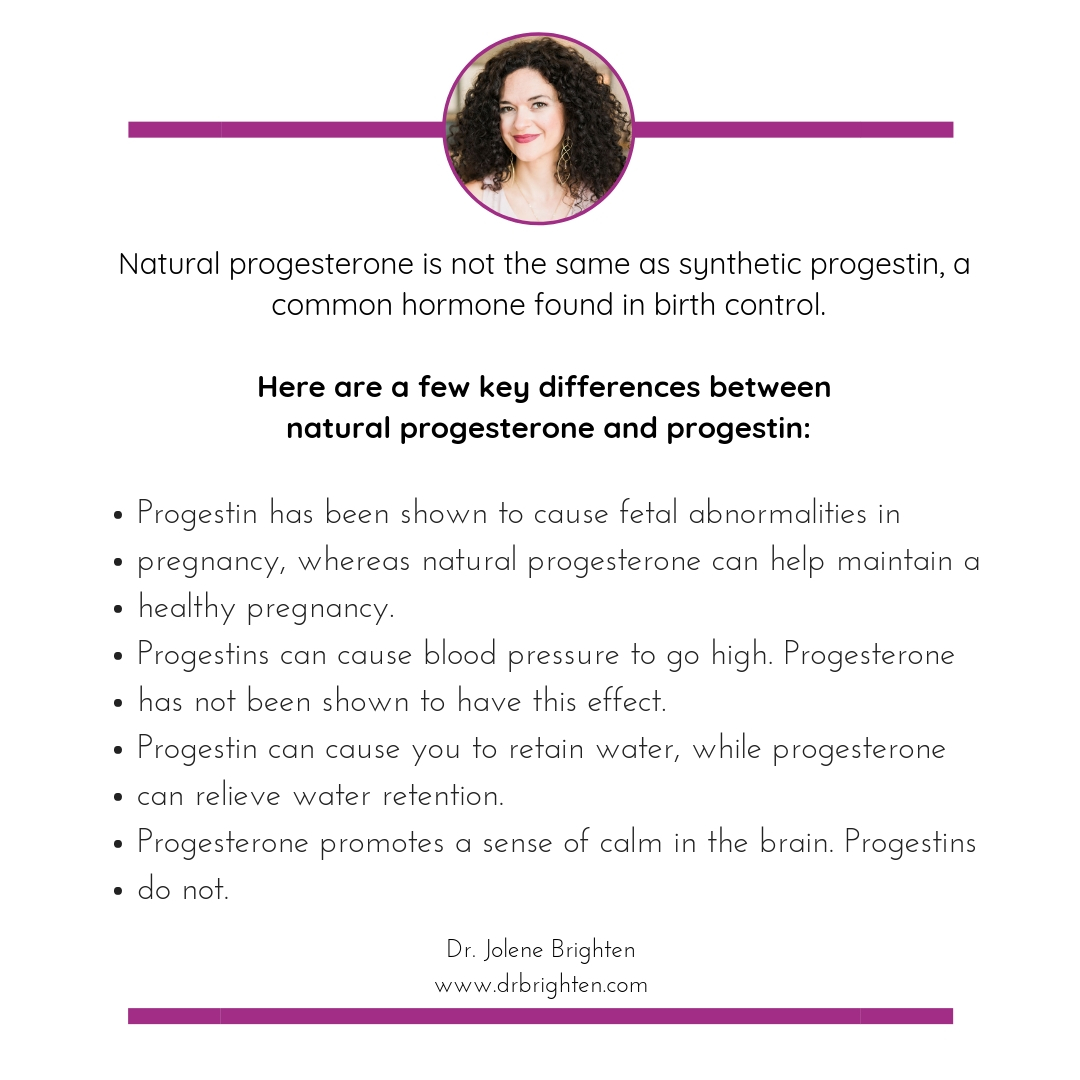
Birth control pills contain synthetic hormones—usually estrogen and progestin. These hormones affect your whole body, including your hair.
Birth Control And Hair Growth
Some birth control pills help with hair problems. They lower a hormone called androgen, which can cause hair thinning or acne. Pills that lower androgen can make hair thicker for some women.
If you had issues like acne or unwanted facial hair before the pill, you might notice improvement while taking it. This is because androgens also affect skin and hair follicles. For some women, the pill acts almost like a beauty treatment for their hair.
Example: A Woman With Pcos Starts A Pill That Lowers Androgen. Her Scalp Hair Becomes Thicker, And Facial Hair Decreases. If She Stops The Pill, These Benefits Can Fade.
Stopping Birth Control: The Rebound Effect
When you stop taking the pill, your natural hormones return. This sudden shift can confuse your hair follicles. More hairs move from the growth phase to the resting phase. A few months later, you may notice more hair falling out. This is the hormonal rebound effect.
Why Does This Happen?
- Sudden drop in estrogen: Birth control pills keep estrogen levels steady. Stopping the pill causes estrogen to drop, which triggers hair to enter the resting phase.
- Androgen rebound: Some women have higher natural androgen levels. Without the pill, these hormones may rise again, causing hair to thin.
- Body readjustment: Your body needs time to balance its own hormones again.
Non-obvious Insight: The Pill May Have Masked An Underlying Hair Loss Problem. When You Stop, You Might See The Real Issue Reappear.
Practical Tip: If You Plan To Stop Birth Control And Have A Family History Of Hair Loss, Talk To Your Doctor First. They May Suggest Blood Tests Or A Gradual Switch To Another Method.

Credit: www.reddit.com
The Hormonal Rebound Effect Explained
The hormonal rebound effect is when your body reacts to stopping synthetic hormones. It’s like your hair “catches up” on shedding hair it held onto during the time you were on the pill.
Timeline Of Hair Shedding
The shedding usually starts 2–4 months after you stop the pill. It can last another 3–6 months. For most people, the hair cycle returns to normal after this period.
Here’s a look at how the rebound effect compares to other types of hair loss:
| Type of Hair Loss | Main Cause | Onset | Duration | Recovery |
|---|---|---|---|---|
| Hormonal Rebound (post-pill) | Stopping birth control | 2–4 months after stopping | 3–6 months | Usually full recovery |
| Androgenetic alopecia | Genetics, androgens | Gradual | Ongoing | Progressive, needs treatment |
| Telogen Effluvium (other causes) | Stress, illness, diet | 2–3 months after trigger | 3–6 months | Usually full recovery |
Example: After Stopping Birth Control, You Notice Extra Hair Loss After Three Months. It Peaks In Month Four, Then Slows Down By Month Six.
Is Rebound Hair Loss Permanent?
Most of the time, this hair loss is temporary. Your hair should return to normal as your hormones balance. But if you had hair thinning before using the pill, it may come back.
Non-obvious Insight: Hair May Grow Back With A Different Texture Or Thickness. Sometimes, New Hair Feels Softer Or Finer, Which Is Normal.
Who Is Most At Risk?
Not everyone will lose hair after stopping birth control. Some groups are more likely to notice shedding.
Higher Risk Factors
- Genetic tendency: If hair thinning runs in your family, you may notice more hair loss.
- Long-term pill use: The longer you used birth control, the more your body gets used to the hormones.
- Past hair loss: If you had hair loss before starting the pill, it may return.
- Polycystic Ovary Syndrome (PCOS): Women with PCOS often have higher androgen levels, which can trigger hair thinning.
Example: If Your Mother Or Grandmother Had Thinning Hair, You May Be More Sensitive To Hormonal Changes.
Lower Risk Factors
- Short-term pill use: Less than a year of use may cause less disruption.
- No family history: If hair thinning is not common in your family, you are less likely to notice big changes.
Practical Tip: If You Have Low Risk Factors But Still Notice Hair Loss, Look For Other Causes Like Stress, Nutrition, Or Illness.
Recognizing Hair Loss: Signs And Symptoms
It helps to know what is normal and what is not. Here’s what to watch for.
Common Symptoms
- More hair on your brush, pillow, or shower drain
- Thinner ponytail
- Hair feels less full or “flat”
- Scalp is more visible in some areas
Example: You Notice Your Ponytail Is Half Its Usual Thickness After Stopping The Pill.
When To See A Doctor
- Hair loss is sudden or severe
- You see bald patches or circular areas without hair
- It’s been longer than 6 months and not improving
- You also feel tired, unwell, or have other symptoms (like weight changes)
Non-obvious Insight: If You Notice Eyebrow Or Eyelash Thinning, It Could Signal A Broader Health Problem.
How To Stop Birth Control Hair Loss
There is no magic cure, but you can take steps to reduce hair loss and speed up recovery.
1. Support Your Body’s Hormone Balance
- Eat a balanced diet with plenty of protein, iron, zinc, and vitamin D
- Get enough sleep (7–9 hours per night)
- Reduce stress with activities like walking, yoga, or meditation
- Avoid crash diets or sudden weight changes
Example: Add Eggs, Fish, Beans, And Spinach To Your Meals For Protein And Iron.
Practical Tip: Chronic Stress Can Increase Shedding. Try To Build Stress-reducing Habits Before Stopping Birth Control.
2. Use Gentle Hair Care
- Avoid tight hairstyles (like ponytails or braids)
- Use a wide-tooth comb to avoid pulling hair
- Limit heat styling, coloring, or chemical treatments
- Choose gentle, sulfate-free shampoos
Example: If You Color Your Hair, Use A Moisturizing Mask Once A Week.
3. Consider Topical Treatments
Some treatments can help support hair regrowth, but results vary.
- Minoxidil: This is a topical treatment proven to help some types of hair loss. It is available over the counter.
- Caffeine shampoos: Some people find these helpful, but research is limited.
- Natural oils: Coconut, castor, or argan oil can help moisturize the scalp, though they do not speed up regrowth.
Practical Tip: Minoxidil May Cause Shedding At First. This Is Normal And Usually Means The Treatment Is Working.
4. Check Your Blood Work
Low iron, vitamin D, or thyroid problems can make hair loss worse. Ask your doctor to test for:
- Ferritin (iron stores)
- Thyroid hormones (TSH, T3, T4)
- Vitamin D
If you are low in any of these, treating the deficiency can help hair regrow.
Example: Iron Deficiency Can Cause Ongoing Hair Loss Even After Hormones Balance.
5. Supplements: Do They Help?
Supplements can help if you have a deficiency. Biotin, zinc, and vitamin D are popular choices, but they will not help if your levels are already normal. Too much can even be harmful.
Non-obvious Insight: Biotin Overdose Can Make Blood Tests Unreliable. Always Use Supplements With Medical Advice.
6. Scalp Massage And Stimulation
Massaging your scalp for a few minutes each day increases blood flow, which may help hair growth. Use your fingers or a soft brush.
Practical Tip: Try A Silicone Scalp Brush In The Shower For Gentle Stimulation.
7. Be Patient And Track Progress
Most important: give your body time. Hair growth is slow. Take photos every month to track changes. You may notice regrowth before you see less shedding.
Example: Set A Reminder To Take A Photo Every Month In The Same Lighting.
Credit: drbrighten.com
Lifestyle Tips To Promote Hair Recovery
Little changes in daily habits can help your hair recover faster.
- Stay hydrated: Aim for at least 1.5–2 liters of water per day.
- Eat enough calories: Extreme dieting can trigger hair loss.
- Prioritize whole foods: Fruits, vegetables, lean proteins, and healthy fats all support hair health.
- Avoid harsh treatments: Bleaching, perming, and straightening can make hair more fragile during recovery.
Many women miss the importance of protein. Hair is made from keratin, a protein. If you do not eat enough, your body saves protein for more important organs—so hair suffers first.
Non-obvious Insight: Omega-3 Fats From Fish Or Flax Seeds Can Improve Scalp Health And Support Hair Regrowth.
Practical Tip: Plan Meals Ahead To Avoid Skipping Protein Or Iron-rich Foods During Busy Days.
Medical Treatments: When To Seek Help
If hair loss is severe, does not improve, or you have other symptoms, a doctor can help. Treatments may include:
- Prescription medications: Spironolactone or finasteride (for women with high androgens)
- Hormone therapy: Sometimes used for women with PCOS or menopause
- Platelet-rich plasma (PRP) therapy: Involves injecting your own platelets into the scalp to stimulate hair growth
- Referral to a dermatologist: For specialized testing and treatments
Here’s a summary of treatment options and when they are used:
| Treatment | Main Use | Effectiveness | Side Effects |
|---|---|---|---|
| Minoxidil | Topical support for regrowth | Good for many women | Scalp irritation, shedding at first |
| Spironolactone | Blocks androgens | Helps with hormonal hair loss | Can cause dizziness, changes in periods |
| PRP therapy | Stimulates follicles | Mixed results | Pain, cost |
Practical Tip: Ask Your Doctor About Side Effects Before Starting Any Treatment. Sometimes, Lifestyle Changes Work Better Than Medication.

Credit: www.reddit.com
Myths And Facts About Birth Control Hair Loss
Many people hear stories that make them worry more. Let’s clear up some common myths.
Myth 1: All Birth Control Pills Cause Hair Loss
Fact: Some pills are more likely to cause hair thinning, especially those with higher androgen activity. Others can actually improve hair growth.
Myth 2: Hair Loss After Stopping The Pill Is Permanent
Fact: Most women see hair regrow within 6–12 months as hormones balance.
Myth 3: Supplements Will Stop Hair Loss
Fact: Supplements only help if you have a true deficiency. Taking more does not always mean better hair.
Myth 4: You Can Stop Shedding Instantly
Fact: Hair cycles take months. There is no way to “turn off” shedding right away.
Myth 5: Only Women Get Rebound Hair Loss
Fact: Men can also experience hormone-related hair loss, though the causes are different.
Non-obvious Insight: Social Media Often Spreads Myths About Hair Loss. Always Check Advice With Your Doctor Or A Trusted Medical Source.
Emotional Impact And Coping Strategies
Hair loss can be stressful and affect confidence. It is important to look after your emotional health too.
- Talk to friends or family: Many people have gone through similar experiences.
- See a counselor or therapist: If hair loss affects your mood or daily life.
- Try new hairstyles: A shorter cut or different part can make hair look fuller.
- Consider accessories: Headbands, scarves, or hats can help you feel more comfortable.
Example: A Layered Haircut Can Make Thin Hair Look Fuller And Boost Confidence.
Remember, you are not alone. Many women experience this, and recovery is possible.
Preventing Future Hair Loss: What To Consider
If you plan to stop or start birth control again, there are ways to reduce risk.
- Discuss options with your doctor: Some birth control types are less likely to affect hair.
- Transition slowly: Sometimes switching to a different pill or method before stopping completely helps.
- Treat underlying problems first: If you have PCOS, thyroid issues, or other hormonal problems, address these with your doctor.
- Monitor your hair: Early action helps prevent long-term thinning.
Here is a comparison of how different types of birth control may affect hair:
| Birth Control Type | Hair Loss Risk | Notes |
|---|---|---|
| Combined pill (estrogen + progestin) | Low to moderate | Some brands lower androgen, less risk |
| Progestin-only pill | Moderate | May increase hair loss in some women |
| Implant/injection | Moderate to high | Long-acting, can affect hormones more |
| Copper IUD (no hormones) | None | No hormonal effect |
Practical Tip: If You Switch Methods, Keep A Journal Of Hair Changes. This Helps Your Doctor See Patterns And Advise Better.
Two Common Mistakes People Make
Many women miss two important points when trying to stop hair loss after birth control:
- Focusing only on hair products, not overall health: Healthy hair starts from inside. Diet, sleep, and stress matter as much as shampoos or oils.
- Stopping and starting pills quickly: Changing birth control methods too often can confuse your body and make hair loss worse. If you need to switch, do it with medical advice.
Non-obvious Insight: People Often Use Harsh Shampoos Or Frequent Hair Washing When Worried About Shedding. This Can Irritate The Scalp And Worsen Hair Loss.
How Long Until Hair Grows Back?
Most people see improvement in 6–12 months. Regrowth is slow—about 1 cm per month. If you do not see new hair after a year, see a specialist to check for other causes.
Example: Track Regrowth By Measuring Your Hair In The Same Spot Every Month.
What If Hair Loss Doesn’t Stop?
If hair keeps falling out:
- Get checked for thyroid, iron, or hormone imbalances
- Review any new medications you started
- Ask about genetic hair loss if you have a family history
Sometimes, persistent hair loss reveals another health problem that needs treatment.
Practical Tip: Keep A List Of All Medications And Supplements You Take. Some Can Cause Hair Loss As A Side Effect.
Summary Of Key Steps
To stop and recover from birth control hair loss:
- Support your body with healthy habits
- Use gentle hair care
- Check for vitamin or mineral deficiencies
- Talk to your doctor about medical options if needed
- Be patient—most cases are temporary
If you want more details on the science behind hair growth and hormones, see this peer-reviewed article.
Frequently Asked Questions
What Is The Hormonal Rebound Effect After Stopping Birth Control?
The hormonal rebound effect happens when your body adjusts to the loss of synthetic hormones from the pill. This sudden change can cause more hairs to enter the shedding phase, leading to temporary increased hair loss.
How Long Does Hair Loss Last After Stopping Birth Control?
Shedding usually starts 2–4 months after stopping the pill and can last for 3–6 months. Most women see improvement and regrowth within 6–12 months as their hormones stabilize.
Can I Prevent Hair Loss When Stopping Birth Control?
You can lower your risk by eating well, reducing stress, and not switching birth control types too quickly. Talking to your doctor before stopping can help you choose the best plan for your body.
Is The Hair Loss Permanent?
For most women, this hair loss is temporary. Hair regrows as hormones balance. However, if you had hair thinning before using birth control, it may return after stopping the pill.
When Should I See A Doctor For Hair Loss?
See your doctor if hair loss is sudden, severe, or lasts longer than 6 months. Also seek help if you notice other symptoms like fatigue, weight changes, or bald patches, as these may signal another health issue.
Taking charge of your health and understanding your body’s cycles can make a big difference. The hormonal rebound effect is common, but with the right steps and patience, most women recover their hair and confidence. Remember, support is available, and you are not alone on this journey.