

Shrinkage In Natural Hair: Embracing It And Working With It
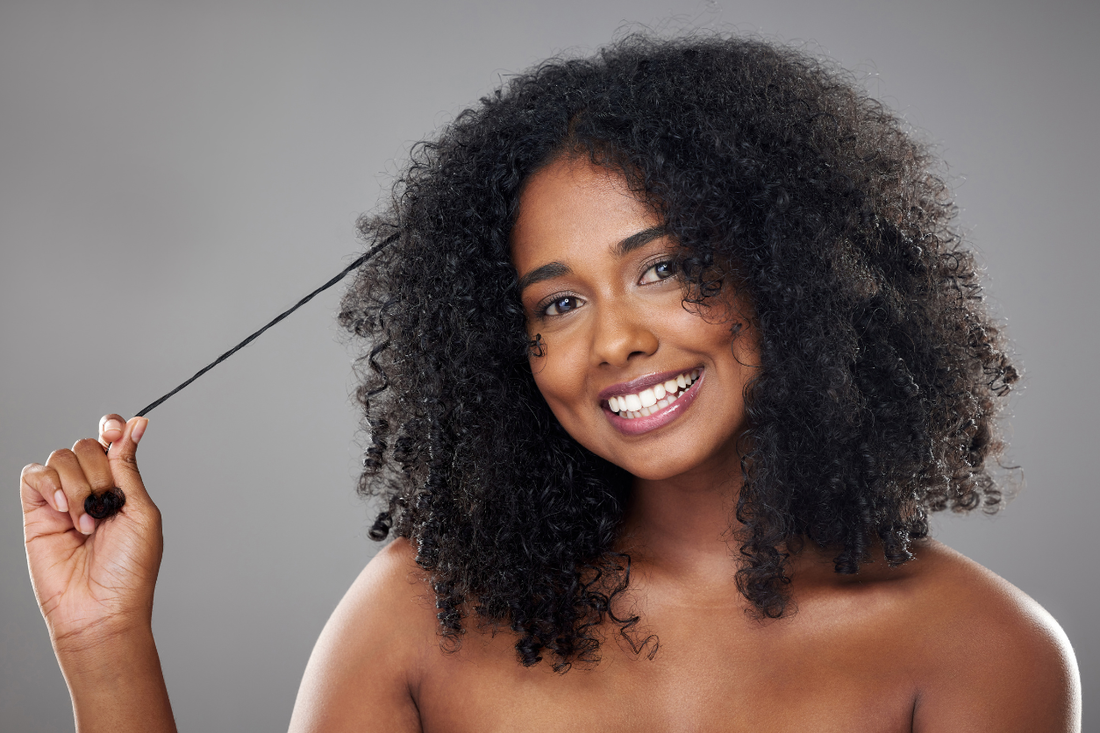
When you wear your natural hair, you quickly learn about shrinkage. You twist, braid, or stretch your hair, and it looks long. But after you wash or moisturize it, your hair seems to shrink up to half its length—or more. This can be surprising, sometimes even frustrating. But shrinkage is not a problem. It’s a sign of healthy, strong curls and coils. In fact, shrinkage is one of the unique and beautiful qualities of natural hair.
Many people with curly, coily, or kinky hair often ask, “Why does my hair shrink so much? ” Others wonder how to show length while keeping their hair healthy. Some even see shrinkage as a negative thing, something to fight against.
But the truth is, shrinkage is normal, and learning to work with it can change your relationship with your hair.
This article will help you understand natural hair shrinkage, why it happens, and how to embrace and manage it. You’ll get science-backed answers, practical tips, real-life examples, and honest advice. By the end, you’ll have the confidence to love your hair in every state—stretched, shrunken, or somewhere in between.
What Is Shrinkage In Natural Hair?
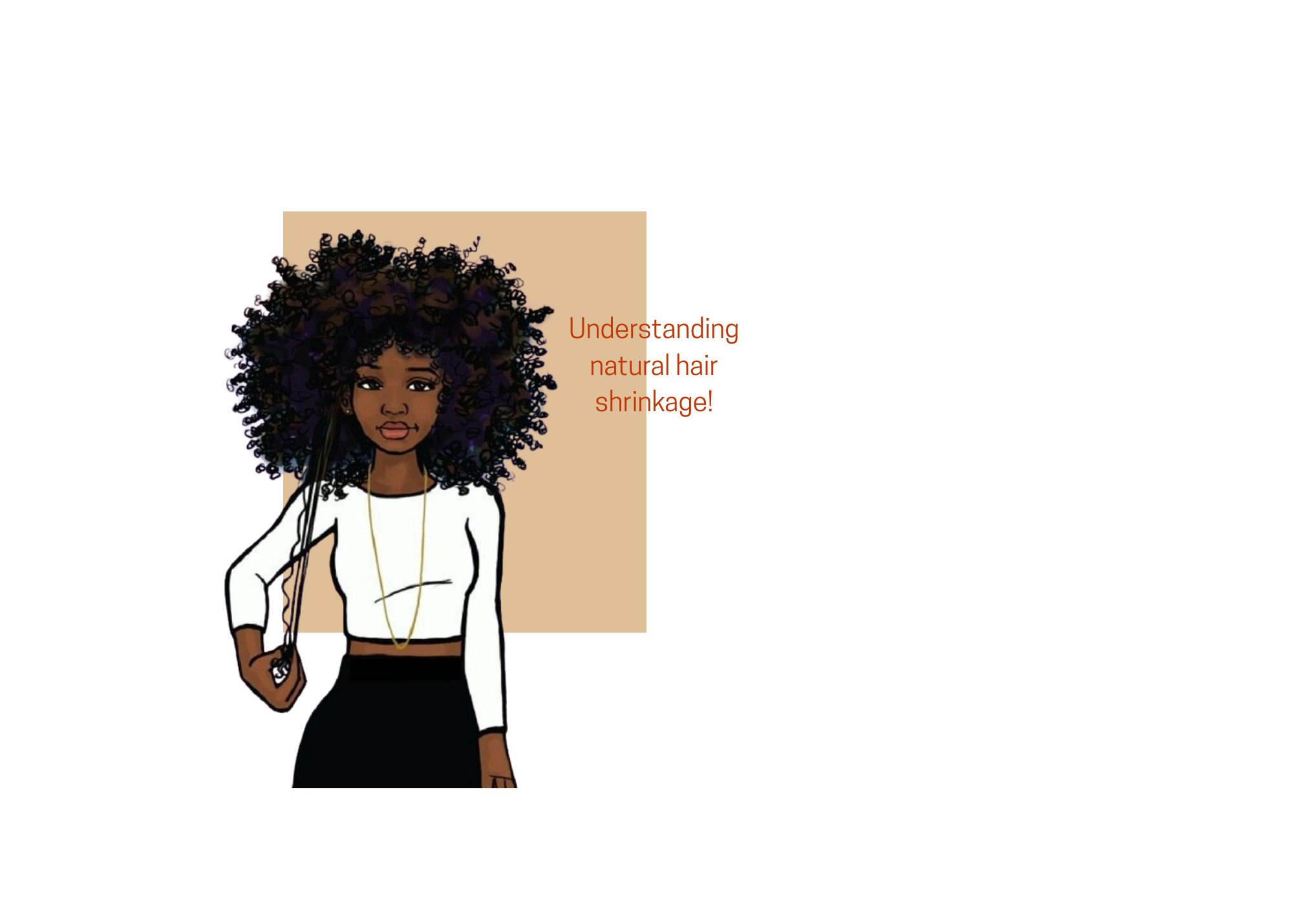
Shrinkage is when your hair looks much shorter than its actual length because of its curl pattern. When natural hair is wet or exposed to moisture, it contracts, making each strand coil or curl more tightly. This causes your hair to look “shorter” even though it’s the same length.
Shrinkage is most common in Type 3 (curly) and Type 4 (coily/kinky) hair. For example, if your hair is 12 inches long when stretched, it may appear only 6 inches or less after it dries naturally. For some people, shrinkage can hide 50% to 70% of their true length.
Why Does Shrinkage Happen?
Natural hair has a unique structure. Each strand forms spirals, coils, or zig-zag shapes. When hair gets wet, the hydrogen bonds in the hair shaft break, allowing the curls to contract. As the hair dries, the bonds reform and the hair shrinks back to its tightest curl pattern.
Shrinkage is a sign of healthy elasticity. If your hair shrinks, it means your curls are strong and can bounce back. Relaxed or damaged hair often shrinks less because it has lost its natural curl pattern.
The Science Behind Shrinkage
Understanding the science of shrinkage can help you appreciate it more. Hair is made of a protein called keratin. This protein is arranged in a way that forms the hair’s shape. For curly and coily hair, keratin is shaped in spirals.
When water or moisture touches hair, it temporarily breaks the hydrogen bonds inside the hair. This lets the hair return to its natural curl or coil shape. As a result, stretched hair “snaps back” to a shorter length.
A study from the International Journal of Trichology found that Type 4 hair can shrink up to 75% of its stretched length. That means if your hair is 10 inches long stretched, it could appear only 2.5 inches when fully shrunken. In contrast, straight hair shows almost zero shrinkage.
Comparing Shrinkage Across Hair Types
The following table shows how different hair types experience shrinkage:
| Hair Type | Typical Shrinkage (%) | Visible Change |
|---|---|---|
| Type 1 (Straight) | 0-2% | Almost none |
| Type 2 (Wavy) | 2-10% | Slight |
| Type 3 (Curly) | 15-40% | Noticeable |
| Type 4A (Coily) | 50-60% | Significant |
| Type 4B/4C (Kinky/Coily) | 60-75% | Very high |
This table shows why two people with the same hair length may look so different depending on their curl type.
The Positives Of Shrinkage
It’s easy to see shrinkage as a problem. But it has many benefits:
- Sign of Healthy Hair: Shrinkage shows your hair is moisturized and strong. Hair with poor elasticity often does not shrink.
- Protects Your Ends: When your hair shrinks, your ends are less exposed to the environment, which reduces split ends and breakage.
- Style Versatility: Shrinkage gives you different looks. You can wear your hair shrunken for a short, voluminous style, or stretch it for a longer look.
- Natural Volume: Shrunken hair often looks fuller and more defined. You get a big, bold style with little effort.
- Reduces Tangles (Surprisingly): When hair shrinks into its natural curl pattern, it may clump together, making it easier to separate and define curls.
Many people do not realize that shrinkage helps keep hair healthy over time. Some stylists say that people who embrace shrinkage usually have longer, healthier hair in the long run.
Common Myths About Shrinkage
There are many myths about shrinkage, and believing them can lead to frustration or unhealthy hair habits. Here are some common misunderstandings:
- Shrinkage means unhealthy hair: Actually, shrinkage is a sign of good elasticity and strong curls.
- Your hair isn’t growing if it shrinks: Your hair keeps growing, even if it looks short. Growth is about the roots, not about how much shrinkage you see.
- Shrinkage must be stopped: Trying to avoid all shrinkage can damage your hair. Overusing heat or heavy products just for length can lead to breakage.
- Shrinkage is ugly: Beauty is not only about length. Many people find shrunken styles more attractive and unique.
Understanding the truth helps you make better choices for your hair.
Factors That Affect Shrinkage
Not everyone experiences shrinkage the same way. Several factors change how much your hair shrinks:
- Curl Pattern: The tighter your curls or coils, the more shrinkage you’ll see.
- Hair Porosity: High porosity hair absorbs water quickly and may shrink more. Low porosity hair may shrink less because it resists water.
- Hair Density: Thick, dense hair can look even shorter when it shrinks, but also looks fuller.
- Product Use: Some products (like gels or creams) make hair clump and shrink more, while others (like heavy butters) weigh hair down and reduce shrinkage.
- Humidity: Humid air adds moisture, causing more shrinkage. Dry air can keep hair stretched longer.
- Previous Heat or Chemical Use: If your hair is heat-damaged or chemically relaxed, it may shrink less because the curl pattern is loosened or broken.
Example: Two People, Same Length, Different Shrinkage
Imagine two friends, both with 10 inches of hair when stretched. One has 4C hair with high porosity, and the other has 3B hair with medium porosity. The 4C hair might shrink to just 2. 5–3 inches, while the 3B hair shrinks to 7–8 inches.
They have the same length, but their hair looks very different in its natural state.
Embracing Shrinkage: Changing Your Mindset
The first step to loving shrinkage is to change how you think about it. Many people grow up hearing that “longer is better. ” Social media and beauty standards often show straight, stretched, or “lengthy” styles as more beautiful. But true confidence comes from accepting your hair as it is.
Here are ways to change your mindset:
- See shrinkage as proof of healthy hair. Remind yourself that shrinkage means your curls are strong and alive.
- Celebrate versatility. You can wear your hair short one day and long the next—few other hair types can do this naturally.
- Find inspiration. Look for influencers, YouTubers, or friends who love their shrinkage. Seeing others embracing their hair helps you do the same.
- Challenge negative thoughts. If you think “my hair is too short,” ask yourself why. Is it really too short, or just different from what you see around you?
- Enjoy the fullness. Shrunken hair gives you volume and boldness that stretched styles can’t match.
Many natural hair journeys become easier and more joyful when people stop fighting shrinkage and start embracing it.
How To Work With Shrinkage
Embracing shrinkage does not mean you can’t stretch or style your hair. It means you learn to work with your hair’s natural behavior, not against it. Here are practical ways to manage, style, and enjoy shrinkage:
1. Stretching Techniques
If you want to show more length sometimes, stretching methods can help. Unlike heat styling, these methods protect your hair’s natural pattern.
- Banding: After washing, divide your hair into sections and wrap elastic bands down the length of each section. Let it dry. This stretches curls without heat.
- African Threading: Use black thread to wrap around sections of hair from root to tip. It gives a stretched look and protects your ends.
- Twist-Outs and Braid-Outs: Twist or braid damp hair, let it dry, then unravel. This creates stretched curls or waves.
- Roller Sets: Use large rollers on wet hair to stretch and smooth it as it dries.
- Bantu Knots: Twist small sections into knots. When you take them down, you get stretched, defined curls.
2. Protective Styling
Protective styles help reduce shrinkage, especially in humid or wet conditions.
- Box Braids, Twists, or Cornrows: These styles keep hair stretched and protect ends.
- Updos and Buns: Tuck your ends away. You’ll notice less shrinkage, especially if you use a satin scarf overnight.
- Wigs and Weaves: Let your natural hair rest while you try different looks.
Remember: Even in protective styles, shrinkage can happen at the roots as new hair grows in its natural pattern.
3. Moisture And Shrinkage
Moisture is key for healthy hair—but it also triggers shrinkage. Here’s how to balance both:
- Use Leave-In Conditioners: They keep hair soft and less likely to tangle when it shrinks.
- Seal with Oils or Butters: These help lock in moisture and can slightly weigh hair down, reducing shrinkage.
- Avoid Humectants on Humid Days: Ingredients like glycerin draw in water from the air, causing extra shrinkage.
4. Styling For Shrinkage
Some styles look best with shrinkage. These include:
- Afros: A classic, bold look that celebrates volume.
- Wash and Go: Apply styling products to wet hair, let it dry, and enjoy your natural curl pattern.
- Puffs: Gather hair at the crown for a full, soft puff.
- Finger Coils: Use your fingers to define each curl. This works well for short, shrunken looks.
5. Trimming And Shape
A good haircut is important. Shrinkage can make hair look uneven if it’s not shaped well. Ask your stylist for a cut that flatters your natural pattern, whether your hair is shrunken or stretched. Many experts suggest trimming hair while it’s dry and in its natural state for the best results.
6. Nighttime Protection
Shrinkage can get worse overnight if hair is left loose. Use these tips:
- Pineapple Method: Gather hair into a loose ponytail on top of your head. This keeps curls stretched while you sleep.
- Satin or Silk Bonnets/Scarves: These reduce friction and help hair retain moisture, so shrinkage is less dramatic in the morning.
- Stretching Bands: Use soft bands on large sections to gently stretch hair overnight.
7. Heat Styling: Use With Caution
Blow drying or flat ironing can stretch out your hair, but too much heat can cause damage. If you use heat, always apply a heat protectant and use the lowest setting that works. Try to limit heat use to once a month or less.
8. Accepting Some Shrinkage
No matter what you do, some shrinkage is natural and healthy. Instead of fighting every bit, learn which methods work for you and your lifestyle.
Products That Help With Shrinkage
The right products can help you manage shrinkage, either by defining curls or stretching them. Here’s what to look for:
- Moisturizing Leave-Ins: They help hair shrink evenly without tangling.
- Curl Creams: Define curls and reduce frizz, making shrunken styles look polished.
- Gels: Give hold and definition for wash-and-go styles.
- Stretching Butters/Oils: Heavier butters (like shea butter) can weigh hair down and slightly stretch curls.
- Anti-Shrinkage Products: Some brands offer creams or sprays that claim to “reduce shrinkage.” These usually contain weighty oils or butters and help stretch curls a bit.
Comparing Curl Creams Vs. Stretching Butters
Here’s a quick comparison:
| Product Type | Main Effect | Best For | Drawbacks |
|---|---|---|---|
| Curl Cream | Defines curls, adds moisture | Wash and go, twist-outs | May not stretch hair much |
| Stretching Butter | Weighs hair down, stretches curls | Braid-outs, twist-outs, protective styles | Can feel heavy, may build up |
Choose products based on your desired style, not just on reducing shrinkage.
Credit: myrevair.com
Common Mistakes When Managing Shrinkage
Many people make mistakes when trying to manage shrinkage. Avoid these for healthier hair:
- Overusing heat: Too much blow drying or flat ironing can cause permanent damage and loss of curl pattern.
- Heavy products every day: Using too much butter or oil can cause buildup and make hair dull.
- Ignoring moisture: Trying to keep hair stretched by avoiding water leads to dryness and breakage.
- Too-tight styles: Styles that pull too hard can cause thinning or hair loss at the edges.
- Skipping trims: Even if you want long hair, regular trims prevent split ends and keep your hair healthy.
The best way is a balanced approach: protect your hair, keep it moisturized, and accept some shrinkage as normal.
Real-life Stories: Embracing Shrinkage
Hearing from others can make your journey easier. Here are two real stories:
Jasmine’s Story
Jasmine, age 25, hated shrinkage at first. She always wore braids or blowouts because she wanted her hair to look long. But after a bad experience with heat damage, she stopped using hot tools and started wearing wash-and-go styles. She says, “I realized my hair looked thicker and healthier with shrinkage.
Now, I love my afro and get more compliments than ever. ”
Olivia’s Story
Olivia, age 32, has 4C hair that shrinks more than 70%. She used to compare her hair to her friends’ and felt less beautiful. But seeing natural hair influencers online changed her view. Now she says, “Shrinkage is my hair’s way of protecting itself.
I enjoy the versatility—sometimes I stretch it, other days I let it shrink and rock a big puff. ”
Both women learned to love their hair by embracing its natural behavior.
Styling Ideas That Celebrate Shrinkage
Shrinkage opens up many creative style options. Here are some ideas:
- TWA (Teeny Weeny Afro): Perfect for new naturals or those who like a short look. It’s stylish and easy to care for.
- Wash-and-Go: Define your curls with gel or cream, let hair shrink naturally, and enjoy your unique pattern.
- Afro Puffs: Gather shrunken hair into one or two puffs. It’s fun, youthful, and shows off your hair’s fullness.
- Shaped Afros: Ask your stylist to shape your afro for a round or heart-shaped look that flatters your face.
- Curly Bangs: Cut bangs into your shrunken curls for a playful twist.
- Defined Finger Coils: Use your fingers to twist small sections. This works well on short, shrunken hair.
- Mini-Twists: Small twists on shrunken hair are cute and protect your ends.
- Faux Hawk: Pin or gel the sides up, letting the top stay voluminous and shrunken.
- Side Part Afro: Change your part for a new look. A side part adds interest and shape.
Trying different styles helps you appreciate shrinkage as a creative advantage.
How To Measure Your True Hair Length
Shrinkage can make it hard to see your growth progress. Here’s how to measure your real length:
- Stretch a strand: Take a small section from different parts of your head.
- Use a ruler or measuring tape: Measure from the root to the tip while the hair is stretched.
- Record the length: Write it down every 1–2 months.
- Take photos: Take pictures of your stretched hair to see changes over time.
This method helps you track growth, even if your hair looks the same in its shrunken state.
Dealing With Negative Comments About Shrinkage
Sadly, some people still make negative remarks about shrunken natural hair. Here’s how to handle them:
- Educate: Explain that shrinkage is normal and healthy for curly/coily hair.
- Set boundaries: You can ignore or politely shut down negative conversations.
- Find support: Connect with others who appreciate natural hair.
- Stay confident: Remember, your hair is unique and beautiful—no one else’s opinion can change that.
Confidence is the best response to criticism.
Shrinkage And Hair Health
Shrinkage is not just about style—it’s about health. If your hair suddenly stops shrinking, it could be a sign of damage. Here’s what to watch for:
- Loss of elasticity: Hair doesn’t bounce back when stretched; may stay limp.
- Straight patches: Areas that don’t shrink or curl like the rest.
- Breakage: More tangles, split ends, or shedding.
If you notice these signs, reduce heat, avoid harsh chemicals, and focus on moisture and gentle care.
:max_bytes(150000):strip_icc()/shrinkageessay1-1806716d0106409bb7fdab00c845a600.jpg)
Credit: www.byrdie.com
Shrinkage And Natural Hair Length Retention
Shrinkage protects your ends, which helps you retain length over time. When your hair is shrunken, your ends are less exposed to friction, sun, and dry air. This reduces breakage and helps you keep the hair you grow.
Some people think stretched hair grows faster, but it’s just more visible. Healthy, shrunken hair often retains length better because it’s not stressed by constant stretching or heat.
The Role Of Diet And Health
Healthy hair starts inside. Eating well, drinking water, and getting enough sleep all affect your hair’s health and how much it shrinks. A balanced diet with protein, vitamins, and minerals keeps your curls elastic and strong.
If you notice sudden changes in your hair’s shrinkage or texture, it could be a sign of health issues. Talk to a doctor if you have concerns.
Credit: nadekoils.com
How Shrinkage Differs By Region And Climate
Where you live affects how much shrinkage you experience. In humid places (like the Caribbean or the US South), hair shrinks more because there is more moisture in the air. In dry or cold places, hair may shrink less, but it’s also more likely to get dry.
If you travel, you might notice your hair behaving differently in each place. Adjust your products and routines for your local climate.
Shrinkage In Kids’ Natural Hair
Shrinkage happens in children’s hair, too. Parents sometimes worry when their child’s hair “won’t grow,” but shrinkage is normal at every age. The best approach:
- Use gentle detangling methods.
- Avoid tight styles that pull on the scalp.
- Celebrate your child’s unique texture.
- Teach kids to love their hair by showing pride in your own.
This helps build a positive relationship with their hair from an early age.
Shrinkage And Hair Care Routines
Every routine should fit your lifestyle and hair needs. Here’s an example of a balanced weekly routine for someone embracing shrinkage:
- Wash Day: Cleanse with a sulfate-free shampoo, deep condition, and detangle gently.
- Moisturize: Apply leave-in conditioner and seal with oil or butter.
- Styling: Choose a style that works with your shrinkage (like a wash-and-go or puff).
- Midweek Refresh: Spray hair with water or a moisturizing mist. Add a bit of cream if needed.
- Night Care: Protect with a satin bonnet, scarf, or pillowcase.
Adjust as needed for your lifestyle, climate, and hair needs.
Shrinkage And The Natural Hair Movement
The natural hair movement has helped more people see shrinkage as beautiful. Social media is full of images and videos showing shrunken, textured hair in all its forms. Movements like “Big Chop” and “Wash and Go” celebrate hair in its most natural state.
This shift has inspired many people to accept and love their shrinkage. It has also increased demand for better products and more knowledgeable stylists.
If you want to connect with others, check out NaturallyCurly for resources, forums, and style inspiration.
Shrinkage And Self-expression
Shrinkage gives you freedom to express yourself. You can change your look easily without chemicals or heat. One day, wear a compact afro; the next, stretch your hair for a new silhouette. Accessories like headbands, scarves, or clips add even more variety.
Embrace the chance to play with your style, knowing your hair’s shrinkage is part of what makes you unique.
Frequently Asked Questions
What Causes Shrinkage In Natural Hair?
Shrinkage happens because curly and coily hair contracts when it absorbs water. The hair’s natural curl pattern gets tighter, making it look shorter. This is a normal, healthy process.
How Can I Reduce Shrinkage Without Using Heat?
Try stretching methods like banding, braiding, or twist-outs. Use heavier creams or butters to weigh your curls down slightly. These methods reduce shrinkage without risking heat damage.
Is Shrinkage A Sign Of Hair Damage?
No, shrinkage is a sign of healthy, elastic hair. If your hair does not shrink at all, it could mean your curls are damaged or your hair has lost its natural pattern.
Can Shrinkage Prevent Hair Growth?
Shrinkage does not stop your hair from growing. It only makes your hair look shorter. Your real length is there—you can check by stretching a strand and measuring it.
What Are The Best Products For Embracing Shrinkage?
Look for moisturizing leave-ins, curl creams, and gels. These products help define your natural pattern and make shrinkage look neat and stylish.
Celebrating shrinkage is about understanding, acceptance, and creativity. Your hair is unique, and embracing every inch—shrunken or stretched—lets you enjoy its full beauty. As you learn more and try new things, you’ll find a routine and style that feels right for you.
Remember, shrinkage is not your enemy—it’s one of your hair’s greatest strengths.