

After giving birth, most women expect to face some hair loss. This is common and widely discussed. But the postpartum experience brings more than just strands in the shower drain. Many new mothers quietly suffer from scalp problems that go far beyond hair shedding. These issues are rarely talked about openly, which leaves many women feeling alone and confused when strange symptoms appear. If you’ve noticed itchiness, flakes, bumps, or other changes after having your baby, you are not alone. This article will dive deep into the less-known postpartum scalp issues that almost nobody talks about, why they happen, and how you can manage them with confidence.
Why Scalp Changes After Childbirth
During pregnancy, your body undergoes a dramatic hormonal shift. Estrogen and progesterone levels rise. After delivery, these hormones drop quickly. This sudden change affects the whole body, including the scalp. Your immune system, stress levels, and diet may also be different. Lack of sleep, anxiety, and breastfeeding all play a role. As a result, your scalp can react in unexpected ways, leading to problems that are surprising, uncomfortable, and sometimes even embarrassing.
Common Postpartum Scalp Issues (beyond Hair Loss)
Most articles focus on hair loss, but the scalp itself can face a range of challenges. Here are the main problems mothers report after childbirth.
1. Scalp Dryness And Flaking
Many new moms notice dry patches and white flakes on their scalp. This is not classic dandruff, but often a result of hormone shifts, dehydration, and frequent washing. Breastfeeding can also deplete the body’s fluids, drying out both skin and scalp.
Dry scalp is different from oily dandruff. The flakes are usually smaller and less greasy. The itching may be mild but persistent. Some women notice their scalp feels tight or sensitive, especially after shampooing.
Non-obvious insight: Dry scalp can be worsened by hot showers, which strip away natural oils. Switching to lukewarm water and gentle shampoos can make a big difference.
2. Itchy Scalp (postpartum Pruritus)
Sudden, unexplained itchiness on the scalp is a common but rarely discussed postpartum symptom. This is called pruritus. It can be mild or very severe, keeping you awake at night.
Hormones, stress, and changes in sweat and oil production all play a role. Some women scratch without realizing it, causing redness or even small wounds. Itching often gets worse with heat, sweat, or after using certain hair products.
A helpful tip: Keeping fingernails short can prevent accidental scratching and infection. Mild, fragrance-free shampoos are less likely to irritate sensitive scalp skin.
3. Scalp Pimples And Acne
After childbirth, some women develop scalp pimples or even acne-like outbreaks. These can be painful, red, and sometimes filled with pus. Hormonal changes increase oil production, while stress and sweat from sleepless nights can clog pores.
Scalp acne is often mistaken for an allergy or a reaction to shampoo. But it’s usually a mix of hormonal imbalance and blocked hair follicles. The bumps may be most common along the hairline or at the back of the head.
Beginner mistake: Scrubbing the scalp hard or using harsh treatments can make breakouts worse. Gentle cleansing and avoiding heavy hair oils help prevent clogged pores.
4. Seborrheic Dermatitis
Seborrheic dermatitis is a condition that causes greasy, yellowish flakes and redness. It is related to both yeast on the skin and hormonal changes. Many new mothers develop this for the first time after delivery, or find that it flares up.
Symptoms include patchy scaling, oily scalp, and sometimes soreness. It can appear behind the ears and around the nose as well.
Non-obvious insight: Overwashing the scalp can increase oil production, making seborrheic dermatitis worse. Sometimes, less frequent washing helps.
5. Increased Scalp Sensitivity
Your scalp may suddenly feel tender or sore to touch, even without any visible changes. This is sometimes called trichodynia. Hormonal swings, stress, and tension in the neck and shoulders can all play a part.
Some women notice pain when brushing their hair, wearing a ponytail, or even lying down. This is rarely dangerous but can be uncomfortable.
A practical tip: Switching to a soft-bristled brush and avoiding tight hairstyles can reduce discomfort.
6. Fungal And Bacterial Infections
New mothers are at higher risk for scalp infections. The immune system is weaker after childbirth. If the scalp is scratched or broken, bacteria or fungi can enter.
Symptoms include redness, swelling, pain, pus, or even a bad smell. Fungal infections can cause round, scaly patches and even hair loss in those areas.
Beginner mistake: Ignoring persistent pain, swelling, or pus can lead to worse infections. Always see a doctor if you suspect an infection.
7. Scalp Psoriasis
Some women experience their first episode of scalp psoriasis after childbirth. This is an autoimmune condition that causes thick, silvery scales and red patches. It can be very itchy and embarrassing.
Psoriasis is not caused by poor hygiene. Hormonal shifts and stress are common triggers. The patches may bleed or crack if picked at.
Practical insight: Topical treatments and light therapy can help, but over-the-counter remedies are often not enough. Early medical advice is best.
8. Excessive Oiliness (postpartum Oily Scalp)
Instead of dryness, some women develop an oily scalp. Hormones can boost sebum production. This leads to greasy roots, flat hair, and sometimes an unpleasant odor.
Washing more often can sometimes make oiliness worse. This is because the scalp tries to replace stripped oils quickly.
A useful trick: Use a gentle, sulfate-free shampoo, and avoid heavy conditioners near the roots.
9. Scalp Eczema
Eczema, or atopic dermatitis, can affect the scalp after childbirth. It causes red, itchy patches and sometimes oozing or crusts. This is more common if you have a personal or family history of eczema or allergies.
Common triggers include stress, new hair products, or even changes in diet during breastfeeding.
Beginner mistake: Scratching eczema patches can lead to infection. Keeping the scalp moisturized and avoiding triggers helps.
10. Folliculitis (inflamed Hair Follicles)
Folliculitis is inflammation of the hair follicles. It looks like small red or white-headed bumps, sometimes with itching or pain. It can be triggered by shaving, sweating, or tight headwear.
Postpartum women may be more prone due to sweating at night, hormonal changes, or weakened immunity.
Practical tip: Avoid tight hats and keep the scalp dry. If bumps become painful or spread, a doctor can prescribe helpful treatments.
11. Scalp Odor
Changes in hormones, sweating, and oiliness can lead to a noticeable scalp odor. This is not due to poor hygiene. The scent may be musty, sour, or oily.
Washing hair too much or too little can both make the smell worse. Bacteria and yeast love a warm, damp scalp.
A simple fix: Allow hair to air dry fully, and avoid covering wet hair with hats or scarves.
12. Allergic Reactions
After childbirth, your skin may become more sensitive to ingredients in shampoos, conditioners, or styling products. New allergies can appear at any time.
Symptoms include redness, swelling, itching, or a burning feeling after using certain products. This is sometimes called contact dermatitis.
Non-obvious insight: Fragrance is a common cause of allergic reactions. Switching to fragrance-free or hypoallergenic hair products can prevent flare-ups.
13. Scalp Tightness
Some women describe a feeling of tightness or pulling on the scalp. This is usually a form of tension. It may be linked to stress, lack of sleep, or even changes in blood circulation.
It is not dangerous but can feel uncomfortable, especially after a stressful day.
Practical tip: Relaxing scalp massage, gentle stretching, and good posture can help relieve this sensation.
14. Cradle Cap In Adults
Cradle cap is usually seen in babies, but a similar condition can affect new mothers. This is called adult seborrheic dermatitis. It causes thick, yellowish scales and greasy patches.
The exact cause is unknown, but it is linked to stress and hormone changes, just like in babies.
Beginner mistake: Picking at scales can make the problem worse. Using gentle anti-dandruff shampoos can help loosen the flakes.
15. Temporary Change In Scalp Ph
Pregnancy and childbirth can change the pH balance of the scalp, making it more acidic or alkaline. This can cause irritation, flaking, or make the scalp more prone to infections.
Many shampoos are alkaline, which can make pH imbalance worse.
A useful fact: pH-balanced shampoos (pH 4.5–5.5) are less likely to irritate the scalp.
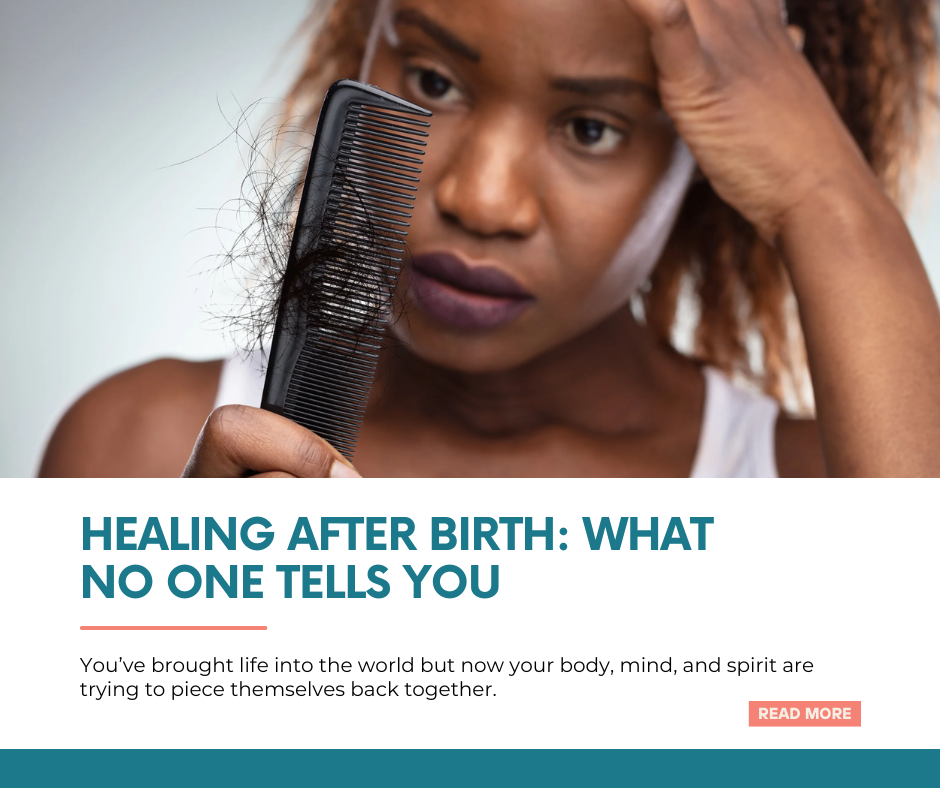
Credit: malaica.com
Why Are These Scalp Problems So Common After Childbirth?
There are several reasons why the scalp is especially vulnerable after giving birth:
- Hormonal crash: Estrogen and progesterone drop quickly, affecting skin and oil glands.
- Stress: New motherhood is stressful, and stress can weaken the skin’s barrier.
- Sleep deprivation: Poor sleep affects immunity and healing.
- Dehydration: Breastfeeding and lack of self-care often lead to less water intake.
- Immune changes: The immune system is suppressed during pregnancy, then returns to normal, sometimes overreacting.
- Diet: Changes in nutrition can affect skin health.
These factors often happen together, making the scalp more sensitive and prone to problems.
When To Worry About Postpartum Scalp Symptoms
Most postpartum scalp issues are not dangerous, but some require a doctor’s attention. Here’s how to know when to seek help:
- Sudden pain, swelling, or pus
- Scalp wounds that do not heal
- Redness spreading beyond the scalp
- Fever or feeling unwell
- Large patches of hair falling out in clumps
- Open sores or crusts that bleed
If you have any of these symptoms, see your doctor or dermatologist. Early treatment can prevent complications.
How To Manage Postpartum Scalp Issues At Home
Simple changes can help most women feel better. Here’s what you can do:
- Switch to gentle hair products. Choose shampoos and conditioners labeled for sensitive skin. Avoid harsh ingredients like sulfates, parabens, and heavy fragrances.
- Wash less often. Unless your scalp is very oily, washing 2–3 times a week is enough. Overwashing removes natural oils and can make dryness or flaking worse.
- Use lukewarm water. Hot water strips oils and increases dryness.
- Avoid tight hairstyles. Ponytails, buns, or hairbands can irritate a sensitive scalp.
- Dry hair gently. Pat with a towel instead of rubbing. Air drying is best.
- Moisturize. If your scalp is dry, try a light, non-greasy oil like jojoba or coconut oil, but avoid heavy application on oily scalps.
- Brush gently. Use a soft-bristled brush and avoid pulling.
- Manage stress. Relaxation exercises, deep breathing, and asking for help can support scalp health.
- Stay hydrated. Drink plenty of water, especially if breastfeeding.
- Eat a balanced diet. Include healthy fats, protein, and vitamins for skin repair.
Medical Treatments For Persistent Problems
If home care does not help, or symptoms are severe, medical treatments are available. Doctors may suggest:
- Topical steroids: For eczema, psoriasis, or severe inflammation.
- Antifungal shampoos: For seborrheic dermatitis or fungal infections.
- Antibiotics: If there is a bacterial infection.
- Light therapy: For stubborn psoriasis.
- Prescription creams: For allergic reactions or persistent rash.
Always consult a healthcare provider before using new treatments, especially if you are breastfeeding.
Credit: rhutehair.com
Comparing Postpartum Scalp Conditions
To help you understand the differences, here’s a comparison of the most common postpartum scalp issues:
| Condition | Main Symptoms | Common Triggers | Best Home Care |
|---|---|---|---|
| Dry Scalp | Flakes, tightness | Hormonal shifts, dehydration | Lukewarm wash, mild shampoo |
| Oily Scalp | Greasy roots, odor | Hormones, overwashing | Sulfate-free shampoo, wash less |
| Psoriasis | Thick scales, red patches | Stress, genetics | Medical creams, avoid picking |
| Folliculitis | Bumps, pain | Sweat, tight hats | Loose styles, keep dry |
How Scalp Issues Affect Mental Health
Scalp problems may sound minor, but they can have a big emotional impact. Many women feel embarrassed by flakes, odor, or visible redness. Itching and pain can disrupt sleep, adding to exhaustion. Some mothers worry that scalp issues are a sign of poor hygiene, but this is not true.
In some cases, scalp symptoms can make postpartum depression or anxiety worse. It is important to remember that these problems are common, treatable, and not your fault.
Real Stories: What Mothers Experience
Hearing from other mothers can be reassuring. Here are a few examples:
- “After my second baby, my scalp was so itchy I couldn’t sleep. I thought I had lice, but it was just hormones.”
- “I developed red, oily patches behind my ears that I’d never had before. My doctor said it was seborrheic dermatitis.”
- “A few weeks after giving birth, I noticed small bumps along my hairline. I was embarrassed to ask, but my dermatologist explained it was postpartum acne.”
These experiences show that postpartum scalp issues are normal, and help is available.
Myths And Misunderstandings
There is a lot of misinformation about scalp problems after pregnancy. Here are the most common myths:
- “If you have flakes, you’re not washing enough.” In reality, overwashing often causes dryness and flaking.
- “Only poor hygiene causes scalp odor.” Odor is usually due to hormones and oil production, not cleanliness.
- “Scalp pain means something serious.” Most scalp soreness is harmless and linked to stress or tension.
- “All scalp issues will go away on their own.” Some problems, like psoriasis or eczema, need ongoing care.
How Postpartum Scalp Issues Differ From Normal Hair Problems
Not all scalp problems are the same as those you might have had before pregnancy. The triggers, symptoms, and treatments can be different. For example, postpartum scalp eczema may appear even if you never had eczema before. The sensitivity can be higher, and reactions to products more extreme.
Here’s a comparison of postpartum versus non-postpartum scalp issues:
| Postpartum Scalp Issue | Typical Onset | Unique Features |
|---|---|---|
| Dryness/flaking | Weeks after birth | Linked to breastfeeding, dehydration |
| Oily scalp | 1–3 months postpartum | Triggered by hormone crash |
| Psoriasis flare | Anytime postpartum | Can be first occurrence |
| Allergic reaction | After new product use | Increased sensitivity |
What Not To Do If You Have Postpartum Scalp Issues
Some actions can make problems worse. Here’s what to avoid:
- Don’t scrub or pick at the scalp. This can lead to infection or scarring.
- Don’t try every new product at once. This can cause allergic reactions.
- Don’t ignore persistent pain or pus. See a doctor for these symptoms.
- Don’t stop washing completely. Gentle cleansing is important.
- Don’t believe myths or blame yourself. These issues are common and not your fault.
The Role Of Diet And Supplements
Nutrition can play a role in scalp health. After childbirth, many women are low in iron, vitamin D, or omega-3 fats. These nutrients are important for skin repair and immune function.
- Iron: Deficiency can cause scalp dryness and hair loss.
- Vitamin D: Low levels are linked to eczema and psoriasis.
- Omega-3 fats: Help reduce inflammation and support skin health.
Eating a balanced diet with lean protein, leafy greens, nuts, and oily fish can help. If you suspect a deficiency, ask your doctor about supplements.
Scalp Care Products For Sensitive Postpartum Skin
Not all shampoos and conditioners are safe for sensitive scalp. Here’s what to look for:
- Hypoallergenic: Free from common allergens and fragrances.
- Sulfate-free: Less drying and irritating.
- PH balanced: Close to the natural acidity of the scalp.
- Minimal ingredients: Fewer chemicals reduce the risk of reactions.
Some brands offer lines designed for sensitive or postpartum skin. Always patch test a new product before applying it to your whole scalp.
When To See A Dermatologist
Sometimes, scalp problems do not respond to home care. See a dermatologist if:
- Symptoms last more than 4 weeks
- There is persistent pain or bleeding
- Large areas are affected
- You notice pus, swelling, or fever
- You are losing hair in patches, not just evenly
A dermatologist can perform tests, prescribe treatments, and help you find relief.
Can Breastfeeding Affect Scalp Health?
Breastfeeding can increase the risk of dryness, as your body needs more water. Hormones involved in lactation can also affect oil production and immune response.
- Some mothers notice improved scalp health after weaning.
- Others see problems improve with better hydration and nutrition.
If you are breastfeeding, always check with your doctor before starting new scalp treatments.
Preventing Postpartum Scalp Problems
While not all issues can be prevented, some steps may help:
- Keep the scalp clean but not stripped of oils.
- Use gentle, fragrance-free products.
- Manage stress with self-care and support.
- Avoid scratching or picking.
- Stay hydrated and eat nutritious foods.
If you have a history of eczema, psoriasis, or allergies, talk to your doctor about prevention strategies during and after pregnancy.
The Importance Of Support And Self-compassion
Many mothers feel guilty or ashamed about scalp issues. It’s important to remember that these problems are common and not a sign of poor self-care. Talking with other mothers, joining support groups, or seeing a healthcare provider can help you feel less alone.
Self-compassion is key. Your body has gone through huge changes, and healing takes time.
Latest Research On Postpartum Scalp Health
Research is ongoing into how hormones and immunity affect the scalp after childbirth. Recent studies suggest:
- Women with a history of allergies are more likely to develop scalp eczema postpartum.
- Stress management can reduce the severity of scalp symptoms.
- Nutritional support improves healing and reduces risk of chronic problems.
For more on postpartum health, see this research overview from the National Institutes of Health.
Frequently Asked Questions
Why Does My Scalp Itch More After Having A Baby?
Hormones, stress, and changes in oil production can all make the scalp itchier after childbirth. The skin’s barrier is weaker, making it more sensitive to products and sweat.
Can Postpartum Scalp Issues Cause Permanent Hair Loss?
Most scalp issues after childbirth are temporary and do not cause permanent hair loss. However, untreated infections or severe psoriasis can rarely lead to scarring and patchy loss. Early treatment prevents long-term problems.
Are Natural Oils Safe For The Postpartum Scalp?
Light oils like jojoba or coconut oil can help moisturize a dry scalp. However, heavy oils may block pores and worsen acne or folliculitis. Always start with a small amount and monitor for reactions.
When Should I See A Doctor About My Scalp?
See a doctor if you have pain, swelling, pus, wounds that do not heal, or if symptoms last more than four weeks. Also seek medical advice if you have a fever or are losing hair in large patches.
Will My Scalp Return To Normal?
For most women, scalp symptoms improve within a few months as hormones balance out. Good scalp care, nutrition, and medical advice help speed recovery. If symptoms persist, a dermatologist can offer effective treatments.
Caring for your scalp after childbirth is just as important as caring for your hair. If you experience any of these symptoms, know that you are not alone, and solutions are available. Be gentle with yourself, seek support, and remember: healthy scalp, healthy you.

Credit: rhutehair.com