

The world of skincare is always evolving, with new trends and treatments appearing every year. One technique getting more attention lately is dermaplaning. This treatment promises smooth, glowing skin by gently removing dead skin cells and fine facial hair. But with any beauty trend, it’s important to know what you’re getting into. Is dermaplaning as safe and effective as it sounds? Who should consider it, and who should stay away? Let’s explore everything you need to know about dermaplaning for skincare, including its benefits, risks, and whether it’s right for you.
What Is Dermaplaning?
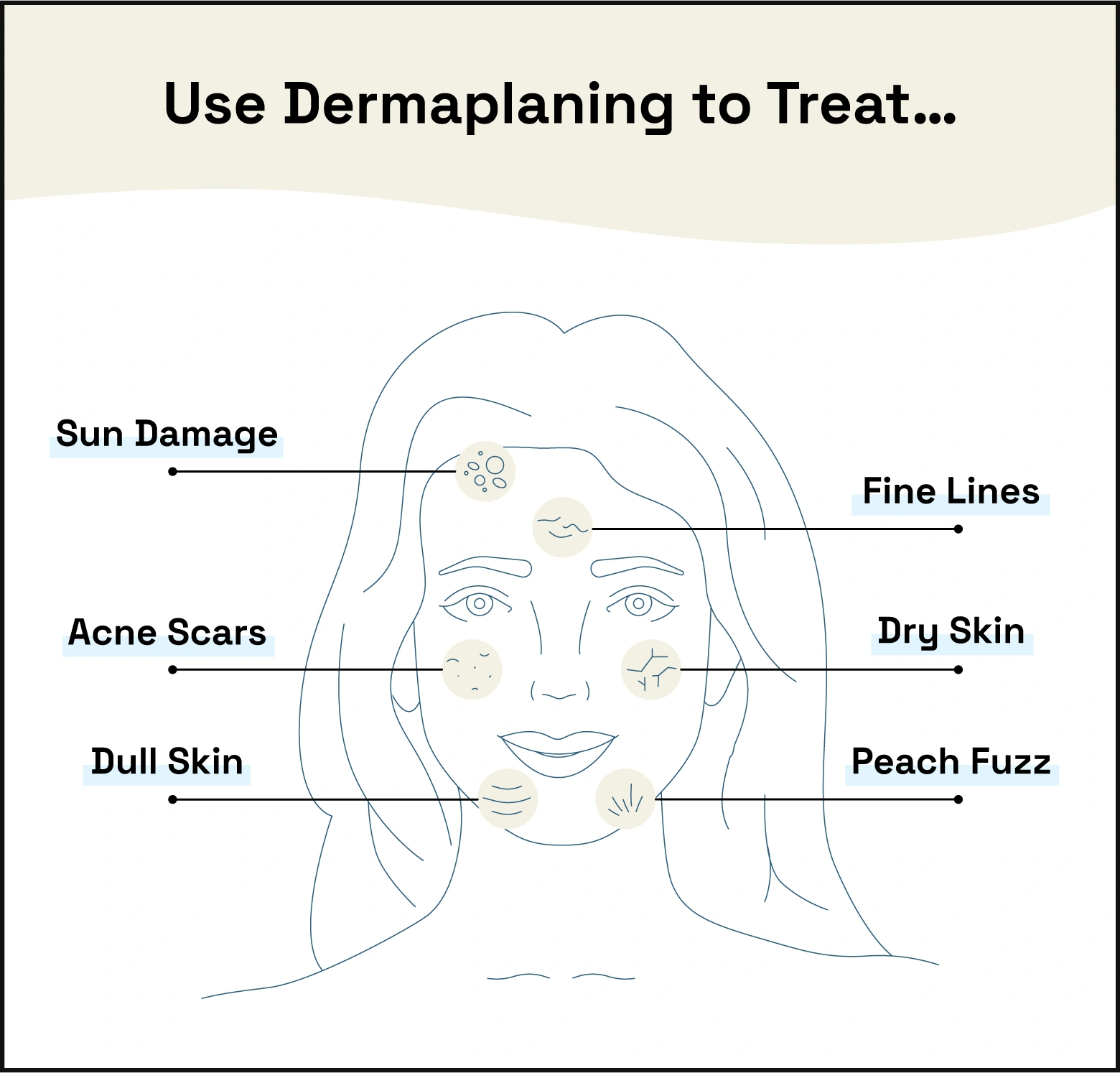
Dermaplaning is a manual exfoliation procedure. It uses a sterile, surgical-grade blade to gently scrape off the top layer of dead skin cells and vellus hair (often called “peach fuzz”). Unlike shaving, dermaplaning is performed at a precise angle by a trained professional. The goal is to reveal fresher, brighter skin and help other skincare products work better.
The treatment is usually done in a dermatologist’s office, medspa, or by a licensed esthetician. Each session takes about 20–30 minutes, and there is no downtime afterward. Because it’s a surface-level treatment, it does not involve chemicals or deep penetration into the skin.
How Dermaplaning Works
During the treatment, the provider holds your skin taut and glides the blade across your face in small, careful strokes. This removes debris and hair that can make your complexion look dull. The process is painless, though you may feel a light scratching sensation.
Some people describe it as similar to a gentle shave.
Dermaplaning is often followed by a hydrating mask or serum, as your skin will absorb these products more effectively right after the treatment.
Key Benefits Of Dermaplaning
Many people are curious about what makes dermaplaning special compared to other exfoliation methods. Here are the main reasons why it’s become a favorite in skincare routines.
1. Smoother, Brighter Skin
By removing the top layer of dead skin and fine hair, dermaplaning reveals a smoother surface. This can make your skin look more radiant and feel softer to the touch. You may notice an instant “glow” after your first session.
2. Better Product Absorption
When dead skin cells build up, they can block your favorite serums and moisturizers from working well. After dermaplaning, your skin is more receptive to active ingredients, so you get more value from your skincare routine.
3. Makeup Application Improves
Makeup often clings to dry patches or catches on facial hair. With a freshly exfoliated surface, foundation and powders apply more evenly and look smoother. Many makeup artists recommend dermaplaning before big events for a flawless base.
4. Gentle On Sensitive Skin
Unlike chemical exfoliants, dermaplaning doesn’t use acids or harsh substances. For people who can’t tolerate peels or scrubs, it offers a milder alternative to improve skin texture.
5. Can Help Minimize Appearance Of Fine Lines
While it won’t erase deep wrinkles, regular dermaplaning can soften the look of fine lines. Removing dead cells encourages skin renewal, which may lead to a more youthful look over time.
6. Immediate Results
Unlike some treatments that require weeks to see a difference, dermaplaning offers instant visible improvement. Many people see brighter, smoother skin right after their appointment.
7. Unclogs Pores And Reduces Breakouts
By removing debris and hair that can trap oil, dermaplaning may help reduce clogged pores and lower the risk of some breakouts. However, it is not a treatment for active acne.
8. Painless And Non-invasive
No needles, chemicals, or discomfort. Most people find dermaplaning relaxing and report only a slight tickling or brushing feeling during the process.
9. No Downtime
You can return to your normal activities immediately after a dermaplaning session. There’s no redness or peeling as with some other exfoliation treatments.
10. Safe For Most Skin Types
As long as you don’t have active acne or certain skin conditions (more on this later), dermaplaning is considered safe for most people, including those with sensitive skin.

Credit: www.getlabtest.com
Dermaplaning Vs. Other Exfoliation Methods
With so many ways to exfoliate, it helps to understand how dermaplaning compares to other popular techniques. Here is a side-by-side look at common options:
| Method | How It Works | Best For | Risks | Downtime |
|---|---|---|---|---|
| Dermaplaning | Manual scraping with blade | Sensitive/normal skin, quick glow | Minor cuts, irritation | None |
| Chemical Peels | Acids dissolve dead skin | Sun damage, uneven tone | Burning, redness, peeling | Days to weeks |
| Microdermabrasion | Crystal or diamond tip exfoliation | Fine lines, texture | Redness, swelling | 1–2 days |
| Scrubs | Granular particles polish skin | Normal/oily skin | Over-exfoliation, micro-tears | None |
As you can see, dermaplaning offers a unique blend of gentleness and effectiveness, with no downtime and minimal risk for most users.
Scientific Evidence: Does Dermaplaning Really Work?
Many skincare treatments gain popularity through word of mouth, but scientific backing is essential. Several studies have explored how dermaplaning affects the skin.
A study published in the *Journal of Cosmetic Dermatology* found that manual exfoliation with a scalpel can increase skin smoothness and improve light reflection, resulting in a brighter look. Another clinical review reported that removing the outermost skin layer helps with product absorption and can enhance the effects of topical treatments for conditions like melasma.
Dermaplaning is also commonly used before procedures like chemical peels or laser treatments. By prepping the skin, it allows deeper penetration and sometimes better results.
Still, while research supports its benefits, most experts note that regular dermaplaning is best seen as part of a larger skincare routine. It is not a solution for deep wrinkles, severe acne, or major pigmentation issues.
The Dermaplaning Procedure: What To Expect
If you’re considering dermaplaning, it’s natural to wonder what happens during a session. Here’s a step-by-step overview:
Step 1: Consultation
A professional will assess your skin type, discuss your goals, and make sure you’re a good candidate. They’ll ask about allergies, sensitivities, or recent skin treatments.
Step 2: Preparation
Your skin will be cleansed to remove makeup, oil, and dirt. Some providers may apply a gentle antiseptic to prevent infection.
Step 3: The Treatment
The provider uses a sterile blade, holding it at a 45-degree angle. They gently scrape the surface of your skin in short, upward strokes. Areas covered usually include the cheeks, chin, forehead, and upper lip.
Step 4: Aftercare
Once finished, your skin may be wiped with a soothing toner. A hydrating serum or mask may be applied. Sunscreen is usually recommended before you leave, as your skin will be more sensitive to sunlight.
Step 5: Home Care
You’ll be advised to avoid harsh skincare products for a day or two. Gentle cleansers, moisturizers, and daily sunscreen will help protect your fresh skin.
How Often Should You Get Dermaplaning?
The frequency depends on your skin’s needs and your provider’s advice. Most experts suggest every 3–4 weeks. This matches the natural cycle of skin cell renewal. Doing it more often can cause irritation or sensitivity.
Possible Risks And Side Effects Of Dermaplaning
While dermaplaning is generally safe, it’s not risk-free. Knowing the possible downsides helps you make an informed choice.
1. Minor Cuts And Scratches
Even in skilled hands, using a sharp blade can cause tiny nicks or scratches. These usually heal quickly but may sting for a day or two.
2. Redness And Sensitivity
Some people experience mild redness, especially if they have sensitive skin. This usually fades within a few hours.
3. Infection
Although rare, there is a risk of infection if the blade or skin is not properly cleaned. Always choose a reputable provider with strict hygiene practices.
4. Breakouts
In some cases, dermaplaning can trigger breakouts. This often happens if bacteria are introduced during the process or if you already have acne-prone skin.
5. Hyperpigmentation
Scraping the skin can sometimes cause temporary dark spots, especially in people with darker skin tones or those prone to hyperpigmentation.
6. Allergic Reaction
If any products used after dermaplaning (such as serums or masks) contain allergens, you might notice itching, swelling, or a rash.
7. Not Suitable For All Skin Types
Those with certain conditions (like active acne, eczema, or rosacea) may find their symptoms worsen after dermaplaning.
8. Not A Permanent Solution
Results are temporary. Hair and dead skin will return, so regular treatments are needed to maintain benefits.
Who Should Avoid Dermaplaning?
Not everyone is a good candidate for dermaplaning. Some people face higher risks or limited benefits from the procedure. Here’s who should think twice:
1. Active Acne
If you have pustules, cysts, or inflamed pimples, dermaplaning can spread bacteria and worsen breakouts. The blade may also irritate already sensitive spots.
2. Severe Rosacea Or Eczema
Conditions that cause skin inflammation can flare up after dermaplaning. The scraping action may trigger redness, swelling, or discomfort.
3. Psoriasis
Psoriasis makes skin more prone to injury and infection. Dermaplaning can irritate or even worsen plaques and lesions.
4. Open Wounds Or Cuts
Never dermaplane over an open sore, cut, or healing wound. This increases infection risk and can slow healing.
5. Sunburned Or Recently Treated Skin
Sunburned skin is already sensitive and inflamed. If you’ve had a recent chemical peel, laser treatment, or similar procedure, wait until your skin fully recovers.
6. Active Cold Sores
If you have a cold sore (herpes simplex outbreak), dermaplaning can spread the virus to other areas of your face.
7. Blood Clotting Disorders Or Blood Thinners
People with bleeding disorders or those taking anticoagulant medications may bleed more easily, making dermaplaning unsafe.
8. Thick, Terminal Hair
Dermaplaning is designed for fine vellus hair, not coarse terminal hair. Removing thick hair with a blade can cause irritation or ingrown hairs.
9. Those Prone To Keloids
If your skin forms thick, raised scars (keloids) easily, any small injury—even a minor nick—can cause this response.
10. People With Uncontrolled Diabetes
Diabetes can slow healing and increase infection risk, so dermaplaning may not be recommended unless your condition is well-managed.
At-home Dermaplaning: Is It Safe?
Many companies now sell at-home dermaplaning tools. These are usually small, single-use blades that claim to offer similar results. However, there are important differences and risks to consider.
| Professional Dermaplaning | At-Home Dermaplaning |
|---|---|
| Performed by licensed expert | Done by user at home |
| Medical-grade sterile blades | Lower-quality or disposable blades |
| Controlled angle and technique | Technique varies, higher risk of injury |
| Tailored to your skin type | One-size-fits-all approach |
| Lower risk of infection and scarring | Higher risk if not careful |
Most dermatologists recommend professional dermaplaning, especially if you’re new to the process. If you choose to try it at home, follow these tips:
- Always use a clean, sharp blade.
- Sterilize your tool before and after use.
- Work on clean, dry skin.
- Use gentle, light strokes—never press hard.
- Avoid active breakouts, wounds, or irritated areas.
- Moisturize and use sunscreen afterward.
One non-obvious risk: Many people underestimate how easy it is to cut themselves or spread bacteria. Even a minor slip can lead to infection or scarring.
Does Dermaplaning Make Hair Grow Back Thicker Or Darker?
This is a common concern, but it’s a myth. Dermaplaning does not change the color, thickness, or rate of hair growth. When you cut hair at the surface, it may feel blunt as it grows back, but the structure remains the same. Vellus hair will return as soft and fine as before.
Preparing For Your First Dermaplaning Session
To get the best results, a little preparation goes a long way:
- Avoid exfoliating products (like retinol, AHAs, or scrubs) for 3–5 days before treatment.
- Skip waxing, threading, or laser hair removal for at least a week.
- Tell your provider about any medications or skin conditions.
- Arrive with a clean, makeup-free face.
- If you have a history of cold sores, let your provider know. They may recommend medication to prevent an outbreak.
Aftercare: Protecting Your Skin Post-dermaplaning
Your skin will be more sensitive to sunlight and products after dermaplaning. Here’s how to care for it:
- Use Sunscreen: Apply SPF 30 or higher daily. Sun exposure can cause irritation and dark spots on freshly exfoliated skin.
- Moisturize: Hydrating creams or serums help prevent dryness and keep your skin barrier healthy.
- Avoid Harsh Products: For 2–3 days, skip retinoids, strong acids, or exfoliating scrubs.
- Don’t Touch or Pick: Let any redness or minor nicks heal naturally.
- Stay Hydrated: Drink plenty of water to support healing and maintain a healthy glow.
Dermaplaning For Different Skin Types And Tones
Dermaplaning works well for most skin types, but there are some differences to consider:
- Oily Skin: Can benefit from removing excess oil and unclogging pores, but may need to space out treatments to avoid overproduction of oil.
- Dry Skin: Gains smoother texture, but should focus on moisturizing after treatment.
- Sensitive Skin: Should choose a highly skilled provider and test the process on a small area first.
- Darker Skin Tones: There’s a slightly higher risk of post-inflammatory hyperpigmentation. A patch test and gentle approach are important.
People with skin of color often worry about scarring or pigmentation changes. Dermaplaning is generally safe if done by a professional, but always discuss your concerns beforehand.
Dermaplaning Myths And Misconceptions
As dermaplaning becomes more popular, so do the myths. Here are some common ones—and the truth behind them.
Myth 1: Dermaplaning Causes Hair To Grow Thicker
As covered earlier, this is false. Hair grows back at the same texture and color as before.
Myth 2: It’s Only For Women
While women are the main clients, men can also benefit, especially for areas with fine hair and uneven skin.
Myth 3: It’s The Same As Shaving
Shaving only removes hair. Dermaplaning removes both hair and the outer layer of dead skin, giving a deeper exfoliation.
Myth 4: It’s Painful
Most people find it painless and even relaxing, though there may be mild tingling.
Myth 5: It’s Unsafe
When done by a trained professional, dermaplaning has a strong safety record. Most risks come from improper technique or at-home mistakes.
Cost Of Dermaplaning: What To Expect
Prices vary based on location, provider, and whether it’s combined with other treatments. On average, a single session in the United States costs $75 to $200. Some clinics offer discounts for packages of multiple sessions.
Insurance does not cover dermaplaning since it is considered cosmetic.
At-home tools are much cheaper ($10–$30 per kit), but results are usually less dramatic and risks are higher.
Combining Dermaplaning With Other Treatments
Many people combine dermaplaning with other procedures for even better results. It is often used before:
- Chemical peels: Prepping the skin allows deeper penetration of acids.
- Microneedling: Smoother skin can lead to more even results.
- Hydrating facials: Skincare products absorb more effectively.
But don’t overdo it—space out intensive treatments to avoid irritation.
Non-obvious Insights About Dermaplaning
- Timing Matters: The best time to dermaplane is just before a big event, as your skin will look its brightest for a few days after the treatment.
- Layering Skincare: After dermaplaning, even lightweight serums may feel more powerful. Start slow with new products to avoid irritation.
- Maskne Prevention: For those who wear masks often, dermaplaning can reduce buildup under the mask area, but be careful not to over-exfoliate, which can weaken the skin barrier.
- Photography Ready: Many models and actors use dermaplaning to achieve a “filter-like” effect for photo shoots.
How To Find A Qualified Dermaplaning Provider
Choosing a skilled provider is crucial for safety and results. Look for:
- Licensing: Only see a board-certified dermatologist, medical doctor, or licensed esthetician with advanced training in dermaplaning.
- Cleanliness: The clinic should use sterile blades and follow strict hygiene standards.
- Experience: Ask how many dermaplaning treatments they have performed.
- Reviews: Check testimonials and online reviews from previous clients.
If you have doubts, don’t hesitate to ask questions or consult another provider.
Dermaplaning For Special Circumstances
Pregnant Or Breastfeeding Women
Dermaplaning is safe during pregnancy and breastfeeding because it does not use chemicals or penetrate below the surface. Many women choose it as a gentle way to refresh their skin during this time.
Before Big Events
Dermaplaning is popular before weddings, photo shoots, or important meetings. For best results, do it 3–5 days before the event to allow any minor redness to fade.
For Mature Skin
Older adults often notice more pronounced dullness and fine hair. Dermaplaning can restore smoothness and brightness, but it’s important to combine with hydration and sun protection.
Environmental Impact Of Dermaplaning Tools
Most professional blades are single-use and disposed of after each client to prevent infection. At-home tools are also often disposable. This creates some waste, so look for providers who use eco-friendly packaging or recycling programs where possible.
Credit: www.styleseat.com
When To Avoid Dermaplaning: Red Flags
- Recent facial surgery: Wait until your doctor approves any treatment.
- Skin infections: Fungal, bacterial, or viral infections should be fully healed first.
- Unusual moles or lesions: Do not dermaplane over suspicious spots—get these checked by a dermatologist.
Dermaplaning And Long-term Skin Health
When done correctly and not overused, dermaplaning can be a safe addition to your skincare routine. However, over-exfoliation can harm your skin barrier, leading to dryness, sensitivity, and even infection. Listen to your skin and follow professional advice.
If you want to learn more about dermaplaning, check out this American Academy of Dermatology resource for expert guidelines.

Credit: clearstonespa.com
Frequently Asked Questions
What Age Is Best To Start Dermaplaning?
Most providers recommend dermaplaning for adults over 18. Younger people usually don’t need this level of exfoliation unless there’s a specific concern. Mature skin often benefits the most.
Can I Do Dermaplaning If I Have Facial Hair Issues?
Dermaplaning only removes fine vellus hair. If you have thick or coarse facial hair, other methods like waxing or laser hair removal may be better. Removing terminal hair with a blade can cause irritation.
Will My Skin Break Out After Dermaplaning?
Some people experience minor breakouts, especially if they are acne-prone or if tools are not sterile. Choosing a skilled provider and following aftercare instructions reduces this risk.
Is Dermaplaning Safe For Darker Skin Tones?
Yes, but there is a small risk of post-inflammatory hyperpigmentation. Always choose a provider experienced with your skin type and ask for a patch test.
How Long Do Results From Dermaplaning Last?
Results typically last 3–4 weeks, matching your skin’s natural renewal cycle. Regular sessions are needed to maintain smoothness and glow.
Dermaplaning can be a powerful tool for smoother, brighter skin when done correctly. Understanding its benefits and risks helps you make the best choice for your skincare journey. If you’re unsure, consult a dermatologist to see if dermaplaning is right for you. With the right approach, you can enjoy the glow without worry.