

Feeling that your hair is thinning or falling out can be stressful. For many, the search for answers leads to vitamins, shampoos, or hair treatments. But what if the real problem is inside your body—hidden in your hormones, especially cortisol, the main stress hormone? Science shows that chronic stress and high cortisol can trigger hair loss. Now, more people are turning to natural solutions called adaptogens. One ancient adaptogen, ashwagandha, is gaining attention as a potential way to manage stress and support hair health. Let’s explore how these herbal remedies may help you regain not just your hair, but your balance.
Understanding Hair Loss: Causes And Patterns
Hair loss is a common concern for both men and women. It can happen slowly over time or quite suddenly. To understand how adaptogens like ashwagandha can help, it’s important to first know the common causes and patterns of hair loss.
Common Types Of Hair Loss
- Androgenetic Alopecia: Often called male or female pattern baldness, this type is largely genetic and affects millions worldwide.
- Telogen Effluvium: This is a temporary loss caused by stress, illness, or hormonal changes. Hair often regrows once the trigger is gone.
- Alopecia Areata: An autoimmune condition where the immune system attacks hair follicles, resulting in patchy hair loss.
- Traction Alopecia: Caused by hairstyles that pull on the hair, like tight ponytails or braids.
Main Triggers
- Genetics: Family history plays a strong role.
- Hormonal Imbalances: Thyroid issues or changes during pregnancy, menopause, or with birth control use can affect hair growth.
- Physical and Emotional Stress: High-stress events or chronic anxiety can push hair into the shedding phase.
- Dietary Deficiencies: Lack of iron, protein, or vitamins can weaken hair.
- Medical Conditions and Medications: Certain drugs, illnesses, or treatments like chemotherapy can cause hair loss.
How Does Stress Affect Hair?
Stress triggers the body to release cortisol. When cortisol stays high for long periods, it can push hair follicles into a resting phase. This means new hairs stop growing, and old hairs fall out more easily.
One study found that people under constant stress were 40% more likely to develop telogen effluvium, a common form of stress-related hair loss. This sheds light on the importance of managing stress for healthy hair.
The Role Of Cortisol In Hair Loss
Cortisol is often called the “stress hormone. ” It helps the body handle stressful situations, but when levels stay high for too long, it can create problems.
What Is Cortisol?
Cortisol is produced by the adrenal glands. In small amounts, it’s helpful. It controls blood sugar, helps fight infections, and regulates metabolism. However, chronic stress causes cortisol to rise and stay high, which leads to negative effects on many body systems—including your hair.
How Does Cortisol Affect Hair Follicles?
- Shortens Hair Growth Cycle: High cortisol can push hair from the growing phase (anagen) into the resting phase (telogen), leading to shedding.
- Reduces Nutrient Delivery: Stress can reduce blood flow and nutrients to the scalp, making hair weaker.
- Promotes Inflammation: Cortisol can increase inflammation, which may damage hair follicles.
- Triggers Autoimmune Responses: In some cases, stress can prompt the immune system to attack hair follicles, causing patchy hair loss.
Data Connecting Stress, Cortisol, And Hair Loss
A 2017 study in the *International Journal of Dermatology* found that up to 71% of patients with telogen effluvium reported a major stressful event in the three months before hair loss began. Another study showed that reducing stress lowered hair shedding rates in most participants.
Stress doesn’t just affect your mind—it can show up on your scalp. Managing cortisol is a key step in stopping hair loss related to stress.
What Are Adaptogens?
The word “adaptogen” might sound new, but these are herbs and plants used for centuries in traditional medicine. Their main job: help the body handle stress and restore balance.
How Do Adaptogens Work?
Adaptogens help your body adapt to physical, emotional, or environmental stressors. Unlike stimulants (like caffeine), they don’t give a quick energy spike. Instead, they support your body’s systems over time, especially the endocrine and immune systems.
Some proven effects of adaptogens include:
- Lowering cortisol levels
- Reducing inflammation
- Improving mental focus and calmness
- Supporting better sleep
Common Adaptogens For Stress
- Ashwagandha
- Rhodiola rosea
- Holy basil (Tulsi)
- Schisandra
- Ginseng
Each adaptogen works slightly differently, but all aim to bring the body back into balance.
Why Are Adaptogens Popular For Hair Loss?
Since stress and high cortisol are linked to hair loss, people are interested in natural solutions that calm the body. Adaptogens like ashwagandha may help by lowering stress hormones, reducing inflammation, and supporting the hair growth cycle.
Ashwagandha: The Ancient Adaptogen
Ashwagandha (Withania somnifera), also known as Indian ginseng or winter cherry, is one of the most researched adaptogens. Used for over 3,000 years in Ayurveda, ashwagandha is known for its ability to help the body cope with stress, boost energy, and improve overall health.
What Makes Ashwagandha Unique?
- Withanolides: The main active compounds in ashwagandha are withanolides, which have anti-inflammatory, anti-stress, and antioxidant effects.
- Dual Action: It can both relax and energize, depending on the body’s needs.
- Hormone Balance: Ashwagandha supports adrenal health, which controls cortisol production.
Evidence For Ashwagandha And Stress Management
Several studies show that ashwagandha can reduce cortisol and improve stress symptoms. In a 2019 clinical trial, participants taking 600 mg of ashwagandha root extract daily for 8 weeks saw their cortisol levels drop by 27% on average.
Another study published in *PLOS ONE* found that ashwagandha reduced anxiety scores by 44% compared to placebo. Lower stress means a healthier environment for hair to grow.
Traditional Uses
In Ayurveda, ashwagandha is considered a “rasayana,” which means rejuvenator. Traditionally, it’s used to:
- Boost immunity
- Improve sleep
- Enhance fertility
- Strengthen hair and nails
These traditional uses match what modern research is discovering—ashwagandha is a powerful ally against stress and its effects.
How Ashwagandha May Help With Hair Loss
Now, let’s connect the dots: How does ashwagandha help with hair loss, especially the kind related to stress and cortisol?
1. Reducing Cortisol Levels
When you lower cortisol, you reduce one of the main causes of stress-related hair loss. Ashwagandha does this in several ways:
- It supports the hypothalamic-pituitary-adrenal (HPA) axis, which controls stress hormones.
- It increases the body’s resistance to physical and emotional stress.
- Clinical studies show it can lower cortisol by up to 30%.
2. Supporting The Hair Growth Cycle
Hair grows in cycles. Stress can push hair into the resting phase, leading to shedding. Ashwagandha:
- Helps extend the growth (anagen) phase of hair follicles.
- Reduces the impact of stress hormones on hair roots.
- May promote new hair growth in stressed individuals.
3. Reducing Inflammation
Chronic stress often leads to inflammation, which can damage hair follicles. Ashwagandha’s antioxidants and withanolides fight inflammation, creating a healthier scalp environment.
4. Balancing Other Hormones
Besides cortisol, ashwagandha supports thyroid and reproductive hormones. Imbalances in these can also cause hair loss. By keeping hormones balanced, ashwagandha supports overall hair health.
5. Improving Sleep And Recovery
Poor sleep increases stress and cortisol. Ashwagandha is shown to improve sleep quality, which helps the body recover and hair to grow.
Not-so-obvious Insights
- Ashwagandha may also block DHT (dihydrotestosterone), a hormone linked to male and female pattern baldness. Early research suggests it can lower DHT levels, though more studies are needed.
- Consistency is key: Ashwagandha’s effects build up over weeks. Taking it occasionally won’t produce results—you need a steady routine.
Comparing Ashwagandha With Other Adaptogens For Hair Loss
While ashwagandha stands out, it’s not the only adaptogen used for hair health. Here’s a comparison of ashwagandha with two other popular adaptogens: rhodiola and holy basil.
| Adaptogen | Main Effect | Evidence for Hair Loss | Unique Feature |
|---|---|---|---|
| Ashwagandha | Reduces cortisol, balances hormones | Strong evidence for stress-related hair loss | May lower DHT |
| Rhodiola | Boosts energy, fights fatigue | Limited direct evidence, but good for stress | Improves mental focus |
| Holy Basil (Tulsi) | Calms mind, reduces inflammation | Helps with scalp inflammation, less on hair growth | Antimicrobial for scalp health |
Ashwagandha is unique in its strong evidence for reducing cortisol and supporting hormone balance—two keys for stopping stress-related hair loss.
Credit: www.healthcareontime.com
Scientific Evidence: Ashwagandha And Cortisol Management
Scientific research on adaptogens, especially ashwagandha, has grown in recent years. Here’s a closer look at the findings related to hair loss and cortisol.
Key Studies On Ashwagandha And Stress
- Chandrasekhar et al., 2012: 64 adults with chronic stress took ashwagandha extract for 60 days. Their average cortisol levels dropped by 27.9%, and they reported less stress and better well-being.
- Lopresti et al., 2019: People with anxiety taking ashwagandha had lower stress scores and improved sleep.
- Singh et al., 2021: Mice exposed to chronic stress lost more hair, but those given ashwagandha had less hair loss and faster regrowth.
Evidence For Hair Growth
Direct studies on humans are limited, but animal studies and some small human trials show:
- Less shedding in stressful situations
- Improved hair density after ashwagandha supplementation
- Reduction in stress markers linked to hair loss
Practical Takeaways
- Ashwagandha works best for stress-related hair loss (telogen effluvium), not genetic baldness.
- Effects build up over at least 6-8 weeks.
- Combining ashwagandha with healthy lifestyle changes offers the best results.
How To Use Ashwagandha For Hair Loss
To get the benefits, you need to use ashwagandha correctly. Here’s what you need to know.
Forms Of Ashwagandha
- Capsules or Tablets: The easiest way to take standardized doses.
- Powder: Can be mixed into smoothies, milk, or water.
- Tea: Less common, but used in Ayurvedic traditions.
- Tinctures: Alcohol-based extracts, used in small drops.
Dosage Guidelines
Most studies use 300-600 mg of ashwagandha extract per day (standardized to 5% withanolides). Always follow the product label or consult with a healthcare provider.
When To Take Ashwagandha
- For stress and sleep: Evening is best.
- For energy and mood: Morning with breakfast.
How Long To Use
Effects start after 2-4 weeks, but noticeable hair improvements may take 2-3 months of consistent use.
Who Should Avoid Ashwagandha?
- Pregnant or breastfeeding women (unless advised by a doctor)
- People with autoimmune conditions
- Those on sedatives or thyroid medications (possible interactions)
Always check with a healthcare provider before starting a new supplement.
Combining With Other Hair Growth Strategies
Ashwagandha works best when paired with:
- A balanced diet rich in iron, zinc, and protein
- Good scalp hygiene
- Stress management techniques (meditation, yoga)
- Other adaptogens or hair-supporting herbs (if needed)
Real-life Results And Success Stories
Many people report noticeable improvements in hair thickness, less shedding, and overall well-being after adding ashwagandha to their routine. Here are a few examples:
- Maria, age 32: After a stressful job change, she lost about 30% of her hair. She started taking 500 mg of ashwagandha daily, practiced yoga, and improved her diet. Within three months, hair shedding slowed, and new hairs began to grow in.
- Daniel, age 41: Suffered from telogen effluvium after a divorce. He combined ashwagandha with scalp massages and saw less hair on his pillow after six weeks.
- Rina, age 27: Used ashwagandha to help with anxiety and noticed her hair stopped thinning. She also slept better and felt less anxious.
Not every case is the same—what works for one may not work for all. But these real-world stories show the potential of adaptogens for those dealing with stress-related hair loss.
Side Effects And Safety Of Ashwagandha
Most people can use ashwagandha safely, but it’s important to know possible side effects and interactions.
Common Side Effects
- Digestive upset (nausea, diarrhea)
- Drowsiness (if taken in high doses)
- Headache (rare)
Side effects are usually mild and go away with lower doses or when taken with food.
Who Should Be Careful
- People with autoimmune diseases (may stimulate the immune system)
- Those with thyroid disorders (ashwagandha can increase thyroid hormones)
- Pregnant or breastfeeding women (safety not established)
Safe Use Guidelines
- Start with a low dose (250-300 mg) and increase gradually.
- Use high-quality, standardized products.
- Avoid combining with other sedatives or hormone therapies unless advised.
Drug Interactions
Ashwagandha may interact with:
- Sedative medications
- Thyroid drugs
- Immunosuppressants
Always inform your doctor if you are taking these medications.
Building A Hair Loss Routine: Combining Adaptogens And Lifestyle
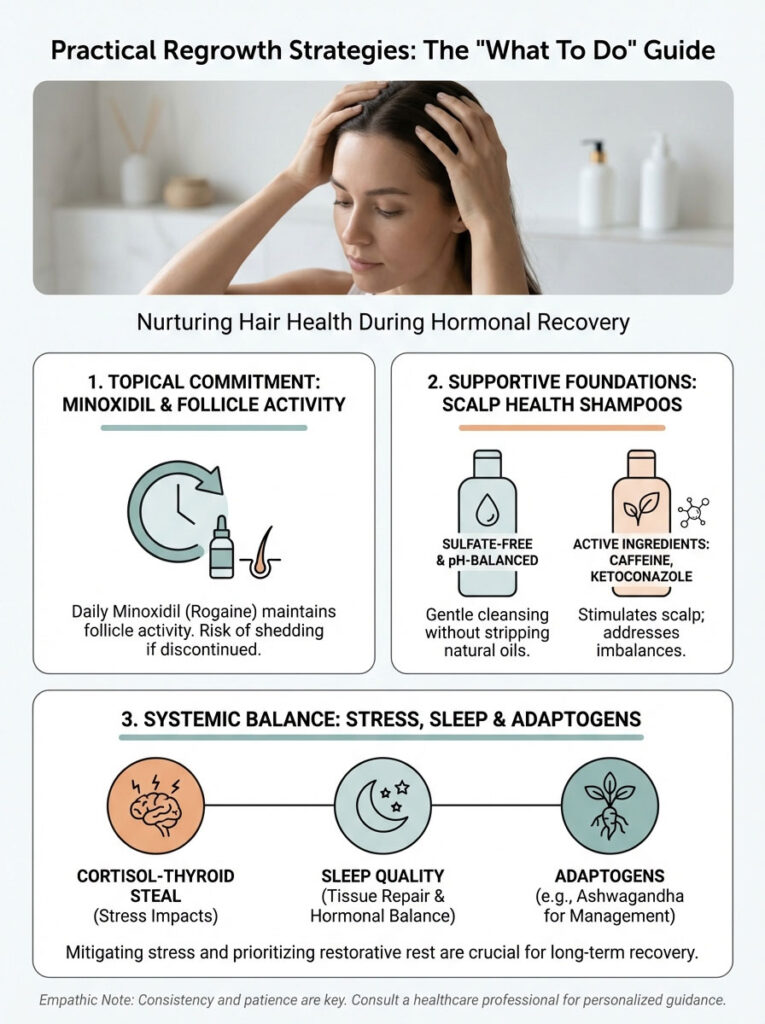
Ashwagandha is most effective when used as part of a bigger plan. Here’s a suggested routine for managing stress-related hair loss.
Step-by-step Routine
- Identify Stressors: Write down main sources of stress (work, family, illness).
- Start Ashwagandha: Begin with 300 mg per day after a meal.
- Eat for Hair Health: Focus on protein, iron, zinc, and vitamin D.
- Practice Stress Management: Try yoga, meditation, or mindfulness daily.
- Take Care of Your Scalp: Use gentle shampoos, avoid tight hairstyles.
- Track Progress: Note hair shedding, regrowth, and stress levels each week.
- Adjust as Needed: Increase ashwagandha to 500-600 mg if tolerated, add other adaptogens if needed.
Not-so-obvious Tip
Don’t overlook sleep. Poor sleep raises cortisol and slows hair regrowth. Ashwagandha can help, but set a regular sleep schedule for the best results.
How Fast Can You Expect Results?
Many people want quick fixes, but hair growth is slow. Here’s what’s realistic:
- 2-4 weeks: Reduced anxiety, better sleep, lower stress.
- 6-8 weeks: Less hair shedding as cortisol drops.
- 3-6 months: Noticeable hair regrowth, thicker texture.
Results depend on consistency, overall health, and the type of hair loss. For genetic baldness, results may be limited. For stress-related loss, improvements are often more visible.
Credit: www.target.com
Comparing Natural Solutions For Hair Loss
How does ashwagandha stack up against other common natural options for hair loss? Here’s a breakdown.
| Remedy | Main Benefit | Best For | Time to See Results |
|---|---|---|---|
| Ashwagandha | Reduces cortisol, supports hormones | Stress-related hair loss | 2-3 months |
| Biotin | Supports keratin production | Thin, brittle hair | 3-6 months |
| Saw Palmetto | Blocks DHT | Androgenetic alopecia | 3-6 months |
| Rosemary Oil | Improves scalp circulation | Patchy hair loss, poor scalp health | 2-4 months |
Ashwagandha is best for those whose hair loss is triggered by stress and high cortisol, while other remedies target different causes.
Myths And Mistakes About Adaptogens And Hair Loss
Many people misunderstand how adaptogens work. Here are some common myths and mistakes to avoid:
- Myth: Adaptogens work instantly.
- Reality: They need time to build up in the body. Expect gradual changes, not overnight miracles.
- Mistake: Taking too many supplements at once.
- Combining several adaptogens or hair loss pills can cause side effects and make it hard to know what’s working.
- Myth: Adaptogens can fix all types of hair loss.
- Reality: They’re most effective for stress or hormone-related hair loss, not for genetic baldness.
- Mistake: Ignoring lifestyle factors.
- Diet, sleep, and stress management are just as important as supplements.
- Myth: Natural means always safe.
- Even herbs like ashwagandha can interact with medications or cause side effects if used incorrectly.
Practical Tips For Success
Get the most from ashwagandha and adaptogens with these tips:
- Buy standardized extracts: Look for supplements with 5% withanolides for best results.
- Stay consistent: Take your dose every day, at the same time.
- Combine with lifestyle changes: Eat well, manage stress, and sleep enough.
- Be patient: Track changes monthly, not daily.
- Consult a doctor: Especially if you have medical conditions or take medications.
When To See A Doctor
While adaptogens can help, some situations require professional help:
- Sudden or patchy hair loss
- Hair loss with other symptoms (weight loss, fatigue, skin changes)
- No improvement after 6 months
- Scalp pain, redness, or open sores
A healthcare provider can check for underlying problems like thyroid disorders, anemia, or autoimmune disease.

Credit: www.amazon.com
Where To Learn More
For more detailed research on adaptogens and hair loss, visit the National Institutes of Health. This resource offers up-to-date scientific studies and expert reviews.
Frequently Asked Questions
How Long Does It Take For Ashwagandha To Reduce Hair Loss?
Most people notice less hair shedding within 6-8 weeks of daily use. Full regrowth can take 3-6 months. Patience and consistency are important for best results.
Is Ashwagandha Safe For Everyone?
Ashwagandha is safe for most people, but those who are pregnant, breastfeeding, have autoimmune diseases, or take thyroid or sedative medications should check with a doctor before using it.
Can Ashwagandha Help With All Types Of Hair Loss?
Ashwagandha is most effective for stress-related hair loss (telogen effluvium) and may help with hormone-related hair loss. It is less effective for genetic baldness (androgenetic alopecia).
Are There Any Side Effects To Using Ashwagandha For Hair Loss?
Side effects are rare and usually mild. They may include digestive upset or drowsiness. Starting with a low dose and taking it with food can help avoid problems.
Can I Combine Ashwagandha With Other Hair Loss Treatments?
Yes, ashwagandha can be combined with other hair growth approaches like a healthy diet, gentle scalp care, and stress management. However, avoid using multiple new supplements at once without professional advice.
Hair loss can feel overwhelming, but understanding your body and using proven adaptogens like ashwagandha can put you on the path to recovery. With patience and the right routine, healthier hair and reduced stress are within reach.