

Blood Sugar Spikes And Skin Aging: The Glycation Connection
Most people know sugar can affect weight and energy. But few realize how deeply blood sugar spikes can change the way we age—especially our skin. Behind many fine lines and loss of glow is a hidden process called glycation. This process is not just a beauty problem, but a signal from inside the body that something is out of balance.
You may have wondered why some people age faster or why skin loses its firmness and shine as we get older. The answer is not always about sun damage or genetics. It is often about the sugar you eat and how your body handles it.
Recent research connects blood sugar swings with faster skin aging, revealing why controlling sugar is important not just for health, but also for looking young.
Understanding this link can help you make better choices about diet, skincare, and lifestyle. This article explores how blood sugar spikes lead to glycation, what that means for your skin, and what you can do to slow down this type of aging. If you want to keep your skin looking its best, reading about the glycation connection could make a real difference.
What Are Blood Sugar Spikes?
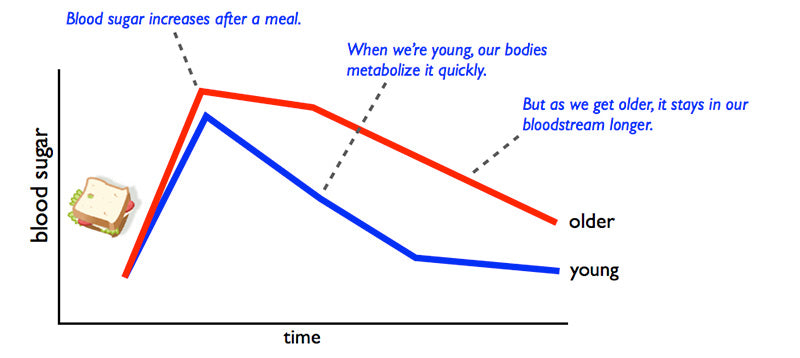
When you eat foods high in sugar or refined carbs, your blood sugar rises quickly. This is called a blood sugar spike. The body reacts by releasing insulin, a hormone that helps move sugar from the blood into your cells for energy.
But not all sugar spikes are the same. Occasional increases are normal and safe. Problems begin when spikes happen often or are very high. Constant ups and downs can make your body less sensitive to insulin, leading to more sugar staying in your blood.
Many people do not notice these changes. You might feel tired, get headaches, or crave more sweets. Over time, high blood sugar can affect organs, nerves, and even your skin.
Common Causes Of Blood Sugar Spikes
- Eating sugary snacks and drinks (like soda, cakes, and candy)
- Large portions of white bread, rice, or pasta
- Skipping meals, then overeating later
- Stress, which triggers hormones that raise blood sugar
- Lack of exercise
Each of these factors can make your blood sugar rise quickly, leading to a surge that your body must control. The more often this happens, the more likely you are to have glycation effects.
How Blood Sugar Is Measured
Doctors often measure blood sugar with a simple blood test. The main ways include:
- Fasting blood sugar: After not eating for 8 hours
- Post-meal sugar: 1-2 hours after eating
- HbA1c test: Shows average blood sugar over 2-3 months
Normal fasting blood sugar is usually between 70-99 mg/dL. Above 126 mg/dL could mean diabetes. But even people with “normal” tests can have small spikes that cause hidden damage over time.
Why Small Spikes Matter
Many people believe only big sugar problems are dangerous. In fact, even small spikes, if they happen often, can damage your skin and other body parts. Glycation is one reason why.
What Is Glycation?
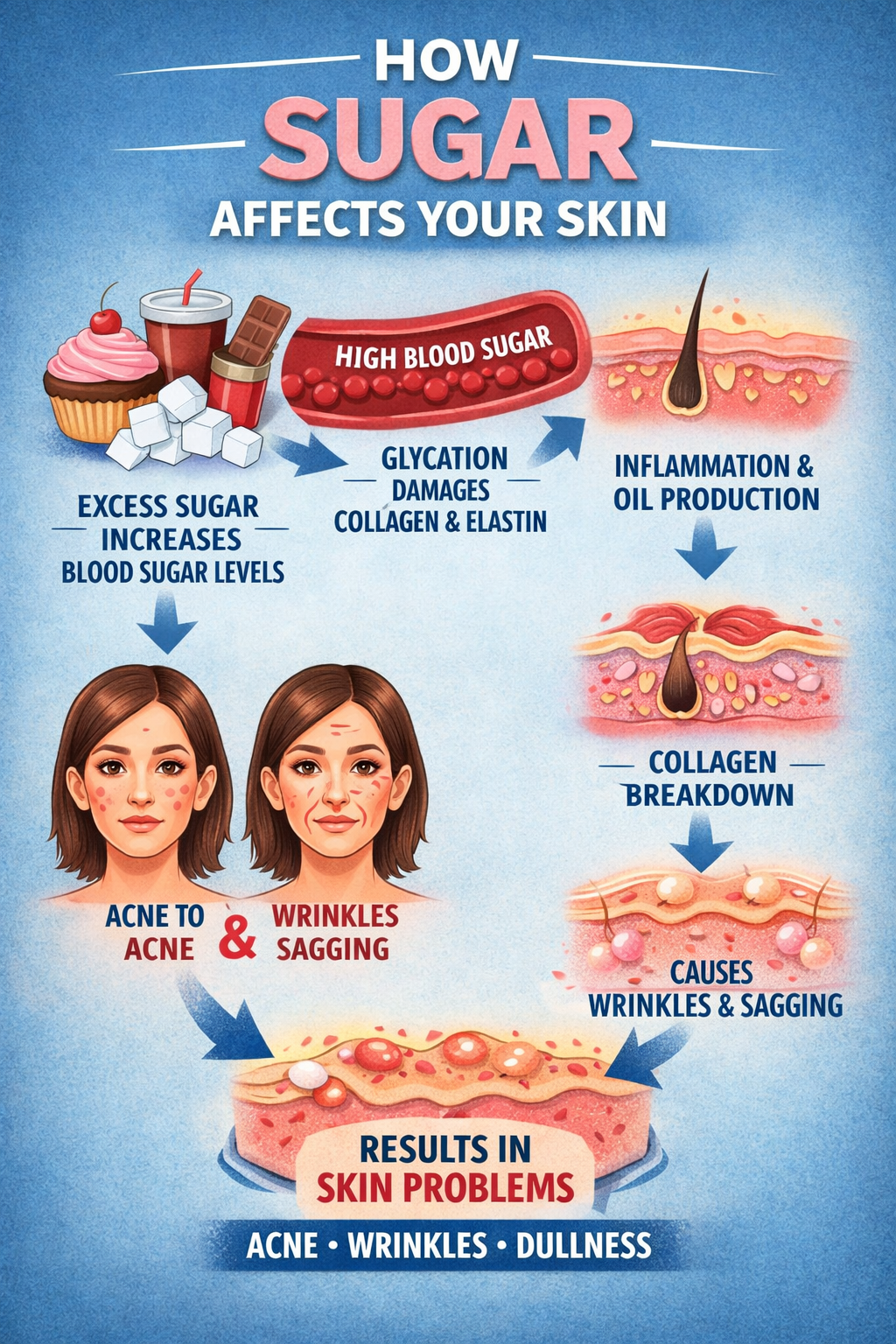
Glycation is a chemical reaction. It happens when sugar molecules attach to proteins or fats in your body without help from enzymes. This creates harmful compounds called Advanced Glycation End Products (AGEs).
AGEs build up over time, especially when blood sugar is high. They change how proteins work and make them stiff and less flexible. This affects many organs, but it is especially visible in the skin.
How Glycation Happens
- You eat a meal rich in sugar or refined carbs.
- Blood sugar rises quickly.
- Sugar molecules attach to collagen and elastin (the skin’s main support proteins).
- These proteins become stiff and lose their shape.
- Skin loses firmness, develops wrinkles, and looks dull.
AGEs are not just formed inside the body. They can also come from foods cooked at high temperatures, like grilled meats or fried snacks.
Ages And The Aging Process
AGEs make proteins hard and brittle. This affects the collagen in your skin, making it less elastic. When collagen and elastin are damaged, your skin cannot snap back or repair itself well.
But the damage is not only skin-deep. AGEs can cause inflammation, make blood vessels less flexible, and even affect how wounds heal. This means glycation is both a beauty and a health concern.
The Science Linking Glycation And Skin Aging
Scientists have studied how glycation affects the skin for decades. The results are clear: high blood sugar and AGEs speed up visible signs of aging.
Collagen And Elastin: The Skin’s Support System
Your skin depends on two main proteins:
- Collagen gives structure and strength.
- Elastin lets skin stretch and return to shape.
When sugar sticks to these proteins, they become less effective. Collagen stiffens, and elastin loses its “bounce”. This leads to:
- Wrinkles and fine lines
- Sagging skin
- Loss of glow
- Thicker, uneven texture
Scientific Studies
A study published in the British Journal of Dermatology showed that people with higher blood sugar levels had more AGEs in their skin. Their skin was less elastic and developed wrinkles faster.
Another research project found that AGEs can make the skin more yellow and less able to hold water. This means more dryness and less healthy color.
Data On Glycation And Age
Here’s a comparison of how glycation changes the skin as people age:
| Age Group | Collagen Flexibility | AGEs Level | Visible Skin Changes |
|---|---|---|---|
| 20-30 years | High | Low | Firm, smooth skin |
| 40-50 years | Medium | Medium | First wrinkles, mild sagging |
| 60+ years | Low | High | Deep lines, thinning skin |
This table shows that as AGEs increase, skin becomes less flexible and signs of aging grow stronger.
Non-obvious Insight
Most people focus on sun damage as the main cause of wrinkles. But research shows that glycation can cause as much aging as UV light—especially in people with high sugar diets. Some experts call glycation “internal sun damage” because it breaks down collagen from the inside.
Another insight: AGEs can make your skin heal slower after cuts or acne. This is because stiff collagen cannot rebuild as quickly, leading to scars or longer healing times.
How Blood Sugar Spikes Make Glycation Worse
Not all glycation happens at the same rate. The faster and higher your blood sugar rises, the more sugar is available to stick to proteins. This is why quick spikes are more harmful than steady, low levels.
Glycemic Index And Glycation
Foods are ranked by how much they raise blood sugar. This is called the Glycemic Index (GI). Foods with a high GI (like white bread or candy) cause big spikes. Low GI foods (like beans or whole grains) cause slow, steady rises.
Frequent high-GI meals mean more glycation and faster aging.
Example: How A Meal Changes Skin
Imagine eating a donut for breakfast. The sugar rush makes your blood sugar jump. Collagen in your skin is suddenly exposed to more sugar, increasing the chance for glycation. If you do this every morning, the damage adds up—leading to wrinkles and dullness sooner than you expect.
Why Spikes Are Worse Than Steady High Sugar
A common mistake is thinking only constant high blood sugar is dangerous. In reality, repeated sharp spikes—even in people without diabetes—cause more glycation. This is because the sudden rise overwhelms the body’s repair systems.
If you eat a balanced, low-sugar diet, your body can handle small amounts of glycation. But with frequent spikes, AGEs build up faster than your body can remove them.
Data: Glycemic Index And Ages
| Food Type | Glycemic Index | AGE Formation (relative) |
|---|---|---|
| White bread | 75 | High |
| Oatmeal | 55 | Medium |
| Lentils | 32 | Low |
This table shows that foods with a high GI make more AGEs, speeding up skin aging.
Signs Your Skin Is Suffering From Glycation
Glycation damage does not show up overnight. But over months or years, you may notice changes in your skin. These signs are often missed or blamed on other causes.
Key Signs Of Glycation-related Aging
- Yellow or sallow skin tone: AGEs can change the color of collagen, making skin look less bright.
- Loss of firmness: Skin feels looser, especially around the eyes and mouth.
- Deepening lines and wrinkles: Not just fine lines, but visible creases.
- Dullness: Skin loses its glow and looks tired.
- Slow healing: Cuts, acne, or scratches take longer to disappear.
- Increased spots or uneven tone: Glycation can make age spots or pigment problems worse.
These changes are not just from aging or sun alone. Blood sugar spikes and AGEs are often the hidden cause.
How To Tell The Difference
Sun damage tends to cause freckles, thin skin, and broken blood vessels. Glycation gives a yellowish tone and deep, crosshatched wrinkles.
If you notice both, it may be a sign to check your diet and blood sugar habits.
What Makes Glycation Worse? (and What Slows It Down)
Some habits and foods make glycation much faster. Others can slow it down and protect your skin.
Top Glycation Accelerators
- High-sugar diets: Sweets, sugary drinks, and desserts are the main cause.
- Refined carbs: White bread, white rice, and pasta act like sugar in the body.
- Overcooked meats: Grilling, frying, or broiling at high heat creates AGEs in food.
- Smoking: Increases AGEs and reduces skin repair.
- Chronic stress: Raises blood sugar through stress hormones.
- Lack of sleep: Poor sleep makes the body less able to clear AGEs.
Non-obvious Insight
Even “healthy” foods can cause glycation if eaten in large amounts or cooked at high heat. For example, roasted nuts or baked goods can contain AGEs, even if they are low in sugar.
Also, fruit juices—even with no added sugar—can spike blood sugar quickly, leading to more glycation.
What Slows Glycation?
- Low-sugar diets: Eating whole grains, vegetables, and healthy fats.
- Gentle cooking methods: Steaming, boiling, or poaching reduces AGE formation.
- Antioxidant-rich foods: Berries, leafy greens, and nuts help break down AGEs.
- Exercise: Helps the body use sugar for energy instead of letting it stick to proteins.
- Good sleep and stress management: Keeps blood sugar stable and supports repair.
Making small changes in these areas can have a big effect on your skin’s aging process.

Credit: novi-health.com
Diet And Lifestyle: How To Reduce Glycation And Protect Your Skin
If you want younger-looking skin, controlling glycation is just as important as sunscreen. Here’s how you can lower blood sugar spikes and slow down aging from the inside.
Choosing The Right Foods
- Eat whole grains instead of white bread or rice.
- Choose fresh fruit over fruit juice. The fiber in whole fruit slows sugar absorption.
- Add more vegetables at every meal.
- Limit sugary snacks and desserts to special occasions, not every day.
- Eat more plant proteins like beans, lentils, and tofu.
Cooking Tips
- Steam, boil, or stew foods instead of frying or grilling.
- Marinate meats with lemon or vinegar before cooking; this can lower AGE formation.
- Avoid heavily browned or charred foods.
Meal Timing And Portions
- Eat regular meals to prevent big hunger and overeating later.
- Combine carbs with protein or healthy fats to slow sugar absorption.
- Watch portion sizes, especially for high-carb foods.
Example Day Of Low-glycation Eating
- Breakfast: Oatmeal with nuts and berries
- Lunch: Grilled chicken salad with mixed greens and olive oil
- Snack: A small apple with almond butter
- Dinner: Steamed fish with brown rice and steamed broccoli
This type of day keeps blood sugar stable, reducing glycation risk.
Hydration
Drink plenty of water. It helps your body remove waste, including some AGEs. Avoid sugary drinks and limit alcohol.
Supplements
Some studies suggest that alpha-lipoic acid, vitamin C, and vitamin E may help fight glycation. But food and lifestyle changes work best.
Skincare Ingredients That Help
Some creams and serums can help protect skin from glycation:
- Niacinamide: Strengthens skin and repairs damage.
- Carnosine: May block AGEs from forming.
- Retinol: Boosts new collagen growth.
But remember, no cream can undo all glycation damage. Prevention is the most powerful tool.
Comparing Glycation To Other Skin Aging Factors
Many people ask, “Is glycation as important as sun or pollution? ” The answer is yes. All three work together to age the skin, but glycation is often overlooked.
| Aging Factor | Main Damage | Signs | Prevention |
|---|---|---|---|
| Sun/UV | Breaks collagen, causes mutations | Freckles, thin skin, redness | Sunscreen, hats, shade |
| Pollution | Oxidative stress, inflammation | Dullness, dark spots, rough skin | Cleansing, antioxidants |
| Glycation | Stiffens collagen, slows repair | Yellow tone, deep wrinkles, slow healing | Low-sugar diet, gentle cooking |
This comparison shows why all three factors need attention for the best skin results.
Hidden Sources Of Ages And Sugar
It is easy to think only cakes and soda are a problem. But AGEs and sugars hide in many places.
Surprising Sources Of Ages
- Toasted bread and bagels
- Roasted coffee and nuts
- Processed meats (bacon, sausage)
- Hard cheeses
- Baked goods (even “healthy” muffins)
Hidden Sugars
- Flavored yogurt
- Salad dressings
- Sauces like ketchup or barbecue
- “Low-fat” snacks (often high in sugar to improve taste)
Reading labels and choosing fresh, simple foods helps you avoid hidden glycation risks.
Glycation And Skin Conditions
Glycation does not just cause wrinkles. It can make some skin problems worse.
Acne
High sugar and AGEs can trigger more inflammation, making acne harder to control. They can also slow healing, leaving scars.
Eczema And Psoriasis
People with these conditions may find flare-ups get worse with high sugar diets. AGEs can make skin more sensitive and less able to repair.
Wound Healing
Older adults, people with diabetes, and anyone with high AGEs will notice that cuts or scrapes heal more slowly. This is because stiff collagen cannot rebuild quickly.
Credit: www.apolomed.com
The Role Of Exercise And Sleep
Diet is key, but it is not the whole story.
Exercise
Regular physical activity helps your body use up sugar before it can cause glycation. Even short walks after meals can lower blood sugar spikes.
Exercise also boosts circulation, bringing nutrients to the skin and helping remove waste products.
Sleep
Good sleep lets your body repair and clean up damaged proteins, including AGEs. Poor sleep, on the other hand, raises stress hormones and blood sugar.
Aim for 7-9 hours of quality sleep each night.
Medical Treatments For Glycation
For those with visible signs of glycation, some medical treatments can help, but none can fully reverse the damage.
Laser Therapy
Certain lasers can break up crosslinked collagen, smoothing out wrinkles. Results depend on the degree of glycation and skin type.
Chemical Peels
Peels with retinoic acid or glycolic acid can encourage new skin growth and fade dullness caused by AGEs.
Injectable Treatments
Dermal fillers can replace lost volume, but they do not fix the stiff, crosslinked proteins from glycation.
New Research
Scientists are studying drugs that block AGE formation or break down AGEs in the body. These are not yet widely available, but they show promise for the future.
Real-life Success Stories
Many people have improved their skin by changing their diet and habits.
One woman in her 50s switched from daily pastries to oatmeal and fresh fruit. After six months, she noticed fewer new wrinkles and more glow. A man with early diabetes cut out sugary drinks and started walking after meals. His skin healed faster after shaving cuts, and he looked less tired.
These changes take time, but they show that glycation is not just about genes or age—you have some control.
How To Start: A Simple Plan For Reducing Blood Sugar Spikes
If you want to protect your skin, you do not need to make big changes all at once. Here’s a simple plan:
- Swap white bread for whole grain at least once a day.
- Drink water instead of soda or juice most days.
- Eat protein at every meal to slow sugar absorption.
- Walk after large meals to use up extra sugar.
- Try steaming or boiling instead of frying.
Keep a food and skin diary for a month. Notice if your skin becomes brighter, firmer, or heals faster. Small steps can add up to big results.
Credit: getjoydays.com
The Glycation Connection: Why It Matters For Everyone
You do not need to have diabetes or be “old” for glycation to affect your skin. Blood sugar spikes start causing damage in your 20s and 30s, long before wrinkles appear.
Protecting your skin from glycation means more than looking young. It lowers your risk for other age-related problems, like heart disease, kidney damage, and poor wound healing.
Learning about the glycation connection gives you a secret weapon in the fight against aging. By watching what you eat, how you cook, and your daily habits, you can slow down one of the main causes of skin aging.
If you want to learn more about the science behind AGEs and how they affect the body, you can read more at the Wikipedia page on Advanced Glycation End-products.
Frequently Asked Questions
What Is The Main Cause Of Glycation In The Skin?
The main cause is high blood sugar, especially from eating lots of sugar or refined carbs. Blood sugar spikes give more sugar molecules a chance to attach to collagen and elastin, forming AGEs and damaging the skin.
Can Glycation Damage Be Reversed?
Some effects, like dullness or dryness, can improve with a better diet and skincare. But deep glycation (crosslinked collagen) is hard to reverse. Prevention is key. Some medical treatments and antioxidants can help, but they work best when started early.
Are There Skin Creams That Block Glycation?
Some creams contain carnosine or antioxidants that may help prevent new glycation. However, no cream can undo all the damage. The most effective way is through a healthy diet and lifestyle.
Does Cooking Method Really Affect Ages In Food?
Yes. Cooking at high heat (frying, grilling, roasting) creates more AGEs than steaming or boiling. Marinating meats or using moist heat can reduce AGE formation. Choosing gentle cooking methods protects both your body and your skin.
How Quickly Will My Skin Improve If I Change My Diet?
Some people see brighter, firmer skin in as little as 4-8 weeks. Deeper changes, like fewer wrinkles or faster healing, may take 3-6 months. Consistency is important—stick with the changes for the best results.
Blood sugar spikes and glycation are silent but powerful causes of skin aging. By understanding the connection and making smart choices, you can protect your skin’s youth and health for years to come.