

Gray hair is a natural part of aging, and for many, it arrives earlier than expected. While some people embrace their silver strands, others struggle with a common problem: brittleness. Gray hair is often more coarse, dry, and prone to breakage than pigmented hair. But why does this happen, and what can you do about it? The answer lies in understanding the delicate balance of moisture and protein within your hair. If you want your gray hair to feel soft, strong, and healthy, this guide will help you master moisture and protein care—step by step.
Why Does Gray Hair Become Brittle?
Gray hair is different from colored hair at a structural level. As we age, our hair follicles slow down or stop producing melanin, the pigment that gives hair its color. But this process does more than change appearance. The reduction in melanin also affects the hair’s texture, making it more vulnerable to environmental stress.
Without enough melanin, gray hair loses some of its natural protection against UV rays and pollution. This makes it easier for the cuticle—the outer layer of each strand—to become damaged. When the cuticle is not smooth and sealed, moisture escapes and harmful substances enter. The result: rough, dry, brittle hair.
But there’s more. As we age, the scalp produces less natural oil (sebum). This oil is what keeps hair supple and moisturized. With less sebum, gray hair dries out easily and has a harder time retaining moisture. Combine that with structural changes in the hair shaft, and you have a perfect recipe for breakage.
The Science Of Hair Structure: Moisture And Protein
To keep gray hair healthy, you need to understand the two main building blocks: protein and moisture. Hair is made mostly of a protein called keratin. This gives hair its strength and structure. But protein alone is not enough—your hair also needs water, which gives it flexibility and softness.
If your hair has too little protein, it will feel weak and stretchy, breaking easily when pulled. If it has too little moisture, it will feel stiff, dry, and prone to snapping. Gray hair often struggles with both problems at once.
Think of hair like a rope: the fibers (protein) give it strength, but the flexibility (moisture) stops it from snapping. The key to preventing brittleness is keeping both balanced.
How To Prevent Brittleness In Gray Hair
Let’s dive into practical steps and tips to keep gray hair soft, strong, and beautiful. Each tip is based on science and real-world experience.
1. Use Gentle, Sulfate-free Shampoos
Many shampoos contain sulfates—cleansing agents that create foam but can strip hair of its natural oils. For gray hair, this can be especially harsh, leading to even more dryness and brittleness. Switch to a sulfate-free shampoo. These formulas clean your hair without removing the essential moisture and oils your scalp produces.
2. Condition Every Time You Wash
Never skip conditioner. This step is vital for restoring moisture and sealing the hair cuticle. Look for conditioners that are rich in emollients (like shea butter or coconut oil) and humectants (like glycerin or panthenol), which attract and lock in water.
3. Deep Condition Weekly
Regular conditioner is good, but deep conditioning treatments take moisture to the next level. Once a week, use a deep conditioner or hair mask specifically designed for dry or mature hair. These products penetrate deeper into the hair shaft, providing long-lasting hydration and softness.
4. Add Protein Treatments (but Not Too Often)
Protein treatments rebuild the keratin in your hair, making it stronger and less likely to break. However, too much protein can make hair stiff and brittle. For gray hair, use a protein treatment once or twice a month, or whenever your hair feels limp and overly soft (a sign of low protein).
Signs You Need A Protein Treatment:
- Hair feels mushy or stretchy when wet
- Lots of breakage or shedding
- Your hair doesn’t hold styles well
Signs Of Too Much Protein:
- Hair feels hard, straw-like, or snaps easily
- Loss of shine and flexibility
5. Avoid Excessive Heat Styling
Heat tools like blow dryers, straighteners, and curling irons can zap moisture from your hair and damage the cuticle. If you must use heat, always apply a heat protectant spray, and keep the temperature as low as possible. Air-drying is always the gentlest option.
6. Protect Hair From The Sun
UV rays can make gray hair yellow and weaken the cuticle. Whenever you spend time outdoors, wear a hat or use a leave-in product with UV protection. This helps maintain your hair’s strength and keeps color bright.
7. Use Satin Or Silk Pillowcases
Cotton pillowcases can rough up the cuticle as you sleep, causing friction and breakage. Switching to a satin or silk pillowcase reduces friction, helping your hair retain moisture and preventing tangles.
8. Limit Chemical Treatments
Bleaching, perming, and relaxing all weaken the hair’s structure. Gray hair is already more fragile, so these treatments can cause serious brittleness. If you must color your gray hair, opt for ammonia-free or gentle formulas, and space out treatments as much as possible.
9. Hydrate From The Inside
Hair health starts from within. Make sure you drink enough water daily and eat a balanced diet rich in omega-3 fatty acids, vitamin E, biotin, and protein. These nutrients support both the scalp and hair shaft.
10. Trim Regularly
Split ends travel up the hair shaft and cause more damage. Regular trims—every 6 to 8 weeks—keep your hair looking fresh and prevent split ends from making hair appear more brittle.
11. Avoid Brushing Wet Hair
Wet hair is much more elastic and prone to breakage. If you need to detangle, use a wide-tooth comb and work from the ends up. Be gentle, and use a detangling spray if needed.
12. Use Leave-in Conditioners
Leave-in conditioners add an extra layer of protection and moisture throughout the day. They help seal the cuticle and keep hair feeling soft between washes.
13. Try Pre-shampoo Oil Treatments
Applying oil before shampooing can help protect the hair shaft from moisture loss during washing. Good options for gray hair are coconut oil, argan oil, or jojoba oil. Leave the oil in for at least 30 minutes before shampooing.
14. Be Careful With Hard Water
Hard water contains minerals that can build up on hair, making it feel rough and look dull. If you notice these signs, install a shower filter or use a clarifying shampoo once a month to remove mineral buildup.
15. Avoid Tight Hairstyles
Tight ponytails, braids, or buns can pull on fragile gray hair and cause breakage around the hairline. Choose loose, gentle styles, especially if your hair feels dry or brittle.
16. Don’t Over-wash
Washing hair too often strips away natural oils. For most people with gray hair, washing 2–3 times per week is enough. In between, use a dry shampoo if needed.
17. Add Humidity To Your Home
Dry air in your home, especially in winter, can make hair more brittle. Use a humidifier to keep moisture in the air, which helps your hair retain hydration.
18. Choose The Right Hairbrush
A boar bristle brush or a soft, flexible brush helps distribute natural oils from your scalp down the hair shaft. This keeps hair smoother and less prone to dryness.
19. Avoid Products With Alcohol
Some styling products contain alcohol, which can dry out hair. Check labels and choose alcohol-free options to keep your hair hydrated.
20. Listen To Your Hair
Your hair’s needs can change with the seasons, your health, or your routine. Pay attention to how it feels, and adjust your products and routines when needed.
Moisture Vs. Protein: Finding The Right Balance
Many people don’t realize that too much of either moisture or protein can cause problems. Here’s how to tell what your hair needs—and when.
Moisture Overload
If your hair feels limp, overly soft, or won’t hold a style, you might have too much moisture and not enough protein. In this case, cut back on heavy moisturizing treatments and add a protein treatment.
Protein Overload
Hair that is hard, crunchy, or snaps easily may have too much protein. Stop protein treatments and use deep moisturizing masks to restore balance.
Quick Test: The Wet Stretch Test
Take a single strand of wet hair and stretch it gently:
- If it stretches a lot and breaks, you need protein.
- If it barely stretches and breaks, you need moisture.
- If it stretches a bit and returns to normal, your balance is good.
Comparing Moisture And Protein Treatments
To help you choose the right products, here’s a comparison of typical ingredients in moisture and protein treatments.
| Treatment Type | Main Ingredients | Benefits | Best For |
|---|---|---|---|
| Moisture Treatment | Glycerin, Aloe Vera, Shea Butter, Panthenol | Softness, Flexibility, Shine | Dry, brittle, rough hair |
| Protein Treatment | Keratin, Hydrolyzed Wheat Protein, Silk Amino Acids | Strength, Structure, Reduced Breakage | Weak, limp, stretchy hair |
The Role Of Diet And Supplements
Healthy hair starts with a healthy body. Here’s how nutrition affects your hair:
| Nutrient | Role in Hair Health | Food Sources |
|---|---|---|
| Protein | Builds keratin, strengthens hair shaft | Eggs, fish, lean meat, beans |
| Omega-3 Fatty Acids | Maintains scalp moisture, reduces inflammation | Salmon, walnuts, chia seeds |
| Vitamin E | Protects hair follicles from damage | Almonds, sunflower seeds, spinach |
| Biotin | Improves hair growth and strength | Egg yolk, nuts, whole grains |
| Zinc | Supports scalp health, prevents hair loss | Oysters, beef, pumpkin seeds |
If you struggle to get these nutrients through food, consider a daily multivitamin after consulting your doctor.

Credit: www.walmart.com
Real-world Examples: Gray Hair Transformation
Let’s look at two people who improved their gray hair health by mastering moisture and protein balance.
Maria, Age 52
Maria started noticing her gray hair felt wiry and snapped every time she brushed. She realized her shampoo contained sulfates, so she switched to a gentle, moisturizing formula. She added weekly deep conditioning and started using a satin pillowcase.
Within two months, Maria’s hair felt softer, and breakage reduced. Her secret was consistency and listening to her hair’s changing needs.
David, Age 60
David noticed his gray hair looked dull and felt mushy after every wash. He was using heavy moisturizing masks twice a week. After reading about protein/moisture balance, he added a protein treatment once a month. His hair gained strength, and the limpness disappeared.
Both Maria and David learned that balance, not just more products, is the key to gray hair vitality.
Common Myths About Gray Hair Care
Let’s clear up some myths that often confuse people caring for gray hair:
- Gray hair is always coarse: Not true. Some gray hair can be fine, but it becomes coarser or drier due to lack of melanin and natural oil.
- You need special products for gray hair: While some products target silver hair, the main thing is to look for formulas that add moisture and gentle protein.
- Oiling hair makes it grow faster: Oils help with moisture and scalp health but don’t speed up growth.
- Protein treatments are only for colored hair: Gray hair also benefits from protein, especially if it’s weak or limp.
Choosing The Right Products For Your Gray Hair
The haircare market is crowded, and it’s easy to get lost. Here are some tips to help you make smart choices:
- Look for sulfate-free, alcohol-free, and paraben-free labels.
- Avoid heavy waxes or silicones that can build up and dull gray hair.
- Choose conditioners and masks with both moisturizing and strengthening ingredients.
- For leave-in products, select lightweight sprays or creams that don’t weigh hair down.
If you’re unsure, try sample sizes or ask your stylist for recommendations.
How Weather And Environment Affect Gray Hair
Gray hair is more sensitive to climate and pollution. Here’s how different environments can impact your hair, and what to do about it:
- Cold, dry weather: Increases dryness and static. Use heavier conditioners and a humidifier indoors.
- Hot, humid weather: Can lead to frizz. Use anti-humidity serums and avoid heavy oils.
- Urban pollution: Particles from the air settle on hair, making it dull. Use clarifying shampoos once a month and cover hair with a hat when needed.
- Chlorine or saltwater: Both can dry out and yellow gray hair. Rinse hair before swimming, wear a swim cap, and use a chelating shampoo after exposure.
Professional Treatments For Gray Hair Brittleness
Sometimes, home care is not enough. Professional salon treatments can help if your gray hair is extremely brittle or damaged.
Olaplex And Bond-building Treatments
These treatments rebuild broken bonds inside the hair shaft, improving strength and softness. They are especially useful after chemical treatments or if your hair feels very fragile.
Keratin Smoothing Treatments
A gentle keratin treatment can smooth the cuticle and reduce frizz. Avoid harsh straightening chemicals, and look for formaldehyde-free options.
Gloss And Toner Services
Salons offer glossing or toning treatments to keep gray hair shiny and cancel out yellow tones. These don’t change the structure of your hair but improve its appearance.
Before choosing any professional treatment, consult with a stylist who has experience with gray hair.
The Importance Of Scalp Care
A healthy scalp is the foundation for healthy hair. As we age, scalp skin can become dry, tight, or flaky. Here’s how to care for your scalp:
- Use a gentle, pH-balanced shampoo.
- Massage your scalp daily to boost blood flow.
- Try a weekly scalp exfoliant to remove dead skin and buildup.
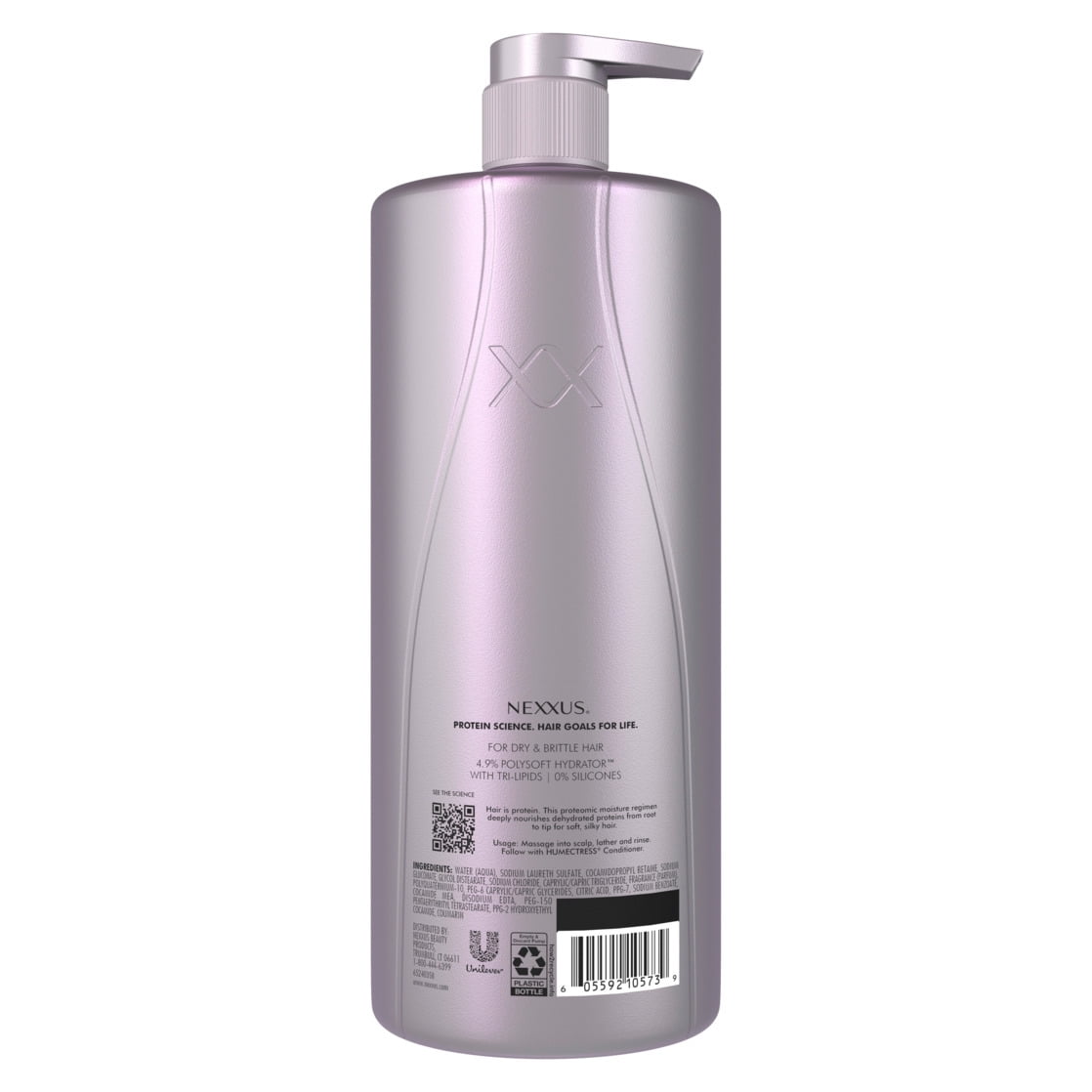
- Avoid heavy oils on the scalp if you have dandruff or buildup.
Credit: www.liberia.ubuy.com
How To Create A Simple Gray Hair Routine
If you feel overwhelmed by all the options, start with a basic routine and adjust as needed:
- Shampoo (2–3 times per week) with a gentle, sulfate-free formula.
- Condition after every wash.
- Deep condition once a week.
- Add a protein treatment once every 4–6 weeks.
- Use leave-in conditioner or oil on ends as needed.
- Protect hair from heat and UV rays.
- Trim every 6–8 weeks.
This routine covers all the essentials without being complicated.
Product Ingredient Guide: What To Look For
Here’s a quick guide to helpful ingredients in hair products for gray hair:
| Ingredient | What It Does | Product Type |
|---|---|---|
| Glycerin | Draws moisture into hair | Conditioners, leave-ins |
| Shea Butter | Deeply moisturizes and softens | Deep conditioners, masks |
| Keratin | Strengthens hair’s structure | Protein treatments |
| Panthenol (Vitamin B5) | Improves softness and shine | Shampoos, conditioners |
| Argan Oil | Seals in moisture and adds shine | Oils, serums |
| UV Filters | Protects from sun damage | Leave-ins, sprays |
Read labels and pick products that match your hair’s current needs.
When To See A Hair Specialist
If your gray hair remains brittle even after trying these tips, it might be time to see a trichologist (hair and scalp specialist) or dermatologist. Some medical conditions, like thyroid disorders or nutritional deficiencies, can affect hair health. A professional can help diagnose and treat underlying issues.
Two Insights Most Beginners Miss
- Seasonal Changes Matter: Your hair’s moisture and protein needs change with the weather. What works in summer might not work in winter. Adjust your routine as the climate shifts.
- Scalp Care Is as Important as Hair Care: Many people focus only on the hair shaft, but a healthy scalp is essential for strong, resilient gray hair. Don’t ignore scalp treatments and regular massage.
Practical Tips For Everyday Life
- Carry a small bottle of leave-in conditioner or hair oil in your bag for quick touch-ups.
- If your hair is long, braid it loosely before bed to prevent tangling and breakage.
- Use a soft T-shirt or microfiber towel instead of a regular towel to dry your hair. This reduces frizz and damage.
- If you color your gray hair, use color-safe, nourishing products, and avoid overlapping color on already colored sections.
Embracing Your Gray Hair Journey
Gray hair can be beautiful, unique, and a sign of wisdom and experience. With the right care, you can enjoy soft, healthy, and vibrant silver strands. Remember, what works for someone else may not work for you, so experiment, observe, and adjust.
The journey to strong, resilient gray hair is not about perfection—it’s about balance, patience, and self-care.
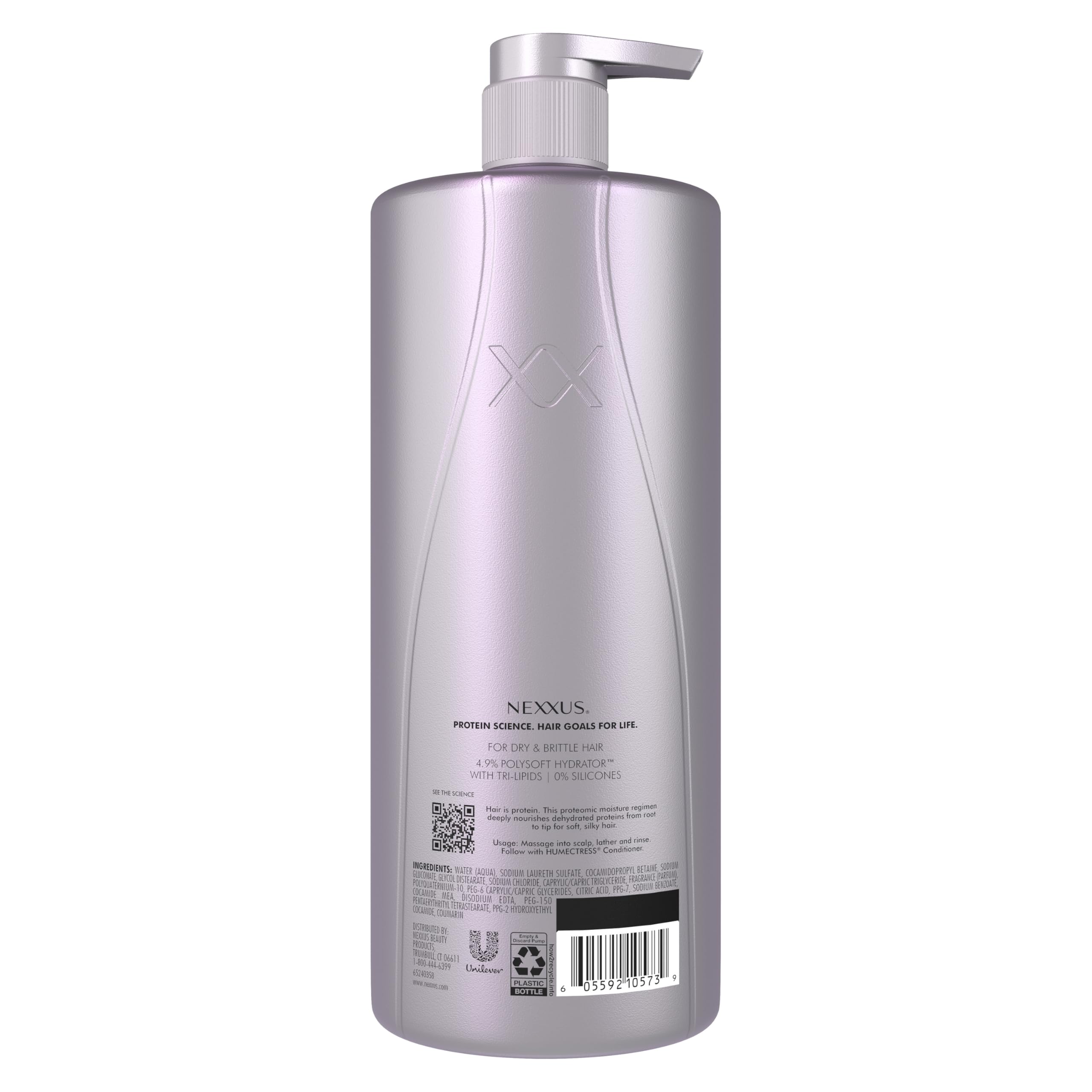
If you want to learn more about the science of hair care, check out this resource from the National Institutes of Health.
Credit: www.amazon.com
Frequently Asked Questions
What Causes Gray Hair To Be More Brittle Than Colored Hair?
Gray hair loses its natural pigment (melanin) and often has less natural oil, making it more vulnerable to dryness and damage. The cuticle is also rougher, which allows moisture to escape and brittleness to occur.
How Often Should I Use Protein And Moisture Treatments?
For most people with gray hair, moisture treatments can be used weekly, while protein treatments should be used every 4–6 weeks, or when hair feels weak or stretchy. Adjust frequency based on your hair’s response.
Can Diet Really Affect Gray Hair Health?
Yes, a diet rich in protein, omega-3 fatty acids, vitamin E, and biotin supports hair strength and moisture balance. Poor nutrition can lead to dry, brittle hair and even hair loss.
Are There Any Ingredients I Should Avoid In Hair Products For Gray Hair?
Avoid products with sulfates, harsh alcohols, and heavy waxes or silicones that can build up and make hair look dull. Look for gentle, hydrating formulas with natural oils and proteins.
Is It Safe To Color Gray Hair, Or Does It Make Brittleness Worse?
Coloring can make gray hair more brittle, especially if harsh chemicals are used. Choose ammonia-free or gentle dyes, and always follow up with deep conditioning treatments to restore moisture and strength.
Taking care of gray hair requires attention, patience, and the right balance of moisture and protein. With these tips and insights, you can prevent brittleness and keep your silver hair looking and feeling its best—today and for years to come.