

If you have ever stepped out of the shower with hair that feels dry, dull, or even straw-like, you might have wondered if the water itself is the problem. Many people talk about hard water ruining hair, while others recommend shower filters as a quick fix. But what’s the real difference between a water softener and a shower filter? More importantly, which solution is actually better for your hair health? This is not just about fancy gadgets—it’s about understanding how water quality affects your hair, and which investment will truly make a difference.
Let’s explore how each option works, why they matter, and the science behind what touches your scalp every day. You’ll discover the key differences, the hidden truths most people miss, and get clear advice on making the best choice for your unique needs.
Understanding Hard Water And Its Effects On Hair
Before you can decide between a water softener and a shower filter, you need to understand what hard water is and how it impacts your hair. Hard water contains a high amount of calcium and magnesium ions. These minerals are picked up as water travels through soil and rocks, especially in certain regions.
When you wash your hair with hard water, several things happen:
- Mineral buildup: Calcium and magnesium attach to your hair strands, making them heavy and dull.
- Shampoo doesn’t lather well: Hard water reduces the effectiveness of soaps and shampoos, making it harder to rinse out products.
- Dryness and irritation: The minerals can strip natural oils, causing dry scalp, itchy skin, and brittle hair.
- Color fading: If you dye your hair, hard water can make colors fade faster.
A 2016 study in the International Journal of Trichology showed that people living in hard water areas reported more hair damage and breakage compared to those with soft water. This isn’t just a small detail—it can change how your hair feels and looks every single day.
What Is A Water Softener?
A water softener is a home device that treats all the water entering your house. Its main job is to remove calcium and magnesium ions and replace them with sodium or potassium ions—a process called ion exchange. The result is soft water, which feels smoother and doesn’t leave mineral deposits behind.
How A Water Softener Works
- Ion exchange resin: Water passes through a tank filled with resin beads charged with sodium ions.
- Mineral removal: As hard water moves through, calcium and magnesium ions stick to the resin, and sodium ions are released into the water.
- Regeneration cycle: Periodically, the system flushes the resin with a salty brine to clean off the minerals and recharge the beads.
Water softeners typically treat all water in a home, including bathrooms, kitchens, and laundry areas. This means soft water benefits not only your hair, but also your skin, appliances, and plumbing.
Types Of Water Softeners
- Salt-based (ion exchange): The most common, effective for most homes.
- Salt-free conditioners: Use a different method (like template-assisted crystallization) but don’t actually remove minerals—just change their structure.
- Dual-tank softeners: Have two resin tanks for continuous soft water, ideal for large families.
- Portable softeners: Smaller, suitable for apartments or RVs.
What Water Softeners Remove
- Calcium
- Magnesium
- Small amounts of iron (in some cases)
However, water softeners do not remove chlorine, heavy metals, or many other chemicals. This is a common misconception.
Benefits For Hair Health
- Less mineral buildup: Hair feels softer, smoother, and lighter.
- Improved shampoo performance: Easier to rinse out products, less residue left behind.
- Reduced dryness: Natural oils stay on the scalp, leading to less irritation and flaking.
- Better for color-treated hair: Colors last longer without mineral interference.
Limitations
- Cost: Installation and maintenance can be expensive.
- Sodium in water: People on low-sodium diets may need to use potassium instead.
- No filtration of chemicals: Does not remove chlorine or other contaminants.
What Is A Shower Filter?
A shower filter is a compact device that attaches directly to your showerhead. Its goal is to remove or reduce certain chemicals and particles that can harm your hair and skin.
How A Shower Filter Works
Shower filters use activated carbon, KDF (Kinetic Degradation Fluxion) media, or other filtration materials to trap contaminants as water passes through. They are designed to be simple, low-cost, and easy to install.
What Shower Filters Remove
- Chlorine: Common in city water, damages hair and scalp.
- Chloramines: A type of disinfectant, though not all filters remove these.
- Some heavy metals: Such as lead and mercury.
- Sediment: Rust, sand, or dirt particles.
- Odors: Makes water smell fresher.
However, most shower filters do not remove hard water minerals like calcium and magnesium. They focus on chemicals and particles, not on softening water.
Benefits For Hair Health
- Less chemical damage: Reduces chlorine and other irritants.
- Scalp relief: Good for sensitive or itchy scalps.
- Brighter hair color: Chlorine removal helps maintain dye vibrancy.
- Quick installation: No plumber needed, fits most showers.
Limitations
- No softening effect: Does not remove hard minerals.
- Limited lifespan: Filters must be replaced every 6–8 months.
- May not remove all contaminants: Efficiency depends on the filter type.
Water Softener Vs Shower Filter: Key Differences
To compare both solutions clearly, let’s look at their differences side by side.
| Feature | Water Softener | Shower Filter |
|---|---|---|
| Main Purpose | Removes hard minerals (calcium, magnesium) | Removes chemicals (chlorine, some metals) |
| Whole House or Single Shower? | Whole house | Single shower or faucet |
| Hair Benefits | Softer, less buildup, less dryness | Less chemical irritation, color retention |
| Installation | Professional, complex | DIY, easy |
| Price | Higher (hundreds to thousands USD) | Lower (tens to low hundreds USD) |
| Removes Chlorine? | No | Yes |
| Removes Hardness? | Yes | No |
This comparison makes one thing clear: water softeners and shower filters solve different problems. The best choice depends on which issue is hurting your hair the most.
How Hard Water And Chlorine Affect Hair Differently
It’s easy to blame all hair problems on “bad water,” but not all water issues are the same. Here’s how hard water and chlorine each impact your hair:
Hard Water Effects
- Mineral deposits: Build up on hair, making it heavy and dull.
- Stiffness and tangles: Minerals roughen the hair cuticle, causing tangles.
- Breakage: Dryness leads to brittle strands that snap easily.
- Poor product performance: Shampoos and conditioners don’t work as well.
Chlorine Effects
- Strips natural oils: Hair becomes dry and straw-like.
- Color fading: Chlorine reacts with dye, especially blond or light colors.
- Itchy scalp: Can cause irritation or flaking.
- Allergic reactions: Some people experience redness or rashes.
If your main problem is mineral buildup and straw-like hair, a water softener is likely the better choice. If you notice itchy skin, fading hair dye, or a strong “pool” smell, a shower filter might be more effective.
Which Is Better For Hair Health: Water Softener Or Shower Filter?
Choosing between a water softener and a shower filter depends on your specific hair health concerns and your local water quality.
When A Water Softener Is Better
- You live in an area with very hard water (most common in the US Midwest, Southwest, and parts of Europe).
- You notice mineral stains on faucets, dishes, or glass.
- Your hair feels heavy, coated, or won’t lather shampoo.
- You want softer water for your whole home, including laundry and skin.
When A Shower Filter Is Better
- You have city water with high chlorine or chloramine.
- You experience itchy scalp or skin after showering.
- Your main concern is chemical exposure, not minerals.
- You want a quick, affordable fix, especially if you rent.
The Overlooked Truth: Many Homes Need Both
Most people miss this: Water softeners and shower filters do not do the same job. In fact, the best hair results often come from using both. A softener removes minerals, and a filter removes chemicals. This double protection gives you truly “clean” water for your hair and scalp.
For example, a water softener will not remove chlorine, which is common in city water. A shower filter will not remove hardness, but will filter chemicals. If you want the healthiest hair possible, combining both is ideal.
Real-world Examples: What Happens When You Use Each Solution
Let’s look at real experiences to see how each solution works in practice.
Using Only A Water Softener
Maria lives in Texas, where hard water is a big problem. After installing a water softener, she noticed her hair became softer and easier to brush. Her shampoo lathered better, and her scalp was less itchy. However, she still noticed a faint chlorine smell, and her hair color faded quickly.
Using Only A Shower Filter
James lives in New York City, where water is soft but heavily chlorinated. After adding a shower filter, he found his scalp was less irritated and his hair color lasted longer. But when he visited family in Arizona (with hard water), his hair became tangled and dry—even with the shower filter.
Using Both Together
Sophie moved to a city with hard, chlorinated water. She installed both a softener and a shower filter. Her hair became soft, shiny, and her color lasted for months. She noticed less breakage and fewer split ends. This combination solved all her water-related hair problems.
Scientific Evidence: What The Studies Say
Scientific research supports the differences between these solutions. Studies have shown:
- Hard water increases hair breakage: A 2016 study in the International Journal of Trichology found that hair washed in hard water broke more easily than hair washed in distilled water.
- Chlorine damages hair proteins: Research published by the Journal of Cosmetic Science found that chlorine exposure strips away hair’s natural oils and weakens the protein structure.
- Water softening improves shampoo effectiveness: Soft water makes it easier to rinse out hair products, reducing residue that can cause dullness and irritation.
However, most shower filters have not been tested for their ability to remove all types of chemicals. This means the effectiveness can vary depending on the brand and filter material.
Cost Comparison And Long-term Value
It’s important to consider the price, installation, and maintenance of each option.
| Aspect | Water Softener | Shower Filter |
|---|---|---|
| Upfront Cost | $400–$2,500 (plus installation) | $20–$150 |
| Maintenance | Salt refills, periodic cleaning | Replace filter every 6–8 months |
| Coverage | Whole house | One shower |
| Expected Lifespan | 10–20 years | 1–2 years per unit |
| Professional Help Needed? | Yes | No |
Water softeners are more expensive but offer long-term value and whole-home benefits. Shower filters are affordable and easy to install, but require ongoing filter changes and only protect one shower.
How To Choose: Step-by-step Guide
If you’re unsure which solution to pick, use these steps:
- Test your water: Buy a test kit or check your city’s water report. Look for hardness (measured in grains per gallon or ppm) and chlorine/chloramine levels.
- Identify your main concern: Is your hair dry and heavy (hardness), or itchy and fading in color (chlorine)?
- Consider your living situation: Homeowners benefit from water softeners, while renters may prefer shower filters.
- Budget for maintenance: Factor in ongoing costs—salt for softeners, replacement filters for shower units.
- Combine if needed: For the best hair health, use both if possible.

Credit: lovelandfm.com
Non-obvious Insights Most People Miss
- Shower filters are not all equal: Many cheap filters only remove sediment, not chlorine or metals. Always check the filter’s certification and what it actually removes.
- Hard water can block hair growth: Mineral deposits can clog hair follicles on your scalp, making it harder for new hair to grow. This is rarely mentioned, but important for those worried about thinning hair.
- Soft water can feel “slippery”: Some people think their hair isn’t rinsed well after switching to soft water. This is actually a sign that your natural oils are being preserved—don’t over-wash!
- Shower filters can slow water flow: If your home already has low water pressure, some filters may make this worse. Look for filters designed to maintain pressure.
- Not all water softeners remove iron: If your water has reddish stains, you may need a special system for iron removal.
Which Option Is Best For Color-treated Or Sensitive Hair?
If you dye your hair or have a sensitive scalp, water quality matters even more. Hard water minerals can interact with hair dye, causing colors to fade or shift. Chlorine is especially damaging to blond and light-colored hair, sometimes giving it a greenish tint.
A water softener will help preserve color by removing minerals, while a shower filter will protect against chlorine. For salon-quality results, both are recommended.

Credit: www.amazon.com
Environmental Impact: What Should You Know?
Water softeners use salt and may discharge brine into the environment. Some regions restrict traditional salt-based softeners for this reason. Salt-free conditioners are an alternative, but they do not remove minerals—only change their form.
Shower filters produce waste in the form of spent cartridges, which are usually not recyclable. However, their overall environmental impact is lower compared to softeners.
If you are environmentally conscious, look for softeners with efficient regeneration cycles and eco-friendly shower filters.
Installation And Maintenance: What’s Involved?
Water Softener
- Professional installation is almost always required.
- Needs a drain connection and space in the basement or utility room.
- Maintenance includes filling the salt tank and cleaning the resin bed.
- Annual servicing is recommended.
Shower Filter
- DIY installation: Usually twists on between the shower arm and head.
- Replace the filter every 6–8 months, depending on usage.
- No special tools or professional help needed.
If you want minimal hassle, a shower filter is the clear winner. For those willing to invest more effort and money, a water softener pays off in the long run.
Who Should Avoid Each Option?
Water Softener
- People with very low-sodium diets (unless using potassium).
- Homes with restricted plumbing or no space for installation.
- Areas with regulations against salt discharge.
Shower Filter
- Homes with extremely hard water—because a filter alone won’t solve mineral buildup.
- People who want whole-home benefits (like for laundry or dishwashing).
Myths And Misunderstandings
Many believe that shower filters “soften” water or that water softeners remove all contaminants. The truth is:
- Shower filters do NOT soften water.
- Water softeners do NOT remove chlorine or most chemicals.
Always check what each product is certified to remove. Don’t trust marketing claims—look for independent test results.
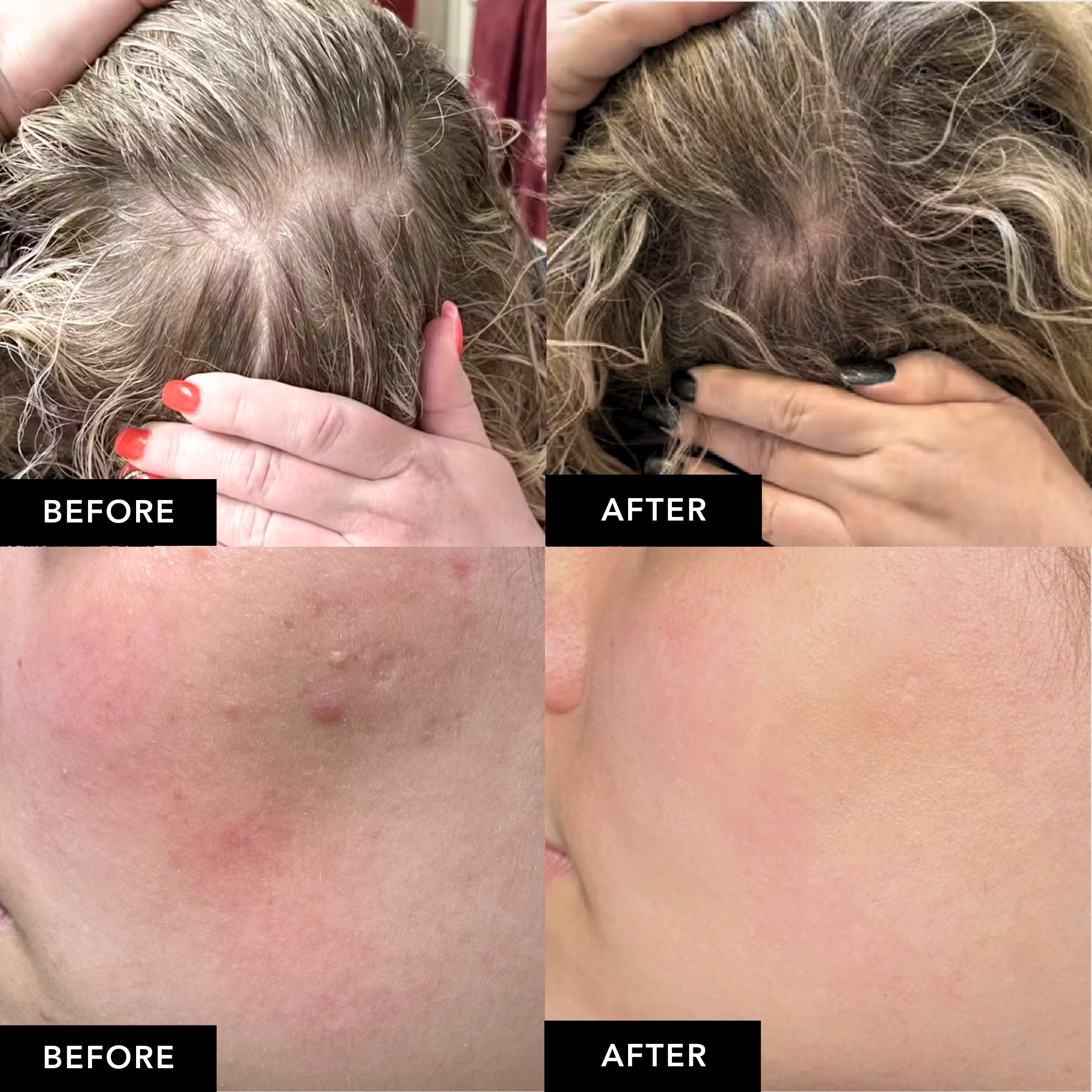
Credit: brt.cl
Practical Tips For Healthier Hair, Whatever Your Water
No matter which solution you choose, these tips will help protect your hair:
- Clarify monthly: Use a chelating shampoo to remove buildup.
- Condition deeply: Hard or chlorinated water strips moisture; deep conditioners help restore it.
- Rinse with filtered water: If you travel to hard water areas, rinse hair with bottled or filtered water when possible.
- Avoid over-washing: Both hard water and chlorine damage increase with frequent washing.
- Protect hair before swimming: Use a swim cap or apply leave-in conditioner to reduce chlorine absorption.
Regional Differences: Why Location Matters
Not all places have the same water problems. In the US, the Midwest and Southwest have some of the hardest water. Cities often add chlorine or chloramine for disinfection. In Europe, water hardness varies widely from country to country.
Check your local water authority or use a home test kit to find out what’s in your water. This will help you pick the right solution for your hair.
The Final Verdict: Which Should You Choose?
If you want the best for your hair, here’s the bottom line:
- If you have hard water: A water softener will make the biggest difference for soft, manageable hair.
- If you have chlorinated water: A shower filter will protect your scalp and keep hair color vibrant.
- For the healthiest hair: Use both—a softener for minerals, a filter for chemicals.
Your specific choice should depend on your water quality, hair needs, budget, and whether you rent or own your home. Always check what each device removes, not just what the box claims.
Frequently Asked Questions
What Is The Main Difference Between A Water Softener And A Shower Filter?
A water softener removes hard minerals like calcium and magnesium from your entire home’s water supply. A shower filter removes chemicals like chlorine from a single shower, but does not soften water.
Will A Shower Filter Fix Hard Water Hair Problems?
No, most shower filters do not remove hard water minerals. They help with chlorine and some metals, but mineral buildup requires a water softener.
Can I Use Both A Water Softener And A Shower Filter Together?
Yes, using both gives the best protection. The softener removes minerals, and the filter removes chemicals. This is ideal for healthy, shiny hair.
How Do I Know If My Water Is Hard Or Has Chlorine?
You can test your water with a home kit or check your city’s water quality report. Hard water is measured in grains per gallon (gpg) or ppm. Chlorine can be detected by smell, but a test kit is more accurate.
Are There Any Health Risks With Water Softeners Or Shower Filters?
Water softeners add a small amount of sodium to water, which is not a problem for most people. Shower filters are generally safe, but always replace filters on time to avoid bacteria buildup. For more, see Wikipedia: Water Softening.
The right water solution can transform your hair health. With the facts in hand, you’re ready to make a confident, informed choice that matches your hair’s needs and your lifestyle.