

Hair loss can be deeply distressing for women. While it is often seen as a male problem, millions of women worldwide face thinning hair, bald spots, or receding hairlines. These changes can affect confidence, self-image, and daily life. Many women consider hair transplant surgery, but not everyone is ready—or able—to go under the knife.
Cost, medical reasons, fear of surgery, or simply personal preference may lead women to search for non-surgical alternatives.
The good news is that today, there are more non-surgical hair restoration options than ever before. Some are backed by strong research and have helped thousands regain fuller, healthier hair without surgery. Others are newer, still being studied, or best used as part of a bigger plan.
Choosing the right solution can feel overwhelming, especially with so many products and promises in the market.
This guide compares the best non-surgical hair transplant alternatives for women. You’ll discover how each method works, what to expect, pros and cons, and tips for getting results. If you’re looking for real answers and want to avoid common mistakes, you’re in the right place.
Understanding Female Hair Loss
Before exploring solutions, it’s important to know why women lose hair. Causes can be different from men and may include:
- Genetic pattern hair loss (female pattern baldness)
- Hormonal changes (pregnancy, menopause, thyroid problems)
- Stress or trauma
- Medical conditions (such as alopecia areata, PCOS, or lupus)
- Nutritional deficiencies
- Harsh styling or chemical treatments
Women’s hair loss often appears as overall thinning rather than complete bald patches. This means the approach to treatment must be gentle and suitable for all-over coverage.
Top Non-surgical Hair Transplant Alternatives
Let’s look closely at the leading non-surgical options for women, including how they work, who they suit best, and what results you can expect.
1. Minoxidil (topical Hair Growth Solution)
Minoxidil is one of the most well-studied and widely used treatments for female hair loss. Sold under brand names like Rogaine, it’s FDA-approved for women.
How it works: Minoxidil widens blood vessels in the scalp, improving blood flow and delivering more nutrients to hair follicles. This can revive thinning hair and slow down further loss.
How to use: Apply the foam or liquid twice daily to the thinning areas. Consistency is key; results often appear after 3-6 months of regular use.
Pros:
- Backed by decades of research
- Available over the counter
- Suitable for most women
Cons:
- Needs ongoing use—if you stop, hair loss may return
- Can cause scalp irritation in some users
- Works best for mild to moderate thinning
Example: A 2021 review found that about 40% of women using 5% minoxidil saw moderate regrowth after four months.
Non-obvious insight: Many women use too little product or apply it incorrectly. Spreading minoxidil evenly and letting it dry before styling increases results.
2. Low-level Laser Therapy (lllt)
Low-Level Laser Therapy (LLLT) is a non-invasive treatment using red light to stimulate hair growth. Devices include laser combs, caps, and helmets.
How it works: The laser light increases energy in hair follicles, encouraging them to grow thicker, healthier hair. It may also reduce inflammation around the follicles.
How to use: Most devices require 15-30 minutes of use, 2-3 times per week. Results build gradually over several months.
Pros:
- Pain-free and easy to use at home
- No ongoing medication or messy products
- Can be combined with other treatments
Cons:
- Devices can be expensive ($200–$900)
- Not all devices are equally effective—look for FDA-cleared products
- Results vary; works best for early hair loss
Example: A 2014 study reported that women using an LLLT helmet saw a 37% increase in hair density after 26 weeks.
Non-obvious insight: Consistency is more important than power. Using the device as recommended is more effective than using a higher-power laser less often.
3. Platelet-rich Plasma (prp) Therapy
Platelet-Rich Plasma (PRP) therapy is a medical procedure where a doctor draws your blood, concentrates the platelets, and injects them into your scalp.
How it works: Platelets contain growth factors that can “wake up” dormant hair follicles. This encourages new hair growth and can thicken existing hair.
How to use: Treatments are usually done in a clinic every 4–6 weeks for 3–4 sessions, then maintenance every 6–12 months.
Pros:
- Uses your own blood—minimal allergy risk
- No surgery, no downtime
- Can be combined with other treatments
Cons:
- Expensive ($500–$1,500 per session)
- Some discomfort during injection
- Results vary; not all women respond
Example: A 2020 review found that about 70% of women with androgenic alopecia saw improved hair density after PRP therapy.
Non-obvious insight: PRP results depend on the technique and platelet concentration. Ask your clinic about their process and the experience of their staff.
4. Hair Fibers And Concealers
For instant coverage, hair fibers (made from keratin or cotton) and sprays can disguise thinning areas.
How it works: The tiny fibers cling to your existing hair, making it look fuller. Sprays can color the scalp to reduce contrast between hair and skin.
How to use: Apply to dry hair, style as usual. Most products resist wind and rain but wash out with shampoo.
Pros:
- Immediate results
- Affordable and widely available
- Good for special events or daily use
Cons:
- Only a cosmetic fix—does not promote growth
- Less effective for large bald areas
- Needs reapplication after washing
Example: Popular brands like Toppik and Caboki have helped millions of women feel confident in photos or social events.
Non-obvious insight: Matching the fiber color exactly to your roots makes the effect natural. Layering fibers in thin coats creates a more realistic look.
5. Scalp Micropigmentation (smp)
Scalp Micropigmentation is a cosmetic tattooing technique. Tiny pigment dots are applied to the scalp, mimicking the look of hair follicles.
How it works: SMP creates an illusion of density, especially in thinning parts or where the scalp shows through.
How to use: Procedures are done in a clinic over 2–4 sessions. The results last several years before fading.
Pros:
- Fast visual improvement
- Works even for large thinning areas
- Maintenance is minimal
Cons:
- Not reversible; pigment fades slowly
- Not actual hair growth
- Results depend on technician skill
Example: SMP is especially popular for women with diffuse thinning or scars from previous hair treatments.
Non-obvious insight: Choosing a technician with experience in female patterns is crucial—techniques differ from male SMP.
6. Topical Finasteride And Other Compounded Treatments
While oral finasteride (Propecia) is not usually prescribed for women (due to side effects), new topical finasteride and compounded mixtures are emerging.
How it works: These formulas block DHT (a hormone that shrinks hair follicles) directly at the scalp, reducing risk of side effects.
How to use: Prescription required. Applied to thinning areas once or twice daily.
Pros:
- May help women with androgenic hair loss
- Fewer systemic side effects than oral pills
- Can be combined with minoxidil
Cons:
- Not suitable for women who are or may become pregnant
- Long-term safety still being studied
- Prescription-only; not available everywhere
Example: Some clinics combine minoxidil, topical finasteride, and tretinoin for synergistic effects.
Non-obvious insight: Mixing too many actives can increase irritation. Start with one compounded formula and monitor your scalp’s reaction.
7. Hair Growth Shampoos And Serums
Many over-the-counter shampoos and serums claim to boost hair growth. Ingredients can include caffeine, biotin, saw palmetto, and plant extracts.
How it works: These products support scalp health, reduce breakage, and may create better conditions for hair to grow.
How to use: Use as directed—some are daily, others a few times per week.
Pros:
- Easy to add to routine
- Can support other treatments
- Good for mild thinning or prevention
Cons:
- Most do not grow new hair
- Results can be subtle
- Some ingredients cause irritation or allergies
Example: Caffeine shampoos (like Alpecin) have shown small benefits for women with early thinning.
Non-obvious insight: Focus on products that reduce scalp inflammation and breakage—these help maintain the hair you have.
8. Nutritional Supplements
Supplements can help if your hair loss is linked to nutrition. Key nutrients include iron, vitamin D, zinc, and biotin.
How it works: Supplements address deficiencies that may cause or worsen hair loss. They do not create new hair if nutrition is already balanced.
How to use: Have your doctor check for deficiencies before starting supplements. Over-supplementing can cause harm.
Pros:
- May restore hair if you are deficient
- Often affordable
- Can improve overall health
Cons:
- Not a cure for genetic or hormonal hair loss
- Results take months
- Risk of overuse (e.g., excess vitamin A can increase hair loss)
Example: Up to 30% of women with hair loss have low iron, especially during heavy periods or pregnancy.
Non-obvious insight: Combining a balanced diet with targeted supplements is more effective than taking “hair vitamins” without knowing your true needs.
9. Hormonal Treatments
Hair loss in women is often linked to hormonal changes. Doctors may prescribe birth control pills, spironolactone, or other drugs to balance hormones.
How it works: These medicines reduce levels of androgens (male hormones) that shrink hair follicles.
How to use: Only under a doctor’s care. Doses and treatment plans vary by individual.
Pros:
- Especially effective for hormonal hair loss (like PCOS)
- Can stop further thinning
- May improve acne or excess hair elsewhere
Cons:
- Not suitable for everyone
- Side effects (weight change, mood swings, menstrual changes)
- Takes months to see results
Example: Spironolactone is commonly prescribed for women with both acne and thinning hair.
Non-obvious insight: Hormonal treatments are slow to show results—patience and regular follow-ups are key.
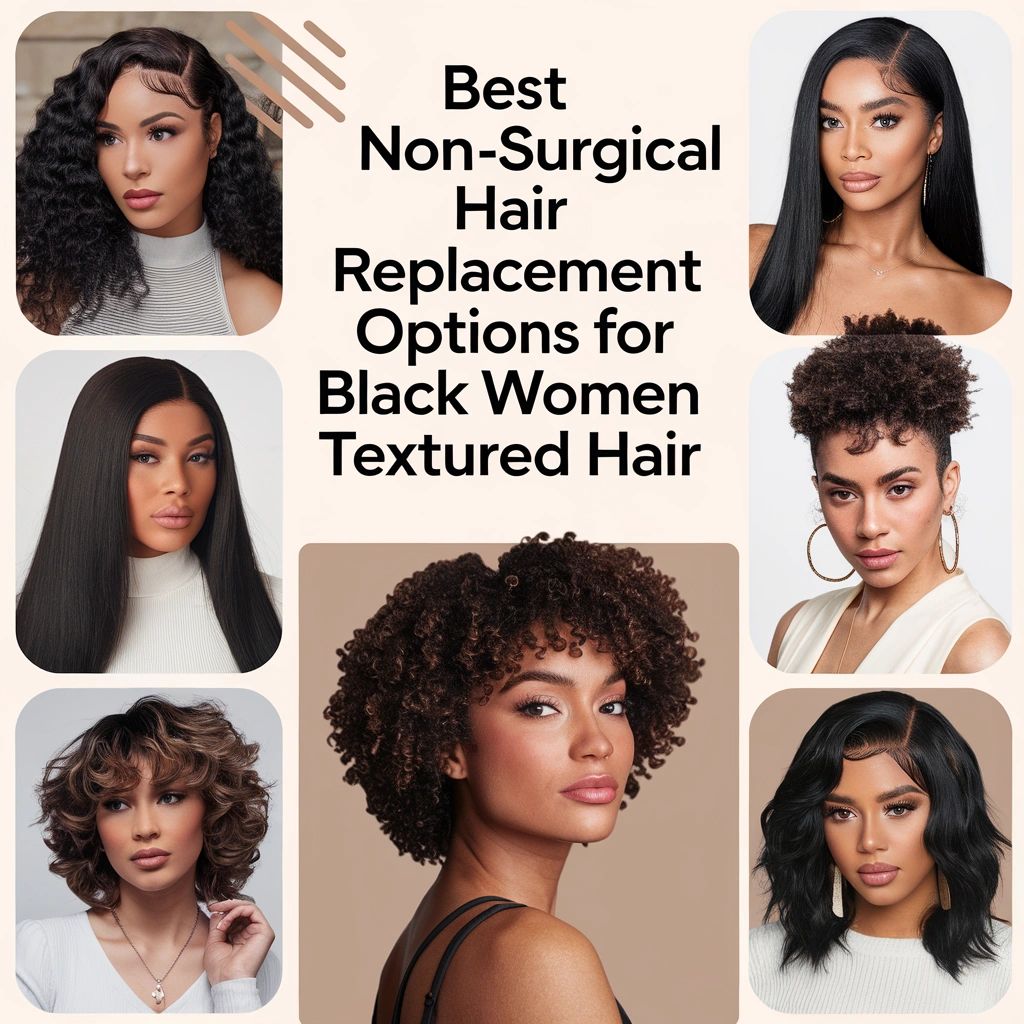
10. Wigs, Toppers, And Hairpieces
For instant and dramatic results, many women use wigs, toppers, or hairpieces. Today’s options look natural and are comfortable for daily wear.
How it works: Wigs cover the entire scalp; toppers add volume to thinning crowns or part lines.
How to use: Choose human hair or high-quality synthetic, ensure a good fit, and learn care routines.
Pros:
- Immediate transformation
- No medical risks
- Allows color, length, and style changes
Cons:
- Needs maintenance and cleaning
- Can feel hot or itchy
- Good quality options are costly
Example: Celebrities and influencers often use toppers for volume, not just hair loss.
Non-obvious insight: Using a “gripper” headband or silicone liner keeps wigs secure without glue or tape, reducing scalp irritation.
11. Scalp Massage And Microneedling
Scalp massage and microneedling boost blood flow to the follicles.
How it works: Massage stimulates circulation, while microneedling (using a roller or pen) creates tiny channels in the scalp. This may increase absorption of serums or topical treatments.
How to use: Massage for 5–10 minutes daily. Microneedling is usually done once a week with a 0.5 mm–1.5 mm roller.
Pros:
- Low cost, can be done at home
- Supports other therapies
- Improves scalp health
Cons:
- Microneedling can be uncomfortable
- Risk of infection if devices aren’t clean
- Results are gradual and subtle
Example: A 2013 study found that combining minoxidil with weekly microneedling doubled new hair growth compared to minoxidil alone.
Non-obvious insight: Use gentle, circular massage movements. Overly aggressive massage can actually stress fragile hair.
12. Lifestyle Changes For Hair Health
Simple lifestyle adjustments can support hair growth and prevent further loss.
How it works: Reducing stress, avoiding harsh chemicals, and protecting hair from breakage helps maintain fullness.
How to use: Prioritize sleep, manage stress, use mild shampoos, and avoid tight hairstyles.
Pros:
- No cost
- Benefits overall health
- Reduces breakage and shedding
Cons:
- May not reverse significant loss
- Results require long-term commitment
Example: Chronic stress is linked to increased shedding in women.
Non-obvious insight: Switching from cotton to silk pillowcases reduces friction and hair breakage overnight.
Comparing Non-surgical Hair Loss Solutions
Choosing the right non-surgical option depends on your needs, budget, and the cause of your hair loss. Here is a simple comparison of the main alternatives.
| Method | Best for | Time to Results | Main Downside | Estimated Cost |
|---|---|---|---|---|
| Minoxidil | Most women with mild-moderate thinning | 3-6 months | Needs daily use | $20-50/month |
| LLLT | Women preferring devices over chemicals | 4-6 months | High upfront cost | $200–$900 (device) |
| PRP Therapy | Women seeking medical, non-drug solutions | 3-6 months | Expensive, requires clinic visits | $500–$1,500/session |
| Hair Fibers | Instant coverage for events | Immediate | Covers, doesn’t treat loss | $15–$40/month |
| Scalp Micropigmentation | Women with diffuse thinning | 2–4 sessions | Pigment fades, not reversible | $1,500–$4,000 |
How To Choose The Right Option
Start by identifying the likely cause of your hair loss. This is the most important step—treating a nutritional deficiency is very different from treating hereditary thinning.
Questions to ask yourself:
- Is my hair loss sudden or gradual?
- Do I have any other symptoms (fatigue, hormonal changes)?
- Is there a family history of hair loss?
- Am I willing to use a product daily or do I prefer occasional treatments?
- What is my budget?
Tips for success:
- Always check with a dermatologist or trichologist before starting new treatments.
- Avoid miracle cures—if it sounds too good to be true, it probably is.
- Be patient; most real solutions take months, not days.
- Combine approaches for best results (e.g., minoxidil + LLLT + lifestyle changes).
- Monitor progress with photos every month.
Real-world Examples
Case 1: Emma, age 32, noticed widening of her part line after her second pregnancy. Blood tests showed low ferritin (iron stores). With iron supplements, minoxidil, and gentle hair care, she saw regrowth in 6 months.
Case 2: Yasmin, 45, developed thinning from years of tight ponytails and chemical relaxers. She switched to protective styles, used a caffeine shampoo, and saw improvement by month 4.
Case 3: Priya, 38, has PCOS and hormonal hair loss. After consulting her doctor, she started spironolactone and topical minoxidil. She also used a silk pillowcase to reduce breakage.
These stories show the value of personalized plans. What works for one woman may not work for another.
Myths And Mistakes To Avoid
Many women waste time and money on treatments that don’t work or even worsen hair loss. Here are common pitfalls:
- Using too many products at once, causing irritation
- Believing supplements will regrow hair without deficiency
- Ignoring the importance of gentle hair handling
- Expecting instant results—most methods take 3+ months
- Not addressing underlying medical issues (like thyroid disease)
Non-obvious insight: Sticking to one or two evidence-based options, and tracking results, is far more effective than jumping between many products.
.png)
Credit: www.trichostem.com
The Role Of Support And Self-confidence
Hair loss can impact mental health. Support from friends, family, or online groups helps many women cope and stay motivated during treatment. Remember, beauty is not defined by hair alone.
For women who want to camouflage thinning while working on regrowth, hairpieces, scarves, and creative styling can offer a boost in confidence.
Table: What To Expect From Non-surgical Hair Loss Treatments
Here is a side-by-side look at effectiveness, effort, and risks.
| Treatment | Effectiveness (for most) | Daily Effort | Major Risks |
|---|---|---|---|
| Minoxidil | Moderate to high | Twice daily | Scalp irritation |
| LLLT | Moderate | 2-3 times weekly | Cost, minimal side effects |
| PRP | High (for some) | Clinic visits only | Pain, rare infection |
| Supplements | Low (unless deficient) | Daily | Overdose, allergies |
| Wigs/Toppers | Immediate coverage | Remove/clean as needed | None (if fitted well) |
Credit: plentifulhairstudio.com
When To See A Doctor
Not all hair loss can be solved at home. See a dermatologist if:
- Hair loss is sudden or patchy
- You notice pain, redness, or swelling
- You have other symptoms (weight change, fatigue)
- Home treatments don’t help after 6–12 months
A doctor can check for underlying causes, run tests, and suggest the best medical options.
External Resource
For more detailed research on women’s hair loss and treatment options, visit the American Academy of Dermatology.
Credit: www.dhiindia.com
Frequently Asked Questions
What Is The Most Effective Non-surgical Hair Loss Treatment For Women?
Minoxidil is the most researched and effective over-the-counter option for most women. It is FDA-approved and helps many women see regrowth or slower loss. Combining it with lifestyle changes or other therapies can boost results.
Are Laser Caps And Devices Safe For Home Use?
Yes, most FDA-cleared low-level laser therapy devices are safe when used as directed. Buy from reputable brands and follow instructions closely. Using them too often will not improve results and may cause irritation.
Can Supplements Cure Hair Loss In Women?
Supplements can help only if your hair loss is due to a deficiency (like iron or vitamin D). They do not cure genetic or hormonal hair loss. Always check with a doctor before starting new supplements.
Is Prp Therapy Painful?
PRP therapy involves several small injections in the scalp. Most women rate the discomfort as mild to moderate. Some clinics use numbing cream to reduce pain.
How Long Do Non-surgical Treatments Take To Show Results?
Most non-surgical treatments take at least 3–6 months to show visible changes. Be patient and track your progress with photos every month. Instant solutions like fibers or wigs provide coverage but do not treat the cause.
Finding the right non-surgical hair transplant alternative for women is possible with careful research, realistic expectations, and support. Remember, you are not alone—many women regain their confidence and love their hair again with the right approach.