

Stem Cell Hair Treatments: Where Does The Science Actually Stand
Hair loss is a deeply personal issue. For many, it affects confidence, self-image, and even social life. As the search for effective hair restoration continues, one term keeps coming up: stem cell hair treatments. You might have seen headlines promising a future where baldness is easily cured. But how much of this is real science, and how much is just hope or marketing? Let’s take a careful look at what stem cell hair therapy really means, what the latest research shows, and what you should know before considering these treatments.
Understanding Stem Cells And Hair Growth
Stem cells are special cells in the body. They can turn into many different types of cells. This makes them very important for repairing or replacing damaged tissue. In hair, stem cells play a key role in the hair follicle, which is the small organ in the skin that produces hair.
Hair grows in cycles: growth (anagen), rest (telogen), and shedding (catagen). Follicle stem cells help restart the hair growth phase. When these cells stop working or reduce in number, hair may thin or stop growing.
There are two main types of stem cells:
- Embryonic stem cells: Found in early embryos; can turn into any cell type.
- Adult stem cells: Found in many tissues, including hair follicles; more limited but still can create several cell types.
In the context of hair loss, most treatments focus on adult stem cells found in the hair follicle’s “bulge” area. These are responsible for producing new hair shafts and keeping the follicle healthy.
What Are Stem Cell Hair Treatments?
When you hear about stem cell hair treatments, it can mean several things. Here are the main approaches in research and clinics today:
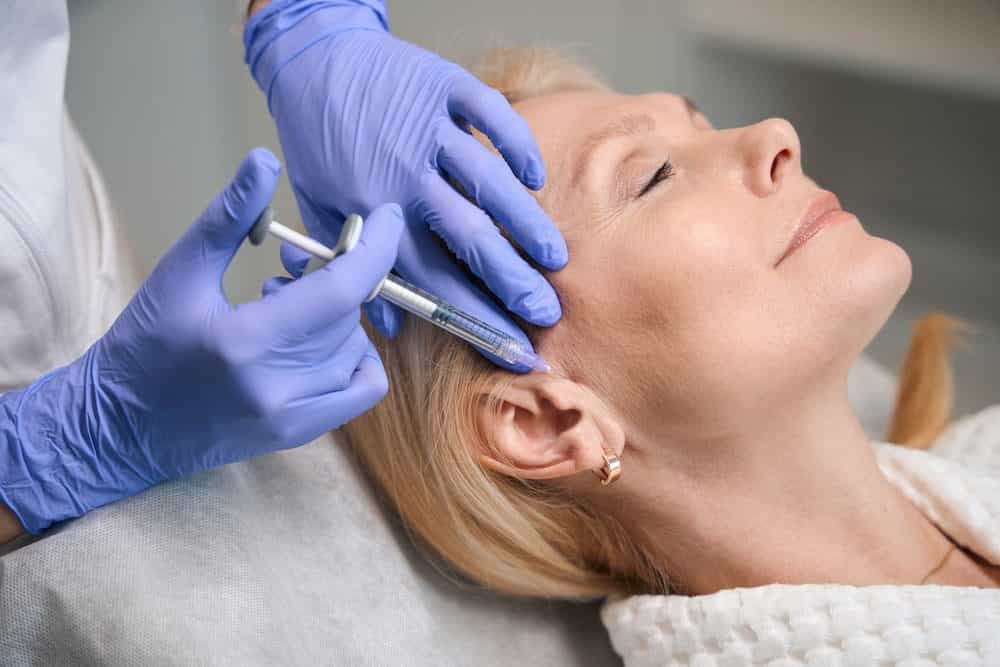
- Stem cell injections: Lab-grown stem cells are injected into the scalp. The goal is to help repair or reactivate hair follicles.
- Stem cell-derived products: Using growth factors or extracts from stem cells, instead of whole cells, to stimulate hair growth.
- Autologous cell transplantation: Stem cells are collected from your own body (often fat tissue), processed, and then re-injected into the scalp.
- Follicular stem cell transplantation: Moving stem cells from healthy hair follicles to areas with thinning hair.
It’s important to note: Most current stem cell hair treatments do not involve growing a full new hair follicle in the lab and transplanting it. That is still experimental and not available to the public yet.
What Does The Science Say?
Let’s look at the actual research. Is there solid evidence these treatments work?
Laboratory Research
In the lab, scientists have shown that hair follicle stem cells can create new hair when transplanted into mice. They can even grow hair follicles from scratch under certain conditions. This is exciting, but mice are not humans. The process is much more complex in people.
Human hair follicles are larger and follow a different growth cycle. Also, stem cells in humans are harder to control and grow in large numbers. So, while lab results are promising, turning this into a safe, effective human treatment is a big challenge.
Early Human Studies
Some small clinical trials and case reports have tested stem cell-based treatments for hair loss in humans. Here are some examples:
- A 2017 study in Italy used fat-derived stem cells (from the patient’s own body) injected into the scalp. After 23 weeks, patients had 29% more hair density on average.
- Another 2019 study in Japan tested stem cell-conditioned medium (liquid containing growth factors from stem cells). Participants saw a 30% increase in hair thickness after 6 months.
These results are positive, but the studies were small (usually under 50 people) and did not compare against placebo or other treatments. Also, the follow-up time was short.
Large Clinical Trials
Currently, there are very few large, well-controlled clinical trials. Most treatments are still in the early research phase. Some are being tested for safety and effectiveness, but results are not yet published. For most clinics offering stem cell hair therapy, the treatment is considered “experimental.
”
Comparison With Traditional Treatments
How does stem cell therapy stack up against tried-and-true options like minoxidil (Rogaine) or finasteride (Propecia)? These two drugs are approved by the FDA and have years of safety data. They slow hair loss for many people, but rarely regrow thick hair.
Stem cell treatments aim for a bigger result: possibly regrowing hair where follicles have completely stopped working. But right now, there is not enough evidence to say stem cells work better than these standard treatments.
Here’s a quick comparison:
| Treatment | Proven Effectiveness | FDA Approved? | Main Risks | Cost (USD) |
|---|---|---|---|---|
| Minoxidil | Slows loss, mild regrowth | Yes | Scalp irritation | $10–30/month |
| Finasteride | Slows loss, some regrowth | Yes | Sexual side effects | $15–60/month |
| Stem Cell Therapy | Early evidence, not proven | No | Unknown, possible infection | $3,000–10,000/treatment |
Different Types Of Stem Cell Hair Treatments
The world of stem cell hair restoration is not one-size-fits-all. Here are the main categories, each with its own science, process, and promise.
1. Autologous Adipose-derived Stem Cells (adscs)
These stem cells come from your own fat tissue, usually taken with a small liposuction. The cells are processed and then injected into your scalp. The theory is that adipose-derived stem cells release growth factors that help stimulate hair follicles.
- Pros: No risk of rejection because the cells come from your own body.
- Cons: Still experimental; results vary; can be expensive.
2. Platelet-rich Plasma (prp) Enhanced With Stem Cells
PRP is already a popular hair loss treatment. It uses your own blood, spun in a machine to separate out the platelets, which are rich in growth factors. Some clinics add stem cells from fat or bone marrow to this PRP, hoping to boost results.
- Pros: Uses your own cells; minimally invasive.
- Cons: Not clear if stem cells add extra benefit over PRP alone.
3. Stem Cell Conditioned Media
Instead of using actual stem cells, some treatments use the liquid (conditioned media) that stem cells grow in. This contains growth factors and proteins that may help hair follicles. It can be applied as a serum or injected.
- Pros: Easier to produce; avoids cell transplant risks.
- Cons: Not as powerful as living cells; evidence is limited.
4. Hair Follicle Stem Cell Transplantation
This is closer to a traditional hair transplant, but instead of moving whole follicles, doctors try to move just the stem cells from healthy follicles to balding areas. This is highly experimental.
- Pros: Theoretically could create new follicles.
- Cons: Technically difficult; not available outside research.
5. Stem Cell-derived Exosomes
Exosomes are tiny vesicles released by stem cells. They carry signals and growth factors. Some believe exosomes can “tell” dormant hair follicles to start growing again. Exosome therapy is being tested in clinics, often as an injection.
- Pros: No need to harvest or grow whole cells.
- Cons: Very new; safety and effectiveness unknown.
Promises Vs. Reality: What’s Hype And What’s Real?
Stem cell hair treatments are surrounded by big promises. But not all claims are equal. Here are some common statements you may hear, and the reality behind them:
- “Stem cells can regrow hair in bald areas.”
- Reality: In mice, yes. In humans, evidence is still limited. Most people see improved thickness or slowed loss, not full regrowth in bald spots.
- “It’s a permanent solution.”
- Reality: No treatment is guaranteed permanent. Results may fade over time, and follow-up treatments may be needed.
- “There are no side effects.”
- Reality: Any injection or procedure has risks—pain, swelling, infection, and unknown long-term effects.
- “It works for everyone.”
- Reality: Responses vary. Some people see good results, others little or none.
A common mistake is believing that “stem cell” means a guaranteed, miracle cure. In reality, individual factors like age, genetics, and the type of hair loss matter a lot.
The Patient Experience: What To Expect
If you are considering a stem cell hair treatment, it’s important to know what the process usually involves.
Consultation
You’ll start with a medical consultation. The doctor should check your health, hair loss type, and discuss your expectations.
Harvesting Stem Cells
If using your own cells, the doctor will take a small amount of fat (from your belly or thigh) or sometimes bone marrow. This is usually done with local anesthesia.
Processing
The tissue is processed in a lab or special device to separate out the stem cells. This can take 30 minutes to a few hours.
Injection
The stem cells, or their extracts, are injected into the scalp in areas of thinning hair. Some clinics use microneedling or special tools to help the cells reach the follicles.
Recovery
Most people can go back to normal activities within a day. There may be mild swelling or discomfort for a few days.
Results
Hair growth, if it happens, usually starts to show after 3–6 months. More than one session may be needed.
Here’s a summary of the typical timeline:
| Step | Time Required | What to Expect |
|---|---|---|
| Consultation | 30–60 minutes | Medical exam, discuss options |
| Cell Harvesting | 1–2 hours | Minor procedure, local anesthesia |
| Processing | 30–120 minutes | Lab work, cells prepared |
| Injection | 30–60 minutes | Scalp injections, local numbing |
| Recovery | 1–3 days | Mild swelling, resume activities quickly |
| Results | 3–6 months+ | Gradual hair growth, may need repeat sessions |

Credit: majesticcosme.com
Safety, Risks, And Side Effects
Because stem cell treatments are new, their long-term safety is not fully known. Most studies so far report minor and temporary side effects, such as:
- Swelling or redness at the injection site
- Mild pain or tenderness
- Bruising
Serious risks are rare but can happen if the procedure is not done properly. These include:
- Infection at the injection or harvesting site
- Allergic reaction (rare, since the cells are usually your own)
- Scarring (from liposuction or injection)
A less obvious risk: spending a lot of money on treatments that may not work or are not needed. Some clinics may oversell the benefits or skip proper medical checks.
A key insight: The safety of the procedure depends heavily on the clinic’s standards. Always ask about the doctor’s experience, the equipment used, and whether they follow proper sterility and cell handling protocols.
Regulatory Status: Legal And Ethical Considerations
Stem cell therapies for hair loss are not approved by the U.S. Food and Drug Administration (FDA) or most other major health authorities. This means:
- Clinics offering these treatments often do so under “off-label” or experimental rules.
- There is little oversight or standardization across clinics.
- Promises made in marketing materials may not match reality.
In some countries, laws are stricter. Many clinics operate in a “gray zone,” advertising results that are not backed by large studies.
For those considering treatment abroad, research the country’s regulations. Some “stem cell tourism” destinations have lower standards for safety, which can increase risks.

Credit: www.drserkanaygin.com
Who Is A Good Candidate For Stem Cell Hair Treatments?
Not everyone with hair loss is a good fit for stem cell therapy. The best candidates tend to be:
- People with androgenetic alopecia (male or female pattern baldness) who still have some thinning hair, not complete baldness.
- Those who have not responded well to standard treatments but do not want traditional hair transplant surgery.
- Patients looking for a less invasive option, with realistic expectations.
Those with complete baldness, severe scarring, or medical conditions causing hair loss (like alopecia areata) may not benefit. Stem cell therapy cannot regrow hair where follicles are completely destroyed.
A common mistake is thinking that all hair loss types respond the same. In fact, the underlying cause of your hair loss makes a big difference in treatment success.
Comparing Stem Cell Hair Therapy To Other Options
To help you see where stem cell treatments fit, here is a side-by-side comparison with other popular hair loss solutions:
| Option | Invasiveness | Cost | Effectiveness | Downtime | Approval Status |
|---|---|---|---|---|---|
| Minoxidil | Topical (non-invasive) | Low | Moderate | None | FDA Approved |
| Finasteride | Oral (non-invasive) | Low | Moderate | None | FDA Approved |
| Hair Transplant | Surgical (invasive) | High | High (in right candidates) | 1–2 weeks | Commonly Performed |
| PRP | Minimally invasive | Medium | Variable | 1–2 days | Widely Used |
| Stem Cell Therapy | Minimally invasive | High | Experimental | 1–3 days | Not FDA Approved |
Cost And Accessibility
Stem cell hair treatments are usually expensive. Prices range from $3,000 to $10,000 (USD) per session, depending on the clinic, country, and method used. Insurance almost never covers these treatments because they are considered experimental.
Some clinics offer payment plans, but be careful. You may need more than one session, and results are not guaranteed.
Accessibility is another issue. Only some specialized clinics offer these procedures, mostly in major cities or in countries with less strict rules.
The Future Of Stem Cell Hair Treatments
While current treatments are still in early stages, the future is promising. Scientists are working on several exciting advances:
- Lab-grown hair follicles: Researchers have grown human hair follicles in the lab from stem cells. The hope is to transplant these into the scalp. This is still experimental, but it could be a game-changer.
- Gene editing: Using tools like CRISPR, scientists may one day fix the genes that cause hair loss. This is far from ready for clinics but is an area of active research.
- Better cell delivery: Finding safer, more effective ways to deliver stem cells or their signals to the scalp.
One insight that is often missed: The timeline for these breakthroughs is likely years—not months—away. Be cautious of clinics that claim to offer “next generation” treatments that are not yet proven in large studies.
For those interested in following the latest, the International Society for Stem Cell Research and the American Academy of Dermatology regularly publish updates on real progress.
Two Key Insights Most Beginners Miss
- Not All “Stem Cell” Treatments Are Equal: Some clinics use the term “stem cell” for procedures that are little more than PRP or vitamin injections. Always ask for the exact method, source of cells, and scientific evidence behind their approach.
- Expectations Matter: Even if a treatment works, results are usually subtle. You may see thicker hair or slower loss, not dramatic new growth. Understanding this can help avoid disappointment and save money.
Questions To Ask Before Choosing A Clinic
If you are considering a stem cell hair procedure, ask these questions:
- What type of stem cells are used? Are they from my own body or elsewhere?
- How are the cells processed and delivered?
- What scientific evidence supports this treatment?
- What are the risks and possible side effects?
- How many patients have you treated with this method?
- What results can I realistically expect?
A good clinic will answer all these questions clearly and with data, not just marketing language.
Real-world Examples And Testimonials
Many clinics share before-and-after photos and patient stories. While these can be encouraging, remember that individual results vary a lot. The best results tend to be in people with mild to moderate thinning, not complete baldness.
One patient in a published study described seeing thicker hair within 4 months, with a noticeable boost in self-confidence. Another reported no change after 6 months. This variation is normal—genetics, age, and overall health all play a role.
Ethical And Social Considerations
With any new medical technology, there are ethical questions. For stem cell hair treatments, these include:
- Are patients being given realistic information, or false hope?
- Is the high cost justified by the results?
- Are there risks of unregulated clinics harming patients?
Also, as more people seek these treatments, there may be social pressure to “fix” hair loss, when in fact baldness is natural for many. Deciding to get treatment should be a personal choice, not one driven by unrealistic beauty standards.
Credit: nirundaclinic.com
Where To Find Reliable Information
Because the field is new and rapidly changing, it’s important to rely on trusted sources. The Mayo Clinic, American Academy of Dermatology, and peer-reviewed journals are good places to start. For a summary of ongoing research and practical advice, see this review article.
Frequently Asked Questions
What Is The Difference Between Prp And Stem Cell Hair Treatments?
Prp Uses Platelets From Your Own Blood, Which Are Rich In Growth Factors But Not True Stem Cells. Stem Cell Treatments Use Special Cells (often From Fat Tissue) That Can Become Different Cell Types. Some Clinics Combine Both, But They Are Not The Same.
How Long Do Results From Stem Cell Hair Therapy Last?
Results Vary. Some People See Benefits For 1–2 Years, Others Need Repeat Treatments Sooner. There Is No Guarantee Of Permanent Results, And Maintenance Sessions May Be Needed.
Are Stem Cell Hair Treatments Safe?
Most Early Studies Suggest The Risk Is Low When Done By Trained Doctors, But Long-term Safety Is Not Fully Known. Minor Side Effects Like Swelling Or Pain Are Common. Serious Risks Are Rare But Possible If Not Done Correctly.
Can Stem Cell Therapy Help With All Types Of Hair Loss?
No. It Works Best For Androgenetic Alopecia (pattern Hair Loss) Where Some Follicles Are Still Alive. It Does Not Help Much With Complete Baldness, Scarring Alopecia, Or Hair Loss From Diseases Or Medical Treatments.
How Do I Know If A Clinic Is Trustworthy?
Look For Clinics With Medical Doctors, Clear Information On Their Method, Published Evidence, And A Track Record Of Patient Safety. Avoid Places That Promise Guaranteed Results Or Use Vague Language About Their Procedures.
Stem cell hair treatments are an exciting area of research, but they are not a miracle cure. For now, they offer hope for some, but anyone considering them should do careful research, have realistic expectations, and consult with qualified medical professionals.
The science is moving forward, and the future looks promising, but patience and caution are still important.