
Staring at screens is now part of daily life. Phones, computers, tablets, and TVs surround us everywhere. But have you ever wondered if the light from these screens could be aging your skin and hair? Many people worry about blue light from digital devices, asking if it causes real damage or is just another myth. This article explores the science behind blue light, how it might affect your skin and hair, and what you can do to protect yourself. You’ll discover facts, research, and practical advice, all explained in simple English.
What Is Blue Light?
Blue light is a type of visible light with a short wavelength. It sits between ultraviolet (UV) light and green light on the spectrum. Sunlight is the biggest source of blue light, but digital screens (like smartphones, laptops, and TVs) also emit it. The wavelength is around 400–495 nanometers, which means it has more energy than other types of visible light.
Why does this matter? High energy means blue light can penetrate deeper into skin than some other wavelengths. Unlike UV, which is mostly blocked by glass and clouds, blue light travels easily indoors. People often confuse blue light with UV light, but they are not the same.
UV is proven to cause skin aging and cancer, while blue light’s effects are less clear but still important.
A unique property of blue light is how it interacts with our environment. For example, blue light scatters more than other visible wavelengths, which is why the sky appears blue. This also means blue light can reach you even in shade or when you are inside near windows.
In addition, because blue light is so common in artificial lighting, it’s hard to avoid in modern life.
Where Does Blue Light Come From?
Many believe screens are the biggest source of blue light. However, the sun actually emits much more blue light than any device. Here are the main sources:
- Sunlight: Up to 30% of sunlight is blue light.
- LED screens: Phones, tablets, laptops, TVs.
- LED and fluorescent bulbs: Indoor lighting.
- Other sources: Some specialty lights, car headlights.
Most people spend hours daily in front of screens, so exposure from devices is growing. But compared to sunlight, digital screens produce a small fraction of blue light. Still, close-up, long-term exposure adds up.
Some people forget that even indoor lighting, especially LED bulbs, can increase blue light exposure. For example, “daylight” bulbs used to brighten rooms at night often emit more blue light than traditional incandescent bulbs. You may not notice this effect, but your skin and eyes are exposed even when you are relaxing at home in the evening.
Another less-known fact is that blue light exposure indoors is constant, not just when using screens. Reading under a bright LED lamp or working in an office with strong overhead lights can increase your daily blue light dose.
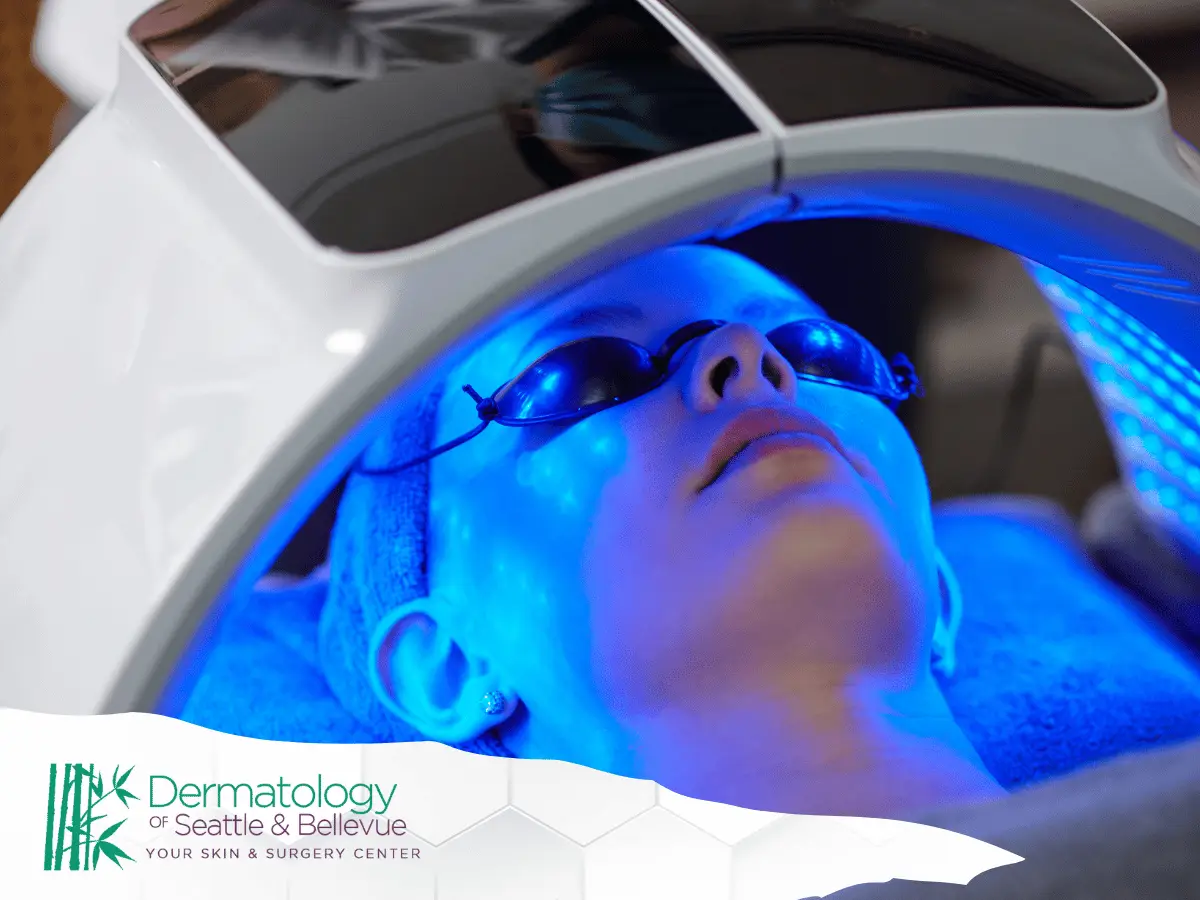
Credit: dermatologyseattle.com
How Does Blue Light Affect Skin?
The Science Behind Skin Damage
Research shows blue light can cause oxidative stress in skin cells. This means it increases molecules called “free radicals” that damage cell structures. Over time, free radicals can break down collagen, the protein that keeps skin firm and smooth. When collagen decreases, skin starts to wrinkle and sag.
Blue light also triggers inflammation. Inflammation is the body’s response to injury or stress, but chronic inflammation speeds up aging. Some studies reveal that blue light causes more pigmentation (dark spots) in certain skin types, especially people with darker skin.
For example, a clinical trial found that after just one hour of blue light exposure, skin cells produced more enzymes that break down collagen. This process happens slowly but may be more important for people who already have sensitive or aging skin.
Blue light can also affect the DNA of skin cells. While not as dangerous as UV, repeated exposure may lead to small changes in cell function. Over many years, these changes could make skin less able to repair itself, making signs of aging more visible.
Comparing Blue Light And Uv Light
You may wonder how blue light damage compares to UV damage. Look at the data below:
| Type of Light | Wavelength (nm) | Main Effects | Exposure Source |
|---|---|---|---|
| UVB | 280–315 | Sunburn, DNA damage, skin cancer | Sunlight |
| UVA | 315–400 | Deep aging, collagen breakdown | Sunlight, tanning beds |
| Blue Light | 400–495 | Oxidative stress, pigmentation, possible aging | Sunlight, screens, LEDs |
While UV light is much more dangerous, blue light can still trigger subtle damage. It mainly causes aging through oxidative stress and pigmentation.
One important difference is that blue light penetrates skin differently than UV. UVB mainly affects the outermost layer, while blue light can reach deeper into the dermis. This is where collagen and elastin are found, so long-term blue light exposure may have a bigger effect on the firmness and bounce of your skin.
Non-obvious Effects On Skin
Most people know about wrinkles and dark spots. But blue light also affects skin in ways beginners often miss:
- Changes in skin barrier: Blue light weakens the skin’s protective layer, making it more sensitive and dry.
- Delayed healing: Exposure slows down repair after injuries or acne.
- Micro-inflammation: Tiny, ongoing inflammation that’s hard to see, but adds up over time.
These effects may not show immediately. They develop slowly, especially with daily screen use.
Another subtle effect is on the skin’s microbiome—the natural bacteria that help keep skin healthy. Some research suggests that blue light may disrupt this balance, making skin more prone to irritation, breakouts, or redness. Over months or years, these small changes can make skin look dull, tired, or uneven in tone, even if you do not see obvious wrinkles right away.
Blue Light And Hair: What Do We Know?
How Blue Light Reaches Hair
Hair covers much of the scalp, which is skin. If blue light can penetrate skin, it can reach hair follicles. Hair follicles are tiny organs that produce hair and depend on healthy skin underneath.
People often forget that the scalp is skin too. Just like your face, it can be affected by blue light, especially if you have thinning hair or a hairstyle that exposes more scalp. Even thick hair does not block all light, so the follicles underneath get some exposure every day.
Potential Damage To Hair Follicles
Research is still new, but some studies suggest blue light may cause:
- Oxidative stress in hair follicles
- Thinning and weakening of hair
- Increased shedding
Hair follicles exposed to blue light generate more free radicals. This damages the cells that grow hair, leading to thinner strands or slow growth. In one experiment, mice exposed to blue light lost hair faster than normal.
Human studies are limited, but some dermatologists report more complaints of scalp irritation and hair thinning among people with high screen use, especially after the rise in remote work. The connection is not fully proven, but early evidence suggests it’s smart to be careful.
Data Comparison: Screen Exposure Vs Sunlight
Let’s compare daily exposure levels:
| Source | Typical Exposure (minutes/day) | Blue Light Intensity | Effect on Hair |
|---|---|---|---|
| Sunlight | 60–120 | High | Potential thinning, scalp aging |
| Phone/Tablet | 180–300 | Low-medium (close to face) | Possible weakening over years |
| Laptop/Monitor | 240–480 | Medium (distance varies) | Micro-damage, slow aging |
Screens emit less intense blue light than sunlight, but people use them for longer periods. The close distance to face and scalp matters, especially for those with thin hair or sensitive skin.
Less-known Effects On Hair
Besides thinning, blue light may:
- Change hair texture: Damaged follicles produce rougher hair.
- Increase scalp sensitivity: The scalp may itch or feel dry.
- Delay hair regrowth: After shedding or injury, new hair grows slower.
These effects are subtle, but can become noticeable after years of screen use.
Another detail is that blue light can interfere with natural scalp oils. Healthy hair relies on a good balance of oil to stay shiny and strong. Blue light may oxidize these oils, making hair look dull or more prone to split ends.
Over time, you might see more breakage or frizz, even if you don’t notice major hair loss.
Do Screens Really Cause Aging?
Real Evidence Vs Myths
Many headlines claim screens cause wrinkles, sagging, and hair loss. But what does science say? Let’s break down the facts:
- Blue light from screens is much weaker than sunlight
- Sunlight is the main source of blue light.
- Screens emit only a tiny fraction, but close-up and long exposure can add up.
- Studies show blue light causes oxidative stress in skin and hair
- This leads to aging, but the effect is slower and less visible than UV.
- Pigmentation and micro-aging are possible
- People with darker skin may notice more pigmentation from blue light.
- Micro-aging (slow, subtle changes) happens over years.
However, there are gaps in research. Most studies use artificial, strong blue light instead of real screen exposure. Human skin and hair are complex, and not everyone reacts the same.
Another issue is that most lab studies expose skin to blue light for much longer and at higher intensities than a typical day on your phone or computer. This means real-life effects are probably smaller, but they still matter if you use screens every day for years.
What Skin Types Are Most Affected?
Not all skin reacts equally to blue light. People with:
- Darker skin (Fitzpatrick types IV–VI): More likely to develop pigmentation.
- Sensitive or thin skin: May notice dryness and irritation.
- Aging skin: Collagen loss speeds up with blue light exposure.
Those who spend more than 6 hours daily in front of screens are at higher risk. People who work outdoors get much more blue light from the sun.
A less-discussed factor is skin condition. People with eczema, rosacea, or chronic inflammation may have a weaker skin barrier, making them more vulnerable to blue light damage. For these groups, even moderate blue light exposure can cause visible changes faster.
Two Insights Most People Miss
- Blue light damage is cumulative
- It builds up over time. You may not see changes in weeks or months, but after years, skin and hair can look older.
- Screen distance and brightness matter
- Holding your phone close increases exposure. Higher brightness emits more blue light. Adjusting these can lower risk.
A third insight: Blue light exposure before bed may disrupt your sleep, which itself leads to faster skin and hair aging. Good sleep is critical for cell repair, so avoiding screens at night gives a double benefit.
The Role Of Digital Devices In Aging
Screen Time Statistics
The average adult spends 6–8 hours daily in front of screens. Teens and office workers often exceed 10 hours. According to a 2023 survey, 92% of people use digital devices before bed.
This constant exposure is new in human history. Past generations spent more time outdoors, but less time staring at screens so close to their faces. The long-term effects are only just being studied, but early signs point to real changes in skin and hair health.
Comparing Device Types
Different devices emit different amounts of blue light. Here’s a comparison:
| Device | Blue Light Emission (lux) | Typical Distance (cm) | Risk Level |
|---|---|---|---|
| Smartphone | 100–200 | 15–30 | Medium-high |
| Laptop | 50–120 | 30–60 | Medium |
| Tablet | 80–150 | 20–40 | Medium-high |
| TV | 20–80 | 100–300 | Low |
Phones and tablets are held close to the face, increasing exposure. TVs are farther away, so risk is lower.
People also forget about video calls and virtual meetings, which often mean staring at a bright screen for hours, sometimes under extra lighting. This adds to overall exposure, especially for those who work from home.
Practical Advice
- Reduce screen brightness.
- Increase distance between your face and device.
- Take breaks every 20–30 minutes.
- Use “night mode” or blue light filters.
Many people skip these steps, not realizing their impact. Even small changes can protect skin and hair over time.
If you work in front of a screen all day, try moving your monitor farther away, using an external keyboard, and lowering the screen angle. These small tricks reduce the amount of blue light that hits your face directly.

Credit: us.currentbody.com
How Does Blue Light Cause Aging?
Oxidative Stress Explained
Blue light creates free radicals in skin and hair cells. Free radicals are unstable molecules that damage proteins, DNA, and cell membranes. When cells are damaged, they cannot repair themselves well.
This leads to:
- Collagen breakdown: Skin loses firmness and elasticity.
- Elastin damage: Skin becomes less stretchy.
- Pigmentation: Dark spots appear.
Hair follicles suffer similar damage, producing thinner hair.
An extra detail is that blue light can speed up the aging process by reducing the production of important growth factors in skin and hair. These factors are needed for cell repair and renewal. When their levels drop, skin looks older and hair grows more slowly.
Inflammation And Pigmentation
Blue light triggers mild inflammation. Inflammation is the body’s defense, but too much causes aging. Some people develop dark patches (melasma) after long screen exposure.
A study in 2020 found that blue light exposure increased pigmentation by 30% in people with medium to dark skin. Another study showed that after 8 hours of daily blue light, skin cells aged faster, losing collagen.
Inflammation also makes skin more sensitive to other irritants, such as pollution or harsh skin care products. This can lead to redness, burning, or itching after using screens for long periods.
How Quickly Does Aging Happen?
Unlike sunburn, blue light damage is slow. You may notice:
- Dryness and roughness after months
- Wrinkles and sagging after years
- Hair thinning after long-term exposure
It’s not instant. But repeated, daily exposure adds up.
One surprising fact is that some people notice changes faster on one side of the face—often the side facing a window or held close to a phone. This “asymmetrical aging” is a clue that light exposure matters, even if you don’t realize it day to day.
How Much Blue Light Is Too Much?
Measuring Exposure
Scientists use “lux” and “wavelength” to measure blue light. Lux measures brightness, wavelength measures energy.
- Sunlight: 10,000–25,000 lux outdoors
- Screens: 100–200 lux (close to face)
Even though screens emit less, long exposure and proximity matter. Using a phone for 3–4 hours daily equals a small but steady dose.
Some experts recommend limiting unnecessary screen time, especially in the evening. Light exposure at night can confuse your body’s natural clock, reducing melatonin and leading to poor sleep—which also makes skin and hair age faster.
Safe Limits
There’s no official safe limit for blue light. Experts suggest:
- Limit screen time to 2–4 hours for non-work activities.
- Keep devices at least 30 cm from face.
- Use filters and reduce brightness.
People with sensitive skin or hair should be extra careful.
If you notice more dryness, itching, or pigmentation, consider further reducing your exposure or using extra protection. These are signs your skin or scalp may be reacting to daily blue light.
How To Protect Skin And Hair From Blue Light
Practical Steps
- Use blue light filters: Many devices have “night mode” or special apps. These reduce blue light emission.
- Apply antioxidant skin care: Products with vitamins C, E, or niacinamide fight free radicals.
- Wear sunscreen: Some modern sunscreens block both UV and blue light.
- Take regular breaks: Follow the “20-20-20 rule” — every 20 minutes, look at something 20 feet away for 20 seconds.
- Keep devices farther from your face
- Lower screen brightness: Less brightness means less blue light.
- Cover hair and scalp: Hats or scarves protect when using devices for long periods.
Other tips include rearranging your workspace so you are not directly in front of a window or strong artificial light for many hours. Using matte screen covers can also help reduce glare and reflected blue light.
Foods That Protect Skin And Hair
Eating foods high in antioxidants helps from inside out. Examples:
- Berries: Blueberries, strawberries
- Leafy greens: Spinach, kale
- Nuts: Almonds, walnuts
- Fish: Salmon, sardines
These foods support cell repair and fight oxidative stress.
Adding brightly colored vegetables like carrots, peppers, and tomatoes can also help. They contain carotenoids and lycopene, which protect skin and hair cells from light damage.
Skin Care Ingredients To Look For
Some products are especially good at protecting against blue light:
- Niacinamide: Reduces pigmentation and inflammation.
- Vitamin C: Boosts collagen and fights free radicals.
- Ferulic acid: Strengthens skin barrier.
- Iron oxides: Physical blockers in tinted sunscreens.
Many people use regular sunscreen, but not all block blue light. Look for “broad-spectrum” or “blue light protection” on labels.
Try to layer these ingredients in your daily routine. For example, use a vitamin C serum in the morning, followed by sunscreen with iron oxides, and finish with a moisturizer containing niacinamide.
Hair Protection Tips
- Use leave-in conditioners with antioxidants.
- Massage scalp with oil to protect follicles.
- Avoid direct screen exposure to scalp for hours.
- Cover scalp if you have thinning hair.
Hair needs similar care as skin. Products with vitamin E, rosemary oil, or peptides can help.
If you notice more breakage, dryness, or scalp irritation, try reducing screen time in the evening or using a lightweight scarf when working close to screens for long hours.
Blue Light Vs Other Aging Factors
Comparison With Other Factors
Blue light is just one piece of the aging puzzle. Other factors include:
- UV light: Causes sunburn, deep wrinkles.
- Pollution: Damages skin and hair from outside.
- Smoking: Reduces blood flow, speeds aging.
- Lack of sleep: Slows repair, causes dullness.
- Stress: Increases inflammation.
Blue light causes subtle, slow aging. UV and pollution are more powerful, but screen exposure is rising.
Some experts say that the combination of blue light with other factors (like pollution or poor sleep) can multiply the effects. For example, if you live in a city, work long hours on a computer, and do not use sunscreen, your skin will likely show aging signs faster than someone who spends less time in front of screens.
Data Table: Aging Factors
| Factor | Impact Strength | Visible Effects | Prevention |
|---|---|---|---|
| UV Light | High | Wrinkles, cancer, spots | Sunscreen, shade |
| Pollution | Medium-high | Dryness, spots | Cleansing, antioxidants |
| Blue Light | Medium | Micro-aging, pigmentation | Filters, antioxidants |
| Smoking | High | Sallow skin, hair loss | Quit smoking |
| Lack of Sleep | Medium | Puffiness, dullness | Sleep hygiene |
Blue light is not the biggest aging factor, but it’s important, especially as screen time rises.
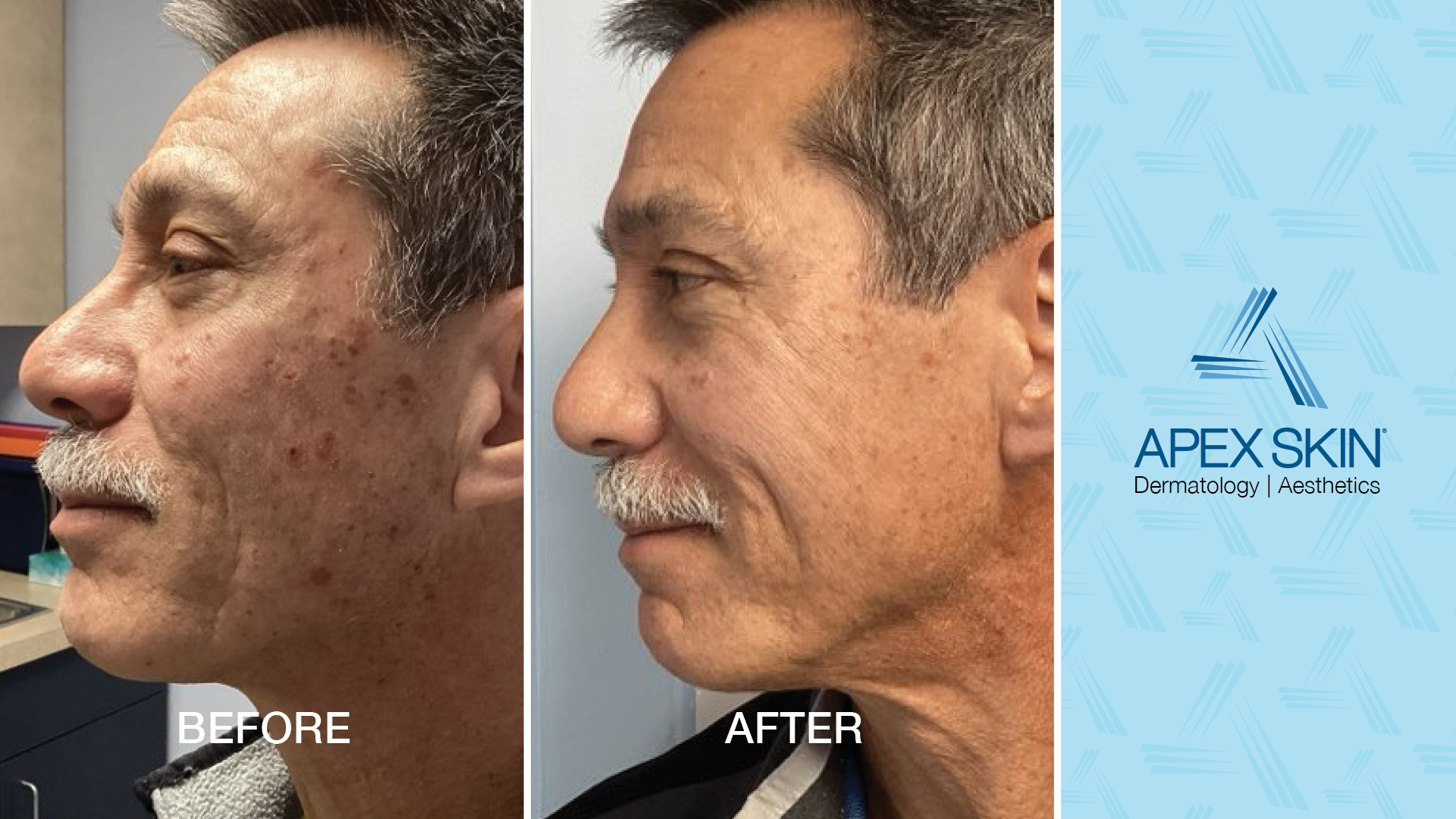
Credit: www.apexskin.com
Who Is Most At Risk?
High-risk Groups
- Office workers: Spend 8–10 hours daily with screens.
- Teens and young adults: High phone use, gaming.
- People with sensitive skin or hair: More inflammation.
- Those with thinning hair: Scalp is more exposed.
If you fall into any group, take extra steps to protect yourself.
People with chronic skin conditions, such as acne or psoriasis, may also notice worsening symptoms with high blue light exposure. Blue light can make inflammation worse, making it harder to control flare-ups.
Extra Insights
- Children’s skin and hair are more sensitive: Kids use screens more, but their skin and hair are still developing.
- People with skin conditions (like eczema, rosacea): Blue light can worsen symptoms.
Pregnant women and new mothers may also want to be cautious. Hormonal changes during pregnancy can make skin more prone to pigmentation. Extra blue light exposure can add to this effect, leading to longer-lasting dark spots.
Latest Research And Technology
New Studies
Recent studies show blue light causes mild but real aging. One study from 2022 found blue light increased skin pigmentation and dryness after 6 weeks of daily exposure. Another showed hair follicles aged faster when exposed to blue light for 4 hours daily.
However, many studies use strong artificial blue light. Real-life screen exposure is weaker, but still adds up.
New research is also exploring how different skin colors and genetic backgrounds respond to blue light. Some groups may be more sensitive than others, so future advice could be more personalized.
Technology Solutions
- Blue light filter apps: Reduce emission by 40–60%.
- Tinted sunscreens: Block both UV and blue light.
- Protective films for screens: Lower blue light emission.
Some brands now include “blue light protection” in skin care and hair products.
You can also find glasses with special coatings that block blue light. These are useful for people who spend all day at a computer or for children who do homework on tablets.
Common Myths About Blue Light
Myth 1: “blue Light From Screens Is As Bad As Sunlight.”
Fact: Sunlight emits much more blue light. Screens are weaker, but close and long exposure matters.
Myth 2: “blue Light Only Affects Your Eyes.”
Fact: It affects skin and hair too, causing aging and pigmentation.
Myth 3: “sunscreen Is Enough.”
Fact: Not all sunscreens block blue light. Look for “broad-spectrum” or iron oxides.
Myth 4: “you Can’t Protect Your Hair.”
Fact: Leave-in products and scalp care help. Covering scalp lowers risk.
Myth 5: “only Older People Are Affected.”
Fact: Young people spend more time on screens. Damage can start early.
Some people also believe that blue light is only a problem at night. In reality, exposure during the day—especially for people who work indoors—also matters.
Summary Of Key Points
- Blue light is emitted from sunlight and screens.
- It causes oxidative stress and micro-aging in skin and hair.
- Screens emit less blue light than sunlight, but close-up, long exposure adds up.
- Effects include pigmentation, dryness, wrinkles, and hair thinning.
- Protection includes filters, antioxidants, sunscreen, and limiting screen time.
- Blue light damage is slow and cumulative.
Small changes, made early, can prevent bigger problems later. Understanding all sources of blue light—not just screens—helps you make smarter choices every day.
Action Steps For Everyday Protection
- Use device filters and “night mode.”
- Apply skin care with antioxidants and blue light blockers.
- Take regular breaks from screens.
- Keep devices farther from face and scalp.
- Eat antioxidant-rich foods.
- Cover scalp if hair is thin or sensitive.
- Choose broad-spectrum sunscreen.
Following these steps can help protect skin and hair from subtle, long-term blue light damage.
Frequently Asked Questions
What Is Blue Light And Why Is It Harmful?
Blue light is a type of visible light with a short wavelength and high energy. It comes from the sun and digital screens. It causes oxidative stress, breaking down collagen and leading to wrinkles, pigmentation, and hair thinning.
Can Screens Cause Visible Aging?
Yes, but the effect is slow and subtle. Screens emit less blue light than sunlight, but long exposure and close distance increase risk. You may notice dryness, pigmentation, and micro-wrinkles after years of daily use.
How Can I Protect My Skin And Hair From Blue Light?
Use blue light filters on devices, apply antioxidants in skin care, wear broad-spectrum sunscreen, and take regular breaks. For hair, use leave-in conditioners and cover scalp if needed.
Are Some People More Sensitive To Blue Light?
Yes. People with darker skin, sensitive skin, or thinning hair are more affected. Office workers and teens also get more exposure due to high screen time.
Do All Sunscreens Block Blue Light?
No. Only some broad-spectrum sunscreens or those with iron oxides block blue light. Check labels for “blue light protection” or iron oxides to be sure.
If you want detailed scientific sources, visit National Center for Biotechnology Information for recent studies.
Protecting your skin and hair from blue light is not complicated. By understanding the risks and taking small steps, you can keep your skin healthy and your hair strong. Screens are not going away, but smart habits will help you stay young and vibrant.