

Biotin Deficiency Symptoms Beyond Hair Loss: Full Body Signs
Many people know biotin as the “hair vitamin.” You see it on shampoo bottles and in beauty supplements. But biotin, also called vitamin B7, does much more for your body than just help your hair grow. When you do not get enough biotin, your body sends signals—often in ways you might not expect. Hair loss is only one sign. In reality, biotin deficiency symptoms can appear almost anywhere in your body.
If you are tired, your skin feels strange, or you notice changes in your mood, the cause might be low biotin levels. Most people do not connect these symptoms to biotin. Doctors sometimes miss it too, because these signs look like other health problems.
But missing them can delay the right treatment. This article will show you all the main symptoms of biotin deficiency—beyond hair loss. You will learn what to watch for, why they happen, and what to do next.
What Is Biotin And Why Is It Important?
Biotin is a water-soluble B vitamin. Your body does not store it, so you need to get it from food every day. Biotin helps your body turn the food you eat—carbs, fats, proteins—into energy. It also supports your nervous system, keeps your skin and eyes healthy, and even affects how your genes work.
Most people get enough biotin from a normal diet. Foods like eggs, nuts, seeds, sweet potatoes, and spinach are good sources. But some health problems, medicines, or eating habits can cause deficiency. For example, if you eat a lot of raw egg whites (they have a protein that blocks biotin), follow a strict diet, or have digestive issues, you might not get enough biotin.
Why Biotin Deficiency Is Often Missed
Biotin deficiency is not common, but it is often overlooked. Many symptoms are general—like tiredness or mood changes. These can come from stress, poor sleep, or other vitamin problems. Also, blood tests for biotin are not routine. Some doctors do not check for biotin levels unless you have clear risk factors.
One non-obvious insight: some genetic disorders make it hard for the body to use biotin, even if you eat enough. These conditions are rare, but they show why symptoms can be hard to trace back to biotin. The second insight: certain medications, like antibiotics or anti-seizure drugs, can lower your biotin levels over time.
Full Body Signs Of Biotin Deficiency (beyond Hair Loss)
Let’s look at what can really happen in your body when you do not get enough biotin. These signs often appear together. Sometimes, one symptom is much stronger than the others.
1. Skin Changes And Rashes
One of the most common signs of biotin deficiency is skin problems. You might notice a red, scaly rash, especially around your eyes, nose, mouth, or private parts. The rash can look like eczema or psoriasis. Some people get dry, flaky skin or even seborrheic dermatitis (an oily, yellowish rash).
What is happening? Biotin is needed for fat metabolism. Without enough, your skin cells cannot build a healthy barrier. This makes your skin more sensitive, dry, and prone to infections.
2. Brittle Nails
Many people notice their nails become weak or brittle. They might split, peel, or break easily. Sometimes, small cracks or ridges appear on the nail surface.
Biotin is important for making keratin, the main protein in nails. Low biotin means weaker nails. This sign is often missed because nail changes can take months to show up.
3. Muscle Pain And Cramps
Some people with biotin deficiency feel muscle aches, cramps, or general weakness. These pains can happen in your arms, legs, or back. They might come and go or get worse after activity.
Why does this happen? Biotin helps muscles use energy. Without enough, your muscles get tired and sore more easily. In severe cases, children can lose muscle tone and have trouble walking.
4. Numbness And Tingling
A less obvious symptom is numbness or tingling in your hands, feet, or other body parts. This is called paresthesia.
Biotin keeps your nerves working properly. If you lack biotin, your nerves cannot send signals well. Over time, this can cause feelings of pins and needles or loss of feeling in certain areas.
5. Fatigue And Low Energy
Many people with biotin deficiency feel unusually tired. This is not just normal tiredness—it can feel like you have no energy, even after rest.
This happens because your body cannot turn food into energy without biotin. The result is a slow drop in energy levels throughout the day.
6. Mood Changes And Depression
Biotin is important for brain health. Low levels can lead to mood swings, irritability, anxiety, and even depression. Some people feel unusually emotional or stressed for no clear reason.
Doctors believe biotin helps the brain make neurotransmitters—the chemicals that control mood. Without enough, your mental health can suffer.
7. Seizures
In severe cases, biotin deficiency can cause seizures, especially in infants and young children. Adults can also be affected, but it is rare.
Seizures happen because the nervous system is not working well. This is a medical emergency and needs fast treatment.
8. Poor Immune Function
Some research shows that biotin helps your immune system fight infections. If you do not have enough, you may get sick more often or take longer to recover from illnesses.
People with biotin deficiency sometimes report frequent colds, sore throats, or mouth ulcers.
9. Conjunctivitis (pink Eye)
Biotin deficiency can cause eye problems like conjunctivitis. Your eyes might look red, watery, or feel itchy. Some people get light sensitivity or blurred vision.
This happens because biotin is needed for healthy eye tissue. Without it, your eyes can become inflamed or more likely to get infections.
10. Glossitis And Mouth Ulcers
Another sign is swelling or soreness of the tongue (called glossitis) and mouth ulcers. The tongue might look smooth, red, and swollen. Mouth ulcers are small, painful sores inside your mouth.
These symptoms come from poor cell repair in your mouth, which relies on biotin.
11. High Blood Sugar
Biotin helps your body manage blood sugar. In some people, low biotin causes higher blood sugar levels. You might notice symptoms like thirst, frequent urination, or headaches.
This is more likely in people with diabetes, but it can happen to anyone with severe deficiency.
12. Birth Defects (pregnancy Risk)
Pregnant women need enough biotin for their baby’s growth. Low biotin can cause birth defects in the baby, such as problems with the brain or spine.
Doctors recommend that pregnant women get enough biotin through diet or supplements, but not too much. Taking large doses without a doctor’s advice is not safe.
13. Hair Color Changes
Some people notice their hair loses color or becomes dull before they lose hair. This can look like early greying or faded hair.
Biotin is needed for the production of melanin, the pigment that gives hair its color.
14. Digestive Problems
Biotin helps keep your digestive system running smoothly. Some people with low biotin get symptoms like nausea, abdominal pain, or diarrhea.
These signs are often missed because they look like common stomach problems.
15. Delayed Development In Infants
Biotin deficiency is especially dangerous for babies and young children. They might not gain weight well, reach developmental milestones late, or have muscle weakness.
If you notice delays in a child’s movement, speech, or learning, it is important to check their nutrition, including biotin.
16. Scaly Or Cracked Lips
Dry, scaly lips or cracks at the corners of your mouth can be signs of biotin deficiency. This is called angular cheilitis.
It happens because the skin around your mouth cannot repair itself properly without biotin.
17. Thinning Eyebrows And Eyelashes
Some people lose eyebrow or eyelash hair before they notice hair loss on the scalp. This is because these hairs grow quickly and are sensitive to changes in nutrition.
18. Problems With Coordination
Rarely, severe biotin deficiency causes ataxia, or problems with balance and coordination. You might feel clumsy or have trouble walking straight.
This happens when the nervous system is affected by low biotin.
19. Hearing Loss
Hearing loss is a rare but serious sign of severe biotin deficiency. This is usually seen in genetic disorders that affect biotin use.
If you notice sudden hearing changes, see a doctor right away.
20. Unusual Body Odor
Some people with biotin deficiency develop a strange, sour body odor. This comes from changes in how your body breaks down certain fats and proteins.
You might notice the odor in sweat, urine, or breath.
How Biotin Deficiency Is Diagnosed
Diagnosing biotin deficiency is not always easy. There is no simple, standard blood test used everywhere. Instead, doctors look at your symptoms, diet, medical history, and sometimes do lab tests.
Here is how diagnosis usually works:
- Symptom review: The doctor asks about changes in your skin, energy, mood, or digestion.
- Diet history: They check if you are eating foods high in biotin or have risk factors (like eating raw eggs or taking certain medicines).
- Physical exam: The doctor looks for rashes, nail changes, or tongue swelling.
- Lab tests: In some cases, blood or urine tests check for biotin levels or signs of poor metabolism.
Some genetic tests can find rare enzyme problems that block biotin use. These are usually done for babies or young children with severe symptoms.
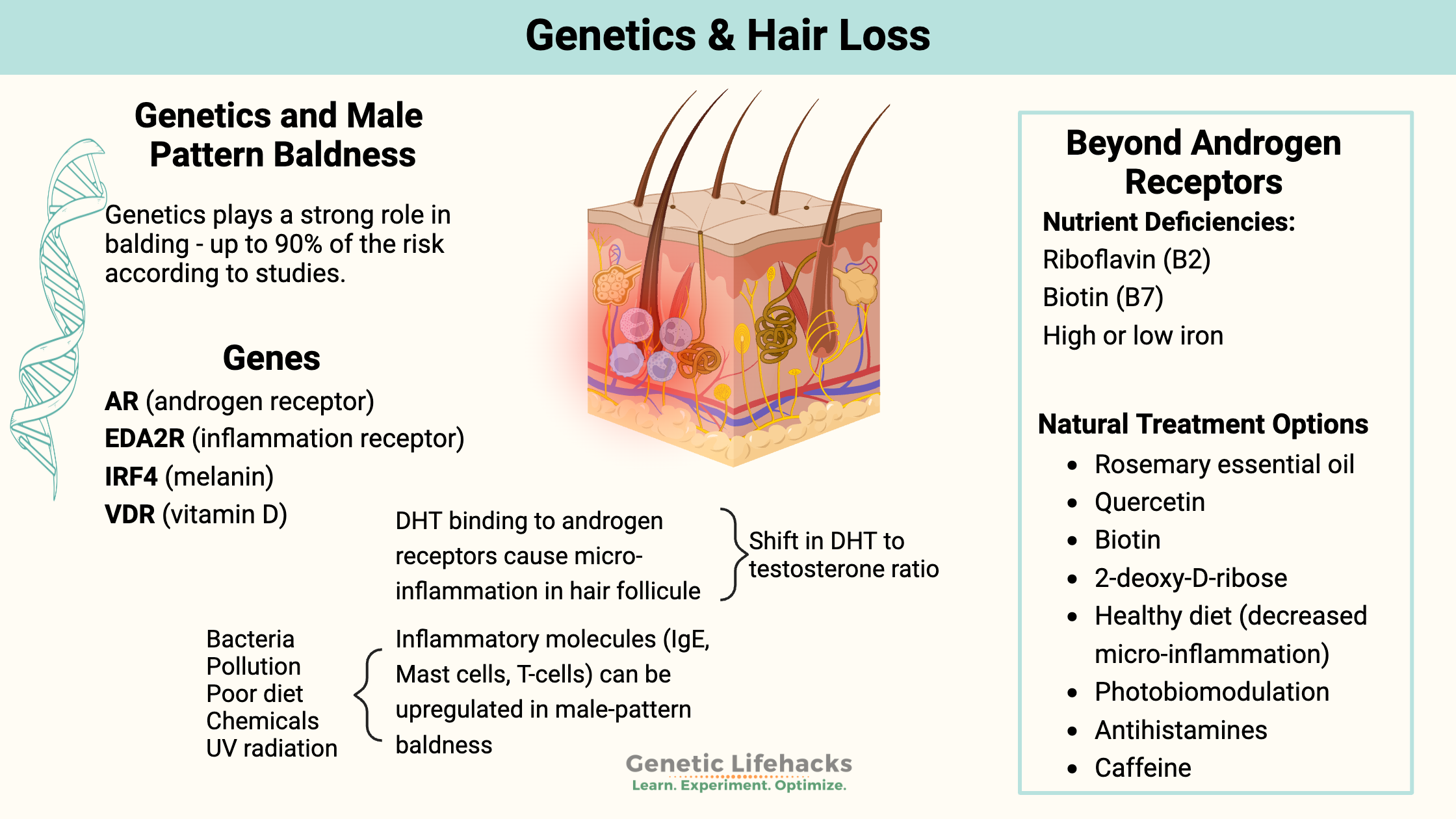
Credit: www.geneticlifehacks.com
Who Is At Risk For Biotin Deficiency?
Most healthy adults get enough biotin from food. But some groups are at higher risk:
- Pregnant women: Need more biotin for the growing baby.
- People with digestive diseases: Conditions like Crohn’s disease or celiac disease can block biotin absorption.
- Long-term antibiotic users: Antibiotics kill gut bacteria that make some biotin.
- People on anti-seizure drugs: These drugs can lower biotin levels over time.
- Alcoholics: Alcohol blocks biotin absorption.
- Strict dieters or people with eating disorders: May not get enough biotin from limited diets.
- Babies with genetic enzyme problems: These rare disorders are screened for in many countries.
How Biotin Deficiency Differs From Other B Vitamin Deficiencies
Biotin is just one of the B vitamins. Others include B1 (thiamine), B2 (riboflavin), B6, B12, and folate. Many B vitamin deficiencies cause tiredness, skin changes, or nerve problems. But the details are different.
Here is a simple comparison:
| Vitamin | Main Unique Symptoms | Common Overlap |
|---|---|---|
| Biotin (B7) | Skin rash, brittle nails, muscle pain, seizures | Fatigue, depression, numbness |
| B12 | Anemia, memory loss, tongue soreness | Numbness, fatigue, mood changes |
| B6 | Cracked lips, confusion, seizures | Rashes, anemia, fatigue |
| Folate | Anemia, birth defects, mouth sores | Fatigue, depression |
If your symptoms do not match biotin deficiency exactly, it could be another B vitamin problem.
How To Treat Biotin Deficiency
The good news: biotin deficiency is easy to treat. Once you know the cause, you can fix it with food or supplements. Here is what usually works:
Step 1: Fix Your Diet
Eat more biotin-rich foods. These include:
- Egg yolks (do not eat raw whites)
- Nuts (like almonds, peanuts, walnuts)
- Seeds (sunflower, chia)
- Legumes (beans, lentils, peas)
- Whole grains
- Liver and organ meats
- Bananas
- Mushrooms
- Spinach
- Sweet potatoes
Cooking eggs destroys the protein that blocks biotin, making them safe. Try to include these foods daily.
Step 2: Use Supplements (if Needed)
Most people can get enough biotin from food. But if you cannot, or have a medical reason, your doctor might suggest a biotin supplement.
- Usual dose: 30–100 micrograms (mcg) per day for adults.
- Higher doses are sometimes used for genetic problems, but only under medical care.
Do not take high-dose biotin without talking to a doctor. Too much can affect lab tests for other diseases, like thyroid problems.
Step 3: Treat Underlying Causes
If your deficiency is from another illness or medicine, you may need extra treatment. For example, treating a gut disease or changing a medicine can help your body absorb biotin better.
How Long Until Symptoms Improve?
Once you start getting enough biotin, symptoms usually improve within a few weeks. Skin rashes and tiredness get better first. Nail and hair changes can take months to heal.
Here is a rough timeline:
| Symptom | Typical Recovery Time |
|---|---|
| Skin rash | 1–3 weeks |
| Fatigue | 2–4 weeks |
| Nail strength | 3–6 months |
| Mood changes | 1–2 months |
| Muscle pain | 2–8 weeks |
If your symptoms do not improve, see a doctor. There could be another reason for your health problems.
Preventing Biotin Deficiency
For most people, a normal diet is enough. Here are simple tips to avoid low biotin:
- Eat a wide range of foods. Do not rely on just one or two types.
- Cook your eggs. Avoid eating raw egg whites often.
- Take care with restrictive diets. If you follow a vegan, paleo, or keto diet, talk to a nutritionist.
- Tell your doctor about all your medicines. Some can affect biotin levels.
- Check your baby’s nutrition. Breastfed babies rarely have problems, but formula-fed babies should get enough biotin.
Non-obvious Insights Most People Miss
- Lab tests for biotin can interfere with other tests. If you take biotin supplements, tell your doctor before any blood work. High biotin can make thyroid or heart tests look wrong.
- Gut health matters for biotin. Your healthy gut bacteria make some biotin. If you have frequent antibiotic use or gut diseases, your risk is higher—even with a good diet.

Credit: bellamedicalcentre.com
When To See A Doctor
Do not ignore serious symptoms. See a doctor if you notice:
- Severe rash, especially near eyes or mouth
- Seizures, confusion, or fainting
- Hearing loss or vision changes
- Signs of infection (fever, sores)
- Delayed development in a child
A doctor can help check your biotin and other vitamin levels, and rule out other causes.
Biotin Deficiency Around The World
Biotin deficiency is rare in healthy adults but more common in parts of the world where food choices are limited. Certain populations, like pregnant women or those with chronic illness, may have higher rates.
A 2020 review found that up to 50% of pregnant women may have low biotin, even in developed countries. This is because pregnancy increases the body’s need for the vitamin. In some developing countries, dietary patterns or food shortages can raise the risk.

Credit: plantigo.in
Myth Busting: What Biotin Can’t Do
Many beauty products claim that biotin will make your hair grow fast or fix all skin problems. The truth is, biotin only helps if you are deficient. Taking extra biotin will not boost hair or nail growth in people who already get enough.
Too much biotin can also cause problems. The U. S. Food and Drug Administration has warned about high doses affecting lab results. More is not always better.
For more on biotin and its role in health, you can visit the NIH Office of Dietary Supplements.
Frequently Asked Questions
What Is The Main Cause Of Biotin Deficiency?
The most common causes are eating too many raw egg whites (which block biotin), long-term use of certain medicines (like antibiotics or anti-seizure drugs), digestive diseases that block absorption, or rare genetic disorders. Pregnancy can also increase the need for biotin.
How Can I Check If I Have Biotin Deficiency?
There is no simple home test. See a doctor if you have symptoms like skin rash, brittle nails, tiredness, or mouth sores. They can check your diet, symptoms, and order blood or urine tests if needed.
Can I Get Too Much Biotin From Food?
No, it is very hard to get too much biotin from food. Your body removes extra biotin in urine. Problems usually only happen with very high-dose supplements, not from a normal diet.
Does Biotin Help With Other Vitamin Deficiencies?
Biotin only fixes biotin deficiency. It does not fix problems caused by lack of other vitamins, like B12 or folate. Sometimes, people have more than one deficiency at the same time.
Are Biotin Supplements Safe During Pregnancy?
Most prenatal vitamins have safe amounts of biotin. High doses are not recommended unless prescribed by a doctor. Getting enough biotin through food is usually best during pregnancy.
Biotin is more than just a beauty vitamin. Its impact goes far beyond your hair. If you notice any of these full-body signs, do not ignore them. With the right care, biotin deficiency can be found and fixed—protecting your energy, mood, skin, and much more.