

Caring for low porosity 4C hair can feel overwhelming. If you’ve ever wondered why your favorite products sit on top of your hair or why moisture seems to disappear within hours, you’re not alone. Many with this hair type struggle to understand its unique needs. But with the right routine and products, your coils can thrive—soft, strong, and full of life.
Low porosity 4C hair is special. Its tight curls and flat cuticles mean it resists water and products, making moisture retention a real challenge. But there’s good news: understanding your hair’s science unlocks better results and less frustration. This guide gives you a complete, step-by-step routine and product recommendations, based on real experience and expert advice. Whether you’re new to your natural hair journey or looking to update your approach, you’ll find practical solutions and new insights here.
Understanding Low Porosity 4c Hair
Low porosity 4C hair is defined by two key features: tight curl pattern (the “4C”) and low porosity. Let’s break these down for clarity.
- 4C hair: This is the tightest curl pattern, with densely packed coils that can shrink up to 75% of their actual length. Strands are usually fine and fragile but appear thick.
- Low porosity: This means the hair cuticle (outer layer) lies flat and tight, making it hard for moisture and products to penetrate but also hard for moisture to escape once inside.
The combination of these features means your hair can look strong but actually be delicate and prone to breakage. Many people misjudge 4C hair’s needs because it looks dense, but it’s important to remember that its fragility requires gentle care.
Why Porosity Matters
Porosity determines how well your hair absorbs and retains moisture. Low porosity hair often feels dry—not because it lacks moisture, but because water and products can’t get in easily. On wash day, you might notice:
- Water beads up on your hair before soaking in
- Products often cause build-up or flaking
- Hair takes a long time to dry
If you’ve ever felt your hair never fully “drinks” in conditioner or oils, porosity is the reason.
Some people confuse dryness with actual damage, but with low porosity hair, it’s usually a matter of product not being able to enter the hair strand. This is why it’s common to see products sitting on top of the hair instead of getting absorbed.
The Science Of The Cuticle
The cuticle layer acts as a shield. In low porosity hair, these scales are packed tightly together, like the shingles on a roof. This structure protects the hair’s inner core but makes it difficult for moisture, oils, and nutrients to penetrate.
That’s why heavy creams or oils often sit on the surface, leading to greasiness or flakes.
Pro tip: Heat gently lifts the cuticle, allowing moisture and treatments to reach the hair’s core. Steamers, warm water, and heat caps are powerful tools for low porosity 4C hair.
To visualize, think of the cuticle as a locked door. Without the right “key” (heat or the correct products), most treatments can’t get inside. This also means that once moisture is in, it tends to stay, so over-moisturizing can be a risk.
Balance is everything.
Common Challenges
People with low porosity 4C hair often face:
- Product build-up: Products can accumulate quickly, making hair feel coated or sticky.
- Dryness: Moisture seems impossible to keep, especially at the ends.
- Tangles and knots: Coils tangle easily, especially if not properly moisturized.
- Slow drying: Air drying can take hours, even days.
Another less obvious challenge is that your hair can sometimes feel “stiff” or lack movement. This is usually a sign that products are sitting on your hair, or you’ve used too much protein. Paying attention to how your hair feels after each product helps you fine-tune your routine.
But each challenge has solutions. The right routine changes everything.
The Ideal Routine For Low Porosity 4c Hair
A well-planned routine is more important than the latest trendy product. Let’s walk through each step, including frequency, method, and helpful tips.
1. Cleansing: Gentle, Thorough, And Regular
Low porosity hair needs regular cleansing to avoid build-up, but harsh shampoos can strip moisture.
- Frequency: Every 1–2 weeks is ideal. Too frequent washing can dry your hair, while infrequent washing leads to build-up.
- Product: Use a sulfate-free clarifying shampoo every 3–4 washes, and a mild moisturizing shampoo the rest of the time.
- Technique: Start with warm water to open the cuticle. Massage the scalp gently with your fingertips to lift dirt and oils.
You might think skipping shampoo and only using conditioner (co-washing) is enough, but for low porosity hair, this often creates more build-up, not less. If you exercise regularly or use heavy creams, clarify more often.
Non-obvious insight: If your hair feels sticky even after washing, try a bentonite clay mask once a month. This natural cleanser draws out impurities without stripping natural oils.
Bentonite clay can also help reset your scalp if you notice itching or flakes. Mix it with apple cider vinegar and water for a gentle, deep cleanse.
2. Conditioning: Focus On Penetration
Conditioning is critical for moisture and detangling. Low porosity hair benefits most from lightweight, heat-activated conditioners.
- Product: Look for a rinse-out conditioner with ingredients like honey, aloe vera, or glycerin. These humectants attract water into the hair shaft.
- Method: Apply after shampooing, then cover with a shower cap. Sit under a hooded dryer or use a warm towel for 10–20 minutes. The heat helps the conditioner absorb.
If you’re in a rush, using a plastic cap while you shower can provide enough warmth to help products sink in. For best results, detangle gently with your fingers or a wide-tooth comb while the conditioner is in your hair.
3. Deep Conditioning: The Game-changer
Deep conditioning is essential for repairing, strengthening, and hydrating low porosity 4C hair.
- Frequency: Every 1–2 weeks, after shampooing.
- Product: Choose a protein-free deep conditioner for moisture most weeks. Every 4–6 weeks, use a light protein treatment to maintain strength.
- Method: Apply to damp hair, focusing on the ends. Use a steamer, heat cap, or warm towel for at least 20 minutes.
Practical tip: Avoid thick, heavy masks that contain lots of oils or butters. These can sit on your hair without absorbing.
Some people notice that deep conditioning more often doesn’t always mean better results. If your hair starts to feel mushy or limp, you may be over-conditioning. In that case, switch to a protein treatment or reduce how often you deep condition.
4. Detangling: Gentle And Strategic
4C hair tangles easily, especially when dry. Detangle during conditioning, not after.
- Tool: Use a wide-tooth comb, detangling brush, or your fingers.
- Technique: Work in small sections. Start at the ends and move upward. Add more conditioner or water if you meet resistance.
Non-obvious insight: Detangling in the shower with running water can help knots slip out more easily.
To prevent single-strand knots (“fairy knots”), keep your hair stretched in braids or twists between washes. This helps reduce tangling and makes the detangling process faster on wash day.
5. Moisturizing: Layering Is Key
Moisturizing low porosity 4C hair is about technique, not just products.
- Method: The LCO method (Liquid, Cream, Oil) works best. Apply a water-based leave-in conditioner (L), then a lightweight cream (C), and finally a thin oil (O) to seal.
- Product: Choose products with water as the first ingredient. Avoid heavy butters or waxes.
- Timing: Moisturize every 2–3 days, or whenever your hair feels dry.
Try misting your hair lightly with warm water before applying products. This helps open the cuticle a bit and allows better absorption. If your hair starts to feel greasy, you’re using too much product—cut back and focus on lighter layers.
6. Sealing: Lock In Moisture Without Weight
Oils and butters help keep moisture in, but low porosity hair needs light options.
- Best oils: Grapeseed, argan, or sweet almond oil. These absorb quickly without buildup.
- How to use: Apply a small amount after your leave-in and cream, focusing on ends.
Another tip is to warm the oil slightly before applying. Warm oil spreads more easily and is less likely to sit on the hair.
7. Styling: Low Tension, High Protection
Protective styles help reduce breakage, but avoid styles that pull tightly at the roots.
- Options: Twists, braids, bantu knots, or loose puffs.
- Tip: Don’t keep styles for longer than 2–3 weeks without washing and moisturizing.
When styling, choose accessories that don’t snag or pull. Silk or satin scrunchies are gentler than rubber bands, which can cause breakage.
8. Night Care: Preventing Dryness And Frizz
Nighttime protection is critical for moisture retention.
- Satin or silk: Use a satin bonnet, scarf, or pillowcase. Cotton dries out hair and causes breakage.
- Pineappling: Gather hair loosely on top of your head to preserve curls overnight.
If your bonnet slips off, consider using a satin pillowcase as a backup. This way, your hair stays protected even if you move a lot in your sleep.
9. Trimming: Keep Ends Healthy
Split ends travel up the hair shaft, leading to breakage.
- Frequency: Trim every 3–4 months, or whenever ends feel rough and tangle easily.
- How: Use sharp hair shears. Never trim with dull scissors or razors.
If you’re not comfortable trimming yourself, ask a stylist who is familiar with natural hair. Regular small trims prevent bigger cuts later and help your hair retain length.
10. Scalp Care: The Foundation For Growth
Healthy hair starts with a healthy scalp.
- Routine: Massage your scalp with fingertips for 5 minutes daily to boost blood flow.
- Clarify: If you use oils or heavy products on your scalp, clarify monthly to prevent clogged follicles.
A clean scalp reduces dandruff and allows new hair to grow freely. If you notice itching, flakes, or tenderness, adjust your cleansing routine.
Product Recommendations For Low Porosity 4c Hair
Finding the right products makes a huge difference. Here are options for each step, with explanations.
Cleansers
- Kinky Curly Come Clean Shampoo: Sulfate-free, clarifies without stripping.
- SheaMoisture Baobab & Tea Tree Oils Low Porosity Shampoo: Formulated for low porosity hair, cleans while adding moisture.
- Alikay Naturals Moisturizing Black Soap Shampoo: Gentle, natural, and effective for removing buildup.
A gentle cleanser keeps your hair and scalp healthy without making your hair feel squeaky or dry. Rotate between clarifying and moisturizing shampoos depending on how much product you use.
Rinse-out Conditioners
- Aussie Miracle Moist Conditioner: Lightweight, full of slip for detangling.
- Giovanni 50: 50 Balanced Hydrating-Calming Conditioner: Moisturizes without heaviness.
- TGIN Green Tea Super Moist Leave-In Conditioner: Doubles as a rinse-out or leave-in.
Conditioners that provide “slip” make detangling much easier. If your hair feels soft and smooth after rinsing, you’ve found a good match.
Deep Conditioners
- Mielle Organics Babassu Oil & Mint Deep Conditioner: Protein-free, deeply hydrating.
- Aunt Jackie’s Fix My Hair Intensive Repair Masque: Moisturizes and softens without heaviness.
- SheaMoisture Manuka Honey & Mafura Oil Intensive Hydration Masque: Great for deep moisture, especially with heat.
Test deep conditioners to see which ones your hair responds to best. Switch to a protein-rich formula if your hair feels weak or stretchy.
Leave-in Conditioners
- Kinky Curly Knot Today: Lightweight, excellent for detangling.
- Camille Rose Naturals Curl Love Moisture Milk: Hydrates, smooths, and softens.
- Alikay Naturals Lemongrass Leave In Conditioner: Penetrates well, smells fresh.
Leave-in conditioners add a moisture boost on non-wash days. Choose a spray or lotion based on what feels best for your hair.
Creams
- TGIN Butter Cream Daily Moisturizer: Creamy but not greasy.
- CURLS Blueberry Bliss Twist-N-Shout Cream: Moisturizes and defines.
- SheaMoisture Coconut & Hibiscus Curl Enhancing Smoothie: Use sparingly to avoid buildup.
Use creams to style and hydrate, but apply sparingly to avoid limp hair. If your hair feels heavy, reduce the amount or switch to a lighter formula.
Oils
- Grapeseed oil: Lightweight, seals in moisture.
- Argan oil: Adds shine without weighing down.
- Jojoba oil: Closest to natural scalp oil.
Apply a few drops at a time and smooth over your hair. Heavy-handed oiling can lead to greasy hair and clogged pores.
Protein Treatments
- Aphogee Keratin 2 Minute Reconstructor: Light and effective.
- ORS Hair Mayonnaise: Provides gentle protein boost.
- SheaMoisture Manuka Honey & Yogurt Hydrate + Repair Protein Power Treatment: Use sparingly.
Use protein if your hair feels limp or breaks easily. Too much protein can make hair stiff, so alternate with moisturizing treatments.
Scalp Treatments
- Mielle Organics Rosemary Mint Scalp & Hair Strengthening Oil: Stimulates growth, soothes scalp.
- Camille Rose Naturals Cocoa Nibs & Honey Ultimate Growth Serum: Lightweight and nourishing.
Massage scalp oils in gently to avoid irritation. Focus on dry or itchy areas.
Sample Weekly Routine
Here’s how a week might look for low porosity 4C hair:
Wash Day (Sunday):
- Shampoo with warm water
- Apply rinse-out conditioner, detangle
- Deep condition with heat (20–30 mins)
- Rinse with cool water
- LCO method: Leave-in conditioner, light cream, grapeseed oil
- Style (twists or braids)
Mid-Week (Wednesday):
- Lightly spritz hair with water or a water-based refresher
- Reapply leave-in to dry areas
- Seal ends with a few drops of oil
Nightly:
- Cover with satin bonnet or scarf
- Gently massage scalp before bed
End of Week (Saturday):
- Assess if hair needs a co-wash (washing with conditioner) or extra hydration
- Moisturize as needed
Monthly:
- Bentonite clay or clarifying shampoo for deep cleanse
- Light protein treatment if hair feels weak or limp
If you notice your hair feels sticky or heavy, skip the cream step and just use leave-in and oil until your next wash day.
Common Mistakes To Avoid
Even with great products, a few missteps can sabotage your results. Watch out for these:
- Product overload: More isn’t better. Layering too many products leads to build-up.
- Skipping heat: Without heat, conditioners and treatments often sit on top of the hair and don’t penetrate.
- Heavy oils/butters: Shea butter and coconut oil are popular, but they’re often too heavy for low porosity hair. Use lightweight oils.
- Not clarifying: Co-washing is gentle, but eventually you need a deep clean to remove build-up.
- Ignoring scalp: A healthy scalp is necessary for growth and moisture balance.
Another mistake is ignoring how your hair responds to changes in the weather or your diet. Sudden dryness can sometimes be linked to lifestyle changes or stress, so consider your routine as a whole.
Understanding Product Labels
Low porosity 4C hair thrives on lightweight formulas. Here’s how to spot them:
- Water (aqua) as the first ingredient
- Humectants like glycerin, honey, or aloe vera
- “Protein-free” or “moisture” in the name for regular use
- Avoid silicones, waxes, and mineral oil—they coat the hair and block moisture
Example: Compare the ingredient lists of two common conditioners:
| Product | First 5 Ingredients | Suitability for Low Porosity |
|---|---|---|
| SheaMoisture Curl & Shine Conditioner | Water, Cetearyl Alcohol, Coconut Oil, Silk Protein, Neem Oil | Too heavy; contains coconut oil and protein |
| Aussie Miracle Moist Conditioner | Water, Stearyl Alcohol, Cetyl Alcohol, Aloe Barbadensis Leaf Juice, Glycerin | Lightweight, great for low porosity |
Reading labels takes practice. Sometimes a product marketed as “moisturizing” still contains heavy oils or silicones. Always check the first five ingredients for the best clues.
Lightweight Oils Vs Heavy Oils
Choosing the right oil makes a big difference. Here’s a quick comparison:
| Oil | Absorption Rate | Best For |
|---|---|---|
| Grapeseed Oil | Fast | Sealing moisture, shine |
| Argan Oil | Medium | Softness, frizz control |
| Shea Butter | Slow | High porosity hair only |
Lightweight oils spread more easily and don’t clog the cuticle. If you notice increased frizz or dryness, try switching oils and see how your hair responds.
Heat Tools: Friend, Not Foe
Heat is often seen as the enemy of natural hair, but for low porosity 4C hair, it’s a secret weapon—when used smartly.
Safe Ways To Use Heat
- Steamers: These devices infuse moisture deep into the hair during conditioning.
- Hooded dryers: Provide even, gentle heat for deep conditioning.
- Warm towels: A hot, damp towel over a shower cap works well if you don’t own a steamer or dryer.
Caution: Never use high direct heat (like flat irons or curling wands) on soaking wet hair. Limit direct heat styling to once every few months, if at all.
How Heat Helps
- Lifts the cuticle so moisture can enter
- Makes conditioners more effective
- Reduces the amount of product you need
Even a simple shower with hot steam before conditioning can boost your results. Try adding five minutes under a warm towel before applying your deep conditioner, especially if you don’t own a heat cap or steamer.
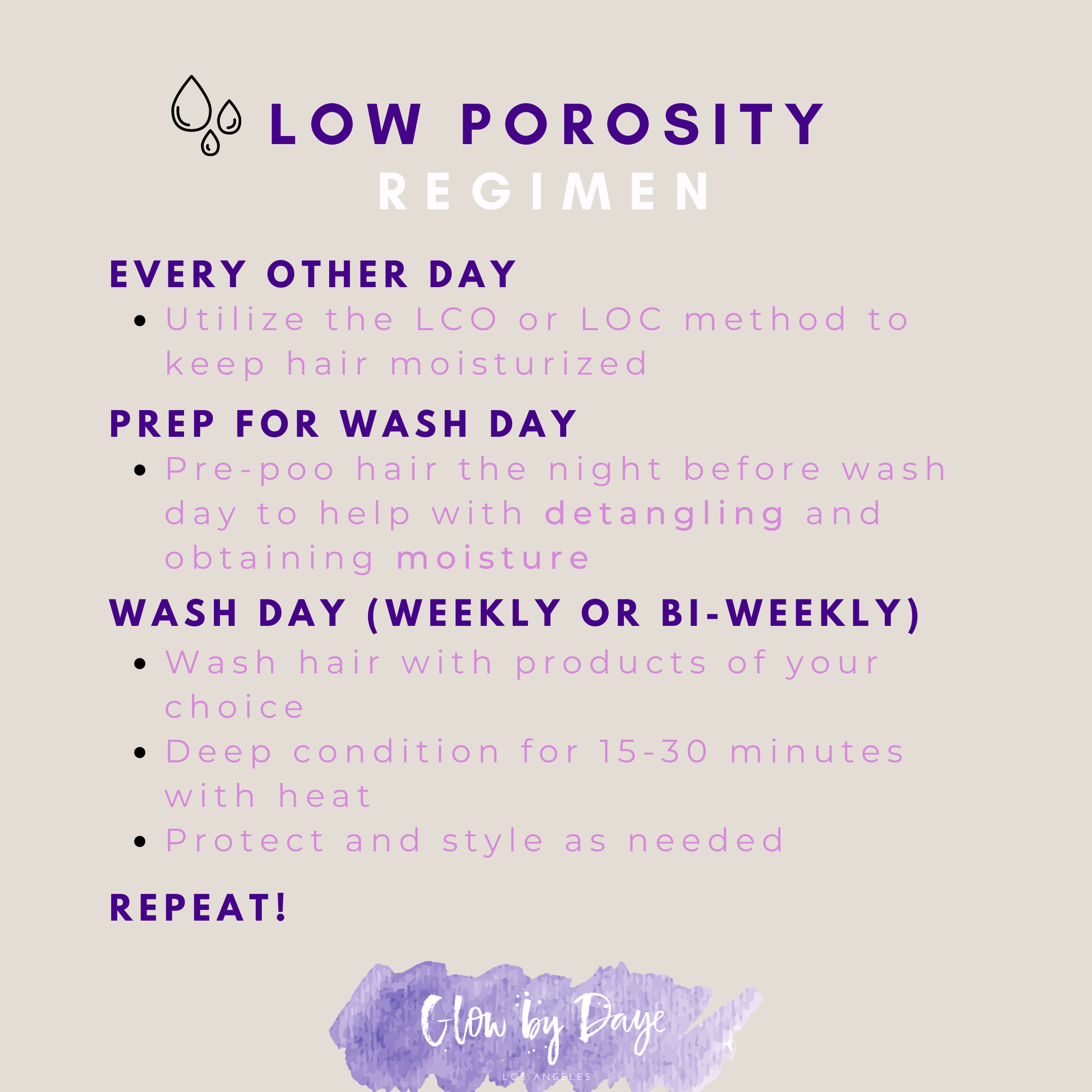
Credit: www.glowbydaye.com
Protective Styling For Low Porosity 4c Hair
Protective styles reduce manipulation and retain length. But you must still moisturize and cleanse your hair underneath.
Best Styles
- Twists: Easy to moisturize, low tension on scalp
- Braids: Last up to 2–3 weeks, can be refreshed easily
- Bantu knots: Help stretch hair and define curls
- Wigs/Weaves: Only if hair is properly braided, moisturized, and not neglected
Maintaining Styles
- Clean scalp every 1–2 weeks with diluted shampoo
- Spritz hair with water and leave-in every few days
- Seal ends with lightweight oil
Example: A two-strand twist set can last 1–2 weeks. Every 3 days, lightly spray with water and add a drop of oil to the ends. When taking down, detangle gently to avoid breakage.
Don’t forget to let your hair “rest” between long-term protective styles. Give your scalp a break and moisturize thoroughly before starting the next style.
Dealing With Humidity And Weather Changes
Low porosity 4C hair reacts strongly to climate.
- High humidity: Hair may feel sticky or swell up. Use lighter products and avoid glycerin in high humidity.
- Dry, cold air: In winter, seal with oil more often and use a humidifier indoors.
Pro tip: Adjust your routine with the seasons. In summer, focus on moisture. In winter, focus on protection.
If you’re traveling, pack travel-sized versions of your essentials and check the forecast. Your hair may need extra moisture in dry hotel rooms or more frequent washing in humid climates.

Credit: taikafilat.com
Diet, Hydration, And Hair Health
Beautiful hair starts inside your body. Low porosity 4C hair is sensitive to dehydration and poor nutrition.
- Water: Aim for 6–8 glasses daily. Dehydration shows up as dry, brittle hair.
- Protein: Eggs, beans, and fish help strengthen hair from the inside.
- Oils: Omega-3 fatty acids (from nuts, seeds, or salmon) add shine and softness.
Real insight: Supplements like biotin are only helpful if you have a deficiency. Focus on a balanced diet first.
If you notice sudden changes in your hair health, such as increased shedding or breakage, consider if your diet or water intake has changed. Addressing nutrition and hydration is just as important as external care.
Tracking Progress: How To Know What Works
Every head of 4C hair is unique. Keep a hair journal to track:
- Products used
- Routine changes
- How your hair feels each week
If you notice more breakage, dryness, or less definition, adjust your routine. Photos every month help spot real progress.
Tracking also helps identify if a certain product or method is causing irritation, flakes, or buildup. Over time, you’ll build a personalized routine that matches your hair’s real needs.
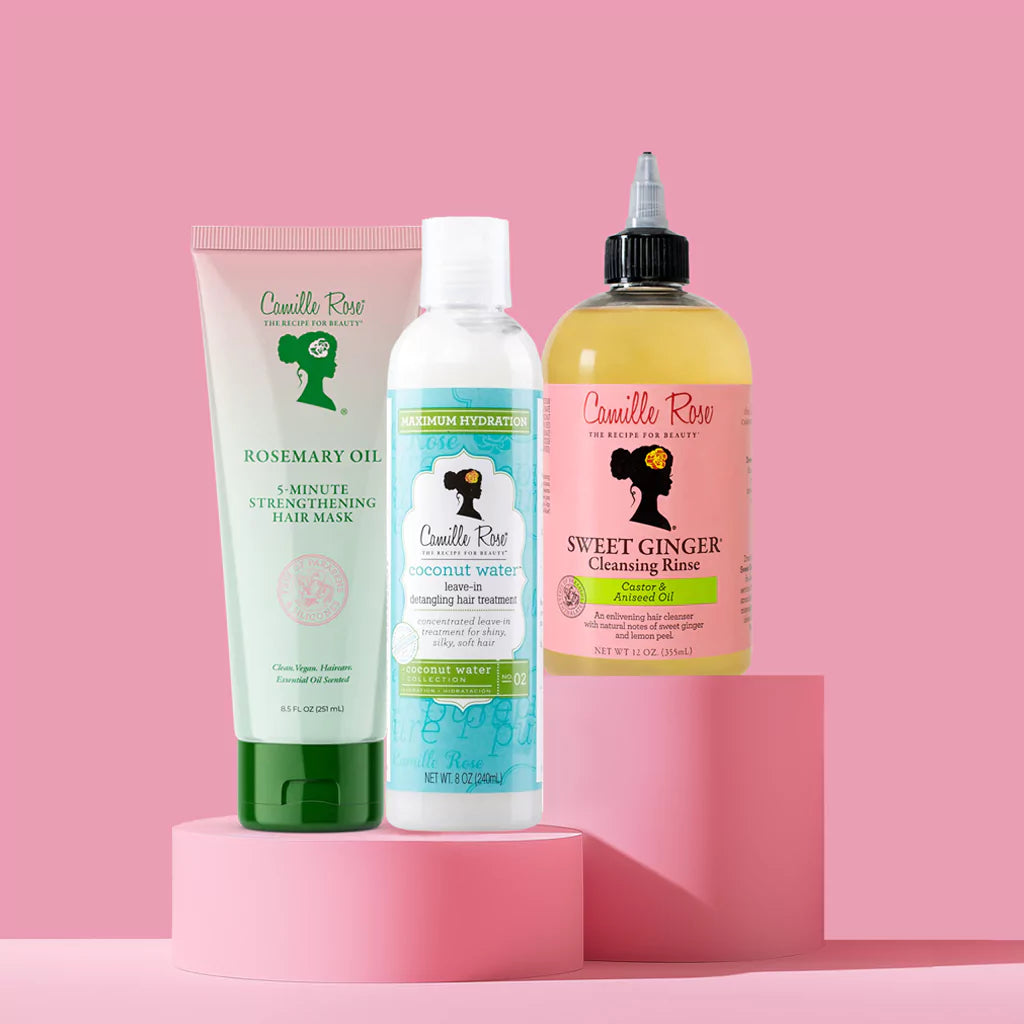
Credit: www.camillerose.com
Myths About Low Porosity 4c Hair
Let’s clear up some common myths:
- Myth 1: Low porosity hair doesn’t need oil. False. You need oil, but in small amounts and the right type.
- Myth 2: Protein is always bad. Not true. Occasional protein treatments are helpful, just not weekly.
- Myth 3: You must co-wash only. While co-washing is gentle, regular shampooing is necessary to avoid build-up.
Some also believe that hair porosity never changes. In reality, chemical treatments, heat, and aging can alter your porosity over time. Pay attention to how your hair responds as you age or after color treatments.
Finding Community And Support
Navigating your hair journey is easier with support. Online forums, YouTube channels, and social media groups offer advice, product reviews, and encouragement. For scientific information, check resources like NaturallyCurly.
You can also connect with local salons or stylists who specialize in natural hair. Sharing experiences and tips with others can help you find solutions faster and avoid common pitfalls.
Frequently Asked Questions
How Can I Tell If My Hair Is Low Porosity?
Do the water test: Place a clean, shed hair in a glass of water. If it floats for several minutes without sinking, it’s likely low porosity. Also, if products sit on your hair or it takes a long time to get wet, these are signs.
You might also notice your hair dries slowly and feels cool or wet to the touch for a long time after washing.
What’s The Best Way To Moisturize Low Porosity 4c Hair?
Layer moisture using the LCO method (liquid, cream, oil). Always use heat (like a steamer or hot towel) when deep conditioning. Focus on lightweight, water-based products for best absorption.
Don’t forget to adjust your routine if you notice changes with weather, stress, or new products.
Should I Avoid All Oils And Butters?
No. Avoid heavy oils and butters, especially on the scalp. Instead, use lightweight oils like grapeseed or argan oil for sealing. Apply only a small amount to prevent buildup.
Some people find that using butters only on the ends during cold weather helps, but always monitor your hair’s reaction.
How Often Should I Clarify My Hair?
Clarify your hair with a sulfate-free clarifying shampoo or bentonite clay mask once a month. If you use lots of products or notice your hair feels coated, clarify more often.
If your scalp feels itchy or you notice flakes, it’s time for a deep clean.
Can I Color My Low Porosity 4c Hair?
Yes, but with caution. Chemical treatments can damage the cuticle and make moisture retention even harder. Deep condition regularly, and consult a professional stylist for safe coloring.
If you notice increased dryness after coloring, focus on moisture and protein balance to restore your hair’s health.
Caring for low porosity 4C hair takes patience, smart routines, and the right products. Over time, you’ll learn what your coils love most. Stay consistent, experiment with small changes, and celebrate every sign of healthy, hydrated hair. The journey is worth it—your hair can truly flourish.