

Recovering from childbirth is a demanding journey. For many women, postpartum shedding—the noticeable loss of hair after having a baby—adds emotional stress to this period. While it’s a normal and temporary process, the right nutrition can make a real difference in how your body copes. Protein, in particular, plays a key role in the health of your hair, skin, and overall recovery. But how much do you really need? And what is the best way to include enough protein in your postpartum diet? This article gives clear answers, practical tips, and evidence-based advice for meeting your protein requirements during postpartum shedding.
Understanding Postpartum Shedding
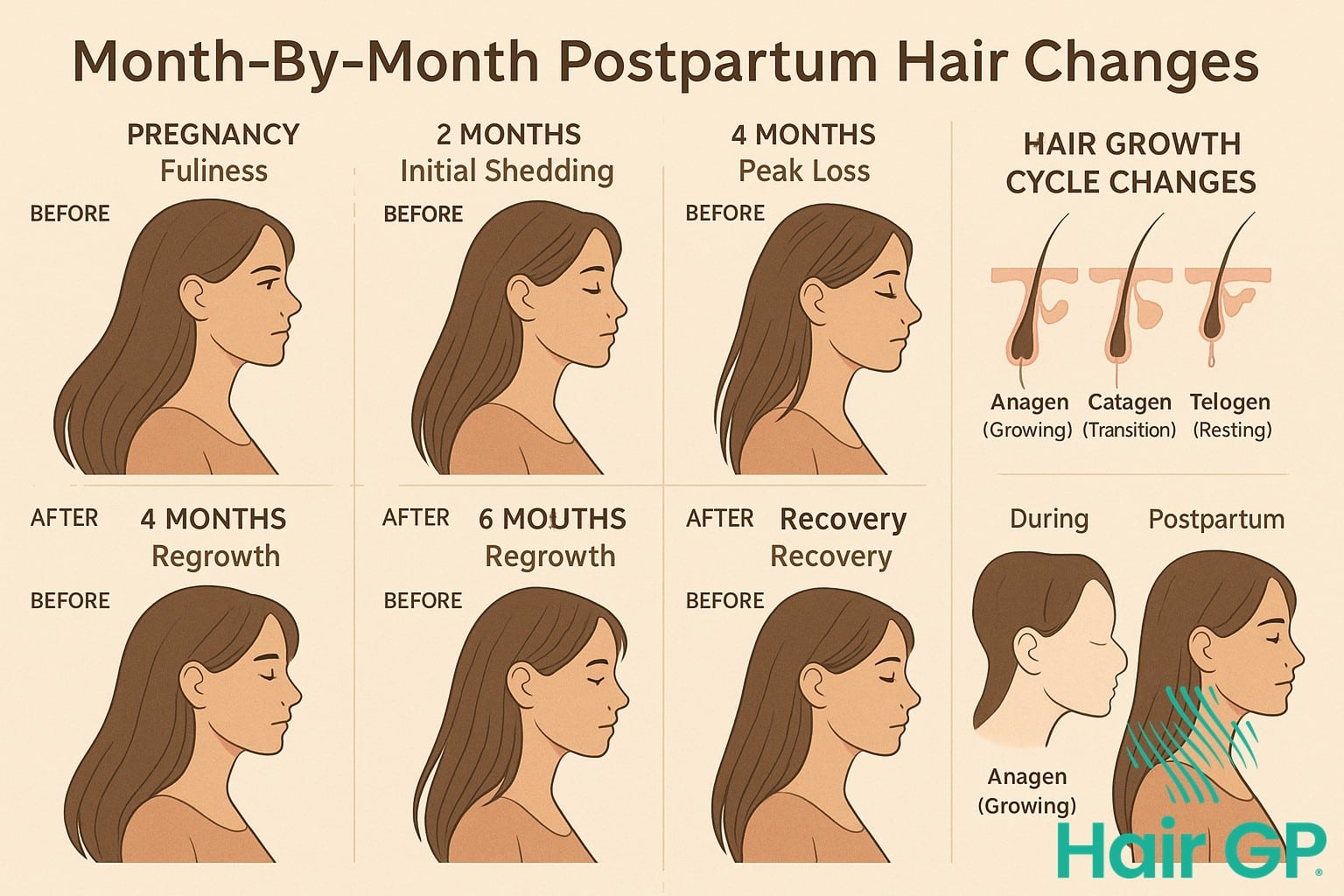
After childbirth, many women notice more hair falling out than usual. This is called postpartum shedding, or sometimes postpartum telogen effluvium. It usually starts around three months after giving birth and can last until your baby is six months old, sometimes longer.
During pregnancy, high levels of estrogen keep your hair in the growth phase. After delivery, hormone levels drop quickly. This sudden change pushes more hairs into the resting phase, so they fall out at the same time. While this can be alarming, it’s a normal part of recovery.
However, your body’s ability to regrow healthy hair depends on many things, including your diet. This is where protein becomes especially important.
Why Protein Matters For Hair And Recovery
Protein is the building block of your body. Your hair, skin, nails, muscles, and even your immune cells all need protein to stay strong and healthy. When you don’t get enough, your body will prioritize vital organs over hair, causing more shedding and slower hair regrowth.
The Science Behind Hair And Protein
Hair is made mostly of keratin, a type of protein. Without enough protein, your body can’t produce keratin efficiently. This weakens hair strands and slows down regrowth. Studies show that protein deficiencies are closely linked to hair loss, brittle hair, and poor skin healing.
Protein’s Role In Postpartum Recovery
After childbirth, your body is healing from delivery, dealing with hormonal changes, and possibly feeding a baby. This increases your need for nutrients, especially protein, to:
- Repair tissues damaged during birth
- Support immune function
- Produce breast milk
- Restore skin and hair health
If you’re breastfeeding, your protein needs are even higher, since you’re also supplying nutrients to your baby.
How Much Protein Do You Need Postpartum?
There isn’t one answer for every woman. Your protein needs depend on your weight, activity level, whether you’re breastfeeding, and if you had a difficult delivery.
For the average healthy adult woman, the Recommended Dietary Allowance (RDA) is about 0.8 grams of protein per kilogram of body weight per day. However, postpartum women need more.
Protein Requirements For Postpartum Women
- Non-breastfeeding mothers: 1.0–1.2 grams per kg of body weight per day
- Breastfeeding mothers: 1.2–1.5 grams per kg of body weight per day
Let’s look at a practical example.
| Weight (kg) | Non-Breastfeeding (g/day) | Breastfeeding (g/day) |
|---|---|---|
| 55 | 55–66 | 66–83 |
| 65 | 65–78 | 78–98 |
| 75 | 75–90 | 90–113 |
For a 65 kg (143 lbs) woman who is breastfeeding, daily protein needs are about 78–98 grams.
How To Calculate Your Needs
- Find your weight in kilograms (lbs ÷ 2.2)
- Multiply by 1.2–1.5 (if breastfeeding) or 1.0–1.2 (if not breastfeeding)
- That’s your target range in grams of protein each day
Factors That Can Change Your Needs
- C-section or difficult birth: May need more protein for healing
- Multiple births (twins, triplets): Higher requirements
- Special diets (vegetarian, vegan): Careful planning needed
Key Protein Sources For Postpartum Women
It’s not just about quantity—quality of protein matters too. Some sources give your body all the essential amino acids, while others do not.
Complete Vs. Incomplete Proteins
- Complete proteins have all 9 essential amino acids (your body can’t make these)
- Examples: Eggs, dairy, meat, poultry, fish, soy
- Incomplete proteins are missing one or more essential amino acids
- Examples: Beans, lentils, nuts, seeds, grains
By combining different plant foods, you can get all the amino acids you need.
Animal-based Protein Sources
These foods are rich in complete protein and also provide iron, zinc, and vitamin B12, all important for postpartum recovery.
- Eggs: Easy to prepare, versatile, and affordable. One large egg gives about 6 grams of protein.
- Chicken and turkey: Lean meats with about 25–30 grams of protein per 100 grams cooked.
- Fish: Salmon, sardines, and trout are high in protein and healthy omega-3 fats. Avoid high-mercury fish (like swordfish) when breastfeeding.
- Dairy: Greek yogurt, cottage cheese, and milk provide protein plus calcium for bones.
- Lean beef or pork: Offers protein and iron, which helps prevent postpartum anemia.
Plant-based Protein Sources
If you’re vegetarian or vegan, you can still meet your needs with careful planning.
- Lentils and beans: 1 cup cooked gives about 15–18 grams of protein.
- Tofu and tempeh: Soy-based, complete proteins. 100 grams of tofu has about 8 grams; tempeh about 19 grams.
- Quinoa: One of the few grains with complete protein. 1 cup cooked = 8 grams.
- Nuts and seeds: Almonds, chia, pumpkin seeds; good for snacks but dense in calories.
- Whole grains: Brown rice, oats, whole wheat; combine with beans for a full amino acid profile.
Comparing Protein Quality And Quantity
Here’s how common foods stack up:
| Food | Serving | Protein (g) | Complete Protein? |
|---|---|---|---|
| Chicken breast | 100g | 31 | Yes |
| Egg | 1 large | 6 | Yes |
| Greek yogurt | 170g (6oz) | 15 | Yes |
| Lentils | 1 cup cooked | 18 | No |
| Tofu | 100g | 8 | Yes |
| Quinoa | 1 cup cooked | 8 | Yes |
| Almonds | 28g (1oz) | 6 | No |
Building A High-protein Postpartum Diet
A balanced diet helps you recover faster, supports hair regrowth, and keeps your energy steady. Here’s how to create a daily eating pattern that meets your protein requirements during postpartum shedding.
Spreading Protein Intake
Your body can’t store extra protein, so it’s best to spread intake throughout the day. Aim for protein at every meal and snack.
- Breakfast: Greek yogurt with nuts, scrambled eggs, or overnight oats with protein powder
- Lunch: Lentil soup, chicken salad, tofu stir-fry
- Snack: Cheese sticks, hummus with whole-wheat pita, nut butter on fruit
- Dinner: Grilled fish, beef stew, or quinoa and black bean bowl
Sample Meal Plan (90g Protein Target)
Breakfast: 2 scrambled eggs (12g) + whole grain toast (4g)
Snack: Greek yogurt (15g) + berries
Lunch: Chicken breast (100g, 31g) + quinoa salad (8g)
Snack: Almonds (28g, 6g) + apple
Dinner: Lentil soup (1 cup, 18g) + side salad
Total: 94 Grams Of Protein
Easy Protein Boosts
- Add a spoon of nut butter to oatmeal or smoothies
- Sprinkle seeds (chia, hemp, pumpkin) on salads or yogurt
- Use Greek yogurt instead of sour cream
- Blend tofu into soups or smoothies for creaminess
- Choose higher-protein grains like quinoa over rice
Special Considerations For Breastfeeding Mothers
Breastfeeding increases your protein needs, but also your need for calcium, iron, vitamin B12, and omega-3 fatty acids. All of these support your baby’s development and your own recovery.
Protein’s Role In Milk Production
Protein is vital for making breast milk. Studies show that mothers who eat enough protein have higher milk volume and quality. Low protein intake can reduce milk supply and leave both mother and baby at risk for nutrient shortages.
Best Protein Choices For Breastfeeding
- Fatty fish (low mercury): Salmon, sardines, herring
- Dairy: Greek yogurt, cheese, milk
- Eggs: Easy to digest and cook
- Lean meats: Chicken, turkey, beef
- Legumes: Lentils, chickpeas, beans
If you’re vegetarian or vegan, consider a vitamin B12 supplement and ensure you’re eating enough iron-rich foods.
Hydration Matters Too
Breastfeeding is thirsty work! Dehydration can make you feel tired and reduce milk supply. Drink water with every meal and snack, and listen to your body’s signals.
Common Mistakes And How To Avoid Them
Many new mothers make nutrition mistakes that can slow recovery and worsen postpartum shedding. Here are some to watch for:
1. Skipping Meals
Caring for a baby is exhausting. Some mothers skip meals or grab low-protein snacks because they’re too busy. This leads to low energy and less protein for hair and healing.
Tip: Prepare protein-rich snacks in advance, like boiled eggs or trail mix.
2. Relying On Refined Carbs
Toast, crackers, and instant noodles are easy but low in protein. They won’t help your hair or recovery.
Tip: Swap some carbs for beans, nuts, or dairy.
3. Not Tracking Protein Intake
It’s easy to think you’re eating enough, but many women fall short. Tracking for a few days can reveal gaps.
Tip: Use a food journal or nutrition app to check your intake.
4. Forgetting Variety
Eating the same foods every day limits your intake of different amino acids and nutrients.
Tip: Rotate between animal and plant proteins for better balance.
5. Ignoring Other Nutrients
Iron, zinc, vitamin C, and omega-3s are all important for hair regrowth. Low iron, especially, is common after childbirth and can worsen shedding.
Tip: Pair protein foods with sources of these nutrients. For example, eat beef with a vitamin C-rich salad.
Supplements: Do You Need Protein Powders?
Some women wonder if they need protein powders after childbirth. In most cases, you can meet your needs with food. But there are situations where a supplement helps:
- Strict vegetarian or vegan diets
- Trouble eating enough due to nausea or busy schedule
- Higher needs after twins, C-section, or complications
If you choose a protein powder:
- Pick one with minimal sugar and additives
- Whey, pea, soy, and rice protein are good choices
- Avoid “weight loss” or “fat burning” formulas, as these are not safe postpartum
Always check with your healthcare provider before adding supplements.
Credit: hairgp.co.uk
The Connection Between Protein, Stress, And Hair Loss
Stress is a big trigger for postpartum shedding. Lack of sleep, anxiety, and physical recovery all play a role. But did you know that stress can increase your protein needs?
When you’re stressed, your body breaks down more protein for energy and to repair tissues. If you’re not eating enough, this can worsen hair loss. Focusing on steady, balanced protein intake also helps stabilize blood sugar, which may reduce mood swings and energy crashes.
Non-obvious Insights For Better Hair Recovery
1. Timing Your Protein For Hair Growth
Research suggests that the timing of protein intake may matter. Eating protein within 1–2 hours of waking helps kickstart the repair process after a night’s fast. Try to include a good source of protein with your breakfast.
2. Amino Acid Diversity
Your hair needs a variety of amino acids, including cysteine and methionine (found in eggs, dairy, and meat). Many plant proteins are low in these, so if you eat plant-based, combine foods (like beans and rice) to cover your bases.
3. Collagen For Hair And Skin
Collagen is a special protein found in animal connective tissue (bone broth, chicken skin, fish skin). Some studies suggest collagen supplements may support skin elasticity and hair strength after pregnancy, though more research is needed.
Credit: www.mamasselect.com
Sample High-protein Postpartum Recipes
To make things practical, here are some easy recipes that support your protein requirements during postpartum shedding.
Power Breakfast: Greek Yogurt Parfait
- 1 cup Greek yogurt (15g protein)
- 1/4 cup granola (2g protein)
- 2 tbsp chia seeds (4g protein)
- 1/2 cup berries
Layer yogurt, granola, chia seeds, and berries. Enjoy with a glass of milk for even more protein.
Quick Lunch: Lentil And Quinoa Salad
- 1 cup cooked lentils (18g protein)
- 1/2 cup cooked quinoa (4g protein)
- 1/4 cup chopped cucumber and tomatoes
- 1 tbsp olive oil and lemon juice
Mix all ingredients for a filling, protein-packed meal.
Dinner: Salmon With Roasted Veggies
- 120g salmon fillet (25g protein)
- Assorted vegetables (broccoli, carrots, sweet potato)
- 1 tbsp olive oil
Roast salmon and veggies in the oven for 25 minutes. Serve with a side of brown rice if desired.
Snack: Hummus And Whole Wheat Pita
- 1/2 cup hummus (10g protein)
- 1 small whole wheat pita (5g protein)
Dip and enjoy between meals.
Protein, Hormones, And The Postpartum Body
Hormonal changes after childbirth are the main reason for increased hair shedding. While you can’t stop this process, you can support your body’s recovery by eating enough protein and other nutrients.
Protein helps regulate hormones by supporting liver function and stabilizing blood sugar. It also helps rebuild tissues and maintain skin elasticity, both of which are important after delivery.
Research published in the Journal of the American Academy of Dermatology found that women with higher protein diets were less likely to report severe postpartum hair loss. While individual results vary, focusing on protein is a simple, effective step.
Cultural And Dietary Preferences
Protein recommendations can be met with different diets around the world. Whether you eat mostly plant-based or include animal products, it’s possible to get enough protein by planning.
- South Asian diets: Use lentils (dal), chickpeas, paneer, and eggs
- Mediterranean diets: Include fish, beans, cheese, and yogurt
- Latin American diets: Beans, quinoa, eggs, and lean meats
- Vegan diets: Combine legumes, whole grains, nuts, and seeds for a complete amino acid profile
If you follow a traditional or restricted diet, talk to a dietitian to make sure you’re meeting your needs.
Staying Consistent: Tips For Busy Moms
It’s easy to let nutrition slide when caring for a newborn. Here are some real-life strategies:
- Batch cook protein-rich meals and freeze portions
- Keep snacks like boiled eggs, cheese sticks, or trail mix ready
- Use meal delivery services that offer healthy, balanced meals
- Ask for help: Let friends or family bring you protein-rich dishes
- Set reminders to eat if you get caught up in baby care
Remember, taking care of your own nutrition is key for your recovery and for your baby’s well-being.
Credit: www.mamasselect.com
When To Seek Professional Help
If you’re losing a lot of hair, feeling weak, or not sure you’re getting enough protein, it’s wise to talk to a healthcare provider or registered dietitian. Signs you might need extra help:
- Hair loss lasts more than 12 months
- Feeling very tired or weak
- Trouble healing or frequent infections
- Difficulty eating enough due to nausea, depression, or other issues
A professional can check for iron deficiency, thyroid problems, or other conditions that can worsen postpartum shedding.
Frequently Asked Questions
What Is Postpartum Shedding And Why Does It Happen?
Postpartum shedding is the increased hair loss that many women notice after having a baby. During pregnancy, high estrogen keeps hair in the growth phase. After birth, hormone levels drop, causing more hairs to enter the resting and shedding phase. It’s a normal, temporary process.
How Much Protein Do I Need If I’m Breastfeeding?
Most breastfeeding mothers need 1.2–1.5 grams of protein per kilogram of body weight per day. For example, a woman weighing 65 kg should aim for 78–98 grams of protein daily.
Can I Get Enough Protein On A Vegetarian Or Vegan Diet?
Yes, but it takes planning. Combine plant protein sources like beans, lentils, nuts, seeds, and whole grains to get all essential amino acids. Soy products (tofu, tempeh) and quinoa are complete proteins.
Will Protein Shakes Help With Postpartum Hair Loss?
Protein shakes can help if you have trouble meeting your needs with food alone. Choose simple, high-quality powders without unnecessary additives, and always check with your healthcare provider first.
How Long Does Postpartum Shedding Last?
Postpartum shedding usually starts 2–4 months after delivery and can last up to 6 months. For most women, hair returns to its normal fullness by the baby’s first birthday. If hair loss continues longer, see your doctor to rule out other causes.
Supporting your body with the right amount and type of protein is one of the best things you can do for recovery and healthy hair regrowth after childbirth. By focusing on steady, balanced protein intake and overall nutrition, you’ll give yourself the best chance for a strong recovery—and healthier, fuller hair in the months ahead. For more detailed nutrition guidelines, visit the Centers for Disease Control and Prevention. Remember, every woman’s journey is unique, so listen to your body and seek help if you need it.