

Swimming on a hot summer day or taking a shower in your own bathroom should be relaxing. But if you notice your hair feels dry, rough, or breaks easily, you might be facing a silent problem: damage from chlorine and hard water. While each can harm your hair on its own, when they combine, the results can be surprisingly harsh. Many people don’t realize that this “double threat” is damaging their hair health every single day.
If you’ve ever wondered why your hair becomes dull, frizzy, or hard to manage even with expensive shampoos, there’s a good chance that both chlorine and hard water are working together against you. Let’s explore what happens when these two factors combine, why the problem is worse than most people think, and, most importantly, what you can do to protect your hair.
By understanding the science and solutions, you can restore softness, shine, and strength to your hair—whether you’re a swimmer, live in a hard water area, or both.
Understanding Chlorine And Hard Water: The Basics
To solve any problem, you need to know what you’re fighting. Chlorine is a chemical used to keep pools and water supplies free from bacteria. Hard water contains high levels of minerals, mainly calcium and magnesium. Let’s look at what each does to your hair.
What Chlorine Does To Hair
Chlorine is great for pools but harsh on hair. When you swim or wash with chlorinated water, this chemical strips away the natural oils from your hair. These oils, called sebum, act as a protective barrier. Without them, hair becomes dry, brittle, and more likely to split or break. Chlorine can also react with hair proteins, weakening the structure and causing color changes—especially for people with light or dyed hair.
How Hard Water Damages Hair
Hard water is water with a high mineral content. The minerals can build up on your hair and scalp. Over time, this makes hair feel heavy, rough, and less shiny. Hard water can also make it harder for shampoos and conditioners to work, so you might use more product but still feel unsatisfied with the results.
The Double Threat: Why Chlorine And Hard Water Together Are Worse
Individually, chlorine and hard water are bad for hair. But together, they create a cycle of damage:
- Chlorine strips natural oils, leaving hair unprotected.
- Hard water minerals stick to this unprotected hair, making it stiff and dull.
- The combined effect makes hair weaker, more porous, and more likely to break.
- Hair color fades faster, and the scalp can become irritated.
This double threat is especially common for swimmers who live in areas with hard water, but anyone using chlorinated tap water in a hard water region is at risk.
Signs Your Hair Is Damaged By Chlorine And Hard Water
It’s not always easy to know the cause of hair problems. Here are common signs that both chlorine and hard water are damaging your hair:
- Dryness and rough texture: Hair feels straw-like, crunchy, or rough.
- Dullness: Hair loses its natural shine.
- Split ends and breakage: Ends split easily, and strands break with gentle brushing.
- Tangles and knots: Hair becomes more tangled and harder to comb.
- Itchy or flaky scalp: The scalp feels dry, tight, or develops flakes.
- Color fading or change: Dyed hair loses color quickly or develops a greenish tint (common in blondes).
- Product buildup: Shampoos and conditioners seem less effective.
If you have several of these symptoms, the double threat is likely affecting you.

Credit: www.amazon.sg
The Science Behind The Damage
Understanding how damage happens helps you fight back more effectively.
Chlorine’s Attack On Hair Structure
Chlorine acts like a tiny pair of scissors on the outside layer of your hair, called the cuticle. It breaks down the proteins (keratin) and removes protective oils. This leaves tiny holes in the cuticle, making your hair more porous. Porous hair absorbs even more chlorine and minerals, creating a cycle of worsening damage.
Hard Water’s Mineral Buildup
The calcium and magnesium in hard water form deposits on your hair and scalp. Over time, these minerals create a thin film that blocks moisture and nutrients from entering the hair shaft. They also react with soaps and shampoos, making them less effective and leaving behind a sticky residue.
Combined Effect: A Perfect Storm
When chlorine has already stripped your hair, the hard water minerals stick even more tightly, making it almost impossible for conditioners to penetrate. This is why your hair can feel clean after washing but quickly turns rough or greasy.
Real-world Examples And Data
Research shows the effects are real. A study by the International Journal of Trichology found that swimmers exposed to chlorinated water had higher levels of hair damage compared to non-swimmers. Another survey found that 85% of households in the United States have hard water, making this a widespread problem.
Let’s compare what happens to hair exposed to these threats:
| Factor | Effects on Hair | Visible Signs |
|---|---|---|
| Chlorine | Strips oils, weakens keratin | Dryness, split ends, color change |
| Hard Water | Mineral buildup, blocks moisture | Dullness, heaviness, tangling |
| Both Combined | Extreme dryness, stubborn buildup | Breakage, frizz, scalp irritation |
It’s easy to see why hair can become unmanageable when exposed to both.
Who Is Most At Risk?
Some people are more likely to suffer from this double damage:
- Frequent swimmers: Especially those who swim in pools daily or weekly.
- People living in hard water areas: Over 60% of the world’s population.
- Blonde or dyed hair: Light hair shows discoloration more easily.
- People with fine or porous hair: Their hair absorbs chemicals and minerals faster.
- Children: Kids’ hair is often softer and more vulnerable.
If you fit any of these categories, you should be extra careful.
Double Threat Solutions: How To Protect And Repair Your Hair
Now for the most important part: what you can do to stop and reverse the damage.
1. Use A Chelating Or Clarifying Shampoo
Regular shampoos can’t remove mineral buildup or chlorine effectively. Look for chelating shampoos (they remove minerals) or clarifying shampoos (they remove product and chemical residue). Use them once a week, not daily, to avoid over-drying.
- Chelating shampoos: Great for hard water buildup.
- Clarifying shampoos: Remove chlorine and other chemicals.
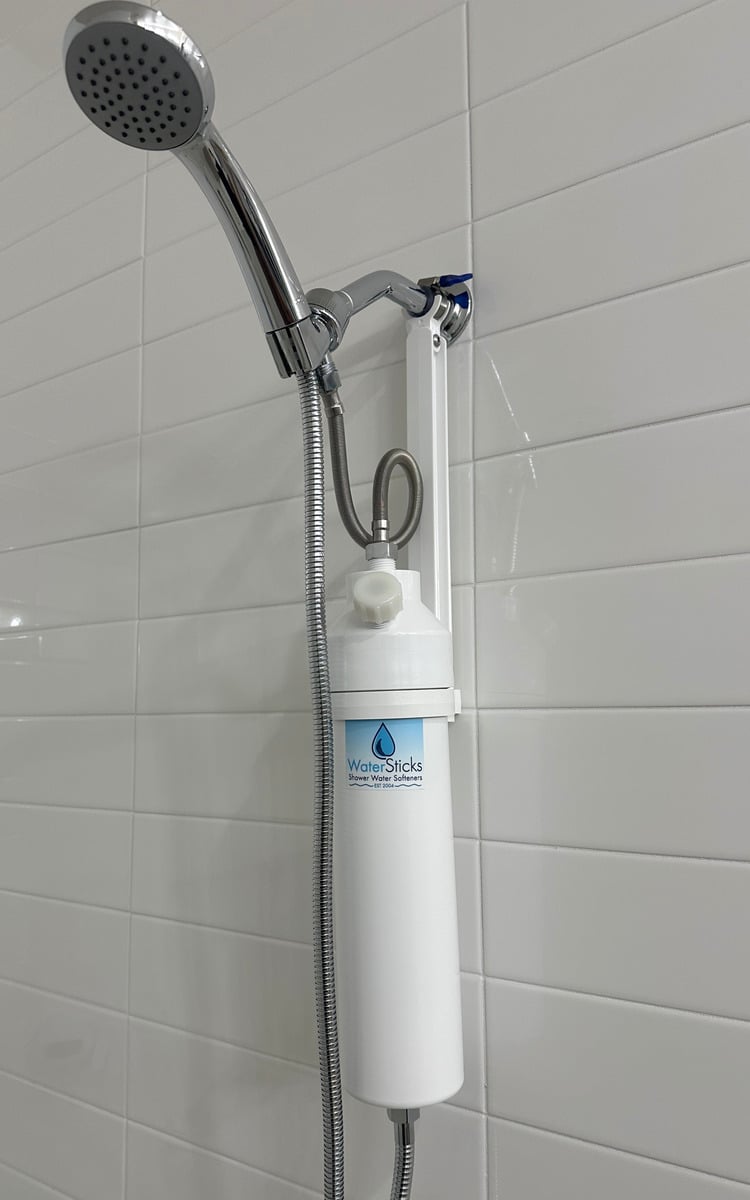
2. Install A Shower Filter
A simple solution for home use is a shower filter that removes both chlorine and minerals from water. These filters attach to your showerhead and can make a big difference in just a few weeks. They are especially important if you have colored or treated hair.
3. Pre-swim Hair Protection
Before swimming in a pool, wet your hair with clean water and apply a leave-in conditioner or oil. This fills your hair’s “pores” so it absorbs less chlorine. Wearing a swim cap also helps but is not perfect on its own.
4. Rinse Immediately After Swimming Or Showering
After exposure to pool or hard water, rinse your hair thoroughly with clean, filtered water as soon as possible. This reduces the time chlorine and minerals stay on your hair.
5. Deep Conditioning Treatments
Use a deep conditioning mask once a week. Look for products with ingredients like argan oil, coconut oil, or keratin. These help restore moisture and repair some of the protein loss caused by chlorine.
6. Avoid Heat Styling
Heat tools like straighteners and curling irons can make damage from chlorine and hard water worse. Limit use, or apply a heat protectant spray before styling.
7. Try A Vinegar Or Citric Acid Rinse
A diluted vinegar rinse (1 part apple cider vinegar to 4 parts water) or a citric acid rinse can help remove mineral buildup. Use once every two weeks, then condition as usual. This makes hair softer and shinier.
8. Professional Salon Treatments
Some salons offer special treatments to remove chlorine and mineral buildup. These can be expensive but effective if your hair is severely damaged.
9. Choose The Right Hair Products
Look for products labeled “for swimmers” or “for hard water.” Avoid products with harsh sulfates, which can make dryness worse.
10. Maintain A Healthy Diet
A balanced diet rich in biotin, vitamin E, and omega-3 fatty acids supports hair health from the inside out. Hydration also matters—drink plenty of water.
11. Consult A Dermatologist Or Trichologist
If you see no improvement after trying these methods, talk to a hair specialist. Sometimes, underlying health issues can make hair more vulnerable.
12. Don’t Overwash Your Hair
Washing too often strips natural oils. Stick to 2–3 times a week, unless you swim daily.
13. Use A Wide-tooth Comb
Wet, damaged hair breaks easily. Use a wide-tooth comb to detangle gently after rinsing.
14. Avoid Tight Hairstyles
Pulling hair into tight ponytails or buns can increase breakage in already weakened hair.
15. Be Patient With Recovery
It can take several weeks or months to fully repair hair damaged by chlorine and hard water. Consistency is key.
Credit: watersticks.com
Comparing Solutions: What Works Best?
Let’s compare some common solutions so you can choose the right one for your situation.
| Solution | Best For | Cost | Time to See Results |
|---|---|---|---|
| Chelating/Clarifying Shampoo | Removing buildup | Low | 1-2 washes |
| Shower Filter | Prevention at home | Medium | 2-4 weeks |
| Deep Conditioning | Repairing dryness | Low to Medium | 1-4 weeks |
| Salon Treatment | Severe damage | High | 1 session |
As you can see, combining several solutions often works best.
Two Non-obvious Insights Most People Miss
- Your Home’s Water Can Be Tested Easily: Many people never check if their tap water is hard or soft. Simple test kits are available at hardware stores or online. Knowing your water type helps you choose the right solutions. In some cases, even “soft” water can have enough minerals to cause buildup over time, especially if combined with chlorine.
- Layered Protection Is More Effective: Using just one method, like switching shampoos, may not be enough. The best results come from combining approaches—such as installing a shower filter, using the right shampoo, and deep conditioning regularly. This layered defense helps break the cycle of damage.
Why Some Hair Types Suffer More
Not all hair reacts the same way to chlorine and hard water. Here’s why:
- Porous hair (often curly or chemically treated) soaks up more chemicals and minerals.
- Fine hair breaks more easily when stripped of oils.
- Color-treated hair is more porous and fades quickly.
- Children’s hair is softer and more sensitive.
If you have one of these hair types, take extra care and use multiple protective steps.
How To Test If You Have Hard Water At Home
Before spending money on filters or new products, check if your water is hard. Here’s a quick test:
- Fill a clear bottle halfway with tap water.
- Add a few drops of liquid soap (not detergent).
- Shake well.
- If you see little or no suds and the water looks cloudy, you probably have hard water.
For more accurate results, buy a hard water test kit.
What To Do If You’re A Regular Swimmer
Swimmers face the highest risk. If you swim several times a week, follow these steps:
- Always wet your hair before entering the pool.
- Apply a leave-in conditioner or natural oil (like coconut oil).
- Wear a silicone swim cap for extra protection.
- Rinse thoroughly with clean water immediately after swimming.
- Use a chelating shampoo once a week and deep condition regularly.
Even if you follow these steps, some damage is hard to avoid, so be consistent with post-swim care.
Hard Water Solutions For Non-swimmers
Even if you never swim, hard water can still damage your hair. If you notice your shampoo doesn’t lather well, or your hair feels “sticky,” consider these steps:
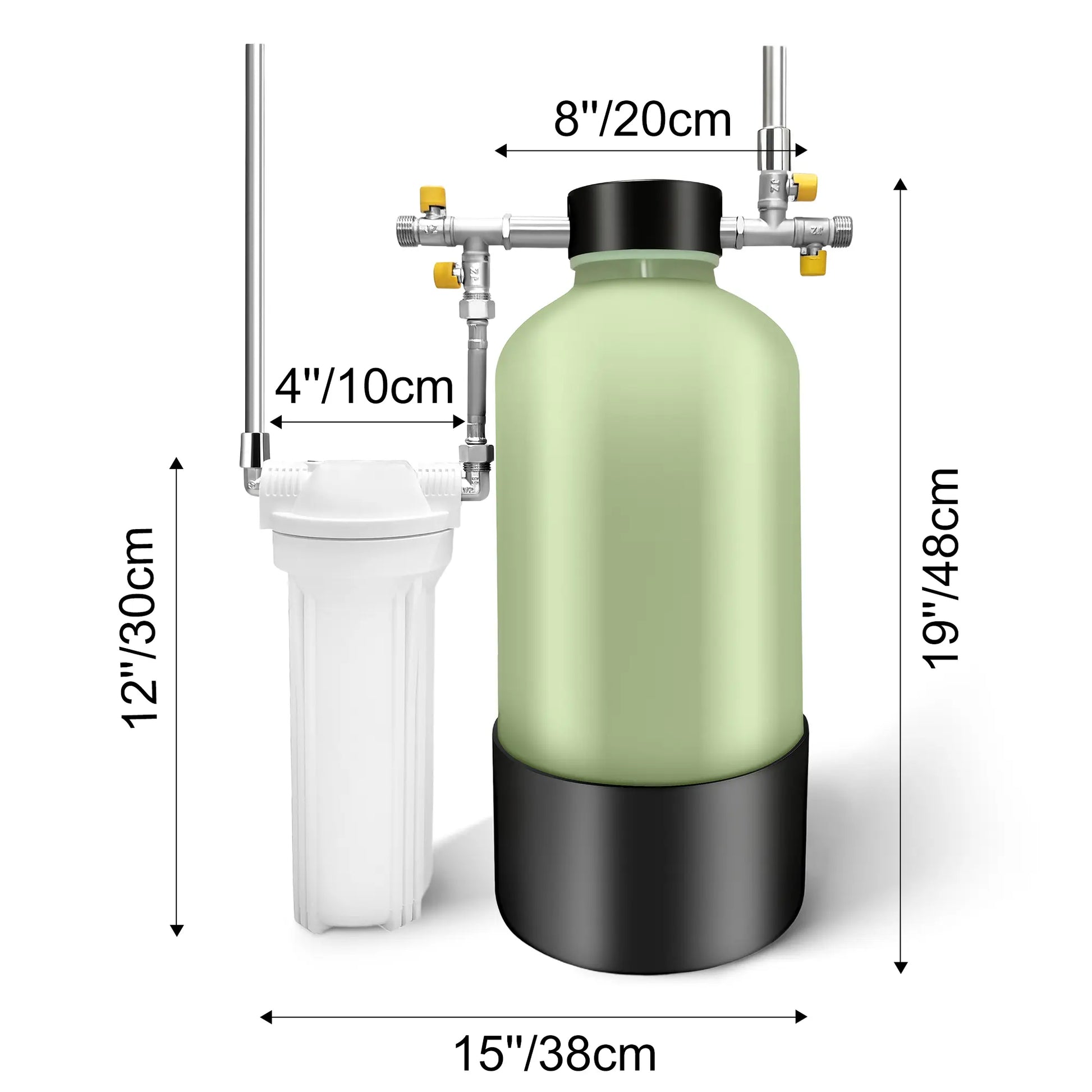
- Install a shower filter designed for hard water.
- Try a citric acid rinse every two weeks to remove buildup.
- Use a gentle, sulfate-free shampoo and a deep conditioner.
- Avoid washing hair daily.
Credit: softwatercare.com
Choosing The Right Products: Key Ingredients
When shopping for hair products, look for these ingredients:
- EDTA (Ethylenediaminetetraacetic acid): Removes minerals from hair.
- Aloe vera: Soothes and hydrates.
- Argan oil: Restores moisture and shine.
- Keratin: Repairs protein loss.
- Coconut oil: Seals in moisture.
Avoid products with high levels of sulfates or silicones, which can worsen buildup and dryness.
Mistakes To Avoid When Fighting Double Damage
- Overwashing: Washing hair too often removes natural oils, making things worse.
- Ignoring scalp health: Damaged scalp can slow hair growth.
- Using harsh shampoos: Not all clarifying shampoos are safe for daily use.
- Skipping conditioner: Always use a hydrating conditioner after washing.
- Not rinsing after swimming: Chlorine continues to work until it’s washed away.
Myths About Chlorine And Hard Water Hair Damage
There’s a lot of bad advice online. Here are some common myths:
- “Only swimmers need to worry about chlorine.” (False—tap water often contains chlorine too.)
- “Hard water just makes hair frizzy.” (False—buildup causes many problems.)
- “Vinegar rinses are enough.” (Not true for severe buildup; sometimes professional help is needed.)
- “All shower filters remove both chlorine and minerals.” (Not all filters do—check the specifications.)
Recovery Timeline: What To Expect
How long does it take to fix double damage? Here’s a general timeline if you follow the steps above:
- After 1 week: Hair feels cleaner, less sticky.
- After 2–4 weeks: Shine and softness return, less breakage.
- After 2–3 months: Most damage repaired, new growth is healthier.
Hair grows about 1. 25 cm (0. 5 inch) per month, so patience is important. Severe cases may need more time.
What If Nothing Works?
If you’ve tried everything and your hair still feels damaged, see a dermatologist or trichologist. Sometimes, hair problems are a sign of a deeper health issue, such as thyroid or hormonal imbalances. Blood tests or scalp exams can help find the real cause.
Data Snapshot: Hard Water Across The World
The problem isn’t only in a few countries. Here’s a quick look at how common hard water is in different regions:
| Region | % of Households with Hard Water | Common Water Treatment |
|---|---|---|
| United States | 85% | Water softeners, filters |
| Europe | 60-80% | Water softeners |
| India | 70% | Boiling, filtration |
| Australia | 30-50% | Rainwater tanks, filters |
No matter where you live, checking your water quality is a smart move.
Frequently Asked Questions
What Makes Chlorine And Hard Water So Damaging Together?
When chlorine strips away your hair’s natural oils, it leaves hair unprotected. Hard water minerals then stick to this exposed hair, making it even drier and more damaged. The combined effect is much stronger than either factor alone, leading to dryness, breakage, and color changes.
How Do I Know If My Water Is Hard Or Contains Chlorine?
Most tap water contains some chlorine. To test for hard water, use a simple soap test at home or buy a test kit. Many city water reports are also available online. For more detailed info, check resources like the CDC’s water quality page.
Can Shower Filters Really Help With Both Chlorine And Hard Water?
Yes, but not all filters are equal. Look for multi-stage filters that specifically remove both chlorine and minerals. Some cheaper models only remove one or the other, so check product details before buying.
How Often Should I Use A Clarifying Shampoo If I Have Hard Water And Swim Regularly?
Use a chelating or clarifying shampoo once a week. Using it more often can dry out hair. Always follow with a deep conditioner to restore moisture.
Is It Safe To Color Or Bleach Hair If I Have Hard Water And Swim In Chlorinated Pools?
Coloring or bleaching makes hair more porous, so it absorbs more chlorine and minerals. If you color your hair, take extra steps to protect it—use a shower filter, pre-swim treatments, and deep conditioning. If possible, wait at least two weeks after coloring before swimming in a pool.
Taking care of your hair when faced with the double threat of chlorine and hard water takes effort, but with the right knowledge and tools, you can prevent and even reverse most of the damage. Don’t ignore the signs—your hair’s health depends on it.
Every small step you take brings you closer to strong, shiny, and beautiful hair, no matter where you live or how often you swim.