

Every new mother faces many changes, both physically and emotionally. One unexpected surprise for many women is postpartum hair thinning. It can feel worrying to see more strands in your brush, or notice your hair losing its fullness. However, this is a common part of the body’s recovery after childbirth. The good news? You can style your hair to hide thinning areas and boost your confidence while your hair returns to normal. In this article, you’ll discover the best hairstyles, practical styling tips, and ways to feel good about your hair during this period. Whether you’re looking for easy everyday styles or something special, there’s a solution for you.
Why Does Postpartum Hair Thinning Happen?
After pregnancy, many women notice changes in their hair. Normally, about 90% of your hair is growing, while 10% is resting. During pregnancy, high estrogen levels keep hair in the growing phase. After childbirth, estrogen drops, and the resting phase increases. This causes more hair to shed, usually between 2 and 6 months postpartum. According to the American Pregnancy Association, up to 50% of new mothers experience noticeable hair loss.
This shedding is called telogen effluvium. It’s not a sign of permanent hair loss, but rather a shift in the hair’s natural cycle. Hair that would have fallen out slowly over months may suddenly shed at once, making it seem more dramatic.
This hair loss is temporary, but it can feel stressful. Many women see thinning around the hairline, temples, or overall loss of volume. Sometimes, hair may fall out in clumps, making showers or brushing more emotional. It’s important to remember that hair will usually return to its normal cycle within a year.
For most, regrowth starts within a few months. While you wait, choosing the right hairstyle can make a big difference.
Key Goals For Postpartum Hairstyles
When selecting styles to hide thinning, keep these goals in mind:
- Add volume: Hairstyles that create fullness help cover thin areas. Volume can be achieved through layers, waves, and texture.
- Distract from thinning spots: Focus attention elsewhere, like bangs or layers around your face. This shifts the eye away from sparse areas.
- Minimize stress on the hair: Avoid tight styles that pull, which can worsen thinning. Gentle styles are healthier for fragile hair.
- Easy maintenance: New moms are busy, so quick and simple styles are best. Choose options that don’t need much time or many products.
Remember, the best style is one that fits your hair type, face shape, and daily routine. Comfort and confidence matter most.
Now, let’s explore the best hairstyles to hide postpartum hair thinning, along with tips and examples.
Top Hairstyles To Hide Postpartum Hair Thinning
1. Loose Waves
Loose waves are one of the best ways to create the illusion of volume. The natural movement of wavy hair makes thinning less noticeable. You can use a curling iron, flat iron, or even braid damp hair overnight for heat-free waves.
- Why it works: Waves give texture and body, making hair look fuller. The uneven shape breaks up the view of the scalp.
- Styling tip: Use a volumizing mousse before drying to boost thickness. For a natural look, twist sections of hair and gently shake them out.
- Example: Actress Mila Kunis often wears soft waves, which help her fine hair appear more voluminous.
If you’re short on time, try twisting your hair into a loose bun while it’s damp and letting it dry. When you release it, you’ll have gentle waves that hide thin spots.
2. Side Part
A side part is a simple but effective trick. It covers thinning areas, especially at the hairline or temples. By shifting your part, you add lift and disguise sparse patches.
- Why it works: Hair falls over thinner spots, instantly hiding them. Changing the part also gives roots a natural boost.
- Styling tip: Try a deep side part for dramatic coverage. Use a comb to draw a straight line from the arch of your eyebrow back.
- Insight: Most women keep the same part for years. Changing it gives a fresh look and helps mask hair loss.
If you’re used to a middle part, even a slight shift can make a big difference. To help train your hair to stay in the new part, part it while wet and use a blow dryer to set the direction.
3. Layered Haircuts
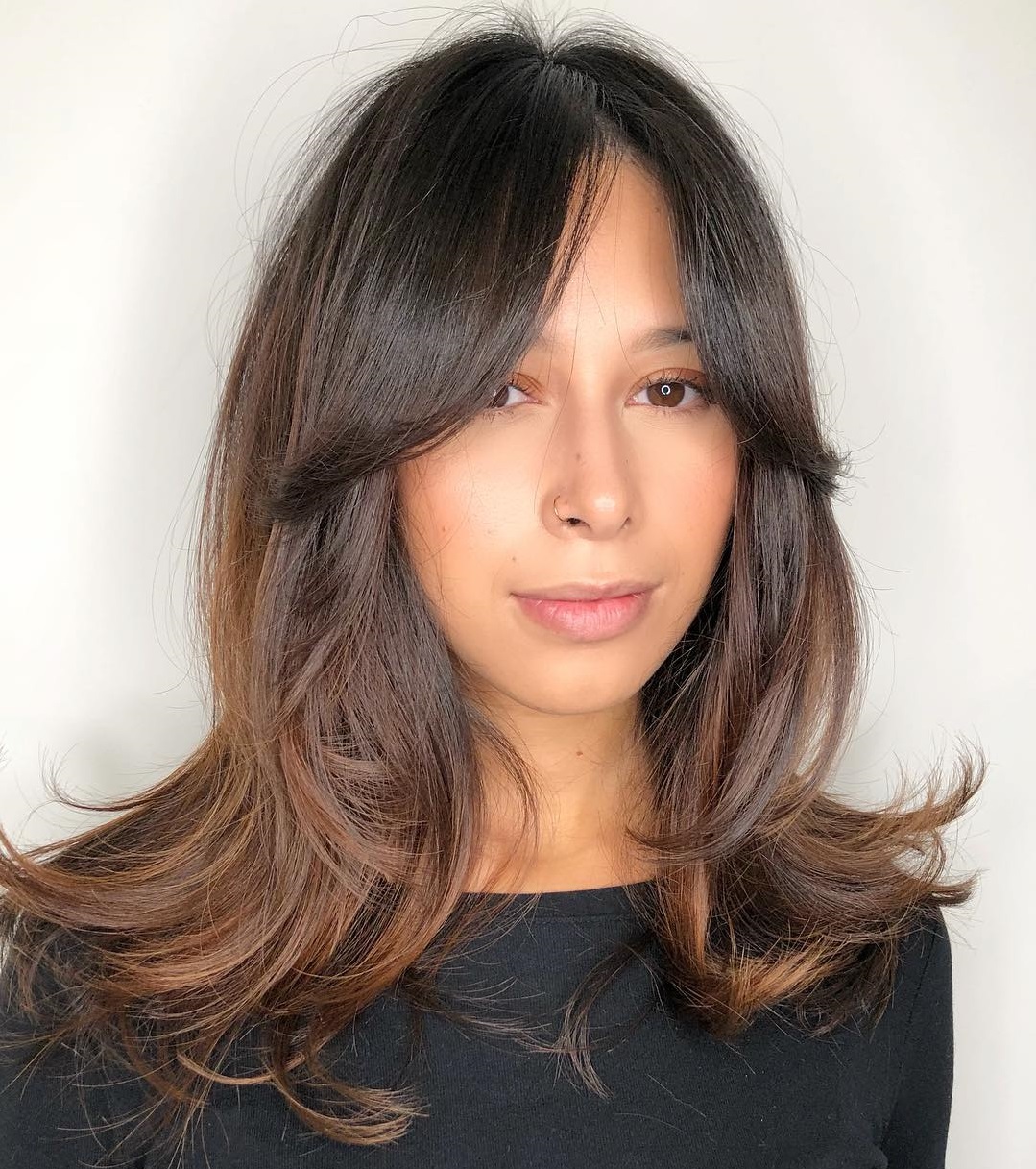
Layers are a classic solution for thin hair. They add movement and depth, making flat or limp hair seem thicker.
- Why it works: Layers break up the shape, so the scalp is less visible. The different lengths create the impression of density.
- Styling tip: Ask your stylist for face-framing layers to highlight your features and cover thinning. Layers around the cheeks and jawline also soften your look.
- Non-obvious insight: Longer layers are gentler on the hair, reducing stress compared to short, choppy layers.
A good stylist can cut layers that suit your hair’s texture. Avoid too many layers if your hair is very fine, as this can make ends look thin. Instead, opt for subtle, blended layers for natural movement.
4. Curtain Bangs
Curtain bangs are soft, parted bangs that frame the face. They’re trendy and practical for hiding thinning at the front.
- Why it works: Bangs cover the forehead and temples, common thinning spots. The curtain effect draws attention to your eyes and cheekbones.
- Styling tip: Keep bangs longer for easier styling and less maintenance. You can pin them back or blend them with the rest of your hair on days you want a change.
- Example: Dakota Johnson’s curtain bangs make her hair look fuller and add style.
Curtain bangs are also forgiving as they grow out, and you don’t have to trim them as often as blunt bangs.
5. Messy Bun
The messy bun is perfect for busy moms. It’s quick, forgiving, and hides thin areas by keeping hair loose and textured.
- Why it works: Pulls hair up without tightness, covering patches with volume. Loose pieces can frame the face for softness.
- Styling tip: Gently tease the crown before making your bun for extra lift. Use your fingers instead of a brush to keep the texture natural.
- Common mistake: Avoid slick, tight buns. These can expose thinning and cause more shedding.
If you have layers, let a few strands fall out for a casual, effortless look. You can also use a scrunchie for added volume and less breakage.
6. Textured Ponytail
A textured ponytail uses waves, curls, or teasing to add fullness. It’s great for days when you want hair up but still need coverage.
- Why it works: Texture hides the scalp and gives a thicker appearance. Even a simple ponytail can look fuller with a little teasing at the crown.
- Styling tip: Wrap a section of hair around the elastic for a polished look. Pull the ponytail apart gently to add width.
- Comparison: A sleek ponytail exposes thinning, while a textured ponytail hides it.
For extra lift, try backcombing the roots before tying up your hair. You can also clip in a small hairpiece for more volume.
7. Half-up, Half-down Style
This style combines coverage and comfort. Pulling part of the hair up lifts the crown, while leaving the rest down adds volume.
- Why it works: Covers thin spots at the crown and keeps hair flowing around the face. It’s less stressful on the scalp than a full updo.
- Styling tip: Use a gentle hair clip or tie to avoid damage. A twist or braid in the upper section adds interest.
- Example: Kate Middleton uses this style to boost fullness.
You can also experiment with small braids or twists in the half-up section for a creative touch.
8. Bob Haircut
The bob is a popular cut for thin hair. It’s short enough to look healthy, but long enough to style. A blunt bob gives the illusion of thicker ends.
- Why it works: Short hair reduces weight, so it lifts easily. The ends appear fuller when cut straight.
- Styling tip: Ask for a slightly angled bob to add movement. This shape flatters most face shapes and keeps hair looking lively.
- Data: According to a survey by Allure, 34% of women with thinning hair choose a bob cut.
For extra volume, blow-dry your bob with a round brush, lifting at the roots.
9. Pixie Cut
The pixie cut is bold and modern. For women with severe thinning, it can be a fresh start. Pixies are easy to style and maintain.
- Why it works: Short length minimizes the look of thin hair. The scalp is less visible, and styling takes minutes.
- Styling tip: Use a lightweight styling paste for texture. A little product helps define layers and add lift.
- Example: Actress Charlize Theron’s pixie cut makes her fine hair appear thicker.
A pixie is also great for hot weather or for those who want a low-maintenance routine.
10. Scarf Or Headband Styles
Accessories like scarves or headbands offer instant coverage. They’re stylish and can hide thinning at the hairline or crown.
- Why it works: Draws attention away from thinning and adds personality. A bright scarf or patterned headband can become your signature look.
- Styling tip: Choose soft, wide bands to avoid tension. Position them just behind the hairline to cover sparse spots.
- Non-obvious insight: Headbands with patterns distract the eye, making thinning less noticeable.
Scarves can be tied in many ways—turban style, knotted at the top, or wrapped around a bun. Choose colors that match your outfit for a coordinated look.
11. Top Knot
A top knot is similar to a messy bun but sits higher on the head. It lifts the face and covers the crown, where many women notice thinning.
- Why it works: The height adds volume and hides the scalp. It can make your face look more awake and youthful.
- Styling tip: Loosen strands around the face for softness. Pull the bun apart slightly to give it a larger shape.
- Example: Many celebrities use top knots for quick, voluminous looks.
If your hair is fine, use a hair donut or soft bun maker for extra fullness.
12. Braided Styles
Braids are versatile and can be adapted for thinning hair. Loose, chunky braids work best, as tight braids may pull and expose thin spots.
- Why it works: Braids gather hair together, covering gaps and adding texture. Pancaking (pulling the braid wider) adds even more volume.
- Styling tip: Pancake the braid (gently pull apart) to make it look fuller. Start the braid loosely from behind the ears or at the nape for a relaxed style.
- Common mistake: Avoid small, tight braids. They can damage hair and highlight thinning.
Try a side braid or a crown braid for extra coverage around the hairline.
13. Low Ponytail
A low ponytail is gentle on the scalp and easy to style. By keeping it loose, you avoid stress on delicate hair.
- Why it works: Covers thinning at the crown and temples. The lower placement is softer and less damaging.
- Styling tip: Add a little volume at the roots before tying. Pull out a few face-framing pieces for a relaxed look.
- Example: Meghan Markle’s low ponytail balances elegance with fullness.
Use a soft, fabric-covered elastic to prevent breakage.
14. Shoulder-length Shag
The shag cut features layers, texture, and movement. It’s trendy and ideal for hiding thinning.
- Why it works: Shaggy layers add body and disguise sparse areas. The uneven lengths create volume without effort.
- Styling tip: Use a dry texturizing spray for extra lift. Scrunch hair lightly as it dries for a tousled look.
- Data: Shag styles are recommended by 3 out of 5 stylists for thinning hair.
Shags can be tailored to any hair type, from straight to wavy.
15. Faux Hawk
The faux hawk is edgy and playful. By pinning or styling the hair upward, you create height and cover the scalp.
- Why it works: Volume in the center draws attention away from thinning sides. It’s a bold style that works for various lengths.
- Styling tip: Use bobby pins to secure the shape. Add texture spray to help hair stay lifted.
- Non-obvious insight: Faux hawks can be created with medium or short hair, not just very short cuts.
Experiment by braiding or twisting the sides for extra interest.
16. Voluminous Blowout
A blowout, with the right products and technique, creates maximum volume. This is perfect for events or days you want to feel extra confident.
- Why it works: Lifts roots and makes hair look thicker all over. A good blowout can last several days.
- Styling tip: Use a round brush and a volumizing spray. Dry hair in sections, lifting each one at the roots.
- Example: Salon blowouts can last several days, making styling easier for busy moms.
If you prefer to do this at home, try flipping your head upside down while blow-drying for more lift.
17. Short Layers With Wispy Bangs
Short layers paired with wispy bangs cover the forehead and add lift. This combination hides thinning and is soft and feminine.
- Why it works: Wispy bangs distract from thinning at the hairline. They blend easily with the rest of the hair.
- Styling tip: Keep bangs light to avoid heaviness. Use a small amount of styling cream to keep them in place.
- Comparison: Thick, blunt bangs may highlight thinning, while wispy bangs mask it.
Wispy bangs are easy to grow out and can be swept to the side as they lengthen.
18. Chignon
A chignon is a low, elegant bun. It’s perfect for formal occasions and hides thin hair by tucking it in.
- Why it works: Hair is gathered and pinned, covering sparse spots. It creates a polished look for events.
- Styling tip: Add a decorative clip for extra style. Use bobby pins to secure loose pieces.
- Example: Many brides choose chignons to look polished and full.
For more volume, tease the hair lightly before forming the chignon.
19. Shoulder-length Blunt Cut
A blunt cut at shoulder-length keeps ends thick and healthy. It’s easy to maintain and looks fuller than layered or long styles.
- Why it works: Blunt ends create the illusion of density. This style works on straight, wavy, or curly hair.
- Styling tip: Use a flat iron for sleekness, but avoid over-styling. A shine spray can add a healthy finish.
- Data: Blunt cuts are favored by stylists for fine, thinning hair.
Ask your stylist to keep the line of the cut even for maximum effect.
20. Flip-in Ponytail
A flip-in ponytail is a playful twist. After making a low ponytail, flip it inward for a looped effect. This adds dimension and hides thinning.
- Why it works: The flip covers thin spots and creates movement. It’s quick and looks more styled than a plain ponytail.
- Styling tip: Use a topsy tail tool for easy flipping. Gently pull the ponytail to loosen and add volume.
- Non-obvious insight: Flip-in styles work well with medium to long hair.
You can also combine this with a headband or scarf for extra coverage.
Comparison Of Hairstyles For Postpartum Hair Thinning
Here’s a comparison of popular styles, showing which are best for different types of thinning:
| Hairstyle | Best For | Ease of Styling | Coverage Level |
|---|---|---|---|
| Loose Waves | Overall thinning | Easy | High |
| Layered Cut | Volume loss | Moderate | Medium |
| Bob Cut | Thin ends | Easy | High |
| Messy Bun | Crown thinning | Very easy | Medium |
| Scarf/Headband | Hairline thinning | Easy | High |
This guide should help you pick the right style based on your hair’s needs and your daily routine. Remember, it’s okay to try several styles until you find what feels best for you.
Credit: babyblues.care
Hair Products To Boost Volume And Coverage
Choosing the right products can make your hairstyles more effective. Here are top picks:
- Volumizing mousse: Adds thickness and lift. Look for lightweight formulas that won’t weigh hair down.
- Dry shampoo: Absorbs oil and creates texture. It can also refresh hair between washes, a bonus for busy moms.
- Texturizing spray: Helps hair look fuller and stay styled. Sprays with sea salt or clay are especially good for fine hair.
- Root concealer: Covers visible scalp spots. These are temporary sprays or powders matched to your hair color.
Some brands, like Living Proof and Bumble & Bumble, are known for their volumizing products. Always check for gentle, sulfate-free formulas to protect fragile hair. Avoid heavy waxes or oils that can make hair look flat.
A non-obvious tip: Try a light hair powder at the roots for instant lift. These powders can be tapped in with fingers and brushed through for extra body.
Comparison Of Product Benefits
| Product | Main Benefit | How to Use | Effect on Hair |
|---|---|---|---|
| Volumizing mousse | Boosts roots | Apply to damp hair before drying | Fullness |
| Dry shampoo | Refreshes and thickens | Spray at roots and brush out | Texture |
| Texturizing spray | Holds style | Spray on dry hair | Lift |
| Root concealer | Hides scalp | Apply to visible areas | Coverage |
Using the right products can make a big difference in how your hair looks and feels each day.
How To Style Hair To Hide Thinning
Styling is key to making your hair look its best. Here are practical steps:
- Start with clean, dry hair. Use volumizing shampoo and conditioner. Avoid heavy creams that may flatten hair.
- Apply mousse or spray at the roots for lift. Focus on the crown and sides where thinning is most visible.
- Blow-dry upside down for extra volume. This lifts the roots and makes hair look fuller.
- Choose a style: Waves, bun, ponytail, or layers. Pick what suits your schedule and mood.
- Finish with texturizing spray for hold and fullness. Lightly mist the ends and roots for best results.
- Avoid tight elastics or clips that can pull hair. Use fabric-covered hair ties or spiral hair bands.
If you want to add extra coverage, use a root concealer spray along the hairline and any visible scalp areas.
Common Styling Mistakes
Many women make these errors, which can worsen thinning:
- Using too much heat, causing breakage. Always use a heat protectant spray.
- Pulling hair too tight, stressing roots. This can lead to further hair loss or even traction alopecia.
- Ignoring scalp care—healthy scalp means healthy hair. Cleanse gently and avoid scratching or harsh brushes.
Another common mistake is using too much product, which can weigh hair down and make it look thinner. Start with small amounts and add more only if needed.
When To See A Professional
If you notice severe hair loss or your hair doesn’t recover after a year, talk to a doctor or dermatologist. Sometimes hair thinning is due to other causes, like iron deficiency or thyroid issues. Professionals can recommend treatments or check for underlying health problems. For more on hair loss causes, visit Mayo Clinic.
Dermatologists can also suggest medical treatments or prescription products if needed. Remember, seeking help early can prevent further hair loss.
How Long Does Postpartum Hair Thinning Last?
Most women see hair return to normal within 6 to 12 months. The shedding slows as hormone levels balance. During this time, patience is important. Eating well, managing stress, and gentle hair care all help.
In some cases, regrowth may happen earlier, especially if you support your body with good nutrition and avoid damaging hair practices. However, if your hair is still thin after a year, a checkup is wise.

Credit: natalieinthenorthwest.com
Data On Postpartum Hair Thinning
Recent studies show:
- Up to 70% of women notice shedding after childbirth.
- Most report thinning at the front or crown.
- By one year postpartum, hair usually returns to its pre-pregnancy thickness.
This means that while hair loss can feel dramatic, it’s almost always temporary.
It’s also normal for new hair to grow back as short, soft “baby hairs. ” These can stick out at the hairline, but they’re a sign of healthy regrowth.
Psychological Impact And Confidence Tips
Hair loss affects more than just appearance. Many women feel embarrassed or anxious. If you’re struggling, remember these tips:
- Talk openly: Sharing with friends or other moms helps. You’re not alone—many women go through the same thing.
- Focus on self-care: Healthy routines improve mood. Even a quick walk or a few minutes of relaxation can help.
- Experiment with styles: Trying new looks can boost confidence. Don’t be afraid to play with accessories or color.
- Remember it’s temporary: Your hair will recover. Focus on the big picture, and know that each day brings you closer to regrowth.
Non-obvious insight: Many women find that using accessories (like scarves, hats, or clips) not only hides thinning but also lifts their spirits. Adding a pop of color or a statement piece can make you feel more put-together and in control.
If you’re feeling low about your hair, consider talking to a counselor. Mental health is as important as physical health during the postpartum period.

Credit: www.youtube.com
Postpartum Hair Thinning: Data Table
A look at the statistics behind postpartum hair loss:
| Aspect | Statistic | Source |
|---|---|---|
| Women affected | 50-70% after childbirth | American Pregnancy Association |
| Duration | 6-12 months | Dermatology studies |
| Common areas | Front, crown, temples | Clinical observations |
| Recovery rate | 90% regain fullness by 1 year | Medical surveys |
This data confirms that postpartum hair thinning is very common and usually resolves on its own.
Practical Tips For Caring For Thinning Hair
To maximize hair health during this period, follow these steps:
- Use gentle shampoos: Avoid harsh chemicals. Look for “sulfate-free” or “for fine hair” on the label.
- Limit heat styling: Air-dry when possible. If using heat, set tools to the lowest setting.
- Eat a balanced diet: Include protein, iron, and vitamins. Foods like eggs, leafy greens, and nuts are helpful.
- Don’t over-brush: Be gentle to avoid breakage. Use a wide-tooth comb to detangle.
- Avoid tight styles: Loose, comfortable looks are safest. Sleep with hair in a loose braid or ponytail to prevent tangles.
- Massage your scalp: Scalp massages can stimulate blood flow, encouraging hair growth. Use your fingertips and gentle circular motions for a few minutes daily.
Non-obvious insight: Try sleeping on a silk or satin pillowcase. These materials reduce friction, helping to prevent breakage and tangling, especially on delicate, thinning hair.
Frequently Asked Questions
What Causes Postpartum Hair Thinning?
Postpartum hair thinning is mainly due to hormonal changes after childbirth. During pregnancy, high estrogen keeps hair in the growing phase. After birth, estrogen drops, and more hair enters the resting phase, leading to shedding.
How Long Does Postpartum Hair Thinning Last?
Most women experience shedding for 2–6 months after delivery. Hair usually returns to normal within 6–12 months. If thinning continues longer, speak to a healthcare professional.
Are There Treatments To Speed Up Hair Regrowth?
There is no magic cure, but good nutrition, gentle hair care, and avoiding tight styles help. Some doctors may recommend supplements if you’re low in iron or other nutrients. Always check with your provider before starting new treatments.
Which Hairstyles Are Easiest For Busy Moms?
Styles like the messy bun, low ponytail, headband, and loose waves are quick and effective. They cover thinning, require little maintenance, and can be done in minutes.
Can Postpartum Hair Thinning Be Prevented?
You can’t fully prevent postpartum hair thinning, as it’s mostly hormonal. However, caring for your hair with gentle products, avoiding stress, and eating well can minimize its impact.
Postpartum hair thinning is a common, temporary phase for new mothers. By choosing the right hairstyles and caring for your hair, you can feel confident and comfortable. Remember, your hair will recover, and you have many styling options to help along the way.
If you ever feel unsure, consult a professional for guidance and support.