

As we grow older, our bodies change in many ways, and so does our hair. After age 40, you may notice your hair doesn’t look or feel the same as it used to. Maybe it’s thinner, drier, or not as easy to style.
These changes can be surprising, but they are completely normal. Understanding why hair texture changes with age, and how to care for it, can help you keep your hair healthy, strong, and beautiful for years to come.
Many people find that their hair becomes more brittle or loses its shine after 40. This is not just a result of getting older, but also changes in hormones, lifestyle, and even the products you use. You might see more breakage, split ends, or notice your scalp feels different.
These shifts can affect your confidence, but the good news is there are simple, practical steps you can take to adapt your hair care routine and address these concerns.
In this guide, you’ll learn why hair texture changes as you age, how to adjust your daily habits, and what products and treatments are most effective for aging hair. You’ll find expert tips that go beyond the basics, helping you avoid common mistakes and discover what really works for your individual needs.
Whether your hair is curly, wavy, straight, or textured, there are solutions that can make a real difference. Let’s explore how you can care for your aging hair and enjoy healthy, vibrant locks at any age.
Why Does Hair Texture Change After 40?
Hair texture is influenced by many factors, and after 40, several changes inside your body affect how your hair looks and feels.
Hormonal Shifts
One of the biggest reasons for changing hair texture is hormonal changes. When you approach menopause, your body produces less estrogen and progesterone. These hormones keep hair strong, thick, and shiny. As they drop, your hair may feel drier and thinner.
Slower Hair Growth
Aging also slows down the hair growth cycle. Each hair strand grows for a shorter period before falling out, leading to less overall hair. The new hair that grows in may be finer or have a different texture.
Less Oil Production
Your scalp produces less sebum (natural oil) as you age. While less oil means less greasy hair, it also means less moisture for your strands. This can make hair feel rougher, more fragile, and prone to frizz.
Genetics And Environment
Genetic factors play a big role. If your family has a history of thinning or changing hair texture with age, you’re likely to experience the same. Environmental factors like sun exposure, pollution, and hard water also affect the condition and texture of your hair over time.
Medical Conditions And Medication
Some medical conditions (like thyroid problems or anemia) and certain medications can cause changes in hair texture. Always speak to your doctor if you see sudden or dramatic changes.
Key insight: Many people think only hair loss is an issue after 40, but texture changes—such as increased coarseness or unexpected curl patterns—are just as common and can be managed with the right routine.
Recognizing Signs Of Aging Hair
Understanding the signs of aging hair helps you respond quickly and effectively.
- Dryness: Hair feels rough, straw-like, or lacks shine.
- Thinning: Ponytail feels smaller; scalp more visible.
- Breakage: More split ends and shorter strands around the hairline.
- Texture change: Straight hair may become wavy or curly; curly hair may loosen or become frizzy.
- Slower growth: Hair seems to grow more slowly, or doesn’t reach previous lengths.
These changes are often gradual, but you may notice one or more signs becoming more obvious in your 40s and beyond.
Non-obvious insight: Sometimes, changes happen unevenly. For example, the hair at your temples may thin faster than on top, or only certain sections of hair change texture.
:max_bytes(150000):strip_icc()/byr-anti-aging-serums-tout-b426372019b6472eb95967de1be686bb.jpg)
Credit: www.byrdie.com
Building The Right Hair Care Routine
Having the right daily routine makes a huge difference for aging hair.
Gentle Cleansing
Switch to a mild shampoo that is sulfate-free. Strong shampoos can strip away the little oil your scalp still produces.
- Wash less often: Every 2–3 days is enough for most people.
- Use lukewarm water: Hot water dries out hair and scalp.
- Massage your scalp gently to stimulate blood flow.
Moisturize Regularly
Conditioner is your best friend after 40. Look for products with:
- Hydrating oils (argan, coconut, jojoba)
- Proteins (keratin, silk)
- Humectants (glycerin, aloe vera)
Deep condition once a week to restore lost moisture.
Protect From Heat
Use a heat protectant spray before blow drying, curling, or straightening. Try to air-dry your hair when possible, and avoid high heat settings.
Detangle With Care
Aging hair breaks more easily. Use a wide-tooth comb or detangling brush, and start at the ends, working up to the roots.
Trim Regularly
Get a trim every 6–8 weeks to remove split ends and keep hair looking neat and healthy.
Pro tip: Don’t skip trims because you want longer hair. Split ends can travel up the strand, causing more breakage and making hair look thinner over time.
The Role Of Nutrition In Hair Health
What you eat directly affects the strength and texture of your hair.
Key Nutrients
- Protein: Hair is mostly made of protein. Include eggs, fish, beans, or lean meats.
- Iron: Prevents hair thinning. Red meat, spinach, and legumes are good sources.
- Omega-3 fatty acids: Help with scalp health. Found in salmon, walnuts, and flaxseed.
- Biotin and zinc: Help with growth and repair. Get these from nuts, seeds, and whole grains.
- Vitamins A, C, D, E: Support overall hair health.
Hydration
Drink enough water every day. Dehydration can make hair and scalp dry.
Common Mistakes
- Skipping meals or extreme dieting leads to nutrient deficiencies, which quickly show up in your hair.
- Supplements should not replace a healthy diet unless recommended by a doctor.
Expert tip: Small changes, like adding a handful of nuts or seeds to your daily routine, can improve hair health over time.
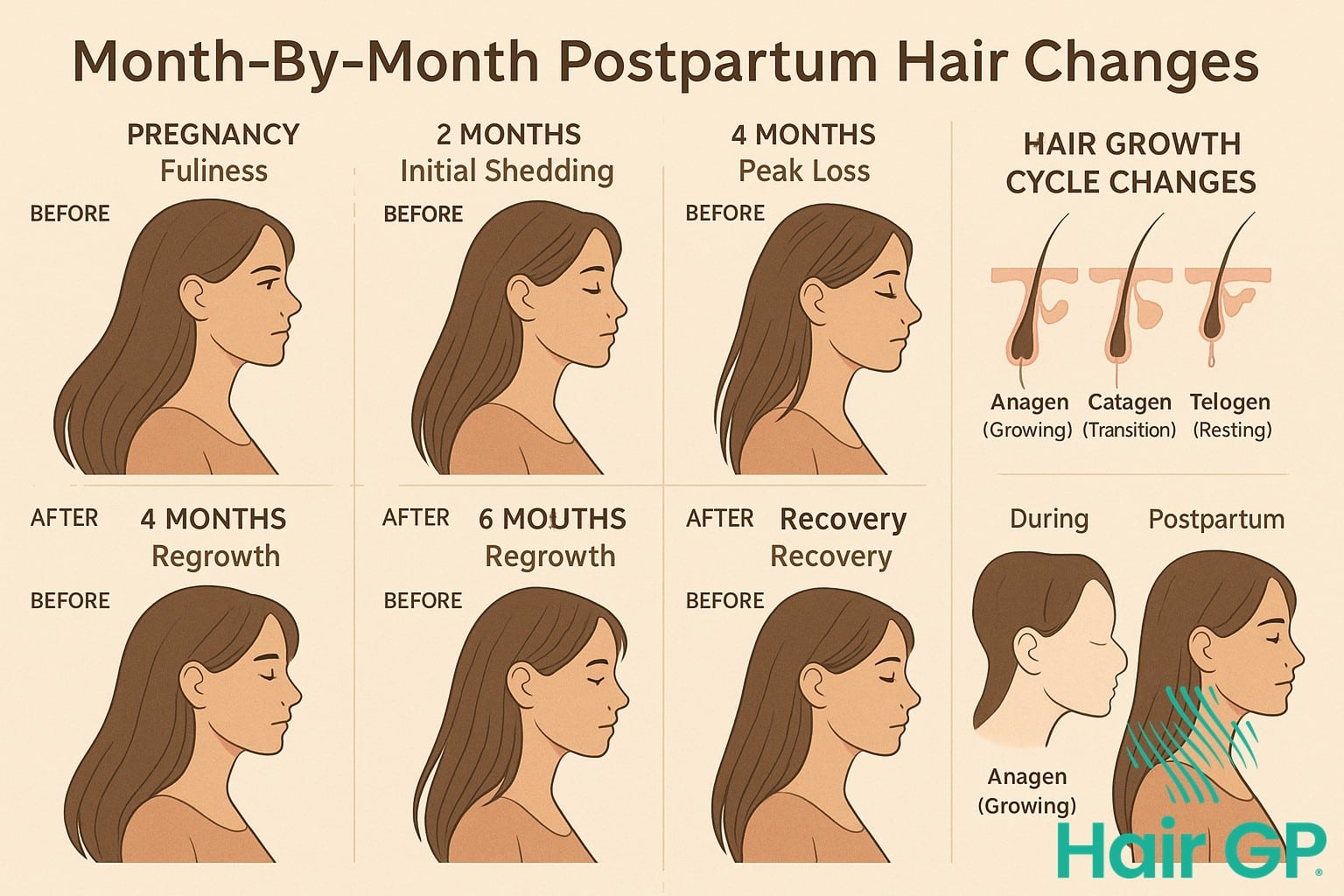
Credit: hairgp.co.uk
Choosing The Right Products For Aging Hair
The products that worked in your 20s or 30s may not suit your hair now. Here’s how to pick the right ones.
Shampoo And Conditioner
- Use moisturizing formulas for dryness.
- Volumizing shampoos can help fine or thinning hair.
- Look for color-safe products if you dye your hair.
Leave-in Treatments
- Leave-in conditioners add moisture without weighing hair down.
- Serums or light oils can smooth frizz and add shine.
Styling Products
- Avoid heavy gels or waxes, which can flatten aging hair.
- Use lightweight mousses or volumizing sprays for body.
Hair Masks
- Use a deep conditioning mask once a week to restore softness.
- Choose masks with natural oils and proteins for best results.
Avoiding Harsh Chemicals
- Limit use of products with alcohol, which dries hair.
- Avoid frequent bleaching or harsh coloring.
Comparison of Common Ingredients:
| Ingredient | Benefit | Caution |
|---|---|---|
| Argan Oil | Moisturizes, adds shine | Can weigh down fine hair if overused |
| Silicones | Smoothes, protects from humidity | Builds up over time; needs clarifying shampoo |
| Sulfates | Cleans thoroughly | Strips natural oils; avoid for aging hair |
| Coconut Oil | Deep conditioning | May cause buildup on some scalps |
Hidden tip: Less is more. Using too many products can cause buildup and make hair appear dull.
Managing Thinning And Volume Loss
Thinning is one of the most common issues after 40, but you can take steps to keep your hair looking full.
Styling Tricks
- Change your part: Flipping your part to the opposite side can instantly add lift.
- Use a root lifting spray before blow drying.
- Try shorter or layered cuts to create the illusion of volume.
Volumizing Products
- Look for mousse or lightweight sprays.
- Avoid heavy creams that can flatten fine hair.
Scalp Care
Healthy hair starts at the scalp. Use a gentle scalp exfoliator once a week to remove buildup and improve circulation.
Professional Treatments
- Ask your stylist about scalp massages or special treatments for thinning hair.
- In some cases, light therapy or PRP (platelet-rich plasma) treatments may help.
Data insight: According to the American Academy of Dermatology, about 40% of women notice visible hair thinning by age 50.
Coloring And Chemical Treatments: What You Need To Know
Many people color their hair to cover gray or add vibrancy, but aging hair is more sensitive to chemicals.
Best Practices
- Choose ammonia-free dyes for less irritation.
- Ask for semi-permanent color if possible; it’s less damaging.
- Space out coloring sessions—every 6–8 weeks instead of every month.
Alternatives To Permanent Color
- Color-depositing conditioners can refresh color between dyes.
- Temporary sprays or powders cover roots without damage.
Chemical Treatments
- Be careful with perms, relaxers, or straightening treatments. Aging hair is more prone to breakage.
- Always do a patch test first to check for sensitivity.
Comparison of Hair Dye Types:
| Type | Durability | Hair Health Impact | Maintenance |
|---|---|---|---|
| Semi-permanent | 4-12 washes | Low damage | Needs frequent re-application |
| Demi-permanent | 24-28 washes | Moderate damage | Less frequent than semi-permanent |
| Permanant | Until hair grows out | Higher damage | Roots need touch-ups |
| Color conditioners | 1-2 washes | No damage | Very frequent use needed |
Expert advice: Always use a deep conditioning mask after coloring to restore moisture.
Embracing Natural Texture And Gray Hair
Many people choose to celebrate their natural hair as they age. Here’s how to make the most of your unique texture and color.
Enhancing Natural Texture
- Use curl creams or mousses if your hair is wavy or curly.
- Avoid heavy oils or butters that can weigh down fine or loose curls.
- Diffuse your hair with a blow dryer or let it air dry to enhance natural shape.
Caring For Gray Hair
- Gray hair is often coarser and drier. Use extra moisturizing products.
- Try purple shampoo once a week to prevent yellowing.
- Avoid heat styling as much as possible, since gray hair is more fragile.
Styling Inspiration
Experiment with different styles—soft waves, textured bobs, or natural curls. Accessories like scarves or headbands can add personality.
Real-world tip: Transitioning to gray can take time. Ask your stylist about blending techniques to make the process easier.
Scalp Health: The Foundation Of Healthy Hair
A healthy scalp is critical for strong, beautiful hair—especially as you age.
Cleansing And Exfoliation
- Wash your scalp gently to avoid irritation.
- Use a scalp exfoliator or scrub once a week to remove dead skin and product buildup.
Moisturizing
- Apply a light scalp oil (such as jojoba) if your scalp feels dry or tight.
- Avoid heavy oils that can clog follicles.
Addressing Scalp Conditions
- Dandruff, itching, or redness may become more common with age.
- Use targeted treatments, like anti-dandruff shampoo or medicated oils, as needed.
- If symptoms persist, see a dermatologist.
Sun Protection
- The scalp is sensitive to sun damage. Wear a hat or use a scalp sunscreen when outdoors.
Non-obvious insight: Scalp massage not only feels good, but it also increases blood flow and can support hair health over time.
Lifestyle Factors That Influence Aging Hair
Your daily habits and environment affect your hair more than you might think.
Stress
Chronic stress increases cortisol, which can accelerate hair thinning and texture changes. Try relaxation techniques like yoga, meditation, or regular exercise.
Sleep
Aim for 7–8 hours of good quality sleep each night. Poor sleep disrupts hormone balance and weakens hair over time.
Smoking And Alcohol
Both smoking and excessive alcohol use can slow hair growth and lead to dryness or breakage.
Environmental Damage
UV rays, pollution, and hard water can all damage aging hair. Protect your hair from the sun, consider a water filter for your shower, and use antioxidant-rich products.
Practical tip: If you swim regularly, use a swim cap and rinse hair with fresh water immediately after swimming to avoid chlorine damage.
Common Mistakes When Caring For Aging Hair
Avoid these pitfalls to keep your hair looking its best.
- Over-washing: Removes natural oils and dries out hair.
- Using the wrong products: Stick to gentle, moisturizing formulas made for mature hair.
- Ignoring the scalp: Scalp health is key for hair growth and texture.
- Rough towel drying: Pat hair dry instead of rubbing, to prevent breakage.
- Brushing wet hair: Wet hair is weaker. Use a wide-tooth comb and be gentle.
- Skipping regular trims: Leads to more split ends and thinner-looking hair.
Little-known insight: Changing your pillowcase to silk or satin reduces friction and prevents breakage while you sleep.
When To See A Professional
Sometimes, changes in hair texture or loss may signal a medical issue.
Signs You Should See A Doctor Or Dermatologist
- Sudden or patchy hair loss
- Extreme scalp itching or redness
- Brittle hair that breaks easily, despite good care
- Accompanying symptoms like fatigue or weight changes
A professional can check for underlying health problems, recommend specialized treatments, or prescribe medication if needed.
Resource: The American Academy of Dermatology offers more information on hair loss and treatments at AAD Hair Loss Resources.
Adapting Hairstyles For Changing Texture
Your haircut and styling methods can work with your new hair texture, not against it.
Best Styles For Aging Hair
- Soft layers: Add movement and volume, especially for fine or thinning hair.
- Blunt bobs: Make thin hair appear fuller.
- Pixie cuts: Easy to style and maintain.
- Shoulder-length cuts: Versatile and flattering for most face shapes.
Styling Techniques
- Use lightweight styling products for body and bounce.
- Avoid tight ponytails or braids, which can cause breakage.
- Try heatless waves or rollers for volume without damage.
Experimenting With Color
Consider highlights or lowlights to add dimension. Ask your stylist for techniques that blend gray and natural hair for a softer look.
Stylist insight: A good cut can make a huge difference. Find a stylist who understands the needs of aging hair and can suggest flattering options.
Exploring Treatments And Professional Solutions
If you want more targeted solutions, there are many treatments designed for aging hair.
Salon Treatments
- Keratin treatments: Smooth frizz and add shine, but choose formaldehyde-free options.
- Protein treatments: Restore strength to fragile strands.
- Scalp facials: Cleanse and exfoliate the scalp, improving hair growth.
At-home Devices
- Laser combs or helmets: May stimulate growth for some people, but results vary.
Medical Solutions
- Minoxidil: Over-the-counter treatment for thinning hair.
- Prescription medications: For certain types of hair loss, consult your doctor.
Supplements
Some supplements claim to boost hair health, but always check with your healthcare provider before starting any new product.
Data comparison of popular hair treatments:
| Treatment | Purpose | Effectiveness | Cost |
|---|---|---|---|
| Keratin Treatment | Smooths, reduces frizz | High (temporary) | $$-$$$ |
| Protein Mask | Strengthens, repairs | Moderate | $ |
| Minoxidil | Stimulates growth | Varies by person | $$ |
| Laser Device | Stimulates follicles | Mixed results | $$$ |
Important: Not all treatments work for everyone. Patch test new products and consult a professional when trying something new.
Self-care And Confidence With Aging Hair
Hair is a big part of our identity. Changes in texture or thickness can affect how we feel about ourselves. It’s important to remember:
- You are not alone—everyone’s hair changes with age.
- Embrace your natural texture and color, or experiment with styles that make you feel good.
- Focus on health and confidence, not just appearance.
Inspiring tip: Many people find that accepting and caring for their unique hair as they age brings a new sense of freedom and self-expression.
Frequently Asked Questions
How Often Should I Wash Aging Hair?
Most people over 40 do well washing their hair 2–3 times per week. Washing too often can strip away natural oils, making hair drier and more fragile. Adjust based on your scalp’s oiliness and your activities.
What’s The Best Way To Add Volume To Thinning Hair?
Use lightweight volumizing products and try blow drying with your head upside down for extra lift. Shorter, layered hairstyles also help create the look of fuller hair.
Can I Still Color My Hair Safely After 40?
Yes, but choose gentler, ammonia-free dyes and space out coloring sessions. Always deep condition after coloring, and consider semi-permanent options or color-depositing conditioners for less damage.
How Can I Prevent Breakage And Split Ends?
Be gentle when detangling, use a wide-tooth comb, and avoid brushing when wet. Trim hair every 6–8 weeks and always protect your hair from heat styling.
When Should I See A Doctor About Hair Changes?
If you notice sudden or patchy hair loss, scalp pain, severe itching, or changes in your overall health (like fatigue or weight loss), see a doctor or dermatologist. These may be signs of underlying health issues.
Hair changes after 40 are a normal part of life, but with the right knowledge and care, you can keep your hair healthy and beautiful. Listen to your hair, adapt your routine, and don’t be afraid to ask professionals for guidance.
Your hair’s story is unique—embrace every chapter with confidence.

Credit: www.youtube.com