

Many new mothers notice more hair on their pillow, in the shower drain, or on their brush after giving birth. This can feel worrying, especially when postpartum hair loss seems to happen overnight. In recent years, collagen supplements have become a popular choice for women hoping to restore their hair’s thickness and shine after pregnancy. But does the science truly support using collagen for postpartum hair growth? Or is it just another wellness trend without real results?
This article takes a close look at what postpartum hair loss is, how collagen works in the body, and whether supplements can make a difference. You’ll get clear answers backed by research, practical advice, and a realistic look at what to expect if you try collagen after pregnancy.
If you want to understand if these products are right for you, and how to use them wisely, keep reading.
Understanding Postpartum Hair Loss
Many women are surprised by how much hair they lose after having a baby. This type of hair loss, called postpartum telogen effluvium, is very common and usually temporary. It does not mean you’re doing something wrong or that your hair is damaged forever.
Why Does Hair Shed After Pregnancy?
During pregnancy, high levels of estrogen keep hair in the growth phase. This means less hair falls out than usual. After the baby is born, hormone levels drop quickly. This sudden change pushes more hair into the resting (telogen) phase, leading to increased shedding about 2-4 months after delivery.
Most women notice:
- Thinner ponytails
- More hair in their comb or brush
- Hair coming out in clumps, especially at the hairline
On average, a woman loses about 50-100 hairs per day. After childbirth, this can jump to 300 hairs per day or more. While this can feel alarming, hair usually starts to regrow within 6-12 months.
Who Experiences It?
Postpartum hair loss affects up to 50% of new mothers. Some women notice only mild thinning, while others see much heavier shedding. Genetics, stress, diet, and overall health also play a role in how severe it becomes and how fast hair recovers.
Can Anything Prevent It?
There is no sure way to completely stop postpartum shedding, but a healthy diet, gentle hair care, and managing stress may help. Some women turn to supplements, like collagen, hoping to support faster and fuller hair regrowth.
What Is Collagen? The Basics
Collagen is the most abundant protein in the human body. It acts like a glue, holding together skin, hair, nails, and connective tissues. Our bodies make collagen naturally, but production slows down with age and certain health changes—including childbirth.
Types Of Collagen
There are at least 16 types of collagen, but three main types matter most for hair and skin:
- Type I – Found in skin, hair, and nails; gives strength and flexibility.
- Type II – In cartilage and joints.
- Type III – Supports organs and skin structure.
Most supplements for hair growth use Type I collagen, usually from animal (bovine) or marine (fish) sources.
How Collagen Works In The Body
Collagen is made from amino acids, mostly glycine, proline, and hydroxyproline. These building blocks help form strong hair shafts, keep skin elastic, and support the tissues around hair follicles.
As we age or go through hormonal changes (like after pregnancy), our bodies make less collagen. This can lead to:
- Weaker hair strands
- Thinner skin
- Slower wound healing
Supplements are designed to give the body extra amino acids, hoping to boost natural collagen production and support hair health.
Collagen Supplements: Forms, Dosage, And How They’re Used
Collagen supplements come in several forms. Understanding the differences can help you choose what fits your needs and lifestyle.
Common Forms Of Collagen Supplements
- Powders – Easy to mix into drinks, smoothies, or even soups
- Capsules/Tablets – Convenient for travel or quick use
- Liquids – Some believe these are absorbed faster
- Gummies – Taste good, but often contain less collagen per serving
Most products contain hydrolyzed collagen. This means the collagen is broken into smaller pieces (peptides) that are easier for your body to absorb.
Typical Dosage
Most studies use doses from 2.5 to 15 grams per day. For hair health, 5-10 grams daily is common. Always follow the instructions on the label or speak to your healthcare provider.
Comparing Common Collagen Supplement Forms
Here’s a quick look at how different types compare:
| Form | Pros | Cons |
|---|---|---|
| Powder | Flexible, easy to mix, high dose per serving | May taste or smell strong, needs mixing |
| Capsule | No taste, portable, easy to measure | May need to swallow many pills for a full dose |
| Liquid | Quick to take, some find easier to digest | Expensive, heavy to carry, may need refrigeration |
| Gummy | Tasty, good for people who dislike pills | Low collagen per serving, added sugar |
How Soon Do People Notice Effects?
Most brands suggest taking collagen for at least 3-6 months to see results. Hair grows slowly (about 1 cm per month), so patience is key.
The Science: Collagen And Hair Growth
Now comes the big question—does taking collagen really help hair grow back after pregnancy?
Collagen’s Role In Hair Structure
Collagen is not a direct part of hair strands. However, it supports the dermal layer of the scalp, where hair roots (follicles) are anchored. Healthy collagen means a stronger foundation for new hair.
- Amino acids from collagen can be reused by the body to build keratin, the main protein in hair.
- Collagen may help fight oxidative stress, which can damage hair follicles.
Research On Collagen For Hair Growth
There are only a few studies that look at collagen supplements and hair growth in humans. Most focus on skin health, wound healing, or joint pain—not postpartum hair loss specifically.
A 2021 review in the journal *Nutrients* found that collagen peptides may help skin elasticity and hydration, which could create a better environment for hair to grow. However, the link to actual hair growth is less clear.
A small study in 2022 had 44 women with thinning hair take a collagen supplement for 6 months. They saw a significant increase in hair thickness compared to a placebo group. However, this study did not focus on women after pregnancy, and the sample size was small.
Most of the evidence comes from:
- Animal studies – Show collagen can help hair structure in mice, but results may not apply to humans.
- Anecdotal reports – Many women say their hair looks better after taking collagen, but this could be due to overall improved nutrition, not collagen alone.
Comparison: Collagen Vs. Other Hair Supplements
How does collagen stack up against other popular supplements like biotin or prenatal vitamins?
| Supplement | Main Benefit | Evidence for Postpartum Hair |
|---|---|---|
| Collagen | Supports scalp, provides amino acids | Limited, but promising for overall hair health |
| Biotin | Helps keratin production | May help if deficient, but most people get enough in food |
| Prenatal Vitamins | Support general nutrition after birth | Help prevent deficiency, but not proven to stop shedding |
| Iron/Ferritin | Needed for hair growth if anemic | Very important if blood loss during birth was high |
What Do Experts Say?
Most dermatologists and hair specialists agree:
- Collagen supplements are safe for most women
- They may support healthy hair and scalp, especially if your diet is low in protein
- No supplement will stop postpartum shedding completely, but some women see thicker, shinier hair with regular use
The key point: Collagen can be one part of a healthy postpartum hair routine, but it is not a miracle cure.
Safety Of Collagen Supplements After Pregnancy
New moms are often careful about what they put in their bodies, especially if breastfeeding. Here’s what you should know about the safety of collagen.
Is Collagen Safe For Breastfeeding Mothers?
Current research suggests that hydrolyzed collagen is safe for most women during breastfeeding. It is a protein, not a hormone or medication. However, it is important to choose supplements without added sugars, artificial colors, or unnecessary herbs.
If you have allergies to fish, beef, or eggs, check the source of the collagen (marine, bovine, or chicken). Always talk to your doctor before starting any new supplement.
Side Effects To Watch For
Collagen is well-tolerated by most people. Rare side effects include:
- Mild stomach upset
- Fullness or bloating
- Unpleasant taste or smell
These effects usually go away after a few days. Starting with a small dose and increasing slowly may help.
Can You Take Too Much?
There is no official upper limit, but more is not always better. High protein intake may stress the kidneys in people with kidney disease. Stick to the recommended dose on the package.
Checking For Quality
Supplements are not regulated as strictly as medicines. Look for brands that:
- Have third-party testing
- List all ingredients clearly
- Avoid unnecessary fillers
If you see claims that sound “too good to be true,” be cautious. No supplement can guarantee instant results.
How Collagen May Help With Postpartum Hair Growth
While direct evidence is limited, there are several ways collagen might support hair recovery after childbirth.
1. Provides Amino Acids Needed For Hair
Hair is made mostly of keratin, which needs amino acids. Collagen delivers glycine and proline, which the body can use to build new hair strands. After pregnancy, women may have increased nutritional needs, and collagen can help fill gaps in protein intake.
2. Supports A Healthy Scalp
The scalp’s middle layer (dermis) is rich in collagen. As natural collagen decreases, the scalp can become less elastic and more prone to damage. Supplementing may help keep the skin around hair follicles firm and supportive, creating a better environment for new hair to grow.
3. Fights Oxidative Stress
Pregnancy and childbirth can increase oxidative stress—damage from free radicals. This can affect the scalp and slow hair regrowth. Collagen contains antioxidants that may help fight this damage.
4. Improves Skin And Nail Health
Many women report stronger nails and more elastic skin after taking collagen. Healthier skin can mean less irritation and better healing around hair follicles.
5. Boosts Overall Nutrition
After pregnancy, some women eat less or skip meals. Collagen supplements are an easy way to add extra protein without a heavy meal, supporting overall recovery.
Practical Tips For Using Collagen For Postpartum Hair
If you decide to try collagen, here are some ways to get the most benefit:
Choose The Right Type
- Hydrolyzed collagen (also called collagen peptides) is easiest to digest.
- Marine collagen is absorbed well and suitable for pescatarians.
- Avoid flavored versions with lots of sugar.
Mix Into Your Routine
- Stir powder into coffee, tea, smoothies, or yogurt.
- Take capsules with a full glass of water.
- Use daily for at least 3-6 months.
Combine With A Healthy Diet
Collagen works best when paired with:
- Plenty of fruits and vegetables (vitamin C helps your body use collagen)
- Whole grains and lean proteins
- Enough calories to support healing and breastfeeding
Don’t Forget Gentle Hair Care
- Avoid harsh hairstyles (tight ponytails, braids)
- Use a wide-tooth comb on wet hair
- Limit heat styling and harsh chemicals
Track Your Progress
Take pictures every month to see changes. Look for improvements in thickness, shine, and new baby hairs at the hairline.
Other Ways To Support Postpartum Hair Recovery
Collagen is just one tool. For best results, combine it with other healthy habits:
1. Eat A Balanced Diet
Focus on foods rich in:
- Protein (chicken, fish, beans)
- Iron (red meat, lentils, spinach)
- Zinc (nuts, seeds)
- Biotin (eggs, almonds, sweet potatoes)
- Vitamin C (citrus, peppers)
2. Reduce Stress
Stress can make hair loss worse. Try:
- Short walks
- Deep breathing exercises
- Mindful moments, even just 5 minutes a day
3. Sleep When You Can
Sleep is hard to find with a new baby, but even short naps can help your body recover.
4. Talk To Your Doctor
If hair loss is severe or does not improve after a year, ask your doctor about:
- Thyroid problems
- Iron deficiency
- Other health conditions
Some medical treatments can help if there is an underlying issue.
5. Avoid Common Mistakes
- Don’t try fad diets—they can make hair loss worse.
- Avoid over-brushing or rough towel drying.
- Don’t compare your hair to others; everyone’s recovery is different.
Common Myths About Postpartum Hair Loss And Collagen
Many myths surround hair loss and supplements. Let’s clear up a few:
Myth 1: Collagen Will Stop Hair Loss Immediately
No supplement can prevent the natural shedding that happens after childbirth. Collagen may help hair grow back stronger, but results take time.
Myth 2: More Collagen Means Faster Results
Your body can only use so much protein. Extra collagen will not speed up hair growth beyond what is healthy.
Myth 3: Collagen Works For Everyone
Some people see great results, others see little change. Genetics, diet, and overall health all play a role.
Myth 4: All Collagen Supplements Are The Same
Quality varies. Choose supplements with simple ingredients and no added fillers. Marine collagen is different from bovine or chicken collagen.
Myth 5: Hair Loss Means Poor Health
Most postpartum hair loss is normal and not a sign of illness. Only in rare cases is it a sign of a medical problem.
Realistic Expectations: What Collagen Can And Cannot Do
It’s important to set realistic goals. Collagen can help support healthy hair, but it is not a miracle cure.
What Collagen Can Do
- Support scalp health and hair follicle strength
- Provide building blocks for hair growth
- Improve skin hydration and elasticity
- Support nail strength
What Collagen Cannot Do
- Stop normal postpartum hair shedding
- Fix severe hair loss from medical conditions
- Give instant results (expect 3-6 months for visible change)
Example: A Realistic Timeline
- Month 1: No major changes; focus on building the habit
- Month 2-3: Slightly less shedding, some new baby hairs may appear
- Month 4-6: Noticeable increase in thickness and shine for many women
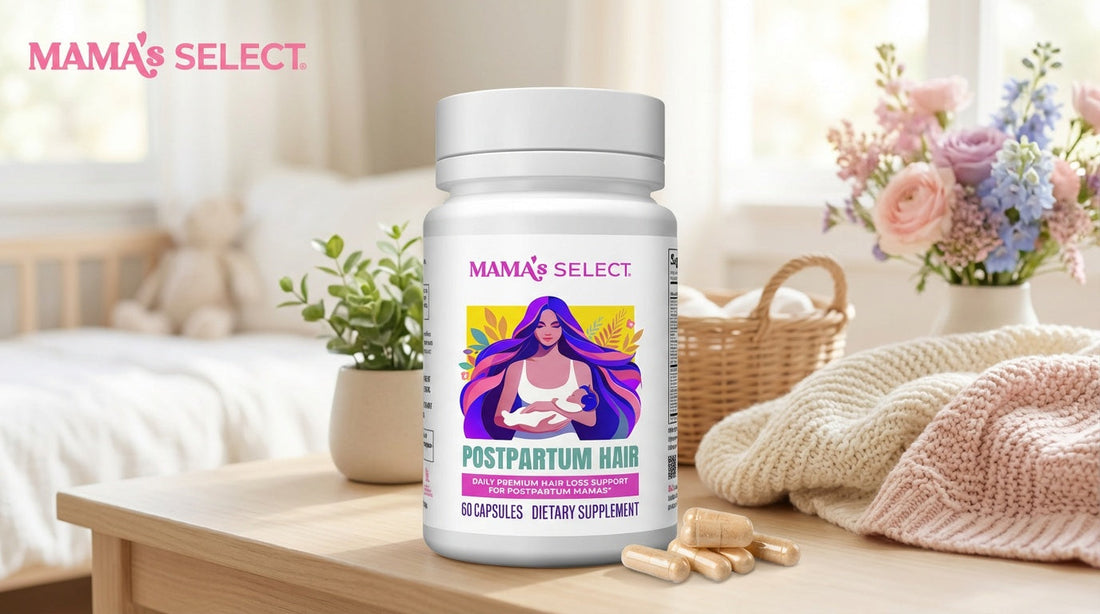
Credit: www.mamasselect.com
Non-obvious Insights For Faster Hair Recovery
Many beginners miss these simple but powerful steps:
- Focus on vitamin C – Your body needs vitamin C to turn collagen into usable proteins. Add a glass of orange juice or some bell peppers to your daily meals.
- Rotate your collagen source – Some people see better results by switching between marine and bovine collagen every few months.
- Hydration matters – Drink plenty of water. Dehydration can slow down hair growth, even if you take supplements.
- Don’t skip meals – Under-eating is common for busy new moms and can worsen hair loss.
- Check your shampoo – Harsh sulfates or alcohols can make hair break more easily. Choose gentle, moisturizing formulas.
When To Seek Medical Help
While most postpartum hair loss is normal, sometimes it signals a deeper problem. See a doctor if:
- Hair loss lasts longer than 12 months
- Bald patches or unusual patterns develop
- You feel tired, weak, or have other new symptoms
- Scalp shows redness, scaling, or sores
A blood test can check for thyroid, iron, or other issues that may need special treatment.

Credit: www.ubuy.com.bo
Collagen Supplements: Popular Brands And How To Choose
There are hundreds of collagen products on the market. Here’s how to pick a good one:
What To Look For
- Hydrolyzed (peptide) collagen
- No artificial colors, flavors, or sweeteners
- Clear source: Marine, bovine, or chicken
- Third-party testing for purity
Example Of Popular Collagen Brands
| Brand | Type | Features | Typical Dose |
|---|---|---|---|
| Vital Proteins | Bovine | No flavors, easy to mix, widely available | 10g/day |
| Further Food | Marine | Wild-caught, pescatarian-friendly | 8g/day |
| Garden of Life | Multi-source | Non-GMO, added probiotics | 10g/day |
| NeoCell | Bovine | Affordable, available in most countries | 6g/day |
Always check labels for allergens if you have sensitivities.
Final Thoughts
Collagen supplements are popular for a reason—they are generally safe, easy to use, and may support hair, skin, and nail health during the postpartum period. While there is not enough research to say collagen will “cure” postpartum hair loss, the evidence suggests it can be a helpful part of a broader healthy routine.
The most important thing is patience. Hair regrowth takes time, and results vary from person to person. Focus on a balanced diet, gentle hair care, and realistic expectations. Remember, most postpartum hair loss is temporary, and with the right support, your hair can recover.
For more scientific details, visit this comprehensive review of collagen and hair health.
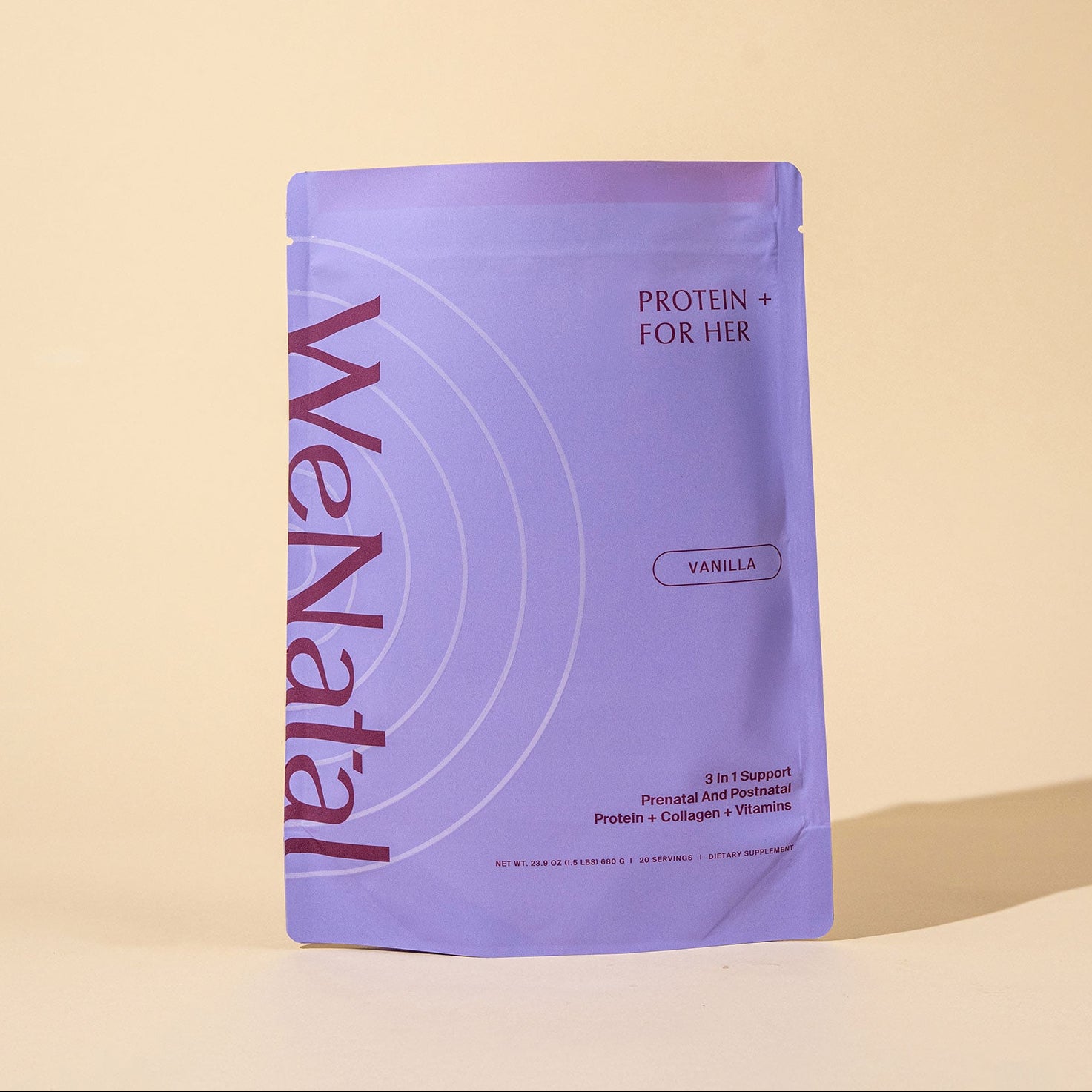
Credit: wenatal.com
Frequently Asked Questions
What Is The Best Type Of Collagen For Postpartum Hair Growth?
Hydrolyzed collagen peptides are best for absorption. Marine collagen is a good choice for pescatarians, while bovine collagen is widely available and well-studied. Choose a supplement with few added ingredients and third-party testing.
How Long Should I Take Collagen Supplements To See Results?
Most women need to take collagen for at least 3-6 months to notice visible changes. Hair grows slowly (about 1 cm per month), so patience is important. Take a daily photo to track progress.
Can I Take Collagen While Breastfeeding?
Yes, hydrolyzed collagen is considered safe during breastfeeding for most women. Always check the label for added ingredients and talk to your doctor if you have allergies or health concerns.
Will Collagen Stop My Postpartum Hair Loss Immediately?
No supplement can stop normal postpartum shedding. Collagen may help new hair grow back stronger, but it does not prevent the shedding that happens after pregnancy. Most hair recovers within 6-12 months naturally.
Are There Any Side Effects Of Collagen Supplements?
Most women have no side effects. Rarely, some experience mild stomach upset or a full feeling. Start with a small dose and increase if tolerated. If you have a food allergy (fish, beef, eggs), check the collagen source carefully.