

Aging is a natural part of life, but it brings changes many people wish they could slow down or even reverse. One area where aging shows itself most clearly is in our hair and skin. Thinning hair, wrinkles, and dryness can affect not only how we look, but also how we feel about ourselves. For those searching for solutions, bioidentical hormone therapy has become a promising option for improving the health and appearance of hair and skin as we age. But how does it work, and is it right for you?
This article explores bioidentical hormone therapy for anti-aging hair and skin, separating fact from hype, addressing safety concerns, and offering guidance to help you make informed choices. Whether you are just starting to notice changes, or have been searching for answers for years, you’ll find clear explanations, practical advice, and expert insights here.
What Are Bioidentical Hormones?
Bioidentical hormones are man-made hormones that are chemically identical to those the human body produces. They are often made from plant sources such as soy or yams, but their structure matches your body’s natural hormones molecule for molecule. The most common bioidentical hormones used for anti-aging are estrogen, progesterone, and testosterone.
Doctors prescribe bioidentical hormones to replace the hormones that decrease with age, especially during menopause and andropause. By restoring hormone levels, the goal is to reduce unpleasant symptoms and improve overall well-being.
How Are Bioidentical Hormones Different From Synthetic Hormones?
The main difference is in the structure. Synthetic hormones are similar to your body’s hormones but not exactly the same. They often have slight chemical differences, which can affect how your body reacts to them. Some people believe bioidentical hormones cause fewer side effects and are safer, but research is still ongoing.
Delivery Methods
Bioidentical hormones can be delivered in several ways, including:
- Creams and gels applied to the skin
- Pills taken by mouth
- Patches worn on the skin
- Injections
- Pellets placed under the skin
The choice of delivery method depends on your needs, your doctor’s advice, and how your body responds.
The Science Of Aging: Why Hair And Skin Change
Understanding why hair and skin change with age helps explain why hormone therapy might help. As we get older, our bodies produce less of certain hormones, especially estrogen, progesterone, and testosterone. These hormones play important roles in keeping our skin smooth and our hair thick.
How Aging Affects Skin
Skin goes through many changes with age:
- Collagen and elastin (proteins that give skin structure and stretch) decrease.
- Skin becomes thinner and less elastic.
- Moisture is lost, leading to dryness.
- Wrinkles and fine lines appear.
- Wound healing slows down.
Hormonal changes, especially lower estrogen, make these effects stronger. That’s why many women notice big changes in their skin around menopause.
How Aging Affects Hair
As hormone levels drop, so does the health of our hair:
- Hair follicles shrink, causing thinner hair.
- Growth slows, leading to more hair loss.
- Hair becomes drier and can turn gray.
- The scalp may become more visible.
Both men and women notice these changes, but they are often more dramatic for women after menopause.
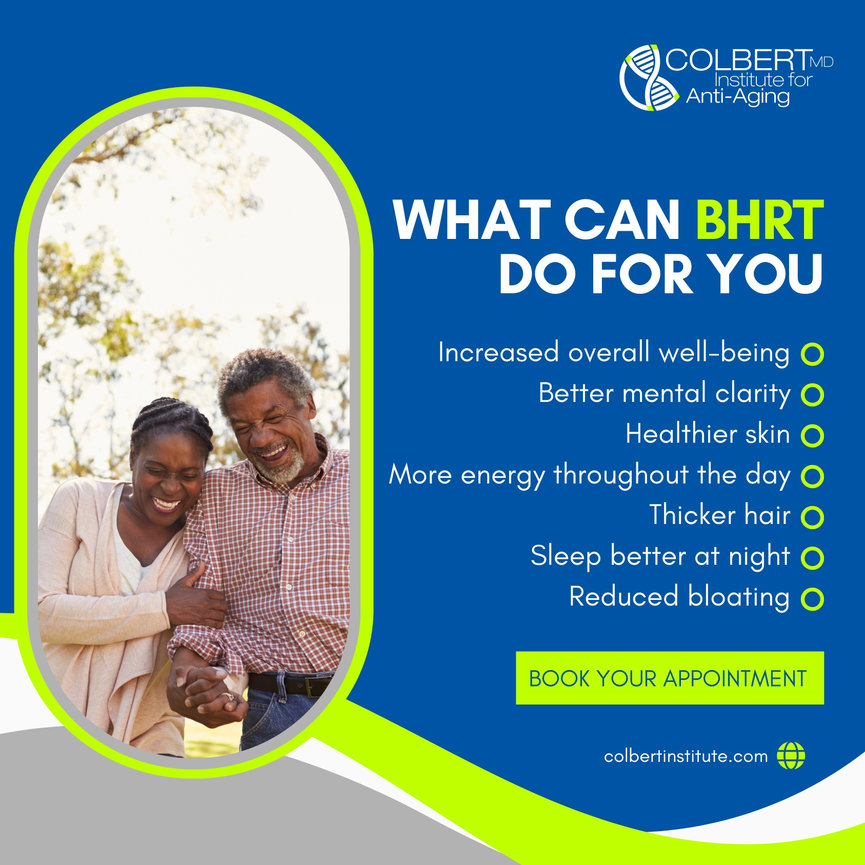
Credit: www.colbertinstitute.com
How Bioidentical Hormone Therapy Works For Hair And Skin
Bioidentical hormone therapy aims to restore hormone levels to a more youthful state. By doing this, it can target the root causes of aging in hair and skin.
Effects On Skin
1. Improved Elasticity And Thickness
Estrogen helps skin produce more collagen and elastin. When you replace lost estrogen, skin can become firmer and thicker. Studies show that women using hormone therapy have fewer wrinkles and better skin texture.
2. Moisture And Hydration
Estrogen also helps skin hold water. Bioidentical hormone therapy can improve skin hydration, reducing dryness and flakiness.
3. Better Wound Healing
Higher estrogen levels help the skin repair itself faster. Small cuts or scrapes may heal more quickly.
4. Even Skin Tone
Hormones play a role in how much melanin (skin pigment) you produce. Balanced hormones can help skin tone look more even and reduce age spots.
Effects On Hair
1. Thicker, Fuller Hair
Estrogen and testosterone both affect hair growth. Restoring these hormones can help hair grow thicker and reduce shedding.
2. Less Hair Loss
Many people, especially women after menopause, experience hair thinning or hair loss. Bioidentical hormone therapy may slow this process.
3. Improved Scalp Health
Hormones support the oil glands that keep your scalp healthy. This can reduce dryness and make hair look shinier.
Individual Results
Not everyone will see the same results. Factors like genetics, diet, stress, and overall health play a role. Hormone therapy works best as part of a complete plan that includes good nutrition, exercise, and proper hair and skin care.
Evidence And Research: What Do Studies Say?
There has been growing interest in bioidentical hormone therapy, but what does science really say?
Research On Skin
Several studies have shown positive effects:
- A review in the journal Climacteric found that hormone therapy can increase collagen** by 6-15%, making skin thicker and less wrinkled.
- Women using estrogen creams noticed better hydration and fewer wrinkles after 6 months.
- Some studies also show improved skin elasticity and less dryness.
Research On Hair
The evidence is less clear for hair, but some findings are promising:
- A study in Menopause showed that women using hormone therapy had less hair thinning.
- Some doctors report that combining estrogen and progesterone helps slow hair loss, especially after menopause.
Comparing Bioidentical And Synthetic Hormones
There is still debate about whether bioidentical hormones are safer or more effective than synthetic versions. Some studies suggest fewer side effects, but more research is needed.
Limitations
- Most studies are small or short-term.
- Results can vary widely between individuals.
- Not all changes are dramatic—some people see only mild improvement.
Who Can Benefit From Bioidentical Hormone Therapy?
Bioidentical hormone therapy is not for everyone. The best candidates are usually:
- Women going through menopause or perimenopause
- People with symptoms like hot flashes, night sweats, vaginal dryness, and mood swings
- Individuals with noticeable changes in hair or skin that are likely linked to hormone loss
Men experiencing andropause (age-related testosterone decline) may also benefit for hair and skin, though this is less common.
Assessing Symptoms
Typical symptoms that might improve with therapy:
- Thinning hair or increased hair loss
- Dry, sagging, or wrinkled skin
- Loss of skin glow or firmness
- Scalp dryness or itchiness
Who Should Avoid It?
Not everyone should use hormone therapy. It is usually not recommended for:
- People with a history of breast, ovarian, or prostate cancer
- Those with blood clots or certain heart problems
- Women who are pregnant or breastfeeding
Always discuss your medical history with your doctor before starting any hormone therapy.
The Process: How To Start Bioidentical Hormone Therapy
Starting bioidentical hormone therapy involves several steps to ensure safety and the best possible results.
1. Initial Consultation
You’ll meet with a healthcare provider who is experienced in hormone therapy. They will:
- Review your symptoms
- Take your medical history
- Discuss your goals and concerns
2. Hormone Testing
Most doctors will order blood, saliva, or urine tests to check your hormone levels. This helps them tailor the treatment to your needs.
3. Personalized Treatment Plan
Your doctor will choose the right combination of hormones, dose, and delivery method. This plan is unique to you—there’s no one-size-fits-all approach.
4. Starting Therapy
You’ll begin using the prescribed hormones. This might be a cream, gel, patch, pellet, or pill.
5. Monitoring And Adjustments
Your doctor will check your progress with regular follow-ups. They may adjust the dose or type of hormone based on your results and any side effects.
6. Combining With Other Treatments
For best results, hormone therapy is often combined with:
- Medical-grade skincare (like retinoids or antioxidants)
- Good nutrition and hydration
- Gentle exercise
- Stress management

Credit: balancedbodiesantiaging.com
Comparing Delivery Methods For Hair And Skin
Choosing the right way to take bioidentical hormones can make a big difference in results and side effects. Here’s a comparison of the most common methods:
| Method | How Used | Pros | Cons |
|---|---|---|---|
| Creams/Gels | Applied to skin | Easy to use, can target skin directly | Can transfer to others by touch, may be messy |
| Pills | Taken by mouth | Simple, familiar | May affect liver, not always best for skin/hair |
| Patches | Stuck to skin | Steady hormone release, less daily hassle | Can irritate skin, visible |
| Pellets | Inserted under skin | Long-lasting (3-6 months), no daily use | Minor procedure, not adjustable after insertion |
| Injections | Given in muscle | Strong effect, good for some hormones | Requires visits, may cause hormone spikes |
If your main goal is better hair and skin, topical creams or gels may offer more direct benefits. However, the best method depends on your body and your doctor’s advice.
Risks And Side Effects
No treatment is completely without risk. While bioidentical hormone therapy is often seen as safer than synthetic hormones, it can still cause side effects.
Possible Side Effects
- Breast tenderness
- Bloating
- Mood changes
- Spotting or irregular bleeding
- Headaches
- Skin irritation (with creams or patches)
- Hair growth in unwanted places (rare, with testosterone)
Most side effects are mild and improve as your body adjusts. If you have severe or lasting problems, your doctor may change the dose or type of hormone.
Serious Risks
Some studies suggest hormone therapy can increase the risk of:
- Blood clots
- Stroke
- Heart disease
- Certain cancers (especially breast or endometrial cancer)
These risks depend on your age, health, and how long you use hormone therapy. Using the lowest effective dose for the shortest time is often safest.
Monitoring For Safety
Your doctor should check you regularly with:
- Physical exams
- Blood tests
- Mammograms (for women)
- Other tests as needed
Always report new or unusual symptoms right away.
Non-obvious Insights
- Bioidentical hormones are not always regulated the same way as traditional medicines. Custom-made (compounded) formulas might vary in strength and quality.
- Not all symptoms of aging are due to hormones. Sometimes, other medical problems can look similar, so a full checkup is important before starting therapy.
Costs And Insurance Coverage
The cost of bioidentical hormone therapy can vary. Factors include:
- The type and amount of hormone used
- How it is delivered (cream, pill, patch, etc.)
- Whether you use a standard or custom-compounded formula
- Doctor’s fees and lab tests
On average, you might expect to pay $30 to $100 per month for the hormones themselves, plus the cost of office visits and tests.
| Expense | Estimated Cost (USD) | Notes |
|---|---|---|
| Hormone medications | $30-$100/month | Varies by type and brand |
| Initial consultation | $150-$500 | Specialist fees higher |
| Lab tests | $100-$300 per set | Repeated every 3-12 months |
| Follow-up visits | $75-$200 | Every 3-6 months |
Insurance coverage for bioidentical hormone therapy varies. Most plans cover traditional hormone therapy if medically necessary, but custom-compounded bioidentical hormones are often not covered. Always check with your insurance provider.
Myths And Facts About Bioidentical Hormone Therapy
There is a lot of information (and misinformation) about hormone therapy. Here are some common myths and the facts behind them:
- Myth: Bioidentical hormones are totally natural and risk-free.
Fact: They are made from plant sources, but they are still processed in labs. All hormones—bioidentical or synthetic—can have risks.
- Myth: Bioidentical hormones are the same as “natural” supplements.
Fact: “Natural” supplements are not the same as bioidentical hormones. Supplements are not regulated the same way, and may not be effective.
- Myth: Only women need hormone therapy for anti-aging.
Fact: Men also experience hormone decline and may benefit, especially for skin and hair health.
- Myth: You can get the same results from creams sold online or at beauty stores.
Fact: Over-the-counter creams may not contain real hormones or may be too weak to work. Only prescription therapy can match your body’s needs.
- Myth: Hormone therapy works instantly.
Fact: It can take weeks or months to see changes in your hair and skin.
What Results Can You Expect?
Results vary from person to person, but here’s what many people notice after starting bioidentical hormone therapy for hair and skin:
- Within 1-3 months: Skin feels more hydrated, subtle glow returns, less dryness. Hair may start to shed less.
- Within 3-6 months: Fine lines soften, skin texture improves, hair appears fuller.
- After 6 months: Deeper wrinkles may fade, hair growth stabilizes, scalp feels healthier.
Some changes are subtle. Others may be more obvious, especially if you combine hormone therapy with good skincare, diet, and lifestyle changes.
Tips For Better Results
- Stick to your doctor’s plan—don’t change dose or stop suddenly.
- Use hormone creams exactly as directed—wash hands after applying.
- Combine with high-quality skincare and nutrition for best results.
- Be patient. Real improvement takes time.
Alternatives And Complementary Approaches
Bioidentical hormone therapy is not the only way to fight aging in hair and skin. Here are some other options:
Non-hormonal Treatments
- Retinoids (like tretinoin): Boost collagen, improve wrinkles and skin tone.
- Peptides and antioxidants: Support skin repair and reduce damage.
- Laser therapy or microneedling: Stimulate skin renewal and hair growth.
- PRP (platelet-rich plasma) therapy: Uses your own blood to encourage hair and skin healing.
Nutrition And Supplements
Eating a balanced diet with enough protein, healthy fats, and vitamins (especially A, C, D, and E) helps your body maintain healthy hair and skin.
Supplements like biotin, collagen, and omega-3 fatty acids may also help, though results vary.
Lifestyle Changes
- Quit smoking and limit alcohol—both speed up aging.
- Protect skin from sun with sunscreen and hats.
- Stay hydrated by drinking enough water.
- Reduce stress—chronic stress harms hair and skin.
When To Combine Treatments
Many people get the best results by combining hormone therapy with medical skincare, good nutrition, and healthy habits.
How To Choose A Qualified Provider
Because hormone therapy affects your whole body, it’s important to work with an experienced professional.
Look for:
- Board certification in endocrinology, gynecology, or anti-aging medicine
- Training in hormone therapy and experience with bioidentical hormones
- Willingness to personalize your treatment, not use a “one size fits all” plan
- Good communication and regular follow-up
You can check professional groups like the American Academy of Anti-Aging Medicine for referrals.
Practical Steps For Healthier Hair And Skin With Age
You don’t need to accept thinning hair and dull skin as your fate. Here’s a simple plan to help you look and feel your best:
- Get tested—Know your hormone levels before starting any therapy.
- See an expert—Choose a qualified provider for a personalized plan.
- Follow the plan—Use hormone therapy exactly as directed.
- Support with skincare—Use gentle cleansers, moisturizers, and sun protection.
- Eat well—Focus on protein, healthy fats, and colorful fruits/vegetables.
- Exercise regularly—Improves circulation and hormone balance.
- Avoid harsh treatments—Bleach, hot styling, and rough scrubs can damage hair and skin.
- Be patient—Real changes take time, usually several months.

Credit: www.thriveportland.com
Case Studies And Real-life Examples
Maria, Age 52
Maria noticed her hair was thinning rapidly after menopause, and her skin looked dull and sagging. Her doctor tested her hormones and found low estrogen. She started a low-dose bioidentical estrogen cream, and after 4 months, her hair looked fuller, and her skin regained its glow.
Maria combined hormone therapy with a retinoid cream and a high-protein diet.
James, Age 59
James was losing hair and had dry, wrinkled skin. His testosterone was low. After starting bioidentical testosterone pellets, he saw stronger hair growth and firmer skin within 6 months. He also started regular exercise and cut down on processed foods.
Non-obvious Insights From Real Cases
- People who combine hormone therapy with lifestyle changes (diet, skincare, exercise) usually see better results than those who rely on hormones alone.
- Some people need to try different hormone forms or doses before finding what works best.
Current Trends And Future Of Bioidentical Hormone Therapy
Interest in bioidentical hormone therapy continues to grow, especially as more people want to look younger without surgery or harsh chemicals. Advances in testing and personalized medicine make it easier to tailor hormone therapy to each person.
New research is exploring:
- The role of DHEA (another hormone) for skin and hair
- Combining hormones with advanced skincare for better results
- Long-term safety and best practices
As knowledge grows, treatments are likely to become even safer and more effective.
For the latest scientific updates, you can visit the National Institutes of Health.
Frequently Asked Questions
What Is The Difference Between Bioidentical And Synthetic Hormones?
Bioidentical hormones are made to have the same structure as your body’s natural hormones. Synthetic hormones are similar but not exactly the same. Some people believe bioidentical hormones cause fewer side effects, but more research is needed to confirm this.
How Soon Will I See Results In My Hair And Skin?
Most people notice small changes in 1-3 months, like better hydration and less hair loss. Bigger improvements, like thicker hair and fewer wrinkles, usually take 3-6 months. Patience and consistency are important.
Is Bioidentical Hormone Therapy Safe For Everyone?
No. It’s not safe for people with certain health problems like some cancers, blood clots, or heart disease. Always check with your doctor and have your health fully reviewed before starting hormone therapy.
Can Men Use Bioidentical Hormones For Hair And Skin?
Yes, men can benefit, especially if they have low testosterone. It can improve skin firmness and hair growth, but the plan should be personalized by a doctor.
Do I Need To Use Hormone Therapy Forever?
Not always. Some people use hormone therapy for a few years to manage symptoms. Your doctor will help you decide the best plan for your health and goals. It’s important to have regular check-ups and adjust treatment as needed.
Bioidentical hormone therapy offers hope for those wanting to maintain youthful hair and skin. With the right guidance and a holistic approach, you can age with confidence and vitality.