

Welcoming a new baby is a beautiful and transformative experience. But for many mothers, the months after childbirth can bring unexpected changes to their bodies. One common concern is postpartum hair loss. Clumps of hair in the shower or brush can feel alarming, especially when paired with hormonal changes, sleep loss, and the emotional ups and downs of new motherhood. While postpartum hair shedding is usually temporary and normal, it can still affect a woman’s confidence and mental well-being.
If you’re experiencing this, you’re not alone. In fact, research shows that up to 50% of new mothers notice noticeable hair shedding in the months after giving birth. Sometimes, what helps most is talking to others who truly understand. This is where postpartum hair loss support groups and online communities can make a real difference. These groups offer more than just advice—they provide emotional support, practical tips, and a safe space to share feelings and questions.
Let’s explore why postpartum hair loss happens, how support groups help, where to find them, and how to get the most from joining these caring communities.
Understanding Postpartum Hair Loss
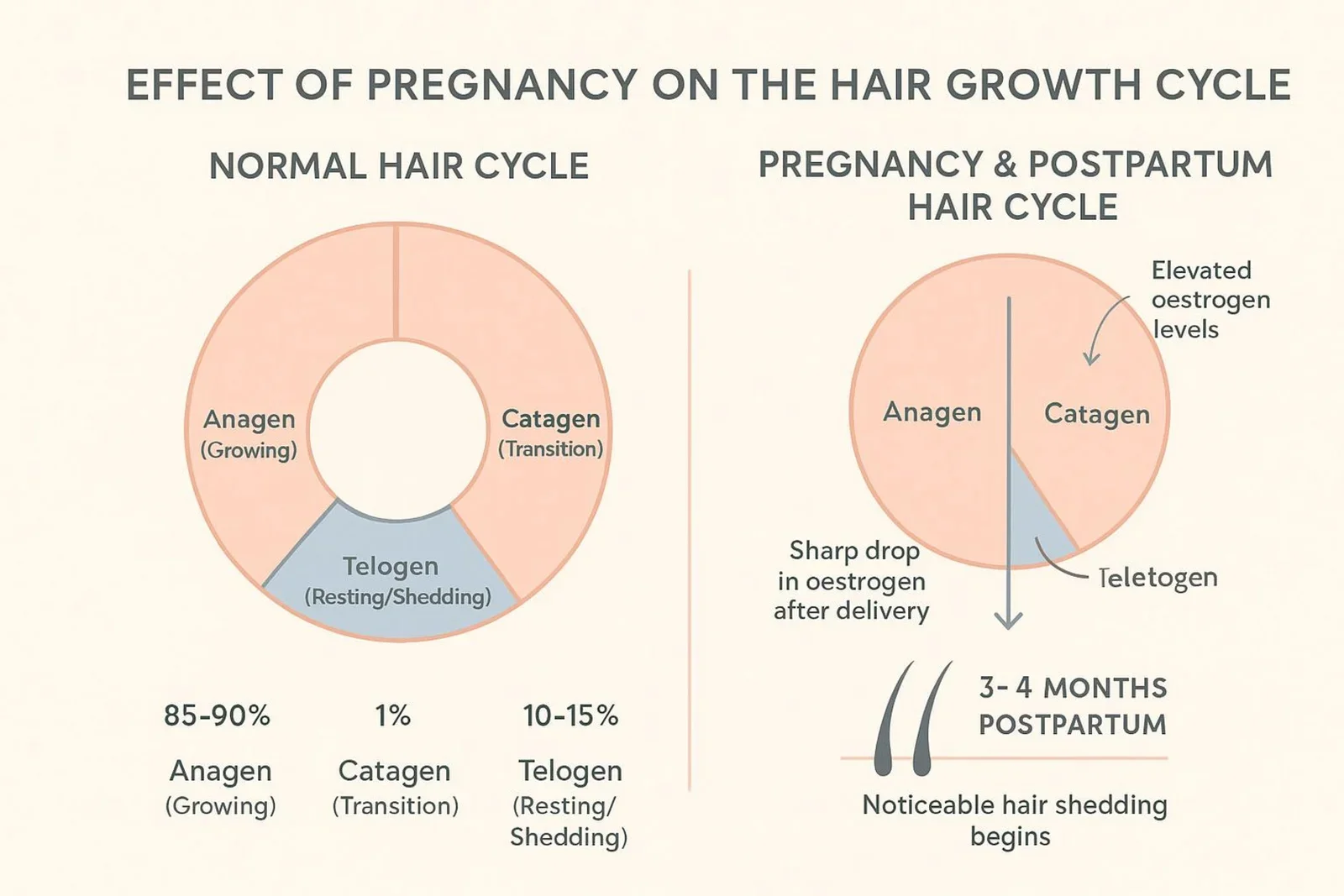
Hair loss after childbirth is called postpartum telogen effluvium. Usually, hair grows in cycles: a growth phase, a rest phase, and a shedding phase. During pregnancy, higher estrogen levels keep hair in the growth phase, making it fuller and thicker. After delivery, hormone levels drop suddenly, and many hairs shift into the shedding phase at the same time. This causes noticeable thinning or clumps falling out, mostly between 2 to 5 months postpartum.
It’s normal for women to lose about 50-100 hairs a day, but during the postpartum period, this number can jump to 300 or more hairs daily. This is why your hairbrush or shower drain might seem full so quickly. The process can feel intense, especially if you had thick, healthy hair during pregnancy.
The hairline—especially around the temples and forehead—often looks thinner, which can be distressing.
For most women, the shedding slows down after a few months, and hair returns to its usual thickness within a year. But the sudden change can feel dramatic and distressing. Here’s a quick overview of the process:
| Stage | What Happens | Typical Duration |
|---|---|---|
| During Pregnancy | High estrogen, less hair falls out | 9 months |
| 2-5 Months Postpartum | Sudden shedding, hair feels thinner | 2-6 months |
| After 6-12 Months | Hair regrows, returns to normal | Up to 1 year |
A less obvious detail: Not all hair grows back exactly the same as before. Some women notice new texture, wave, or curl patterns, while others find their hairline changes shape slightly. This is due to changes in follicle activity and hormone levels, which can alter the way hair grows.
It’s important to remember: postpartum hair loss is temporary. But the emotional impact can last, and support can make a big difference.
Why Support Groups Matter
Feeling anxious or alone about your changing hair is more common than you might think. Postpartum support groups provide several important benefits:
- Emotional support: Sharing worries with others who truly understand can reduce stress and anxiety. Many mothers express that just reading similar stories makes them feel lighter and less isolated.
- Practical advice: Learn from real experiences—what products helped, how to style thinning hair, or when to see a doctor. You’ll often get tips you won’t find in books or from doctors, like which hair accessories actually stay in place or how to camouflage regrowth.
- Accurate information: Get facts about what’s normal, what isn’t, and what to expect next. Members often share links to research, professional advice, or personal timelines, making it easier to know what’s typical.
- Coping strategies: Tips for dealing with negative feelings, body image, and self-esteem. Some groups even have mental health resources pinned for easy access.
One non-obvious benefit: these groups can help you spot if your hair loss is not typical. For example, if you have bald patches or loss lasts over a year, group members may encourage you to see a dermatologist. Many women have caught thyroid issues or iron deficiency early because of advice from support groups.
Another subtle advantage is the chance to vent without judgment. Family and friends may not always understand why hair loss feels so important, but group members know it’s more than just vanity—it’s about identity and self-confidence.
Where To Find Postpartum Hair Loss Support Groups
The internet has made it easier than ever to find support, no matter where you live. Here are some of the most popular and active online communities where you can connect with others facing postpartum hair loss.
1. Facebook Groups
Facebook has many private groups focused on postpartum hair loss. These groups are easy to join, and you can interact with members from all over the world. A few examples:
- Postpartum Hair Loss Support Group: Over 10,000 members share daily experiences, photos, and advice.
- Moms With Hair Loss: A friendly, moderated group focused on positive support and helpful tips.
- Hair Loss After Pregnancy: Focused on Q&A, with new moms and experienced members sharing their journeys.
Tip: Always read group rules before posting. Most groups are private, so your posts stay within the group, protecting your privacy.
A practical example: Members in these groups often post before-and-after photos over months, which helps new moms see what real regrowth can look like. You’ll also find product recommendations, encouragement during tough days, and sometimes even meet-ups or video calls.
2. Reddit Communities
Reddit is known for its honest, in-depth discussions. Two popular subreddits for postpartum hair loss are:
- R/postpartum: Covers all postpartum issues, including hair loss. Members share personal photos, timelines, and emotional stories.
- R/FemaleHairLoss: A broader group, but many posts focus on postpartum experiences and solutions.
Reddit allows you to remain anonymous, which can make it easier to ask sensitive questions. You’ll often see long, detailed posts describing what worked or didn’t work, plus honest reviews of treatments and supplements.
A non-obvious benefit: Reddit’s “search” feature lets you look up specific symptoms or products and read hundreds of past discussions. This can save time and help you avoid repeating common questions.
3. Babycenter Community
BabyCenter is a trusted site for pregnancy and parenting support. Their forums include a dedicated Postpartum Hair Loss discussion section. Here, you’ll find:
- Weekly check-ins from moms at every stage of recovery
- Advice from community moderators and health professionals
- Product reviews and hair regrowth stories
BabyCenter’s forums are well-organized, so it’s easy to search for topics or start your own thread.
An extra detail: Some BabyCenter groups have “buddy systems” where you can pair up with another mom at a similar stage for private support.
4. What To Expect Community
What to Expect is another well-known parenting site. Their “Hair Loss After Birth” group has thousands of members and offers:
- Guides on what’s normal and when to worry
- Personal stories and before/after photos
- Links to medical resources and expert advice
Members are supportive, and many revisit the group months later to share regrowth updates.
What’s unique: The site often brings in professionals, such as dermatologists or nutritionists, for Q&A sessions, giving you a chance to ask direct questions.
5. Instagram And Tiktok
While not traditional support groups, social media platforms like Instagram and TikTok have become powerful spaces for sharing and learning. Search for hashtags like #postpartumhairloss or #postpartumjourney to find:
- Real-life videos and photos of hair loss and regrowth
- Tips on scalp massages, gentle hair care, and diet
- Honest stories about struggles and recovery
You can follow influencers who talk openly about their journeys, and some host live Q&A sessions.
A hidden perk: Many women find inspiration from seeing influencers and regular moms embracing their “baby hairs” and regrowth, which helps normalize the process.
6. Dedicated Hair Loss Forums
Websites like The Hair Loss Project or Women’s Hair Loss Project offer forums specifically for women. These sites often have special sections for postpartum concerns, including:
- Detailed regrowth timelines
- Doctor recommendations
- Product and supplement reviews
These forums tend to be well-moderated and focused on accurate, science-based information.
A less obvious value: You can search for advice related to different hair types (curly, straight, textured) or medical conditions (PCOS, thyroid), making the help more tailored.
7. Local And Regional Support Groups
Some women prefer connecting with people in their own city or region. Hospitals, clinics, or community centers may offer local support groups, sometimes meeting in person or via Zoom. Ask your OB-GYN or midwife for recommendations.
Insight: Local groups often invite guest speakers, like dermatologists or nutritionists, who can answer detailed questions.
In-person meetings can also lead to real friendships and ongoing support, which many moms appreciate as they adjust to motherhood.
How Online Support Groups Work
Most online communities work in similar ways, but it’s helpful to know what to expect before joining.
- Sign Up: Create an account, sometimes with just an email, sometimes with more details. Some platforms require approval from a moderator to keep the group safe.
- Introduce Yourself: Many groups have a welcome thread for new members. Sharing your story helps you connect quickly and receive more relevant advice.
- Share and Ask: Post your story, ask questions, or comment on others’ posts. Don’t hesitate to reply to others—support goes both ways.
- Privacy Settings: Most groups let you control who sees your posts—public, private, or anonymous. Some forums allow you to use avatars or screen names for added privacy.
- Moderation: Community rules keep discussions respectful and on-topic. Moderators may remove posts that break rules. This helps keep the space positive and focused.
Some forums use badges or “flairs” to show how far postpartum you are, so you can connect with others at the same stage.
Another detail: Many groups have archives or “pinned” posts with the most common questions, so you can quickly find answers without waiting for replies.
What To Share (and What To Keep Private)
Sharing your story can be healing, but it’s wise to be thoughtful about privacy. Here’s how to balance openness with safety:
- Use first names only, or a nickname
- Avoid sharing your address or contact information
- Post photos only if you’re comfortable
- Remember that even private groups can be hacked, so don’t post anything truly sensitive
Many mothers find that just reading others’ stories—without posting—can be comforting and helpful.
Extra tip: If you’re unsure about a photo or detail, wait a day before posting. Sometimes, a little time helps you decide what feels right.
Typical Questions And Topics Discussed
In postpartum hair loss support groups, common topics include:
- Is my hair loss normal?
- How long will shedding last?
- What shampoos or vitamins help?
- Can stress or breastfeeding make hair loss worse?
- When should I see a doctor?
- How to style thinning hair or hide bald spots?
- Emotional struggles and self-esteem
Some groups host “Ask Me Anything” events with experts, or themed weeks (like “Regrowth Photo Week”) to keep the community active.
Less common, but valuable, discussions include how to talk to a partner about hair loss worries, or how to manage other postpartum symptoms like dry scalp or dandruff.
Data And Trends: Who Joins These Groups?
Online support groups attract a wide range of women. Recent surveys show that:
- 80% of members are between 25 and 40 years old
- Over 60% are first-time mothers
- Top countries: US, UK, Canada, Australia
- Most join within 3-6 months after childbirth
Here’s a comparison of where women prefer to find support:
| Platform | Average Age | Typical Group Size | Main Language |
|---|---|---|---|
| 28-38 | 5,000 – 20,000 | English | |
| 25-35 | 500 – 5,000 | English | |
| BabyCenter | 30-40 | 2,000 – 10,000 | English, Spanish |
| Instagram/TikTok | 22-32 | Varies | All major languages |
A non-obvious insight: Many mothers stay members even after their hair returns to normal, offering support to newcomers. These “veteran” members often provide encouragement, share long-term updates, and correct misinformation, making the group more reliable.
Another trend: More women from non-English-speaking countries are joining, looking for global perspectives and support unavailable locally.
How Support Groups Help Emotionally
Postpartum hair loss is not just a physical change. It can trigger real emotional struggles, such as:
- Feeling less attractive or feminine
- Anxiety about permanent hair loss
- Frustration with slow regrowth
- Social withdrawal
Support groups help by normalizing these feelings. When you see hundreds of women sharing the same worries, it’s easier to feel less alone. Many groups use “before and after” photos, positive affirmations, or even humor to lighten the mood.
A less obvious benefit: Some groups run monthly “gratitude threads,” where members share small wins—like seeing new baby hairs or simply feeling better. These positive rituals can lift spirits and help you focus on progress, not just problems.
Practical tip: If you feel overwhelmed, ask the group for mental health resources. Some members are trained counselors or have good recommendations for therapy.
Credit: www.allaboutsalon.com.au
Practical Advice Shared In Groups
One of the best parts of support groups is the practical advice from people who have been there. Here are some examples:
- Gentle hair care: Use a wide-tooth comb, avoid tight ponytails, and skip harsh chemicals. Members often recommend air-drying hair instead of heat styling.
- Nutrition tips: Focus on protein, iron, and vitamins like biotin—important for hair regrowth. Some share meal ideas, like adding eggs, spinach, or nuts for extra nutrients.
- Low-stress styling: Try loose buns, hairbands, or scarves to cover thinning areas. You’ll see creative tricks with headbands, hats, or even hair fibers that fill in sparse spots.
- Product reviews: Members often share what shampoos, oils, or supplements helped them. Some keep a list of products with member ratings.
- Tracking progress: Take monthly photos to see small improvements, even if they’re slow.
Some groups create “Resource Lists” of favorite products, books, or expert articles.
Another useful tip: Many moms swap advice on low-maintenance haircuts that look thicker or styles that hide regrowth. If you’re nervous about going to a salon, some share scripts for talking to your stylist about postpartum hair loss.
Stories Of Hope: Real Experiences
Nothing is more reassuring than real stories from others. Support groups often encourage members to share their journeys. For example:
- “I lost huge clumps at 4 months postpartum, but by 10 months, I saw lots of baby hairs coming back.”
- “Using a silk pillowcase and gentle shampoo made a big difference for me.”
- “I was so worried, but seeing everyone’s before and after photos gave me hope.”
Other women share how their partners or children commented positively on their new hair growth, or how hair loss led them to discover new styles they now love.
Reading these stories can help you set realistic expectations and feel less anxious about the process.

Credit: postpartum.net
When To Seek Medical Help
Most postpartum hair loss is normal. But sometimes, it can signal another health problem, such as:
- Thyroid issues (like hypothyroidism)
- Iron deficiency anemia
- Extreme stress or other medical conditions
If your hair loss is patchy, comes with other symptoms (like fatigue, cold intolerance, or heavy bleeding), or lasts longer than 12 months, support group members will often encourage you to see a doctor.
Expert tip: Bring photos and a timeline to your appointment. This helps your healthcare provider see the pattern.
Some support groups keep a checklist of symptoms that suggest a doctor visit, making it easier for you to decide when to seek help.
How To Get The Most From Your Support Group
Here’s how to make your experience positive and useful:
- Be active: Don’t be afraid to ask questions or comment. The more you participate, the more support you’ll receive.
- Be kind: Offer support to others, not just ask for it. Responding to another mom’s post can make her day.
- Be open: Share what works and what doesn’t, but remember everyone’s body is different.
- Be patient: Recovery takes time, but small steps add up.
Many women build lasting friendships in these groups, staying connected long after their hair returns to normal.
Another suggestion: Set a reminder to check in weekly, so you don’t miss updates or helpful advice, but also don’t feel overwhelmed by reading too much at once.
Challenges To Watch For
While online support groups are very helpful, there are a few potential downsides:
- Misinformation: Not all advice is medically sound. Always double-check with your doctor before trying new supplements or treatments.
- Comparison: Seeing others’ faster progress can sometimes feel discouraging. Remember, everyone’s timeline is different.
- Privacy: Even private groups have risks. Share only what you’re comfortable with.
If a group feels negative or stressful, it’s okay to leave and find a better fit.
A less obvious challenge: Some groups can become echo chambers where only the most common advice is repeated. If you need a fresh perspective, try joining more than one group or look for professional input.
Tips For Starting Your Own Group
If you can’t find the right group, starting your own is an option. Here’s how:
- Choose a platform (Facebook, WhatsApp, or a parenting forum)
- Set clear rules about privacy and kindness
- Invite a few friends to help moderate
- Share resources, expert links, and positive stories
A smaller, local group can feel more personal and supportive.
Extra tip: Consider organizing monthly video chats or inviting local professionals for Q&A sessions to keep members engaged and informed.
Comparing Different Group Styles
Different platforms offer different experiences. Here’s a quick comparison:
| Platform | Strengths | Weaknesses |
|---|---|---|
| Large groups, easy to join, private | Some spam, privacy depends on group settings | |
| Anonymous, honest advice | Hard to follow threads, less personal | |
| BabyCenter | Expert input, organized topics | Less real-time interaction |
| Instagram/TikTok | Visual stories, quick tips | Not focused on conversation |
Choose the style that matches your comfort level and needs.
Additional Resources
For more in-depth medical information, the American Academy of Dermatology offers a comprehensive guide to postpartum hair loss. You can find it here: American Academy of Dermatology.
For those seeking mental health support, many groups recommend postpartum organizations such as Postpartum Support International, which offers helplines and local support.

Credit: postpartum.net
Frequently Asked Questions
What Causes Postpartum Hair Loss?
Postpartum hair loss is mainly caused by a drop in estrogen after childbirth. During pregnancy, high hormone levels keep hair from shedding. After birth, hormone levels fall, and many hairs enter the shedding phase at once. This leads to noticeable hair loss, usually between 2 and 5 months postpartum.
How Long Does Postpartum Hair Loss Last?
Most women notice increased shedding for about 3-6 months after childbirth. In most cases, hair returns to its normal thickness within 6-12 months. If hair loss continues beyond a year, it’s best to consult a doctor.
Are There Treatments That Really Work?
There’s no “cure” for postpartum hair loss, as it’s a normal process. However, gentle hair care, a healthy diet, and managing stress can help. Some women try biotin or special shampoos, but results vary. Always check with your doctor before trying supplements.
Can Breastfeeding Cause More Hair Loss?
Breastfeeding does not directly cause more hair loss. However, hormonal shifts and lack of sleep can affect your hair cycle. The main reason for hair loss is the change in estrogen after pregnancy, not breastfeeding itself.
When Should I Worry About Postpartum Hair Loss?
See your doctor if:
- Hair loss is patchy (bald spots)
- Shedding lasts over 12 months
- You have other symptoms (fatigue, feeling cold, heavy bleeding)
Sometimes, other health issues like thyroid problems or anemia can cause hair loss.
—
You don’t have to face postpartum hair loss alone. Online support groups offer understanding, practical advice, and hope from real women who have been there. Whether you want to share your story, learn from others, or just read and feel less alone, there’s a community ready to help. Remember: hair regrows, but support and self-care can last a lifetime.