

Iron deficiency is one of the most common nutritional problems worldwide, affecting people of all ages and backgrounds. While many know that low iron causes fatigue and weakness, fewer realize how closely it impacts the health of your hair, skin, and nails. These are not just cosmetic concerns. Changes in these areas can be some of the earliest and most noticeable signs that your body is running low on iron. Recognizing these symptoms early can help you take action before the deficiency affects your overall health.
In this article, you’ll discover a complete checklist of iron deficiency symptoms that show up on your hair, skin, and nails. You’ll learn what each symptom means, why it happens, and how to tell the difference between common issues and warning signs of a deeper problem.
We’ll also explore how iron works in your body, who is most at risk, and what steps you should take if you notice these changes. This guide will help you feel more confident about your health and appearance.
How Iron Supports Hair, Skin, And Nails
Iron is essential for many body functions, but it plays a special role in maintaining healthy hair, skin, and nails. Iron helps your body make hemoglobin, a protein in red blood cells that carries oxygen. Your hair follicles, skin cells, and nail beds are all very active and need a steady supply of oxygen to grow and repair themselves.
When you don’t have enough iron, less oxygen reaches these tissues. As a result, your body may slow down hair growth, cause changes in skin color or texture, and weaken your nails. These changes often appear before you feel tired or notice other symptoms.
Some people are surprised at how closely beauty and nutrition are linked. For example, studies show that up to 30% of women with hair loss have low iron levels, even if they don’t have anemia yet.
Who Is At Risk For Iron Deficiency?
Anyone can develop iron deficiency, but some groups are more likely to experience it:
- Women of childbearing age, especially during pregnancy or heavy periods
- Children and teenagers during growth spurts
- Vegetarians and vegans, who may get less iron from food
- People with digestive problems like celiac disease or inflammatory bowel disease
- Athletes, due to higher iron needs and loss through sweat
If you fall into one of these groups, pay special attention to changes in your hair, skin, and nails.
Hair Symptoms Of Iron Deficiency
1. Increased Hair Shedding
One of the earliest and most obvious signs is increased hair shedding. You might notice more hair in your brush, on your pillow, or in the shower drain. This happens because hair follicles need iron to produce strong, healthy strands. Without enough iron, more hairs enter the “resting” phase and fall out.
For many people, this looks like diffuse thinning (losing hair all over the scalp, not just in patches). It can be subtle at first and easy to overlook.
2. Slow Hair Growth
If your hair seems to grow more slowly than usual, iron deficiency could be the reason. Hair grows in cycles, and low iron can cause the growth phase to shorten. This means you may notice fewer baby hairs or new growth along your hairline.
3. Brittle Or Dry Hair
Healthy hair is elastic and shiny. When iron is low, your hair can become dry, brittle, and dull. It may break easily when brushing or styling. This is because your scalp and hair follicles are not getting the nutrients they need.
4. Changes In Hair Texture
Some people notice that their hair feels different—more coarse or limp—when they’re low on iron. Curly hair may lose its bounce, and straight hair may look flat. These changes are usually temporary and improve with iron treatment.
5. Premature Graying
There is some evidence that iron deficiency may contribute to early graying in some people. Melanin, the pigment that colors your hair, needs iron for production. While genetics play the biggest role in graying, a sudden increase in gray hairs can sometimes signal a nutrient problem.
6. Worsening Of Hair Loss Conditions
If you already have a hair loss condition like alopecia areata or telogen effluvium, low iron can make it worse. Treating iron deficiency often helps these conditions improve.
Example: Diffuse Thinning Vs. Patchy Hair Loss
It’s important to know that iron deficiency usually causes diffuse thinning (hair loss all over) rather than patches of baldness. If you notice round bald spots, talk to a doctor, as other conditions may be to blame.
Skin Symptoms Of Iron Deficiency
1. Pale Or Sallow Skin
One of the classic signs of iron deficiency is pale skin. This happens because hemoglobin, which gives blood its red color, is low. Paleness may be most noticeable on the face, inside the lower eyelids, or on the palms.
Some people develop a sallow (yellowish or dull) complexion instead of just pale skin. This is a subtle change that can be hard to spot without comparing old photos.
2. Dry And Rough Skin
Your skin needs good blood flow and nutrients to stay soft and moist. Dry, rough, or flaky skin can be a sign that your cells aren’t getting enough oxygen. This is especially common on the hands, elbows, and knees.
3. Itching (pruritus)
Some people with iron deficiency experience itchy skin (pruritus), even without a visible rash. This can happen anywhere on the body and is often worse at night. Doctors aren’t sure why, but it may relate to changes in immune function or dryness.
4. Slow Wound Healing
If cuts, scrapes, or bruises take longer to heal than usual, low iron may be slowing the repair process. Skin cells need oxygen and iron to divide and close wounds. People with iron deficiency are more likely to get infections in cuts.
5. Increased Sensitivity And Irritation
Some notice that their skin stings, burns, or reacts more to soaps, cosmetics, or weather changes. This extra sensitivity can be a clue that your skin barrier isn’t as strong as it should be.
6. Dark Circles Under Eyes
While many things can cause dark under-eye circles, iron deficiency is one possibility. Lack of oxygen in the blood can make veins under the thin eyelid skin look more blue or purple.
7. Cracked Corners Of The Mouth (angular Cheilitis)
Painful cracks at the corners of your mouth—called angular cheilitis—can be an early sign of iron deficiency. This happens because your skin is more fragile and more likely to split, especially in dry or cold weather.
Example: Dry Skin Vs. Eczema
If you have a history of eczema or dermatitis, dry skin may not always mean iron deficiency. But if your skin is drier than usual and doesn’t respond to lotions, consider checking your iron status.
Nail Symptoms Of Iron Deficiency
1. Brittle Or Easily Broken Nails
Brittle nails that split, crack, or break easily are a common sign. Healthy nails are flexible and smooth. When iron is low, your nails lose strength and may peel in layers.
2. Spoon-shaped Nails (koilonychia)
One of the more specific signs is koilonychia, where nails become thin and concave (spoon-shaped). The center of the nail may dip down and the edges turn up. This is rare but a classic sign of long-term iron deficiency.
3. Ridged Nails
Vertical ridges running from the base to the tip of your nails may become more noticeable. While mild ridges can be normal with age, deep or multiple ridges can signal a problem.
4. Pale Nail Beds
Just like pale skin, pale nail beds can indicate low hemoglobin. Press down on your nail and see how quickly color returns—delayed color can be a sign to check your iron levels.
5. Slow Nail Growth
If your nails seem to grow very slowly, or you rarely need to trim them, lack of iron could be the reason. Nails need both oxygen and nutrients to grow quickly.
6. Thin Or Soft Nails
Some people notice their nails become thinner or softer, bending easily or feeling less sturdy. This makes them more prone to accidental injury.
7. White Spots Or Lines
Occasional white spots on nails are usually harmless, but repeated or widespread spots may be linked to nutrient deficiencies, including iron. These spots can also signal trauma, so consider other symptoms.
Example: Koilonychia Vs. Brittle Nails
Not all brittle nails are spoon-shaped. Koilonychia is more specific to iron deficiency, while brittle nails have many causes. But both are reasons to check your iron status, especially if you have other symptoms.
How To Identify Iron Deficiency Symptoms
It’s easy to miss the early signs of iron deficiency because the symptoms can be subtle and develop slowly. Here’s how to spot them:
- Compare new changes with your normal. Look for differences in your hair, skin, and nails over the past few months.
- Notice patterns. If you have several symptoms at once, iron deficiency is more likely.
- Consider risk factors. Are you in a group more likely to be iron deficient?
- Track how symptoms respond to diet. Do things improve when you eat more iron-rich foods?
- Seek medical advice. Only a blood test can confirm iron deficiency, but your symptoms can be a helpful clue.
Data: Commonness Of Symptoms
Understanding how often these symptoms appear can help you decide when to take action. Here’s a summary comparing the frequency of different hair, skin, and nail symptoms in people with iron deficiency:
| Symptom | How Common? | Notes |
|---|---|---|
| Increased Hair Shedding | Common | Up to 30% of women with hair loss have low iron |
| Dry Skin | Moderate | Often overlooked, especially in winter |
| Brittle Nails | Common | Usually improves with iron therapy |
| Spoon-shaped Nails | Rare | Classic but late sign |
| Cracked Mouth Corners | Moderate | Also linked to B-vitamin deficiency |
Iron Deficiency Vs. Other Causes
Many things can cause hair, skin, and nail changes. How do you know if iron is the problem? Compare these features:
| Feature | Iron Deficiency | Other Causes |
|---|---|---|
| Hair Loss | Diffuse, gradual, with other symptoms | Patchy, sudden, or isolated |
| Skin Changes | Pale, dry, slow healing | Red, flaky, with rash |
| Nail Changes | Brittle, spoon-shaped, slow growth | Fungal infection, trauma |
If you notice symptoms in more than one area (for example, hair AND nails), iron deficiency becomes more likely.
Checklist: Symptoms To Watch For
Here’s a complete checklist you can use to monitor yourself or a loved one:
- More hair in brush, shower, or pillow
- Hair feels dry, rough, or breaks easily
- Hair grows slower than before
- New or rapid graying
- Pale or sallow skin
- Dry, flaky, or itchy skin
- Cuts take longer to heal
- Dark circles under eyes
- Cracks at corners of the mouth
- Brittle, soft, or peeling nails
- Spoon-shaped (concave) nails
- Slow-growing nails
- Pale nail beds
- More visible nail ridges
- White spots or lines on nails
If you check off several of these, consider speaking with your doctor.
Non-obvious Insights About Iron Deficiency And Appearance
Many people focus on eating iron-rich foods but forget that vitamin C is needed to absorb iron from plant sources. Even if you eat enough iron, you may still develop symptoms if your diet is low in vitamin C.
Another detail is that symptoms often appear months before anemia shows up on a blood test. This means you can have low stores of iron (called “iron depletion”) and see hair, skin, and nail changes—even if your hemoglobin is still normal.
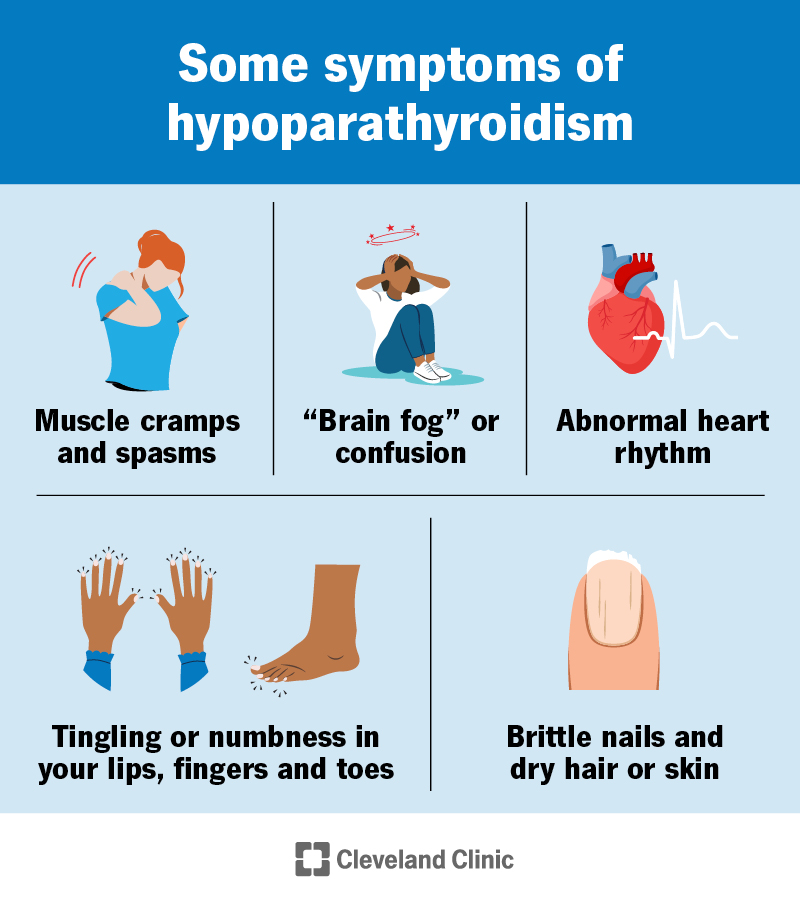
Credit: my.clevelandclinic.org
Testing And Diagnosis
Doctors diagnose iron deficiency with a blood test. The most common tests are:
- Hemoglobin: Measures the oxygen-carrying part of your blood
- Serum ferritin: Shows your body’s iron stores (most sensitive test)
- Transferrin saturation: Indicates how much iron is available
If you have symptoms but normal hemoglobin, ask your doctor to check your serum ferritin. This catches problems earlier.
How To Improve Iron Levels
If you have symptoms of iron deficiency, improving your iron intake can help. Here are some ways:
- Eat more iron-rich foods. Good sources include red meat, poultry, seafood, beans, lentils, tofu, spinach, and fortified cereals.
- Add vitamin C. Eating foods like oranges, strawberries, or bell peppers with your meals helps your body absorb more iron.
- Avoid tea and coffee with meals. Tannins in these drinks can block iron absorption.
- Cook in cast iron pans. This can add small amounts of iron to your food.
People who can’t get enough from food may need iron supplements. Always talk with your doctor before starting supplements, as too much iron can be harmful.
Example Iron-rich Meal Plan
For those looking to boost iron naturally, here’s a simple daily plan:
- Breakfast: Fortified cereal with strawberries (vitamin C)
- Lunch: Lentil soup with a side of spinach salad and orange slices
- Snack: Hummus with red bell pepper strips
- Dinner: Grilled chicken or tofu with quinoa and steamed broccoli
This combination gives both heme iron (from animal foods) and non-heme iron (from plants).
Mistakes To Avoid
Many people make the following mistakes when trying to fix iron deficiency:
- Taking supplements without testing. Too much iron can cause other health problems.
- Ignoring ongoing blood loss. Heavy periods or digestive bleeding may need medical treatment.
- Expecting instant results. It can take 3–6 months for hair, skin, and nails to improve after correcting iron levels.
- Relying only on one symptom. Look for patterns, not just single changes.

Credit: wellbeingnutrition.com
When To See A Doctor
You should seek medical advice if:
- Symptoms are severe, sudden, or getting worse
- You have a family history of iron disorders
- You notice unexplained weight loss or night sweats
- You feel very tired, dizzy, or short of breath along with appearance changes
A doctor can recommend tests and help you find the cause.
Treatment Options
Treatment depends on the cause and severity of your deficiency:
- Diet changes for mild cases
- Oral iron supplements (tablets or liquid) for most people
- IV iron for those who can’t absorb pills or have severe deficiency
Treating underlying causes, such as heavy menstrual bleeding, is also important.
How Long Do Symptoms Take To Improve?
With proper treatment, most people see improvements in hair, skin, and nail health within a few months. Hair regrowth may take 3–6 months or longer, depending on how low your levels were. Nails and skin often improve faster.
Real-life Stories
Many people don’t realize their hair and skin changes are linked to iron. For example, one woman noticed her hairbrush was filling up faster than usual and her nails kept breaking. After a blood test, she discovered her ferritin was very low.
Within four months of iron treatment, her hair stopped shedding and her nails became stronger.
Another example is a vegetarian athlete who developed cracks at the corners of her mouth and dry skin. She added more beans, lentils, and vitamin C-rich foods and saw a big improvement in just two months.
Credit: wellbeingnutrition.com
Prevention Tips
To prevent iron deficiency and keep your hair, skin, and nails healthy:
- Eat a balanced diet with a mix of iron sources
- Pair plant-based iron foods with vitamin C
- Watch for changes in your body, not just how you feel
- Get regular checkups if you’re in a high-risk group
Data: Iron Content In Common Foods
Here’s a comparison of iron content in some popular foods:
| Food | Iron (mg per serving) | Notes |
|---|---|---|
| Beef (3 oz) | 2.1 | Heme iron, well absorbed |
| Chicken (3 oz) | 1.1 | Heme iron |
| Spinach (1/2 cup, cooked) | 3.2 | Non-heme, better with vitamin C |
| Lentils (1/2 cup, cooked) | 3.3 | Non-heme, combine with citrus |
| Fortified cereal (1 serving) | Up to 18 | Check label for exact value |
The Takeaway
Iron deficiency is more than just feeling tired. It can show up in your hair, skin, and nails—often before you notice any other symptoms. By learning to spot these early warning signs, you can take action sooner and avoid bigger health problems down the road. Eating a healthy diet, paying attention to changes, and getting the right tests are your best tools. If you notice several symptoms from the checklist, don’t ignore them—your hair, skin, and nails may be telling you something important about your health.
Frequently Asked Questions
What Is The First Sign Of Iron Deficiency In Hair, Skin, Or Nails?
Often, the first sign is increased hair shedding or brittle nails. Many people notice more hair in their brush or that their nails break easily. Pale skin and slow-healing cuts are also early signs.
How Quickly Do Hair, Skin, And Nail Symptoms Improve After Treating Iron Deficiency?
Most people see improvement in skin and nails within 4–8 weeks of treatment. Hair regrowth can take 3–6 months, as hair grows in cycles. Severe deficiency may require more time.
Can Iron Deficiency Cause Permanent Hair Loss?
Iron deficiency usually causes temporary hair loss. Once iron levels are restored, hair regrowth is common. However, if deficiency lasts for many years or combines with other problems, some hair loss may be permanent.
Are There Other Nutrients That Affect Hair, Skin, And Nails Like Iron Does?
Yes. Zinc, biotin, vitamin D, and protein are also important for healthy hair, skin, and nails. Deficiency in these can cause similar symptoms, so it’s important to eat a balanced diet.
Where Can I Learn More About Iron Deficiency And Nutrition?
A reliable source is the World Health Organization, which provides in-depth information about anemia and iron deficiency.
If you’re concerned about your iron status or notice changes in your appearance, talk to your healthcare provider for guidance and testing. Your hair, skin, and nails are valuable clues to your overall well-being.