

After welcoming a new baby, many women notice something alarming: more hair in the shower drain, on their pillow, and in their brush. If you’re seeing this, you are not alone. Postpartum hair loss happens to most new mothers, often starting a few months after giving birth. It can feel scary, but it’s almost always temporary. Understanding when your hair will grow back and what you can expect each month can help you feel more in control during this big change.
This month-by-month guide is designed for real moms. You’ll learn why hair falls out, how regrowth really happens, what is normal, and when to seek help. You’ll also see visual cues for each stage, plus practical advice for healthier, fuller hair. Whether you’re three weeks or six months postpartum, this guide will help you understand your own unique hair regrowth timeline—and feel more confident about what’s ahead.
Why Does Postpartum Hair Loss Happen?
Before jumping into the monthly timeline, it helps to know why your hair is shedding in the first place. During pregnancy, your body’s hormones, especially estrogen, rise. This hormone change keeps more hairs in the growing phase, called anagen. That’s why many pregnant women notice thicker, shinier hair.
After delivery, estrogen levels drop quickly. This sudden fall causes many hairs to move from the growing phase to the shedding phase, called telogen. The result: more hair coming out at once, usually starting around 2–4 months after birth.
This process is called telogen effluvium. While it can look dramatic, it is almost always temporary. In most cases, your hair will regrow as your body’s hormone levels return to normal. But the journey is different for every woman. Understanding the typical timeline can set your mind at ease.
Factors That Affect Your Hair Regrowth Timeline
Not all women follow the same timeline. Some see quick regrowth, while others wait longer. Here are the main factors that influence your personal hair journey:
- Genetics: Your family history plays a big role.
- Hormones: Breastfeeding, thyroid changes, and stress can slow or speed up regrowth.
- Nutrition: Deficiencies in iron, protein, or vitamins can delay recovery.
- Health conditions: Conditions like PCOS or anemia impact hair cycles.
- Hair care habits: Frequent heat styling or harsh treatments can slow regrowth.
Knowing these factors helps you set realistic expectations—and spot when something may not be normal.
Credit: www.kennedyjohnson.com
The Postpartum Hair Regrowth Timeline: Month By Month
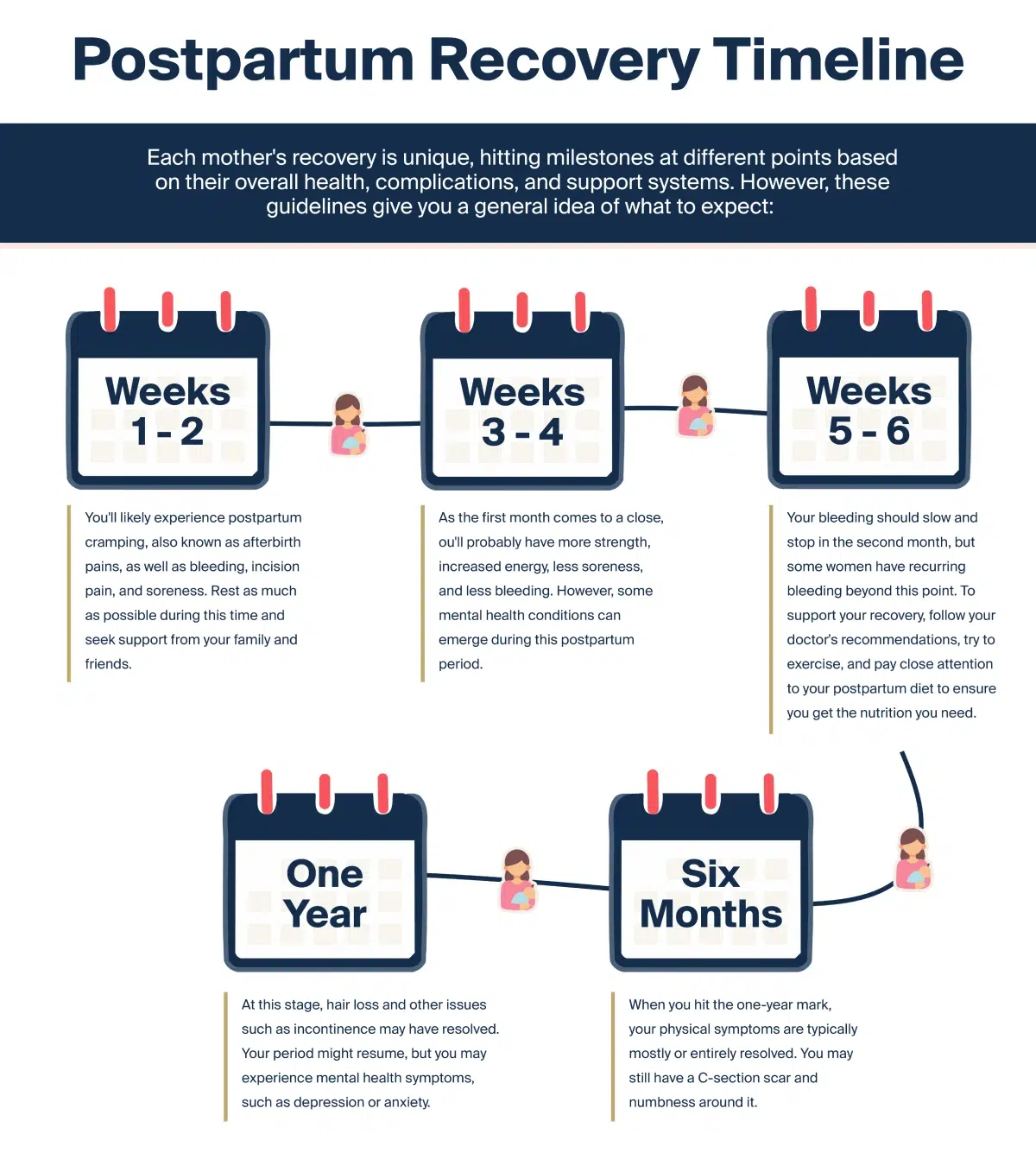
Every woman’s hair story is unique, but most follow a similar pattern. Here is a detailed, month-by-month guide to what you can expect, including typical symptoms, scalp changes, and visual cues.
Month 1: The Calm Before The Storm
Most women don’t notice extra hair loss right after delivery. If anything, your hair might still feel full from pregnancy. That’s because the hormonal drop hasn’t yet triggered shedding. Your hair follicles are just starting to shift into the resting phase.
- What to expect: Hair looks the same as during late pregnancy.
- How you feel: No major changes, no unusual shedding.
- Tips: Focus on gentle care, good nutrition, and rest.
Month 2: Subtle Changes Begin
Some women begin to notice slight increases in shedding, especially if they are not breastfeeding. But for most, hair still seems normal.
- What to expect: A few extra strands on your pillow or brush.
- How you feel: You might wonder if it’s starting, but nothing dramatic.
- Tips: Keep stress low, continue gentle hair care.
Month 3: The Shedding Phase Starts
By now, the sudden hormone drop has pushed a large number of hairs into the shedding phase. This is when most women notice real postpartum hair loss. It can feel like you are losing handfuls every day.
- What to expect: Noticeable hair fall, especially after showers or brushing. Some women see thinning around the hairline or temples.
- How you feel: Concerned or worried; hair may look less thick.
- Visual cues: Thinning at the part, more scalp visible.
- Tips: Avoid tight hairstyles. Use a wide-tooth comb. Eat a balanced diet with enough protein and iron.
Month 4: Peak Shedding
For many women, month 4 is the peak of postpartum hair loss. The amount of shedding can feel shocking—sometimes up to 400 hairs a day, compared to the usual 80–100.
- What to expect: Clumps of hair in the drain, visible thinning at temples, receding hairline (“baby bangs”).
- How you feel: Frustrated or embarrassed. You may style your hair differently to hide thin spots.
- Visual cues: Noticeable patches of thin hair, especially near the front.
- Tips: Use gentle shampoos, avoid heat styling, and resist harsh brushing.
Non-obvious insight: Many women think this stage means permanent hair loss, but it’s usually just the body “catching up” after pregnancy.
Month 5: Shedding Slows Down
By month five, the worst is often over. Shedding slows, though you may still lose more hair than before pregnancy. You might notice tiny new hairs (like soft fuzz) at your hairline or temples.
- What to expect: Less hair in the shower. New growth becomes visible.
- How you feel: Relieved, but hair may still look thin.
- Visual cues: Short, wispy hairs (“frizz halo”) at your hairline.
- Tips: Try hairstyles that hide new growth, like side parts or loose buns.
Month 6: New Growth Is Noticeable
Half a year after birth, your hair starts to recover. Most women see clear signs of regrowth. The new hairs are short and may stick up, but they signal a healthy cycle.
- What to expect: Shedding almost back to normal; new hairs 1–2 cm long.
- How you feel: Hopeful. You see real progress, though overall volume may still be less.
- Visual cues: “Baby hairs” at the hairline and part.
- Tips: Support growth with scalp massage. Avoid heavy styling products on new hairs.
Month 7: Volume Slowly Returns
The new hairs grow longer and blend with your existing hair. Volume is still less than pre-pregnancy, but you’ll notice your hairline filling in.
- What to expect: Hair feels fuller at the roots. New growth reaches 2–3 cm.
- How you feel: Encouraged, but still waiting for full thickness.
- Visual cues: Less scalp showing at the part.
- Tips: Trim split ends to keep hair looking healthy.
Month 8: Texture Changes
As new and old hairs mix, you might notice changes in hair texture. Some women see curlier, straighter, or frizzier hair than before pregnancy.
- What to expect: Hair texture may feel different; regrowth is stronger.
- How you feel: Puzzled by new texture, but happy to see more hair.
- Visual cues: Smoother hairline, fewer flyaways.
- Tips: Use moisturizing products if hair feels dry or frizzy.
Month 9: Significant Improvement
By nine months postpartum, your hair is well on its way to normal. Most women have regained much of their previous volume. The new hairs are long enough to blend in, and the most visible shedding is over.
- What to expect: Thicker ponytail, less scalp showing, new hairs 3–5 cm long.
- How you feel: Confident, ready to style hair as before.
- Visual cues: Healthy-looking hair, fewer thin patches.
- Tips: Continue gentle care and healthy habits.
Month 10: Regrowth Continues
The regrowth process is still ongoing, especially for women who started losing hair later or had severe shedding. By now, most new growth is well established.
- What to expect: New hairs grow 4–6 cm; overall density improves.
- How you feel: Much better about your hair. You may stop thinking about hair loss altogether.
- Visual cues: A full hairline, blended layers.
- Tips: Consider a trim to even out lengths.
Month 11: Nearing Normal
Most women are close to their pre-pregnancy hair volume by month eleven. New hairs are long enough to style easily, and texture starts to settle back to your natural pattern.
- What to expect: Full, healthy hair with only minor thin spots (if any).
- How you feel: Your confidence returns. You may experiment with new hairstyles again.
- Visual cues: Balanced, consistent thickness from root to tip.
- Tips: Try gentle coloring or styling if desired.
Month 12: One Year Later
By the one-year mark, hair regrowth is nearly complete for most women. Any remaining thin areas are usually subtle. If you still see major thinning, talk to a doctor about possible underlying causes.
- What to expect: Hair is similar to pre-pregnancy, with some women even seeing extra thickness from new growth.
- How you feel: Proud of your hair’s recovery. Ready to move on from postpartum changes.
- Visual cues: Full, vibrant hair, no obvious shedding.
- Tips: Maintain healthy habits for continued hair health.
Visual Guide To Postpartum Hair Regrowth
Seeing is believing. Below, you’ll find a visual guide that helps you spot the typical changes each month. This can help you compare your own journey with what’s considered normal.
| Month | Common Signs | Visual Clues |
|---|---|---|
| 1 | Normal hair, no extra shedding | Full hairline, no changes |
| 3 | Shedding starts | More hair in brush, slight thinning |
| 4 | Peak shedding | Visible scalp at temples, clumps of hair loss |
| 6 | Regrowth visible | Short “baby hairs” at hairline |
| 9 | Significant improvement | Thicker hair, less scalp showing |
| 12 | Hair nearly recovered | Full, healthy hair |
Non-obvious insight: Sometimes, new growth is curlier or a different color than your old hair. This is normal and usually settles in a few months.
Hair Regrowth: What’s Normal And What’s Not
While most postpartum hair loss is temporary and harmless, some signs mean you should check with a doctor:
- Shedding lasts longer than 15 months
- Bald patches or sudden, patchy loss
- Itching, burning, or scalp pain
- No sign of regrowth after 6–8 months
These can signal thyroid problems, autoimmune issues, or other health conditions. If you’re concerned, ask your healthcare provider for a checkup.
Comparing Postpartum Hair Loss And Regrowth: Key Data
Looking at data helps you see what’s typical. Here’s a comparison between normal hair cycles and postpartum changes:
| Stage | Daily Hair Loss | Duration | Recovery Time |
|---|---|---|---|
| Normal (Non-Pregnant) | 50–100 hairs | Ongoing | Not needed |
| Pregnancy | 20–50 hairs | 9 months | Not needed |
| Postpartum Shedding | 200–400 hairs | 2–6 months | 6–12 months |
Expert tip: If your hair loss seems much worse than these numbers, it’s a good idea to track it for a few weeks and discuss with a doctor if it doesn’t improve.
Practical Tips To Support Healthy Hair Regrowth
You can’t stop postpartum hair loss completely, but you can support faster, healthier regrowth with these proven steps:
- Eat a nutrient-rich diet: Focus on iron, zinc, protein, vitamin D, and omega-3s. Leafy greens, eggs, nuts, and fish are all helpful.
- Be gentle with your hair: Avoid tight ponytails, harsh brushing, and frequent heat styling.
- Use mild shampoos and conditioners: Choose products without sulfates or parabens. Look for ones designed for thinning hair.
- Try scalp massage: Massaging for 2–3 minutes daily boosts blood flow and may support growth.
- Stay hydrated: Drink enough water each day.
- Manage stress: Stress can worsen hair loss. Try deep breathing, short walks, or talking with friends.
- Avoid crash diets: Sudden weight loss can trigger more shedding.
- Check your vitamins: If you’re low in iron, B12, or vitamin D, ask your doctor about supplements.
- Protect from sun and chemicals: Wear hats outside and avoid harsh dyes or perms.
- Be patient: Remember, regrowth takes time. Each small step helps.
Non-obvious insight: Some women see better results when they combine scalp massage with gentle oils, like coconut or argan oil, but always patch test first.
Myths And Facts About Postpartum Hair Regrowth
There are many myths about postpartum hair loss. Let’s clear up some confusion:
- Myth: Only women who don’t breastfeed lose hair.
- Fact: Both breastfeeding and non-breastfeeding women can experience hair loss, but it may start at different times.
- Myth: Hair loss means you’re sick.
- Fact: Most postpartum shedding is normal and not a sign of illness.
- Myth: Cutting your hair will stop the loss.
- Fact: A haircut won’t change the shedding, but it can make hair look fuller.
- Myth: Special shampoos can stop hair loss.
- Fact: No shampoo can stop postpartum hair loss, but gentle products can protect new growth.
- Myth: You’ll go bald forever.
- Fact: Almost all women regrow their hair within a year.
Credit: www.healthline.com
Real-life Example: A Mom’s Postpartum Hair Journey
Let’s follow Anna, a 32-year-old mom from London, through her hair regrowth story:
- Month 1: Anna’s hair still feels thick. She enjoys her baby’s first smiles and doesn’t notice any changes.
- Month 3: She sees more hair in the shower. At first, she thinks she’s not eating enough, but then remembers reading about postpartum hair loss.
- Month 4: Anna is shocked at the amount of hair on her pillow. She avoids mirrors and feels self-conscious.
- Month 5: She notices tiny hairs growing at her temples—her hairline is slowly coming back.
- Month 7: Anna’s hair is still thinner, but the new growth is blending in. She uses a volumizing shampoo to help.
- Month 9: Her hair looks much healthier. Friends say they can’t tell she ever lost any hair.
- Month 12: Anna’s confidence is back. She styles her hair as before pregnancy and feels like herself again.
Many moms have similar stories. Remember, the journey is temporary, and regrowth is possible for almost everyone.
How Long Does It Really Take? Postpartum Regrowth Timeline Summary
To make the timeline clear, here’s a summary:
| Months Postpartum | Main Changes | Hair Regrowth Status |
|---|---|---|
| 1–2 | Normal hair, little to no shedding | No regrowth yet |
| 3–4 | Shedding starts and peaks | Old hair falling out |
| 5–6 | Shedding slows, new growth begins | Tiny new hairs visible |
| 7–9 | Volume returns, regrowth blends in | Hairline fills in |
| 10–12 | Nearly normal hair | Full regrowth for most women |
When To See A Doctor
While most postpartum hair loss is normal, you should check with a healthcare provider if:
- Shedding is severe after 12 months
- You see patchy or circular bald spots
- Your scalp is red, itchy, or painful
- You have other symptoms like fatigue, weight changes, or mood swings
These could be signs of thyroid issues, alopecia, or nutritional problems. Getting a blood test can often help find answers. For more information on postpartum changes, visit Mayo Clinic.
Frequently Asked Questions
How Much Hair Loss Is Normal After Giving Birth?
Losing up to 400 hairs a day in the first 4–6 months postpartum is common. It can look like a lot, but it’s usually temporary. If you notice bald spots or your hair doesn’t improve after a year, check with a doctor.
Can I Prevent Postpartum Hair Loss?
No, you can’t prevent it completely. But you can reduce stress on your hair by avoiding tight styles, harsh chemicals, and eating a healthy diet. These steps support faster, fuller regrowth.
Does Breastfeeding Affect Hair Regrowth?
Breastfeeding can delay the start of shedding, as hormones change more slowly. But all women, whether breastfeeding or not, usually experience some hair loss after birth.
Are There Any Treatments That Speed Up Regrowth?
There is no magic cure, but gentle care, scalp massage, and proper nutrition help. Rarely, doctors may recommend topical treatments for severe cases. Always check with a professional before using any strong products while breastfeeding.
When Should I Worry About Postpartum Hair Loss?
If shedding lasts more than 12–15 months, or you see bald patches, pain, or other symptoms, talk to your doctor. Most cases are harmless, but sometimes hair loss can signal a health issue like thyroid disease or anemia.
Postpartum hair changes can be stressful, but you are not alone. With understanding, patience, and the right care, your hair will likely return to its healthy, vibrant self. Remember, the journey is temporary—and your confidence will grow along with your new hair.
Credit: idealfaceandbody.com