

Polycystic Ovary Syndrome (PCOS) is a condition that affects millions of women worldwide. It is a complex hormonal disorder that can change the way your body works, especially how it handles hormones like insulin and androgens. For many women, the first noticeable signs are not about periods or fertility, but about their skin and hair.
Acne that just won’t go away, hair that thins, or even unexpected hair growth—these are everyday struggles for women with PCOS. If you are dealing with these symptoms, you are not alone, and there are ways to manage them.
This article gives you a complete guide to understanding PCOS, how it causes hormonal acne and hair thinning, and the best ways to take control of your symptoms. We will explore why these problems happen, smart treatment options, and practical tips that can help you feel better in your skin. Whether you are newly diagnosed or have been living with PCOS for years, you will find clear, expert-backed information to help you on your journey.
Understanding Pcos And Its Impact On Hair And Skin
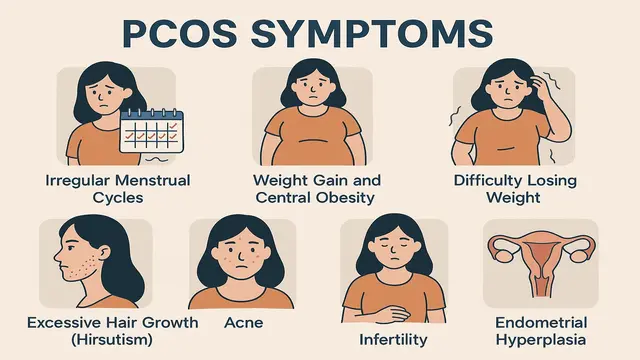
PCOS is more than just a reproductive issue. It is a systemic condition, which means it can affect your whole body, including your skin and hair. The main reason? Hormones. Women with PCOS often have higher levels of androgens (male hormones like testosterone) and problems with insulin resistance. These hormonal changes can lead to a mix of unwanted symptoms.
The Role Of Androgens
Androgens are hormones that control male traits, but women have them too. In PCOS, the ovaries often make too many androgens. High androgen levels can:
- Cause the oil glands in your skin to produce more oil (sebum)
- Lead to clogged pores and acne
- Affect hair follicles, resulting in both hair thinning (on the scalp) and excess hair growth (on the face or body)
Insulin Resistance
Insulin helps your body turn sugar into energy. Many women with PCOS have insulin resistance, which means their bodies need to make more insulin to keep blood sugar normal. Extra insulin can trigger the ovaries to make even more androgens, creating a cycle that worsens skin and hair symptoms.
How Common Are These Symptoms?
- Up to 70% of women with PCOS report acne or oily skin.
- Around 40–70% experience hair thinning or scalp hair loss.
- About 70% have hirsutism—excess hair growth in unwanted areas (like the chin, upper lip, or chest).
These symptoms can start in your teens or twenties and often continue if PCOS is not managed.
Hormonal Acne In Pcos: Why It Happens And How It Looks
Hormonal acne from PCOS is different from regular teenage breakouts. It tends to:
- Appear on the lower face (jawline, chin, neck)
- Be deeper, more painful, and last longer
- Flare up around periods or during stressful times
Why Does Pcos Cause Acne?
The main reason is too much androgen. Androgens make your skin produce more sebum (oil), which mixes with dead skin and blocks pores. Bacteria can then grow inside these blocked pores, causing inflammation and acne.
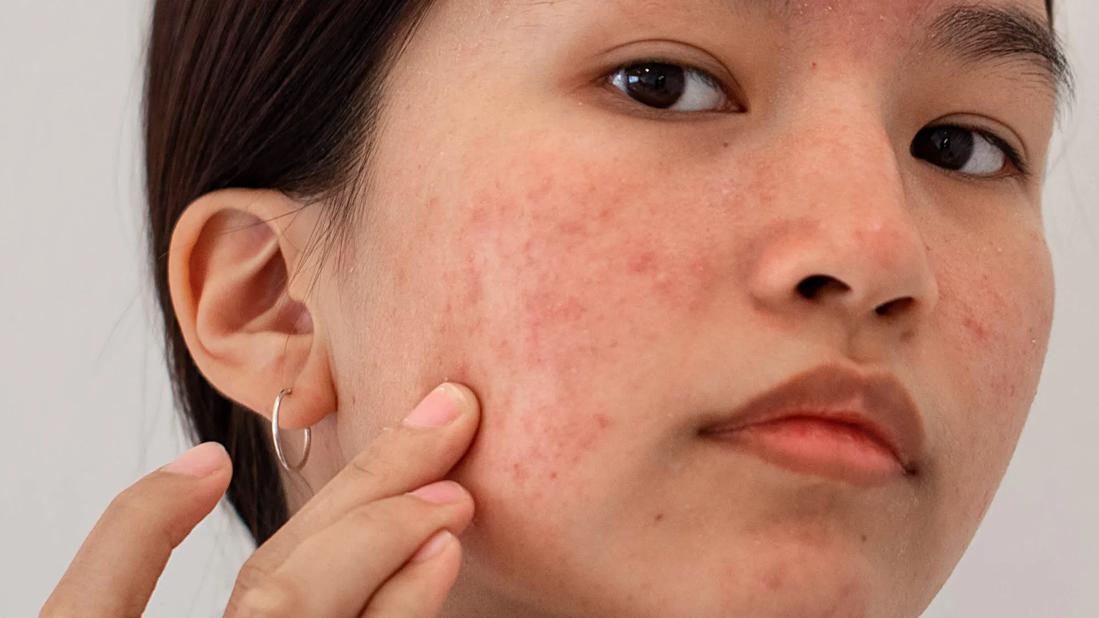
What Does Hormonal Acne Look Like?
- Cystic pimples: Large, red, painful bumps under the skin
- Blackheads and whiteheads: Small clogged pores
- Oily skin: Shiny appearance, especially in the T-zone (forehead, nose, chin)
- Scarring: Acne that leaves marks or dark spots after healing
How Is It Different From Other Acne?
Hormonal acne in PCOS is often resistant to over-the-counter treatments. It tends to come back in cycles and can be harder to control without addressing the underlying hormonal imbalance.
Hair Thinning In Pcos: Understanding Female Pattern Hair Loss
Hair thinning is one of the most distressing symptoms for women with PCOS. It can affect self-confidence and emotional well-being.
What Causes Hair Thinning In Pcos?
High androgens affect hair growth in two opposite ways:
- Scalp hair loss: Androgens shrink hair follicles on the scalp, especially at the crown and along the part, leading to thinner hair.
- Hirsutism: Androgens can also make hair grow thicker and darker in places like the chin, upper lip, or belly.
What Does Pcos-related Hair Loss Look Like?
- Thinning along the part line or crown of the head
- Widening of the hair part
- More hair falling out during brushing or washing
- Less volume overall
This type of hair loss is called female pattern hair loss or androgenic alopecia.
How Is It Different From Male Pattern Baldness?
Women with PCOS usually do not lose all their hair or develop bald patches. Instead, hair becomes finer and the scalp becomes more visible over time.
Other Skin And Hair Symptoms In Pcos
While acne and hair thinning are the most common, PCOS can also cause other changes:
- Excess hair growth (hirsutism): Thicker, darker hair on the face, chest, back, or abdomen.
- Dark skin patches (acanthosis nigricans): Velvety, brown or gray areas, often on the neck, armpits, or groin.
- Skin tags: Small, soft skin growths, often found where skin folds.
- Dandruff or oily scalp: Caused by increased oil production.
Recognizing these symptoms can help you and your doctor identify PCOS sooner.
Diagnosing Pcos Skin And Hair Problems
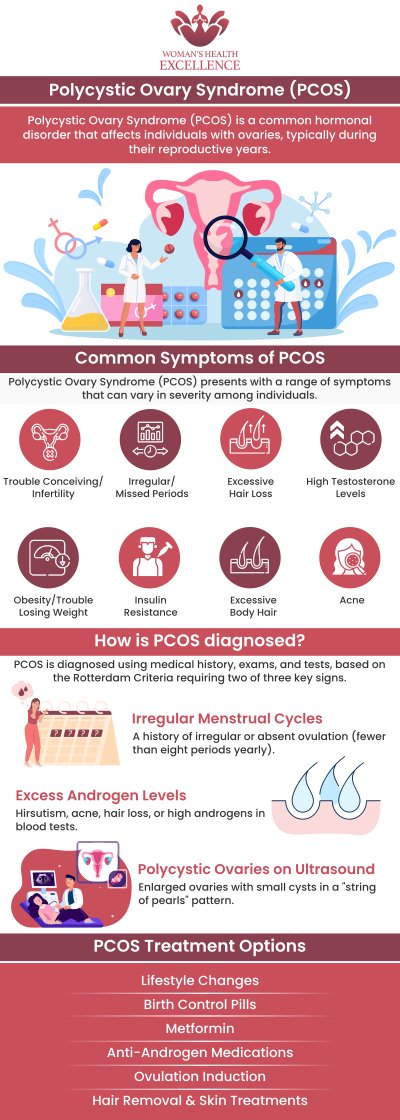
Diagnosing PCOS is not just about blood tests. Doctors look at your symptoms, medical history, and may use specific tests to confirm the diagnosis.
What To Expect During Diagnosis
- Medical history: Your doctor will ask about your periods, acne, hair loss, and any family history of PCOS or diabetes.
- Physical exam: Checking for acne, hair thinning, excess hair, or dark skin patches.
- Blood tests: To measure hormone levels (testosterone, DHEA-S, LH, FSH, insulin, glucose).
- Ultrasound: To look for cysts on the ovaries.
How Are Skin And Hair Symptoms Evaluated?
Doctors may use grading scales for acne or hair loss, such as the Ferriman-Gallwey score for hirsutism or the Ludwig scale for female pattern hair loss.
When To See A Specialist
If your symptoms are severe or not improving, you may be referred to a dermatologist for skin and hair, or an endocrinologist for hormone management.
Treatment Options For Hormonal Acne In Pcos
Managing hormonal acne in PCOS requires a multi-level approach. Treating the root cause (hormonal imbalance) is key, but skin care and medications can help too.
1. Lifestyle Changes
- Healthy diet: Focus on low-glycemic foods (whole grains, vegetables, lean protein). Studies show this can reduce acne.
- Exercise: Regular activity helps lower insulin and androgen levels.
- Weight management: Even a 5–10% weight loss can improve symptoms in overweight women.
2. Prescription Medications
- Combined oral contraceptives: Birth control pills with both estrogen and progestin lower androgen levels and regulate periods.
- Anti-androgen medications: Drugs like spironolactone block androgen effects on the skin and hair.
- Topical treatments: Prescription creams with retinoids or antibiotics may reduce inflammation and bacteria.
- Metformin: An insulin-sensitizing drug often used for diabetes, but it can also help lower androgen levels in women with PCOS.
3. Skin Care Routine
- Use gentle, non-comedogenic (won’t clog pores) products.
- Wash your face twice a day with a mild cleanser.
- Avoid scrubbing or harsh exfoliants that can worsen inflammation.
- Use sunscreen daily, especially if using acne medications.
4. In-office Procedures
- Chemical peels: Help clear blocked pores and improve skin texture.
- Laser therapy: Reduces redness and bacteria.
- Light therapy (LED): Can reduce acne-causing bacteria.
5. Natural And Alternative Remedies
Some women find relief with zinc supplements, tea tree oil, or spearmint tea, which may have mild anti-androgen effects. Always check with your doctor before starting supplements.
Common Mistakes To Avoid
- Using harsh products that irritate your skin
- Picking or popping pimples (increases scarring risk)
- Expecting overnight results—treatments may take 3–6 months to show improvement
Treating Hair Thinning And Scalp Hair Loss In Pcos
Losing hair can be emotionally tough, but there are steps you can take to slow or even reverse hair thinning.
1. Medical Treatments
- Minoxidil (Rogaine): Over-the-counter topical treatment that can stimulate hair growth and slow loss. It is FDA-approved for women.
- Oral contraceptives: Can lower androgen levels and help with hair loss in some women.
- Spironolactone: Blocks androgens from affecting the hair follicles.
- Finasteride: Sometimes used off-label, but has more risks and is less common in women of childbearing age.
2. Hair Care Practices
- Use gentle, sulfate-free shampoos and conditioners.
- Avoid tight hairstyles (ponytails, braids) that can pull on hair.
- Minimize heat styling and chemical treatments.
3. Nutritional Support
- Make sure you get enough iron, vitamin D, and zinc—deficiencies can worsen hair loss.
- Eat protein-rich foods (chicken, eggs, beans) to support hair growth.
4. Advanced Options
- Platelet-rich plasma (PRP) therapy: Uses your own blood to stimulate hair growth.
- Low-level laser therapy: At-home or in-office devices that may help with thinning.
- Hair transplant surgery: For severe cases, but usually a last resort.
5. Psychological Support
Hair loss can impact self-esteem. Support groups or counseling can help you cope with the emotional side of PCOS-related hair changes.
Mistakes To Avoid
- Overusing hair thickening sprays or powders—they can clog follicles if not washed out properly.
- Trying “miracle” supplements or products without scientific backing.
Managing Hirsutism And Other Hair Growth Changes
For women with PCOS, hirsutism (unwanted hair growth) can be just as frustrating as hair loss.
1. Hair Removal Methods
- Shaving: Quick, but may cause irritation.
- Waxing or threading: Removes hair from the root but can be painful or cause ingrown hairs.
- Depilatory creams: Dissolve hair, but may irritate sensitive skin.
- Laser hair removal: Permanent reduction for many women, but requires several sessions.
- Electrolysis: Destroys hair follicles one at a time, can be permanent but is time-consuming.
2. Medications For Hirsutism
- Oral contraceptives: Lower androgen levels.
- Spironolactone: Reduces new hair growth, but can take 6+ months to see results.
- Eflornithine cream: Slows facial hair growth (available by prescription).
3. Lifestyle And Cosmetic Tips
- Bleaching facial hair to make it less visible
- Using makeup or concealers for dark patches or scarring
- Wearing hairstyles that add volume if you have thinning hair
What Beginners Often Miss
- Laser hair removal works best on dark hair and light skin. Results can vary for other hair/skin types.
- Stopping medications often causes hair to grow back, so ongoing treatment may be needed.
Comparing Pcos Skin And Hair Treatments
Here is a side-by-side look at common treatments for acne and hair loss in PCOS:
| Treatment | Works For | Time to See Results | Potential Side Effects |
|---|---|---|---|
| Oral Contraceptives | Acne, Hair Thinning, Hirsutism | 2–6 months | Weight gain, mood changes, blood clots (rare) |
| Spironolactone | Acne, Hair Thinning, Hirsutism | 3–6 months | Frequent urination, breast tenderness |
| Minoxidil | Hair Thinning | 3–6 months | Scalp irritation, unwanted hair growth on face |
| Metformin | Acne (indirectly) | 3–6 months | Stomach upset, diarrhea |
| Laser Hair Removal | Hirsutism | 3–8 sessions | Redness, swelling, rarely burns |
Diet, Lifestyle, And Skin/hair Health In Pcos
You cannot cure PCOS with diet and exercise alone, but they play a powerful role in managing symptoms.
Diet Tips For Better Skin And Hair
- Lower sugar and processed foods: These can spike insulin and worsen symptoms.
- Add anti-inflammatory foods: Berries, leafy greens, nuts, and fatty fish.
- Balance carbs with protein and fiber: Helps keep blood sugar steady.
Exercise And Insulin Sensitivity
Regular exercise helps reduce insulin resistance and may lower androgen levels, which can lead to clearer skin and less hair loss.
Stress Management
Stress can trigger hormone imbalances and make skin and hair problems worse. Try:
- Yoga, meditation, or deep breathing
- Getting enough sleep (7–9 hours per night)
- Setting boundaries to avoid burnout
Supplements
Some research suggests that inositol (especially myo-inositol) can help with insulin resistance and lower androgen levels. Vitamin D deficiency is common in PCOS and may worsen symptoms, so check your levels.
Non-obvious Insight
Many women focus only on treating acne or hair loss on the surface, but addressing internal hormone balance (like insulin resistance) often brings the best long-term results.
Emotional Impact Of Pcos Skin And Hair Symptoms
Dealing with visible symptoms can be tough. Many women with PCOS struggle with self-esteem, anxiety, or depression. It is important to remember:
- You are not alone—PCOS is common, and support is available.
- Talking to a therapist or counselor can help manage emotional stress.
- Joining support groups (online or in person) can provide encouragement and tips.
Example
A 2022 study found that women with PCOS are nearly twice as likely to report depression or anxiety compared to women without PCOS. Managing both physical and emotional symptoms is key to overall well-being.
Long-term Management And What To Expect
PCOS is a lifelong condition, but symptoms can be managed with the right approach. Consistency matters—many treatments take months to show results, and stopping treatment often causes symptoms to return.
Key Habits For Long-term Success
- Regular checkups with your doctor
- Staying on top of medications and treatments
- Making healthy lifestyle choices most of the time
- Being patient and gentle with yourself
Monitoring Progress
Keep a journal or take photos to track changes in your skin and hair. Celebrate small improvements and keep working with your healthcare team to find the best plan for you.
When To Seek More Help
If your symptoms are severe, worsening, or affecting your daily life, talk to your doctor. New treatments and research are always emerging—there is hope for better options in the future.
Credit: health.clevelandclinic.org
Comparing Pcos To Other Causes Of Hair And Skin Problems
Not all acne or hair loss in women is due to PCOS. Here’s how PCOS symptoms compare to other common causes:
| Symptom | PCOS | Other Causes |
|---|---|---|
| Acne | Jawline, chin, persistent, starts in teens/adulthood | Forehead/cheeks (puberty), clears by adulthood |
| Hair Thinning | Widening part, crown thinning, no bald patches | Patchy loss (alopecia areata), diffuse thinning (telogen effluvium) |
| Hirsutism | Chin, upper lip, chest, belly | Uncommon, may suggest other hormone issues |
| Dark Skin Patches | Neck, armpits, groin | Rare, may indicate diabetes or obesity |
If your symptoms don’t fit the usual PCOS pattern, your doctor may check for thyroid problems, lupus, or other conditions.
What Most People Miss About Pcos And Skin/hair Care
Here are two important insights that often go unnoticed:
- Treating only the skin or hair rarely solves the problem long term. Addressing hormone balance, especially insulin resistance, is the foundation for real improvement.
- Small, consistent changes work better than drastic measures. Crash diets or extreme treatments can stress your body and make symptoms worse. Focus on habits you can maintain.
Credit: www.herobgyn.com
Resources And Where To Find More Help
If you want to learn more about PCOS and its impact on your skin and hair, speak to your healthcare provider or visit trusted sites like the U.S. Office on Women’s Health.
Frequently Asked Questions
What Is The Main Cause Of Hormonal Acne In Pcos?
Hormonal acne in PCOS is mainly caused by high levels of androgens (male hormones). These hormones make your skin produce more oil, which clogs pores and leads to acne. Insulin resistance also plays a role by raising androgen levels.
Can Hair Thinning From Pcos Be Reversed?
In many cases, hair thinning can be slowed or improved with the right treatment. Medications like minoxidil, spironolactone, and oral contraceptives may help. Early treatment and addressing hormone balance are key.
How Long Does It Take To See Improvement In Pcos Skin Or Hair Symptoms?
Most treatments for acne or hair loss take at least 3–6 months to show noticeable results. Be patient and stick with your treatment plan, even if you do not see immediate changes.
Are Natural Remedies Effective For Pcos Skin And Hair Issues?
Some natural remedies, like spearmint tea or zinc supplements, may help mild symptoms for some women. However, scientific evidence is limited, and they usually work best when combined with medical treatment and lifestyle changes.
Is It Safe To Use Hair Removal Methods Like Laser Or Waxing With Pcos?
Yes, methods like laser hair removal and waxing are generally safe for women with PCOS. Laser works best for those with light skin and dark hair. Always discuss with a dermatologist to choose the safest and most effective method for your skin type.
Living with PCOS can be challenging, but understanding the condition and taking control of your skin and hair symptoms is possible. With the right knowledge, support, and a personalized plan, you can manage hormonal acne and hair thinning and feel confident in your own skin.
Credit: www.shreeivfclinic.com