

After giving birth, many women notice something unexpected: their hair starts falling out much more than usual. This can be frightening and confusing, especially during a time already full of change. What many people don’t realize is that postpartum hair loss is often linked to changes in the thyroid gland—a small organ in the neck that plays a big role in the body’s hormones. Understanding how the thyroid changes after birth helps explain why so many new mothers see their hair thin, and what can be done about it. Let’s dive into the science behind this process, explore what’s normal, what’s not, and discover practical solutions to manage postpartum hair loss.
Understanding The Thyroid And Its Role
The thyroid gland is a butterfly-shaped gland at the front of your neck. It makes hormones—mainly thyroxine (T4) and triiodothyronine (T3)—that control how your body uses energy. These hormones influence your metabolism, heart rate, temperature, and even hair growth. When the thyroid works well, you feel energetic and your body runs smoothly. If it’s not balanced, many body systems—including hair—can be affected.
During pregnancy, the thyroid is under extra pressure. It needs to make more hormones to support both the mother and the growing baby. After giving birth, hormone levels shift quickly, and sometimes the thyroid struggles to keep up. This period of change can trigger thyroid problems, which then lead to postpartum hair loss.
The thyroid doesn’t work alone. It’s part of a delicate hormone network. For example, your pituitary gland in the brain makes TSH (thyroid stimulating hormone), which tells the thyroid to make more hormones as needed. If this feedback loop is disrupted, your thyroid may make too much or too little hormone, impacting the whole body.
Another point many people miss: thyroid hormones support healthy blood flow to hair follicles. When the hormones are out of balance, the scalp can get less nourishment. This means that hair may not only fall out more, but also grow back slower.
Postpartum Hair Loss: What Is It?
Postpartum hair loss, or telogen effluvium, is a common condition where women lose more hair than usual after having a baby. Most women notice this shedding two to four months after birth. It can be mild or very noticeable, with clumps of hair coming out during brushing or washing.
This hair loss is almost always temporary, but it can be distressing. It happens because of hormone changes, and for some women, it’s made worse by thyroid issues that start or become worse after delivery.
Many women experience a “hair surprise” because during pregnancy, hair actually becomes thicker. This is due to high estrogen levels that keep hairs in the growth phase for longer. The sudden switch after birth can make the change seem more dramatic.
Non-obvious insight: The amount of hair lost postpartum is not always proportional to how thick your hair was during pregnancy. Even women who didn’t notice much hair thickening can still have heavy shedding after birth.
How The Thyroid Changes After Birth
Hormonal Shifts And Thyroid Function
During pregnancy, your body produces high levels of estrogen and progesterone. These hormones, along with human chorionic gonadotropin (hCG), affect how the thyroid works. Estrogen increases the amount of thyroid hormone-binding proteins, which can change the amount of active thyroid hormone in your blood.
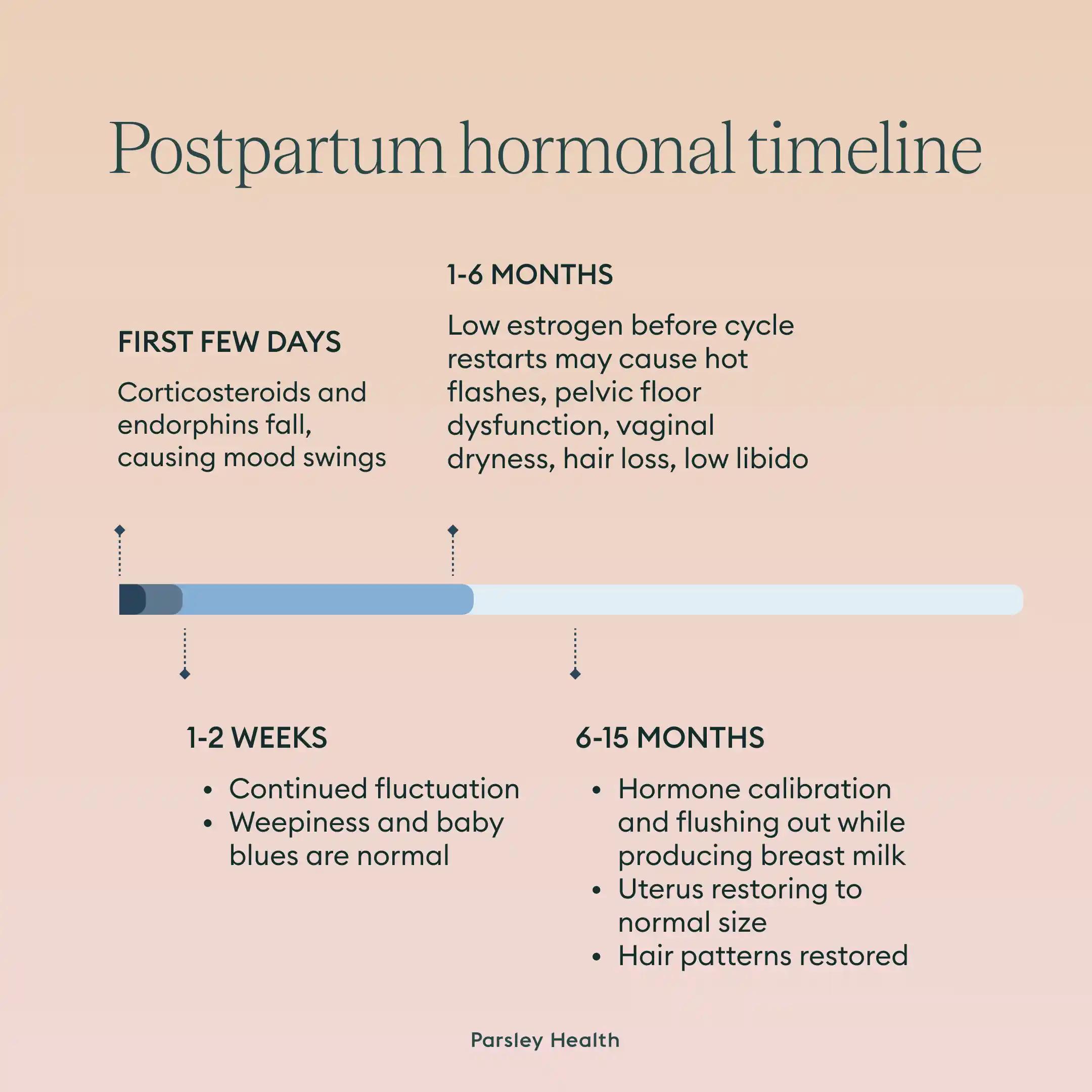
After delivery, hormone levels drop sharply. This sudden drop can cause the thyroid to become overactive (hyperthyroidism), underactive (hypothyroidism), or to swing between the two. These changes are sometimes called postpartum thyroiditis.
What’s interesting is that even women without any history of thyroid disease can experience these swings. The immune system, which was calmer during pregnancy to protect the baby, “wakes up” after birth. Sometimes, it mistakenly attacks the thyroid, causing inflammation and hormone changes.
Postpartum Thyroiditis Explained
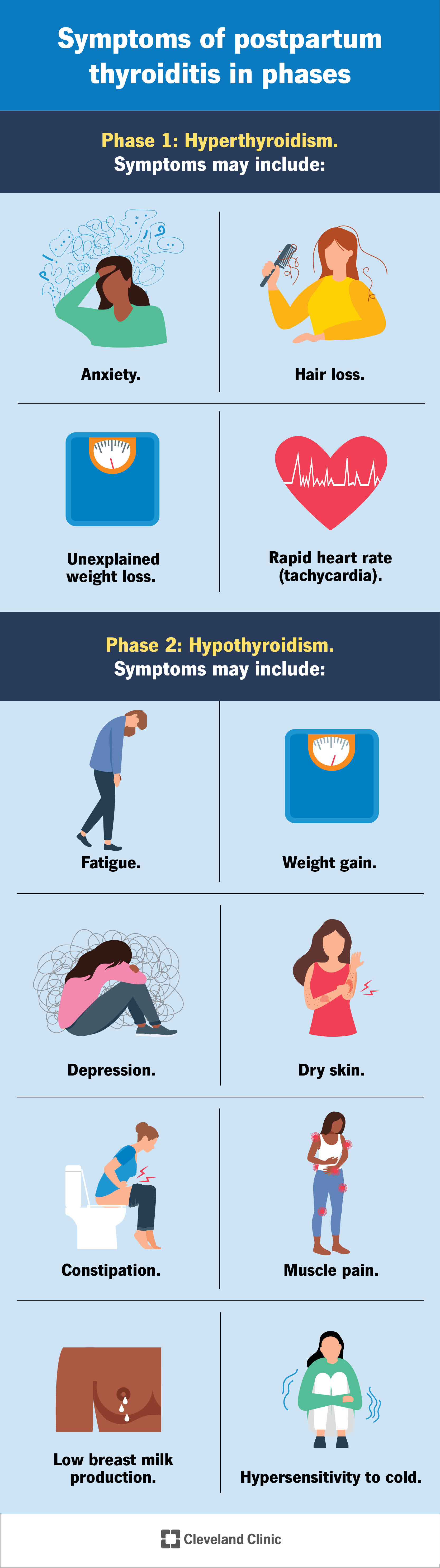
Postpartum thyroiditis is an inflammation of the thyroid that happens in the first year after giving birth. It affects about 5–10% of women worldwide. The condition has two phases:
- Thyrotoxic Phase: The thyroid releases too many hormones, causing symptoms like anxiety, sweating, and rapid heartbeat.
- Hypothyroid Phase: The thyroid slows down and makes too few hormones, leading to tiredness, weight gain, and dry skin.
Both phases can affect hair growth. In the thyrotoxic phase, hair can fall out because the body speeds up. In the hypothyroid phase, hair loss happens because the body slows down and hair follicles become less active.
Not every woman goes through both phases. Some only have one phase, or very mild symptoms that are easy to miss. Sometimes, thyroiditis can trigger ongoing thyroid problems that need long-term treatment.
Non-obvious insight: The symptoms of postpartum thyroiditis can be subtle and easily confused with the normal exhaustion and mood changes of new motherhood. This is why many women don’t realize their thyroid is involved unless they get tested.
How Thyroid Hormones Affect Hair Growth
Hair grows in cycles: growth (anagen), transition (catagen), and rest (telogen). Thyroid hormones help control these cycles. When thyroid hormones are unbalanced, more hairs enter the telogen (resting/shedding) phase at the same time. This leads to sudden, noticeable hair loss.
A healthy thyroid encourages hair follicles to stay in the growth phase longer. When hormone levels drop, hair follicles become “lazy” and shift into the resting phase early. This is why hair can appear thinner and weaker.
Some women notice changes in hair texture as well—hair might become more dry, frizzy, or hard to style. This is another sign that the thyroid is involved.
Comparing Hair Loss Before And After Birth
Let’s see how hair loss changes from pregnancy to postpartum:
| Stage | Hormone Levels | Hair Growth Pattern | Typical Hair Loss |
|---|---|---|---|
| Pregnancy | High estrogen, stable thyroid hormones | Longer growth phase, less shedding | Minimal (hair looks thicker) |
| Postpartum (0–6 months) | Rapid hormone drop, thyroid instability | Many hairs enter shedding phase | Noticeable (hair falls in clumps) |
| Postpartum (6+ months) | Hormones stabilize (unless thyroiditis) | Normal growth cycle returns | Shedding slows |
Practical example: If you normally lose 50–100 hairs per day, postpartum shedding can increase this to 300–400 hairs per day at its peak. This can make the shower drain fill up quickly, which is alarming but usually normal.
Recognizing Postpartum Thyroid Problems
It’s normal to lose some hair after pregnancy, but sometimes thyroid problems make hair loss worse or longer-lasting. Here are signs that your thyroid might be involved:
- Extreme tiredness not explained by poor sleep
- Unusual weight changes (gain or loss)
- Mood swings or feeling depressed
- Heart palpitations or shaking hands
- Dry skin or brittle nails
- Difficulty losing baby weight
If these symptoms last for more than a few weeks, it’s smart to ask your doctor about a thyroid test. A simple blood test can check your TSH, T3, and T4 levels.
Another clue is the timing: if your hair loss continues past 6–12 months after birth, or gets worse instead of better, it’s more likely that a thyroid problem or another health issue is involved.
Non-obvious insight: Sometimes, thyroid problems can cause other symptoms like constipation, feeling cold all the time, or even changes in your voice. Don’t ignore these, even if they seem unrelated to your hair.
Credit: my.clevelandclinic.org
The Science Behind Postpartum Hair Loss
The Hair Growth Cycle In Detail
Each hair follicle goes through a cycle:
- Anagen (Growth phase): Lasts 2–7 years. Most scalp hairs are here.
- Catagen (Transition phase): Lasts about 2 weeks. Hair stops growing.
- Telogen (Resting/shedding phase): Lasts about 3 months. Hair falls, then new hair grows.
In pregnancy, estrogen keeps more hairs in the anagen phase, so hair looks thick and full. After birth, estrogen drops and many hairs suddenly move to the telogen phase, causing shedding.
Interestingly, not every follicle is on the same schedule. This is why you don’t lose all your hair at once. But during postpartum, more follicles “synchronize” into the shedding phase, making the loss feel dramatic.
How Thyroid Hormones Disrupt The Cycle
Thyroid hormones control how quickly hair grows and when it sheds. If there’s too much or too little hormone, the cycle is disrupted. In hypothyroidism, hair grows slower and becomes thin or brittle. In hyperthyroidism, growth is fast but shedding is increased.
Here’s a comparison of how different thyroid conditions affect hair:
| Thyroid Condition | Hair Growth Rate | Hair Shedding | Texture Changes |
|---|---|---|---|
| Normal | Normal | Normal | Healthy |
| Hypothyroidism | Slower | Increased | Dry, brittle |
| Hyperthyroidism | Faster | Increased | Fine, thin |
| Postpartum Thyroiditis | Variable | High (during both phases) | Can be dry or thin |
Even after the thyroid returns to normal, it can take several months for hair cycles to recover. This is why patience is important.
Statistics And Real Data
- About 40–50% of women experience noticeable hair loss after birth.
- Around 5–10% develop postpartum thyroiditis, but many cases go undiagnosed because symptoms can be mild or confused with normal postpartum changes.
- For most women, hair returns to normal within 6–12 months after birth.
Non-obvious insight: Even if your thyroid levels are “borderline” and not treated, you may still have hair loss. Mild imbalances, especially when combined with stress, poor sleep, or low iron, can worsen shedding.
Risk Factors For Postpartum Thyroid Changes
Not all women develop thyroid problems after pregnancy. Some are at higher risk:
- Personal or family history of thyroid disease
- Type 1 diabetes or other autoimmune conditions
- Previous thyroid problems during pregnancy
- High levels of thyroid antibodies in the blood
- Multiple pregnancies (twins, triplets)
- Smoking or poor nutrition
Practical tip: If you have any risk factors, ask your doctor about checking your thyroid after giving birth.
It’s also important to note that stress, lack of sleep, and nutritional gaps can make thyroid recovery slower. Supporting your body with healthy habits can make a real difference.
What Does Postpartum Hair Loss Look Like?
Women often notice:
- Hair falling out in the shower or on the pillow
- Thinning at the front hairline (“baby hairs” regrow in a few months)
- Clumps of hair when brushing
- Scalp may look more visible, but bald spots are rare
Non-obvious insight: Many women worry they’ll go bald, but total baldness is extremely rare with postpartum hair loss. Most hair will regrow naturally once hormones settle.
Another thing to remember: hair regrowth might come in as fine “baby hair” at first. This can make the hairline look fuzzy or uneven for a while, but it’s a sign of recovery.
How Long Does Postpartum Hair Loss Last?
- Shedding usually starts 2–4 months after birth
- Peak hair loss: Around 4 months postpartum
- Slows down by 6–12 months
- If thyroid problems persist, hair loss can last longer
If hair loss continues past one year, or gets worse, it may be a sign of ongoing thyroid problems or another health issue.
Recovery speed can depend on your overall health, stress levels, and how quickly your hormones return to balance. For women with thyroiditis, hair regrowth may be slower but is usually complete with proper treatment.

Credit: hairgp.co.uk
How Doctors Diagnose Postpartum Thyroid Issues
If you report heavy hair loss and other thyroid symptoms, your doctor may:
- Ask about your medical history and symptoms
- Do a physical exam (checking for goiter or tenderness in the neck)
- Order blood tests for:
- TSH (Thyroid-stimulating hormone)
- Free T4
- Free T3
- Thyroid antibodies (to check for autoimmune disease)
If thyroiditis is found, your doctor may suggest repeating tests every few months to see how your thyroid changes over time.
Doctors might also check for other causes of hair loss, such as low iron, vitamin D deficiency, or high stress. Treating these can speed up hair recovery.
Treatment Options For Postpartum Thyroid Changes And Hair Loss
Treating The Thyroid
- Mild thyroiditis may not need treatment—just monitoring
- Hypothyroidism: Treated with levothyroxine (synthetic thyroid hormone)
- Hyperthyroidism: Usually mild, but sometimes treated with beta-blockers for symptoms
- Most women recover normal thyroid function within 12–18 months
Experience-based tip: If you’re prescribed thyroid medication, take it at the same time each day, away from high-calcium foods or supplements, which can interfere with absorption.
Managing Hair Loss
While treating the thyroid helps long-term, there are steps to manage hair loss now:
- Use a gentle shampoo and wide-tooth comb to avoid breakage.
- Avoid tight hairstyles (buns, ponytails) that pull on the scalp.
- Eat a balanced diet rich in protein, iron, zinc, and vitamin D.
- Minimize heat styling and harsh chemicals.
- Consider haircuts or styles that make thinning less noticeable.
Non-obvious insight: Some hair supplements claim to speed up regrowth, but these are rarely necessary if your diet is balanced. Always check with your doctor before taking new supplements, especially if breastfeeding.
A bonus tip: scalp massage with your fingers or a soft brush can help stimulate blood flow and support hair growth, but don’t expect overnight results.
Preventing Postpartum Hair Loss: Is It Possible?
It’s not always possible to prevent postpartum hair loss, as hormone changes are natural. However, you can lower your risk by:
- Managing stress with rest, light exercise, and relaxation
- Eating enough calories and nutrients while breastfeeding
- Asking your doctor to check your thyroid function if you have symptoms or risk factors
Focusing on self-care and not skipping meals can make a difference. Even small improvements in sleep, hydration, and nutrition help your body recover.
Emotional Impact And Support
Losing hair can affect self-esteem, especially when already dealing with the challenges of new motherhood. It’s important to remember:
- You are not alone—most new mothers go through this
- Hair loss is almost always temporary
- Talk to your doctor about support if you feel anxious or depressed
Practical tip: Sharing your experience with other mothers, through support groups or online forums, can help you feel less isolated.
Some women find it helpful to take progress photos every month. This can help you see small improvements that are hard to notice day-to-day.
Don’t hesitate to reach out for help if hair loss makes you feel sad or overwhelmed. Emotional health matters as much as physical health.
Comparing Postpartum Hair Loss To Other Types Of Hair Loss
Hair loss after birth is different from other forms:
| Type | Cause | Pattern | Duration |
|---|---|---|---|
| Postpartum Hair Loss | Hormonal + thyroid changes | Diffuse thinning | 6–12 months (usually) |
| Androgenic Alopecia | Genetic, DHT hormone | Patterned (front/top) | Progressive |
| Alopecia Areata | Autoimmune attack | Patches/bald spots | Variable |
| Telogen Effluvium (non-postpartum) | Stress, illness, meds | Diffuse thinning | 3–6 months (usually) |
Understanding the cause helps you get the right treatment and avoid unnecessary worry. If in doubt, ask your doctor for advice.
Myths And Facts About Postpartum Hair Loss
Myth 1: “washing Your Hair Causes Postpartum Hair Loss.”
Fact: Washing only removes hair that’s already shed from the scalp. Skipping washes won’t stop the process.
Myth 2: “you Will Go Bald If You Lose Too Much Hair Postpartum.”
Fact: Very few women develop bald spots. Most hair returns to normal over time.
Myth 3: “supplements Or Magic Shampoos Will Cure Postpartum Hair Loss.”
Fact: No supplement or shampoo can reverse hormonal hair loss. Only time and treating any thyroid problems will help.
Myth 4: “hair Loss Means You Are Unhealthy Or Not Caring For Yourself.”
Fact: Postpartum hair loss is natural and not a sign of poor health.
Another myth: “If you cut your hair short, it will grow back faster.” In reality, hair length doesn’t affect how quickly it regrows, but shorter styles can make shedding less obvious and easier to manage.
When To See A Doctor
While most hair loss after birth is normal, see your doctor if:
- Hair loss lasts longer than 12 months
- You notice bald patches or scalp redness
- You feel tired, anxious, or have other thyroid symptoms
- You have a family history of thyroid disease
Thyroid problems can be treated, and the earlier they’re found, the better.
It’s also wise to see a doctor if your hair loss is very sudden or accompanied by other symptoms like fever, rash, or joint pain.
Stories From Real Mothers
Hearing from others can make you feel less alone. Here are two real examples:
Sara, age 32: “After my second baby, I started losing hair in handfuls. I was scared, but my doctor checked my thyroid and found it was low. After starting medicine, my energy and hair improved in a few months.”
Lina, age 28: “I thought I was going bald! The front of my scalp looked thin. My doctor said it was normal postpartum hair loss, and she was right. By my baby’s first birthday, my hair was back to normal.”
A third story, from Mei, age 35: “I developed both thyroiditis and anemia after my twins. My hair was thin for over a year. Treating my iron and thyroid helped, but I also started eating better and resting more. It took time, but my hair slowly filled in.”
Practical Tips To Support Healthy Hair After Birth
- Eat foods rich in protein, leafy greens, nuts, and fruits
- Stay hydrated—drink enough water every day
- Use a gentle, sulfate-free shampoo
- Let hair air-dry when possible
- Use a silk pillowcase to reduce breakage
- Get regular trims to keep ends healthy
- Be patient—most changes are temporary
Extra tip: Try to avoid comparing your hair to others, especially on social media. Every woman’s recovery is unique.
If you style your hair, use a heat protectant spray to reduce damage. And remember, hats, scarves, or headbands are a stylish way to cover thinning areas while hair regrows.
What Science Says: Research And Expert Opinions
Research shows that:
- Postpartum thyroiditis is often missed because symptoms are similar to normal postpartum tiredness.
- Women with autoimmune thyroid disease before pregnancy are at higher risk of thyroid problems after delivery.
- Early screening and treatment can prevent long-term hair loss and other symptoms.
Experts recommend checking thyroid levels if you had postpartum hair loss with your first child, since the risk is higher in future pregnancies.
If you want to learn more, the American Thyroid Association offers detailed information about postpartum thyroid health: American Thyroid Association.
Frequently Asked Questions
What Is Postpartum Thyroiditis And How Is It Different From Regular Thyroid Disease?
Postpartum thyroiditis is a temporary inflammation of the thyroid that happens after giving birth. Unlike regular thyroid disease, it often goes away on its own within a year. It can cause both overactive and underactive thyroid symptoms in the same person. Regular thyroid disease usually lasts much longer and may need lifelong treatment.
How Can I Tell If My Hair Loss Is Normal Or Caused By A Thyroid Problem?
Normal postpartum hair loss starts around 2–4 months after birth and improves by 12 months. If you have other symptoms like extreme tiredness, mood changes, or trouble losing weight, your thyroid could be involved. A blood test from your doctor can confirm if your thyroid is affected.
Will My Hair Grow Back After Postpartum Thyroid-related Hair Loss?
Yes, in most cases, hair regrowth happens within 6–12 months after birth, especially if thyroid function returns to normal. If thyroid problems are treated, hair usually grows back fully. Sometimes, hair texture changes, but bald spots are rare.
Credit: www.parsleyhealth.com
Are There Any Treatments Or Shampoos That Speed Up Hair Regrowth?
No shampoo or supplement can change the hormone shifts that cause postpartum hair loss. The best “treatment” is time and, if needed, managing any thyroid problems. Eating a balanced diet and gentle hair care can help hair look healthier during recovery.
Should I Check My Thyroid If I Had Postpartum Hair Loss After My First Baby?
If you had thyroid problems or heavy hair loss after your first baby, it’s wise to ask your doctor for a thyroid check after your next pregnancy. Some women are more likely to have thyroid changes again, especially if they have a family history or autoimmune conditions.
Hair loss after giving birth can be stressful, but knowing the role of the thyroid—and how to spot real problems—can help you feel more confident and in control. With the right knowledge and support, you can manage postpartum hair loss and focus on the joys of motherhood.