

Hair care can feel like a puzzle, especially when you hear about things like protein overload and hair porosity. Many people use protein treatments hoping for strong, healthy hair. But sometimes, too much protein can actually make hair feel worse. Why does this happen? The answer lies in how your hair absorbs and retains moisture—something called porosity. Understanding how protein overload affects different porosity types is not just helpful; it’s essential for anyone who wants to keep their hair healthy, manageable, and looking its best.
Hair porosity is about how well your hair can absorb and hold onto water and products. There are three main types: low, medium, and high porosity. Each type reacts differently to protein treatments. When you give your hair more protein than it needs, problems can start. These problems look different depending on your hair’s porosity. Some people end up with stiff, brittle hair. Others may see breakage, dryness, or even frizz they never had before.
This article will break down what protein overload means, how it affects each porosity type, what signs to look for, and—most importantly—how to fix and avoid it. You’ll also find practical tips, science-backed explanations, and real examples, so you can finally understand what your hair needs and what it doesn’t.
What Is Protein Overload?
Protein overload happens when your hair gets too much protein, either from treatments, shampoos, conditioners, or styling products. While protein is important for strengthening hair and repairing damage, there is such a thing as too much. Hair is made of a protein called keratin, but it also needs moisture to stay soft and flexible. Too much protein upsets this balance, leaving hair feeling hard, dry, or brittle.
Protein overload is more common than many people think. In fact, a 2022 survey by NaturallyCurly.com found that over 30% of people with textured hair have experienced protein overload at some point. This problem can happen with any hair type, but it is especially tricky for those who don’t know their hair’s porosity. One non-obvious detail: many everyday hair products include protein—even if they aren’t labeled as “protein treatments.” So, it’s easy to get an overload without realizing it.
Common signs of protein overload include:
- Hair feels stiff or straw-like
- Increased breakage or split ends
- Loss of shine and bounce
- Difficulty detangling
- Unusual dryness, even after conditioning
Understanding why protein overload happens, and how it shows up in different porosity types, is the first step toward better hair care.
Understanding Hair Porosity
Before you can fix protein overload, you need to know your hair’s porosity. Porosity is about how open or closed your hair’s cuticle (the outer layer) is. This affects how much water, oil, and protein your hair can absorb and retain.
Types Of Hair Porosity
- Low Porosity Hair
- Cuticles are tightly packed and flat.
- Water and products have a hard time getting in.
- Hair repels moisture; can look shiny but feel dry.
- Medium (Normal) Porosity Hair
- Cuticles are open just enough to let in moisture and protein.
- Hair is usually easy to style and maintain.
- Holds styles well and looks healthy.
- High Porosity Hair
- Cuticles are raised or damaged, with gaps and holes.
- Absorbs moisture and protein quickly but loses them just as fast.
- Hair often feels dry, frizzy, and is prone to breakage.
How To Test Your Hair Porosity
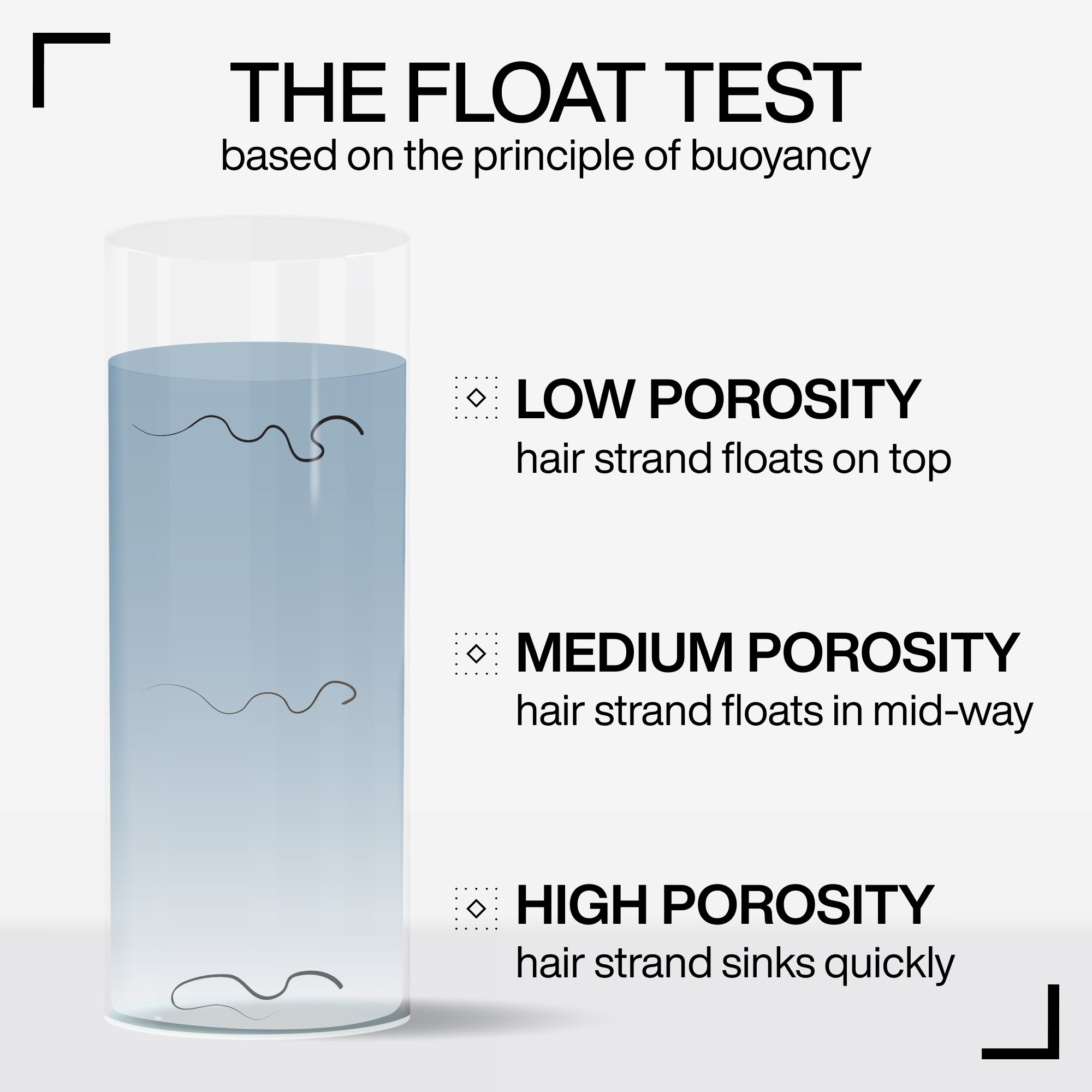
The most common method is the water glass test:
- Take a clean strand of hair and drop it into a glass of water.
- If it floats for a long time, you likely have low porosity.
- If it sinks slowly, your hair is medium porosity.
- If it sinks quickly, you have high porosity hair.
However, this test is not always 100% accurate. Sometimes, product buildup or hair products can affect the result. A better approach is to observe your hair’s behavior with water and products over time.
How Protein Works In Hair
Protein is a building block of hair. It fills gaps in the cuticle, strengthens weak spots, and helps repair damage. But, too much protein can make hair hard and inflexible. Hair needs a balance between protein and moisture. When this balance is off, problems start.
When your hair has the right amount of protein:
- It feels strong, elastic, and soft.
- It’s less likely to break during brushing or styling.
- Styles last longer.
When there’s too much protein:
- Hair loses flexibility.
- It feels rough and breaks easily.
- Moisture can’t get in, so hair gets dry and dull.
Not all proteins are the same. Some are large and sit on the hair’s surface, while others are small enough to enter the hair shaft. For example, hydrolyzed wheat protein or keratin are often used in treatments. These are good for damaged or high-porosity hair—but only in the right amounts.
Protein Overload In Low Porosity Hair
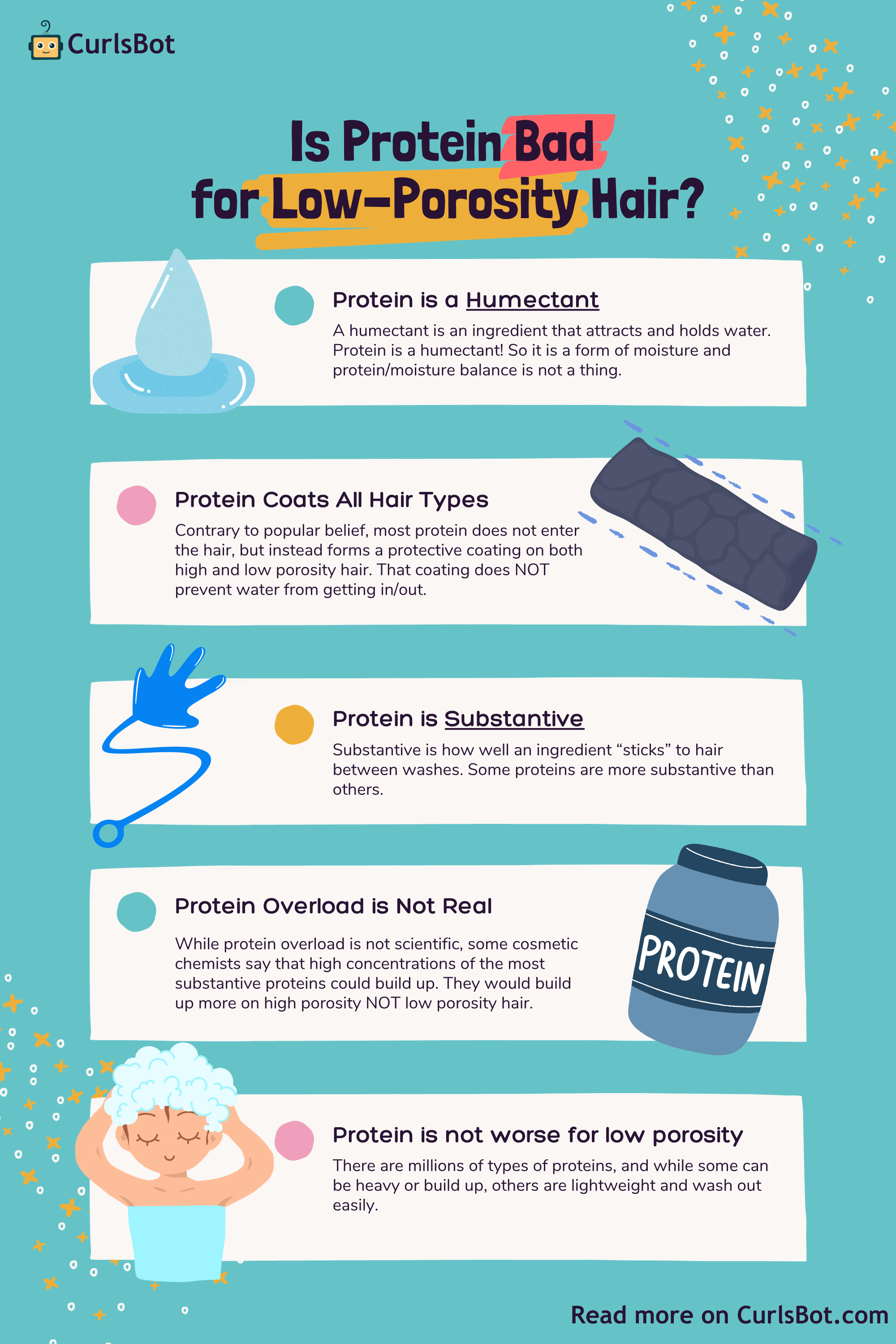
Low porosity hair is especially sensitive to protein overload. Because the cuticle is tightly closed, proteins and other large molecules have a hard time getting in. When you add protein treatments, most of it sits on the surface of the hair, creating a coating that makes the hair even harder and more resistant.
How Protein Overload Shows Up In Low Porosity Hair
- Hair feels very stiff or straw-like, almost crunchy
- It may look shiny but feels rough when touched
- Products seem to sit on top of the hair, not absorb
- Increased tangling and breakage
A key insight: Low porosity hair often looks healthy because of its natural shine, but it can be very dry inside. Applying too much protein makes it harder for moisture to get in, which makes dryness worse.
Why Does This Happen?
Because the cuticle is so tight, most protein molecules can’t get inside. Instead, they create a layer on the outside that blocks moisture. Over time, this leads to:
- Less flexibility
- More breakage
- Dullness, despite a shiny surface
How To Prevent And Fix Protein Overload In Low Porosity Hair
- Limit protein treatments: Use them only once every 4–6 weeks, or even less often.
- Focus on moisture: Choose products labeled as “moisturizing” or “hydrating.”
- Use lighter proteins: If you use protein, look for hydrolyzed proteins or amino acids, which have smaller molecules.
- Clarify regularly: Use a gentle clarifying shampoo once a month to remove buildup.
- Steam treatments: Use a steamer or warm towel to help open the cuticle before deep conditioning (not with protein treatments).
If you already have protein overload, stop using all protein products for a few weeks. Switch to deep moisturizing conditioners. A clarifying shampoo can also help remove protein buildup.
Non-obvious Tip
Many leave-in conditioners and stylers contain hidden proteins. Always check the ingredient list for words like keratin, collagen, silk, or wheat protein.
Protein Overload In Medium Porosity Hair
Medium porosity hair is the easiest to care for and usually handles protein well—if you don’t overdo it. The cuticle is open enough to let in the right amount of protein and moisture, so the balance is easier to maintain.
How Protein Overload Shows Up In Medium Porosity Hair
- Hair feels less bouncy than normal
- Loss of curl pattern or limpness
- Slight increase in dryness or breakage
- Hair gets harder to style
Most people with medium porosity hair can use protein treatments every 3–4 weeks without trouble. Problems start when protein is used too often or combined with other protein-rich products.
Why Does This Happen?
Even though the cuticle is balanced, it can still become overloaded. Too much protein fills the hair shaft and leaves less room for moisture. The result is:
- Less flexibility and movement
- Increased risk of breakage during styling
- Hair that doesn’t “behave” as usual
How To Prevent And Fix Protein Overload In Medium Porosity Hair
- Alternate protein and moisture: Use a protein treatment only when your hair feels weak or limp.
- Read product labels: Avoid using many protein-rich products at once.
- Deep condition: Use a deep moisturizing treatment after every protein treatment.
- Watch for changes: If hair starts to feel dry or stiff, stop protein treatments for a while.
If you notice signs of overload, take a break from protein. Focus on moisture-rich conditioners and oils until your hair’s texture returns to normal.
Non-obvious Tip
Seasonal changes can affect how much protein your hair needs. For example, in winter, you may need more moisture and less protein, especially if indoor heating dries out your hair.
Protein Overload In High Porosity Hair
High porosity hair usually needs more protein than other types. This is because the cuticle has gaps and holes, so protein can help fill these spaces and strengthen the hair. But even high porosity hair can get too much protein.
How Protein Overload Shows Up In High Porosity Hair
- Hair feels dry and brittle, especially at the ends
- Frizz increases, even after conditioning
- Hair tangles more easily
- Breakage, especially when wet
High porosity hair is often damaged from coloring, heat styling, or chemical treatments. These processes make the cuticle more open, so protein can enter easily. But if you use protein too often, the hair can get overloaded and lose its natural softness.
Why Does This Happen?
Protein can patch up some of the holes in the cuticle, but too much makes the hair stiff and less able to bend. This is a problem because high porosity hair is already fragile. Overloading protein can lead to:
- Snapping and breakage
- Dryness, since moisture escapes quickly
- Rough texture and dullness
How To Prevent And Fix Protein Overload In High Porosity Hair
- Balance is key: Use protein treatments every 2–4 weeks, depending on your hair’s condition.
- Seal in moisture: Always use a leave-in conditioner and seal with oil after protein treatments.
- Check the ends: High porosity hair often needs more attention at the ends, which are the oldest and most damaged parts.
- Avoid harsh products: Don’t use strong protein treatments back-to-back.
If you have protein overload, stop all protein products for several weeks. Use moisturizing masks and gentle oils to restore softness.
Non-obvious Tip
Some oils, like coconut oil, can act as a protein treatment because they help keep protein inside the hair. If you’re struggling with overload, switch to lighter oils like argan or jojoba.

Credit: www.livingproof.com
Comparing Protein Overload Symptoms By Porosity
Different porosity types respond to protein overload in unique ways. Here’s a quick comparison to help you spot the signs in your own hair:
| Porosity Type | Common Protein Overload Signs | How Fast Overload Happens |
|---|---|---|
| Low Porosity | Stiffness, rough texture, product buildup, tangling | Very quickly, sometimes after 1-2 uses |
| Medium Porosity | Loss of bounce, limpness, mild dryness or breakage | Moderate, after several treatments |
| High Porosity | Brittleness, frizz, dry ends, snapping | Slower, but risk increases with frequent use |
Understanding these differences can help you prevent damage before it starts.
Common Mistakes That Lead To Protein Overload
Many people make simple mistakes that can lead to protein overload, especially if they don’t know their porosity type. Here are the most common pitfalls to watch for:
- Using too many protein products at once: Shampoos, conditioners, masks, and stylers can all contain protein.
- Not reading ingredient labels: Proteins can be listed as keratin, silk, wheat, soy, collagen, or amino acids.
- Skipping moisture: Protein and moisture need to be balanced. If you focus only on protein, hair dries out.
- Overusing strong protein treatments: Products labeled as “reconstructors” or “intensive repair” are often very high in protein.
- Ignoring hair’s response: If your hair feels worse after a treatment, stop and reassess.
A less obvious mistake: Many “curl-defining” products are packed with protein, which can cause overload for those with low porosity hair.
Credit: www.curlsbot.com
How To Restore Hair After Protein Overload
If your hair is suffering from protein overload, don’t panic. Hair can recover with the right care. The most important step is to stop using all protein-rich products immediately. Then, focus on restoring moisture and flexibility.
Step-by-step Recovery
- Clarify: Use a gentle clarifying shampoo to remove protein buildup and other residues. Avoid harsh sulfates if your hair is already dry.
- Deep condition: Choose a moisturizing mask with ingredients like glycerin, aloe vera, panthenol, or coconut milk.
- Use heat (carefully): Apply heat with a warm towel or hooded dryer during your deep conditioning treatment. This helps moisture enter the hair shaft.
- Moisturize daily: Use a leave-in conditioner and seal with a light oil.
- Trim if needed: If your ends are still brittle after a few weeks, consider a small trim.
Most people see improvement within 2–4 weeks if they stick to a moisture-focused routine.
How To Choose The Right Products For Your Porosity
Product choice is critical when managing protein and moisture balance. Here’s how to pick the right products for your porosity type:
| Porosity Type | Best Product Types | Ingredients to Look For | Ingredients to Avoid |
|---|---|---|---|
| Low Porosity | Lightweight moisturizers, occasional light protein | Aloe vera, glycerin, panthenol | Heavy proteins, waxes |
| Medium Porosity | Balanced protein-moisture products | Hydrolyzed proteins, shea butter, coconut oil | Frequent strong protein treatments |
| High Porosity | Protein-rich treatments, heavy moisturizers | Keratin, silk protein, argan oil | Harsh sulfates, drying alcohols |
A practical tip: The first five ingredients on a product label make up most of the formula. If protein is listed near the top, the product is protein-heavy.
Credit: www.redken.com
Real-world Examples: Case Studies
Understanding how protein overload affects real people with different porosity types can be eye-opening. Here are three short case studies:
Case 1: Low Porosity Hair
Maria has fine, low porosity hair. After using a keratin shampoo and weekly protein mask, her hair became stiff and hard to style. She stopped using protein and switched to a moisturizing conditioner with aloe vera. Within three weeks, her hair was soft and manageable again.
Case 2: Medium Porosity Hair
James has medium porosity, wavy hair. He used a protein leave-in and gel daily, leading to limp, lifeless waves. After clarifying and using a deep moisture mask, his waves bounced back within a month.
Case 3: High Porosity Hair
Lina has high porosity, color-treated hair. She used a protein mask every week. At first, her hair felt stronger, but soon it became brittle and started breaking. She cut back to monthly protein treatments and started sealing her ends with argan oil.
Her hair became softer and less prone to breakage.
How To Build A Hair Routine That Avoids Protein Overload
A smart hair routine is the best way to keep protein and moisture balanced. Here’s a sample routine for each porosity type:
Low Porosity Routine
- Wash every 7–10 days with a gentle, sulfate-free shampoo.
- Deep condition with a moisturizing mask every wash.
- Use a light leave-in conditioner.
- Limit protein treatments to once every 6–8 weeks.
- Clarify once a month.
Medium Porosity Routine
- Wash every 5–7 days.
- Alternate between moisture and protein deep conditioners.
- Use a balanced leave-in.
- Apply protein treatments every 4–6 weeks.
- Clarify as needed.
High Porosity Routine
- Wash every 4–6 days.
- Deep condition with protein-rich mask every 2–3 weeks.
- Use a heavy cream or butter to seal moisture.
- Focus protein treatments on ends.
- Avoid harsh chemicals and heat tools.
Consistent routines make it easier to spot changes in your hair and adjust before problems arise.
The Science Behind Protein And Porosity
Hair scientists have studied how proteins interact with different hair types. According to a 2017 study published in the *International Journal of Cosmetic Science*, protein treatments can temporarily improve the strength of high porosity hair. However, the same treatments can make low porosity hair more brittle if used too often.
Proteins like hydrolyzed keratin can enter the hair shaft and repair damage, but only if the cuticle is open enough. In low porosity hair, these proteins mostly stay on the surface. This is why porosity matters more than hair type (straight, curly, coily) when choosing products.
Another non-obvious insight: Hair porosity can change over time. Chemical treatments, heat styling, and even sun exposure can make hair more porous. If you notice your hair responding differently to protein, retest your porosity.
Protein Overload Vs. Moisture Overload
Sometimes, people confuse protein overload with moisture overload. Both can make hair feel limp or lifeless, but there are key differences.
- Protein overload: Hair feels hard, stiff, brittle; breaks easily; dry even after conditioning.
- Moisture overload: Hair feels soft, mushy, stretchy; lacks shape; breaks when wet.
The best way to tell the difference is the stretch test:
- Take a wet strand and gently pull.
- If it stretches a lot and snaps, you need more protein.
- If it barely stretches and breaks, you need more moisture.
Balancing protein and moisture is the secret to healthy, beautiful hair.
How To Read Product Labels For Protein
Reading labels can help you avoid accidental overload. Here’s a guide to common protein ingredients:
- Hydrolyzed keratin
- Hydrolyzed wheat, silk, soy, or corn protein
- Collagen
- Amino acids (arginine, lysine, etc.)
- Rice protein
- Oat protein
- Milk protein
If you see these ingredients near the top of the list, the product is protein-heavy. If they’re near the bottom, the product is likely safe for frequent use.
A helpful resource for ingredient research is the National Center for Biotechnology Information.
When To See A Professional
If you’ve tried everything and your hair is still breaking, dry, or hard, it may be time to see a professional stylist or trichologist (hair specialist). They can do a strand analysis and recommend products or treatments tailored to your needs.
Sometimes, underlying health issues like thyroid problems or nutrient deficiencies can also affect hair health.
Frequently Asked Questions
What Is The Fastest Way To Fix Protein Overload?
The quickest way is to stop using all protein-rich products, clarify your hair to remove buildup, and use moisturizing treatments. For severe cases, repeat deep conditioning treatments every few days until hair texture improves.
How Can I Tell If A Product Has Protein?
Check the ingredient list for words like keratin, hydrolyzed protein, collagen, or amino acids. If these are near the top of the list, the product is high in protein.
Can I Have Both Protein And Moisture Overload At The Same Time?
It’s rare, but possible if you use many different treatments without balance. Usually, one type of overload will show stronger symptoms. Focus on the main issue first before trying to fix both.
How Often Should I Use Protein On High Porosity Hair?
Most people with high porosity hair benefit from a protein treatment every 2–4 weeks. If your hair feels stiff or brittle, extend the time between treatments.
Does Hair Porosity Change Over Time?
Yes, porosity can increase with heat styling, chemical treatments, or environmental damage. It’s a good idea to test your porosity every few months, especially if you change your hair routine.
Taking control of your hair’s protein and moisture balance is not just about choosing the right products. It’s about understanding your unique hair, avoiding common mistakes, and making adjustments as needed. With the right knowledge and habits, you can keep your hair healthy, resilient, and beautiful—no matter its porosity.