

Hair loss is a deeply personal experience. For some, it starts as a few extra strands in the shower. For others, it shows as a widening part or a receding hairline. Many people wonder—why me? Is it stress? Diet? Or is it something written in their genes? In recent years, hair loss genetic testing has promised answers. Companies say a simple DNA test can predict your risk for thinning hair, sometimes before you see a single strand fall. But how accurate are these tests? Can your DNA really reveal your hair’s future?
This article explores everything you need to know about hair loss genetic testing. We’ll look at how these tests work, what science says, and what results actually mean. You’ll learn about the genes involved, the test process, and what to expect if you decide to try it.
We’ll also cover privacy, cost, and whether genetic testing can change your hair loss outcome. By the end, you’ll have a clear, practical understanding of this fast-growing field—and whether it’s worth it for you.
What Is Hair Loss Genetic Testing?
Genetic testing for hair loss analyzes your DNA to find changes (variants) in certain genes linked to thinning hair. Most tests look for androgenetic alopecia—the most common type, also called male or female pattern baldness. Some tests may check for other forms, but pattern hair loss is the main focus.
These tests use a saliva or cheek swab sample you send to a lab. The lab examines your DNA for markers linked to hair loss risk. Results tell you if you have certain variants that raise or lower your odds of thinning hair.
Some companies include a “risk score,” showing how your DNA compares to others.
Most commercial hair loss genetic tests are direct-to-consumer (DTC). You order online, collect your sample at home, and get results through a secure website. Some may be offered by dermatologists or clinics as part of a wider hair loss evaluation.
The Science Behind Hair Loss And Genetics
Hair loss, especially androgenetic alopecia, has a strong genetic component. But it’s not caused by one single gene. Instead, many genes and environmental factors work together.
Key Genes Involved
The main gene linked to male pattern baldness is called the androgen receptor (AR) gene. This gene is on the X chromosome, which men inherit from their mothers. Variants in the AR gene can make hair follicles more sensitive to androgens (male hormones), leading to hair thinning.
Researchers have found over 200 genetic markers associated with pattern hair loss. Some important ones include:
- AR gene (on X chromosome): Strong effect, especially in men.
- Chromosome 20p11: Linked to increased risk in both men and women.
- EDA2R gene: May affect the age when hair loss starts.
- WNT10A and HDAC9: Linked to hair growth and cycling.
But not everyone with these markers will lose their hair. And some people with no known markers still experience hair loss. That’s because environment, hormones, and age also play a role.
How Much Is Really Genetic?
Studies show genetics account for up to 80% of male pattern baldness risk. For women, genetics play a role, but hormones and aging have a bigger influence. If your father or mother’s side has hair loss, your risk goes up—but it’s not a guarantee.
It’s important to understand that genetic risk is not destiny. Many people with high genetic risk never go bald, while some with low risk still lose hair. Lifestyle, stress, diet, and other health conditions can trigger or speed up thinning.
How Hair Loss Genetic Testing Works
The process for most hair loss DNA tests is simple:
- Order the kit: Choose a provider and buy online or through your doctor.
- Collect your sample: Use a cheek swab or spit in a tube, following the instructions closely.
- Mail the sample: Send it back to the lab in the packaging provided.
- Lab analysis: The lab extracts DNA and tests for genetic markers linked to hair loss.
- Get your results: Access your report online, sometimes with a consultation.
Some companies offer tests focused only on hair loss. Others include hair loss risk as part of a larger health or ancestry DNA panel.
What Results Look Like
Results usually include:
- Genetic risk score: Low, medium, or high risk for pattern hair loss.
- Specific gene variants found: Such as AR gene changes, or other markers.
- What your result means: Explanation in plain language.
- Personalized recommendations: Advice on hair care, products, or treatments.
Some companies give a detailed breakdown by age, family history, or gender. Others keep it simple.
Here’s a typical summary you might see:
| Result | What It Means |
|---|---|
| High genetic risk | You have several markers linked to pattern hair loss. Your lifetime risk is higher than average. |
| Medium genetic risk | You have some markers, but not the highest risk. Other factors may affect your outcome. |
| Low genetic risk | You have few or no known markers. Your risk is lower, but not zero. |
What Can Dna Really Predict About Hair Loss?
Genetic testing can give you a probability, not a certainty. It can say whether you have a higher or lower risk based on your DNA. But it cannot tell exactly when, where, or how much hair you will lose. Here’s what these tests can and cannot do:
What They Can Predict
- Likelihood of pattern hair loss: If you have many risk markers, your chances are higher.
- Possible age of onset: Some genes are linked to earlier or later thinning.
- Type of hair loss: Most tests focus on androgenetic alopecia, not other types (like alopecia areata).
- Response to certain treatments: A few tests claim to show which medicines might work better, based on your genes.
What They Cannot Predict
- Exact age or speed of hair loss: Many people with high risk keep their hair for decades.
- Pattern or location: Tests can’t say if you’ll get a receding hairline, bald spot, or diffuse thinning.
- Other causes: Tests do not detect hair loss from stress, illness, medication, or scarring.
Genetic risk scores are most useful when combined with your family history, age, and lifestyle. For example, if your father and grandfather both went bald early, and your test shows high risk, it’s likely you’ll see some thinning too.

Credit: www.forhair.com
Pros And Cons Of Hair Loss Genetic Testing
Before you order a kit, it’s smart to weigh the good and bad. Here’s a side-by-side view:
| Pros | Cons |
|---|---|
|
|
The Accuracy Of Hair Loss Genetic Tests
Not all hair loss DNA tests are created equal. Some are backed by strong research, while others may make bold claims without enough evidence. Here’s what determines their accuracy:
Number Of Markers Tested
The more genetic markers a test analyzes, the more reliable the result. Early tests looked at just one or two markers (often the AR gene). Newer tests check dozens or even hundreds. But even with many markers, no test is 100% accurate.
Population And Gender Differences
Most studies on hair loss genetics are done in European populations. If you are of Asian, African, Middle Eastern, or mixed descent, the test may be less reliable. Men’s hair loss is better studied than women’s, so female results may be less precise.
Clinical Validation
Some tests are CLIA-certified (meet US lab standards) or used by dermatologists. Others are not regulated. Look for tests with published validation studies, or those used in clinics.
Example: Predictive Value
A large 2017 study found that DNA tests using over 100 markers could predict up to 76% of male pattern baldness risk in European men. But for women, prediction was much less accurate—around 20-30%.
Non-obvious insight: Many people think a high-risk score means they will definitely go bald. In reality, even the best genetic test can miss cases or overestimate risk. Lifestyle, health, and random chance still play a big role.

Credit: www.forhair.com
Who Should Consider Hair Loss Genetic Testing?
Not everyone needs DNA testing for hair loss. But it may be helpful if:
- You have a strong family history and want to plan ahead
- You are considering early treatment (like minoxidil or finasteride)
- You want peace of mind (or to stop worrying unnecessarily)
- You’re curious about your genetics and like personal data
People with unusual hair loss (sudden, patchy, or scarring types) will not get answers from these tests. If you already have noticeable thinning, a dermatologist exam is usually more useful than a DNA test.
When Testing May Not Help
- If you already have significant hair loss (the test won’t change your treatment)
- If you want to know about non-genetic types (like telogen effluvium)
- If you are uncomfortable with sharing your DNA data
- If you expect a clear yes/no answer (tests only give probabilities)
Non-obvious insight: Some clinics use genetic tests as a sales tool for expensive treatments. Always ask if the test will actually change your care, or if it’s just extra information.
Popular Hair Loss Genetic Testing Brands
A handful of companies offer DNA-based hair loss risk tests. Some focus only on hair, while others include hair loss as part of a bigger health report.
Examples Of Popular Providers
- 23andMe: Offers a “Hair Loss” report as part of its Health + Ancestry kit. Tests for major markers but not all possible variants.
- Gene by Gene: Offers a focused “Hair DNA Test” with risk scoring and treatment suggestions.
- AncestryDNA: Sometimes includes hair traits, but not full hair loss risk analysis.
- DnaFit: Provides reports on hair loss and response to common treatments.
- MyHeritage DNA: Covers ancestry and traits, but less detail on baldness risk.
Most cost between $100–$300, with results in 2–6 weeks.
Tip: Always check what markers are tested, if the company is CLIA-certified, and how your data is stored.
What To Do With Your Results
Getting a high genetic risk score can be stressful. But it’s what you do next that matters most.
If Your Risk Is High
- Talk to a dermatologist: They can check your scalp, recommend early treatments, or track your progress.
- Consider preventive care: Early use of minoxidil or finasteride (for men) may slow thinning. For women, other options are available.
- Improve hair health: Eat a balanced diet, avoid harsh hair products, manage stress, and avoid tight hairstyles.
- Watch for changes: Take photos every few months to track your hairline or part.
If Your Risk Is Low
- Stay aware: Remember, low risk is not zero risk. Stay alert for changes, especially if family history is strong.
- Protect your hair: Healthy habits matter even if your genes are “good.”
If You Are Unsure
- Use results as a tool, not a sentence. Your genes are just one part of the picture.
Privacy And Ethical Considerations
DNA contains your most personal information. Before testing, consider how your data is used and stored.
Key Points
- Data storage: Most companies store your DNA data. Check if you can delete it on request.
- Third-party use: Some companies may sell or share anonymized data for research.
- Insurance and employment: In the US, the GINA law protects against discrimination, but laws differ by country.
- Family impact: Your results may reveal information about relatives too.
- Informed consent: Always read the privacy policy before sending your sample.
If privacy is a big concern, consider using a clinic-based test or skip DNA testing.
Cost And Value Of Hair Loss Genetic Testing
Most hair loss DNA tests cost between $100 and $300. Some insurance plans may cover testing if ordered by a doctor, but direct-to-consumer kits are usually out-of-pocket.
What You Pay For
- Lab analysis: The cost of running your sample and data analysis
- Personalized report: Some include treatment suggestions or consultations
- Ongoing access: Some companies let you view or update results online
Is It Worth It?
If you value early risk knowledge, or enjoy health data, the cost may be worth it. But results will not guarantee you keep or lose your hair. For many, a good family history and dermatologist check-up give just as much information.
Common mistake: Some people buy expensive tests expecting miracle treatments. Genetic testing can guide, but not cure, hair loss.
Comparing Hair Loss Genetic Testing To Other Hair Loss Evaluations
How does DNA testing stack up against other ways to diagnose or predict hair loss? Here’s a quick side-by-side:
| Method | What It Shows | Best For | Limitations |
|---|---|---|---|
| Genetic Testing | Risk of pattern hair loss based on DNA | People with family history, those considering early treatment | Probabilities only, not certain diagnosis |
| Dermatologist Exam | Current scalp and hair health; visible thinning | Anyone with symptoms or concerns | May not predict future risk if no current signs |
| Trichoscopy | Microscope exam of hair follicles | Unusual or unclear hair loss cases | Requires specialist; not predictive |
| Blood Tests | Checks for thyroid, iron, or hormone problems | People with sudden or patchy loss | Does not check genetic risk |
Limitations And Controversies
Even as technology improves, there are limits to what hair loss genetic testing can do.
Limitations
- Incomplete knowledge: Scientists do not know all the genes involved in hair loss. New markers are found each year.
- Environmental factors: Diet, stress, illness, and aging can trigger hair loss, even with “good” genes.
- Different populations: Most data comes from European ancestry groups; results may not fit everyone.
- Overpromising: Some companies exaggerate what their test can predict or promise “personalized” treatments that are not proven.
Controversies
- Clinical usefulness: Some doctors question if DNA testing changes treatment, since most therapies are tried based on symptoms, not genetics.
- Data privacy: Sharing DNA with companies can have long-term privacy risks.
- Direct-to-consumer marketing: Not all tests are checked by independent experts.
If you want the most accurate understanding, combine genetic testing with medical advice and regular check-ups.
Realistic Expectations: What Genetic Testing Can And Can’t Do For Hair Loss
It’s easy to get excited—or worried—when reading about DNA and hair loss. But setting realistic expectations is key.
What To Expect
- Probabilities, not promises: You may learn you are “more likely” or “less likely” to lose hair, but not a guarantee.
- More useful for men: Male pattern baldness genes are better studied and predicted.
- A starting point, not an answer: Use your results as one tool among many, not a final decision-maker.
- No “magic bullet” treatments: Even with your DNA, most therapies are still trial and error.
What Not To Expect
- A cure: No genetic test offers a cure, only information.
- Answers for all types: Most focus on androgenetic alopecia, not other hair loss types.
- Immediate changes: Knowing your risk does not mean your hair will change overnight.
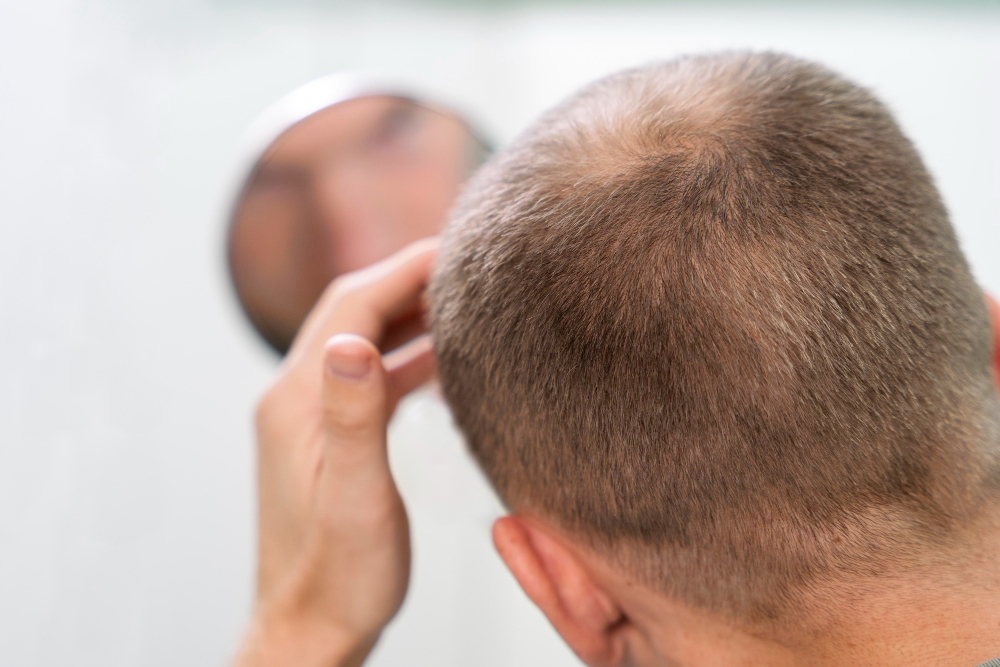
Credit: jiyacosmetic.com
The Future Of Hair Loss Genetic Testing
Research is moving fast. Scientists are finding new markers, and tests are getting more powerful.
What’s Coming Next?
- Polygenic risk scores: Tests using many markers for more accurate risk prediction.
- Personalized medicine: Matching the best treatment to your unique DNA.
- Better inclusion: Studies in more ethnic groups to improve accuracy for everyone.
- Integration with health apps: Results linked to your phone for ongoing tracking.
As knowledge grows, DNA testing may become a routine part of hair loss care. But for now, it’s just one piece of the puzzle.
Frequently Asked Questions
Can Hair Loss Genetic Testing Say For Sure If I’ll Go Bald?
No, these tests can only estimate your risk. They cannot say with certainty if, when, or how much you will lose hair. Results are probabilities, not guarantees.
Are These Tests Helpful For Women As Well As Men?
Genetic testing is more accurate for male pattern baldness. For women, the results are less predictive, as female hair loss involves more factors like hormones and aging.
Is It Safe To Share My Dna With Testing Companies?
Most reputable companies use strong privacy protections. But sharing your DNA always carries some privacy risk. Read the company’s privacy policy before sending your sample.
Can I Prevent Hair Loss If My Test Shows High Risk?
Knowing your genetic risk lets you start treatment early or make lifestyle changes that may slow hair loss. But it cannot guarantee prevention, as many factors affect hair health.
How Much Do Hair Loss Genetic Tests Cost?
Most tests cost between $100 and $300. Insurance rarely covers direct-to-consumer kits. Shop around and check what is included before buying.
For more on the science behind genetic testing, you can visit the National Institutes of Health.
Hair loss can be stressful, but understanding your genetic risk puts you in control. Whether you choose DNA testing or not, remember: your hair’s story is written in many places—not just your genes. Early action, good habits, and expert advice can help you make the best choices for your unique hair journey.