

Many people are surprised to learn that tiny living bacteria—called probiotics—can help not just your gut but your skin and scalp, too. In recent years, science has uncovered how these friendly microbes support healthy skin, fight scalp problems, and even slow signs of aging. But not all probiotics work the same way. Different strains have different effects. If you’re curious about which probiotics can truly help your skin or scalp, and why, you’re in the right place.
In this article, you’ll discover how probiotics interact with your body’s largest organ, what key strains do, and how to choose the right products. We’ll also explore common myths, practical advice, and what research says about using probiotics for clear, glowing skin and a healthy scalp.
How Probiotics Affect Skin And Scalp
Your skin is home to millions of bacteria, fungi, and viruses. Together, they form the skin microbiome—a protective shield that helps block harmful germs, reduce inflammation, and keep your skin balanced. When this microbiome is healthy, your skin looks and feels better.
Probiotics are live microorganisms that, when used in the right amounts, offer health benefits. While they are best known for gut health, some strains also support the skin barrier, control oil, calm redness, and even protect against environmental stress.
The Gut-skin Connection
Many skin problems—like acne, eczema, and rosacea—are linked to gut health. If your gut microbiome is unbalanced, it can trigger inflammation that shows up on your skin. This is called the gut-skin axis. Taking probiotics by mouth can sometimes help your skin by restoring balance in the gut and calming inflammation.
Topical Vs. Oral Probiotics
You can use probiotics in two main ways for your skin and scalp:
- Topical probiotics (creams, serums, shampoos) are applied directly to your skin or scalp. They can help build a healthy skin barrier and balance the local microbiome.
- Oral probiotics (pills, drinks, foods) are swallowed. They work from the inside out, supporting your immune system and gut, which can help your skin indirectly.
Both methods have their place, but which you choose depends on your skin needs and the specific problem you want to solve.
Key Probiotic Strains For Skin Health
Not all probiotics are equal. Each strain (a specific type of bacteria within a species) has unique effects. Let’s look at the most researched and effective strains for common skin concerns.
1. Lactobacillus Rhamnosus Gg
This well-known strain is famous for calming inflammation and helping with eczema and atopic dermatitis. Studies show that L. rhamnosus GG can reduce the severity of eczema, especially in children, by supporting the skin’s immune response and reducing allergic reactions. It’s usually taken orally but is also found in some creams.
2. Lactobacillus Plantarum
If you suffer from sensitive skin, redness, or rosacea, L. plantarum is a strong choice. It helps repair the skin barrier and reduces redness caused by inflammation. Topical use can improve moisture and make the skin more resistant to irritation.
3. Lactobacillus Reuteri
This strain helps balance the immune system and reduce skin inflammation. Research suggests L. reuteri may support the healing of wounds and help clear up acne by reducing oil and calming the skin.
4. Lactobacillus Paracasei
Sensitive and dry skin can benefit from L. paracasei. It improves the skin’s defense against harsh environments and helps lock in moisture. Some clinical trials show that this strain can reduce itching and discomfort, especially in people with eczema.
5. Lactobacillus Casei
If you have allergic reactions or chronic redness, L. casei can help by calming the immune system. It’s often used in oral supplements to reduce inflammatory skin conditions.
6. Lactobacillus Acidophilus
Best known for its role in yogurt, L. acidophilus is also a star for acne-prone skin. It fights acne-causing bacteria and helps maintain a balanced pH, which is key for clear, healthy skin.
7. Bifidobacterium Longum
This strain is often used in anti-aging skincare. B. longum helps strengthen the skin barrier, reduce water loss, and protect against pollution. It’s also found in many high-end serums for sensitive or aging skin.
8. Bifidobacterium Breve
If you have dry, flaky skin, B. breve is a good option. It boosts hydration and reduces sensitivity. Some studies show that it can also help relieve symptoms of eczema.
9. Bifidobacterium Lactis
This strain works well for overall skin health. B. lactis helps the skin fight infection and recover from damage. It’s often included in oral supplements aimed at improving both gut and skin health.
10. Streptococcus Thermophilus
This probiotic is sometimes used in creams to boost ceramide production. Ceramides are fats that keep your skin barrier strong and hydrated. If you want smoother, more elastic skin, look for this strain in moisturizers.
11. Enterococcus Faecalis Sl-5
Used mostly for acne, E. faecalis SL-5 helps reduce Propionibacterium acnes (the bacteria behind most breakouts). It’s found in some spot treatments and helps with both inflammation and clogged pores.
12. Bacillus Coagulans
This robust strain survives harsh stomach acid, making it a good choice for oral probiotics. B. coagulans can help with skin redness and sensitivity, likely through its effects on gut health.
13. Saccharomyces Boulardii
Not a bacteria, but a friendly yeast, S. boulardii fights inflammation and helps the skin recover from infections. It’s useful for people with a history of skin rashes or those who struggle with fungal issues on the scalp.
14. Lactococcus Lactis
This strain is used in some topical products to support the skin’s natural defenses. L. lactis reduces redness and strengthens the skin barrier, making it a good option for sensitive or reactive skin.
15. Cutibacterium Acnes Phages
These are not traditional probiotics but are friendly viruses that target harmful C. acnes bacteria. They are being researched for their role in acne treatments and may soon appear in advanced skincare.
The following comparison highlights which strains are best for common skin problems:
| Probiotic Strain | Main Skin Benefit | Best For | Typical Use |
|---|---|---|---|
| L. rhamnosus GG | Reduces inflammation | Eczema, dermatitis | Oral, topical |
| L. plantarum | Calms redness | Rosacea, sensitive skin | Topical |
| L. acidophilus | Fights acne bacteria | Acne-prone skin | Oral, topical |
| B. longum | Boosts barrier, anti-aging | Aging, sensitive skin | Topical |
| E. faecalis SL-5 | Reduces acne bacteria | Acne | Topical |
Probiotics For Scalp Health
A healthy scalp is the base for strong, shiny hair. Just like your skin, your scalp has a unique microbiome. When this balance is disturbed, you can develop problems like dandruff, seborrheic dermatitis, scalp acne, and even hair loss.
How Probiotics Help The Scalp
Probiotics can fight harmful microbes like Malassezia (a fungus linked to dandruff), calm itching, and reduce excess oil. Some strains also help repair the scalp barrier, making it less prone to irritation.
Best Probiotic Strains For The Scalp
Let’s break down which strains are backed by research for scalp health:
- Lactobacillus paracasei – Soothes itching and reduces inflammation. Often found in scalp serums and shampoos for sensitive or irritated scalps.
- Lactobacillus reuteri – Helps balance oil production and reduce scalp acne. Some studies link it to stronger, healthier hair follicles.
- Bifidobacterium breve – Keeps the scalp moisturized, reducing dryness and flaking.
- Saccharomyces boulardii – Fights fungal overgrowth, making it useful for dandruff and seborrheic dermatitis.
- Bacillus coagulans – Improves scalp barrier and helps control excess oil.
- Lactobacillus plantarum – Calms redness and irritation, especially after chemical hair treatments or dye.
Here’s a quick look at which probiotics work for common scalp concerns:
| Scalp Problem | Best Probiotic Strain(s) | How It Works |
|---|---|---|
| Dandruff | S. boulardii, B. breve | Fights fungus, hydrates scalp |
| Itchy, sensitive scalp | L. paracasei, L. plantarum | Soothes and repairs barrier |
| Scalp acne | L. reuteri, B. coagulans | Reduces oil and bacteria |
| Hair loss (linked to inflammation) | L. reuteri | Calms inflammation, may support follicles |
Non-obvious Insights For Scalp Care
Many people focus only on treating hair and ignore the scalp. But improving scalp health with probiotics often leads to better hair growth and less breakage. Another common mistake is using harsh shampoos that kill both good and bad bacteria, making scalp problems worse. Look for gentle, pH-balanced products with added probiotics for the best results.
Topical Probiotics: What To Look For
Using probiotics on the skin or scalp is not as simple as rubbing yogurt on your face. Most probiotics are delicate and can die quickly if not handled properly. Here’s how to pick effective topical products:
1. Live Or Lysate?
- Live probiotics: Contain active bacteria. These are rare in cosmetics because they are hard to keep alive.
- Probiotic lysates: These are broken-down pieces of probiotic cells. They still have strong effects on the skin by sending helpful signals to skin cells, even though they are not alive.
Most quality skincare uses lysates or ferments, which are more stable and still offer real benefits.
2. Strain Matters
Look for the specific strain name, not just the species. For example, “Lactobacillus paracasei” is not enough; “Lactobacillus paracasei CNCM I-2116” is better. Brands that show the full strain are usually more trustworthy.
3. Packaging
Probiotics are sensitive to air, light, and heat. Choose products in airless pumps or dark bottles, and avoid jars you dip fingers into.
4. Other Ingredients
Pairing probiotics with prebiotics (food for good bacteria) can boost results. Avoid harsh preservatives, alcohol, or fragrances that might kill the probiotics or irritate your skin.
5. Patch Test
Even though probiotics are usually safe, always patch-test new products on a small area before using them fully, especially if you have sensitive skin.
Oral Probiotics For Skin And Scalp: What Works
Oral probiotics are supplements you swallow. They can help the skin by calming inflammation and balancing the immune system. Here’s what to know:
Choosing The Right Supplement
- Check the CFU count: CFU means “colony-forming units,” or the number of live bacteria. Look for at least 1–10 billion CFUs per serving.
- Choose multi-strain blends: These often work better than single-strain products because they cover more needs.
- Quality matters: Pick well-known brands with transparent labeling and clinical testing.
How Long Before You See Results?
Oral probiotics are not instant. Most people need 4–8 weeks to notice changes in their skin or scalp. Sticking with a supplement for at least two months is important before deciding if it works for you.
Combining Oral And Topical Probiotics
Many dermatologists now suggest using both oral and topical probiotics at the same time for stubborn skin or scalp issues. This dual approach supports your microbiome both inside and out.
Probiotic-rich Foods For Skin And Scalp
Not all probiotics must come from pills or creams. Certain foods naturally contain helpful bacteria that can support your skin and scalp health. Try adding these to your diet:
- Yogurt (look for “live and active cultures” on the label)
- Kefir (fermented milk drink with many probiotic strains)
- Sauerkraut (fermented cabbage, not pasteurized)
- Kimchi (spicy fermented vegetables)
- Miso (fermented soybean paste)
- Tempeh (fermented soybeans)
- Kombucha (fermented tea)
- Pickles (fermented in brine, not vinegar)
Eating these foods regularly can gently support your microbiome and benefit your skin and scalp.

Credit: www.amazon.com
Common Skin And Scalp Problems And Probiotic Solutions
Let’s look at how probiotics help with specific issues:
Acne
Lactobacillus acidophilus, L. rhamnosus GG, Enterococcus faecalis SL-5: These strains fight acne bacteria, reduce oil, and calm inflammation. Both oral and topical products can help.
Eczema
Lactobacillus rhamnosus GG, L. paracasei, Bifidobacterium breve: Calms itching, strengthens the skin barrier, and reduces flare-ups. Oral supplements work well, especially for children.
Rosacea
Lactobacillus plantarum, L. lactis: Reduces redness and sensitivity. Topical use is best.
Dandruff And Seborrheic Dermatitis
Saccharomyces boulardii, Bifidobacterium breve, L. paracasei: Fights fungus and hydrates the scalp. Look for these in scalp serums or shampoos.
Dry, Flaky Skin
Bifidobacterium breve, B. longum: Boosts moisture and strengthens the barrier. Can be found in anti-aging creams and oral supplements.
Sensitive, Itchy Scalp
L. paracasei, L. plantarum, B. coagulans: Soothes and repairs. Best in gentle, fragrance-free scalp products.
Myths And Mistakes With Probiotics For Skin And Scalp
Many people believe some common myths when it comes to probiotics. Here are the most important truths:
- “Any probiotic will work for my skin.” Not true. Only certain strains benefit the skin or scalp. Always check the label for proven strains.
- “More is always better.” Too many probiotics can upset your microbiome. Stick to the recommended dose.
- “You’ll see results overnight.” Most people need several weeks to notice changes. Be patient and consistent.
- “All probiotic skincare is the same.” Quality, strain, and formulation matter. Cheap products may not be effective.
- “If a product is labeled ‘probiotic,’ it’s active.” Some so-called probiotic creams contain no live bacteria or useful lysates. Look for brands that provide research or clinical testing.
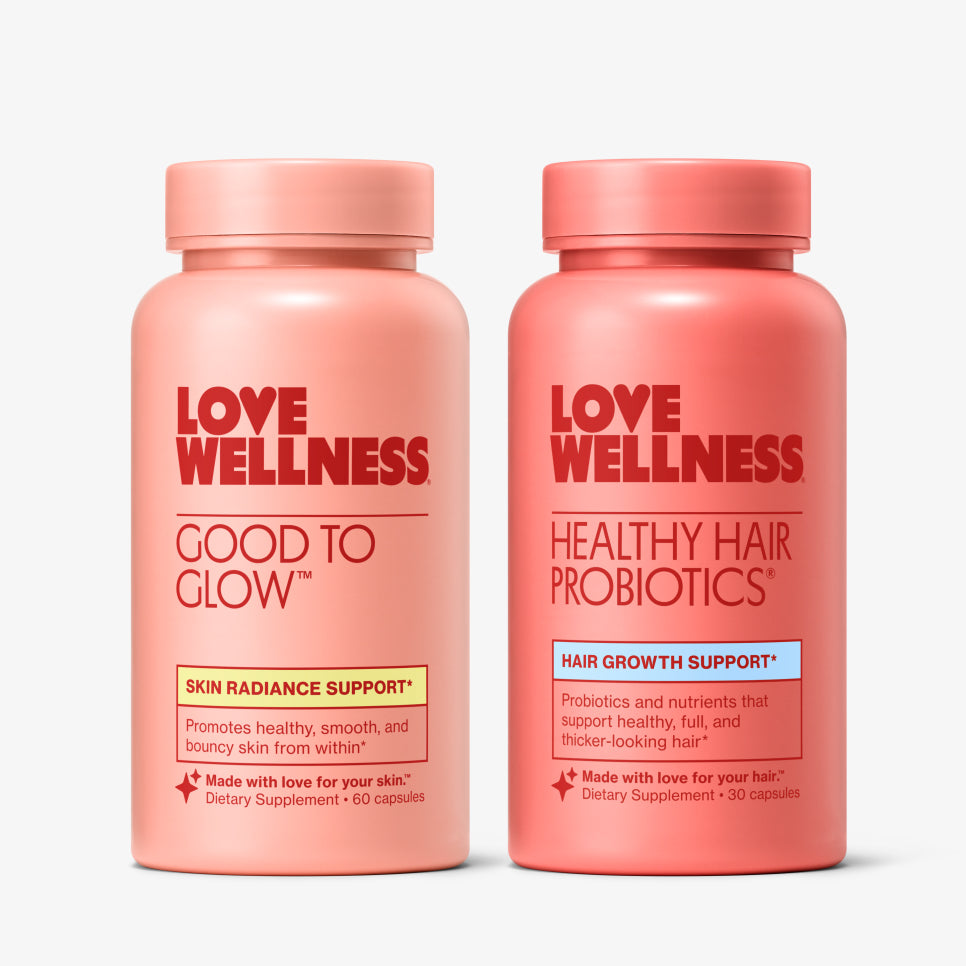
Credit: lovewellness.com
How To Choose The Best Probiotic Products
Navigating the market can be tough. Here’s a decision guide to help you pick wisely:
| Skin/Scalp Concern | Product Type | Key Probiotic Strain(s) | Why It Works |
|---|---|---|---|
| Acne | Oral supplement, spot cream | L. acidophilus, E. faecalis SL-5 | Reduces acne bacteria and inflammation |
| Eczema | Oral supplement, lotion | L. rhamnosus GG, B. breve | Calms immune response, strengthens barrier |
| Dry, aging skin | Moisturizer, serum | B. longum, S. thermophilus | Boosts hydration, ceramide production |
| Dandruff | Scalp serum, shampoo | S. boulardii, B. breve | Fights fungus, hydrates scalp |
| Itchy scalp | Gentle shampoo, leave-in treatment | L. paracasei, L. plantarum | Soothes and repairs barrier |
Safety, Side Effects, And Who Should Avoid Probiotics
Probiotics are generally safe for most people, but there are a few things to keep in mind:
- Side effects: Some people may experience mild bloating, gas, or skin irritation, especially when starting a new supplement or product.
- Immunocompromised individuals: If your immune system is very weak (due to illness or medication), check with your doctor before using probiotics.
- Allergies: Some topical products contain milk, soy, or other allergens. Always read ingredient lists carefully.
If you notice severe irritation, rash, or any unusual symptoms, stop use and consult a healthcare provider.
Practical Tips For Getting The Most From Probiotics
- Consistency is key: Use probiotic products or supplements daily for the best results.
- Pair with a gentle routine: Avoid harsh soaps, scrubs, or chemicals that can damage your microbiome.
- Feed your microbes: Eat plenty of prebiotic foods (onions, garlic, bananas, oats) to nourish the good bacteria.
- Protect your skin: Sun and pollution can harm your microbiome. Use sunscreen and cleanse gently.
- Don’t overdo it: More is not always better. Stick to one or two probiotic products at a time.
A non-obvious tip: If you use antibiotics for acne or infection, always wait a few hours before applying topical probiotics. Antibiotics can kill both good and bad bacteria on the skin.
Research And Future Trends
Research on probiotics for skin and scalp is growing quickly. New studies are exploring:
- Personalized probiotic skincare: Custom blends based on your unique microbiome.
- Microbiome mapping: Tests that show which bacteria your skin needs most.
- Postbiotics and paraprobiotics: These are not live bacteria but useful byproducts or dead cells that still offer benefits.
A recent review in the Journal of Dermatological Science highlights how probiotic skincare can help reduce inflammation, improve barrier function, and even protect against pollution and UV damage. For more science-backed information, see this research article.
Credit: lovewellness.com
Frequently Asked Questions
What’s The Difference Between Prebiotics, Probiotics, And Postbiotics?
Prebiotics are foods or ingredients that feed good bacteria. Probiotics are live beneficial microbes. Postbiotics are non-living products made by probiotics that still help the skin, such as acids and enzymes.
Can Probiotic Skincare Help With Aging?
Yes. Certain strains like Bifidobacterium longum and Streptococcus thermophilus support the skin barrier and boost hydration, which can smooth fine lines and improve elasticity.
Are Probiotics Safe For All Skin Types?
Most people can use probiotics safely. However, if you have very sensitive skin or allergies, always do a patch test first. People with immune problems should talk to a doctor before taking oral probiotics.
How Do I Know If A Probiotic Product Is Working?
It usually takes 4–8 weeks to see results. Look for calmer, clearer skin, less redness, or reduced itching. For scalp, expect less flaking and irritation.
Can I Make My Own Probiotic Skincare At Home?
It’s risky. Homemade products can contain harmful bacteria or spoil quickly. It’s safer to buy tested, professionally made products with proven strains.
A healthy microbiome is the foundation of skin and scalp health. By choosing the right probiotic strains and using them consistently, you can calm irritation, fight common problems, and support your skin’s natural glow. As research continues, expect even more powerful and targeted probiotic products in the future. If you want to learn more about probiotics and their impact on health, visit the World Health Organization.
Take care of your skin and scalp from the inside out, and remember: sometimes the smallest things—like friendly bacteria—make the biggest difference.