
Micro-dosing Dutasteride For Hair Loss: Emerging Treatment Protocol
Hair loss is a concern that touches millions worldwide. For many, it’s not just about appearance—it’s about confidence and identity. While treatments like minoxidil and finasteride have been popular for years, some people still search for better solutions. Recently, micro-dosing dutasteride has emerged as a new approach. This method uses tiny doses of a powerful drug to target hair loss with fewer side effects. But does it really work? And is it safe for long-term use? In this article, you’ll discover how micro-dosing dutasteride is changing hair loss treatments. You’ll learn about the science, practical protocols, benefits, risks, and what to expect if you consider this option.
Understanding Hair Loss: Why It Happens
Hair loss—especially male and female pattern baldness—usually follows a predictable pattern. The main cause is androgenetic alopecia, a genetic condition where hair follicles shrink over time. The hormone dihydrotestosterone (DHT), which is made from testosterone, plays a major role. As DHT builds up in the scalp, it causes hair follicles to grow thinner hairs until they stop producing hair entirely.
Other causes include:
- Stress
- Medical conditions (like thyroid disease)
- Medications
- Poor diet
But for most adults, especially men, DHT-driven hair loss is the main problem.
Hair follicles go through cycles: growth, rest, and shedding. When DHT attaches to receptors in scalp follicles, it shortens the growth phase and lengthens the rest phase. This means fewer hairs are growing at any one time. Over time, affected follicles become smaller and produce finer, weaker hair.
Example: If your father or grandfather experienced hair loss, your risk is higher. The pattern often starts at the temples or crown and spreads. Women usually see thinning over the top of the head rather than receding hairlines.
Non-obvious insight: Hair loss due to DHT doesn’t happen overnight. It can begin in late teens or early twenties but takes years to become noticeable. Early intervention can make a big difference.
What Is Dutasteride?
Dutasteride is a medication originally developed to treat enlarged prostate (benign prostatic hyperplasia). It belongs to a class called 5-alpha-reductase inhibitors. These drugs block the enzyme that converts testosterone into DHT. By lowering DHT levels, dutasteride can slow or even reverse hair loss.
Finasteride, another popular drug, also blocks DHT but is less powerful. Dutasteride inhibits both Type 1 and Type 2 forms of the enzyme, while finasteride only blocks Type 2. This means dutasteride can reduce DHT levels by up to 90%, compared to about 70% with finasteride.
Dutasteride is sold under the brand name Avodart, and its main use is for prostate enlargement. However, hair loss clinics began to notice its strong DHT-blocking effects, which sparked interest in its use for treating baldness.
Practical example: If standard finasteride isn’t working for your hair loss, dutasteride may offer stronger DHT reduction. But with greater potency comes greater risk of side effects.
Non-obvious insight: Dutasteride can also reduce DHT in the skin and scalp, not just in the blood. This is important because scalp DHT is the main enemy of hair follicles.
Standard Dutasteride Use For Hair Loss
Doctors in some countries prescribe dutasteride off-label for hair loss. The typical dose is 0.5 mg daily. Studies show that this dosage can result in visible hair regrowth for many patients after 6-12 months. However, because dutasteride is so strong, side effects are more common than with finasteride. These can include:
- Reduced libido
- Erectile dysfunction
- Gynecomastia (breast changes)
- Mood changes
Some users also report “brain fog” or feeling less sharp mentally, though this is less proven. Not everyone will experience these effects, but the possibility leads many to seek lower-dose options.
Doctors often start with finasteride because it is approved for hair loss and has a longer safety track record. If finasteride fails or side effects are too strong, dutasteride is considered. In some Asian countries, dutasteride is officially approved for hair loss.
In most Western countries, it is used “off-label,” meaning doctors prescribe it for a purpose not officially listed.
Example: A patient who loses hair quickly after starting finasteride may be offered dutasteride. But they are usually warned about higher risks.
Pro tip: If you have a family history of hormone-sensitive cancers (like prostate or breast cancer), your doctor will likely monitor you more closely or recommend against dutasteride.
What Is Micro-dosing?
Micro-dosing means taking a much smaller amount of a drug than the standard dose. The goal is to get benefits with fewer side effects. In the context of dutasteride, micro-dosing could mean taking as little as 0.05 mg to 0.1 mg per day, or even less. This approach is new and not yet fully studied, but early reports are promising.
Why Micro-dose Dutasteride?
- Reduce side effects: Lower doses may mean fewer sexual and mental side effects.
- Maintain DHT control: Even small amounts can significantly reduce scalp DHT.
- Cost-effective: Tiny doses stretch a prescription further.
- Better for sensitive users: People who react badly to standard doses may tolerate micro-doses.
Micro-dosing is popular among people who have experienced unwanted effects from finasteride or standard dutasteride. It is also useful for people who want to try the drug but are concerned about its reputation.
Example: Someone who experienced low libido on finasteride may try 0.05 mg dutasteride and find they tolerate it well, while still seeing improvement in hair quality.
Non-obvious insight: Micro-dosing is not only about lowering side effects. For some, it’s a way to customize treatment based on individual sensitivity. Genetics, age, and metabolism can make a big difference in how much DHT is blocked and how you respond.
The Science Behind Micro-dosing Dutasteride
How Dutasteride Works In The Body
Dutasteride blocks both types of 5-alpha-reductase. This reduces DHT in the blood and scalp. DHT is the main driver of male and female pattern baldness. By lowering DHT, hair follicles can recover and grow thicker hair.
The drug’s half-life is very long, about 4 to 5 weeks. This means it stays in your system for a month after you take it. DHT levels drop within days, but full effects can take weeks.
Example: If you take a small dose every few days, your DHT levels stay suppressed because dutasteride builds up in your body.
Key Studies And Data
- A 2014 study found that even at 0.05 mg per day, dutasteride lowered DHT by about 50%.
- Another trial showed that 0.1 mg daily still blocked over 60% of DHT, enough to slow hair loss in many men.
- In a 24-week study, men who took 0.1 mg daily had similar hair growth as those taking 0.5 mg, but with fewer side effects.
Non-obvious insight: The relationship between dose and effect is not always linear. Sometimes, a small dose can deliver most of the benefit, especially for scalp DHT, while the risk of side effects does not grow in the same way.
Researchers are still learning how much DHT needs to be blocked for hair regrowth. For many people, blocking about half is enough to see improvement. Complete DHT suppression is not always necessary.
Example: In practice, some patients see good results with micro-doses because their scalp is very sensitive to DHT changes, while others need higher doses.
Why Not Just Use The Standard Dose?
Higher doses do block more DHT, but the risk of side effects grows, especially sexual problems. Some people are “high responders”—they get strong DHT reduction even from low doses. This is why micro-dosing is getting attention.
Practical tip: If you try a standard dose and experience side effects, do not give up on dutasteride completely. Micro-dosing could be a safer option.
Non-obvious insight: The long half-life of dutasteride means that even infrequent dosing can keep DHT low. This is unique among hair loss drugs.
Micro-dosing Protocols: How It’s Done
There is no single protocol, but the following methods are common among doctors and self-experimenters:
Daily Micro-dosing
- Dose: 0.05 mg to 0.1 mg per day
- How: Use a pill cutter to divide a 0.5 mg dutasteride capsule or tablet into smaller pieces. Some use a liquid version for precise dosing.
- Goal: Maintain steady low-level DHT suppression.
Splitting capsules can be tricky because the powder inside is hard to measure. Compounding pharmacies can make custom doses, but this is not available everywhere.
Example: Some users dissolve a capsule in oil and measure out drops, each containing a tiny amount of dutasteride.
Weekly Dosing
Because dutasteride has a long half-life (about 4-5 weeks), some use it only 1-2 times per week.
- Dose: 0.1 mg to 0.5 mg once or twice per week
- How: Take a small piece of the capsule or tablet, or use a syringe for liquid form.
- Goal: Block DHT enough to slow hair loss, while letting the body recover between doses.
Weekly dosing is popular for those worried about side effects or who want to minimize their exposure.
Example: Taking 0.5 mg once every two weeks can be enough for some people with slow metabolism or high sensitivity.
Example Protocol Table
Below is a comparison of common micro-dosing protocols:
| Protocol | Dose per administration | Frequency | Estimated DHT Suppression |
|---|---|---|---|
| Daily Micro-Dosing | 0.05 mg | Once daily | ~50% |
| Weekly Low Dose | 0.1 mg | Twice weekly | ~50-60% |
| Standard Dose | 0.5 mg | Once daily | ~90% |
Non-obvious insight: Because dutasteride stays in the body for weeks, skipping a day or two does not cause a sudden drop in DHT suppression. This is different from drugs with a short half-life.

Credit: www.baumanmedical.com
Comparing Dutasteride With Finasteride
Finasteride is the older, more widely used drug for hair loss. But how does it compare with dutasteride, especially at low doses?
Effectiveness
- Dutasteride blocks more DHT, both in blood and scalp.
- Even at micro-doses, dutasteride often outperforms standard finasteride (1 mg daily).
- In a study, 0.1 mg dutasteride daily was as effective as 1 mg finasteride daily for hair regrowth.
Example: A patient who saw no improvement after a year on finasteride switched to 0.1 mg dutasteride and began to see new hair growth after four months.
Side Effects
- Finasteride has a lower risk of side effects, but some people are sensitive even at 1 mg.
- Micro-dosing dutasteride can lower the risk of side effects, making it similar to or even better tolerated than finasteride for some users.
Example: If you experienced mood changes on finasteride, you might find micro-dosed dutasteride easier to tolerate.
Cost
- Dutasteride can be more expensive, but micro-dosing stretches each prescription.
Tip: Ask your doctor about generic options or compounding pharmacies for affordable micro-dosing.
Comparison Table
Here’s a side-by-side look at low-dose dutasteride and finasteride:
| Drug | Standard Dose | Main Enzyme Blocked | Scalp DHT Blocked | Sexual Side Effects (est.) |
|---|---|---|---|---|
| Dutasteride | 0.5 mg/day | Type 1 & 2 | ~90% | 5-10% |
| Dutasteride (micro-dose) | 0.05-0.1 mg/day | Type 1 & 2 | ~50-60% | 1-3% |
| Finasteride | 1 mg/day | Type 2 | ~70% | 2-4% |
Non-obvious insight: Some people metabolize dutasteride slowly, so even micro-doses can build up and work well. Genetic factors can affect how you respond to both drugs.
Benefits Of Micro-dosing Dutasteride
Lower Risk Of Side Effects
Most people fear sexual or mental side effects. Micro-dosing reduces this risk. Users often report no change in libido or mood when using tiny amounts.
Example: A 28-year-old male found he could maintain his hair and energy levels on 0.05 mg daily, with no sexual changes.
Effective Dht Block
Surprisingly, even low doses block enough DHT to help hair. For some, this is all that’s needed to stop or slow hair loss.
Example: Some users who saw no results with minoxidil alone started micro-dosed dutasteride and noticed less shedding and thicker hair after six months.
Flexible Dosing
You can adjust the amount easily. If side effects appear, you can lower the dose or take longer breaks.
Tip: Try starting low and gradually increasing if needed. This helps you find your “personal minimum effective dose.”
Long Half-life
Because dutasteride stays in the body so long, missing a dose or two won’t cause a rapid return of DHT.
Non-obvious insight: This makes micro-dosing easier for people who forget medications or travel often.
Possible Regrowth
Some people see regrowth of thin or miniaturized hairs after several months, though complete reversal is rare.
Pro tip: Results can take 6-12 months. Patience is key.
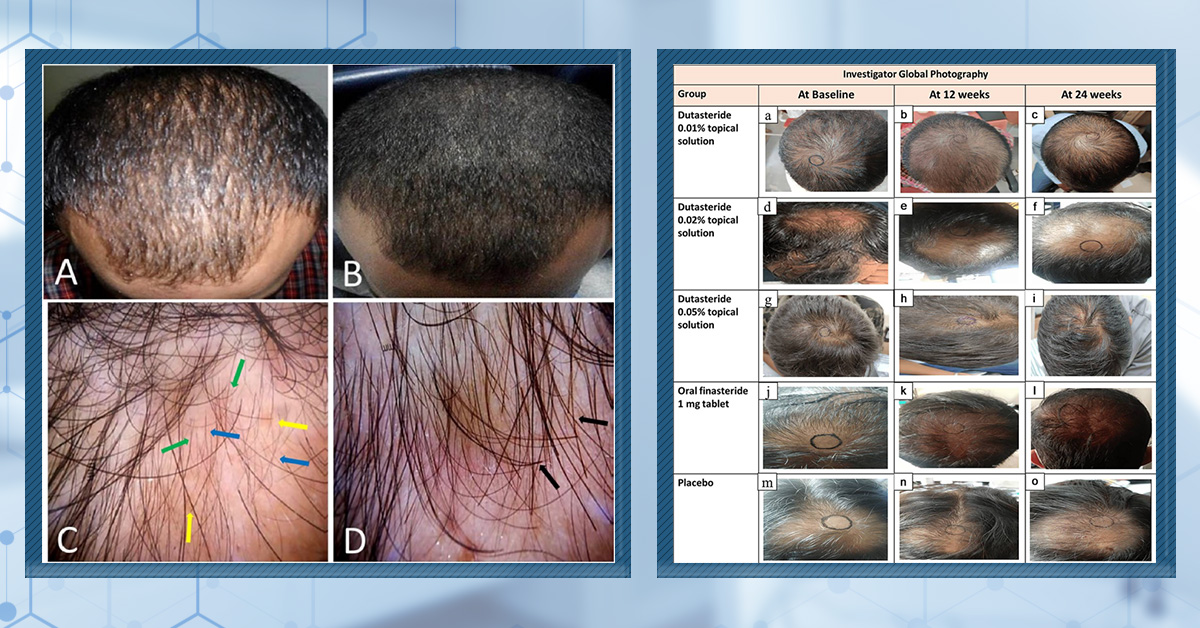
Credit: perfecthairhealth.com
Risks And Side Effects
No drug is risk-free—even at micro-doses. Common concerns include:
Sexual Side Effects
- Lower sex drive
- Difficulty getting or keeping erections
- Less semen volume
These are less common with micro-dosing but can still happen.
Example: One user on 0.05 mg noticed mild decrease in sex drive after two months, which resolved after lowering the dose.
Mood And Cognitive Issues
Some users report anxiety, depression, or brain fog. Evidence is limited, but it’s wise to monitor mood closely.
Tip: If you notice changes, take a break and see if symptoms improve.
Gynecomastia
Rare, but possible—especially in men with a family history of hormone problems.
Unpredictable Responses
Some people are “super-responders” and get big effects from tiny doses. Others need more. There is no way to predict exactly how you will react.
Example: A user found that even 0.05 mg per week suppressed DHT dramatically, causing side effects. Another needed 0.1 mg daily for any benefit.
Pregnancy Warning
Dutasteride can harm unborn babies. Women who are or may become pregnant should not handle the drug.
Non-obvious insight: After stopping dutasteride, it can take months for DHT levels to return to normal due to the drug’s long half-life.
Who Should Consider Micro-dosing?
Micro-dosing dutasteride is not for everyone. It may be best for:
- Men with early or moderate hair loss who want to minimize side effects
- People who failed or reacted badly to finasteride
- Women (post-menopausal) with pattern hair loss and no pregnancy risk
- Those willing to experiment under medical supervision
It may not be suitable for:
- Women who are pregnant or may become pregnant
- Teens or young adults (safety data is limited)
- People with liver disease (dutasteride is processed by the liver)
Important: Always talk to a doctor before starting or changing medication.
Non-obvious tip: If you are older and have slow metabolism, micro-dosing may be all you need. Younger users may require higher doses, but long-term safety is unknown.
How To Start Micro-dosing Dutasteride
Step 1: Get Informed
Learn about the risks, benefits, and alternatives. Read studies and real user experiences. Understand that this is an off-label use in many countries.
Tip: Reliable sources include medical journals, hair loss forums, and trusted clinics.
Step 2: See A Specialist
Find a dermatologist or hair loss clinic familiar with micro-dosing. Ask about their experience and what they recommend.
Example: Some clinics specialize in personalized dosing. They can help you start safely.
Step 3: Baseline Testing
Get your blood tested for:
- DHT
- Testosterone
- Liver function
This helps you track changes and spot problems early.
Tip: Repeat tests every 6-12 months to watch for unwanted changes.
Step 4: Choose Your Protocol
Decide if you want to try daily, twice-weekly, or another schedule. Start low—0. 05 mg daily or 0. 1 mg twice weekly is common.
Example: Some users start with weekly dosing, then switch to daily if needed.
Step 5: Monitor Results
Track hair changes with photos every month. Watch for side effects. Repeat blood tests after 3-6 months.
Non-obvious tip: Documenting with photos and notes helps spot subtle improvements you might otherwise miss.
Step 6: Adjust As Needed
If you have side effects, lower the dose or take longer breaks. If no results after 6-12 months, consider a higher dose or a different treatment.
Tip: Share your progress with your doctor. They can help you adjust safely.
Combining Micro-dosing With Other Treatments
Micro-dosing can be more effective when used with other hair loss treatments, such as:
- Topical minoxidil: Boosts hair growth directly
- Low-level laser therapy: Stimulates hair follicles
- Ketoconazole shampoo: May lower scalp DHT
Some users also try microneedling or PRP (platelet-rich plasma) for added benefit.
Example: Combining micro-dosed dutasteride and minoxidil can target both DHT and hair growth pathways.
Caution: Combining many treatments increases cost and complexity. Introduce one change at a time to see what’s working.
Non-obvious insight: Hair loss treatments often work better together, but it’s important to track which therapy is making the difference. This helps you avoid wasting money or risking unwanted effects.
Real-world Results: What Users Report
Online forums and hair loss communities are full of micro-dosing stories. Most users report:
- Fewer side effects than standard dosing
- Slower hair loss, sometimes regrowth
- Results take time (often 6+ months)
- Some “super-responders” get great results from tiny doses
But not all experiences are positive. Some users see no effect or still get side effects at low doses.
Example: John, 34, had side effects on finasteride. He switched to 0.05 mg dutasteride every other day. After 8 months, his hair stopped thinning and he had no side effects.
Example: Sara, 41, used 0.1 mg twice weekly and combined it with minoxidil. She noticed new growth in her temples after 10 months.
Example: Mike, 27, tried 0.05 mg weekly but saw no improvement. After increasing to 0.1 mg daily, he noticed thicker hair but mild fatigue.
Non-obvious insight: Many users find that consistency and patience matter more than the exact dose.
Practical Tips For Micro-dosing Dutasteride
- Use a pill cutter or syringe for accurate dosing. Capsules can be messy—ask your pharmacist for advice.
- Track your hair progress with monthly photos in the same lighting and style.
- Keep a side effect journal. Write down any changes in mood, energy, or sexual function.
- Test your blood every 6-12 months to check liver function and hormones.
- Be patient. Hair grows slowly—results take time.
- Avoid sudden stops. If you want to quit, taper slowly if possible to avoid DHT rebound.
Pro tip: If splitting pills is too difficult, ask your doctor about custom compounding. Some pharmacies can create low-dose capsules.
Non-obvious tip: Measuring progress with a hair density app or scalp magnifier can reveal early improvements before visible changes.

Credit: hairscience.org
Side Effects: Managing And Monitoring
If you notice side effects:
- Lower the dose or increase time between doses.
- Take breaks: Some users cycle 3 months on, 1 month off.
- Talk to your doctor: Never ignore severe symptoms.
- Lifestyle adjustments: Healthy diet, exercise, and stress management can help overall well-being.
Non-obvious tip: Sometimes, side effects fade after a few weeks as your body adjusts.
Example: If you feel tired or anxious after starting micro-dosing, try taking the drug at night or lowering the dose.
Practical tip: If sexual side effects appear, discuss options with your doctor. Sometimes switching to topical treatments or adjusting the dose helps.
The Future Of Micro-dosing Dutasteride
Research is ongoing. Some doctors and clinics are starting to offer micro-dosing as a standard option, especially for patients who are sensitive to side effects. More long-term studies are needed, especially on safety and effectiveness in women.
Pharmaceutical companies may eventually create low-dose dutasteride tablets, making it easier to use. For now, all micro-dosing is “off-label” and must be done with care.
If you’re interested in the latest research, check resources like the National Institutes of Health.
Non-obvious insight: As micro-dosing becomes more popular, doctors may use genetic testing to predict your response and design custom protocols.
Frequently Asked Questions
What Is The Smallest Effective Dose Of Dutasteride For Hair Loss?
The smallest effective dose is not fully known, but studies show that 0.05 mg to 0.1 mg per day can reduce DHT enough to slow hair loss in many people. Some users go even lower and still see benefits, but more research is needed.
Example: A user tried 0.025 mg daily and saw a slowdown in shedding, suggesting even tiny doses can be effective.
How Long Does It Take To See Results With Micro-dosing?
Most people notice a slowdown in hair loss after 3-6 months. Visible regrowth can take 6-12 months or longer. Taking monthly photos can help you track subtle changes.
Tip: If you see less hair in the shower drain or on your pillow, it’s a sign the treatment is working.
Are The Side Effects Of Micro-dosing Dutasteride Permanent?
Most side effects, like changes in libido or mood, go away after lowering the dose or stopping the drug. Because dutasteride stays in the body for weeks, recovery can be slow. Permanent side effects are rare but possible.
Non-obvious insight: The body’s hormone balance may take months to return to normal after stopping dutasteride.
Can Women Use Micro-dosed Dutasteride For Hair Loss?
Women (especially post-menopausal) sometimes use dutasteride for hair loss, but it is not officially approved. Women who are or may become pregnant must avoid the drug because it can cause birth defects.
Example: A post-menopausal woman used 0.1 mg twice weekly and saw improvement in hair thickness without side effects.
Is It Safe To Combine Micro-dosed Dutasteride With Other Treatments?
Yes, many people combine micro-dosed dutasteride with minoxidil, ketoconazole shampoo, or laser therapy. This can improve results, but introduce changes one at a time to monitor for side effects.
Tip: Start with one treatment, then add another every 2-3 months if needed.
Micro-dosing dutasteride is a promising new approach in the fight against hair loss. With careful monitoring, patience, and the right protocol, it offers hope for those seeking effective results with fewer risks. Always consult a medical professional before starting or changing your treatment.
The journey to healthier hair is personal—choose the path that suits you best.