

Swimming can be a wonderful way to stay fit, relax, and enjoy time with friends or family. Yet, swimmers often face a common problem: hair damage. Chlorine in pools, salt in the ocean, and even UV rays can change the texture, color, and health of your hair. Whether you swim every day or just occasionally, you might notice your hair becoming dry, brittle, tangled, or even discolored. Protecting your hair from these effects is not just about beauty—it also means keeping your scalp healthy and preventing long-term issues.
Many people believe that simply washing their hair after a swim is enough. In reality, proper swimming hair protection involves steps both before and after getting into the water. A good pre-swim routine helps prevent damage before it starts, while the right post-swim actions repair and nourish your hair. This article will guide you through every step, from what to do before you swim, to the best care afterward. You’ll also learn about products that help, common mistakes to avoid, and lesser-known tips for all hair types.
If you want your hair to stay strong, shiny, and manageable, even if you swim often, this guide is for you. Let’s explore how you can keep your hair in top condition—no matter how many laps you do.
Why Swimming Damages Hair
Before diving into the routines, it’s helpful to understand why swimming can be so tough on hair. Chlorine, used to keep pool water clean, is a harsh chemical. It strips away natural oils from both the hair and scalp. Without these oils, hair becomes dry, rough, and more likely to break.
Salt water, on the other hand, draws moisture out of the hair, making it feel stiff and tangled. Sun exposure adds another layer of stress by breaking down hair proteins and fading color.
One common myth is that only people with color-treated hair need to worry. In truth, all hair types can suffer from swimming damage. Even healthy, untreated hair can become weak if exposed to pool chemicals or saltwater regularly. Young children, people with thin hair, and those with curly or textured hair are especially at risk because their hair is naturally more delicate or porous.
The Science Of Hair And Water
Hair is made up of protein strands protected by a thin outer layer called the cuticle. This layer acts like the roof of a house, keeping moisture in and harmful substances out. When the cuticle is damaged by chemicals or salt, it lifts up, and the hair loses its strength and shine.
Chlorine and salt water break down the cuticle, which leads to:
- Loss of moisture
- Increased tangling
- Fading hair color
- Split ends and breakage
Studies show that frequent swimmers can have up to 30% more split ends than non-swimmers. In one study, 80% of regular swimmers reported increased dryness and breakage within three months of starting a swimming routine.
Pre-swim Hair Protection Routine
Taking steps before you swim can prevent much of the damage. These actions create a barrier between your hair and harmful substances. Here’s how to build the best pre-swim routine.
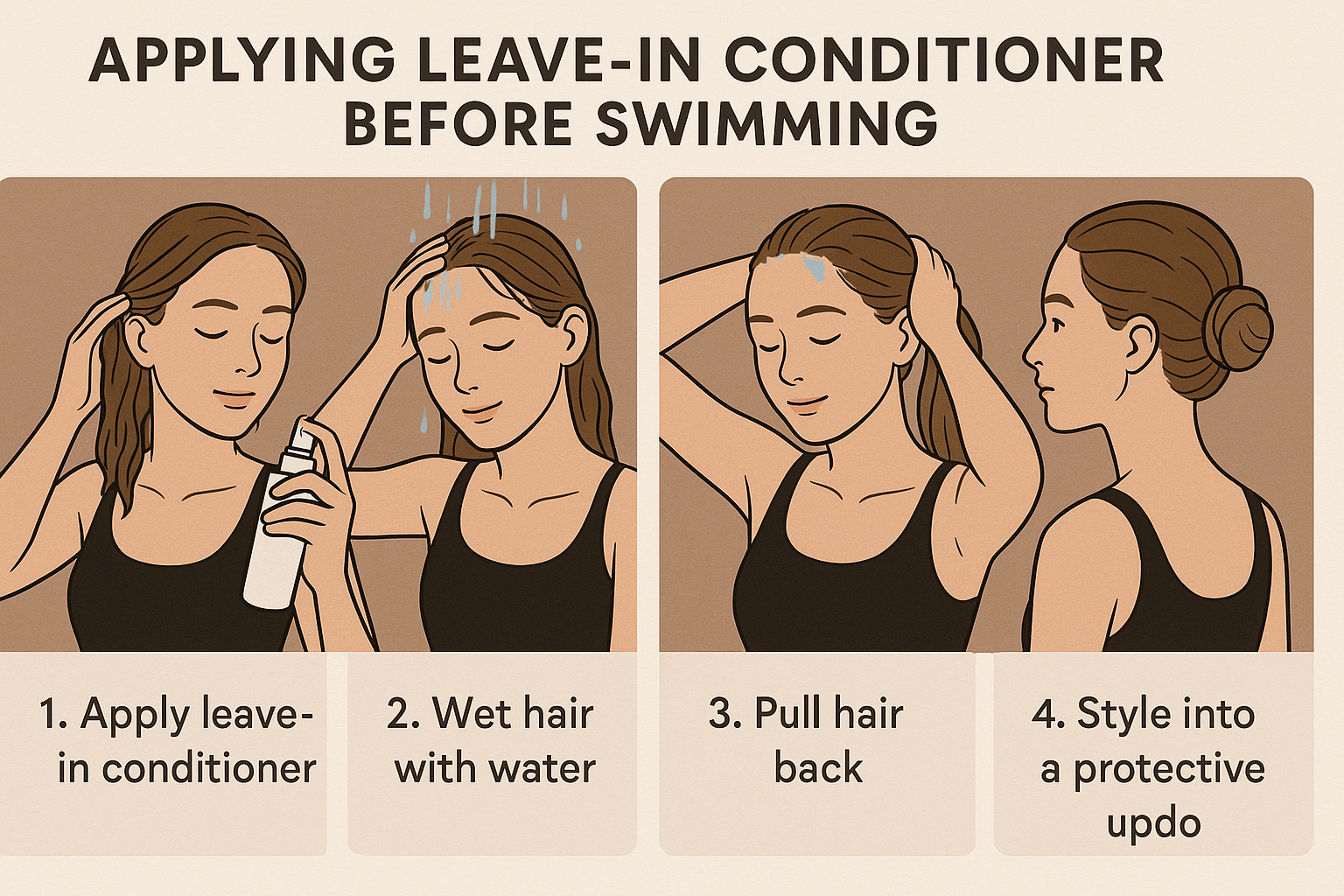
1. Wet Your Hair With Clean Water
Before entering the pool or ocean, rinse your hair with fresh, clean water. Hair is like a sponge—it can only absorb a certain amount of water. If you soak it with tap water first, it will absorb less chlorine or salt.
Example: Olympic swimmers always shower before entering the pool. This simple step reduces the amount of pool water their hair absorbs.
2. Apply A Leave-in Conditioner Or Oil
After wetting your hair, apply a leave-in conditioner or lightweight oil. These products create a protective coating, further blocking harmful chemicals from penetrating the hair shaft.
- Silicone-based conditioners are especially good at sealing the cuticle.
- Natural oils like coconut, olive, or argan oil can also be used, but apply only a small amount to avoid greasiness.
3. Use A Swim Cap
A swim cap is one of the best defenses. It doesn’t keep all water out, but it greatly reduces exposure. There are different types:
- Silicone swim caps: Tight fit, durable, less likely to pull hair.
- Latex swim caps: Cheaper, but can snag or tear easily.
- Lycra/spandex swim caps: Comfortable, but allow more water in.
For best results, wet hair, add conditioner, then put on the cap. This triple barrier offers strong protection.
4. Avoid Tight Hairstyles
Some swimmers tie their hair tightly to keep it out of the way. However, tight ponytails or buns can pull and weaken hair, especially when wet. Instead, use loose braids or a low, gentle bun under your cap.
5. Apply Uv Protection
If you swim outdoors, don’t forget about UV protection. Sun can break down hair proteins and fade color. Some leave-in sprays contain UV filters. These help protect both your hair and scalp from sun damage.
6. Avoid Hair Products With Alcohol
Check your hair products before swimming. Gels, sprays, or mousses with alcohol can dry out hair even more. Use alcohol-free options or skip styling products before you swim.
7. Cover Your Hair Physically
If you’re swimming at the beach or a lake, consider wearing a wide-brim hat or scarf when not in the water. This offers extra sun protection and keeps sand or debris out of your hair.
8. Detangle Gently
Brush or comb your hair gently before applying any products. Detangling helps prevent knots and breakage after swimming, when hair is more fragile.
Comparing Swim Cap Materials
Choosing the right swim cap can make a difference. Here’s a quick comparison:
| Material | Water Protection | Comfort | Durability |
|---|---|---|---|
| Silicone | High | Medium | High |
| Latex | Medium | Low | Medium |
| Lycra/Spandex | Low | High | Low |
Credit: elemntlife.com
Post-swim Hair Care Routine
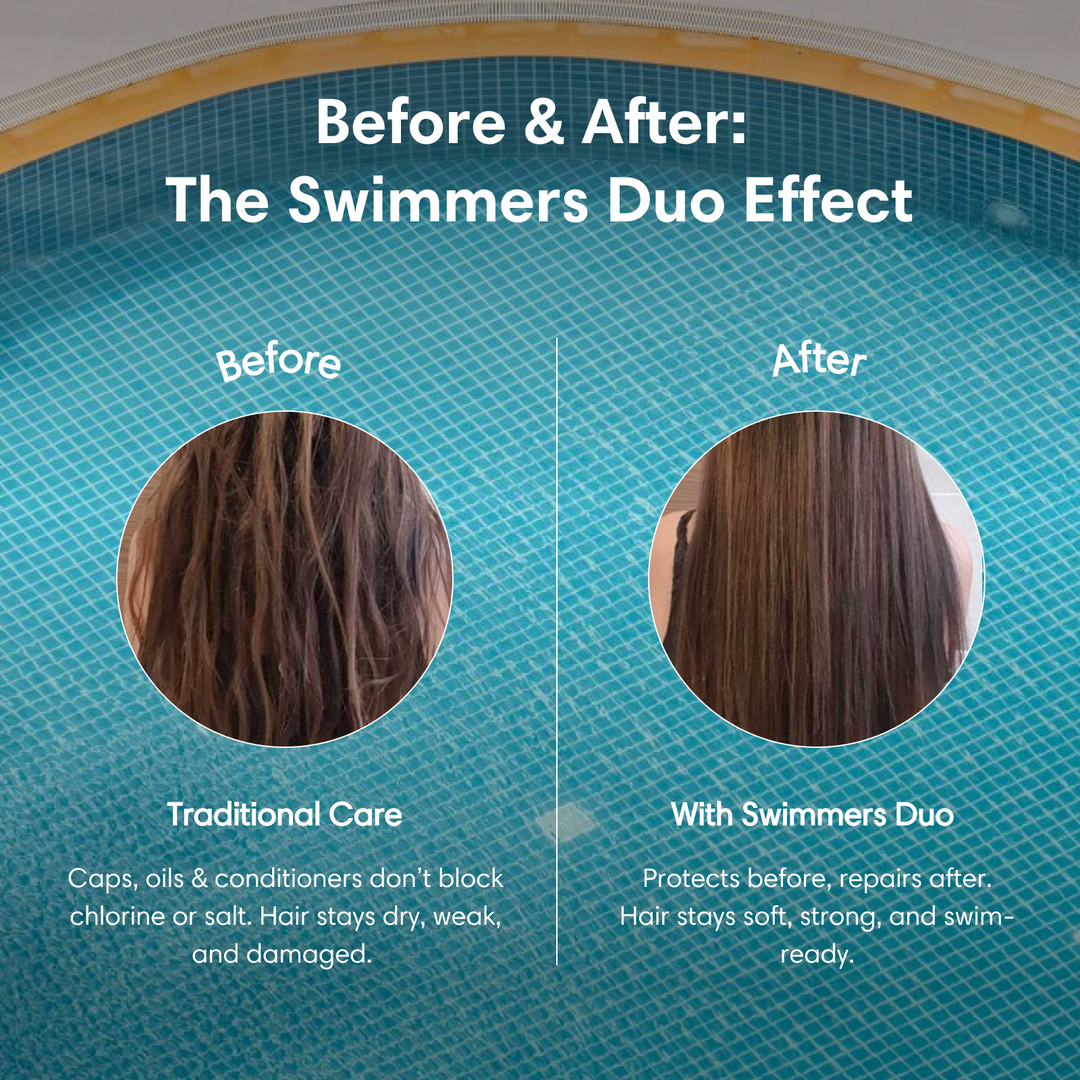
Even with the best pre-swim protection, some chlorine or saltwater will reach your hair. A good post-swim routine removes these harmful substances and restores moisture.
1. Rinse Hair Immediately
As soon as you leave the water, rinse your hair with clean, fresh water. This step washes away most of the chlorine or salt before it can dry and stick to your hair.
- If possible, use slightly warm (not hot) water. Hot water can dry the hair further.
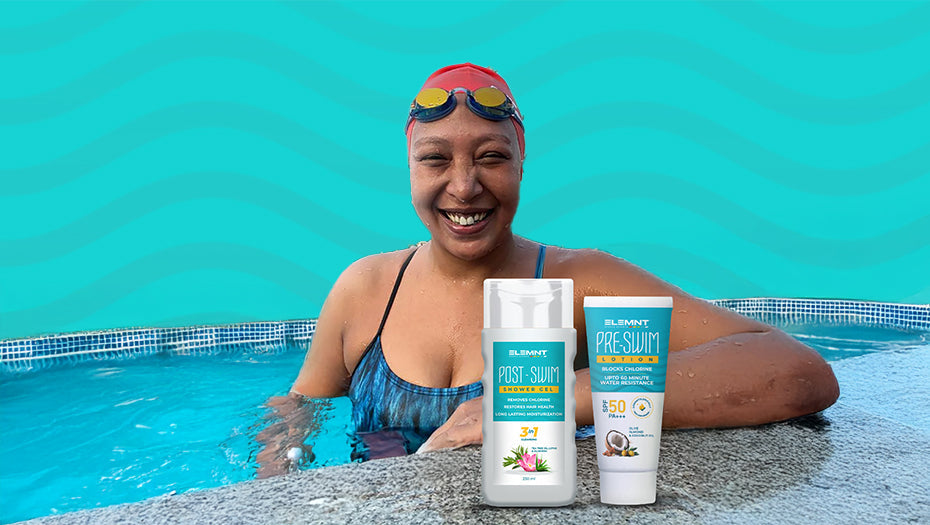
2. Use A Swimmer’s Shampoo
Regular shampoos are not enough to remove all pool chemicals. Swimmer’s shampoos are specially formulated to remove chlorine, copper, and other minerals. They also help prevent the “green tint” that sometimes appears in blonde or light hair.
Look for shampoos with:
- Chelating agents (like EDTA) to bind and remove metals
- Moisturizing ingredients (like aloe or glycerin)
- No harsh sulfates
3. Deep Condition
After cleansing, apply a deep conditioner or hair mask. Leave it on for at least 5–10 minutes. This step replaces moisture and repairs damage.
- For extra effect, wrap your hair in a warm towel while the mask is on.
4. Detangle Carefully
Wet hair is weak and can break easily. Use a wide-tooth comb to detangle, starting at the ends and working up to the roots. Never yank or pull.
5. Moisturize And Seal
Apply a leave-in conditioner or serum to keep hair hydrated. For very dry hair, a few drops of argan or jojoba oil can help lock in moisture.
6. Let Hair Air Dry
Whenever possible, let your hair air dry. Avoid blow dryers, straighteners, or curling irons right after swimming. Heat styling can make dry, damaged hair worse.
7. Avoid Re-washing Too Soon
It’s tempting to wash hair again if it feels sticky or smells like chlorine. However, over-washing can strip away natural oils your scalp needs to recover. Stick to your regular wash routine and use dry shampoo if necessary.
8. Protect At Night
If you swim often, protect your hair at night. Sleep on a silk or satin pillowcase, or wrap your hair in a silk scarf. These materials cause less friction and help prevent breakage.
Key Post-swim Products: What To Look For
Choosing the right products can make a big difference. Here are the main types to consider:
- Clarifying shampoo: Removes build-up, use once a week.
- Chelating shampoo: Removes chlorine and minerals, use after every swim.
- Moisturizing conditioner: Use after every shampoo.
- Deep treatment mask: Use 1–2 times a week.
- Leave-in conditioner: Use after every swim for ongoing moisture.
Comparison Of Hair Treatments For Swimmers
Here’s how common post-swim treatments compare:
| Treatment | Main Benefit | Frequency | Suitability |
|---|---|---|---|
| Clarifying Shampoo | Removes build-up | Weekly | All hair types |
| Chelating Shampoo | Removes chlorine/minerals | After every swim | Frequent swimmers |
| Deep Conditioner | Restores moisture | 1–2 times/week | Dry/damaged hair |
| Leave-in Conditioner | Hydrates & protects | After every wash | All hair types |
Special Tips For Different Hair Types
Not all hair is the same. Here’s what you need to know for your hair type:
Curly Or Textured Hair
Curly hair is more porous and loses moisture faster. Use heavier oils (like coconut or castor oil) before swimming, and apply deep treatments more often. Avoid sulfates, as they are very drying.
Fine Or Thin Hair
Lightweight leave-in sprays are best. Heavy oils can weigh hair down. Silicone-based products give protection without making hair greasy.
Color-treated Hair
Use shampoos and conditioners specifically for color-treated hair. These are gentler and help prevent fading. Always wear a swim cap and apply UV protection.
Children’s Hair
Children’s hair is delicate. Use mild, tear-free products and never force a cap on if it hurts. Focus on gentle detangling and moisturizing.
Non-obvious Insights For Swimming Hair Protection
Many swimmers overlook these key points:
- Water hardness matters: If your home water is hard (high in minerals), it can react with chlorine and make hair damage worse. Consider a shower filter to soften water.
- Swim frequency changes needs: If you swim daily, you need a more intense routine. Weekly swimmers can often get by with simpler steps.
- Chlorine isn’t the only problem: Some pools use bromine or other chemicals. These can also dry and damage hair—your routine still matters.
- Green hair isn’t just for blondes: Anyone can get a green tint from copper in pool water. Chelating shampoos help prevent this.
Home Remedies And Natural Alternatives
Some swimmers prefer natural options. Here are a few safe, effective methods:
- Apple cider vinegar rinse: Mix 1 part vinegar with 3 parts water. Rinse after shampooing to remove build-up and restore shine.
- Coconut oil mask: Apply before or after swimming for deep moisture. Leave on for 20 minutes, then rinse.
- Aloe vera gel: Soothes the scalp and moisturizes hair post-swim.
Avoid using straight lemon juice or baking soda, as these can be too harsh and actually increase dryness.
How To Build Your Own Routine
A good swimming hair protection routine should be personal and flexible. Here’s how to create one that works for you:
- Assess your hair type and frequency: Fine, curly, color-treated, or children’s hair all need different products and steps.
- Choose your key products: At minimum, use a swim cap, leave-in conditioner, and swimmer’s shampoo.
- Don’t skip steps: Wetting hair and applying conditioner before swimming are quick but very important.
- Adjust based on results: If you notice more dryness, add a deep mask. If hair feels heavy, use lighter products.
- Stay consistent: Protection is cumulative. The more consistent you are, the better your hair will stay.
The Role Of Diet And Hydration
Healthy hair starts from the inside. Swimmers often forget that hydration and a balanced diet are just as important as external care.
- Drink plenty of water, especially if you swim in salt water, which can dehydrate you.
- Eat foods rich in protein, omega-3 fatty acids, and vitamins A, C, and E. These nutrients support hair strength and growth.
- Biotin and zinc are also important for healthy hair follicles.
A well-hydrated body leads to better hydrated hair—making it less likely to dry out or break.
Credit: hairgp.co.uk
Common Mistakes To Avoid
Even experienced swimmers make mistakes. Here are some to watch out for:
- Skipping pre-swim wetting: This is the easiest and most effective step, yet many skip it.
- Using regular shampoo only: This can leave behind chlorine and mineral build-up.
- Over-washing hair: Too much washing removes natural oils, making dryness worse.
- Not replacing lost moisture: Always follow shampoo with a moisturizing conditioner or mask.
- Ignoring scalp health: Chlorine dries the scalp, leading to flaking or irritation. Scalp treatments or gentle massage can help.
- Neglecting UV protection: Outdoor swimmers especially need to use UV filters or wear hats.
- Using harsh towels: Rubbing hair with a rough towel can cause more breakage. Use a microfiber towel and squeeze gently instead.
Products Recommended By Experts
Some products are especially favored by professional swimmers and hair care experts:
- UltraSwim Chlorine Removal Shampoo: Popular for removing chlorine and copper.
- Aussie 3 Minute Miracle Moist Deep Conditioner: Affordable and effective for restoring moisture.
- Aquis Microfiber Hair Towel: Reduces drying time and prevents friction damage.
- Sun Bum Revitalizing 3-in-1 Leave-In Conditioner: Adds UV protection and detangles.
For more details on swimmer’s hair care, see the advice from the American Academy of Dermatology.
What About Professional Treatments?
If you swim daily, you might consider professional treatments:
- Keratin treatments: These smooth and protect the cuticle, making hair more resistant to chlorine and salt.
- Olaplex and bond-building treatments: Repair broken hair bonds from chemical damage.
- Gloss or glaze treatments: Add a temporary protective layer and shine.
These treatments last longer but are more expensive. Ask your stylist about options for your hair type.
Table: Cost Comparison Of Swimming Hair Protection Methods
Here’s a look at the average monthly cost for different routines:
| Method | Approximate Monthly Cost (USD) | Protection Level |
|---|---|---|
| Basic (cap + regular shampoo) | $10–$20 | Moderate |
| Full routine (cap, leave-in, swimmer’s shampoo, mask) | $25–$50 | High |
| Professional treatments | $60–$150 | Very High |
| Natural/home remedies | $5–$10 | Moderate |
Real-life Example: Swimmer’s Weekly Routine
Let’s look at a typical week for someone who swims three times:
- Monday: Wet hair, apply conditioner, wear cap. Rinse after, use chelating shampoo and light conditioner. Air dry.
- Wednesday: Repeat pre-swim steps. After swimming, clarify shampoo, deep mask for 10 minutes, detangle with a wide-tooth comb.
- Saturday: Pre-swim as usual. After, rinse and use regular moisturizing shampoo and conditioner. Apply leave-in spray and let air dry.
This routine combines all best practices and is easily adjusted for more or less frequent swimmers.
How To Handle Hair Issues Caused By Swimming
Despite your best efforts, sometimes problems still happen. Here’s what to do:
Dryness
Increase deep conditioning treatments. Use a heavier oil before swimming and leave the conditioner on longer after.
Tangles And Knots
Use a detangling spray or conditioner. Always use a wide-tooth comb. For severe knots, try using fingers first, then comb gently.
Scalp Flaking Or Itching
Switch to a gentle, scalp-friendly shampoo. Apply aloe vera gel or a scalp oil treatment once a week.
Green Tint
Use a chelating shampoo or a tomato juice rinse (yes, tomato juice helps neutralize green). Only do this once a week, as it can be drying.
Persistent Breakage
Cut back on heat styling and increase your use of protective leave-in products. Trim ends every 6–8 weeks.
Credit: theearthcollective.in
The Role Of Genetics
Not everyone’s hair reacts the same way to swimming. Genetics play a part in how porous or resistant your hair is. If your parents or siblings have issues with dry, brittle hair after swimming, you may need to be more proactive in your routine.
Staying Motivated
It can be hard to stick to a routine, especially if you swim for fun or exercise. Remember, hair protection is much easier than repairing damage later. Keep your products in your swim bag, or set reminders on your phone.
Celebrate small wins—like less tangling or softer hair.
Frequently Asked Questions
How Can I Protect My Hair From Chlorine If I Swim Every Day?
Daily swimmers should always wet their hair before swimming, use a leave-in conditioner, and wear a swim cap. After swimming, rinse immediately, use a chelating shampoo, and deep condition at least twice a week. Consider professional treatments if you notice ongoing damage.
Is It Necessary To Use A Swim Cap If I Have Short Hair?
Yes, a swim cap protects all hair lengths from chlorine and salt. It also protects the scalp and helps keep the pool cleaner. Even short hair benefits from this barrier.
What Can I Do If My Hair Turns Green After Swimming?
A green tint is usually caused by copper in pool water, not chlorine. Use a chelating shampoo or a rinse with tomato juice to remove the green. Prevent it by using a swimmer’s shampoo and wearing a cap.
Are Natural Oils Better Than Synthetic Conditioners?
Both can work well. Natural oils like coconut or olive oil are great for deep moisture, while silicone-based conditioners offer a lightweight, protective layer. Choose based on your hair type and preference.
How Often Should I Wash My Hair If I Swim Regularly?
Wash after every swim with a swimmer’s shampoo. However, if your scalp feels dry, alternate with a gentle, moisturizing shampoo and always condition afterward. Avoid over-washing to prevent further dryness.
Swimming is a healthy, enjoyable activity, but it does not need to ruin your hair. With the right pre- and post-swim routines, you can keep your hair strong, shiny, and beautiful—whether you’re a daily swimmer or just enjoy the water on weekends.
Consistency is key, and small steps add up to big results over time.