

Viviscal Marine Complex For Hair Growth: Clinical Trial Results
Hair loss and thinning can be stressful. For many, it affects not just how they look, but also how they feel. Searching for real solutions, people often hear about the Viviscal Marine Complex. This supplement is promoted as a way to help hair grow thicker and stronger. But is there real science behind it? Are there clinical trials to support the claims?
In this article, we’ll explore everything you need to know about Viviscal Marine Complex, focusing on clinical trial results. You’ll learn how it works, what researchers have found, and what you should expect if you decide to try it. By the end, you’ll have a clear picture, based on science—not just marketing.
What Is Viviscal Marine Complex?
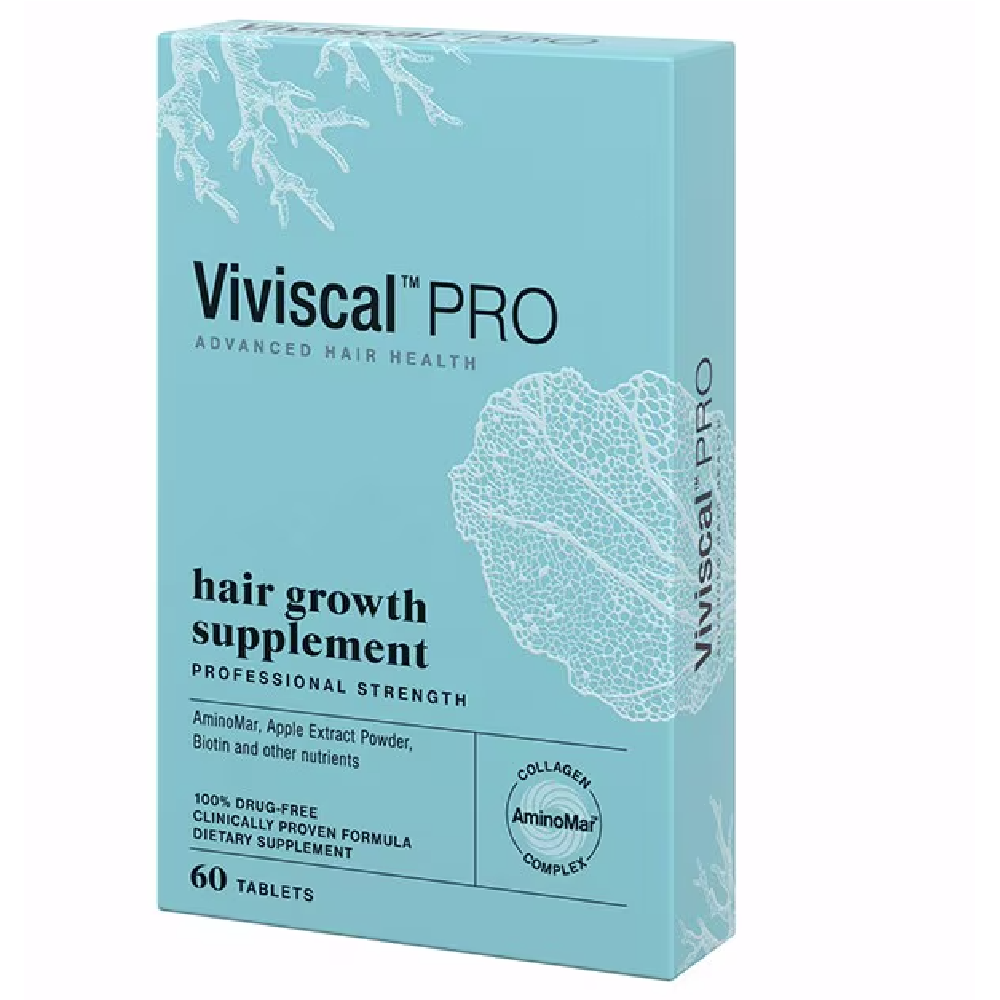
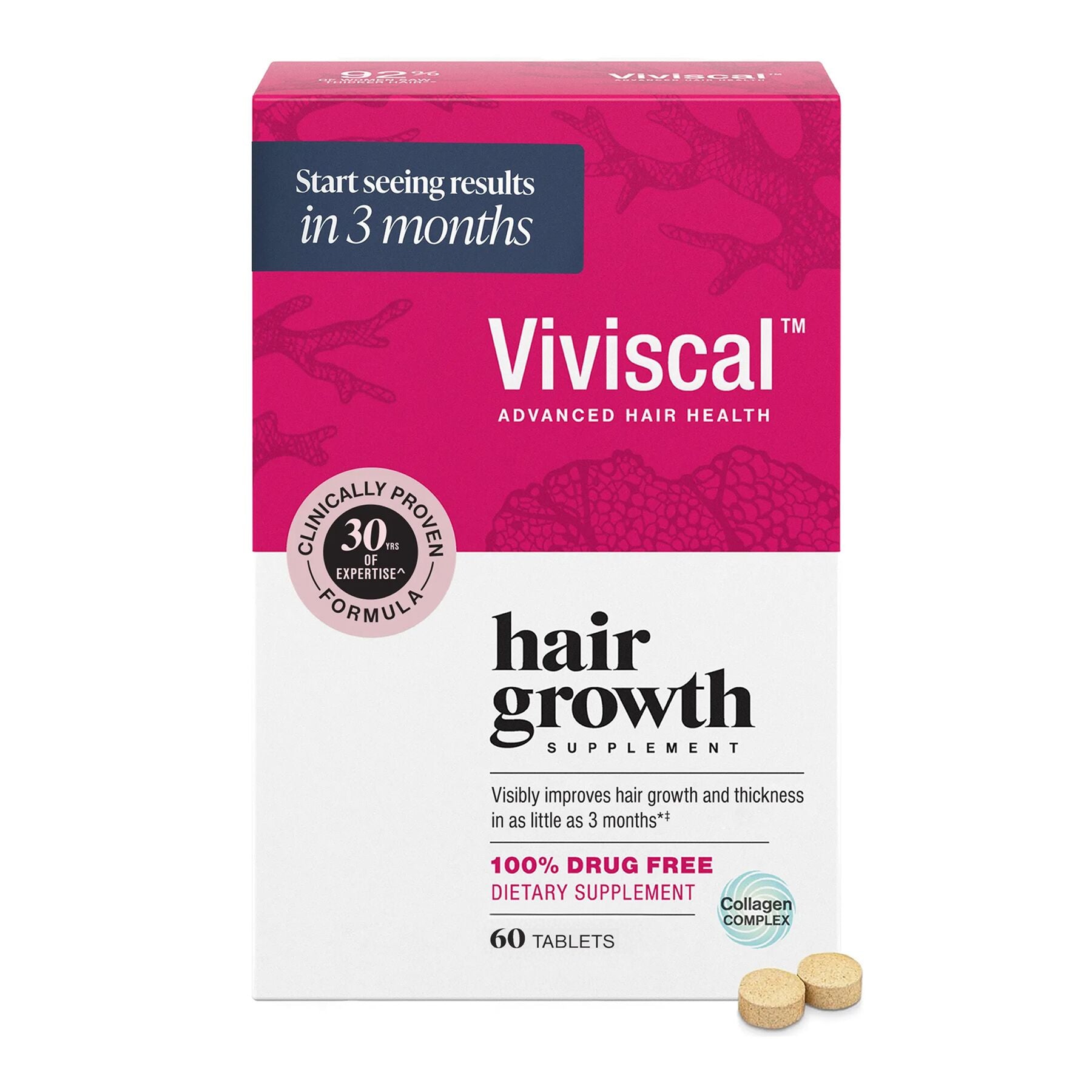
Viviscal Marine Complex is the main ingredient in Viviscal supplements. These supplements are designed to help people with thinning hair. The formula is a mix of special marine proteins, along with vitamins and minerals, such as Vitamin C and Biotin.
The key ingredient is called AminoMar C™, a blend of proteins from marine sources. Viviscal claims that this blend helps nourish hair from the inside, supporting growth and strength. Unlike shampoos or topical treatments, Viviscal is taken as a pill, working through your body.
Viviscal was first developed in Scandinavia in the late 1980s. The idea came from research on a group of fishermen who had very healthy hair, even as they got older. Scientists believed their diet, rich in marine proteins, played a key role.
This inspired the creation of AminoMar C™.
How Viviscal Marine Complex Is Supposed To Work
The science behind Viviscal is based on the idea that hair growth depends on good nutrition. Hair follicles—the small structures in your scalp where hair grows—need protein, vitamins, and minerals to stay strong and active.
Here’s how Viviscal Marine Complex is believed to help:
- Nourishment: The marine proteins provide essential building blocks for hair.
- Strengthening: Biotin and Vitamin C support the production of collagen and keratin, making hair less likely to break.
- Prolonging Growth Phase: The formula is said to help keep hair follicles in the growth (anagen) phase longer, meaning less shedding.
- Reducing Thinning: By strengthening follicles, it may slow down the miniaturization that causes thinning.
These claims sound promising, but what does the science actually say? That’s where clinical trials come in.
Overview Of Clinical Trials On Viviscal Marine Complex
Clinical trials are scientific studies where real people use a product under controlled conditions. Researchers measure if the product really works and check for side effects. For Viviscal Marine Complex, several trials have been published in respected medical journals.
Key points about Viviscal clinical trials:
- They include both men and women, but more studies focus on women.
- Most studies look at people with thinning hair, not full baldness.
- Trials usually last from 3 to 6 months.
- Researchers use methods like hair counts, photographs, and patient surveys.
Let’s look at the most important studies and their results.
Key Clinical Trials And Their Results
1. 2012: Ablon Glynis Study
One of the most often-cited studies on Viviscal Marine Complex was published by Dr. Glynis Ablon in 2012. This was a double-blind, placebo-controlled trial, which is considered the gold standard in medical research.
Study Details:
- 60 women with self-perceived thinning hair.
- Half took Viviscal, half took a placebo.
- Duration: 180 days (about 6 months).
- Measurements: Hair count, hair diameter, and patient self-assessment.
Key Results:
- Women taking Viviscal had a 32% increase in hair count in the target area.
- Hair diameter increased by 12% compared to placebo.
- Self-assessment showed improvement in hair thickness and overall satisfaction.
- No serious side effects reported.
Non-obvious insight: The study used a “blinded” method, meaning neither the participants nor the researchers knew who was getting Viviscal or a placebo. This helps ensure the results are not biased.
2. 2015: Ablon And Dayan Study
Another important study was published in 2015, again led by Dr. Ablon, but this time including Dr. Steven Dayan. This trial was similar in design but had a few differences.
Study Details:
- 40 women, ages 25-66, with thinning hair.
- Randomized, double-blind, placebo-controlled.
- Duration: 90 days (3 months).
- Used photographic analysis, hair wash tests (to measure shedding), and subject satisfaction.
Key Results:
- Viviscal group showed a significant reduction in hair shedding after 3 months.
- Photographs confirmed visible improvement in hair volume.
- 80% of Viviscal users were satisfied, compared to 36% with placebo.
- No serious safety concerns.
Non-obvious insight: This study included a “hair wash test,” a practical way to count the number of hairs lost in a controlled setting. This gives a realistic measure of everyday shedding.
3. 2012: Bloch Study
This smaller study focused on men and was published in 2012.
Study Details:
- 20 healthy men with thinning hair.
- Open-label (no placebo).
- Duration: 180 days.
- Measured hair count, thickness, and patient satisfaction.
Key Results:
- 75% of men had a noticeable increase in hair count.
- Hair was visibly thicker in clinical photos.
- Participants reported higher self-confidence.
Non-obvious insight: Although this was not a placebo-controlled study, it provided early evidence that Viviscal might help men as well as women.
4. 2018: Clinical Study By Farris Et Al.
In 2018, Dr. Patricia Farris and colleagues did a study focusing on women with temporary hair thinning.
Study Details:
- 44 women, ages 21-66, with self-perceived thinning.
- Randomized, double-blind, placebo-controlled.
- Duration: 6 months.
- Used hair count and quality-of-life questionnaires.
Key Results:
- Viviscal group had an average of 7.4 new hairs per square centimeter.
- Improved quality of life and self-esteem reported.
- No major side effects.
5. 2013: 3-month Study On Female Pattern Hair Loss
A smaller 2013 study looked at women with female pattern hair loss.
Study Details:
- 30 women with mild-to-moderate pattern hair loss.
- Randomized, double-blind, placebo-controlled.
- Duration: 3 months.
- Hair count and self-assessment used.
Key Results:
- Viviscal group had a significant increase in hair density.
- Participants noticed less shedding and better scalp coverage.
- No serious adverse events.
6. Real-world Evidence And Observational Studies
Apart from clinical trials, there are observational studies and real-world reports. In these, doctors follow patients using Viviscal in normal life, not in a lab setting.
Findings:
- Many users see results after 3-6 months.
- Doctors report improved hair quality and faster growth in many cases.
- Results vary—some see dramatic changes, others more subtle.
Important note: Observational studies are not as strong as controlled trials, but they add to the overall evidence.
Credit: www.vxprohair.com
Summarizing The Evidence: What The Numbers Show
To make things clear, here’s a comparison of main results from selected Viviscal clinical trials:
| Study | Participants | Duration | Hair Count Increase | Hair Thickness Change | Satisfaction |
|---|---|---|---|---|---|
| Ablon 2012 | 60 women | 6 months | +32% | +12% | Improved |
| Ablon & Dayan 2015 | 40 women | 3 months | Not stated | Visible | 80% |
| Bloch 2012 | 20 men | 6 months | 75% improved | Increased | Higher |
| Farris 2018 | 44 women | 6 months | +7.4 hairs/cm² | Not stated | Improved |
How Viviscal Marine Complex Compares To Other Hair Growth Options
Many people want to know how Viviscal stacks up against other popular hair growth supplements or treatments.
Viviscal Vs. Biotin-only Supplements
Biotin is a common ingredient in hair supplements. While it can help if you have a biotin deficiency, most people do not. Viviscal contains biotin, but its main ingredient is marine protein, which is unique.
Viviscal’s advantage: Clinical trials show that its marine complex works even for people with normal biotin levels.
Viviscal Vs. Minoxidil
Minoxidil is a topical treatment (like Rogaine), proven to help hair grow. It works directly on the scalp.
Key differences:
- Minoxidil: Applied to scalp, can be messy, sometimes causes irritation.
- Viviscal: Oral supplement, easy to take, usually no scalp side effects.
Non-obvious insight: Some doctors recommend using both together for better results.
Viviscal Vs. Prescription Drugs
Finasteride (Propecia) is a pill for male hair loss. It works differently, blocking hormones that cause baldness.
Viviscal: Works by nutrition, with a low risk of side effects.
Finasteride: More effective for certain types of male hair loss, but can cause sexual side effects.
Viviscal Vs. Other Marine-based Supplements
Some newer products copy Viviscal’s approach by using fish proteins or collagen. But Viviscal’s blend, AminoMar C™, is patented and has more published research.
| Product | Main Ingredient | Research Support | Common Side Effects |
|---|---|---|---|
| Viviscal | Marine Complex (AminoMar C™) | Strong | Low |
| Biotin Supplement | Biotin | Weak (unless deficient) | Very low |
| Minoxidil | Minoxidil (topical) | Strong | Scalp irritation |
| Finasteride | Finasteride | Strong (for men) | Sexual dysfunction |
Side Effects And Safety Of Viviscal Marine Complex
A common question is whether Viviscal is safe, especially since it is taken for months.
Findings from trials:
- Most studies report no serious side effects.
- Mild stomach upset or fishy aftertaste is rare.
- People with fish or shellfish allergies should not use it.
- No reports of hair growing in unwanted places (like face or body).
Practical tips:
- Take Viviscal with food to avoid stomach discomfort.
- Always check the ingredient list if you have allergies.
Non-obvious insight: Since Viviscal is a supplement, it is not regulated as strictly as medicine. Always buy from trusted sources to avoid fake products.
Who Can Benefit Most From Viviscal Marine Complex?
Clinical trials suggest Viviscal works best for certain groups:
- Women with mild-to-moderate thinning: Most studies focus here, and results are strongest.
- Men with thinning, not complete baldness: Some evidence shows benefit, but not as strong as for women.
- People with temporary hair loss: Stress, poor diet, or illness can cause shedding—Viviscal may help hair recover.
- People with poor diet: If you don’t eat enough protein or key vitamins, Viviscal can fill the gap.
Who may not benefit:
- People with scarring alopecia (where hair follicles are destroyed).
- Those with complete baldness for many years—Viviscal cannot regrow dead follicles.
How To Use Viviscal Marine Complex For Best Results
If you decide to try Viviscal, following the right steps improves your chances of success.
- Dosage: Most studies use 2 tablets per day (usually morning and evening).
- Duration: Allow at least 3-6 months. Results are not instant.
- Consistency: Take it every day—missing doses slows progress.
- Combine with healthy lifestyle: Eat well, manage stress, and avoid harsh hair treatments.
- Track your progress: Take photos every month to see changes.
Non-obvious insight: Some users notice less hair shedding before seeing new hair growth. This is a good sign—shedding slows, then thickness improves.
Common Myths And Misunderstandings About Viviscal
Myth 1: Viviscal Works Overnight
Fact: Most studies show noticeable results after 3 to 6 months. Hair grows slowly, about half an inch per month.
Myth 2: It Only Works For Women
Fact: While studies focus on women, men with early thinning can also benefit.
Myth 3: More Is Better
Fact: Taking extra tablets does not speed up growth and may upset your stomach.
Myth 4: You Must Take It Forever
Fact: Many people continue after seeing results, but you don’t have to take it for life. If your hair stays healthy, you may reduce or stop.
Myth 5: It Causes Unwanted Hair Growth
Fact: Clinical trials do not report hair growth on the face or body.
Credit: www.viviscal.com
Real User Experiences: What People Say
Reviews from real users give a practical sense of what to expect. Many people share their stories in forums, social media, and review sites.
What users often report:
- Less hair in the shower drain after 1-2 months.
- Hair feels thicker and stronger after 3-4 months.
- Small “baby hairs” appear along the hairline.
- Improved confidence and willingness to style hair.
Some users note:
- Results are slower if hair loss is caused by hormones or medical conditions.
- Not everyone sees dramatic results—genetics play a role.
Practical insight: Taking “before” and “after” photos helps you see progress, even if it is gradual.
The Role Of Nutrition In Hair Growth
Viviscal’s science is based on the idea that nutrition matters for hair. Hair is made mostly of protein (keratin), and the follicles need amino acids, vitamins, and minerals to produce strong strands.
Key nutrients for hair:
- Protein: Main building block for hair.
- Vitamin C: Helps produce collagen, keeps hair strong.
- Biotin: Supports keratin structure.
- Iron: Carries oxygen to hair follicles.
Viviscal combines these nutrients, but getting them from a healthy diet is also important. Supplements are not a substitute for good food.
Non-obvious insight: Stress, crash diets, or illness can cause sudden hair shedding (telogen effluvium). Improving nutrition often helps hair recover.
What Makes Viviscal Marine Complex Unique?
Viviscal’s main difference is its AminoMar C™ marine complex. While other hair supplements use plant or animal proteins, Viviscal’s blend is patented and comes from specific marine sources. This means the exact mix is not copied in other products.
Key features:
- Clinically tested in several published studies.
- Patented formula not found in other supplements.
- Contains a mix of marine proteins, biotin, and Vitamin C.
Practical tip: If you have a seafood allergy, Viviscal is not safe. Always check the label.
Limitations Of Viviscal Clinical Trials
No product is perfect. While Viviscal has solid research, there are a few limitations to keep in mind:
- Small sample sizes: Most studies have fewer than 100 people, so results may not apply to everyone.
- Short duration: Trials usually last 3-6 months. Long-term effects are less well studied.
- Mostly women studied: While there are some male studies, most data is for women.
- Self-reported results: Some improvements are based on how people feel, not just measured changes.
- Not compared to all treatments: Most studies compare Viviscal to placebo, not to drugs like minoxidil or finasteride.
Non-obvious insight: Because hair growth is slow and affected by many factors, even the best studies cannot guarantee the same result for everyone.
Cost And Value: Is Viviscal Worth The Investment?
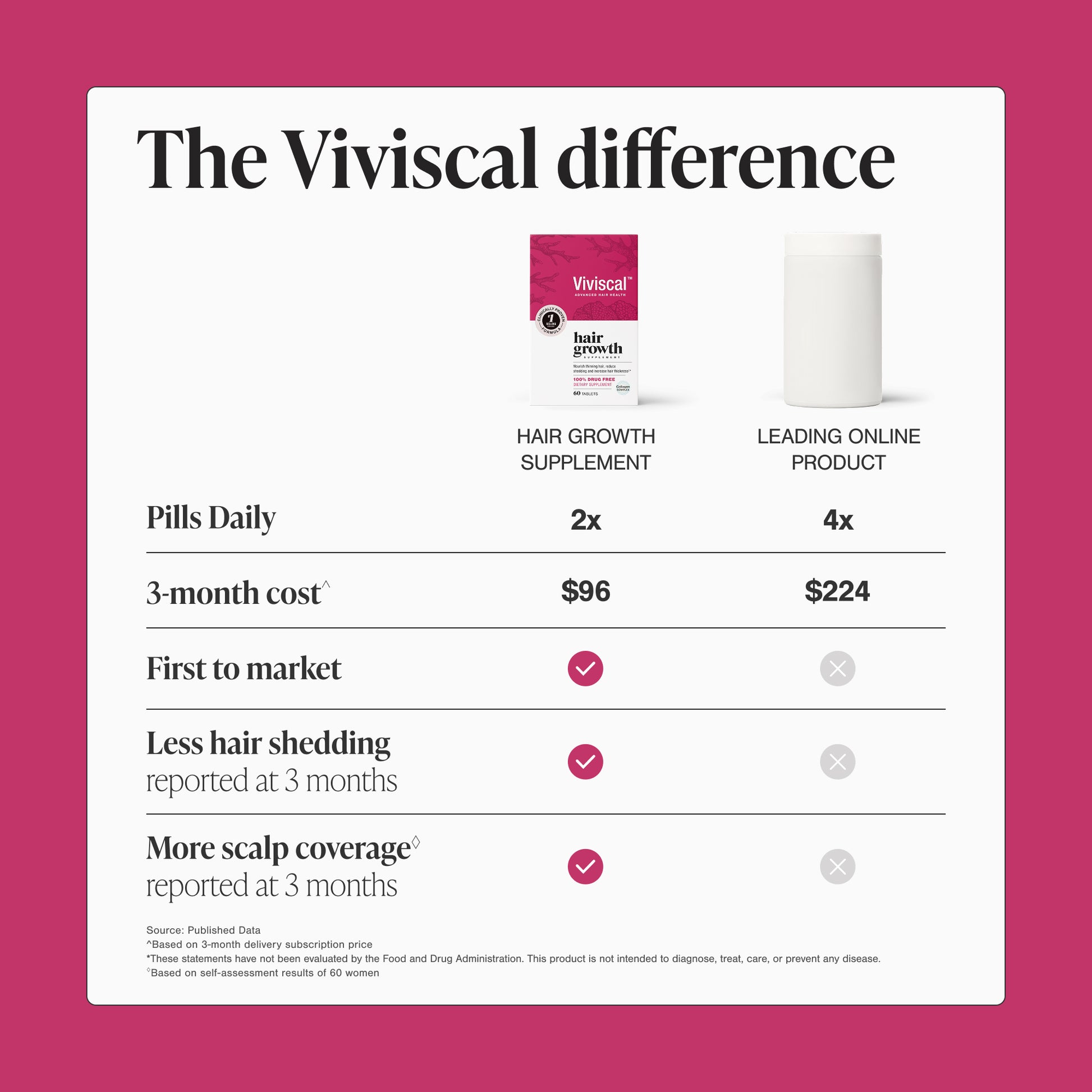
Viviscal is not cheap compared to basic hair vitamins. A typical month’s supply costs $40-50. Over 6 months, this adds up.
Is it worth it?
- If you have mild-to-moderate thinning and want to avoid drugs, Viviscal is one of the few supplements with real clinical support.
- If hair loss is severe or caused by disease, you may need medical treatment.
- If your hair loss is from poor nutrition, a balanced diet may work just as well.
Practical tip: Some insurance plans cover hair loss treatments if it’s due to illness—check with your doctor.
When To See A Doctor About Hair Loss
Viviscal can help many people, but it is not a cure for all types of hair loss. In some cases, seeing a doctor is important.
See a doctor if:
- Hair loss is sudden or patchy.
- You have other symptoms (itching, redness, sores).
- Hair loss runs in your family and is getting worse.
- You suspect a medical condition (thyroid, anemia).
Doctors can check for underlying causes and suggest the best treatment, which may include Viviscal as part of a plan.
Tips For Maximizing Results With Viviscal Marine Complex
To get the most benefit from Viviscal, follow these tips:
- Stay consistent: Take your tablets every day, with food.
- Be patient: Give at least 3-6 months for real changes.
- Photograph progress: Monthly photos help you see subtle changes.
- Care for your hair: Avoid harsh chemicals, heat styling, and tight hairstyles.
- Eat well: A balanced diet supports supplement benefits.
- Manage stress: Stress can trigger hair shedding; try relaxation techniques.
Non-obvious insight: Combining Viviscal with gentle scalp massage may improve blood flow to follicles, supporting growth.
The Future Of Viviscal Marine Complex
Research on Viviscal and marine-based hair supplements is growing. New studies are looking at:
- Effects in different types of hair loss.
- Combination with other treatments.
- Long-term safety and results.
If you’re interested in more clinical details, you can find some of the studies on PubMed Central, a respected medical research library.
Credit: www.viviscal.com
Frequently Asked Questions
What Is The Main Ingredient In Viviscal Marine Complex?
The main ingredient is AminoMar C™, a patented blend of marine proteins. It also contains biotin, Vitamin C, and other nutrients that support healthy hair.
How Long Does It Take To See Results From Viviscal?
Most clinical trials show noticeable improvement after 3-6 months of consistent use. Some people see less shedding in as little as 2 months, but real growth takes time.
Can Men Use Viviscal Marine Complex?
Yes. While most studies focus on women, men with early-stage thinning may also benefit. It is not effective for complete baldness.
Are There Any Side Effects With Viviscal?
Viviscal is generally safe. Rarely, some people may have mild stomach upset or a fishy aftertaste. People with fish or shellfish allergies should not use it.
Is Viviscal Backed By Scientific Research?
Yes. Several clinical trials, including double-blind, placebo-controlled studies, show that Viviscal Marine Complex can increase hair count and thickness in people with thinning hair.
Viviscal Marine Complex offers hope for those dealing with thinning hair. Its clinical trials show real, if gradual, results for many users. If you are looking for a supplement with scientific support, Viviscal stands out from the crowd. But patience is key—healthy hair takes time.
If your hair loss is severe or sudden, speak to a doctor to find the right approach for you.