

Many people start birth control pills for reasons like pregnancy prevention, period regulation, or to manage acne. But sometimes, a surprising side effect appears: hair loss or increased hair shedding. If you’ve noticed more hair in your brush or shower drain since starting birth control, you’re not alone. The link between birth control pills and hair loss is real, but it’s also complicated. Not every pill causes shedding, and for some, birth control can actually improve hair health.
This guide explains how birth control pills affect your hair, which types are most likely to cause shedding, and what you can do if you’re worried about hair loss. We’ll look at medical research, real numbers, and everyday experiences. By the end, you’ll have a clear understanding of what’s happening and how to make the best decision for your health and confidence.
How Birth Control Pills Affect Hair Growth
Your hair’s health is closely tied to your hormones. Estrogen and androgen (male hormones) play key roles in the hair growth cycle. Birth control pills change your body’s natural hormone balance, which can have both positive and negative effects on hair.
The Hair Growth Cycle
Hair grows in three main phases:
- Anagen (growth phase): Lasts 2-7 years. Most scalp hairs are in this stage.
- Catagen (transitional phase): Lasts 2-3 weeks. Hair stops growing.
- Telogen (resting/shedding phase): Lasts about 3 months. Hair falls out and new hair begins to grow.
Sudden hormonal changes can push more hairs into the telogen phase, leading to noticeable shedding. This is called telogen effluvium.
It’s important to remember that all people naturally shed around 50-100 hairs per day. But when the hormone balance shifts, this number can increase, sometimes doubling or tripling for a few weeks or months. For example, if you usually lose 80 hairs a day and notice 200 hairs falling out, this can seem alarming—especially if you see more hair on your pillow or in the shower drain.
Hormones In Birth Control Pills
Most birth control pills contain synthetic estrogen and progestin (a synthetic form of progesterone). Some have only progestin. These hormones can:
- Lower the body’s natural production of androgens (reducing hair loss for some)
- Increase or mimic androgens (worsening hair shedding for others)
- Affect the hair cycle, especially during the first few months of use or after stopping the pill
For instance, if you are sensitive to androgens, even a small increase caused by a certain progestin can be enough to trigger shedding. On the other hand, if your hair loss is due to high androgens (like in polycystic ovary syndrome), the right birth control pill can actually reduce shedding and help regrow hair.
Why Some Pills Cause Hair Loss
Not all pills are the same. Some progestins have higher androgenic activity—meaning they act like male hormones in the body, which can shrink hair follicles and speed up shedding. Others have low or even anti-androgenic effects, which protect hair.
Your personal risk also depends on:
- Family history of hair loss
- Sensitivity to hormones
- Any underlying health conditions (like thyroid problems or PCOS)
- Stress and lifestyle
Age also matters. Women who start birth control in their teens or twenties may not see much effect if they have no family history of hair problems. But women in their thirties or forties, especially those with genetic tendencies, may notice more hair changes.
Types Of Birth Control Pills: Which Are Most Likely To Cause Shedding?
There are hundreds of birth control brands, but they fall into two main types:
- Combined Oral Contraceptives (COCs): Contain both estrogen and progestin
- Progestin-Only Pills (POPs): Also called “mini-pills”
Within these types, different brands use different kinds of progestin. Some are more androgenic (hair-loss risk), some are less.
Common Progestins In Birth Control Pills
Let’s look at a few major progestins and their androgenic potential:
| Progestin Type | Androgenic Activity | Example Brands |
|---|---|---|
| Levonorgestrel | High | Seasonale, Levlen, Alesse |
| Norgestrel | High | Ovral |
| Desogestrel | Low | Desogen, Mircette |
| Drospirenone | Anti-androgenic | Yaz, Yasmin, Beyaz |
| Norethindrone | Moderate | Loestrin, Ortho Micronor |
| Gestodene | Low | Femodene |
| Cyproterone acetate | Strong anti-androgenic | Diane-35 |
Pills with high androgenic progestins (like levonorgestrel and norgestrel) are more likely to cause hair shedding, especially if you are sensitive to androgens. Pills with anti-androgenic progestins (like drospirenone and cyproterone acetate) can protect against hair loss and sometimes even treat conditions like female pattern baldness.
It’s also useful to know that some generic brands use the same progestins as branded pills. Always check the active ingredient, not just the brand name.
Which Pills Are Most Likely To Cause Hair Loss?
Research and clinical practice suggest that the following pills have a higher chance of causing hair shedding:
- Levonorgestrel-based pills (Seasonale, Levlen, Alesse): High androgenic activity.
- Norgestrel-based pills (Ovral): High androgenic effect.
- Some norethindrone pills (Loestrin): Moderate androgenic effect, but lower than levonorgestrel.
Progestin-only pills (mini-pills) often use norethindrone or similar progestins, so they can also carry a moderate risk, especially for women sensitive to androgens.
Women who have used these pills sometimes report hair shedding within two or three months of starting, and the shedding may continue as long as they use the pill. However, for some, the shedding slows down as their body adjusts.
Pills Less Likely To Cause Hair Loss
If you’re worried about shedding, consider pills with these progestins:
- Desogestrel (Desogen, Mircette): Low androgenic activity.
- Gestodene (Femodene): Low risk.
- Drospirenone (Yaz, Yasmin): Anti-androgenic, can help with hair loss and acne.
- Cyproterone acetate (Diane-35): Strong anti-androgenic, sometimes prescribed for hair loss and PCOS (not available in all countries).
Doctors sometimes prescribe these pills specifically for women who have noticed hair thinning or have conditions like hirsutism (excess facial/body hair). But these options may not be suitable for everyone, so a medical consultation is important.
The Science: What Do Studies Say About Birth Control And Hair Loss?
The connection between birth control pills and hair loss has been studied, but the results are mixed. Some women have no changes in hair, while others see dramatic shedding. Here are some key findings from research:
- Telogen effluvium can occur when starting or stopping birth control. This temporary hair loss usually starts 2-3 months after the hormone change and can last up to 6 months.
- One study in the Journal of the American Academy of Dermatology found that women taking high-androgen pills were more likely to report hair loss than those using low-androgen or anti-androgen pills.
- About 10-15% of women on birth control pills report some degree of increased hair shedding. Most cases are mild and temporary.
- Women with a family history of hair loss (female pattern baldness) are at higher risk of noticing shedding with androgenic progestins.
A real-world example: Researchers found that women who switched from a high-androgenic pill to an anti-androgenic one (like Yaz or Diane-35) reported less shedding after three months. However, those who switched in the opposite direction often noticed increased hair fall.
Example: Comparing Hair Loss Rates By Pill Type
Here is a simplified comparison of hair loss risk by pill type:
| Pill Type | Reported Hair Loss (%) | Notes |
|---|---|---|
| High-androgenic (levonorgestrel, norgestrel) | 15-20% | Highest risk, especially with genetic factors |
| Moderate-androgenic (norethindrone) | 10-15% | Moderate risk, varies by individual |
| Low-androgenic (desogestrel, gestodene) | 5-8% | Low risk, often well tolerated |
| Anti-androgenic (drospirenone, cyproterone acetate) | 2-5% | Can improve hair in some users |
Important: These numbers are estimates from published studies and clinical data. Individual results can be very different.
It’s also important to note that some women may develop hair loss months or even years after starting the pill, especially if other factors (like stress or illness) appear at the same time.
When Does Hair Loss Happen With Birth Control?
The timing of hair loss depends on when you start, stop, or switch pills.
Starting A New Pill
Some women notice increased shedding about 2-3 months after starting a new birth control pill. This is usually temporary and related to your hair cycle adjusting to new hormone levels. It often stops after a few months.
For example, a college student who starts the pill in September may notice more hair fall by November or December. If the shedding is due to telogen effluvium, it typically slows down by spring.
Stopping The Pill
Coming off birth control can also trigger telogen effluvium. The sudden drop in synthetic hormones causes more hairs to enter the shedding phase. Like with starting, this effect usually begins 2-3 months after stopping and can last up to 6 months.
Some women notice that after quitting the pill, their hair feels thinner for a while but then slowly returns to normal. In a few cases, if there is a genetic tendency for hair loss, the thinning may not fully reverse.
Switching Pills
Switching from a low-androgen to a high-androgen pill (or vice versa) can trigger temporary shedding as your body adjusts. Some people find that switching to a low- or anti-androgenic pill helps reduce hair loss over time.
For example, if you switch from a desogestrel-based pill to a levonorgestrel-based one, you may notice more shedding for a while. If you switch to Yaz or Diane-35, you may see improvement after a few cycles.
Who Is Most At Risk For Birth Control-related Hair Loss?
Not everyone who takes birth control will have hair loss. Certain factors increase your risk:
- Family history of female pattern baldness
- High sensitivity to androgen hormones
- Having other causes of hair loss (thyroid issues, iron deficiency, stress)
- Using high-androgenic birth control pills
- Experiencing major hormonal changes (post-pregnancy, menopause, stopping birth control)
If you have no personal or family history of hair thinning, your risk is lower—especially if you use a low- or anti-androgenic pill.
Stress and poor nutrition can also worsen hair loss, so it’s a good idea to look at your overall health, not just your birth control.
How To Tell If Your Hair Loss Is From Birth Control
Many things can cause hair shedding, so it’s important to rule out other causes before blaming your pill. Here’s what to look for:
- Timing: Did shedding start 2-3 months after starting or stopping a pill?
- Diffuse thinning: Birth control-related hair loss usually causes overall thinning, not bald spots.
- Other symptoms: If you also have weight changes, fatigue, or other health changes, talk to your doctor—there may be another cause.
- Pattern: If you have a family history of hair loss, birth control may speed up the process, but it usually won’t cause permanent baldness on its own.
A dermatologist can help with diagnosis. Sometimes a hair pull test or blood work is done to check for other problems.
Another tip: Take photos of your hair every few weeks from the same angle. This helps you and your doctor see real changes over time, instead of relying only on memory.

Credit: www.reddit.com
What To Do If You’re Experiencing Hair Loss
Hair loss can be stressful, but there are steps you can take. Most cases linked to birth control are temporary and improve within a few months. Here’s what you can do:
1. Don’t Panic
Temporary shedding (telogen effluvium) is common and usually stops on its own. Hair often regrows once your hormones stabilize.
Remember, stress can make hair loss worse. Try to stay calm and focus on self-care.
2. Talk To Your Doctor
Tell your healthcare provider about your hair loss and any other symptoms. They may suggest:
- Blood tests to rule out anemia, thyroid disease, or other issues
- Switching to a pill with lower or anti-androgenic progestin
- Other forms of birth control (IUDs, implants, condoms) if you are highly sensitive
Doctors can also help you decide if waiting (for hair regrowth) or switching pills is the right move.
3. Consider Your Pill Choice
If you need to change your pill, ask your doctor about options with desogestrel, drospirenone, or gestodene. These are less likely to cause shedding.
Changing pills should be done under medical supervision, and you may need to wait a few cycles to see if things improve.
4. Focus On Hair Health
- Eat a balanced diet rich in iron, protein, and vitamins
- Avoid tight hairstyles and harsh treatments
- Try gentle shampoos and conditioners
- Manage stress through exercise, sleep, and mindfulness
Adding foods like leafy greens, eggs, nuts, and beans can support healthy hair. Some people benefit from a daily multivitamin, but ask your doctor before starting supplements.
5. Be Patient
Hair grows slowly. Regrowth after telogen effluvium can take 6-12 months. Most people see improvement by the end of this period.
You may notice small, fine “baby hairs” along your hairline or part—this is often the first sign of regrowth.
Non-obvious Insights About Birth Control And Hair Loss
Many articles mention the basics, but here are two important points that are often missed:
Some Pills Treat Hair Loss
While some pills cause shedding, others (like those with drospirenone or cyproterone acetate) are actually prescribed to treat androgenic alopecia (female pattern baldness). These pills lower androgen levels, helping hair regrow in women with hormone-related hair loss.
For example, dermatologists may prescribe Diane-35 for women with hair thinning and acne, especially if the cause is excess androgens. Results can take several months, but some users see visible improvement in hair density and texture.
The Pill Can Unmask Hidden Hair Problems
For some, starting birth control doesn’t directly cause hair loss, but it can reveal an underlying issue (like female pattern baldness or thyroid disease) that was already developing. The hormonal change acts as a “trigger,” but the condition would have appeared eventually.
This is why some women notice continued thinning, even after stopping the pill. If hair loss runs in your family, be aware that birth control can sometimes “speed up the clock,” making a hidden problem visible sooner.
Comparing Birth Control Pills: Androgenic Activity And Hair Loss Risk
Choosing a birth control pill is personal, but understanding androgenic activity helps you make a smart choice for your hair. Here’s a summary:
| Brand Name | Progestin | Androgenic Effect | Hair Loss Risk |
|---|---|---|---|
| Seasonale, Levlen, Alesse | Levonorgestrel | High | Increased |
| Ovral | Norgestrel | High | Increased |
| Loestrin, Ortho Micronor | Norethindrone | Moderate | Moderate |
| Desogen, Mircette | Desogestrel | Low | Low |
| Femodene | Gestodene | Low | Low |
| Yaz, Yasmin, Beyaz | Drospirenone | Anti-androgenic | Minimal |
| Diane-35 | Cyproterone acetate | Strong anti-androgenic | Minimal |
If you’re not sure which progestin is in your pill, check the packaging or ask your pharmacist or doctor.
Alternatives To Birth Control Pills If You’re Worried About Hair Loss
If you want contraception but are concerned about hair shedding, there are other options:
- Non-hormonal IUD (copper IUD): No hormones, so no effect on hair.
- Barrier methods (condoms, diaphragm): No hormones, no hair impact.
- Progestin-only IUDs and implants: Lower systemic hormone levels, so less chance of shedding, but some sensitive people may react.
- Natural family planning: No hormones, but less effective for pregnancy prevention.
Another option is the hormonal IUD (like Mirena). It releases a small amount of hormone mostly in the uterus, so it rarely affects hair, but very sensitive women may still notice changes. Always discuss with your doctor to weigh the pros and cons.
Talk to your healthcare provider about the best choice for your needs and lifestyle.
Tips To Protect Your Hair While Using Birth Control
- Choose a pill with low or anti-androgenic progestin if you have concerns.
- Monitor your hair health, especially in the first 6 months after starting or stopping birth control.
- Maintain a healthy diet and manage stress.
- Avoid unnecessary hair treatments or tight hairstyles during periods of shedding.
- If hair loss persists, ask about switching to a different contraceptive or seeing a dermatologist.
You can also use gentle scalp massages and avoid very hot showers, which may help improve scalp blood flow and support hair growth.
When To Seek Medical Help
Sometimes, hair loss is a sign of a bigger problem. Contact a doctor if you have:
- Sudden, severe hair loss
- Other symptoms (weight loss, fatigue, skin changes)
- No improvement after 6-12 months
- A family history of autoimmune or hormonal diseases
Early intervention can help you get a correct diagnosis and start treatment.
Myths And Facts About Birth Control And Hair Loss
Many myths surround birth control and hair loss. Here are a few facts to clear up confusion:
- Myth: All birth control pills cause hair loss.
Fact: Only certain types are likely to cause shedding, and many actually protect hair.
- Myth: Hair loss from birth control is always permanent.
Fact: Most cases are temporary and reverse once your hormones adjust.
- Myth: Stopping the pill will always make hair grow back.
Fact: Some people may have a genetic tendency for hair loss that continues after stopping.
- Myth: Only combined pills cause hair problems.
Fact: Progestin-only pills can also cause issues in sensitive individuals.
Understanding the facts helps you make better choices and worry less.
Real-life Experiences: Stories From Women
Hearing from others can help. Here are a few real stories (names changed for privacy):
- Anna, 27: Started a levonorgestrel-based pill and noticed increased shedding after three months. Switched to Yaz (drospirenone) after consulting her doctor. Hair loss slowed down within two months.
- Maria, 35: Had a family history of hair thinning. Used a desogestrel pill with no problems for years. When she tried a mini-pill (norethindrone), she noticed more hair loss and switched back.
- Sarah, 22: Hair started shedding after stopping her pill. Doctor reassured her it was temporary telogen effluvium. Hair regrew after six months.
- Emily, 31: After switching from a low-androgenic to a high-androgenic pill, Emily saw her part widen and more scalp showing in photos. Her doctor ran blood tests, ruled out thyroid issues, and changed her pill. Within six months, Emily noticed less shedding and new hair growth.
- Lina, 29: Lina experienced hair loss when starting a new pill, but after reviewing her diet, she realized she was iron-deficient. With supplements and a pill switch, her hair improved over the next year.
These real experiences show that while hair loss can be upsetting, it is often manageable with the right steps.
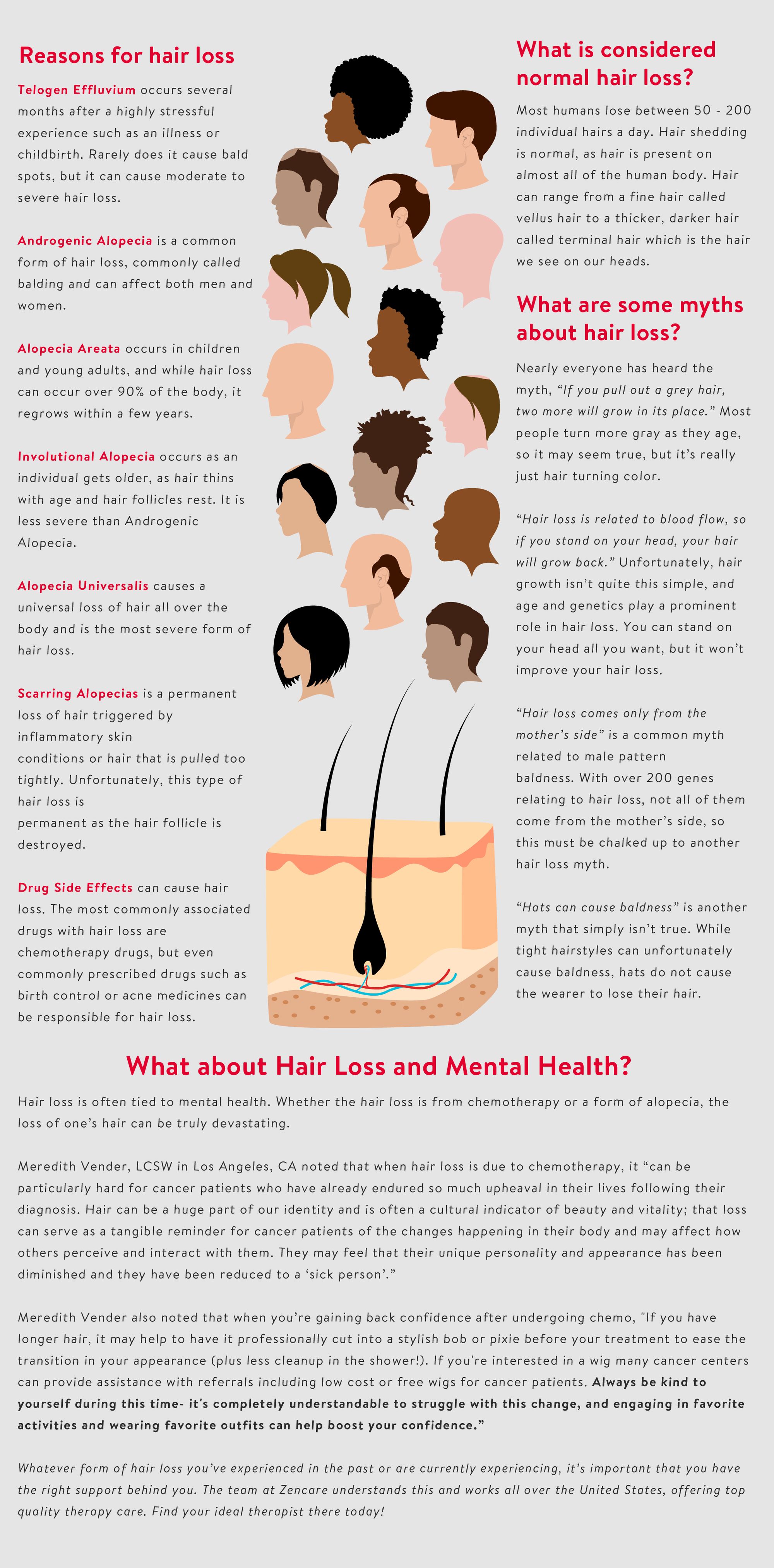
Credit: blog.zencare.co
Key Takeaways
- Not all birth control pills are equal in their effects on hair. High-androgenic progestins are most likely to cause shedding.
- Temporary hair loss is common when starting or stopping hormonal contraception.
- Anti-androgenic pills can actually help with hair growth for some women.
- Your risk depends on family history, hormone sensitivity, and overall health.
- Most pill-related hair loss is temporary and reversible.
If you notice hair changes, don’t panic. Talk to your doctor and consider your options. With the right information, you can find a birth control method that fits both your reproductive and hair health needs.
Frequently Asked Questions
What Should I Do If I Notice Hair Loss After Starting Birth Control?
If you see increased shedding 2-3 months after starting a pill, monitor your hair for a few months. If it continues or worsens, talk to your doctor about switching to a pill with lower androgenic activity or consider non-hormonal options.
Also, check for other causes like stress, diet, or thyroid issues.
Are There Any Birth Control Pills That Help With Hair Growth?
Yes, pills containing drospirenone (Yaz, Yasmin) or cyproterone acetate (Diane-35) have anti-androgenic effects. They are sometimes prescribed for women with androgenic alopecia or PCOS to help improve hair growth and reduce thinning.
Can Stopping Birth Control Cause Hair Loss?
Yes, stopping hormonal birth control can cause telogen effluvium—a temporary increase in hair shedding. This usually starts 2-3 months after stopping and resolves within 6-12 months as your body adjusts.
How Can I Tell If My Hair Loss Is From Birth Control Or Something Else?
Consider the timing (did it begin 2-3 months after starting/stopping? ), the pattern (diffuse thinning, not bald spots), and any family history. If you have other symptoms or if hair loss is severe or continues longer than six months, see a doctor for evaluation.
Where Can I Find More Information About Birth Control And Side Effects?
You can visit reputable medical sources like the Mayo Clinic for detailed information on birth control types and side effects, including hair loss.
Choosing the right birth control is a personal decision. Understanding how different pills affect your hair can help you feel confident and in control of your health. If you ever feel unsure, your healthcare provider can guide you through your options and help you make the best choice for your body and lifestyle.

Credit: theradome.com