

Becoming a mother is a life-changing experience, filled with joy, exhaustion, and countless new emotions. Yet, many women are surprised by how much their body and appearance change after giving birth. These postpartum changes can affect everything from your skin and hair to your muscles, posture, and confidence.
While some of these changes are temporary, others may last much longer. Understanding what to expect, why these changes happen, and how to care for your body can make this transition smoother and more compassionate.
Let’s explore the most common postpartum body and beauty changes, the science behind them, and practical ways to care for yourself. Whether you’re a new mom or supporting one, this guide offers clear, honest answers and gentle advice for every stage of the postpartum journey.
The Science Behind Postpartum Changes
Giving birth is a major event for your body. During pregnancy, your body produces higher levels of hormones such as estrogen and progesterone. These help your baby grow, but they also change your skin, hair, and even your mood. After childbirth, your hormone levels drop quickly, which can trigger many of the changes mothers notice.
Your organs, muscles, and skin have spent months adapting to pregnancy. Postpartum, they slowly return to their pre-pregnancy state, but this process can take weeks or months. Some changes are visible, while others, like internal healing, are less obvious but just as important.
Some mothers are surprised by the emotional ups and downs that come with these changes. The “baby blues” often hit within the first week, as hormone levels crash and your body tries to find its new balance. Blood volume, which increased during pregnancy, also drops back down, sometimes causing fatigue or dizziness.
Beyond hormones, your body is also recovering from the physical stress of labor. Muscles that worked hard during delivery may be sore or weak, and tissues need time to repair. Even your immune system, which changed during pregnancy to protect your baby, is adjusting back to normal.
Understanding these shifts can help you be more patient with yourself during recovery.
Skin Changes After Giving Birth
Your skin is one of the first places you’ll notice postpartum changes. Here are the most common ones:
Stretch Marks
Stretch marks are thin, reddish or purple lines that often appear on the belly, breasts, hips, or thighs. They happen when your skin stretches quickly during pregnancy. Over time, these marks usually fade to a lighter color, but they rarely disappear completely.
Many women feel self-conscious about stretch marks, but they are extremely common. Genetics play a big role—if your mother had them, you’re more likely to get them too. While creams and oils can help keep your skin soft, there’s no magic product to erase stretch marks.
Some women find that using a moisturizer with vitamin E or cocoa butter helps the skin feel smoother.
It’s important to remember that stretch marks are not a sign of poor health or bad skincare. They are simply a record of your body’s incredible ability to grow and adapt. For some, stretch marks become less noticeable with time, especially if you keep your skin hydrated and protect it from the sun.
Hyperpigmentation
Hyperpigmentation means certain areas of your skin become darker. The most well-known type is the “mask of pregnancy” (melasma), which appears as dark patches on the face. You may also notice a dark line down your belly (linea nigra).
These changes are caused by hormone shifts and usually fade within a few months after birth. Wearing sunscreen daily can help prevent further darkening. If the patches bother you, talk to a dermatologist about gentle treatments.
Some women notice that even freckles or moles seem darker after pregnancy. Pigmentation can be stubborn, and using gentle exfoliants (like lactic acid, if your doctor approves) may help over time. Remember, harsh treatments are best avoided during the breastfeeding period.
Acne Flare-ups
Hormonal changes can cause postpartum acne even if you didn’t have it during pregnancy. This acne usually appears on the face, neck, or back. Using a mild cleanser and oil-free moisturizer can help. Avoid harsh scrubs or strong acne treatments, especially if you’re breastfeeding, unless your doctor approves them.
It’s easy to feel frustrated if breakouts continue for months. Keeping a simple skincare routine and not picking at acne can prevent scars. If acne is severe, your doctor may suggest safer topical treatments or antibiotics.
Loose Skin
After the baby arrives, some women notice loose skin around their stomach. This happens because the skin stretched to make room for the baby. With time, exercise, and a healthy diet, your skin may tighten, but some looseness can remain.
Collagen production slows as we age, so skin may take longer to bounce back, especially after multiple pregnancies. Gentle massage and staying hydrated support your skin’s recovery, but patience is key.
Dryness And Sensitivity
Many new moms experience dry, sensitive skin after birth. This can be due to hormone changes, lack of sleep, or dehydration. Using a gentle, fragrance-free moisturizer and drinking plenty of water can help your skin recover.
If you notice red patches, itching, or eczema, try switching to hypoallergenic products and avoid hot showers, which can strip oils from your skin.

Credit: www.joinphoenixhealth.com
Hair And Nail Changes
Pregnancy often brings thicker, shinier hair due to increased estrogen. But after childbirth, many women experience hair shedding known as telogen effluvium. This can be alarming, but it’s normal.
Postpartum Hair Loss
Most women lose 50-100 hairs a day, but after birth, you may lose much more. This usually starts 2-4 months postpartum and can last up to six months. The hair loss is temporary, and your hair will grow back.
Tips to manage postpartum hair loss:
- Use a wide-tooth comb to avoid pulling hair.
- Avoid tight hairstyles that stress the scalp.
- Eat a balanced diet with protein, iron, and vitamins.
- Be gentle with heat styling.
Some women also notice new “baby hairs” growing around their hairline as their hair recovers. Wearing your hair loose or in a soft bun can minimize breakage. If you see bald spots or excessive thinning, check with your doctor, as this could signal a thyroid issue or nutrient deficiency.
Nail Changes
Hormone shifts can also affect your nails. Some women find their nails grow faster, while others notice them becoming brittle or developing ridges. Keeping nails trimmed and using hand cream can help.
Wearing gloves for housework and limiting nail polish remover use can also reduce brittleness. If your nails change color or texture dramatically, it’s worth mentioning to your doctor.
Breast Changes
Your breasts go through many changes during and after pregnancy. These changes can affect both appearance and comfort.
Breast Size And Shape
After birth, breasts may become larger and heavier, especially if you’re breastfeeding. This is due to increased blood flow and milk production. Once breastfeeding stops, breasts may shrink and feel softer or less firm.
Some women notice their breast size changes from day to day, depending on feeding and milk supply. Wearing a supportive, well-fitting bra reduces discomfort and helps prevent back pain.
Nipple And Areola Changes
You may notice darker or larger nipples and areolas. This is normal and often fades over time. Some women develop small bumps on the areola called Montgomery’s tubercles—these help lubricate the nipple during breastfeeding.
Occasionally, nipples may crack or become sore from nursing. Applying purified lanolin or breast milk can help them heal. If you notice bleeding or persistent pain, consult a lactation specialist for advice.
Leaking And Tenderness
It’s common to experience leaking milk, especially in the first weeks. Wearing breast pads can help absorb leaks. Breasts may also feel tender or lumpy due to milk flow or engorgement. If you notice severe pain, redness, or fever, see a doctor—it could be a sign of mastitis.
You may also feel tingling as your milk “lets down” during feeds or even when you hear your baby cry. This is normal, but if you notice blocked ducts or lumps that don’t improve, gentle massage and warm compresses can help.
Sagging
Breast sagging can happen after breastfeeding or due to loss of skin elasticity. This is a natural part of aging and not caused by breastfeeding itself. Supportive bras can help you feel more comfortable.
Maintaining good posture and wearing a sports bra during exercise can also reduce discomfort. If sagging bothers you, remember it’s a normal change and doesn’t reflect your health or beauty.

Credit: www.amazon.com
Body Shape And Weight
Your body has spent months growing a baby. It’s natural for your shape and weight to change after giving birth.
Belly Size
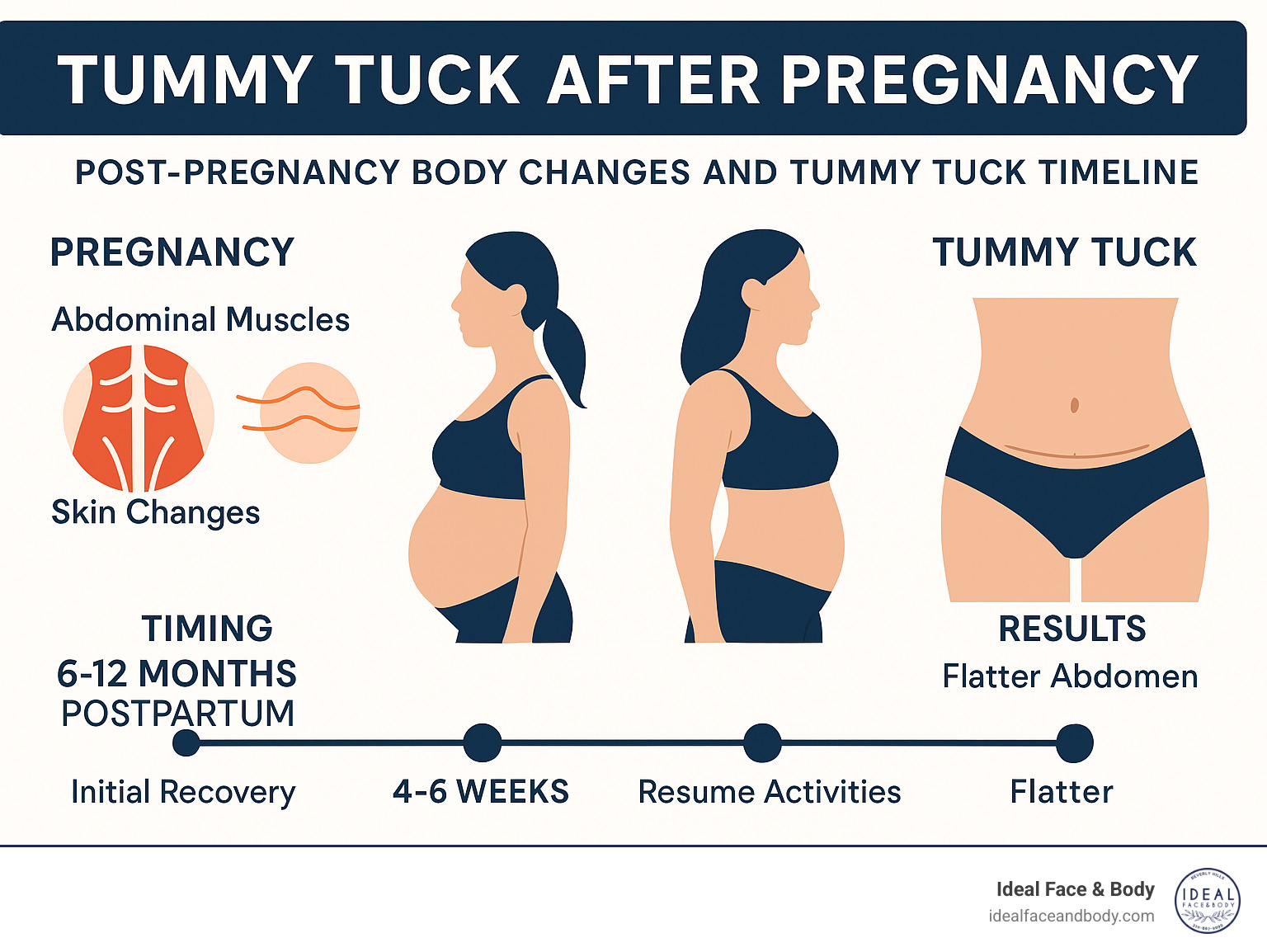
The uterus shrinks back to its normal size over several weeks, but the belly may still look round or soft. This is due to stretched muscles and skin.
For some women, the “mom pooch” remains for months, even with healthy habits. This is not a failure—your body is healing and adapting.
Weight Loss Timeline
Most women lose about 5-6 kilograms (11-13 pounds) right after delivery (baby, placenta, amniotic fluid). The rest of the weight comes off more slowly. Losing weight too quickly can affect milk supply and energy.
A healthy postpartum weight loss is about 0.5–1 kg (1–2 pounds) per week. Crash diets or heavy workouts are not recommended.
Quick weight loss can also disrupt hormone balance and slow recovery. Focus on gradual changes, and don’t compare your timeline to others.
Wider Hips
Some women notice wider hips after childbirth. This happens because the pelvic bones loosened during pregnancy and may not return fully to their original position.
This change helps your body during birth and can be permanent for some. Wearing supportive underwear or pants may improve comfort.
Muscle Separation (diastasis Recti)
Diastasis recti is the separation of the abdominal muscles. It can cause a bulge or “pooch” in the belly. Gentle core exercises, like pelvic tilts and modified planks, can help, but avoid crunches or sit-ups until your doctor approves.
If you feel a deep gap in the center of your abdomen or have back pain, ask your healthcare provider for a referral to a physiotherapist who specializes in postpartum recovery.
Here’s a simple comparison to show common postpartum body changes:
| Body Area | Common Change | Typical Timeline |
|---|---|---|
| Abdomen | Loose skin, muscle separation | 6 months to 1 year |
| Hips | Wider shape | Permanent for some women |
| Breasts | Size, shape, sagging | Several months post-weaning |
| Hair | Shedding | 2-6 months postpartum |
| Skin | Stretch marks, pigmentation | Fades within a year |
Pelvic Floor And Posture
Pregnancy and delivery put a lot of pressure on your pelvic floor muscles, which support your bladder, uterus, and bowels.
Pelvic Floor Weakness
Weak pelvic floor muscles can lead to leaking urine, especially when you sneeze or laugh. Simple exercises, like Kegels, can help strengthen these muscles over time.
It’s easy to forget these exercises, so try doing them while brushing your teeth or feeding your baby. Pelvic floor physiotherapists can teach you correct technique and address other issues like pelvic pain or prolapse.
Posture Changes
Carrying a baby changes your center of gravity, often causing back pain or rounded shoulders. Gentle stretching and strengthening exercises can improve posture and reduce discomfort.
Try to notice your posture while feeding your baby or lifting car seats. Using a supportive pillow and keeping your back straight can prevent long-term aches. Short sessions of yoga or pilates, tailored for postpartum women, can help restore alignment.
Sexual Health
Some women experience vaginal dryness, pain, or reduced sensation after birth, especially if they had stitches or tearing. Using a water-based lubricant and taking things slowly can help. If discomfort continues, talk to your doctor.
Don’t rush intimacy—emotional readiness is as important as physical healing. If you have ongoing concerns, a women’s health specialist can offer more options.
Changes In Body Odor And Sweating
After giving birth, you may notice increased sweating and a change in body odor. This is your body’s way of releasing extra fluid from pregnancy. Night sweats are common, especially in the first few weeks.
Wearing loose clothing, showering daily, and staying hydrated can help you feel fresher. These changes usually improve as your hormones stabilize.
Some women also find their sweat smells stronger or different. This is normal and often linked to hormonal shifts or breastfeeding. Gentle, fragrance-free deodorants are safest if your baby is sensitive to scents.
Emotional And Psychological Changes
Your mental health is just as important as your physical recovery. Postpartum changes can affect your mood, self-image, and confidence.
Mood Swings
Hormone shifts, lack of sleep, and new responsibilities can cause mood swings. Feeling sad, anxious, or overwhelmed is common.
These ups and downs usually improve after a couple of weeks. Accept support from friends and family, and remember, asking for help is a sign of strength.
Postpartum Depression
About 1 in 7 mothers experience postpartum depression. Symptoms include lasting sadness, lack of interest in things you enjoyed, or trouble bonding with your baby. If you notice these signs, seek help from a healthcare provider or counselor.
Postpartum depression can happen to anyone, even if you’ve never had mental health issues before. Treatment options include therapy, support groups, and sometimes medication. Early support leads to better recovery for both you and your baby.
Body Image
Many women struggle with body image after giving birth. Social media and unrealistic expectations can make this harder. Remember, your body has done something amazing. Give yourself time, and focus on health, not perfection.
Try writing down things you appreciate about your body, not just its appearance. Share your feelings with other moms—you’ll find you’re not alone.
How To Care For Your Postpartum Body
Taking care of yourself is not selfish—it’s necessary for your recovery and well-being. Here are proven ways to support your body and beauty after childbirth.
Nutrition For Healing
Eating a balanced diet helps your body heal, supports breastfeeding, and gives you energy. Focus on:
- Protein: Eggs, beans, chicken
- Healthy fats: Nuts, olive oil, avocado
- Whole grains: Brown rice, oats
- Fruits and vegetables: For vitamins and fiber
- Plenty of water: Especially if breastfeeding
Avoid skipping meals. Small, frequent snacks can keep your energy steady.
If you struggle to find time for cooking, meal prepping or asking loved ones for help can make a big difference. Iron-rich foods (like spinach or lentils) help with recovery, especially if you lost blood during birth.
Safe Exercise
Gentle movement helps improve mood, energy, and body strength. Always get your doctor’s approval before starting exercise. Start with:
- Walking: Easy and low impact
- Pelvic floor exercises: Kegels, gentle yoga
- Light stretching: Helps with posture and flexibility
Increase activity slowly. Listen to your body—rest when you need to.
Some women benefit from postpartum exercise classes, which offer support and guidance for your stage of recovery. If you notice pain or heaviness in your pelvis during movement, pause and check with your provider.
Sleep And Rest
Sleep is essential for healing, but new moms rarely get enough. If possible:
- Sleep when your baby sleeps
- Ask for help from family or friends
- Share night duties with a partner
Even short naps during the day can boost your mood and energy.
Try to lower expectations for housework—prioritize your rest and recovery. Using earplugs or a sleep mask can make short naps more restorative.
Skincare Routine
Your skin needs extra care after birth. Keep it simple:
- Use gentle, fragrance-free cleansers
- Moisturize daily
- Apply sunscreen every morning
- Avoid new harsh products while your skin is sensitive
If you have ongoing issues like acne or pigmentation, see a dermatologist for advice.
You may also find that your skin reacts differently to products you used before pregnancy. Always patch test new items and choose those labeled “for sensitive skin. ”
Hair And Nail Care
- Use mild shampoos and conditioners
- Avoid daily heat styling or harsh chemicals
- Try a shorter hairstyle if shedding bothers you
- Keep nails trimmed and moisturize hands often
If you color your hair, choose ammonia-free dyes and wait until your scalp feels healthy. Regular trims can reduce split ends and make hair appear fuller.
Supportive Clothing
Wearing comfortable, supportive clothes can make a big difference. Look for:
- Well-fitting bras with good support
- Soft, stretchy underwear
- Loose, breathable fabrics
Compression garments can help some women feel more comfortable, but they aren’t necessary for everyone.
Choosing clothes that are easy to nurse in, or have adjustable waistbands, adds convenience. Don’t feel pressured to fit into pre-pregnancy clothes right away—your body is still recovering.
Emotional Self-care
Caring for your mind is as important as caring for your body.
- Talk openly about your feelings with someone you trust
- Join a postpartum support group or online community
- Practice gentle self-compassion—treat yourself as you would a friend
If you notice signs of depression or anxiety, don’t hesitate to seek help.
Simple mindfulness practices, like deep breathing or short walks outdoors, can help reduce stress. Taking a few minutes for yourself every day makes a real difference.
Beauty Tips For Postpartum Moms
You don’t need to spend hours getting ready to feel good about yourself. Simple beauty routines can help you feel refreshed and confident.
Quick Makeup Ideas
- Use a tinted moisturizer or BB cream for even skin tone
- Apply a bit of blush or bronzer to add warmth
- Mascara and lip balm can brighten your face in minutes
If you have only seconds, curling your lashes or applying a tinted lip balm can give your face a lift.
Fast Hair Fixes
- Use dry shampoo between washes to add volume
- Try a simple ponytail, bun, or braid
- Headbands and scarves are easy ways to style hair on busy days
Braided styles help manage shedding and keep hair out of your face during feeds or playtime.
Time-saving Skincare
- Keep facial wipes or micellar water handy for quick cleansing
- Use multitasking products, like moisturizer with SPF
Consider using a hydrating mist for a refreshing boost, especially if you’re short on time or sleep.
Remember, beauty is about how you feel, not just how you look.
When To Seek Medical Advice
Most postpartum changes are normal, but some signs mean you should see a doctor:
- Heavy bleeding after the first week
- Severe pain or swelling in your legs
- Fever, chills, or foul-smelling discharge
- Signs of depression or anxiety lasting more than two weeks
- Painful, red, or hot areas on your breasts
Never ignore your instincts—if something feels wrong, get help.
Other reasons to check in: headaches that don’t go away, blurry vision, or feeling extremely weak. Your health matters, and early care can prevent bigger problems.
Real Stories: What Moms Wish They Knew
Hearing from other mothers can be reassuring. Many new moms say they wish they had known:
- “My belly didn’t go down right away, and that’s okay.”
- “Hair loss was scary, but it grew back.”
- “It’s normal to feel overwhelmed and ask for help.”
- “Stretch marks faded more than I expected.”
You are not alone. Every mother’s journey is different, and there’s no single “right” way to heal or look after birth.
Moms also share that making time for small joys, like a cup of tea or a walk outside, helped them feel more like themselves again. Building a support network, even online, makes the challenges easier to manage.
Postpartum Body: Myths Vs. Facts
Many beliefs about the postpartum body are outdated or just wrong. Here’s a quick comparison to clear up confusion:
| Myth | Fact |
|---|---|
| Breastfeeding ruins your breasts | Pregnancy and aging, not breastfeeding, cause breast changes |
| Stretch marks mean you didn’t use enough lotion | Genetics and skin type are the main factors |
| You should “bounce back” in 6 weeks | Full recovery can take months or longer |
| Postpartum depression is just “baby blues” | PPD is a medical condition that may need treatment |
Don’t let myths shape your expectations. Trust your body’s unique timeline and focus on recovery, not perfection.
Two Insights Many Miss
- Internal Healing Takes Time: Most advice focuses on what you see, but organs like your uterus and pelvic floor need months to fully heal. Trying to rush exercise or ignore pain can slow recovery.
- Body Changes Are Not Always Reversible: While many changes fade, some, like wider hips or stretch marks, may be permanent. Accepting this as part of your unique journey can bring peace and confidence.
Another overlooked insight: the importance of mental support. New moms often focus on physical healing but forget that emotional and psychological recovery matter just as much.
Embracing Your New Self
The postpartum body is a symbol of what you’ve achieved. It’s normal to mourn some changes, but many women also find a new kind of beauty in their strength and resilience. Celebrate small milestones, whether it’s more energy, improved sleep, or feeling comfortable in your skin.
If you want more detailed medical information, the Mayo Clinic offers trusted resources on postpartum recovery.
Frequently Asked Questions
How Long Do Postpartum Body Changes Last?
Most changes, like hair loss or skin pigmentation, improve within 6–12 months. Some, such as stretch marks or wider hips, may last longer or become permanent. Healing times vary for every woman.
Is It Safe To Exercise Right After Giving Birth?
Light activities like walking and pelvic floor exercises are usually safe soon after birth, but always get your doctor’s approval first. More intense workouts should wait until your body has healed, usually after your 6-week checkup.
Will My Stretch Marks Go Away?
Stretch marks fade over time but rarely disappear completely. Creams may help with comfort, but genetics and skin type are the biggest factors. Laser treatments can reduce their appearance but are not always necessary.
Can I Use My Regular Skincare Products While Breastfeeding?
Most gentle, fragrance-free products are safe. Avoid retinoids and strong acids unless your doctor says they are okay. If you’re unsure, check labels and ask your healthcare provider.
What Should I Do If I Feel Sad Or Anxious For Weeks After Birth?
It’s normal to have mood swings, but sadness or anxiety lasting more than two weeks may be postpartum depression. Reach out to your doctor, counselor, or a support group. You are not alone, and help is available.
Being kind to yourself during this time is not only allowed—it’s essential. Your body and beauty are unique, and every change tells a story of strength. With patience, care, and support, you can thrive in your postpartum journey.
Credit: idealfaceandbody.com