

Many people with low porosity hair love the look of twist-outs—defined, springy curls that last for days. But if you’ve ever tried a twist-out on your low porosity hair, you might know the struggle: frizz, limp curls, and styles that disappear overnight. Achieving long-lasting definition is possible, but it requires a unique approach. This article will guide you through every step, from understanding your hair’s special needs to maintenance that keeps your twist-out fresh and beautiful for days.
What Makes Low Porosity Hair Different?
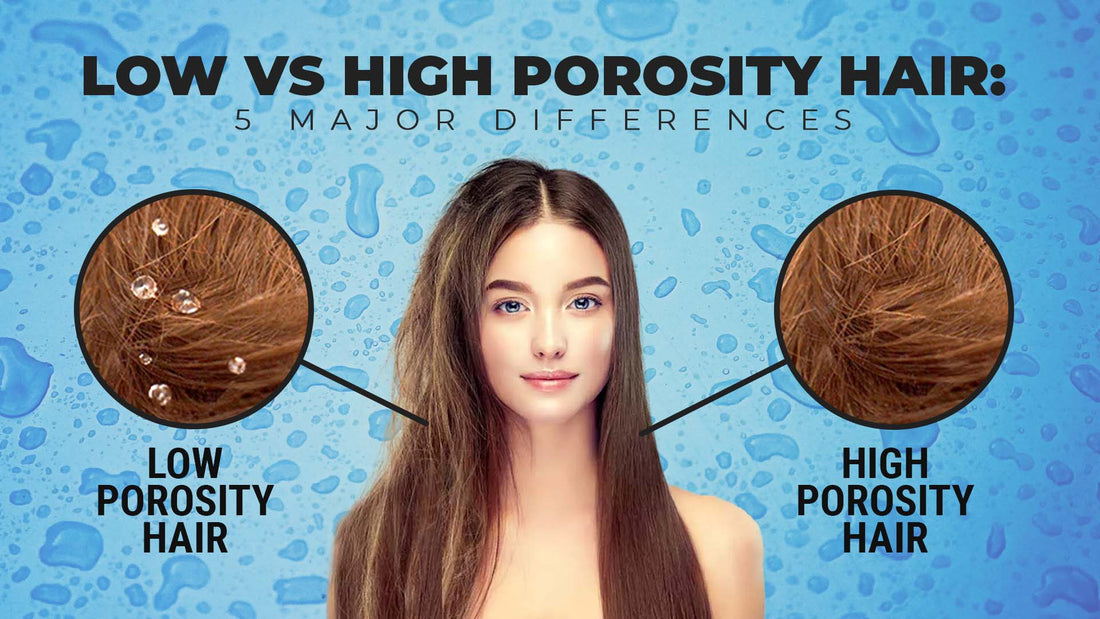
Low porosity hair has cuticles that lay flat and are tightly packed together. This means water and products have a hard time getting in, but once moisture is inside, it doesn’t leave quickly. This unique structure affects everything about your twist-out process.
Key Characteristics
- Water beads up on the hair instead of soaking in quickly.
- Products sit on top of the hair, leading to build-up.
- Drying time is long because water escapes slowly.
- Frizz is common, especially if you use too much product or the wrong technique.
Why Does This Matter For Twist-outs?
Twist-outs depend on the hair taking and holding a new shape. If moisture can’t enter, or if products coat the hair, your twists may not set well. On the other hand, the moisture that does enter is held tightly, which can be good for lasting definition—if you prepare the hair correctly.
Preparing Your Low Porosity Hair For A Twist-out
Preparation is the foundation of a successful twist-out on low porosity hair. Skipping or rushing this step often means less definition and a style that fades quickly.
Cleanse Thoroughly
Product build-up is a big enemy for low porosity hair. Regular shampoo often isn’t enough. Use a clarifying shampoo at least once a month to remove residue that can block moisture. If you use heavy creams or oils, clarify more often.
Use Warm Water
Warm (not hot) water helps open the cuticles slightly. This allows your moisturizing products to penetrate better. When you wash and condition, always use warm water to give your hair a head start.
Deep Condition With Heat
Deep conditioning is essential, but for low porosity hair, heat makes all the difference. Use a hooded dryer, heat cap, or a warm towel to help your conditioner sink in. Look for conditioners with humectants like glycerin or honey for better moisture.
Detangle Gently
Low porosity hair tangles easily, especially when dry. Always detangle during the conditioning stage, using a wide-tooth comb or your fingers. This prevents breakage and makes twisting easier later.
Don’t Overload With Protein
Protein is important, but low porosity hair can become stiff or brittle if you use too much. Use protein treatments only when your hair feels limp or lacks elasticity—not as a weekly routine.
Choosing The Right Products For Twist-outs
Selecting the best products is critical for both moisture and definition. Low porosity hair is sensitive to heavy products, so lightweight options work best.
Water-based Leave-in Conditioner
Look for leave-ins that list water as the first ingredient. These hydrate without weighing hair down. Avoid products with lots of silicones or mineral oil, as they can block moisture further.
Lightweight Creams Or Lotions
For twist-outs, you need something that can hold the curl but not suffocate the hair. Light creams with natural oils (like argan, sweet almond, or grapeseed oil) are good choices. Heavy butters often just sit on the surface and cause build-up.
Gels For Hold
If you want extra definition and longer-lasting twists, a light gel can help. Look for gels with flaxseed, aloe vera, or botanical extracts, and avoid those with a lot of alcohol that can dry out your hair.
Oils For Sealing
Oils help lock in moisture after you’ve added water and cream. For low porosity hair, grapeseed oil or argan oil are better than heavier oils like castor or coconut, which may just coat the hair.
Product Comparison For Low Porosity Hair
Here’s a quick look at how common product types stack up for twist-outs:
| Product Type | Benefits | Downsides for Low Porosity Hair | Best For |
|---|---|---|---|
| Heavy Butters (Shea, Mango) | Intense moisture, smooths cuticle | Can cause build-up, weigh hair down | Ends, occasional sealing |
| Lightweight Creams | Hydrates, defines without heaviness | May need to layer for thick hair | All over twist-outs |
| Gel (Aloe, Flaxseed) | Hold, fights frizz | Can be drying if high alcohol | Extra hold for definition |
| Oils (Grapeseed, Argan) | Seals moisture, adds shine | Heavy oils may sit on top | Light sealing step |
The Best Twist-out Method For Low Porosity Hair
Technique matters just as much as product choice. Here’s a step-by-step process that helps maximize curl definition and longevity.
Step 1: Start On Freshly Washed, Damp Hair
Twist-outs set best on clean, damp hair. Too much water can dilute your products; too little can make hair frizzy. Squeeze out excess water with a microfiber towel or cotton T-shirt.
Step 2: Section Your Hair
Divide your hair into 4–8 sections, depending on thickness and length. Smaller sections give tighter curls and more definition, while larger sections give looser waves.
Step 3: Apply Leave-in And Cream
Work a small amount of leave-in conditioner through each section, focusing on the ends. Then, layer a lightweight cream on top. Use your fingers or a wide-tooth comb to distribute evenly.
Step 4: Seal With Oil (optional)
If your hair dries out easily, smooth a few drops of oil over each section after the cream. Focus on the ends.
Step 5: Add Gel For Extra Hold (optional)
If you need more hold, apply a light gel—just a dime-sized amount per section.
Step 6: Twist Tightly But Gently
Split each section in two and twist them around each other from root to tip. The tighter you twist, the more defined the curl. Twirl the ends around your finger for a neat finish.
Step 7: Air Dry Or Use A Hooded Dryer
Air drying gives the softest results but takes longer, especially for low porosity hair. A hooded dryer or bonnet dryer is faster and helps set the style. Avoid taking down twists before they are 100% dry—damp hair causes frizz and uneven curls.
Step 8: Separate And Fluff
Once completely dry, coat your fingers lightly with oil and gently separate each twist for more volume. Don’t over-separate, or you’ll lose definition.
Example Twist-out Routine
Here’s a sample routine for medium-density, shoulder-length low porosity hair:
- Shampoo with clarifying shampoo (once a month); otherwise, use a gentle sulfate-free cleanser.
- Deep condition with heat for 30 minutes.
- Detangle with a wide-tooth comb.
- Rinse with warm water.
- Section hair and apply water-based leave-in.
- Layer with light cream.
- Seal ends with grapeseed oil.
- Twist in small sections and air dry overnight.
- Unravel twists in the morning for defined curls.

Credit: www.reddit.com
Common Mistakes To Avoid With Low Porosity Twist-outs
Knowing what not to do is just as important as following the right steps. Many people make the same mistakes and wonder why their twist-outs don’t last.
Using Too Much Product
Low porosity hair doesn’t absorb products quickly. If you pile on creams and oils, they will sit on top, causing flakes, dullness, and limp curls.
Twisting On Soaking Wet Hair
Excess water slows drying even more and can make your twists lose shape. Damp is best—think towel-dried, not dripping.
Rushing The Drying Process
Taking down twists before they are fully dry is a recipe for frizz and definition loss. Patience pays off.
Skipping Clarifying
Product build-up happens fast with low porosity hair. If your twist-out results seem to get worse over time, clarify and start fresh.
Using Heavy Butters All Over
Butters are great for ends or very dry spots but can suffocate low porosity strands if used all over.
Not Using Heat When Deep Conditioning
Without heat, conditioners won’t penetrate well, and your hair will stay dry and hard to style.
How To Make Definition Last Longer
The real challenge with twist-outs on low porosity hair is keeping that fresh, defined look for more than a day or two. Here’s how you can extend the life of your style.
Protect At Night
Cotton pillowcases suck moisture from your hair and cause friction that leads to frizz. Use a satin bonnet or silk scarf to keep twists smooth. You can also sleep on a silk pillowcase for extra protection.
Pineapple Or Band
If your twist-out is long enough, gather your hair at the top of your head in a loose “pineapple. ” For shorter hair, use a satin scarf to gently wrap and protect curls.
Refresh Without Over-wetting
To revive definition, lightly mist your hair with water or a water-based refresher spray. Avoid soaking your hair, which can cause frizz. Scrunch in a tiny bit of leave-in or gel if needed, then let air dry.
Retwist Sections As Needed
If some curls lose shape, retwist just those sections at night with a dab of cream or gel. Avoid redoing your whole head—targeting problem spots saves time and stress on your hair.
Avoid Heavy Oils For Refreshing
Heavy oils can create build-up and make hair look dull. Stick to light oils or just water-based mists.
Comparison: Nighttime Protection Methods
Here’s how different nighttime routines help twist-out definition:
| Method | Effect on Definition | Ease of Use | Recommended For |
|---|---|---|---|
| Satin Bonnet | Excellent | Easy | All hair lengths |
| Silk Pillowcase | Very Good | Very Easy | Those who dislike bonnets/scarves |
| Pineapple Method | Good | Moderate | Medium/long hair |
| Scarf Wrap | Good | Moderate | Shorter styles |
Advanced Tips For Maximum Definition
Some less obvious tips can take your twist-out from good to great, especially for low porosity hair.
Use Steam For Moisture
A handheld steamer or a hot shower (with hair uncovered) can help open cuticles before applying products. This can boost moisture and definition.
Try The Loc Or Lco Method
Experiment with layering: Liquid (water/leave-in)–Oil–Cream (LOC) or Liquid–Cream–Oil (LCO). See which method your hair prefers—some low porosity hair does better with oil last, others with cream last.
Clip The Roots
If your twists tend to puff at the roots, use small clips to keep roots flat while drying. This avoids frizz and gives a neater finish.
Use Flexible Rods On The Ends
For stubborn, straight ends, wrap the last inch or two of each twist around a small perm rod or flexi rod. This ensures every curl is defined, even if your ends are heat-damaged or looser.
Avoid Heavy Stylers In Humid Weather
Humidity can undo your twist-out. Use anti-humidity sprays or gels to lock in your style, and avoid heavy butters/oils that attract moisture from the air.
Monitor Product Build-up
Keep track of how your hair feels and looks after each twist-out. If you notice dullness or flakes, clarify more often and cut back on product amounts.
Example: Loc Vs. Lco On Low Porosity Hair
| Method | Definition | Moisture Retention | Best For |
|---|---|---|---|
| LOC | Very Defined | Good | High humidity, fine hair |
| LCO | Soft, bouncy | Excellent | Dry climates, thick hair |
Real-world Examples: What Works For Others
Learning from others with similar hair can help you discover new ideas and avoid common mistakes.
Example 1: Tia’s Routine For Lasting Definition
Tia has collarbone-length, fine low porosity hair. She uses a water-based leave-in, a light cream, and a few drops of argan oil. She twists in small sections and air dries overnight. She sleeps with a satin bonnet and refreshes every other night with a water-based spray.
Her twist-outs last up to five days with minimal frizz.
Example 2: Marcus’s Method For Thick Hair
Marcus has thick, shoulder-length low porosity curls. He clarifies every two weeks, deep conditions with heat, and uses the LCO method. He applies a botanical gel for hold and uses a hooded dryer to set the style. He pineapples his hair at night and retwists the front if needed.
His definition lasts four days, even in humid weather.
Non-obvious Insights From Real Users
- Many low porosity naturals say their twist-outs improved when they started deep conditioning with heat every time—not just sometimes.
- Several found that using less product improved both definition and moisture retention, instead of more.
- Some noticed that refreshing with just water, not extra cream or oil, helped their hair stay bouncy and light.
How Weather Impacts Your Twist-out
Weather can play a big role in how well your twist-out lasts. Understanding these effects helps you adjust your routine.
Humid Weather
Humidity brings extra moisture into the air, which can swell your hair and ruin definition. Use anti-humidity sprays or gels, and avoid heavy butters that attract water.
Dry Weather
Dry air can pull moisture from your hair, making it brittle. In these conditions, focus on sealing with a light oil and avoid over-manipulating your curls.
Windy Days
Wind can tangle and frizz your twist-out. Wear a protective style (like a bun or scarf) or use a bit more gel to help hold your curls in place.
How To Troubleshoot Common Twist-out Problems
Even with the best routine, you might run into issues. Here’s how to fix them.
Frizz After Take-down
- Make sure twists are 100% dry.
- Coat fingers with oil before separating.
- Try twisting tighter or smaller sections.
Flakes And Dullness
- Use less product, and make sure products are compatible (some creams and gels flake when mixed).
- Clarify hair to remove build-up.
Flat, Undefined Curls
- Use smaller sections for twisting.
- Add a gel with hold.
- Try drying with a hooded dryer for better set.
Crunchy Or Stiff Hair
- Cut back on protein treatments.
- Avoid gels with a lot of alcohol.
- Use more water-based products.
Credit: theradome.com
Maintaining Scalp Health During Twist-outs
A healthy scalp is the base for healthy hair and great twist-outs. Low porosity hair is prone to build-up, so scalp care is vital.
Cleanse Regularly
Don’t skip washes just to keep your style longer. Use a gentle shampoo or a cleansing conditioner to remove sweat and oils.
Massage For Circulation
While shampooing, massage your scalp to boost blood flow. This encourages healthy growth and helps remove dirt.
Avoid Over-oiling
Too much oil on the scalp can block pores and cause itching or flakes. Focus oil application on hair, not directly on the scalp.
Try Scalp Treatments
If you have dryness or flakes, use a light scalp treatment with tea tree or peppermint oil before washing.
The Role Of Trimming And Hair Health
Split ends and breakage can ruin your twist-out results, no matter how perfect your routine is.
Trim Regularly
Regular trims every 2–3 months keep ends healthy and twists neat.
Monitor For Damage
Look for signs of heat or chemical damage—uneven curls, rough ends, or breakage. Adjust your routine to be gentler if you notice problems.
Don’t Skip Protective Styles
Give your hair a break between twist-outs with buns, updos, or braids to prevent over-manipulation.
Myths About Twist-outs And Low Porosity Hair
There are many misconceptions that can lead you down the wrong path.
Myth 1: You Need Heavy Creams For Definition
Truth: Heavy creams often cause build-up and limp curls for low porosity hair. Lightweight products often work better.
Myth 2: More Product Equals More Moisture
Truth: Less is more. Too much product sits on the surface and leads to flakes.
Myth 3: Twist-outs Don’t Work For Low Porosity Hair
Truth: With the right technique and products, you can get defined, lasting twist-outs—sometimes even better than high porosity hair because moisture is held longer.
Myth 4: All Oils Are The Same
Truth: Heavier oils can block moisture for low porosity hair. Light oils are much more effective.
When To See A Professional Stylist
Sometimes, getting expert help can solve problems you can’t fix on your own.
- If you have constant dryness or breakage, a stylist can check for damage or recommend better products.
- If your twist-outs never turn out right, ask for a demonstration. Many stylists offer curl tutorials.
- For color-treated or chemically processed hair, professional advice is key to avoid further damage.

Credit: www.reddit.com
Resources For Further Learning
The natural hair community is full of advice, but not all of it is reliable. Look for information from sources like the American Academy of Dermatology or trusted hair care platforms. For more detailed scientific explanations about hair porosity, check out the Wikipedia Hair Care page.
Frequently Asked Questions
What Is Low Porosity Hair?
Low porosity hair has tightly closed cuticles that make it hard for water and products to enter. It’s slow to get wet and slow to dry. This means you need special techniques to moisturize and style it.
How Often Should I Do A Twist-out On Low Porosity Hair?
It depends on your routine and hair health. Most people do twist-outs every 1–2 weeks. Too often can cause breakage; too rarely can lead to tangling. Listen to your hair’s needs.
Why Does My Twist-out Always Look Frizzy Or Undefined?
Common reasons are not letting twists dry fully, using too much or incompatible products, or not twisting tightly enough. Try smaller sections, less product, and make sure to dry completely.
Can I Use Heavy Butters For My Twist-out?
Heavy butters like shea or mango can be used on your ends or very dry spots, but avoid using them all over if you have low porosity hair. Lighter creams and oils usually give better definition and less build-up.
How Do I Know If My Products Are Causing Build-up?
If your hair feels greasy, sticky, or flakes after styling, you likely have build-up. Clarify with a special shampoo, then use less product or switch to lighter formulas.
Achieving a twist-out on low porosity hair that’s defined and long-lasting is possible with the right routine. Focus on clean, well-moisturized hair, choose light products, and be patient with drying. Protect your style at night and adjust for weather. With practice, you’ll find the perfect method for curls that make you feel confident every day.