

If you’ve ever lived or traveled in a place where the air feels thick and sticky, you know how quickly skin can change. You apply your favorite heavy moisturizer—maybe the same one that kept your face soft and glowing all winter. But in a humid climate, something strange happens. Within days, your pores seem larger, your skin feels greasy, and breakouts start appearing in places you never expected. It’s a frustrating problem, and you’re not alone. Many people find that using a heavy moisturizer in humid weather leads to more pimples, clogged pores, and general discomfort.
But why does this happen? Should you throw out your moisturizer? And most importantly, what can you do to keep your skin healthy and clear—even when the humidity is off the charts? This guide will help you understand the science behind breakouts in damp climates, show you how to adjust your skincare routine, and share practical tips to keep your skin balanced and happy.
Why Heavy Moisturizers Cause Breakouts In Humid Climates
When you move from a dry to a humid place, your skin’s needs change. Humidity means there is more water in the air. This extra moisture affects your skin in several ways:
- Sweat and oil: Your body sweats more to cool you down. Oil glands may also become more active.
- Slower evaporation: Sweat and oil don’t evaporate quickly. They stay on your skin, mixing with your moisturizer.
- Clogged pores: Thick creams can trap sweat and oil, blocking pores and creating the perfect environment for bacteria.
A heavy moisturizer is designed to lock in moisture. In a dry climate, this is good. In a humid climate, it can be too much. The extra layer on your skin traps everything—sweat, oil, dust, and pollution—leading to breakouts.
When humidity rises, the skin naturally holds more water. Using a moisturizer designed for dry air—often rich and occlusive—creates a barrier that prevents the skin from breathing. This barrier makes it harder for sweat and oil to escape, causing them to collect under the skin’s surface.
Over time, this can lead not only to pimples but also to a feeling of heaviness or discomfort.
Sometimes, the problem is not just the moisturizer itself, but how it interacts with your environment. If you live in a city with high pollution, the mix of dust, sweat, and oil becomes even more problematic. Heavy moisturizers create a sticky surface where particles can cling, making breakouts worse.
Non-obvious Insight 1: Your Moisturizer May Contain Hidden Pore-cloggers
Some moisturizers have ingredients like lanolin, petrolatum, or heavy plant oils. These are called comedogenic ingredients. In humid weather, they are much more likely to clog your pores compared to lighter, water-based moisturizers.
For example, lanolin is a common ingredient in creams meant for dry skin. It’s excellent for healing cracked skin, but in high humidity, it forms a thick film that traps sweat and oil. Petrolatum, often found in ointments and balms, creates an even denser barrier.
These ingredients rarely cause breakouts in dry climates, but in humid weather, they almost always become problematic.
Many people are surprised to learn that even natural oils, like coconut oil or cocoa butter, can be comedogenic. They might be marketed as “natural” or “safe,” but in sticky weather, they are far from ideal. Reading labels carefully can prevent months of frustration.
Non-obvious Insight 2: You May Be Using Too Much Product
In humid weather, the skin retains more moisture naturally. Many people use the same amount of moisturizer as they do in winter, not realizing their skin doesn’t need as much. Using too much—even of a “light” product—can tip your skin’s balance and lead to clogged pores.
A common mistake is layering products—serum, moisturizer, sunscreen, makeup—without reducing the amount of each. This creates a thick layer that blocks pores and makes skin feel suffocated. Sometimes, less is truly more, especially when the air is already wet.
Understanding Your Skin’s Needs In Humidity
Not all skin is the same. Some people have dry skin even in humid weather. Others get oily fast. Here’s what typically changes in humid climates:
- Increased oil production: Sebaceous (oil) glands can become overactive.
- Sweatier skin: Sweat can mix with oil, sunscreen, and makeup.
- Faster product breakdown: Skin absorbs less moisturizer because there’s already moisture in the air.
Your skin’s job is to protect you. In a humid climate, it doesn’t need as much help holding onto water. Instead, it needs products that allow it to breathe and sweat without getting clogged.
It’s important to note that humidity doesn’t just affect the surface. It changes the way your skin responds to everything else—sun, pollution, heat. People with oily skin often see their pores become more visible, while those with dry skin might feel less tightness but still need hydration.
Combination skin can become tricky, as some parts of the face (like the T-zone) get very oily, while others stay normal.
If you use makeup, you’ll notice it breaks down faster in humidity. Foundations and powders may mix with sweat and oil, making your skin look uneven. Choosing lighter, breathable products helps avoid this problem.
How To Tell If Your Moisturizer Is Causing Breakouts
Sometimes, it’s hard to know if your moisturizer is the problem. Here are some signs to look for:
- Breakouts appear shortly after using a new moisturizer or after moving to a humid area.
- Pimples are small and clustered: Often, these are closed comedones (little bumps) or whiteheads.
- Your skin feels greasy or sticky soon after applying moisturizer.
- Makeup slides off easily or looks patchy.
If you notice these changes, your moisturizer could be the culprit.
It’s also useful to pay attention to where breakouts appear. If pimples develop mostly on the cheeks or forehead—the areas where sweat collects and where you apply more moisturizer—it’s likely the product is causing the issue. Sometimes, breakouts appear along the hairline or jaw, where sweat and oil mix with moisturizer and hair products.
Another clue is how your skin feels throughout the day. If your face feels sticky, heavy, or suffocated, the moisturizer is not absorbing as it should. If you experience itching or redness, this could mean your skin barrier is stressed.
Key Ingredients To Avoid In Humid Climates
Certain ingredients are more likely to cause trouble when the air is already full of moisture:
- Petrolatum (petroleum jelly)
- Lanolin
- Coconut oil
- Shea butter (in heavy amounts)
- Mineral oil
- Dimethicone (in heavy, occlusive formulas)
These ingredients are great for dry, cracked skin in cold climates. In humidity, they can be too heavy.
Some products are marketed as “intense hydration. ” These often contain occlusive agents that lock in moisture but also trap sweat and oil. If you see words like “rich cream,” “balm,” or “repair ointment,” check the ingredient list for these heavy components.
A practical tip: If your moisturizer leaves a shiny, greasy layer that does not absorb after 10 minutes, it’s likely too heavy. Look for products that absorb quickly and leave a matte or comfortable finish.

Credit: www.amazon.com
Best Ingredients For Humid Climates
Look for lightweight, non-comedogenic moisturizers with these ingredients:
- Glycerin
- Hyaluronic acid
- Aloe vera
- Squalane (from sugarcane or olive)
- Lightweight esters
These ingredients hydrate without clogging pores.
Glycerin draws water into the skin without blocking pores. Hyaluronic acid holds moisture but feels light and airy. Aloe vera is soothing and absorbs quickly. Squalane is a gentle oil that mimics the skin’s natural moisture but doesn’t clog pores.
Some modern moisturizers use “water gel” technology, combining hydration with a barely-there feel. Products labeled “gel cream,” “water-based,” or “oil-free” are usually safer bets.
How To Adjust Your Skincare Routine For Humid Weather
Switching your moisturizer is just the first step. Your whole skincare routine may need a few tweaks.
1. Cleanse Gently, But More Often If Needed
Sweat and oil build up faster in humidity. Use a gentle, foaming cleanser twice a day. Avoid harsh scrubs—these can irritate skin and make breakouts worse.
If you exercise or sweat heavily, consider a quick rinse or splash of water midday, but don’t over-wash. Too much cleansing removes natural oils and weakens your skin’s barrier.
2. Switch To A Lightweight Moisturizer
Choose a gel-based or “oil-free” moisturizer. These formulas hydrate without leaving a heavy film.
Look for products that absorb in under a minute and leave your skin feeling refreshed, not greasy. Many brands now offer gel creams that work well in humid climates.
3. Use Less Product
Try using half the amount of moisturizer you’d use in winter. If your skin feels tight, add a little more. If it feels greasy, use less.
Start small—about a pea-sized amount—and adjust as needed. Remember, your skin gets some hydration from the air, so you don’t need to layer as much.
4. Don’t Skip Sunscreen
Sunscreen is essential, even when it’s humid. Choose a gel or matte finish sunscreen. Avoid cream-based formulas if you’re oily.
Look for “non-comedogenic” and “oil-free” labels. Sunscreens with silica or mattifying agents help control shine.
5. Exfoliate Once Or Twice A Week
Dead skin cells can build up and clog pores. Use a gentle chemical exfoliant (like salicylic acid) once or twice a week.
If you’re prone to breakouts, salicylic acid is especially helpful because it penetrates oil and keeps pores clear. Avoid physical scrubs—they can irritate sweaty skin.
6. Blot Excess Oil
Carry blotting papers or a soft tissue. Dab your skin during the day to remove sweat and oil without washing your face too often.
Blotting helps keep your skin comfortable and prevents makeup from breaking down. Don’t rub—just press gently.
7. Avoid Heavy Makeup
Layering foundation, concealer, and powder can trap sweat and oil. Use a tinted moisturizer or BB cream instead.
Choose lightweight formulas that let your skin breathe. Many tinted moisturizers have SPF, providing sun protection without extra layers.
What To Do If You’re Already Breaking Out
If you’re seeing pimples or bumps after using a heavy moisturizer, don’t panic. Here’s what you can do:
1. Stop Using The Heavy Moisturizer
Switch to a lighter, non-comedogenic option immediately. Your skin will start to improve within days.
Don’t try to “fix” the breakout by using more products—keep your routine simple.
2. Cleanse Twice Daily
Use a gentle, foaming cleanser in the morning and at night.
If you’re sweating a lot, rinse with water midday, but avoid soap unless necessary.
3. Use Targeted Treatments
Products with salicylic acid or benzoyl peroxide can help clear breakouts. Apply these only to the affected areas.
Spot treatments are more effective than covering your whole face, which can cause dryness.
4. Don’t Over-exfoliate
While it’s tempting to scrub away the problem, over-exfoliating can irritate your skin and make breakouts worse.
Limit exfoliation to once or twice a week. Watch for signs of irritation—redness, burning, peeling.
5. Be Patient
Your skin may take one to two weeks to adjust. Don’t switch products too often—this can make things worse.
Healing takes time, especially if your skin is stressed. If you don’t see improvement after four weeks, consult a dermatologist.
Comparing Moisturizer Types For Humid Climates
Choosing the right moisturizer can be confusing. Here’s a quick comparison:
| Type | Texture | Best For | Breakout Risk |
|---|---|---|---|
| Cream | Thick, heavy | Very dry skin, cold climates | High |
| Lotion | Light, fluid | Normal to dry skin | Medium |
| Gel | Light, water-based | Oily, acne-prone, humid climates | Low |
| Serum | Very light, fast-absorbing | All skin types | Very low |
If you’re unsure which to try, start with a gel or serum and see how your skin responds.
How Humidity Affects Different Skin Types
Not everyone reacts the same way to humidity. Here’s a look at how various skin types respond:
| Skin Type | Reaction to Humidity | Recommended Moisturizer |
|---|---|---|
| Oily | More oil, shine, larger pores | Gel-based, oil-free |
| Dry | May feel less dry, but still needs hydration | Light lotion or serum |
| Combination | Oily T-zone, normal cheeks | Gel or light lotion on T-zone, lotion on cheeks |
| Sensitive | Can get irritated, red, or bumpy | Fragrance-free, hypoallergenic gel or lotion |
If your skin is sensitive, stick to fragrance-free products and avoid known irritants.
What To Look For In A Humid Climate Moisturizer
When you shop for a new moisturizer, check the label for these words:
- Oil-free
- Non-comedogenic
- Gel-based
- Water-based
- Fragrance-free (if you have sensitive skin)
If you see “rich cream” or “intense hydration,” be careful. These are often too heavy for humid weather.
Lightweight formulas usually come in pump bottles or tubes, not jars. This is a small but useful clue when shopping.
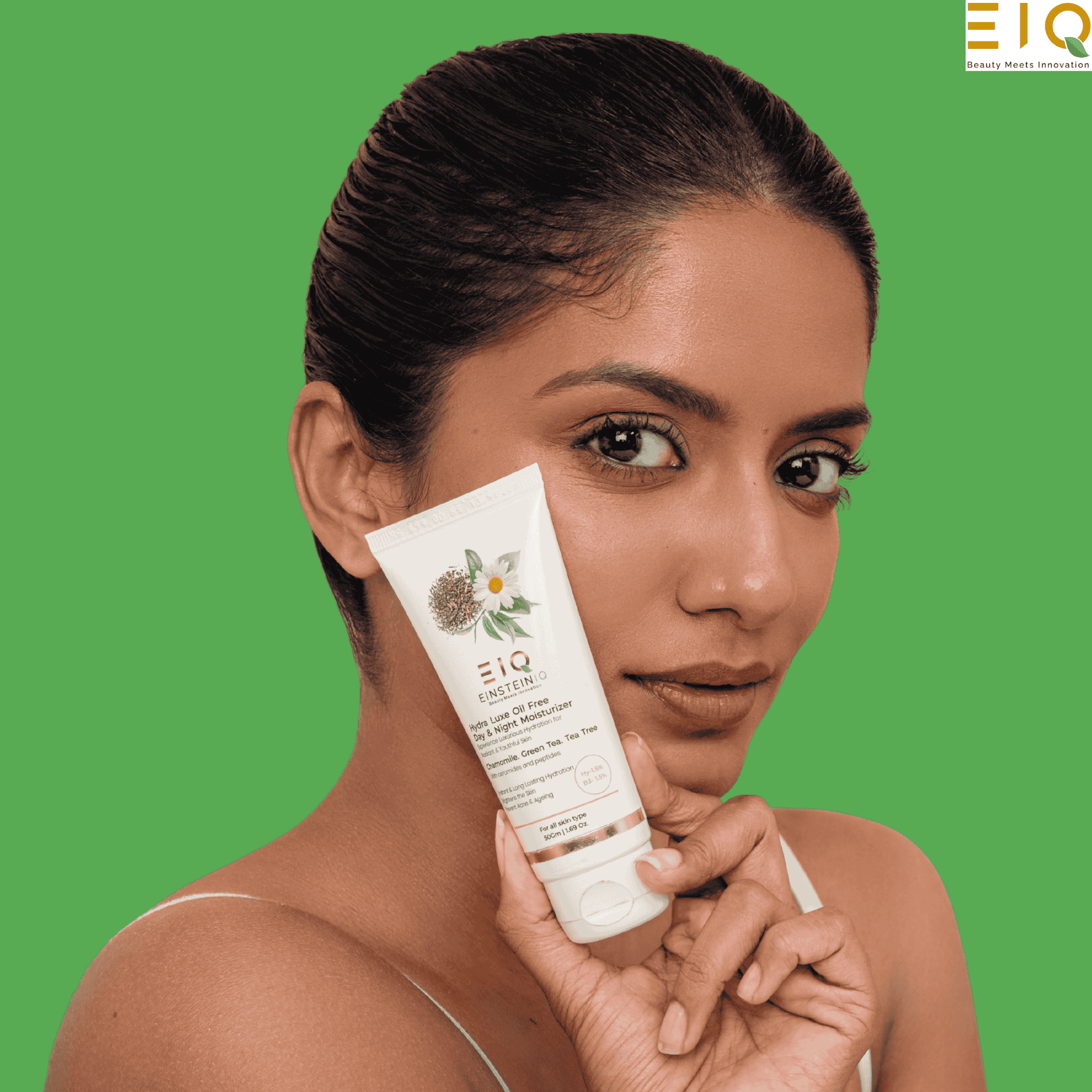
Example Of A Good Humid Climate Moisturizer Label
“oil-free, Gel Moisturizer With Hyaluronic Acid. Non-comedogenic. Fast Absorbing.”
If you see these words, the product is likely suitable for humid weather.
Credit: einsteiniqcosmetics.com
Common Mistakes When Using Moisturizer In Humid Climates
- Not changing moisturizer with the season: Your skin’s needs change. What works in winter may not work in summer.
- Layering too many products: Using toner, serum, moisturizer, sunscreen, and makeup can overload your skin.
- Skipping moisturizer completely: Even in humidity, your skin needs some hydration. The goal is balance, not dryness.
- Using the same amount as in dry climates: Less is more in humid weather.
- Ignoring sunscreen: Some skip sunscreen because it feels greasy. Use a lightweight, gel sunscreen instead.
Another common mistake is using products with alcohol. Alcohol dries out the skin, but in humidity, it can cause irritation and redness. Always check for “alcohol-free” if your skin is sensitive.
How To Build A Complete Skincare Routine For Humid Climates
A good routine is simple and consistent. Here’s what it can look like:
Morning Routine
- Cleanser: Gentle, foaming type.
- Toner (optional): Alcohol-free, hydrating.
- Lightweight moisturizer: Gel or oil-free lotion.
- Sunscreen: Gel-based or matte finish.
Night Routine
- Cleanser: To remove oil, sweat, and sunscreen.
- Serum (optional): With hyaluronic acid or niacinamide.
- Lightweight moisturizer: Same as morning or a serum.
Weekly
- Exfoliate: Once or twice a week with a gentle chemical exfoliant.
If your skin feels greasy, try skipping moisturizer at night every few days and see how it responds. Adjust based on how your skin feels in the morning.

Credit: foxtale.in
The Role Of Diet And Lifestyle In Humidity Breakouts
Skincare is only part of the story. Diet and habits matter, too.
- Drink enough water: Hydration helps keep skin balanced.
- Eat less sugar and dairy: These can trigger breakouts in some people.
- Change pillowcases often: Sweat and oil collect on fabric.
- Avoid touching your face: This transfers bacteria and oil.
Other habits, like wearing tight hats or collars, can trap sweat around your face and neck. Choose loose, breathable clothing and wash hats, headbands, and pillowcases weekly.
When To See A Dermatologist
If your skin stays red, bumpy, or painful—even after changing your moisturizer and routine—it’s time to get expert help. Persistent breakouts can be a sign of:
- Acne
- Fungal acne (malassezia folliculitis)
- Rosacea
- Contact dermatitis (allergy or irritation)
A dermatologist can help you find the right treatment and products for your skin.
If you notice breakouts spreading or not responding to over-the-counter treatments, don’t delay. Early help prevents scarring and further irritation.
Real-world Example: Making The Switch
Let’s look at a simple example. Priya moved from New Delhi (hot and dry) to Singapore (hot and humid) for work. In India, she used a thick cream with shea butter for her dry cheeks. In Singapore, her skin became oily, and she started breaking out on her forehead and chin.
Here’s what worked for her:
- Switched to a gel moisturizer with hyaluronic acid.
- Used a gentle foaming cleanser.
- Swapped her cream sunscreen for a gel sunscreen.
- Used blotting papers during the day.
- Exfoliated once a week with a mild salicylic acid pad.
Within two weeks, her breakouts stopped, and her skin looked clear and healthy.
Priya also noticed her makeup lasted longer and her skin felt fresher. She learned the importance of adapting her routine to her new climate, rather than sticking to old habits.
Product Swaps: What To Replace And Why
Many people have one or two favorite products they use year-round. In humid climates, simple swaps can help.
| Product to Replace | Why Replace | Better Alternative |
|---|---|---|
| Heavy cream moisturizer | Too occlusive, traps sweat and oil | Gel or water-based moisturizer |
| Cream sunscreen | Greasy, may clog pores | Gel sunscreen |
| Thick foundation | Mixed with sweat, causes breakouts | Tinted moisturizer or BB cream |
| Physical exfoliant scrub | Too harsh, irritates sweaty skin | Chemical exfoliant (like salicylic acid) |
If you’re unsure about a product, test it on a small area for a week before using it all over your face.
Debunking Myths: Moisturizer In Humid Weather
Myth 1: You Don’t Need Moisturizer At All In Humidity.
Truth: Skin still needs hydration. Without it, your oil glands may work even harder.
Skipping moisturizer can cause your skin to produce more oil, leading to shine and possible breakouts.
Myth 2: Natural Oils Are Always Safe.
Truth: Some oils (like coconut oil) are highly comedogenic and can clog pores in humid conditions.
Always check the comedogenic rating of oils before using them in humid weather.
Myth 3: More Washing = Less Breakouts.
Truth: Washing too often strips skin’s barrier, leading to more irritation and possibly more breakouts.
Over-cleansing can also make your skin dry, prompting it to produce even more oil.
How To Spot A Non-comedogenic Moisturizer
Brands often say “non-comedogenic” on the label, but not all are created equal. Look for:
- Short ingredient lists.
- Main ingredients are water, glycerin, hyaluronic acid.
- Avoid mineral oil, lanolin, coconut oil, cocoa butter.
If you’re unsure, check ingredient lists on sites like INCI Decoder to see how likely a product is to clog pores.
Some products list “natural extracts” or “botanical oils. ” These can be good, but always check their comedogenic rating.
How To Recover From Breakouts Caused By Heavy Moisturizer
If you’ve already broken out, here’s how to heal your skin:
- Stop using the heavy product.
- Simplify your routine: Cleanser, lightweight moisturizer, sunscreen.
- Use spot treatments only on pimples.
- Avoid picking or popping pimples—this can cause scarring.
- Give your skin time: It can take 2-4 weeks for breakouts to clear.
If breakouts are severe, use an acne treatment only as needed. Too much can cause dryness and make the problem worse.
Non-obvious Tips For Staying Clear In Humid Climates
- Shower soon after sweating: Sweat left on skin can mix with bacteria and cause breakouts.
- Keep hair off your face: Hair products and oils can transfer to your skin.
- Wear loose, breathable fabrics: Tight collars and hats can trap sweat and moisturizer.
- Wash hats and headbands often.
Also, avoid sharing towels or pillowcases. These can carry bacteria that make breakouts worse.
Signs You Need To Change Your Moisturizer
- Sudden increase in pimples or bumps
- Greasy, shiny feeling all day
- Skin feels suffocated or itchy
- Makeup won’t stay on
Listen to your skin. If you notice these signs, make a change.
If your skin reacts quickly after starting a new product, it’s a sign the formula is not right for your climate or skin type.
How Weather, Pollution, And Humidity Work Together
Humidity alone is not always the problem. In cities with high pollution, the mix of sweat, dust, oil, and heavy moisturizer can make breakouts worse. Try to:
- Cleanse gently but thoroughly.
- Use micellar water if you spend lots of time outdoors.
- Choose non-comedogenic products for everything that touches your face (sunscreen, makeup, even hair gel).
Pollution particles are often smaller than pores. Heavy moisturizers trap these particles against your skin, increasing irritation.
The Psychological Impact Of Breakouts
Breakouts can be more than just a skin problem. They affect confidence and mood. Remember:
- Most breakouts from moisturizer changes are temporary.
- You are not alone—many people experience this in humid climates.
- With simple swaps and patience, your skin can recover.
If you feel stressed, remind yourself that skin adapts. Small changes to your routine can make a big difference.
Frequently Asked Questions
What Does “non-comedogenic” Mean?
Non-comedogenic means a product is less likely to clog pores. This is important in humid climates, where sweat and oil build up quickly. Look for this word on your moisturizer and sunscreen labels.
How Long Does It Take For Skin To Adjust After Switching Moisturizers?
Most people see improvement within one to two weeks. If your skin is still breaking out after four weeks, see a dermatologist.
Can I Skip Moisturizer If My Skin Is Oily In Humidity?
It’s best not to skip it completely. Use a gel-based, oil-free moisturizer to keep your skin balanced without adding extra oil.
Should I Use The Same Skincare Products Year-round?
No. Humidity, temperature, and pollution change with the seasons. Adjust your routine and products to match your skin’s current needs.
Is It Safe To Use Acne Treatments And Moisturizer Together?
Yes, but apply your acne treatment first (like salicylic acid or benzoyl peroxide), let it dry, then use a lightweight moisturizer. This helps prevent dryness and irritation.
If you want to check whether an ingredient in your moisturizer could be causing breakouts, try using an online database like COSDNA.
Living in a humid climate doesn’t mean you have to put up with greasy skin and breakouts. By understanding your skin’s needs, choosing the right products, and making a few simple changes, you can keep your skin clear, comfortable, and glowing—no matter how high the humidity climbs. Listen to your skin, be patient with changes, and remember: good skincare is about balance, not perfection.