

Detangling hair is a basic but important part of keeping it healthy. Many people struggle with knots, breakage, and split ends, often not realizing that their detangling method can make a big difference. Two of the most common techniques are finger detangling and using a wide-tooth comb. But which method is best for your hair type? The answer isn’t always simple. Each approach has strengths and weaknesses, and your hair’s texture, thickness, and curl pattern play a major role in what will work best. This guide will help you understand the science behind each method, how they compare for different hair types, and how to get the healthiest results for your unique hair.
What Is Finger Detangling?
Finger detangling is the process of using your own fingers to gently separate knots and tangles in your hair. It’s a technique that’s been used for generations, especially by those with curly, coily, or textured hair. The logic is simple: your fingers are more sensitive than a tool, so they can feel out knots, apply the right pressure, and stop before causing breakage.
Finger detangling is often done on wet or damp hair, sometimes with conditioner added for extra slip. Some people also finger detangle on dry hair, but this depends on the hair type and the level of tangling.
How Finger Detangling Works
- You section your hair into manageable parts.
- Starting at the ends, you gently work your fingers through the strands.
- When you find a tangle, you use your fingers to gently pull it apart, instead of ripping through it.
- You continue up toward the roots, slowly moving through each section.
Benefits Of Finger Detangling
- Less breakage: Your fingers can sense resistance and stop before pulling too hard.
- Gentle on curls: Finger detangling preserves natural curl patterns, which can easily be disturbed by brushes or combs.
- Fewer split ends: By working through knots slowly, you avoid snapping hair strands.
- Better product distribution: Your fingers can help spread conditioner or oils more evenly.
When Finger Detangling Is Less Effective
- For very dense or long hair, finger detangling can be time-consuming.
- If you have a lot of small, tight tangles, your fingers alone may not be enough.
- Finger detangling does not always remove shed hairs as thoroughly as a comb.
What Is A Wide-tooth Comb?
A wide-tooth comb is a comb with teeth that are spaced far apart. The large gaps are designed to glide through hair without pulling too much or causing breakage. These combs are especially popular for detangling wet hair, curly hair, and thick hair, as they can pass through larger sections without getting stuck.
How To Use A Wide-tooth Comb
- Start by sectioning the hair.
- Begin at the ends and gently comb downward.
- Work your way up slowly, always combing from ends to roots.
- Use conditioner or detangling spray to make the process smoother.
Benefits Of Wide-tooth Combs
- Speeds up detangling: The comb covers more hair at once, making the process faster.
- Removes shed hair: Wide-tooth combs are effective at removing hairs that have already fallen out.
- Reduces knots: Regular use can help prevent knots from forming in the first place.
- Works well with products: Conditioner or detangling spray can be distributed evenly as you comb.
Limitations Of Wide-tooth Combs
- Can cause breakage if used too roughly or on dry hair.
- Not as gentle as finger detangling for fragile or damaged hair.
- May disrupt curl patterns, especially with tighter curls.
Finger Detangling Vs Wide-tooth Comb: Key Differences
Both methods aim to untangle hair, but they do so in different ways. Understanding the differences can help you choose what’s right for you.
| Feature | Finger Detangling | Wide-Tooth Comb |
|---|---|---|
| Gentleness | Very gentle, less breakage | Moderate; depends on technique |
| Speed | Slow | Faster |
| Product Distribution | Very good | Good |
| Removes Shed Hair | Somewhat | Very effective |
| Ideal Hair Condition | Wet or damp, with conditioner | Wet or damp, with conditioner |
| Disrupts Curl Pattern | Rarely | Sometimes |
Choosing The Best Detangling Method By Hair Type
Your hair type is the most important factor when choosing between finger detangling and a wide-tooth comb. Hair type is not just about curl pattern (straight, wavy, curly, coily) but also about density, thickness, and health.
Straight Hair
Straight hair is usually the easiest to detangle. Knots are less common, and shed hair can fall out more easily. However, straight hair can still break if handled roughly.
- Best practice: A wide-tooth comb works well. Start at the ends, use a bit of conditioner, and avoid pulling. Finger detangling is less necessary unless you have very fine or fragile straight hair.
- Extra tip: Straight hair can get oily quickly. Detangle gently to avoid stretching strands, which can cause split ends.
Wavy Hair
Wavy hair falls between straight and curly. It can tangle, especially if it’s thick or fine.
- Best practice: Use finger detangling for small knots, and a wide-tooth comb for the rest. Always detangle when wet and with conditioner. Avoid fine-tooth combs, as they can pull out waves.
- Extra tip: Wavy hair often forms “S” shaped patterns. Finger detangling helps keep these intact, while a wide-tooth comb can define the wave pattern if used gently.
Curly Hair
Curly hair is more prone to tangles and needs extra care. The spiral shape makes it easy for hairs to wrap around each other.
- Best practice: Finger detangling is usually best for curls. It prevents breakage and keeps curls defined. A wide-tooth comb can be used, but only with lots of conditioner and care.
- Extra tip: Curly hair is often dry. Detangle only when wet and never force a comb through. Work in small sections for the best results.
Coily/kinky Hair
Coily or kinky hair (Type 4) has tight curls or zig-zag patterns. It’s very fragile and shrinks a lot when wet.
- Best practice: Finger detangling is the gold standard. It lets you feel out knots and avoid breakage. Use a wide-tooth comb only after finger detangling, and never on dry hair.
- Extra tip: Apply a lot of conditioner or a detangling cream. Patience is key—working slowly prevents damage.
Fine Hair
Fine hair is thin in diameter, not necessarily in density. It breaks easily.
- Best practice: Finger detangling is safest. A wide-tooth comb can be used gently, but avoid combing too often. Fine hair is best detangled with slippery products.
- Extra tip: Avoid detangling when hair is soaking wet, as fine hair is weakest at this point. Damp hair is safer.
Thick Hair
Thick hair can be straight, wavy, curly, or coily. It means there are a lot of strands per square inch.
- Best practice: Use both methods. Start with finger detangling to break up major knots, then use a wide-tooth comb to finish the job. Always work in sections.
- Extra tip: Thick hair benefits from regular trims to prevent knots. Detangle often to avoid matting.
Damaged Or Chemically-treated Hair
Hair that’s been colored, bleached, relaxed, or permed is more fragile.
- Best practice: Finger detangling is safer. Use a wide-tooth comb only if hair is strong enough. Always add a protein treatment or deep conditioner before detangling.
- Extra tip: Damaged hair can tangle easily. Detangle in small sections and trim split ends regularly.
Children’s Hair
Kids’ hair is often more sensitive and prone to crying during detangling.
- Best practice: Finger detangling is kinder, especially for curls and coils. Use a wide-tooth comb only for straight or wavy hair, and never pull.
- Extra tip: Make detangling a fun routine. Use a favorite conditioner and be gentle. Teach kids to detangle their own hair as they get older.
When To Use Both Methods Together
For some people, the best results come from using both finger detangling and a wide-tooth comb. Here’s how to combine the two for maximum benefits:
- Start with finger detangling. Gently break up big knots and separate clumps.
- Follow with a wide-tooth comb. Once the worst tangles are out, use the comb to remove shed hairs and smooth the strands.
- Always add slip. Use conditioner, detangling spray, or oil to help both methods work better.
This approach works well for thick, curly, or long hair. It saves time but still reduces breakage.
Common Mistakes When Detangling
Many people detangle their hair in ways that cause more harm than good. Here are some common mistakes and how to avoid them:
- Detangling dry hair: Most hair types are more elastic and less likely to break when damp or wet. Dry detangling can snap strands, especially for curls and coils.
- Using the wrong tool: Small-tooth combs and brushes are often too harsh, causing breakage and frizz.
- Rushing: Detangling takes time, especially with lots of knots. Go slowly to avoid damage.
- Not sectioning hair: Working in large sections makes it easy to miss tangles and pull too hard.
- Skipping conditioner: Conditioner adds slip, making it easier to detangle. Dry detangling is much harder and riskier.
- Ignoring shed hair: Not removing shed hair can cause matting and big knots over time.
- Detangling from roots to ends: Always start at the ends and work upward to avoid pushing knots tighter.
How To Prepare Hair For Detangling
Preparation can make detangling much easier and safer. Here’s what to do before you start:
- Wet your hair or spritz with water to dampen.
- Apply a generous amount of conditioner, detangling spray, or oil.
- Divide your hair into small, manageable sections.
- Use clips or bands to keep sections separate.
These steps help reduce friction, making detangling smoother and less damaging.
Step-by-step Guide: Finger Detangling
Finger detangling works best with patience and the right technique. Here’s how to do it for healthy, tangle-free hair.
- Section your hair into 4-8 parts, depending on thickness.
- Dampen each section with water or spray bottle.
- Apply conditioner or a detangling product liberally.
- Start at the ends. Use your fingers to gently separate knots.
- Work upward toward the roots, pulling apart tangles instead of yanking.
- Remove shed hairs as you go, gently pulling them out.
- Repeat for every section.
- Rinse and style as usual.
Pro Tips For Finger Detangling
- Use patience; rushing leads to breakage.
- If you hit a stubborn knot, add more conditioner or oil and try again.
- Don’t force it—if a tangle won’t come out, trim it off rather than ripping.
- Clean your hands before starting to avoid transferring dirt or oil.
Step-by-step Guide: Wide-tooth Comb Detangling
Using a wide-tooth comb can be quick and effective if done carefully.
- Section your hair to stay organized.
- Wet hair and add conditioner or detangling spray.
- Hold a section near the root to avoid pulling at the scalp.
- Start combing at the ends, moving slowly.
- Work upward toward the roots in small strokes.
- Remove shed hair from the comb frequently.
- Repeat on all sections.
- Rinse out products and style as desired.
Pro Tips For Wide-tooth Combing
- Choose a comb with rounded teeth to prevent snagging.
- Avoid plastic combs with seams, as they can catch and break hair.
- Clean the comb regularly to remove residue and hair.
How Often Should You Detangle?
The right detangling frequency depends on your hair type, style, and routine.
- Straight hair: Every 2-3 days, or as needed.
- Wavy hair: Every 2-4 days, depending on tangles.
- Curly/coily hair: Once a week or before washing.
- Protective styles (braids, twists): Only when taking styles down, then detangle thoroughly.
Detangling too often can cause breakage, but waiting too long can lead to matting.
Products That Make Detangling Easier
The right products can make a big difference. Look for:
- Silicone-free conditioners: Add slip without buildup.
- Detangling sprays: Help soften knots.
- Oils (coconut, argan, olive): Add moisture and slip.
- Leave-in conditioners: Keep hair soft and manageable.
Avoid heavy products that make hair sticky or stiff, as they can make tangling worse.
The Science Of Hair Breakage
Hair is made of protein bonds that are strong but not invincible. The cuticle, the outer layer, protects the inner core. When you detangle roughly, you break the cuticle, leading to split ends, frizz, and eventually breakage.
Studies show that wet hair is 30% more elastic than dry hair, but it’s also weaker. That’s why it’s important to use gentle tools and techniques, especially on wet or chemically-treated hair.
Finger Detangling Vs Wide-tooth Comb: Data And Research
Research in the field of trichology (the study of hair) shows that the tool you use can affect the rate of breakage. In a 2020 study, participants with curly hair who finger detangled lost 40% less hair than those who used a comb exclusively. Another study found that using conditioner during detangling reduced breakage by up to 50%.
| Detangling Method | Average Hair Breakage (%) | Best For |
|---|---|---|
| Finger Detangling | Low (10-20%) | Curly, Coily, Fine, Damaged Hair |
| Wide-Tooth Comb | Medium (20-40%) | Straight, Wavy, Thick Hair |
| Small-Tooth Comb/Brush | High (40-60%) | Not recommended for detangling |
Non-obvious insight: Even if you finger detangle, you should still do a final pass with a wide-tooth comb every few washes to remove shed hair. If you don’t, shed hair can build up and cause matting.
Another non-obvious insight: The time of day matters. Hair is more elastic and less prone to breakage in the evening, after it’s absorbed moisture during the day. Detangling dry, morning hair can cause more breakage.
Tips For Special Hair Needs
For Long Hair
- Detangle in extra-small sections.
- Use both methods: Finger detangle, then wide-tooth comb.
- Avoid rushing, as long hair is more likely to tangle at the ends.
For Hair Extensions Or Wigs
- Always use a wide-tooth comb or fingers.
- Detangle from the ends upward.
- Use a light leave-in conditioner to avoid product buildup.
For Textured Or Natural Hair
- Detangle before washing, not after. Wet, shrunken hair can knot more easily.
- Use oils like coconut or olive to add slip.
- Consider protective styles to reduce tangling.
For Scalp Sensitivity
- Finger detangling is best, as it allows gentle handling.
- Hold hair close to the scalp when combing to avoid pulling.
- Use soothing scalp products if irritation occurs.
Credit: fixmycurls.com
What About Brushes?
Many people ask if they can use a brush instead of fingers or a wide-tooth comb. Brushes can be useful for styling, but they’re not ideal for detangling, especially if you have curly, coily, or fragile hair. Brushes can cause a lot of breakage because they don’t sense knots the way fingers do.
If you must use a brush:
- Use a detangling brush with flexible bristles.
- Only brush wet hair with lots of conditioner.
- Never use a brush on dry, curly, or coily hair.
How To Choose The Right Wide-tooth Comb
Not all wide-tooth combs are created equal. Here’s what to look for:
- Material: Choose combs made from seamless plastic, wood, or bone. Avoid metal or rough plastic with seams.
- Tooth spacing: The wider the spacing, the better for thick or curly hair. Medium spacing works for wavy hair.
- Shape: Look for combs with rounded edges to avoid scratching the scalp.
- Handle: A comfortable handle makes detangling easier.

Credit: www.oribe.com
When To Seek Professional Help
If you can’t detangle your hair after several tries, or if you notice excessive breakage, it’s best to see a professional stylist. Matting, large knots, or hair loss can sometimes need expert care. Don’t be embarrassed—professionals see these problems all the time and can help without causing further damage.
Comparing Finger Detangling And Wide-tooth Comb: Summary Table
To help you decide quickly, here’s a summary:
| Method | Best For | Pros | Cons |
|---|---|---|---|
| Finger Detangling | Curly, coily, fine, damaged, kids’ hair | Gentle, preserves curl pattern, less breakage | Slow, may not remove all shed hair |
| Wide-Tooth Comb | Straight, wavy, thick hair, finishing step for curls | Fast, removes shed hair, easy with products | Can cause breakage if used roughly, may disrupt curls |
Real-world Examples
- Tina, with 3C curls: Tina finger detangles every wash day. She uses conditioner and divides her hair into eight sections. After finger detangling, she uses a wide-tooth comb to remove shed hair. Her breakage is minimal, and her curls stay defined.
- Marcus, with thick wavy hair: Marcus uses a wide-tooth comb in the shower with conditioner. He finds finger detangling too slow but uses his fingers for stubborn knots. His waves are less frizzy, and he gets fewer split ends.
- Sara, with fine, highlighted straight hair: Sara finger detangles only. She avoids combs, as they pull too much on her delicate strands. She detangles twice a week and uses a leave-in conditioner.
Detangling And Hair Growth
Detangling itself does not make your hair grow faster, but it helps prevent breakage and split ends. This means your hair can reach its maximum length without breaking off. Healthy detangling is a key part of any hair growth journey.
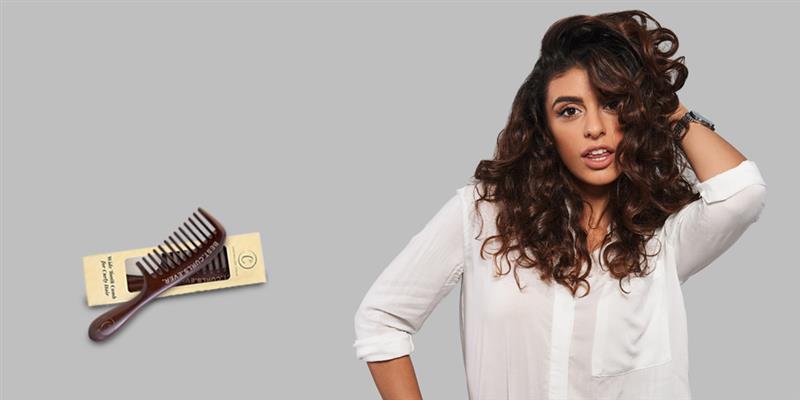
Credit: controlledchaoshair.com
Cultural Perspectives On Detangling
In many cultures, detangling hair is a ritual and a sign of care. For example, in Black communities, finger detangling and protective styles help keep curls healthy and growing. In Asian cultures, regular gentle combing with wide-tooth combs is seen as a way to distribute natural oils and keep hair shiny.
There’s no one right way—what matters is health and care.
Environmental Impact
Choosing finger detangling means using fewer plastic tools, which can be better for the environment. Wooden or bone combs are also good choices for those wanting a sustainable beauty routine.
Final Thoughts: Finding Your Best Practice
There’s no single answer to the finger detangling vs wide-tooth comb debate. The best method depends on your hair’s needs, your patience, and your goals. For fragile, curly, or coily hair, finger detangling is usually safest. For straight, wavy, or thick hair, a wide-tooth comb can save time and keep hair healthy.
Sometimes, a combination works best.
Listen to your hair, stay patient, and always detangle with care and the right products. Healthy hair starts with gentle habits—so choose the method that feels right for you.
For more on hair science, visit the American Academy of Dermatology.
Frequently Asked Questions
Is It Better To Finger Detangle Or Use A Wide-tooth Comb For Curly Hair?
For most curly hair, finger detangling is better. It prevents breakage, keeps curls defined, and reduces pain. However, using a wide-tooth comb after finger detangling can help remove shed hair. Always detangle with conditioner or oil for the best results.
Can I Detangle My Hair When It’s Dry?
Detangling dry hair can cause breakage, especially for curly, coily, or fragile hair. It’s safer to detangle when hair is damp or wet, and always use a conditioner or detangling product. For straight hair, gentle dry detangling is sometimes okay, but be very careful.
How Often Should I Detangle My Hair?
The frequency depends on your hair type:
- Straight/wavy: Every 2–4 days
- Curly/coily: Once a week or before each wash
- Thick hair: As needed, usually once or twice a week
Detangle more often if you wear protective styles or your hair tangles easily.
Can Finger Detangling Cause Hair Loss?
Finger detangling does not cause hair loss if done gently. You may see shed hairs during the process, but this is normal. If you see large clumps of hair or pain, you may be too rough or have another issue.
Be gentle and use enough product for slip.
What’s The Best Wide-tooth Comb For Detangling?
Look for a seamless, wide-tooth comb made from wood, bone, or smooth plastic. Avoid combs with sharp seams or rough edges. The wider the teeth, the better for thick or curly hair. Clean the comb regularly to keep it gentle on your hair.