

Choosing the right moisturizer can feel confusing, especially when you notice your skin changes with the weather. Maybe your favorite cream feels too heavy in summer, or your light gel isn’t enough for winter’s dry air. Understanding how seasons affect your skin—and how gel and cream moisturizers work—will help you get healthy, comfortable skin all year. Let’s break down the real differences, when you should switch, and why your skin’s needs are never one-size-fits-all.
How Moisturizers Work: The Science Behind Hydration
Moisturizers are not just about making skin feel soft. They help your skin keep water inside and stop it from drying out. There are three main types of ingredients in moisturizers:
- Humectants: Pull water into the skin (like glycerin and hyaluronic acid).
- Emollients: Make the skin smooth and fill in gaps between skin cells (like squalane and plant oils).
- Occlusives: Form a barrier to stop water loss (like petrolatum and dimethicone).
Gel moisturizers usually have more humectants and water. They absorb quickly and feel light. Cream moisturizers mix emollients and occlusives, so they are thicker and form a barrier on your skin.
Your skin’s needs change with temperature, humidity, sun, and wind. That’s why the same product may not work year-round.
Gel Vs Cream Moisturizer: What’s The Real Difference?
It’s easy to think all moisturizers do the same thing. But the texture, ingredients, and results can be very different. Here’s a closer look:
Gel Moisturizers
- Usually water-based
- Lightweight, non-greasy
- Absorb fast
- Often contain humectants (glycerin, hyaluronic acid)
- Ideal for oily, acne-prone, or combination skin
Cream Moisturizers
- Oil or butter-based
- Thicker, richer feel
- Absorb slower, leave a protective layer
- Usually mix emollients and occlusives
- Best for dry, mature, or sensitive skin
Here’s a side-by-side comparison to make it clearer:
| Gel Moisturizer | Cream Moisturizer | |
|---|---|---|
| Base | Water | Oil/Butter |
| Texture | Light, cool, non-greasy | Thick, rich, may feel heavy |
| Absorption | Quick | Slower |
| Main Ingredients | Humectants | Emollients, Occlusives |
| Best For | Oily/Combination Skin | Dry/Sensitive Skin |
| Finish | Matte or Dewy | Dewy, sometimes shiny |
Why Season Matters: How Weather Changes Your Skin
The season changes more than just your wardrobe. It changes how much water your skin loses, how much oil it makes, and how sensitive it feels.
- Summer: High heat and humidity can make skin oily, clog pores, and increase sweat.
- Winter: Cold air and indoor heating dry out skin, leading to tightness, flaking, and irritation.
- Spring/Autumn: These in-between times can bring mix of dry and humid days, plus allergies that can make skin reactive.
A moisturizer that feels perfect in July may leave your skin thirsty in January, or greasy in August. Let’s see how to match your moisturizer to the season.
When To Use Gel Moisturizer
Gel moisturizers are popular in warmer months, but they’re not just for summer. Here’s when they shine:
Hot And Humid Weather
Your skin makes more oil when it’s hot. Humidity makes you sweat more, and heavy creams can feel sticky or cause breakouts. Gel moisturizers are light and absorb fast, so they don’t sit on the surface or block pores. They give a cool, refreshing feel—perfect after sun exposure or workouts.
Oily Or Acne-prone Skin
Even in cold weather, some people have oily skin year-round. Gel moisturizers help hydrate without adding oil or clogging pores. Ingredients like niacinamide and aloe vera can help calm redness and control shine.
Layering Under Sunscreen Or Makeup
Gels work well under sunscreen or makeup because they don’t pill or feel greasy. They dry fast, so you can move to the next step quickly.
After Exercise
Sweating strips away natural moisture. A gel moisturizer helps cool and rehydrate skin without feeling heavy.
Sensitive Or Inflamed Skin
Gels with soothing ingredients (cucumber, chamomile) can calm irritation. They’re good for people with rosacea or those using strong acne treatments.
Example: Summer Skincare Routine With Gel
- Cleanser: Gentle, non-foaming
- Toner: Alcohol-free, hydrating
- Gel moisturizer: With hyaluronic acid
- Sunscreen: Lightweight SPF 30+
Pro tip: Keep your gel moisturizer in the fridge for extra cooling effect in summer.
When To Use Cream Moisturizer
Cream moisturizers are a lifesaver when your skin feels dry, tight, or rough. Here’s when creams are the better choice:
Cold And Dry Weather
Heaters and cold wind can strip moisture from your skin, making it feel rough and flaky. Creams trap water and protect against harsh weather. The occlusives in creams act like a shield, locking in hydration.
Dry, Flaky, Or Mature Skin
Skin loses oil as you age, especially after 40. Creams help fill the gaps in your skin’s barrier, smoothing fine lines and rough patches.
Nighttime Repair
Your skin repairs itself at night. A thicker cream with ceramides or peptides helps skin recover from damage, lock in moisture, and wake up soft.
After Exfoliation Or Retinol
Using acids or retinoids can make skin sensitive. Creams soothe and protect the new skin underneath.
Example: Winter Skincare Routine With Cream
- Cleanser: Creamy, non-stripping
- Hydrating toner or essence
- Serum: With antioxidants or peptides
- Cream moisturizer: With ceramides, squalane, or shea butter
- (Morning) Sunscreen: Always, even in winter
Pro tip: For very dry skin, pat on a few drops of facial oil before your cream for extra nourishment.
Signs It’s Time To Switch Moisturizers
Your skin will tell you when it’s unhappy. Watch for these signs:
- Gel feels too light: Skin stays dry, tight, or flaky even after applying.
- Cream feels too heavy: Skin looks shiny, feels greasy, or breaks out.
- Sudden weather change: First cold snap or heatwave makes your skin react.
- New skin treatments: Strong exfoliants, acne meds, or retinol can change your skin’s needs.
- Traveling: Changing climates (like winter vacation in the tropics) often need a different moisturizer.
Non-obvious insight: Sometimes, skin can get used to a product and stop responding. Rotating types with the season can “reset” your skin’s hydration.
How To Switch Moisturizers Safely
Changing products isn’t always simple. A sudden switch can sometimes cause irritation or breakouts. Here’s how to make the transition smoother:
- Patch test: Try the new moisturizer on your inner arm for 2–3 days.
- Gradual change: Mix a small amount of new moisturizer with your old one for a few days before switching fully.
- Adjust other products: Sometimes, you need to use a milder cleanser or cut out harsh treatments when switching to a thicker cream.
- Watch your skin: If you notice redness, stinging, or pimples, pause and see if it improves.
Extra tip: In between seasons, consider mixing a gel and cream together to get the benefits of both.
Factors Beyond Season: What Else Affects Your Moisturizer Choice?
Season is important, but it’s not the only thing. Here are other things to consider:
Skin Type
- Oily: Usually prefers gels, especially in summer.
- Dry: Needs creams, especially in winter.
- Combination: May use gel on oily areas, cream on dry patches.
- Sensitive: Look for fragrance-free, gentle formulas.
Age
With age, your skin makes less oil and loses its natural barrier. Most people over 40 need richer creams, especially in dry air.
Lifestyle
- Outdoor jobs: Exposure to sun, wind, or pollution means you may need a stronger barrier cream.
- Frequent travelers: Airplanes and climate changes dry out skin quickly—creams help more.
- Active lifestyle: Gels are better if you sweat a lot or wash your face often.
Hormones
Puberty, pregnancy, menopause, and even stress can change your skin’s oil level and sensitivity. It’s normal to need a different product at different life stages.
Medications And Treatments
Acne medications, retinoids, and chemical peels can make skin dry or sensitive. A richer cream may be needed.
Ingredients To Look For (and Avoid) By Season
Not all gels and creams are made equal. Here’s what to choose for each season:
Best Ingredients For Summer (gels)
- Hyaluronic acid: Holds up to 1000x its weight in water.
- Glycerin: Draws moisture into skin.
- Aloe vera: Soothes and cools.
- Niacinamide: Reduces oil and redness.
Best Ingredients For Winter (creams)
- Ceramides: Help repair the skin barrier.
- Shea butter: Rich and nourishing.
- Squalane: Lightweight oil that hydrates.
- Petrolatum: Seals in moisture.
Ingredients To Avoid In Heat
- Heavy oils (coconut, mineral oil) in summer can clog pores.
- Fragrance and alcohol can irritate sun-exposed skin.
Ingredients To Avoid In Cold
- Gels with too much alcohol can dry out skin in winter.
- Strong acids may make skin more sensitive to wind and cold.
Non-obvious insight: Some “oil-free” gels still have silicone (dimethicone) for a smooth feel. This is usually safe, but can bother sensitive skin.
Real-world Examples: Adapting By Season
Let’s see how two different people might change their routine.
Example 1: Anna, 25, Oily Skin
- Summer: Cleanses twice daily, uses a hyaluronic acid gel moisturizer, and sunscreen. Her skin feels fresh and doesn’t break out.
- Winter: Her cheeks start to feel rough. She adds a light cream moisturizer at night but keeps gel for the day.
- Spring/Autumn: Mixes a few drops of gel and cream on cold, windy days.
Example 2: Mark, 42, Dry Skin
- Summer: Uses a light cream, but sweats a lot. Switches to a gel moisturizer in the morning to avoid feeling greasy.
- Winter: Uses a thick cream with ceramides at night and a lighter cream during the day. Adds a few drops of facial oil when it’s very cold.
Observation: Many people use both types during the year. The key is listening to your skin.
Comparing Top Gel And Cream Moisturizers
With hundreds of choices, how do you pick? Here’s a quick comparison of some top-rated products for each type:
| Product | Type | Key Ingredients | Best Season | Skin Type |
|---|---|---|---|---|
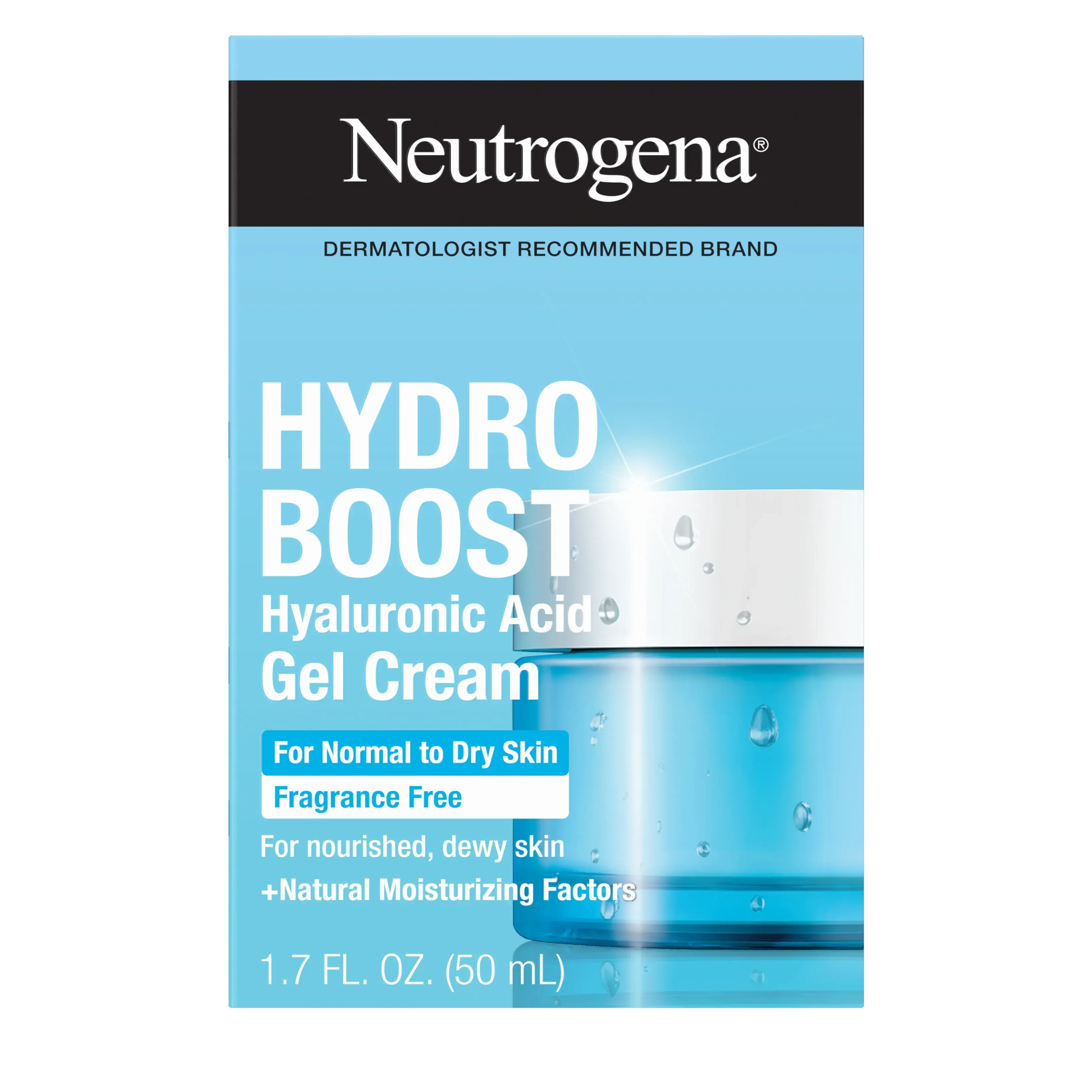
| Neutrogena Hydro Boost Gel | Gel | Hyaluronic Acid, Glycerin | Summer | Oily/Combo |
| CeraVe Moisturizing Cream | Cream | Ceramides, Hyaluronic Acid | Winter | Dry/Sensitive |
| Clinique Moisture Surge | Gel | Aloe Vera, Caffeine | All seasons | All types |
| La Roche-Posay Lipikar Balm | Cream | Shea Butter, Glycerin | Winter | Very Dry |
| Belif Aqua Bomb | Gel | Lady’s Mantle, Ceramides | Summer | Oily/Combo |
Tip: Always check ingredients for possible allergies, and remember that higher price does not always mean better results.
How Humidity And Temperature Change Skin’s Needs
It’s not just temperature—the humidity (moisture in the air) can change how your skin behaves.
- High humidity: Skin may sweat more, produce more oil, and feel sticky. Gels are less likely to clog pores.
- Low humidity: Air pulls water from skin. Creams and oils keep moisture in.
- Sudden changes: Moving from air-conditioned to outdoor air, or from a cold climate to a hot one, can shock your skin. Switching moisturizer types can reduce this stress.
Example: Humidity Levels And Moisturizer Choice
| Humidity Level | Recommended Moisturizer | Why |
|---|---|---|
| 80% (Very humid) | Gel | Light texture, prevents clogged pores |
| 50% (Mild) | Gel or Light Cream | Flexible, depends on skin type |
| 20% (Very dry) | Cream | Prevents water loss, soothes dryness |

Credit: www.rmsbeauty.com
The Role Of Spf And Moisturizer In Different Seasons
Don’t forget sunscreen. In summer, you may want a moisturizer with SPF or layer a gel under sunscreen. In winter, the sun’s rays are weaker but still present—especially with snow’s reflection.
- Summer: Use a gel under a broad-spectrum sunscreen. Avoid heavy creams under SPF—they can pill or slide off.
- Winter: A rich cream under sunscreen protects against windburn and dryness.
Pro tip: Don’t rely on SPF in moisturizer alone. Use a separate sunscreen for full protection.
Myths And Facts About Seasonal Moisturizer Switching
There are some common myths that can confuse you. Let’s clear them up.
- Myth: “You should never use cream if you have oily skin.”
*Fact:* Oily skin can become dehydrated, especially in winter. You may need a light cream at night.
- Myth: “Gels are only for young people.”
*Fact:* Anyone can use gels, especially if they have sensitive or acne-prone skin.
- Myth: “Switching moisturizers will break you out.”
*Fact:* Breakouts happen if you choose the wrong formula, not just because of change. Switch slowly and choose wisely.
- Myth: “The thicker the cream, the better for winter.”
*Fact:* Too-thick creams can clog pores. Pick ingredients that match your skin, not just thickness.
Non-obvious insight: Humectants in gels may pull water from your skin if the air is very dry (like heated rooms in winter). In that case, always top with a cream or oil to seal in the moisture.
Credit: www.neutrogena.com
How To Build A Year-round Moisturizer Strategy
You don’t have to buy dozens of products. Here’s a smart, flexible plan:
- Start with your skin type: Know if you are oily, dry, or in between.
- Pick two moisturizers: One gel, one cream, both with gentle, effective ingredients.
- Watch the weather: Have a routine for hot/humid days and one for cold/dry days.
- Adjust as needed: It’s normal to use more cream in winter, more gel in summer.
- Mix if needed: For tricky weather, blend gel and cream for custom hydration.
- Travel kit: Pack a mini version of both so you can adapt while traveling.
Bonus tip: Keep an eye on your skin’s “feel”—tightness, oiliness, irritation. Small, regular changes work better than waiting for a crisis.
Mistakes To Avoid When Switching Moisturizers By Season
It’s easy to make mistakes when changing products. Here are the big ones to avoid:
- Switching too fast: Sudden changes can shock your skin. Go slow.
- Ignoring other products: Cleansers, serums, and treatments also need adjustment with the season.
- Forgetting sunscreen: Sun damage happens all year.
- Using the wrong amount: Too much cream can clog pores; too little gel won’t hydrate.
- Skipping moisturizer: Even oily skin needs hydration, especially in air conditioning or dry air.
Trusted Expert Tips For Moisturizer Success
- Double cleanse in summer: Sweat and sunscreen build up. A gel moisturizer after keeps skin light.
- Layer up in winter: Use a hydrating serum under cream for extra moisture.
- Listen to your skin: If it feels good, you’re doing it right—even if it’s not “by the book.”
- Don’t follow trends blindly: What works for others may not work for you.
For more about skin hydration science, see this resource from the American Academy of Dermatology.
Frequently Asked Questions
What’s The Main Difference Between Gel And Cream Moisturizer?
Gel moisturizers are water-based, light, and absorb quickly. Cream moisturizers are thicker, often oil-based, and create a protective barrier. Gels are best for oily or warm-weather skin; creams are better for dry or cold conditions.
Can I Use Both Gel And Cream Moisturizers At The Same Time?
Yes, you can layer them. Often, people use a gel for hydration and a cream on top to seal in moisture, especially in dry weather or for combination skin.
Is It Safe To Switch Moisturizers When The Seasons Change?
It’s not only safe, but often necessary. As long as you switch gradually and choose products for your skin type, you can avoid irritation. Test new products before applying to your face.
How Do I Know If My Moisturizer Is No Longer Working?
Signs include dryness, tightness, breakouts, or a greasy feel. If your skin changes with the weather or after new treatments, your moisturizer may need to change too.
Do I Need A Different Moisturizer For Day And Night?
Many people use a lighter gel or lotion in the morning (under sunscreen and makeup) and a richer cream at night to repair and protect skin while sleeping. It depends on your skin’s needs.
Taking care of your skin is about paying attention, adjusting with the seasons, and choosing products that work for you—not just following trends or using the same thing all year. Switching between gel and cream moisturizers as the weather changes will help your skin stay healthy, balanced, and comfortable every day.
Credit: www.reddit.com