

High Porosity Curly Hair: Defining Curls Without Crunchy Hold
Curly hair is beautiful, but caring for it can feel complicated—especially if you have high porosity hair. You may want soft, defined curls, but sometimes styling products leave your hair feeling stiff or crunchy. The struggle to find the right balance is real, and many people with high porosity curls feel frustrated when their hair doesn’t look or feel the way they want.
High porosity curly hair absorbs moisture fast but loses it just as quickly. This can lead to dryness, frizz, and undefined curls. Many styling gels and mousses promise strong hold, but they often make hair feel hard and brittle. If you want bouncy, touchable curls without the crunch, you need a different approach.
In this guide, you’ll learn exactly how to define your curls, keep them soft, and avoid that unwanted crunchy feeling. Whether you’re new to curly hair care or looking for advanced tips, you’ll discover practical steps, expert insights, and real solutions for high porosity hair.
Understanding High Porosity Curly Hair
High porosity hair has open cuticles—the outer layer of each hair strand is raised or has gaps. This makes it easy for water and products to enter, but also easy for moisture to escape. Genetics, heat styling, chemical treatments, and color can all cause or worsen high porosity.
Key Signs Of High Porosity Hair
- Fast absorption: Hair soaks up water and products quickly.
- Quick drying: Hair dries faster than average.
- Frizz and tangling: Hair gets frizzy, tangled, and feels rough.
- Breakage: Hair can break easily, especially at the ends.
- Difficulty holding style: Curls lose their shape, and styles don’t last.
If you notice several of these signs, you probably have high porosity curly hair.
Why Crunch Happens
Many products for curly hair use strong hold ingredients like gels, polymers, or alcohol. These can build a hard shell around your curls, locking them in place. For high porosity hair, these ingredients can make dryness worse and leave your curls feeling crunchy. Instead, you need a routine that defines curls and keeps them soft.
Building A Moisture-rich Foundation
Soft, defined curls start with a strong moisture foundation. High porosity hair needs help holding onto water and nutrients.
Choosing The Right Shampoo
Use a sulfate-free shampoo. Sulfates strip away natural oils, which high porosity hair desperately needs. Look for gentle cleansers that hydrate.
Example: A shampoo with coconut oil or aloe vera will clean while adding moisture.
Deep Conditioning Strategies
Deep conditioners are your best friend. They help fill in gaps in the hair cuticle and lock in hydration.
- Use a deep conditioner at least once a week.
- Look for ingredients like sheabutter, argan oil, hydrolyzed proteins, and ceramides.
- Apply to damp hair and leave for 20–40 minutes.
- For extra absorption, cover your hair with a plastic cap and use heat (a warm towel or hooded dryer).
Leave-in Conditioners
Leave-in conditioners add a layer of moisture and protection. They help curls stay defined and soft.
- Choose lightweight, protein-rich formulas for high porosity hair.
- Apply to wet hair, focusing on ends and areas prone to dryness.
Sealing Moisture
High porosity hair loses water fast. After adding moisture, seal it in.
- Use natural oils like jojoba, avocado, or olive oil.
- But avoid heavy butters that can weigh hair down.
- Apply a small amount after leave-in conditioner, before styling.
Practical Tip
Many beginners forget to seal in moisture. This single step can make a dramatic difference in curl softness and definition.
Defining Curls Without Crunch: Styling Strategies
You don’t need a strong, crunchy gel to define your curls. Instead, focus on hydration and flexible hold.
Product Types For Soft Definition
- Curl creams: Offer light hold and lots of moisture.
- Light gels: Water-based gels with soft polymers.
- Foams/mousses: Lightweight, add volume without stiffness.
- Serums: Help tame frizz and add shine.
Example Ingredient List For Curl Cream
- Water (first ingredient)
- Shea butter
- Glycerin
- Aloe vera
- Panthenol (vitamin B5)
- Small amounts of protein (hydrolyzed keratin)
How To Apply Products For Maximum Definition
- Start with wet hair. High porosity curls absorb product best when damp.
- Section your hair. Work in small areas for even coverage.
- Apply a leave-in conditioner.
- Add curl cream or light gel, raking through each section.
- Use the “praying hands” method: Smooth product between your hands and slide over hair.
- Scrunch gently upward to encourage curl shape.
- Avoid heavy-handed application—too much product can weigh down curls.
Air Dry Vs. Diffuse
- Air drying gives a softer finish.
- Diffusing with a hair dryer (on low heat) can add volume but may cause frizz if you rush.
The “cast” And How To Break It
Many gels create a cast—a hard shell when dry. To avoid crunch:
- Use softer gels or creams.
- If you notice a cast, gently “scrunch out the crunch” once hair is fully dry. Use a few drops of oil and squeeze curls gently.
Real-life Example
Maria has high porosity curls. She switched from strong gel to a light cream, applied to soaking wet hair, and finished with a few drops of argan oil. Her curls became soft, defined, and bouncy—no crunch.
Common Mistakes With High Porosity Curls
Many people accidentally create crunch or lose definition by making simple mistakes.
1. Using Too Much Protein
Protein is good in moderation, but too much can make curls stiff and brittle. Alternate between protein and moisture treatments.
2. Skipping Regular Deep Conditioning
High porosity hair needs consistent deep conditioning. Don’t skip this step.
3. Applying Products To Dry Hair
Products work best on wet or damp hair. Applying to dry hair can cause frizz and uneven definition.
4. Not Sealing In Moisture
Skipping the oil step after leave-in can cause moisture to escape, leading to dryness and crunch.
5. Overusing Strong Hold Products
Avoid gels with high alcohol content or strong polymers. They create crunch and dryness.
6. Rough Towel Drying
Use a microfiber towel or cotton T-shirt to blot hair. Regular towels can cause frizz and breakage.
7. Not Protecting Curls Overnight
Sleeping on rough fabric can undo your curl definition. Use a satin pillowcase or silk scarf.
8. Lack Of Clarity On Product Ingredients
Read labels. Many products claim to be “curl-friendly” but contain drying alcohols or heavy silicones.
Practical Insight
Beginners often think more product means better curls. In reality, less is often more—especially with high porosity hair.
Comparing Styling Products: Crunch Vs. Soft Hold
To help you choose, here’s a comparison of common styling products for curly hair:
| Product Type | Hold Level | Moisture | Crunch Risk | Recommended For |
|---|---|---|---|---|
| Strong Hold Gel | High | Low | High | Short styles, humid climates |
| Light Gel | Medium | Medium | Low | High porosity, soft curls |
| Curl Cream | Low | High | Very Low | Bouncy, defined curls |
| Foam/Mousse | Medium | Medium | Low | Volume, fine hair |
How To Layer Products For Best Results
High porosity curly hair often needs a layering approach. This means applying products in a specific order for maximum definition and softness.
Step-by-step Layering Routine
- Cleanse: Use a sulfate-free shampoo.
- Condition: Deep condition once a week.
- Leave-In: Apply a lightweight leave-in conditioner.
- Cream or Gel: Choose a curl cream or soft-hold gel.
- Oil: Seal moisture with a light oil.
- Dry: Air dry or diffuse gently.
Example Layering Routine
Sarah’s routine:
- Wash with gentle shampoo.
- Deep condition with shea butter mask.
- Apply leave-in conditioner to wet hair.
- Add curl cream, section by section.
- Seal ends with jojoba oil.
- Air dry for soft, defined curls.
Why Layering Works
Each product serves a specific purpose:
- Shampoo cleanses without stripping.
- Conditioner and leave-in add moisture.
- Cream or gel defines curls.
- Oil locks moisture in.
Skipping a step can cause loss of definition or dryness.
Selecting Ingredients That Support Curl Definition
When shopping, look for ingredients that keep curls soft and defined without causing crunch.
Moisturizing Ingredients
- Aloe vera: Hydrates and soothes.
- Shea butter: Adds softness.
- Glycerin: Draws moisture into hair.
- Panthenol: Strengthens and smooths.
Protein Ingredients (in Moderation)
- Hydrolyzed keratin
- Silk protein
- Rice protein
Avoid These Ingredients
- Drying alcohols: (ex: ethanol, isopropyl alcohol)
- Heavy silicones: Can weigh down curls and cause buildup.
- Strong polymers: Often found in gels for “extra hold.”
Non-obvious Insight
Some “natural” products contain too much protein or heavy oils for high porosity curls. Always check the balance of moisture and protein.
How Weather And Environment Affect High Porosity Curls
Weather can make a big difference in curl definition and softness.
Humidity
High humidity can cause frizz and loss of curl shape, especially in high porosity hair.
- Use products with anti-humectants (like coconut oil) to block excess moisture.
- Avoid glycerin-heavy products in humid weather.
Dry Climate
Low humidity dries out hair fast.
- Use extra moisturizing products.
- Seal with heavier oils, but avoid buildup.
Pollution And Sun
Sun and pollution can worsen high porosity.
- Use products with UV protection or antioxidants.
- Wear hats or scarves when outside for long periods.
Practical Example
If you live in a humid area, switch to a gel with coconut oil and avoid glycerin. In a dry climate, use aloe vera-based creams and seal with avocado oil.
Daily And Weekly Care Routines
Consistency is key for defined, soft curls.
Daily Routine
- Refresh curls in the morning with a water spray and a tiny bit of leave-in.
- Scrunch gently to bring back curl shape.
- Avoid brushing dry curls.
Weekly Routine
- Deep condition once a week.
- Clarify (use a gentle clarifying shampoo) once every 2–4 weeks to remove buildup.
- Trim ends every 8–12 weeks to prevent breakage.
Night Routine
- Sleep on a satin pillowcase or wear a silk scarf.
- Pineapple your hair (tie loosely on top of your head).
- Avoid rough fabrics.
Practical Insight
Many people skip the night routine, but protecting curls overnight is critical for keeping them soft and defined.
Comparing High Porosity Vs. Low Porosity Curly Hair
Understanding the difference helps you choose the right products and routines.
| Porosity Type | Water Absorption | Drying Speed | Product Needs | Common Issues |
|---|---|---|---|---|
| High Porosity | Very fast | Quick | Moisture, sealing, light hold | Frizz, dryness, breakage |
| Low Porosity | Slow | Slow | Lightweight moisture, gentle heat | Product buildup, limp curls |
Key Takeaway
High porosity curls need strong moisture and sealing. Low porosity curls need lightweight hydration and occasional clarifying.
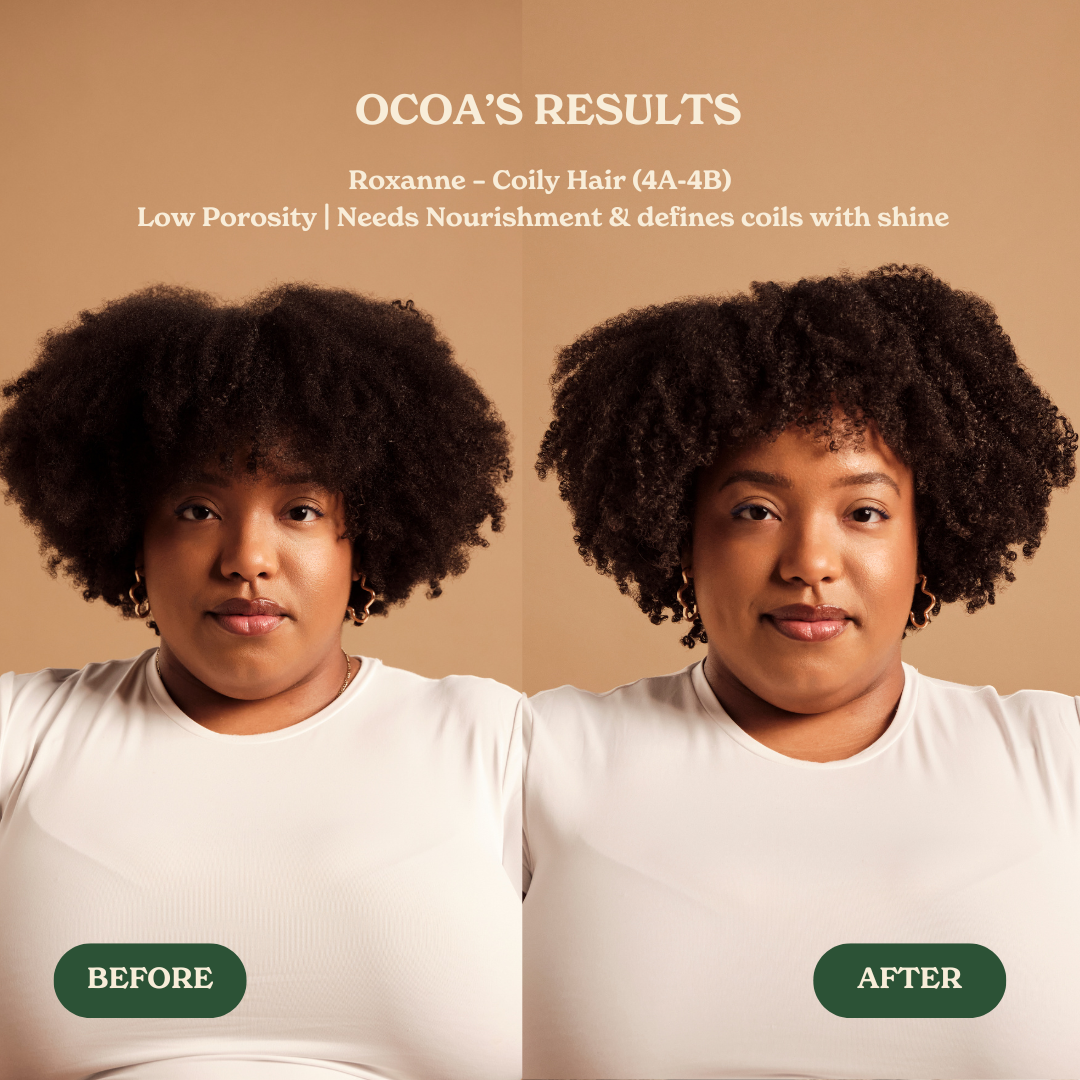
Credit: ocoabeauty.com
Non-crunchy Curl Definition Techniques
There are several techniques to define curls without creating crunch.
Finger Coiling
Twist small sections of hair around your finger after applying product. This creates well-defined curls with a soft finish.
Raking
Use your fingers to “rake” product through hair. This separates curls and helps distribute product evenly.
Scrunching
Gently squeeze curls upward with your hands after product application. This encourages curl shape.
Plopping
Wrap wet, product-filled hair in a T-shirt or microfiber towel for 15–30 minutes. This helps curls set and reduces frizz.
Diffusing With Low Heat
Use a hair dryer with diffuser attachment on low heat. Move gently and avoid over-drying.
Practical Example
After showering, Maya applies leave-in, curl cream, and oil. She finger coils each section, plops her hair for 20 minutes, then air dries. Her curls are soft, defined, and never crunchy.
Advanced Tips And Insights For High Porosity Curly Hair
1. Balance Protein And Moisture
Alternate between protein and moisture treatments. Too much protein causes stiffness; too little causes limp curls.
2. Use Humectants Wisely
Humectants like glycerin help in dry climates but can cause frizz in humid areas. Adjust your products seasonally.
3. Try Bond-building Treatments
Bond-builders (ex: Olaplex) repair internal hair structure, helping high porosity hair retain moisture.
4. Avoid Frequent Heat Styling
Heat can increase porosity and cause more dryness. If you use heat, always apply a heat protectant.
5. Scalp Care Matters
Healthy curls start with a healthy scalp. Use gentle scalp massages and avoid heavy oils on the scalp.
6. Don’t Skip Regular Trims
Split ends make curls look frizzy and undefined. Trim every few months.
7. Experiment With Product Amounts
Start with less product; add more only if needed. Too much can cause buildup and limp curls.
Non-obvious Insight
Bond-building treatments are often overlooked by beginners. They can make a big difference in curl strength and moisture retention.

Credit: marcanthony.com
Real-world Success Stories
Learning from others can help you avoid common mistakes and discover new strategies.
Priya’s Journey
Priya struggled with crunchy curls. She switched to a layering routine using sulfate-free shampoo, deep conditioner, leave-in, curl cream, and jojoba oil. She learned to “scrunch out the crunch” after drying. Her curls became soft and defined.
Alex’s Experience
Alex used strong gels but hated the stiff feeling. He tried finger coiling with a lightweight mousse and sealing with argan oil. His curls became bouncy and touchable.
Ella’s Discovery
Ella experimented with different ingredients. She found that glycerin worked well in winter but caused frizz in summer. Adjusting her routine seasonally made her curls healthier and more defined.
How To Fix Crunchy Curls
If you accidentally end up with crunchy curls, don’t worry—there are ways to fix it.
Step-by-step Recovery
- Wait until hair is completely dry.
- Add a few drops of oil (argan or jojoba).
- Gently scrunch curls to break the cast.
- Mist with water and reshape curls with fingers.
- Avoid brushing; this can cause frizz.
Practical Insight
Many beginners panic when they see crunchy curls. In most cases, a little oil and gentle scrunching will restore softness.
High Porosity Curly Hair And Color Treatments
Coloring can increase porosity and make curls harder to define.
Protecting Colored Curls
- Use color-safe, sulfate-free shampoos.
- Deep condition more often.
- Add bond-building treatments (like Olaplex).
- Avoid heat styling for at least 2 weeks after coloring.
- Seal with oil to prevent moisture loss.
Real-world Example
Jasmine colored her high porosity curls. She deep conditioned twice a week and used a bond-builder. Her curls stayed soft and defined, with no crunch.
Key Statistics And Data
- 60% of people with curly hair have high porosity due to genetics or treatments.
- High porosity hair loses up to 30% more moisture than low porosity hair.
- Over 70% of curlies report that strong hold gels cause crunch and dryness.
- Using leave-in and oil reduces frizz by 40% compared to no sealing.
- Satin pillowcases decrease breakage and frizz by 50% compared to cotton.
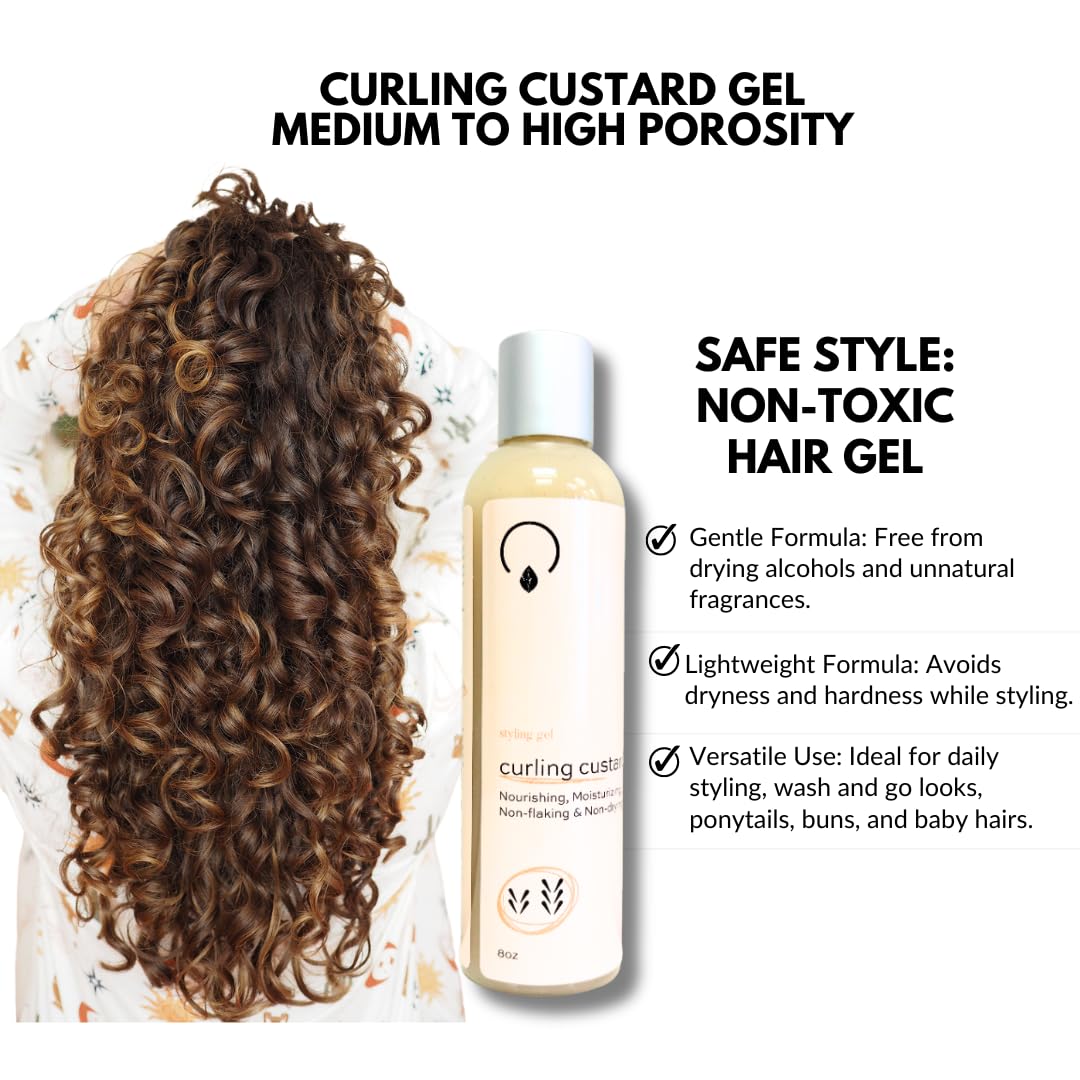
Credit: theorganibrands.com
Common Myths About High Porosity Curly Hair
Myth 1: You Need Strong Gels For Defined Curls.
Fact: Curl creams and soft gels can define curls without crunch.
Myth 2: Oil Alone Can Moisturize High Porosity Hair.
Fact: Oil seals moisture but doesn’t provide hydration. Always use conditioner first.
Myth 3: High Porosity Hair Can’t Be Soft.
Fact: With the right routine, high porosity curls can be soft and touchable.
Myth 4: More Product Means Better Curls.
Fact: Too much product can weigh down curls and cause buildup.
Myth 5: Protein Treatments Always Help.
Fact: Overusing protein can cause stiffness and breakage.
Practical Insight
Beginners often believe these myths, but science and real-world experience show otherwise.
How To Test Your Hair Porosity
If you’re unsure about your porosity, try this easy test:
- Wash your hair and let it dry naturally.
- Take a single strand and drop it into a glass of water.
- If it sinks quickly, you have high porosity.
- If it floats or sinks slowly, you have low porosity.
Practical Insight
Testing porosity helps you choose the right products and routine.
Creating Your Own Curl Routine
Every head of curls is unique. To build your perfect routine:
- Identify your porosity.
- Choose gentle, moisture-rich products.
- Layer products for best results.
- Adjust routine seasonally.
- Protect curls overnight.
- Trim ends regularly.
Non-obvious Insight
Routine consistency is more important than specific products. Stick with your routine for at least 4 weeks before making changes.
Recommended Products For High Porosity Curly Hair
While individual needs vary, here are some highly rated options:
- SheaMoisture Raw Shea Butter Deep Treatment Masque
- Ouidad Moisture Lock Leave-In Conditioner
- Camille Rose Curl Love Moisture Milk
- Eco Styler Olive Oil Gel (for soft hold)
- Mielle Organics Avocado Hair Milk
- Olaplex No. 3 Bond Builder
Practical Insight
Try sample sizes first. What works for one person may not work for another.
The Role Of Diet And Health
Healthy curls start inside your body.
- Drink plenty of water.
- Eat foods rich in biotin, vitamin E, and omega-3 fatty acids.
- Avoid crash diets; sudden changes can affect hair growth.
Real-world Example
Tina started eating more nuts, fish, and leafy greens. Her curls became stronger and more defined.
How To Avoid Product Buildup
Product buildup can cause limp curls, dryness, and loss of definition.
- Use a clarifying shampoo once every 2–4 weeks.
- Avoid heavy silicones and waxes.
- Rinse hair thoroughly after each wash.
- Alternate between different products to avoid overuse.
Practical Insight
Many beginners skip clarifying. This leads to buildup and undefined curls.
Frequently Asked Questions
What Causes High Porosity In Curly Hair?
High porosity can be caused by genetics, chemical treatments, heat styling, or coloring. When the hair cuticle is damaged or naturally open, hair loses moisture quickly and absorbs products fast.
How Can I Define My Curls Without Crunchy Hold?
Focus on moisture-rich products like curl creams and light gels. Apply to wet hair, layer products, seal with oil, and avoid strong hold gels. If you get a gel cast, scrunch out the crunch with oil after drying.
Can I Fix Crunchy Curls After Styling?
Yes. Wait until your hair is fully dry, add a small amount of oil, and gently scrunch to break the cast. Mist with water if needed to reshape curls.
What Ingredients Should I Avoid For High Porosity Curls?
Avoid drying alcohols, heavy silicones, and strong polymers. These can cause dryness, crunch, and buildup. Choose products with hydrating oils, humectants, and light proteins.
Is It Possible To Make High Porosity Hair Less Porous?
You can’t change porosity permanently, but you can improve hair health. Use bond-building treatments, deep condition regularly, and avoid heat or harsh chemicals. This helps the cuticle lay flatter and reduces moisture loss. For more information, visit National Center for Biotechnology Information.
Caring for high porosity curly hair doesn’t have to mean living with crunchy, stiff curls. With the right products, techniques, and consistency, you can enjoy soft, defined, bouncy curls every day. Remember—moisture is your foundation, layering is your strategy, and gentle care is your secret weapon.
Your curls deserve to be seen, felt, and celebrated.